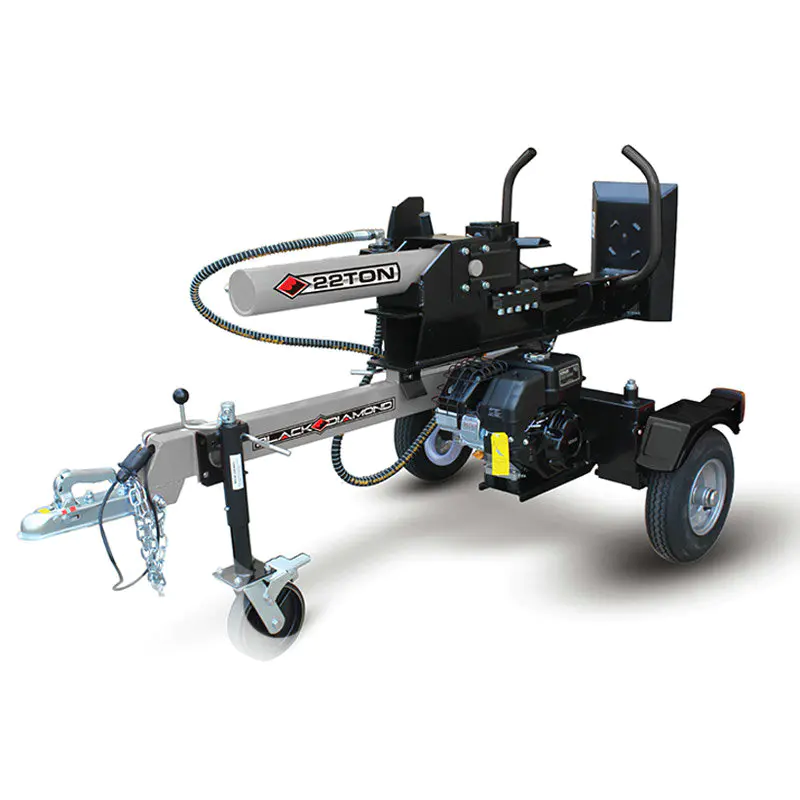
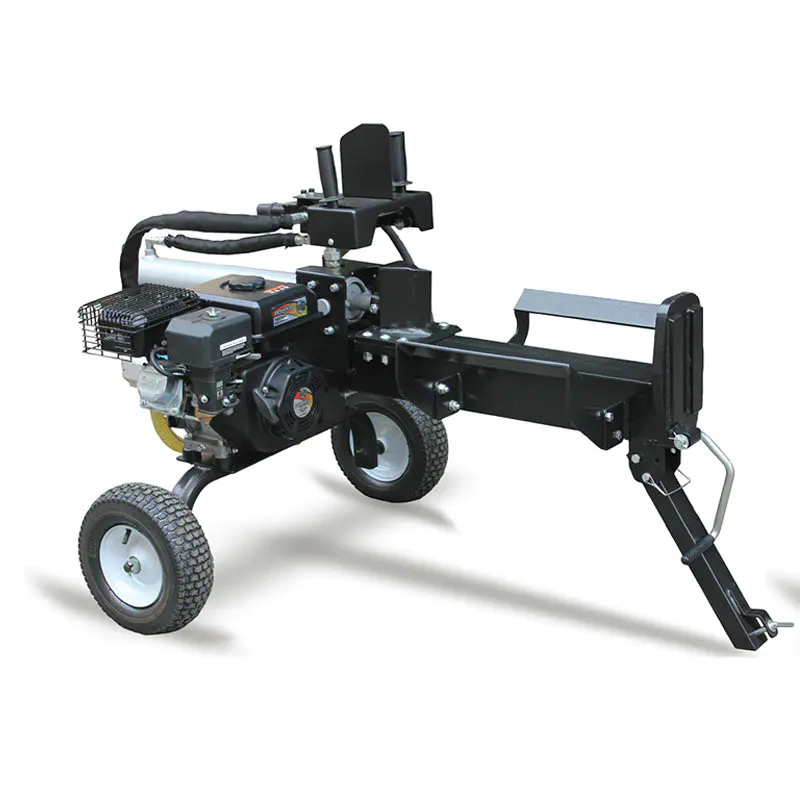
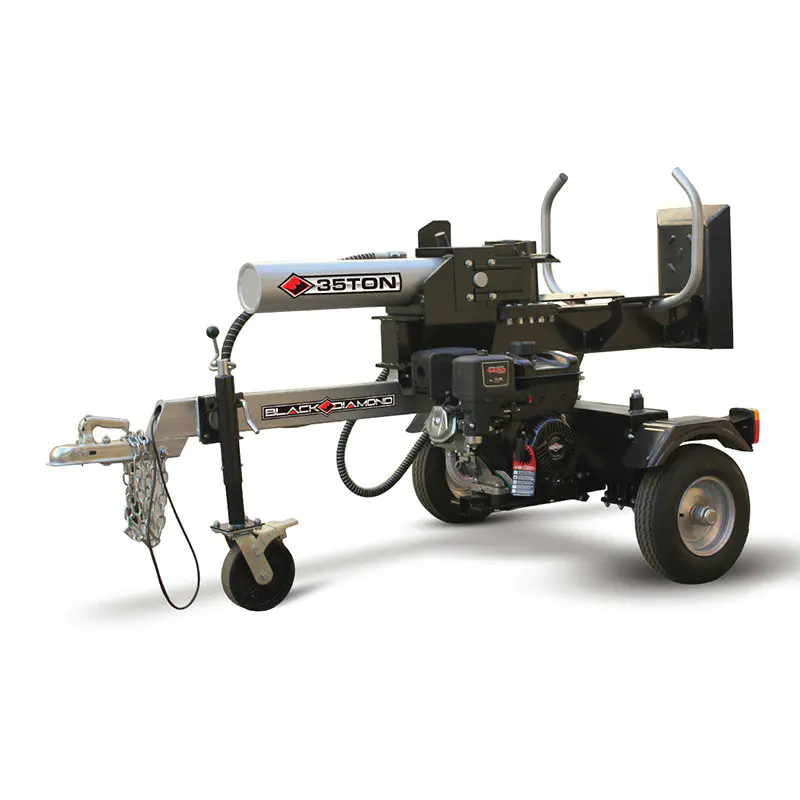
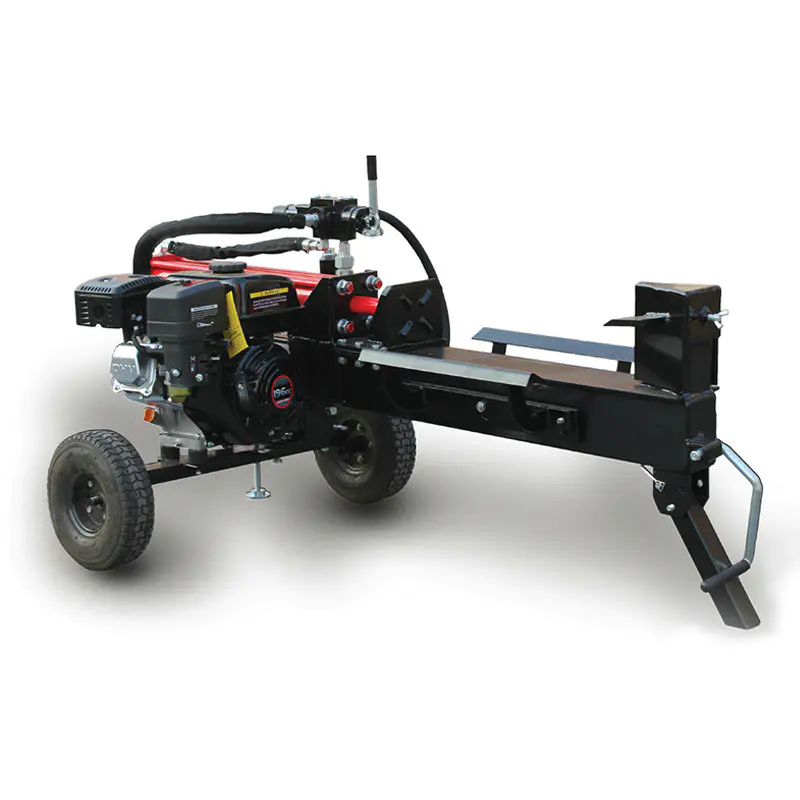
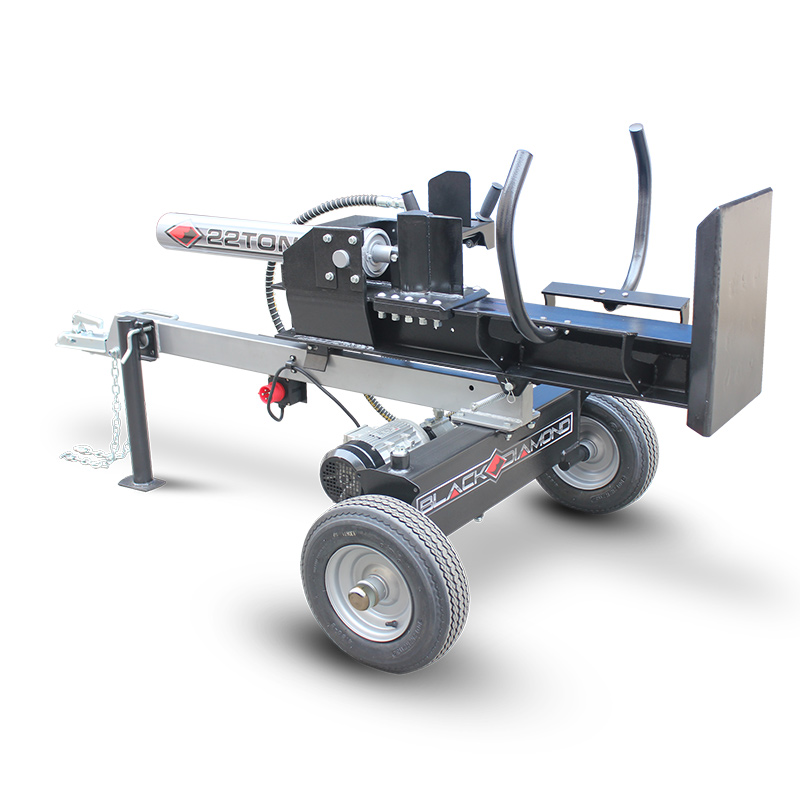
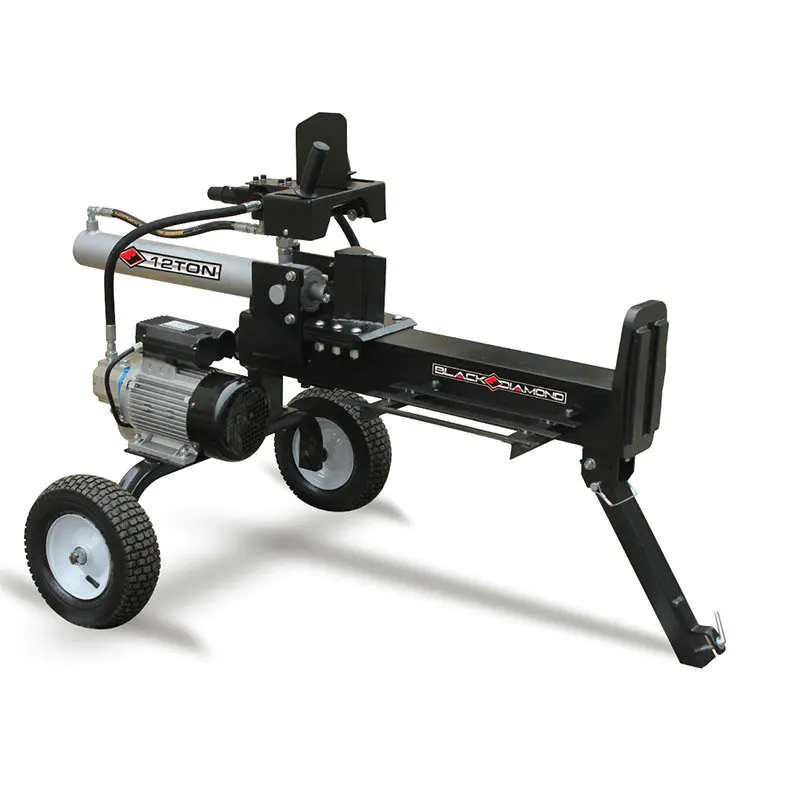
Electric log splitters are essential tools for a wide range of applications, including residential use, landscaping, forestry, and other commercial uses. Unlike traditional gas-powered splitters, electric models offer a cleaner, quieter, and often more energy-efficient alternative. However, choosing the right electric log splitter for your needs requires understanding the components, features, and performance characteristics that match your specific requirements.
1. Understanding the Core Components of an Electric Log Splitter
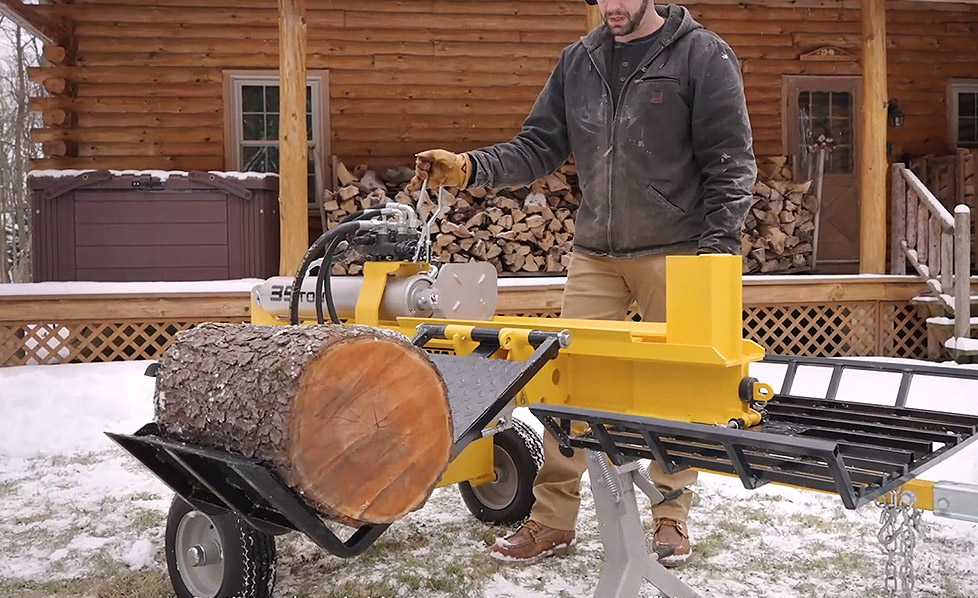
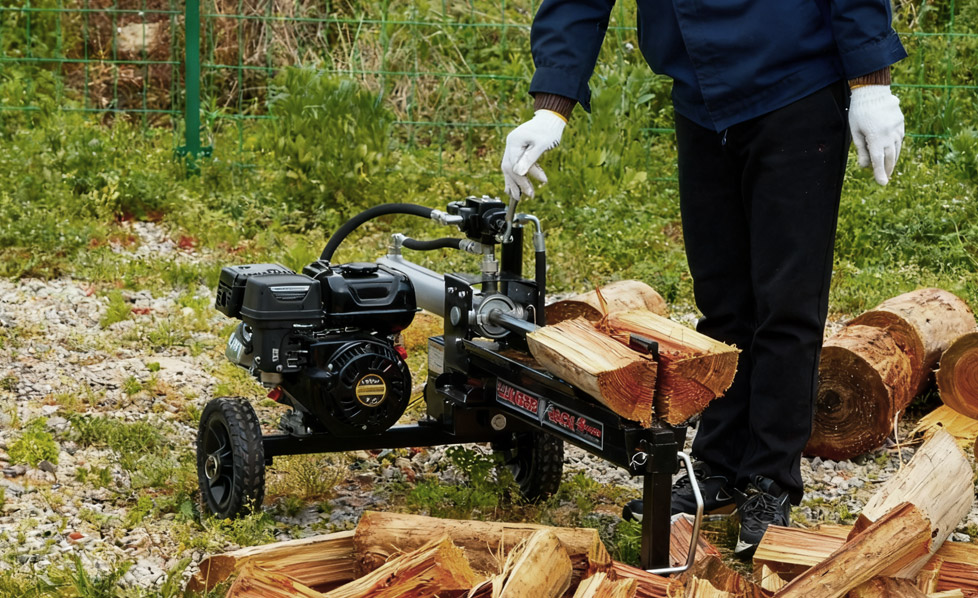
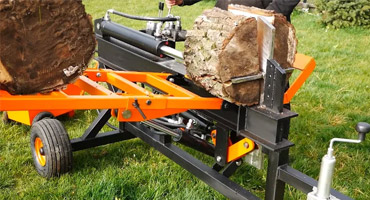
Electric log splitters operate using an electric motor to power a hydraulic pump that splits logs. The core components involved in the operation of these machines include the electric motor, hydraulic pump, hydraulic cylinder, and log cradle. Understanding the function of each part is essential for evaluating different models and their suitability for specific tasks.
1.1. Electric Motor: Types and Specifications
The electric motor is the key component that drives the hydraulic pump in an electric log splitter. It provides the necessary energy to operate the system.
-
Motor Types:
- Brushed Motors: More common in budget models, brushed motors are less efficient and require more maintenance.
- Brushless Motors: Found in higher-end models, brushless motors are more durable, efficient, and require less maintenance.
-
Motor Power:
- Horsepower (HP): The motor’s power rating is typically measured in horsepower. More powerful motors (3 HP and above) are better suited for splitting larger logs and higher workloads.
- Amperage (A): Some electric log splitters are rated by amperage, especially those that run on 120V outlets. Higher amperage models can handle more powerful tasks.
1.2. Hydraulic System: Pump, Cylinder, and Pressure
The hydraulic system is responsible for the force required to split logs. It converts the energy from the motor into hydraulic power, pushing a wedge through the log.
-
Hydraulic Pump: A hydraulic pump moves the fluid through the system and powers the splitting wedge. Its capacity is measured in gallons per minute (GPM), with larger pumps offering faster splitting speeds.
-
Hydraulic Pressure: The pressure generated by the hydraulic pump determines how much force is applied during the splitting process. Electric log splitters typically have hydraulic pressures ranging from 7 tons to 20 tons.
-
Hydraulic Cylinder: The cylinder houses the hydraulic pressure that drives the splitting action. The size of the cylinder is directly correlated with the machine’s splitting force.
1.3. Log Cradle and Splitting Wedge
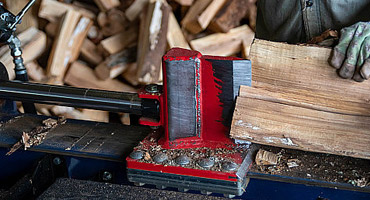
The log cradle holds the log in place, while the splitting wedge is driven into the log to create the split. The cradle’s design is crucial for stability, while the wedge ensures a clean, effective split.
- Cradle Design: Adjustable cradles allow flexibility for different log sizes, while heavy-duty cradles offer improved durability.
- Wedge Types: Wedges come in various shapes and sizes, often designed for specific types of wood or splitting orientations.
2. Key Considerations for Choosing an Electric Log Splitter
2.1. Power Rating and Log Size Capacity
The motor’s power rating and the hydraulic pressure are critical factors that determine the machine’s ability to handle logs of varying sizes. Electric log splitters typically range from 7-ton to 20-ton models, with higher-tonnage models being better suited for splitting larger or denser logs.
-
Log Diameter: Larger logs require more splitting force. A 7-ton splitter can usually handle logs up to 12 inches in diameter, while a 20-ton splitter can handle logs up to 24 inches or more.
-
Log Length: Many log splitters are designed for specific log lengths, with horizontal splitters typically handling longer logs more easily.
2.2. Splitting Speed and Cycle Time
Cycle time refers to the time it takes for a log splitter to complete one full cycle: splitting a log and resetting the hydraulic system. Faster cycle times allow for greater throughput, making them particularly useful in commercial operations.
- Cycle Time Impact: For residential use, cycle times of 15-20 seconds are typical. For high-volume operations, cycle times of 10-12 seconds are preferred, as they reduce downtime and increase productivity.
2.3. Portability and Weight
Portability is a key consideration, especially for users who need to move the splitter between different locations.
-
Lightweight Models: Typically under 100 pounds, these are easier to move and store, suitable for residential use or occasional splitting tasks.
-
Heavy-Duty Models: These are often more powerful but weigh 150-250 pounds. These models are designed for heavy-duty use and may require a trailer or lifting equipment for transport.
3. Comparing Electric Log Splitter Models
The following table compares three different models of electric log splitters based on their features, performance, and intended use:
| Feature |
Model A (7-Ton) |
Model B (10-Ton) |
Model C (20-Ton) |
| Motor Power |
2 HP |
3 HP |
5 HP |
| Splitting Force |
7 Tons |
10 Tons |
20 Tons |
| Log Diameter Capacity |
12 inches |
18 inches |
24 inches |
| Cycle Time |
15 seconds |
12 seconds |
10 seconds |
| Weight |
90 lbs |
150 lbs |
250 lbs |
| Portability |
Easy to transport |
Moderate portability |
Requires trailer for transport |
| Power Source |
Electric (Corded) |
Electric (Corded) |
Electric (Corded) |
| Safety Features |
Two-hand operation, auto reset |
Two-hand operation, overload protection |
Two-hand operation, auto reset |
| Price Range |
$200 - $300 |
$300 - $500 |
$500 - $800 |
3.1. Performance Breakdown
| Feature |
Model A (7-Ton) |
Model B (10-Ton) |
Model C (20-Ton) |
| Power Rating (HP) |
2 HP |
3 HP |
5 HP |
| Hydraulic Pressure (Ton) |
7 Tons |
10 Tons |
20 Tons |
| Recommended Log Diameter |
12 inches |
18 inches |
24 inches |
| Typical Cycle Time |
15 seconds |
12 seconds |
10 seconds |
| Weight |
90 lbs |
150 lbs |
250 lbs |
| Portability |
Highly portable |
Moderately portable |
Low portability |
| Best for |
Home use, small logs |
Residential and light commercial |
Heavy-duty, industrial use |
4. Conclusion
In conclusion, choosing the right electric log splitter for your needs involves a thorough understanding of the machine’s specifications and how they align with your intended use. Key factors such as motor power, splitting force, cycle time, portability, and safety features should guide your selection process. Additionally, evaluating the log size capacity and considering the machine’s durability and maintenance needs will ensure that your investment provides long-term value.
For residential users, a 7-10 ton model is typically sufficient, while commercial or industrial operations will benefit from the higher power and throughput capabilities of 20-ton models. By weighing these factors carefully, you can ensure that your electric log splitter will provide the necessary power, efficiency, and safety for your specific requirements.
FAQ: Frequently Asked Questions
Q1: How do I choose the right electric log splitter for my specific needs?
Choosing the right model depends on your intended use. For light residential tasks, a 7-10 ton splitter is usually adequate. If you’re splitting larger logs or working in a commercial environment, consider a 20-ton model for more power.
Q2: What are the maintenance requirements for electric log splitters?
Maintenance typically includes checking the hydraulic fluid, cleaning the motor, and inspecting the frame and components for wear. Regular checks can extend the lifespan of your machine.
Q3: How do cycle times affect my productivity in a commercial setting?
Shorter cycle times increase efficiency, as the splitter can handle more logs per hour. For commercial use, models with 10-12 second cycle times are ideal for high-volume operations.
Q4: Are electric log splitters as powerful as gas-powered models?
While electric log splitters are generally less powerful than gas-powered models, they offer advantages such as quieter operation, lower maintenance, and lower environmental impact. For most residential and light commercial uses, electric log splitters provide adequate power.
Q5: How can I ensure the safety of my staff when operating an electric log splitter?
Safety features such as two-hand operation, overload protection, and automatic resets are essential. Ensuring your operators follow proper safety protocols, such as wearing protective gear, is also critical.
Q6: What is the typical lifespan of an electric log splitter, and how can I extend it?
With proper maintenance, an electric log splitter can last 5-10 years or longer. Regular maintenance, such as changing hydraulic fluid and keeping the motor clean, can significantly extend its life.
References
- “The Engineering Principles Behind Electric Log Splitters.” Journal of Agricultural Machinery, 2024.
- Smith, John. “Operational Efficiency in Electric Log Splitters.” Journal of Forestry Equipment, 2025.
- “Comparing Energy Consumption: Gas vs. Electric.” Sustainability in Agriculture, 2023.
- “Innovations in Hydraulic Technology for Log Splitters.” Hydraulic Systems Review, 2024.

 LANGUAGE
 English
 Deutsch
 Español
 Français
 русский