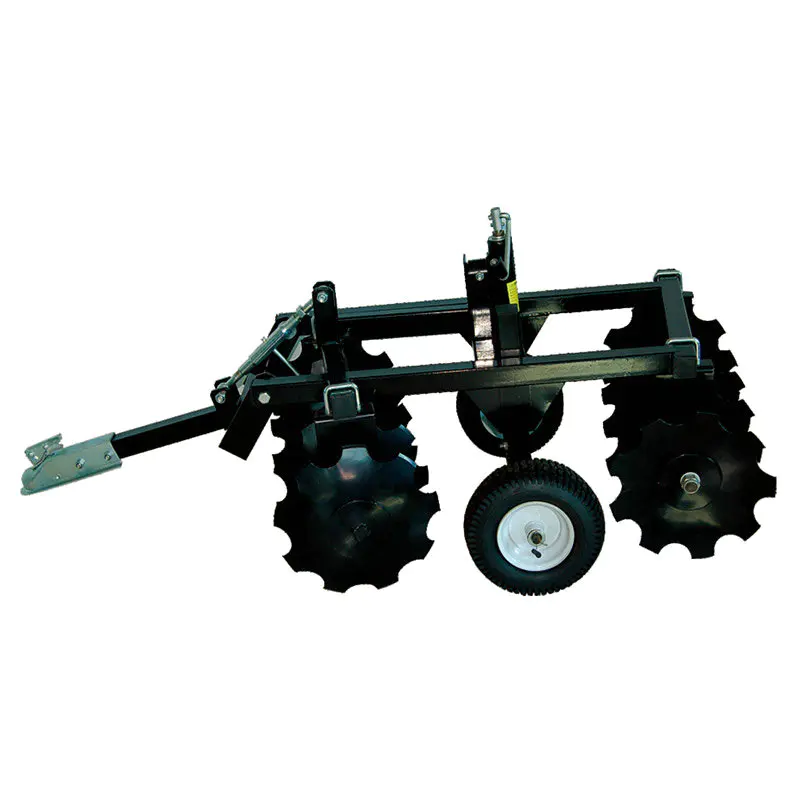
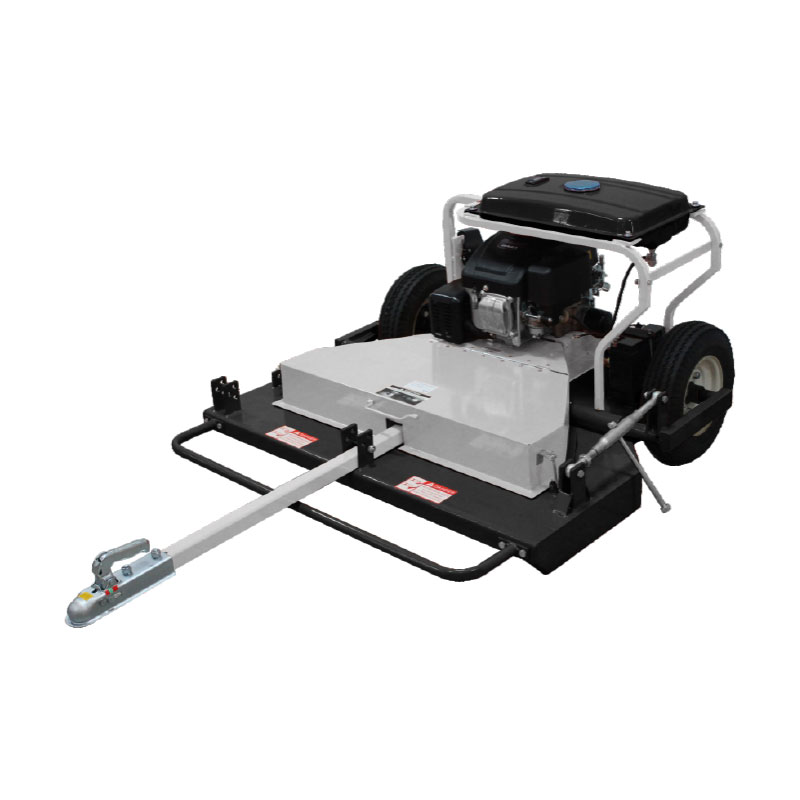
Seasonal lawn care is an essential practice in maintaining healthy, vibrant lawns, whether residential, commercial, or industrial. Managing debris, grass clippings, and leaves efficiently while ensuring minimal disruption to grass growth is crucial for lawn health. Tow Behind Lawn Sweepers are an indispensable tool in this process, especially for those with larger properties or commercial landscapes. These sweepers provide an effective solution for debris collection, improving efficiency, and helping to integrate sustainable practices into seasonal lawn care routines.
1. The Role of Tow Behind Lawn Sweepers in Seasonal Lawn Care
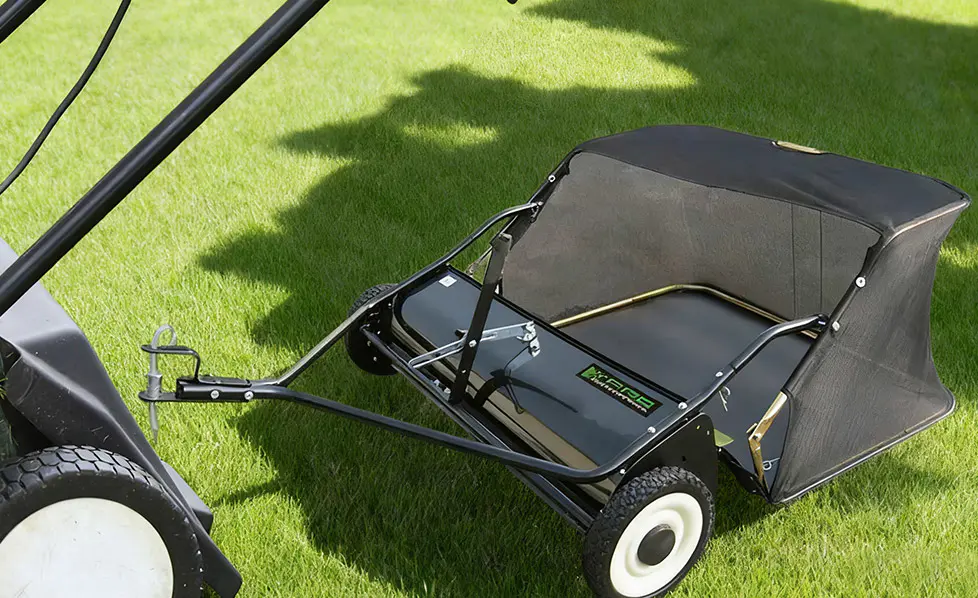
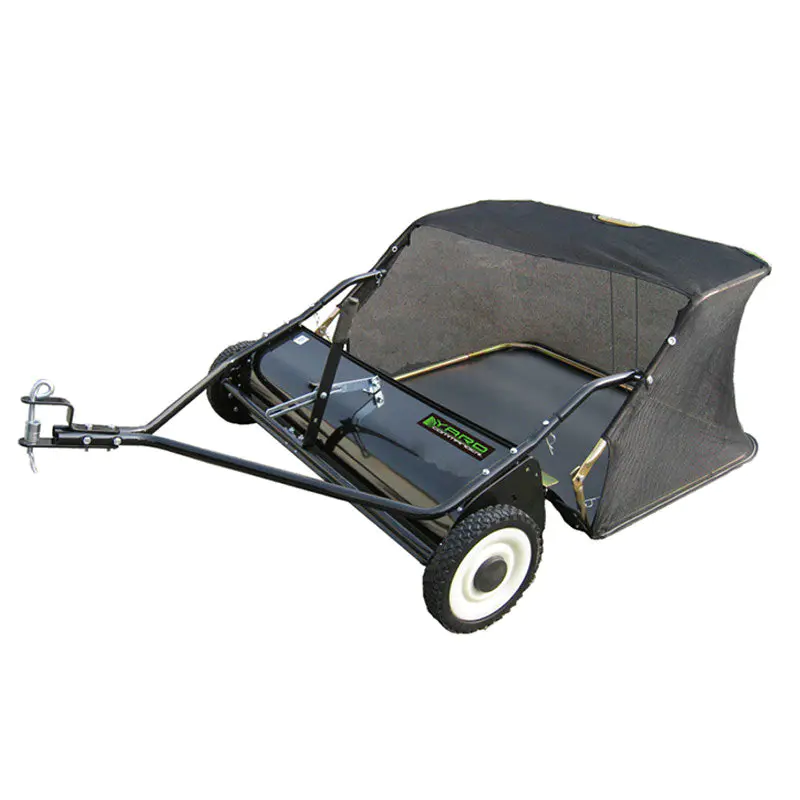
A Tow Behind Lawn Sweeper is designed to be hitched to a lawn mower or garden tractor, making it an ideal tool for large lawns. It uses rotating brushes to sweep leaves, grass clippings, pine needles, and other debris into a collection bag or hopper. This process can be beneficial throughout the year, especially when it comes to maintaining a clean, healthy lawn during the seasonal changes.
1.1 Spring Lawn Care
Spring lawn care is about preparing the lawn for the growing season. After the dormant winter months, debris such as fallen leaves, twigs, and other organic materials can block the emergence of new grass and promote disease. During this period, using a Tow Behind Lawn Sweeper is essential for quick and efficient debris removal.
- Debris Collection and Lawn Health: Removing old leaves and organic matter prevents the growth of mold or fungi, allowing nutrients to reach the soil more efficiently.
- Efficiency in Large Spaces: For large lawns or public spaces, the Tow Behind Lawn Sweeper enables quick collection of debris, reducing labor costs and time spent manually raking.
- Time-Saving: The sweeper allows users to prepare the lawn for aeration and fertilization, providing a cleaner and more accessible surface for soil treatments.
1.2 Summer Lawn Maintenance
In the summer, the focus shifts to regular mowing, watering, and general lawn maintenance. Grass clippings, which can accumulate during frequent mowing, are often left behind on the lawn. If not properly collected, they can become a breeding ground for pests or cause lawn smothering.
- Collection of Grass Clippings: A Tow Behind Lawn Sweeper helps collect grass clippings, ensuring that they are removed efficiently from the lawn and disposed of properly.
- Preventing Turf Damage: Leaving clippings on the lawn can prevent sunlight and water from reaching the grass, hindering its growth. Regular collection ensures that the lawn is not smothered by excessive clippings.
- Better Grass Growth: With clean, debris-free grass, nutrients and water reach the soil more effectively, promoting healthy lawn growth during hot summer months.
1.3 Fall Lawn Care
Fall is a busy time for lawn care professionals as it is the season when trees shed their leaves. This seasonal debris can overwhelm a lawn if not dealt with quickly. A Tow Behind Lawn Sweeper is vital for efficient fall clean-up, ensuring that the lawn is ready for winterization.
- Efficient Leaf Removal: The Tow Behind Lawn Sweeper can collect not only leaves but also other fallen organic matter such as twigs, acorns, and pine needles.
- Prepares Lawn for Winter: By removing leaves and other debris, the lawn can be treated for winter with fertilization, overseeding, or aeration, leading to better soil health when the growing season resumes in spring.
- Preventing Lawn Disease: Accumulated leaves can lead to fungal diseases, such as snow mold. By keeping the lawn clean, you prevent the growth of these pathogens and protect the grass.
1.4 Winter Lawn Care Preparation
Winter is typically a dormant period for lawns, but preparing them for the season is still crucial to ensure that they return to full health in the spring. A Tow Behind Lawn Sweeper is effective for removing any remaining debris before the first snow of the season.
- Final Clean-up Before Snow: It helps remove any remaining leaves and twigs that could be trapped under snow, potentially smothering the lawn and creating problems when the snow melts.
- Preparation for Spring Growth: Ensuring that the lawn is free from debris before winter allows for better drainage and water absorption during the thawing season, ensuring that the lawn has the nutrients it needs for early growth.
2. Engineering and Design of Tow Behind Lawn Sweepers
From an engineering perspective, Tow Behind Lawn Sweepers are designed with various technical features that ensure their efficiency and longevity. Understanding these features is essential for maximizing their benefits in seasonal lawn care.
2.1 Sweeping Mechanism
The sweeping mechanism of a Tow Behind Lawn Sweeper typically consists of a series of rotating brushes or tines. These brushes agitate the lawn, lifting debris from the surface and sweeping it into a collection hopper. The efficiency of the sweeping mechanism depends on several factors:
| Factor |
Description |
Impact on Performance |
| Brush Material |
Durable, flexible materials such as polypropylene or nylon are used to lift and collect debris. |
Ensures effective debris removal, even in wet conditions. |
| Brush Speed |
The speed of rotation is matched to the towing speed. |
High speed allows for quick debris collection without overloading the hopper. |
| Brush Height |
Adjustable to accommodate different types of debris and grass height. |
Ensures effective cleaning without damaging the grass. |
2.2 Hopper and Debris Collection
The collection hopper is where the debris is stored after it has been swept off the lawn. Its capacity is a critical feature that determines how often the sweeper needs to be emptied.
| Hopper Feature |
Description |
Benefits |
| Capacity |
The size of the hopper varies depending on the model, typically ranging from 25 to 80 gallons. |
Larger capacity reduces the number of stops required for disposal. |
| Material |
Made from high-quality plastic or steel, with rust-resistant coatings. |
Increases durability and longevity, even when exposed to outdoor elements. |
| Debris Compaction |
Some models have a compaction mechanism that compresses debris, maximizing storage capacity. |
Reduces the need for frequent emptying, improving operational efficiency. |
2.3 Durability and Materials
The materials used in the construction of the Tow Behind Lawn Sweeper are crucial for its performance and longevity.
- Steel Frames: A steel frame is essential for strength and durability, especially when the sweeper is subjected to harsh outdoor conditions.
- Rust Resistance: Coatings like powder coating or galvanized steel ensure that the sweeper is resistant to rust, which is important when used in wet or humid environments.
- Tires and Wheels: Heavy-duty, puncture-resistant tires are necessary to ensure that the sweeper can be used on uneven ground without losing traction.
2.4 Towing Compatibility
One of the most important engineering aspects is ensuring that the Tow Behind Lawn Sweeper is compatible with a wide range of lawn tractors or riding mowers. The hitching system must be versatile enough to attach securely to different types of towing equipment while remaining stable during use.
- Universal Hitching System: A robust hitch system that can connect to various lawnmowers or tractors is essential for wide compatibility.
- Adjustable Towing Arm: Some sweepers come with an adjustable towing arm to accommodate different types of vehicles and towing conditions, ensuring smooth operation.
3. Tow Behind Lawn Sweepers and Operational Efficiency
While the design of the sweeper is critical, its integration into overall lawn care systems can also have a profound effect on operational efficiency. For large-scale operations such as golf courses or parks, the Tow Behind Lawn Sweeper must be seamlessly incorporated into daily maintenance routines.
3.1 Integration with Mowing Systems
A Tow Behind Lawn Sweeper works in conjunction with a riding mower or tractor, making it easier to maintain a lawn while simultaneously collecting debris. This integration reduces the need for additional equipment, saving both time and labor.
| Factor |
Benefit |
| Compatibility with Mowers |
When the sweeper is used in tandem with a mower, it collects debris as the mower operates, making lawn care more efficient. |
| Labor Reduction |
Integrating the sweeper with the mower reduces the need for separate clean-up equipment or manual raking. |
| Operational Speed |
Coordinating the sweeping with mowing allows for a quicker overall lawn maintenance process. |
3.2 Labor and Cost Efficiency
For large-scale lawn maintenance operations, reducing the need for manual labor is a major consideration. Tow Behind Lawn Sweepers can significantly cut down on labor costs while improving the overall efficiency of lawn care routines.
- Labor Savings: The use of a sweeper eliminates the need for multiple workers to manually rake or bag debris, reducing both workforce and time costs.
- Fewer Passes Needed: Unlike traditional raking, which requires multiple passes over the lawn, the sweeper can collect large amounts of debris in one pass, enhancing operational efficiency.
3.3 Environmental Considerations
Beyond their operational efficiency, Tow Behind Lawn Sweepers also offer several environmental benefits:
- Reduction of Landfill Waste: Collected debris can be composted or used as mulch, reducing the amount of organic waste that ends up in landfills.
- Reduction in Chemical Use: By maintaining a cleaner lawn and reducing the need for pesticides and fertilizers, sweepers contribute to more sustainable lawn care practices.
4. Summary
The Tow Behind Lawn Sweeper is an essential tool in seasonal lawn care. By efficiently collecting debris and preventing turf damage, it plays a critical role in ensuring healthy, aesthetically pleasing lawns throughout the year. Its integration into lawn care systems can significantly improve operational efficiency, reduce labor costs, and contribute to sustainable landscaping practices.
FAQ
-
What is the most efficient way to use a Tow Behind Lawn Sweeper?
- The sweeper should be used in conjunction with regular mowing to efficiently collect grass clippings and debris. Adjusting the brush height based on the type of debris and grass height ensures optimal performance.
-
Can Tow Behind Lawn Sweepers be used on uneven or sloped terrain?
- Yes, most modern Tow Behind Lawn Sweepers are designed with large, durable tires and adjustable hitch systems to ensure smooth operation on uneven or sloped ground.
-
How do I choose the right size Tow Behind Lawn Sweeper for my lawn?
- Consider the size of the lawn, the volume of debris, and the towing capacity of your lawn tractor or mower. Larger sweepers are more suitable for expansive lawns, while smaller models work well for residential use.
-
How often should the sweeper brushes be replaced?
- Brushes should be checked periodically for wear. If they begin to lose effectiveness in debris collection or show visible signs of damage, it’s time to replace them. Typically, brush replacement is needed after about 50 to 100 hours of use.
-
What maintenance should be performed on a Tow Behind Lawn Sweeper?
- Regular maintenance includes cleaning the brushes after use, lubricating the moving parts, checking the tires for wear, and inspecting the collection hopper for damage. It’s also important to store the sweeper in a dry place to avoid rusting.
References
- Lawn Care Equipment Journal, “Best Practices for Lawn Sweeping,” 2023.
- Green Turf Solutions, “Tow Behind Lawn Sweepers: Efficiency in Lawn Care,” 2024.
- Environmental Lawn Care Practices, “Sustainable Solutions for Lawn Maintenance,” 2023.

 LANGUAGE
 English
 Deutsch
 Español
 Français
 русский