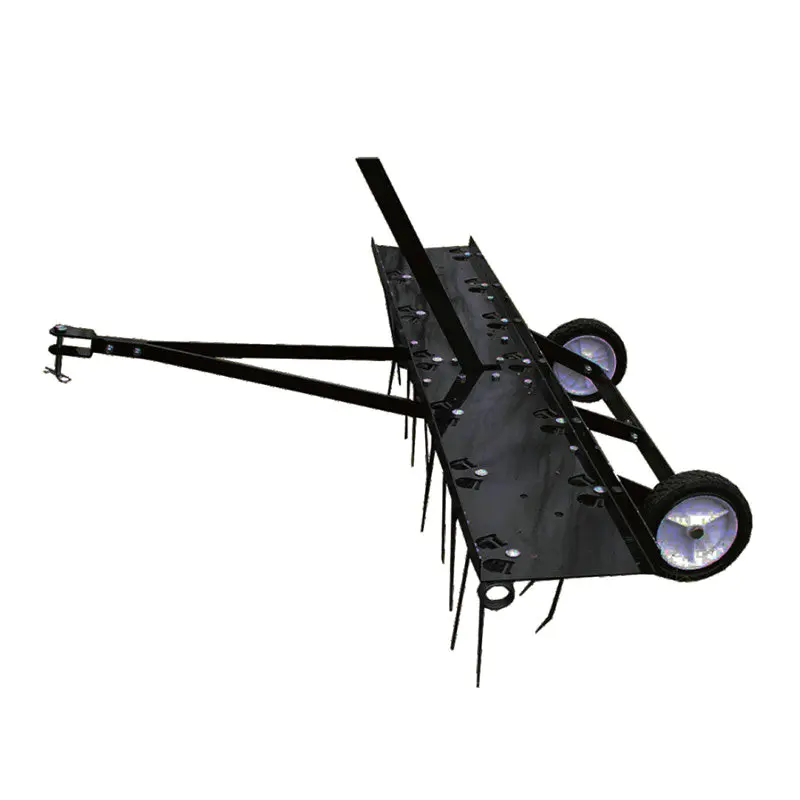
A tine dethatcher is an essential tool for maintaining healthy, well-aerated lawns. By removing thatch and organic debris that accumulates over time, it promotes grass growth and improves soil quality. Selecting the right tine dethatcher requires an understanding of the various types available, their mechanisms, and their suitability for different lawn conditions.
Understanding the purpose of a tine dethatcher
Before exploring the different types, it is important to understand the function of a tine dethatcher. Thatch is a layer of organic material, such as dead grass, roots, and debris, that accumulates between the soil surface and the green grass. Excessive thatch can prevent water, nutrients, and air from reaching the soil, which may lead to weakened grass and an increased risk of disease.
A tine dethatcher is designed to lift and remove this layer, promoting healthier grass growth. Regular dethatching helps improve soil aeration, enhances root development, and allows for better nutrient absorption. The choice of tine dethatcher depends on lawn size, grass type, soil condition, and user preference.
Manual tine dethatchers
Overview
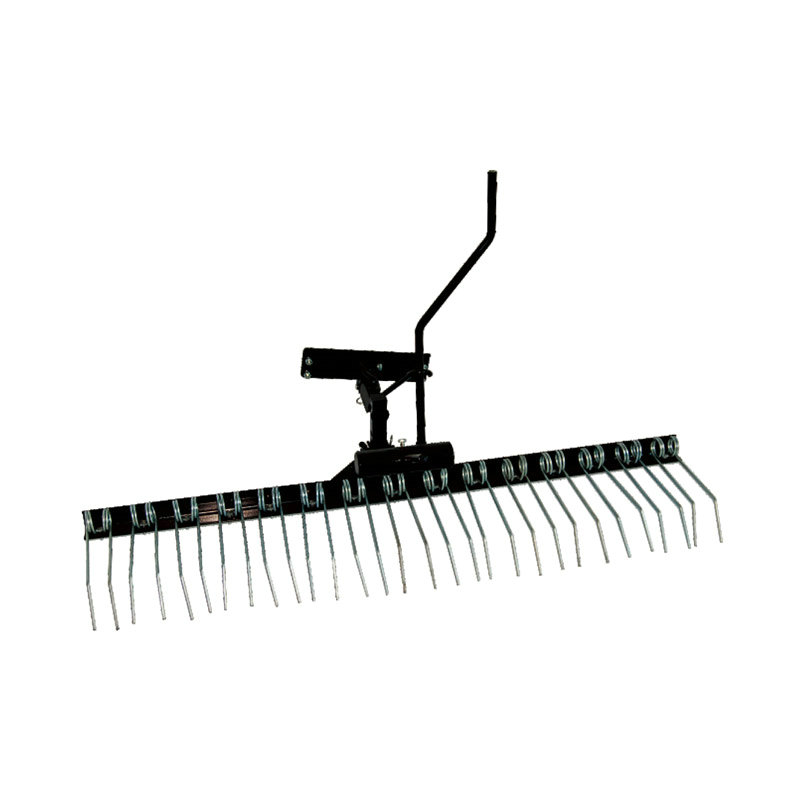
Manual tine dethatchers are simple, non-motorized tools that rely on human effort to operate. They are ideal for small lawns or gardens where precise control is needed. Manual dethatchers are often equipped with a set of flexible tines that pull up thatch as the user pushes or drags the tool across the lawn.
Advantages
- Cost-effective: Manual tine dethatchers are generally inexpensive compared to motorized options.
- Quiet operation: They produce no noise, making them suitable for residential areas.
- Control and precision: Manual operation allows careful handling to avoid damaging grass roots.
Limitations
While manual tine dethatchers are practical for small areas, they are less efficient for larger lawns. The physical effort required can be substantial, and the time needed for dethatching increases with lawn size.
Electric tine dethatchers
Overview
Electric tine dethatchers are powered by electricity, either through a corded connection or a rechargeable battery. They offer increased efficiency compared to manual models and are suitable for medium-sized lawns. Electric models often feature adjustable tines and variable speeds to accommodate different grass types and thatch thickness.
Advantages
- Ease of use: Electric tine dethatchers reduce physical strain on the user.
- Consistent performance: Motorized tines maintain consistent depth and speed, ensuring even dethatching.
- Adjustable settings: Many models allow users to modify tine height and speed for optimal results.
Limitations
Electric tine dethatchers may be limited by cord length or battery life, which can affect mobility on larger properties. Additionally, they may not have sufficient power for very dense thatch or heavy-duty lawns.
Gas-powered tine dethatchers
Overview
Gas-powered tine dethatchers are designed for large lawns or professional landscaping applications. Equipped with a gasoline engine, these models provide high power and can handle thick thatch layers and extensive lawn areas efficiently.
Advantages
- High efficiency: Gas-powered tine dethatchers can cover large areas quickly.
- Strong performance: They are capable of removing dense thatch and handling tougher soil conditions.
- Durability: Designed for heavy-duty use, these dethatchers are robust and long-lasting.
Limitations
Gas-powered models tend to be heavier, louder, and require regular engine maintenance. They are also more expensive than manual or electric versions, making them less suitable for small residential lawns.
Tow-behind tine dethatchers
Overview
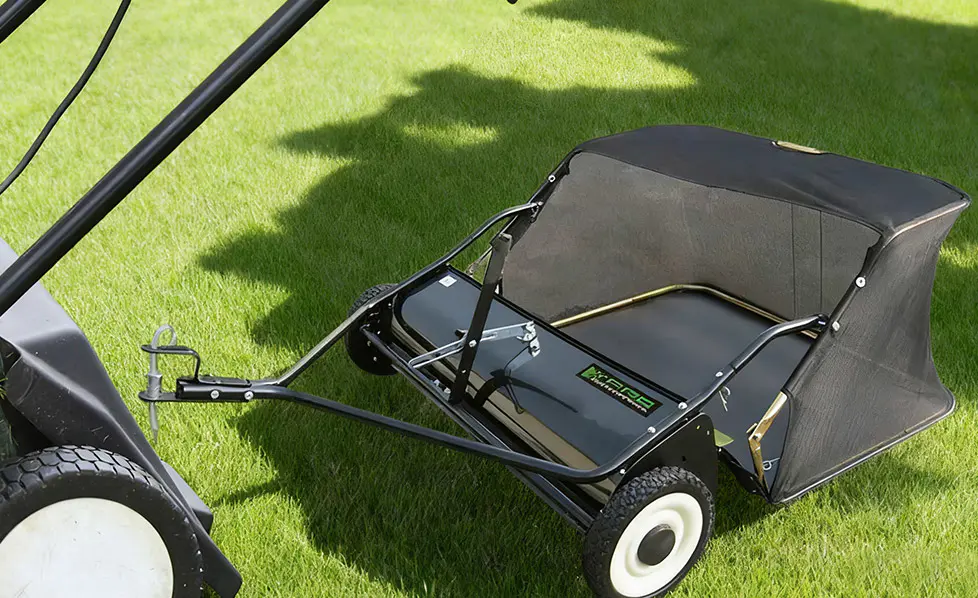
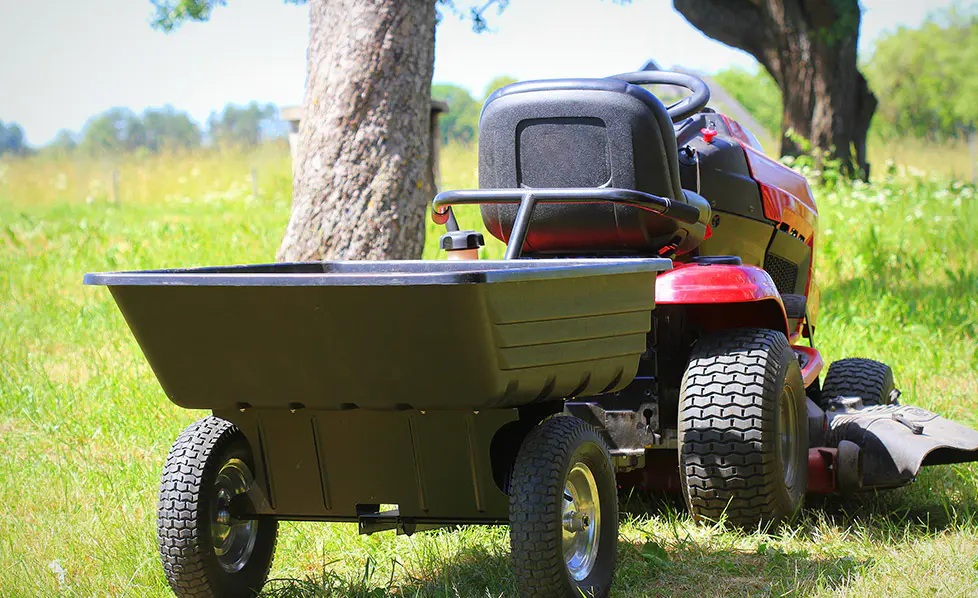
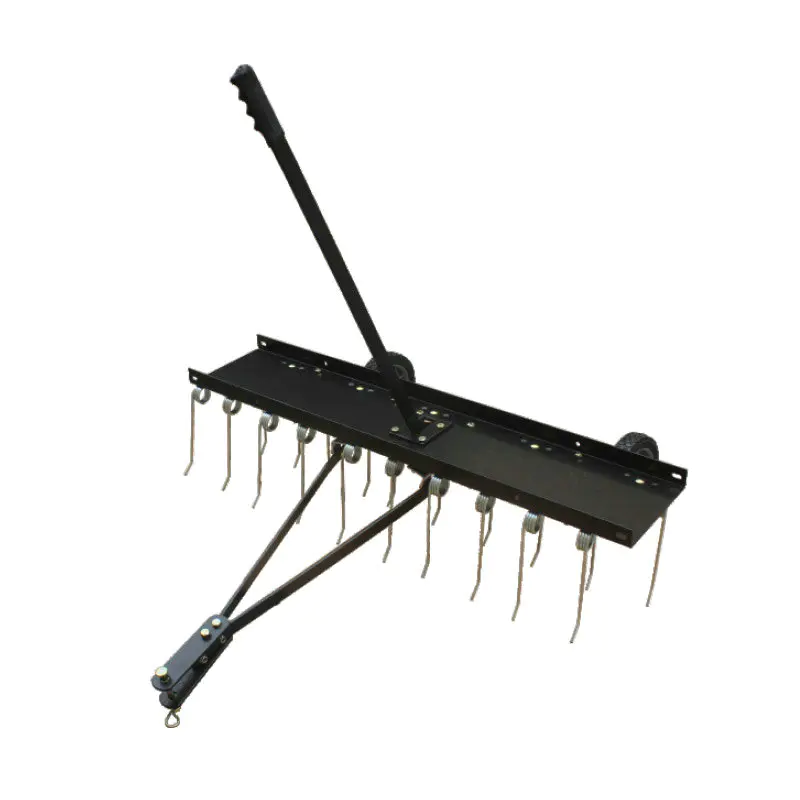
Tow-behind tine dethatchers attach to lawn tractors or garden vehicles, providing efficient coverage for large properties. These models typically feature a wide tine array that allows a single pass to cover substantial areas.
Advantages
- Large coverage: Tow-behind tine dethatchers reduce time spent on extensive lawns.
- Reduced physical effort: The user only needs to steer the vehicle, minimizing fatigue.
- Adjustable tine depth: Many models allow adjustment for different grass heights and soil conditions.
Limitations
Tow-behind dethatchers require a compatible vehicle for operation and may be less maneuverable in tight spaces. Storage and transport can also be more challenging due to their size.
Reel-type vs. rotating tine systems
Reel-type systems
Some tine dethatchers use a reel mechanism where tines rotate on a drum, pulling up thatch as they move forward. This system is common in electric and gas-powered models. The continuous rotation ensures thorough dethatching and can cover uneven terrain effectively.
Rotating tine systems
Other models employ independent rotating tines, often spring-loaded, which adapt to varying soil surfaces. Rotating tine systems provide flexibility for delicate lawns where controlled dethatching is necessary.
| Feature |
Reel-type tine dethatcher |
Rotating tine system |
| Operation |
Continuous rotation |
Independent spring-loaded tines |
| Lawn suitability |
Medium to large lawns |
Small to medium or delicate lawns |
| Thatch removal efficiency |
High |
Moderate |
| Adaptability to terrain |
Good |
Excellent |
Choosing the right tine dethatcher
Selecting a suitable tine dethatcher involves considering several factors:
- Lawn size: Small lawns benefit from manual or electric models, while large lawns may require gas-powered or tow-behind versions.
- Grass type: Some grasses are more sensitive and require gentle dethatching, making adjustable tine depth important.
- Soil condition: Dense or compacted soil may need a stronger, motorized tine dethatcher.
- Frequency of use: Occasional users may prefer simpler models, whereas frequent users or professionals may require durable, heavy-duty equipment.
Maintenance and care
Proper maintenance extends the life and efficiency of a tine dethatcher. Key practices include:
- Cleaning tines after use to prevent rust and debris buildup.
- Lubricating moving parts for smooth operation.
- Inspecting tines regularly for wear and replacing damaged tines promptly.
- Storing in a dry location to protect against corrosion.
Following these practices ensures consistent performance and longevity of the equipment.
Conclusion
Understanding the different types of tine dethatchers is essential for maintaining a healthy, vibrant lawn. Manual, electric, gas-powered, and tow-behind models each have specific advantages and limitations, suited to varying lawn sizes, soil types, and user preferences. Additionally, the choice between reel-type and rotating tine systems can influence dethatching efficiency and lawn safety. By considering factors such as lawn size, grass type, soil condition, and frequency of use, buyers can select the most appropriate tine dethatcher to meet their needs. Regular maintenance and careful operation will ensure that the equipment continues to perform effectively, promoting stronger grass growth and healthier lawns.

 LANGUAGE
 English
 Deutsch
 Español
 Français
 русский