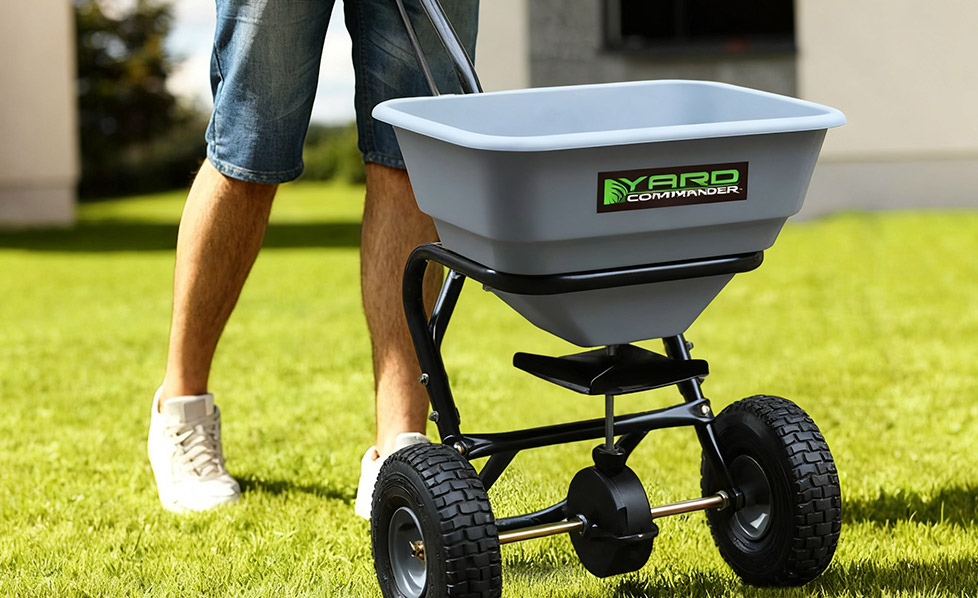
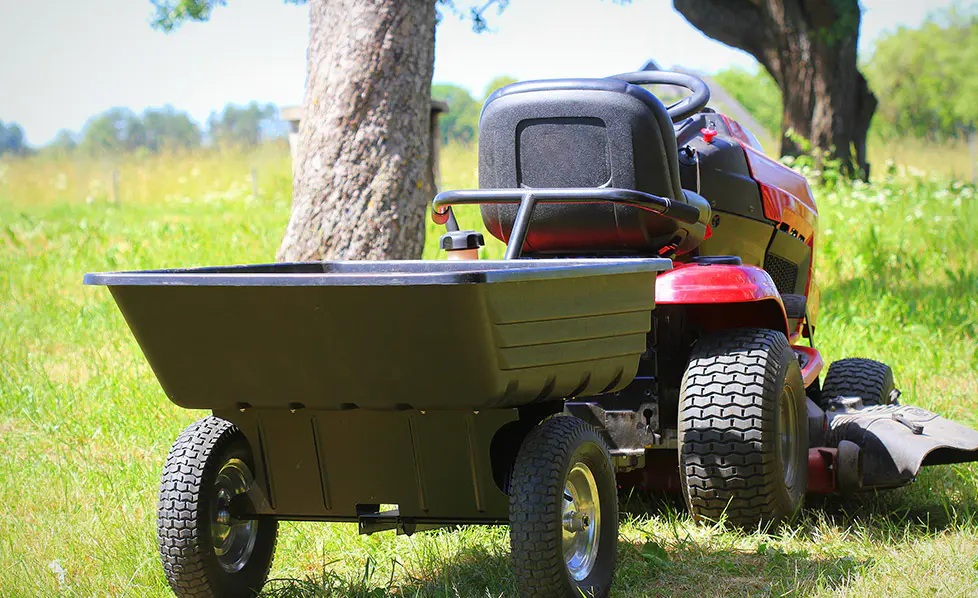
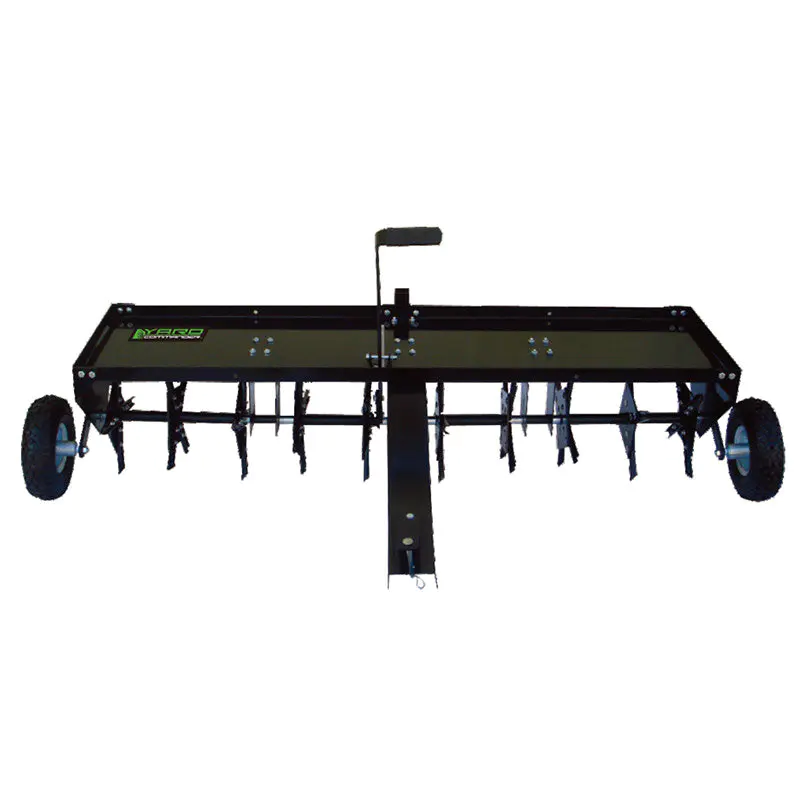
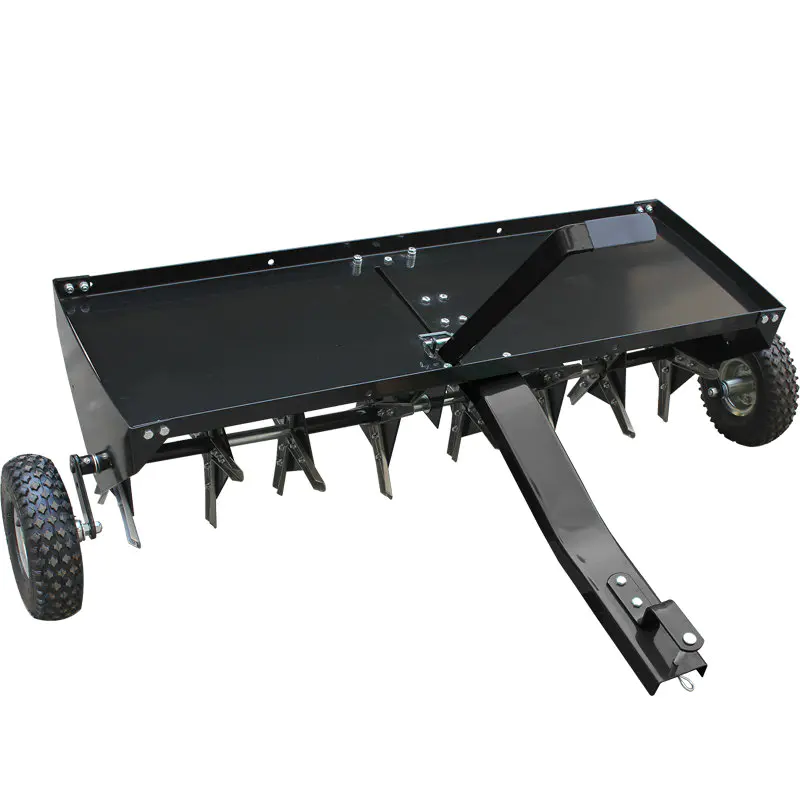
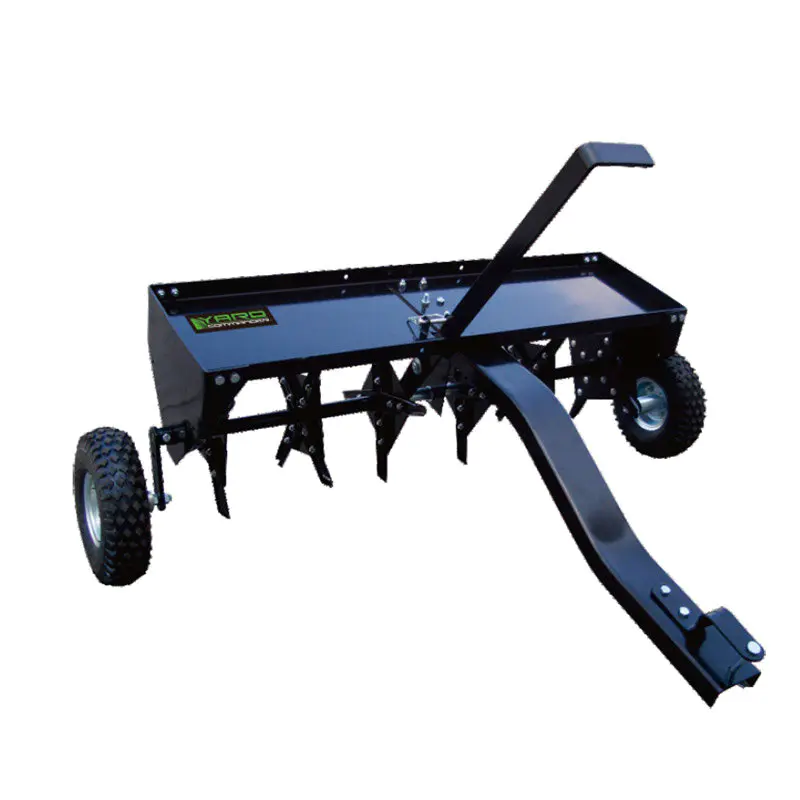
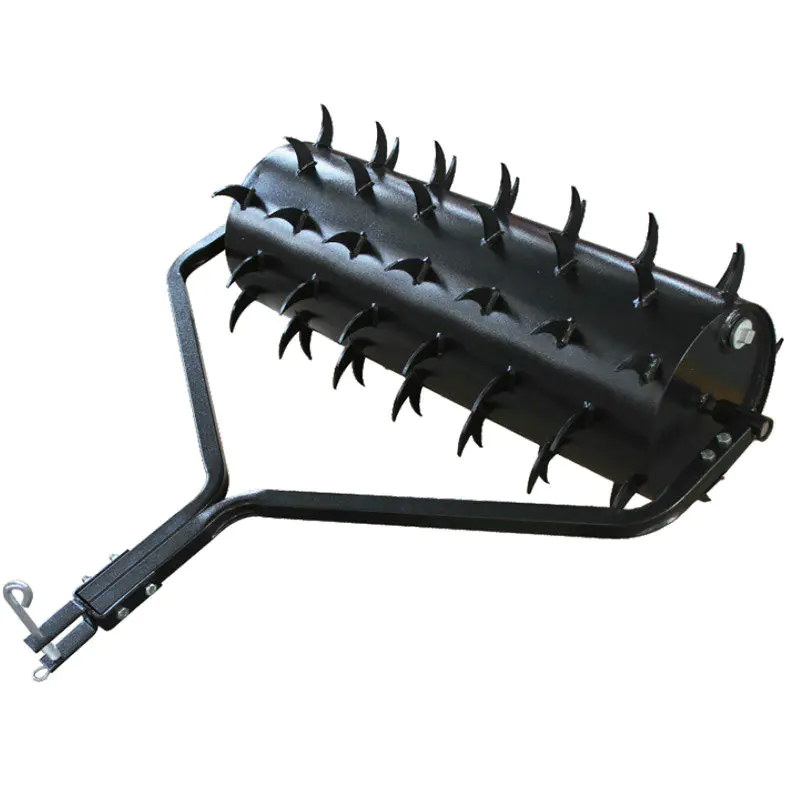
The 100lb. Aerator Spreader is widely utilized in lawn care, landscaping, and turf management for its ability to efficiently distribute materials such as seeds, fertilizers, and soil amendments. Its design combines the functionality of a spreading mechanism with the capability of aerating the soil, which helps improve soil compaction and promotes healthier turf growth.
Common Mechanical Issues
Mechanical reliability is a key factor for the operational performance of a 100lb. Aerator Spreader. The device relies on several interconnected components including the hopper, spreading mechanism, wheels, and frame structure. Despite robust engineering, mechanical issues can arise from prolonged use or improper handling.
Frame and Structural Concerns
The frame of a 100lb. Aerator Spreader supports the hopper and spreading mechanism while withstanding the weight of the load. Over time, structural stress may cause bending or fatigue in certain areas, particularly at connection points and joints. Users have reported cases where repeated exposure to heavy loads or uneven terrain has led to frame deformation, compromising stability and spreading accuracy. Regular inspection of weld points and bolts can help identify potential weaknesses before they escalate into operational failures.
Wheel and Axle Wear
The mobility of a 100lb. Aerator Spreader depends on durable wheels and axles. Continuous use over rough surfaces or uneven terrain can accelerate wear and tear, resulting in wobbling or uneven distribution. Pneumatic wheels are prone to punctures, while solid wheels may gradually develop uneven wear patterns. Replacing worn wheels or lubricating the axle assembly regularly is essential to maintain consistent performance.
Hopper and Dispenser Malfunctions
The hopper is central to the device’s ability to distribute materials evenly. One common issue is clogging, which often occurs when applying damp fertilizers or soil amendments. Residue accumulation can interfere with the flow of materials and reduce spread uniformity. Adjusting moisture content or periodically cleaning the hopper can mitigate this problem. Additionally, mechanical linkages that control the dispensing mechanism may loosen over time, resulting in inconsistent flow rates.
Operational Limitations
While the 100lb. Aerator Spreader is versatile, users may encounter operational limitations that affect efficiency and coverage.
Load Capacity Challenges
Exceeding the recommended load of 100 pounds can place undue stress on the frame and wheels. Overloading may cause difficulty in maneuvering and uneven spreading patterns. Users should adhere strictly to the maximum capacity guidelines to avoid long-term damage.
Terrain Constraints
The performance of a 100lb. Aerator Spreader is highly influenced by terrain conditions. Sloped lawns or compacted soil surfaces can reduce spreading accuracy and require increased physical effort to operate. The device may also struggle with soft or muddy ground, where wheels may sink and the hopper may tip, leading to uneven material application.
Material Compatibility
Certain granular materials or heavier seed mixes can lead to clogging or inconsistent distribution. While a 100lb. Aerator Spreader is generally designed for common fertilizers and seed types, highly cohesive or moisture-sensitive materials may require pre-conditioning to prevent operational interruptions.
Maintenance Considerations
Routine maintenance is essential to prevent the common issues associated with a 100lb. Aerator Spreader. Proper care enhances longevity and ensures consistent performance.
Cleaning and Storage
Residue from fertilizers or soil amendments can cause corrosion or mechanical blockage if left uncleaned. It is recommended to clean the hopper, dispensing mechanism, and wheels after each use. Additionally, storing the device in a dry, sheltered location reduces exposure to moisture and environmental wear.
Lubrication and Adjustment
The spreading mechanism, wheel axles, and any moving parts require periodic lubrication to maintain smooth operation. Regularly checking and adjusting linkages ensures uniform distribution rates and reduces mechanical strain. Lubrication schedules should align with manufacturer guidelines to prevent premature component failure.
Inspection of Wear Components
Wheels, axles, and hopper gates are considered wear components that require periodic inspection. Establishing a routine inspection plan can help detect early signs of degradation, such as cracks, deformation, or excessive play in moving parts. Prompt replacement or repair minimizes downtime and maintains spreading accuracy.
Table 1: Summary of Common Issues and Causes
| Component |
Common Issue |
Typical Cause |
Recommended Action |
| Frame |
Bending or fatigue |
Heavy loads, uneven terrain |
Inspect welds, tighten bolts, avoid overloading |
| Wheels & Axles |
Wear or wobbling |
Rough terrain, prolonged use |
Lubricate axles, replace worn wheels |
| Hopper |
Clogging |
Moist or cohesive materials |
Clean after use, adjust moisture levels |
| Dispensing Mechanism |
Inconsistent flow |
Loose linkages, residue buildup |
Adjust linkages, periodic cleaning |
| Overall |
Reduced efficiency |
Overloading, terrain constraints |
Adhere to load limits, choose suitable terrain |
Troubleshooting and Solutions
Identifying and addressing problems early can prevent severe mechanical or operational issues. The following approaches are commonly recommended:
- Uneven spreading: Check wheel alignment and hopper gate adjustment. Ensure granular materials are free-flowing.
- Difficulty pushing: Inspect wheels and axles for wear, and avoid exceeding load capacity.
- Clogging or blockage: Clean hopper and dispensing mechanism thoroughly, and consider drying materials before use.
- Structural issues: Monitor the frame for signs of stress, particularly at joints and weld points. Reinforce or replace components if necessary.
Table 2: Troubleshooting Checklist for a 100lb. Aerator Spreader
| Issue |
Possible Cause |
Recommended Inspection |
| Wobbly movement |
Worn wheels/axles |
Examine wheel treads, lubricate or replace axles |
| Uneven material distribution |
Hopper/dispensing misalignment |
Adjust hopper gate, clean dispensing mechanism |
| Overheating or stiffness |
Lack of lubrication |
Apply suitable lubricant to moving parts |
| Hopper tipping or instability |
Overload, uneven terrain |
Reduce load, operate on level ground |
| Frequent clogging |
Moist or dense materials |
Pre-condition material, clean hopper regularly |
Best Practices for Longevity
To mitigate the common issues discussed, users of a 100lb. Aerator Spreader should follow these best practices:
- Regular inspections of frame, wheels, and moving parts.
- Cleaning and drying after each use to prevent residue accumulation.
- Lubrication of mechanical components according to usage frequency.
- Adherence to load limits to prevent structural stress.
- Appropriate terrain selection to maintain efficiency and stability.
- Material conditioning, especially for moisture-sensitive or dense fertilizers.
Adopting these practices not only extends the life of the equipment but also ensures consistent performance across different applications.
Understanding User Concerns
Buyers and operators often raise questions related to reliability, operational ease, and maintenance. Common concerns include the potential for hopper clogging, wheel wear, and frame fatigue. These issues are largely preventable through correct usage, routine maintenance, and adherence to operational guidelines. Providing clear guidance on these points helps both new and experienced users maximize the value of a 100lb. Aerator Spreader.
Environmental and Efficiency Considerations
Efficient use of a 100lb. Aerator Spreader minimizes material waste and enhances the ecological impact of lawn care activities. Uneven distribution not only affects lawn health but also increases fertilizer runoff, which can impact surrounding vegetation or water sources. Maintaining equipment in optimal condition and selecting appropriate materials reduces environmental risks while improving operational efficiency.
Conclusion
While a 100lb. Aerator Spreader is generally reliable, users should remain aware of common issues related to mechanical wear, operational limitations, and material handling. Regular inspection, proper maintenance, adherence to load capacities, and careful material management are essential to ensure consistent performance and longevity. By understanding the operational nuances and implementing best practices, users can minimize downtime, reduce maintenance costs, and achieve optimal turf management outcomes.
Frequently Asked Questions (FAQ)
Q1: What is the most common mechanical issue with a 100lb. Aerator Spreader?
A1: The most frequently reported issue is hopper clogging, often caused by damp or cohesive materials.
Q2: How often should a 100lb. Aerator Spreader be maintained?
A2: Routine maintenance, including cleaning and lubrication, should be performed after each use or at least monthly for frequent operation.
Q3: Can a 100lb. Aerator Spreader be used on sloped terrain?
A3: Yes, but performance may decrease, and care should be taken to avoid tipping or uneven spreading.
Q4: How do I prevent wheel wear on a 100lb. Aerator Spreader?
A4: Regular inspection, lubrication, and avoiding rough or uneven terrain can help reduce wheel wear.
Q5: Is overloading a 100lb. Aerator Spreader harmful?
A5: Yes, exceeding the 100-pound load can stress the frame, affect stability, and reduce the lifespan of the equipment.
References
- Lawn Care Equipment Maintenance Guide, Turf Management Publications, 2022.
- Soil Aeration and Spreader Efficiency, Journal of Landscaping Technology, 2021.
- Practical Guide to Fertilizer and Seed Distribution, Green Industry Press, 2020.

 LANGUAGE
 English
 Deutsch
 Español
 Français
 русский