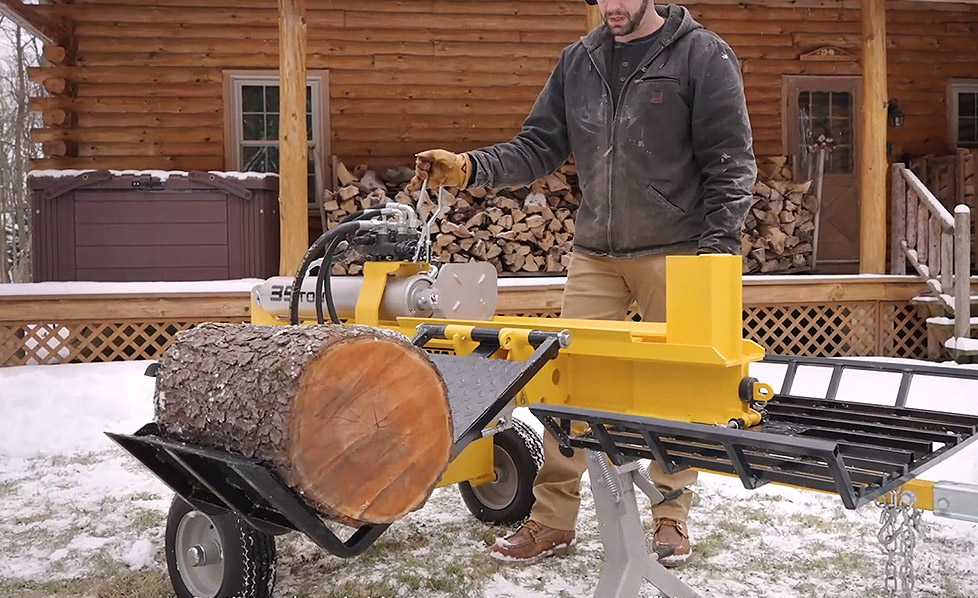
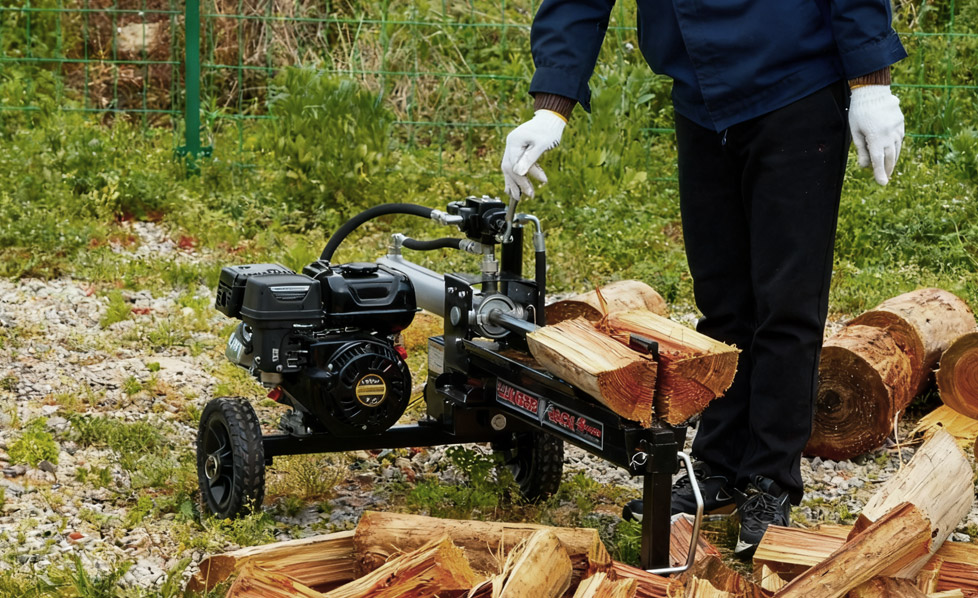
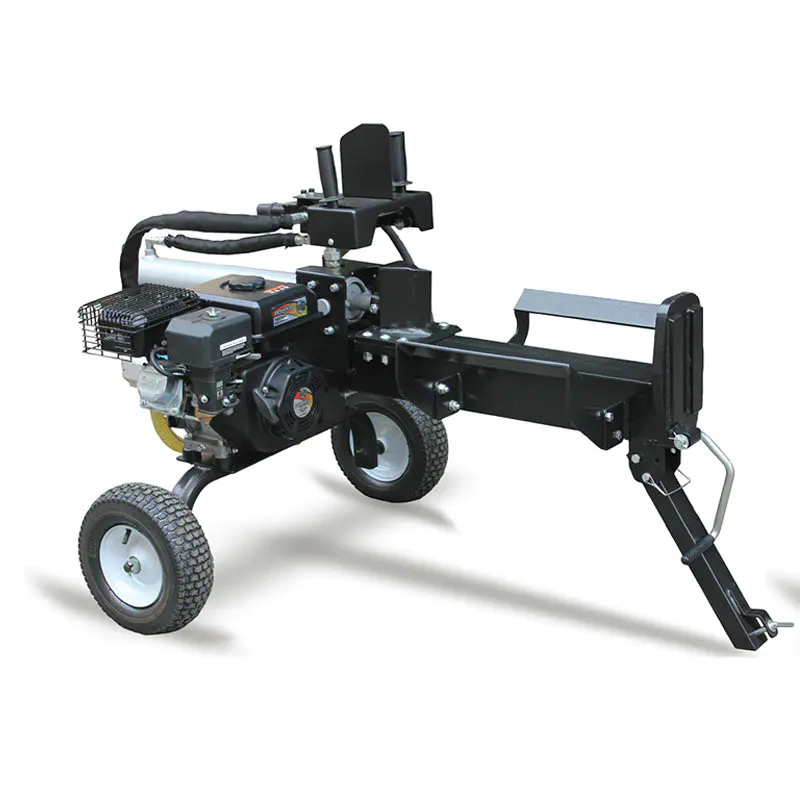
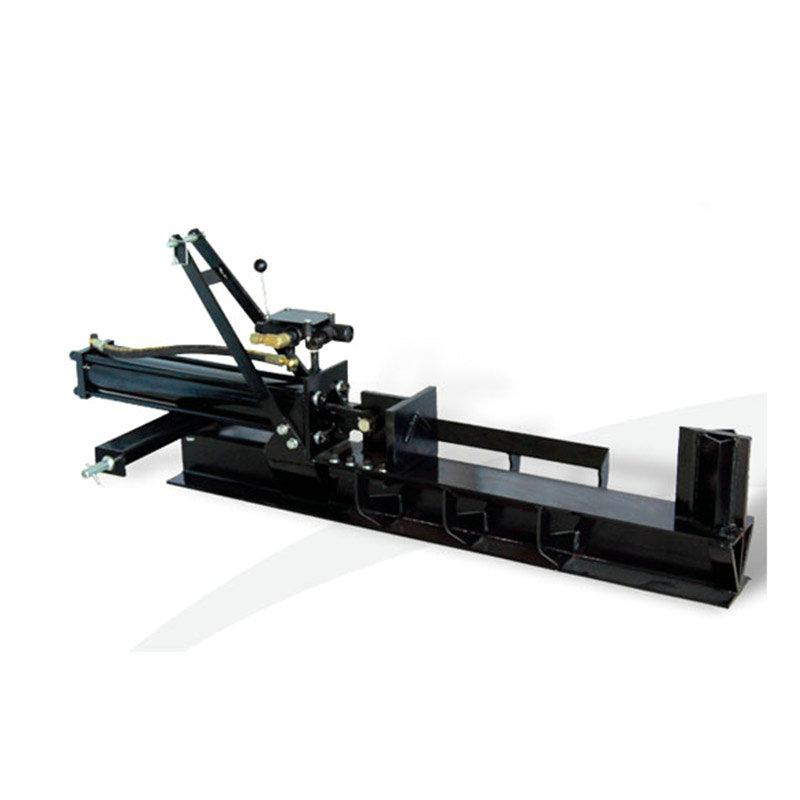
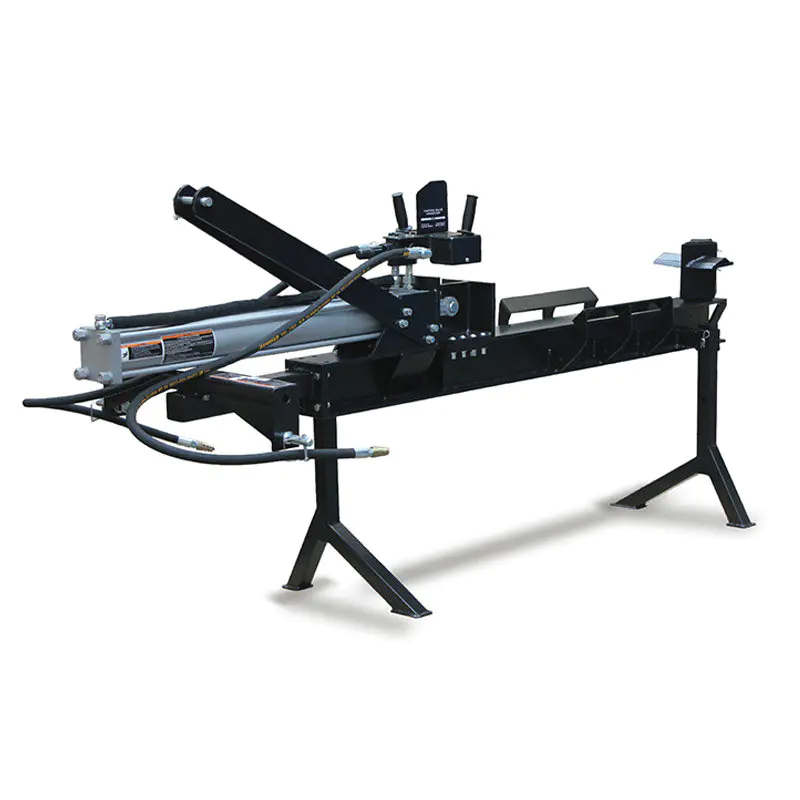
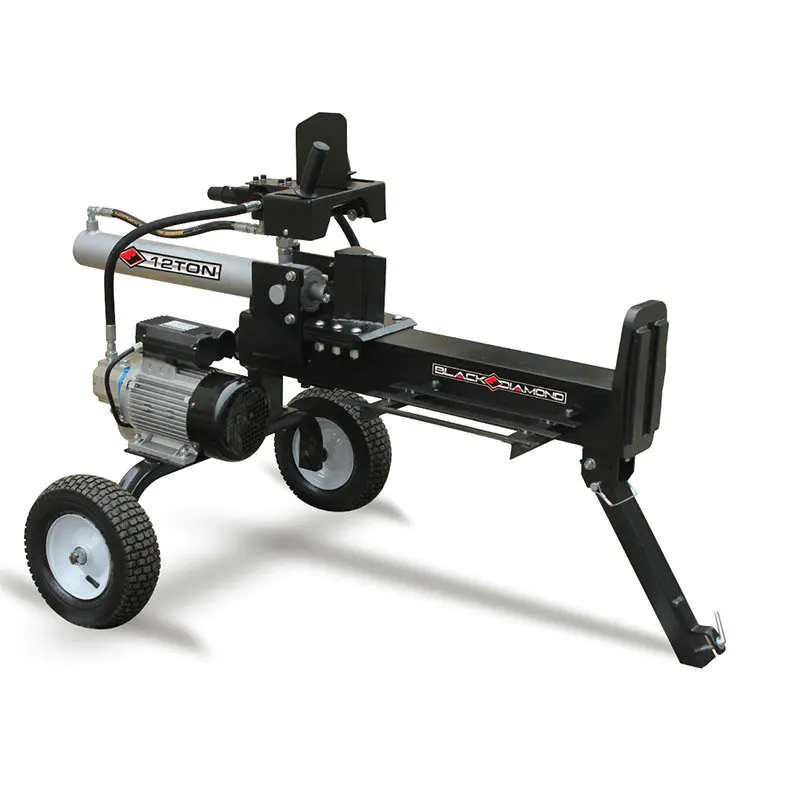
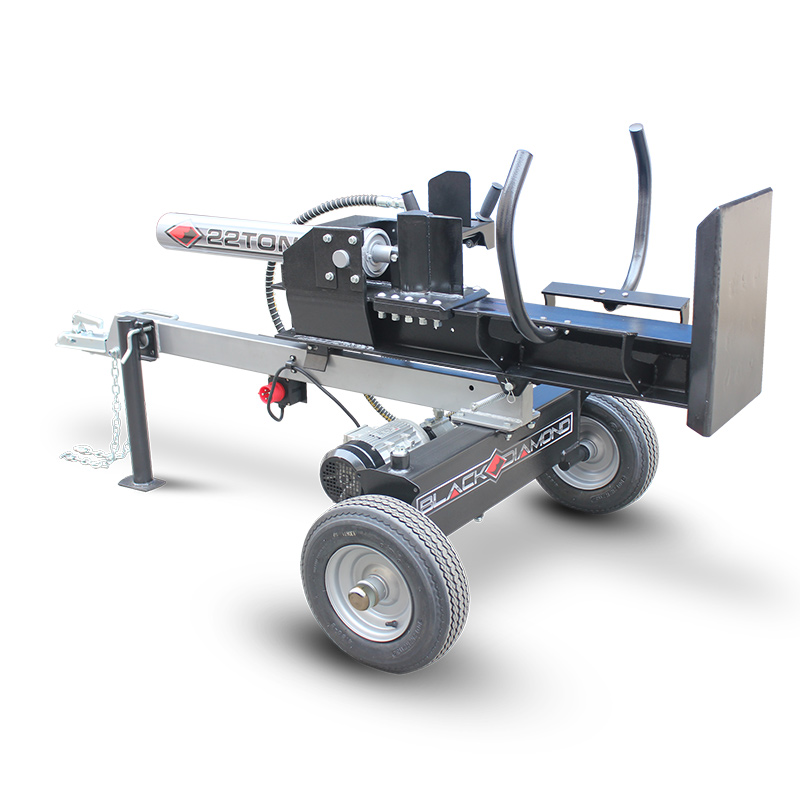
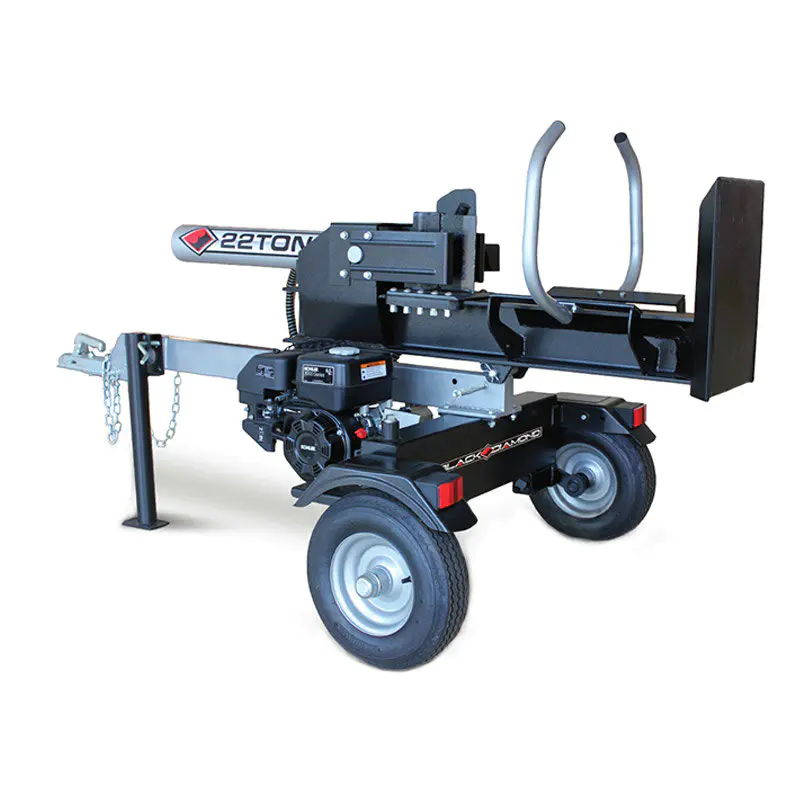
The Lumberjack 37ton Petrol Log Splitter is designed to provide reliable and efficient log splitting for a wide range of wood types. Understanding how this equipment interacts with different materials is crucial for users, especially those involved in firewood preparation or heavy-duty timber processing.
Overview of Lumberjack 37ton Petrol Log Splitter
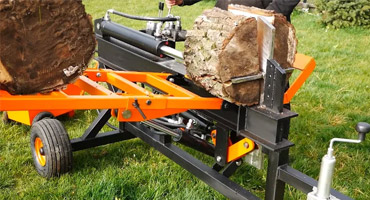
The Lumberjack 37ton Petrol Log Splitter is a petrol-powered hydraulic machine designed for splitting logs with high efficiency and consistency. Its 37-ton splitting force enables it to process hardwoods and softwoods alike, while its hydraulic system ensures controlled operation and user safety. Key features include a robust engine, durable hydraulic components, and adjustable log cradles, all contributing to its versatility.
Key Specifications
The specifications of the Lumberjack 37ton Petrol Log Splitter form the foundation of its performance across different wood types. These specifications influence operational efficiency, safety, and adaptability to varying log dimensions and densities.
| Specification |
Details |
| Splitting Force |
37 tons |
| Engine Type |
Petrol engine |
| Hydraulic System |
High-pressure hydraulic cylinder |
| Maximum Log Length |
52 inches (approx.) |
| Maximum Log Diameter |
12 inches (approx.) |
| Operation Modes |
Vertical and horizontal |
| Weight |
320 kg (approx.) |
The above specifications provide a benchmark for evaluating how effectively the splitter can handle diverse wood species, ranging from softwoods like pine to dense hardwoods like oak.
Understanding Different Wood Types
Wood is categorized primarily by its density, moisture content, and grain structure, which directly influence how it responds to splitting. The performance of the Lumberjack 37ton Petrol Log Splitter varies depending on these characteristics.
Softwood Characteristics
Softwoods, such as pine, fir, and spruce, are generally less dense and easier to split. Their straight grain and lower resin content make them ideal for high-speed splitting with minimal hydraulic resistance. When using the Lumberjack 37ton Petrol Log Splitter, operators can expect smoother wedge penetration and reduced cycle times for softwood logs.
Hardwood Characteristics
Hardwoods, including oak, maple, and hickory, present higher density and irregular grain patterns, which can pose challenges for splitting. Dense hardwoods often require greater hydraulic pressure and careful positioning to avoid log jamming or wedge damage. The Lumberjack 37ton Petrol Log Splitter is equipped to handle these demands, but operational adjustments may be necessary, such as slower splitting cycles or repositioning logs to follow natural grain lines.
Wet vs. Dry Wood
Moisture content significantly affects splitting efficiency. Green wood, with high moisture content, tends to be more fibrous and may resist splitting, whereas seasoned or dry wood splits more predictably. The Lumberjack 37ton Petrol Log Splitter allows users to adjust force application to accommodate different moisture levels. Understanding the wood’s condition before splitting helps optimize performance and reduce wear on hydraulic components.
| Wood Type |
Density |
Grain Pattern |
Splitting Consideration |
| Pine |
Low |
Straight |
Splits easily, fast cycle |
| Fir |
Low-Medium |
Straight |
Moderate force required |
| Oak |
High |
Interlocked |
Requires careful alignment |
| Maple |
High |
Complex |
May need slower splitting |
| Hickory |
Very High |
Dense & tough |
Max force applied, slower cycle |
| Wet Logs |
Varies |
Fibrous |
Slower splitting, higher hydraulic strain |
| Dry Logs |
Varies |
More predictable |
Efficient splitting |
Operational Considerations for Different Wood Types
To maximize the performance of the Lumberjack 37ton Petrol Log Splitter, operators must understand the interaction between wood characteristics and machine operation.
Log Positioning
Correct log positioning is crucial for all wood types. Softwoods can tolerate slightly misaligned placement, but hardwoods require precise orientation to avoid wedge deflection. Vertical splitting is preferred for shorter, dense logs, while horizontal operation suits longer or irregularly shaped pieces.
Hydraulic Pressure Adjustment
The hydraulic system of the splitter allows controlled force application. Adjusting pressure based on wood density prevents overloading the system and ensures consistent splitting. For dense hardwoods, operators may need to incrementally increase pressure, whereas softwoods generally require standard settings.
Cycle Time Management
Cycle time, or the duration of each split, should be adapted to wood type. Softwoods permit rapid cycles, enabling higher throughput, while hardwoods benefit from slightly extended cycles to reduce the risk of wedge binding or hydraulic strain. Observing machine behavior during operation provides feedback for optimal timing adjustments.
Safety Considerations
Handling different wood types also impacts safety measures. Dense or irregular logs can move unpredictably during splitting, increasing the risk of injury. The Lumberjack 37ton Petrol Log Splitter includes safety guards and automatic pressure release mechanisms to minimize hazards, but operators must always maintain proper distance and use protective equipment.
Maintenance Practices for Optimal Performance
Proper maintenance is essential to ensure the Lumberjack 37ton Petrol Log Splitter performs effectively across all wood types. Maintenance practices include hydraulic oil replacement, engine servicing, and wedge inspection.
Hydraulic System Maintenance
The hydraulic cylinder must be regularly inspected for leaks and maintained with high-quality hydraulic oil. Wood density and moisture content influence wear; splitting dense or wet logs can accelerate oil degradation. Regular fluid changes and pressure checks extend the machine’s lifespan.
Engine Maintenance
The petrol engine powering the splitter requires routine care, including air filter cleaning, spark plug inspection, and fuel stabilization. Consistent maintenance ensures reliable starting and steady performance under variable load conditions, particularly when processing hardwoods.
Wedge and Frame Inspection
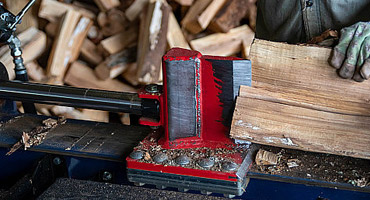
The splitting wedge and frame must be examined for burrs, deformation, or alignment issues, especially after handling dense hardwoods. Sharpening the wedge periodically maintains efficient splitting and reduces machine strain.
Comparative Wood Handling Capabilities
The Lumberjack 37ton Petrol Log Splitter can be evaluated across common log types to highlight practical performance differences.
| Wood Type |
Ease of Splitting |
Recommended Operation |
Operator Notes |
| Pine |
Easy |
Horizontal |
High throughput possible |
| Fir |
Moderate |
Horizontal |
Standard cycle recommended |
| Oak |
Difficult |
Vertical |
Careful alignment necessary |
| Maple |
Difficult |
Vertical |
Slow cycle, monitor wedge |
| Hickory |
Very Difficult |
Vertical |
Maximum force, safety critical |
| Wet Logs |
Moderate-Difficult |
Vertical/Horizontal |
Monitor hydraulic strain |
| Dry Logs |
Easy-Moderate |
Horizontal |
Efficient operation, standard safety |
Best Practices for Using Lumberjack 37ton Petrol Log Splitter
To optimize performance and safety:
- Select logs appropriate to splitter capacity: Avoid logs exceeding maximum length or diameter.
- Inspect and adjust the wedge before handling dense wood.
- Monitor hydraulic performance, especially when processing high-density species.
- Ensure operator safety, including gloves, protective eyewear, and stable footing.
- Schedule routine maintenance, focusing on engine and hydraulic system reliability.
These practices ensure that the Lumberjack 37ton Petrol Log Splitter performs efficiently, whether splitting softwood for rapid firewood production or dense hardwood for long-term storage.
Common Applications by Wood Type
The Lumberjack 37ton Petrol Log Splitter serves various applications:
- Residential firewood preparation: Suitable for both softwoods and seasoned hardwoods.
- Commercial timber processing: Efficiently handles larger, denser logs for commercial distribution.
- Outdoor recreational use: Portable operation allows splitting for cabins, campsites, and rural properties.
Its versatility across wood types makes it a practical investment for diverse users.
Frequently Asked Questions (FAQ)
Q1: Can the Lumberjack 37ton Petrol Log Splitter handle wet hardwood logs?
A1: Yes, but slower cycles and careful alignment are recommended to prevent hydraulic strain and wedge binding.
Q2: How often should hydraulic oil be replaced?
A2: Typically after every 200 hours of operation or more frequently if splitting dense or wet wood.
Q3: Is the splitter suitable for very long logs?
A3: Logs up to the maximum specified length can be processed, but vertical positioning may be necessary for stability.
Q4: Can I split both softwood and hardwood in the same session?
A4: Yes, but adjust cycle time and hydraulic pressure to accommodate varying density and grain patterns.
Q5: What safety precautions should I follow for dense hardwood?
A5: Maintain proper distance, use protective equipment, and ensure logs are securely positioned to avoid movement during splitting.
References
- Technical Manual for Lumberjack 37ton Petrol Log Splitter, Manufacturer Documentation, 2023.
- Wood Density and Splitting Guidelines, Timber Processing Journal, Vol. 45, 2022.
- Hydraulic Machinery Maintenance Best Practices, Industrial Equipment Review, 2021.

 LANGUAGE
 English
 Deutsch
 Español
 Français
 русский