What Are the Key Features to Look for in a High-Performance Branch Saw?
The branch saw is an indispensable tool for efficient tree care, landscaping, and forestry operations. As a versatile cutting instrument, it provides professionals and hobbyists alike with the means to trim and shape trees, manage overgrown branches, and maintain a healthy, aesthetically pleasing outdoor environment.
What is a Branch Saw?
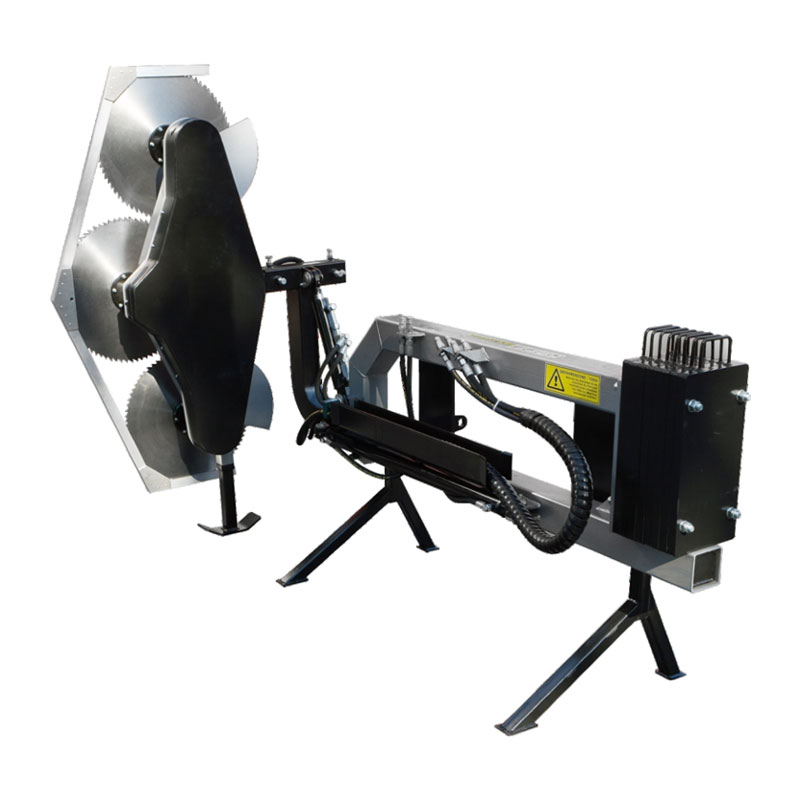
A branch saw is a tool specifically designed for cutting tree branches, shrubs, and other vegetation. Unlike general-purpose saws, branch saws are optimized for dealing with the unique challenges of pruning and trimming in outdoor environments. Typically equipped with a curved, sharp blade or teeth, branch saws are highly effective at cutting through thick tree limbs, reducing them into manageable pieces for disposal or use.
Branch saws can come in manual or powered versions, with some models offering added features such as telescoping handles, ergonomic grips, or the ability to switch blades for different types of cutting tasks.
Key Features of Branch Saws
| Feature |
Description |
| Blade Type |
Typically curved or straight, designed to optimize cutting through branches of various sizes. |
| Handle Design |
Ergonomically designed handles for comfort and precision during use, often made from lightweight materials such as aluminum or fiberglass. |
| Length |
Ranges from compact handheld models to extendable models for reaching higher branches. |
| Material |
Commonly made from carbon steel, stainless steel, or coated with a rust-resistant finish for long-term durability. |
| Blade Teeth |
Often designed with sharp, aggressive teeth to provide quick cuts with minimal effort. |
How Does a Branch Saw Differ from Other Saws?
Branch saws distinguish themselves from other types of saws (like hacksaws or bow saws) through their specific design and intended use. While hacksaws are used for cutting metal and plastic pipes, and bow saws are more general-purpose, branch saws feature unique characteristics suited for outdoor work. Here’s how they differ:
- Curved Blade Design: The curved design of the blade allows for more efficient cutting at different angles, especially for branches growing at awkward positions.
- Tooth Configuration: The teeth are typically wider set and often feature a special shape that enhances cutting speed and ease.
- Handle Design: For branch saws, the handle is often more ergonomic and may come with features like a telescoping pole to help cut higher branches without the need for a ladder.
Types of Branch Saws
There are various types of branch saws available in the market, each designed for specific cutting tasks. These types can be broadly categorized into:
-
Manual Branch Saws
Manual branch saws are the traditional hand-held tools that require physical effort to cut through tree branches. They are often favored by gardeners and small-scale landscapers due to their simplicity and affordability.
-
Telescoping Branch Saws
These saws come with extendable handles, allowing users to reach higher branches without a ladder. The extension feature is ideal for pruning tall trees and shrubs safely from the ground.
-
Pole Saws (Powered)
Powered pole saws combine the advantages of a manual branch saw with a motorized mechanism. They are often used for heavy-duty tasks and are ideal for professional landscapers or those working in large gardens or forests.
-
Reciprocating Saw with Pruning Blade
This type of saw is powered by a motor that moves the blade in a back-and-forth motion. It is ideal for fast, efficient cuts on larger branches and is often used by tree care professionals.
Key Considerations When Choosing a Branch Saw
When selecting a branch saw, there are several factors to consider to ensure the tool meets your specific needs:
1. Type of Cutting Jobs
- For small, light trimming tasks, a manual branch saw might be sufficient.
- For heavier, high-reaching cuts, consider a telescoping or pole saw.
2. Material and Durability
- High-quality branch saws are typically made from corrosion-resistant materials such as stainless steel or carbon steel, which ensure the blade stays sharp longer and maintains its integrity.
3. Ergonomics and Comfort
- The handle design is critical for comfort, especially if you plan to use the saw for extended periods. Look for models with padded or molded handles that reduce hand fatigue.
4. Storage and Portability
- Manual branch saws are generally lightweight and easy to store, while larger models (like pole saws) may require more storage space.
5. Maintenance
- A branch saw should be easy to maintain. Regular cleaning and proper storage can extend the life of the saw, while sharping the blade periodically ensures optimal performance.
Why Choose Superpower?
Jiashan Superpower Tools Co., Ltd. is a recognized leader in the design and manufacture of outdoor power equipment. Specializing in products like log splitters, lawn aerators, and other garden tools, the company is dedicated to delivering high-quality equipment for both professionals and hobbyists.
With a focus on quality management, Jiashan Superpower Tools ensures that every product meets international standards. The company operates under an ISO 9001:2015 certified quality management system, and many of their products carry CE certification, ensuring that customers receive reliable, durable, and safe tools. Whether you’re a landscaper, a gardener, or a forestry professional, Jiashan Superpower Tools offers a wide range of solutions for efficient tree maintenance, including high-performance branch saws.
Production Quality at Jiashan Superpower Tools
At Jiashan Superpower Tools, the quality of branch saws is ensured through meticulous production processes and real-time monitoring. Key steps such as cutting, coating, and assembly are monitored at each production link to ensure compliance with design specifications and process standards. This focus on production process monitoring guarantees that every branch saw produced by Jiashan Superpower Tools is built for long-lasting durability and high performance.
Conclusion
Branch saws are indispensable tools for maintaining trees, pruning branches, and managing outdoor landscapes. With options ranging from manual models to powered telescoping saws, there is a branch saw suited for every task, whether it’s light trimming or heavy-duty cutting. By considering factors such as material, handle design, and cutting capabilities, users can select the most appropriate saw for their needs.

 LANGUAGE
 English
 Deutsch
 Español
 Français










 New Item
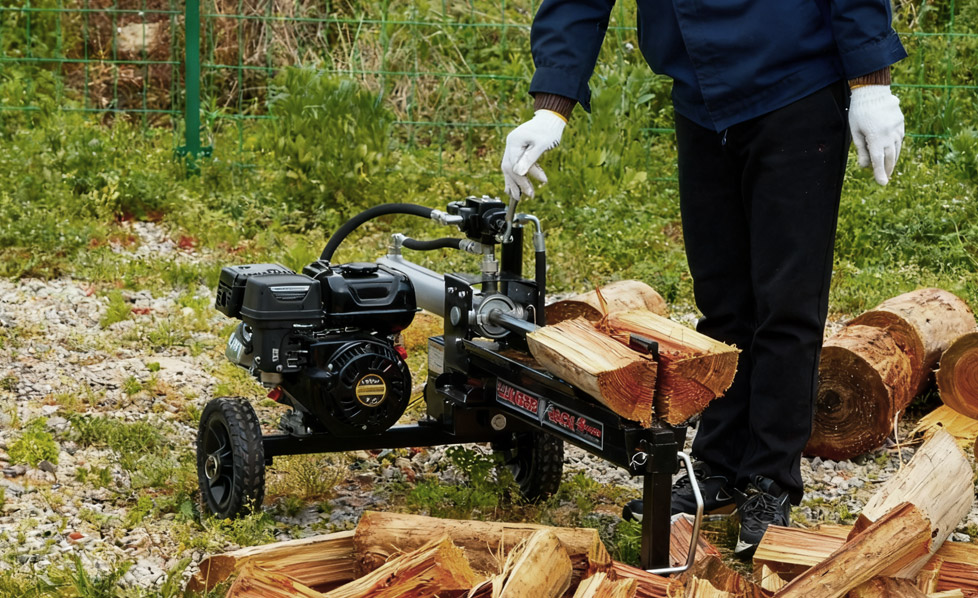
 Log Splitter
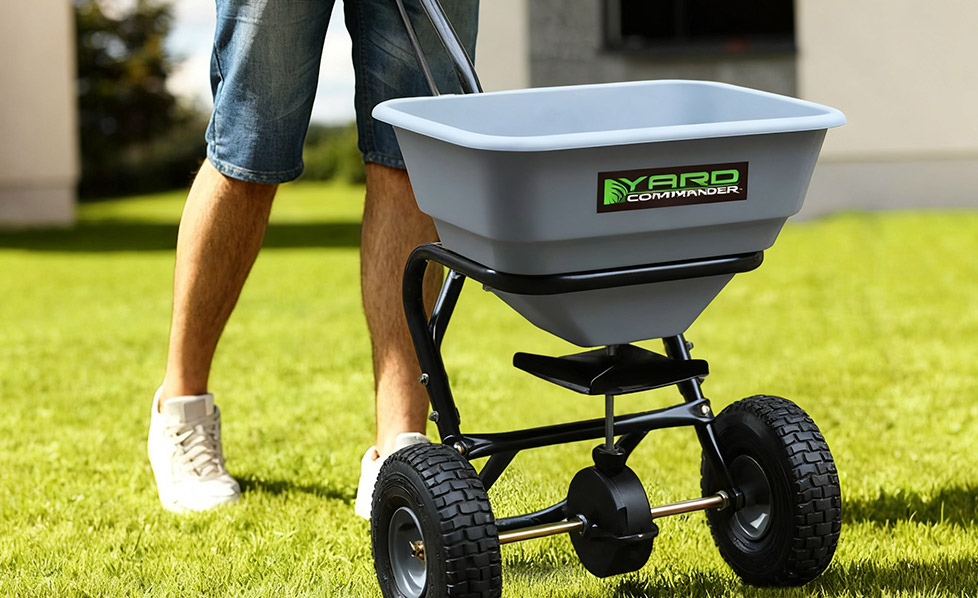
 Spreader
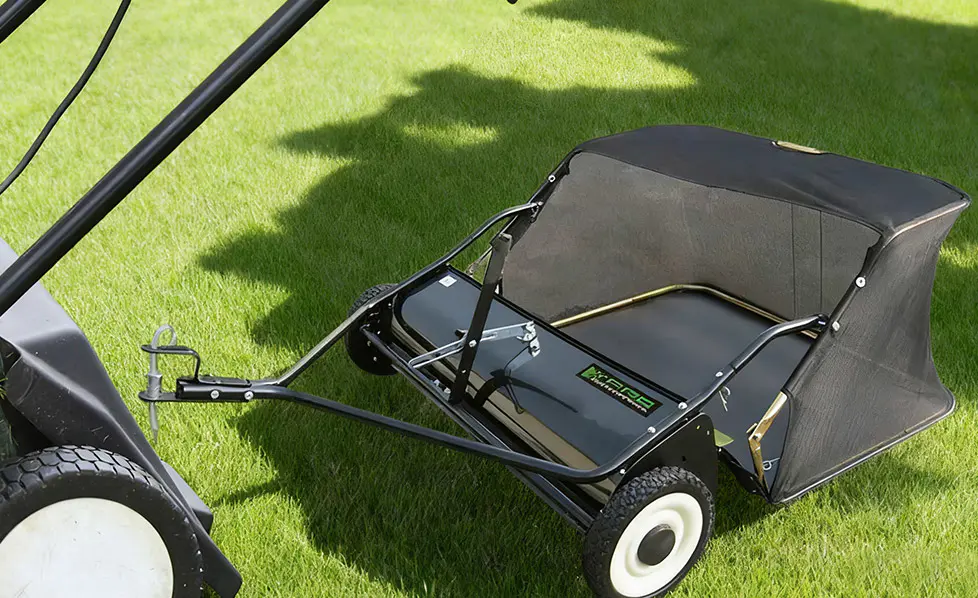
 Lawn Sweeper
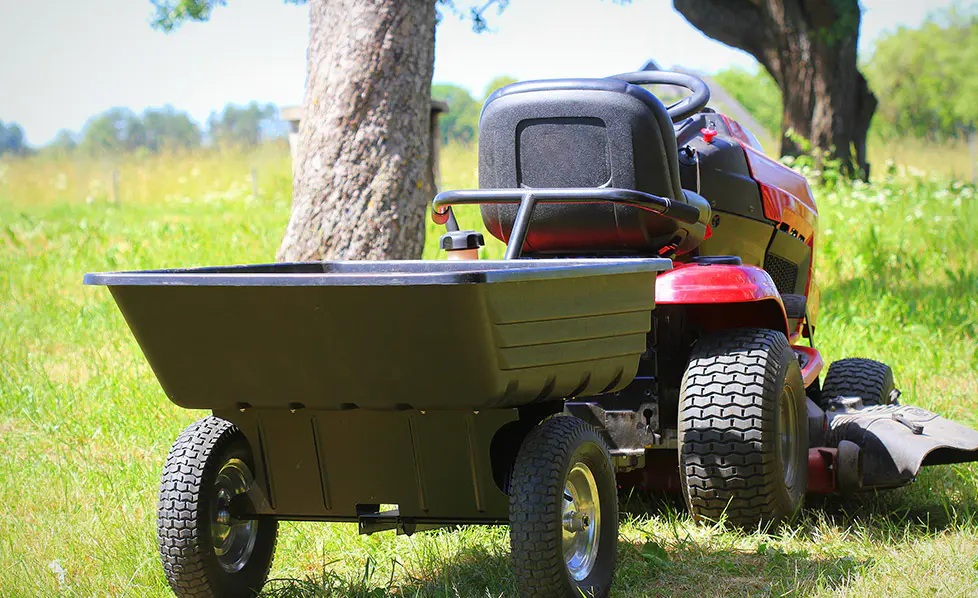
 Dump Cart
 Lawn Groomer
 Chipper Shredder
 Stump Grinder
 Outdoor Power Equipment