
 LANGUAGE
 English
 Deutsch
 Español
 Français
 русский











DESCRIPTION ♦Helps nutrients get into the soil and down to the ...
See Details
3pt Aerator Buying Guide: Plug vs. Spike Tines, Width, and Matching Your Tractor Fit
A lawn that puddles after a normal rain, feels concrete-hard underfoot in late summer, and thins out despite regular feeding almost never has a fertilizer problem. It has a soil compaction problem. When soil particles are pressed tightly together, roots stop digging, water stops soaking in, and every bag of product you spread works at half strength. The fix is mechanical, not chemical: pull small cores out of the ground so air, water, and roots can move again.
For anyone who already owns a compact tractor, a three-point (3pt) aerator is the most efficient way to do that at scale. One pass covers 48 to 60 inches, the tractor carries the weight instead of your back, and the same implement earns its keep every season afterward. This guide walks through the four decisions that actually determine how well a 3pt aerator performs for you: plug versus spike tines, working width, tractor fit, and the build details that separate a five-season tool from a one-season purchase.
How a 3pt Mount Changes the Job
A 3pt aerator attaches to the Category 1 three-point hitch fitted to nearly every compact and sub-compact tractor. That mounting does three things a walk-behind or simply towed unit cannot. You can lift the tines clear of the turf at headlands, around beds, and over gravel paths, then drop them for the next pass without streaking. Part of the implement's weight transfers through the hitch links, so penetration stays consistent across uneven ground. And the drum itself accepts water or sand ballast, which is what truly drives tines to a full 2.5 to 3 inch working depth in firm soil.
48-60 in.Typical working widths
2.5-3 in.Target plug depth
6-9 in.Swirl hole spacing
Cat 1Standard hitch class
Plug vs. Spike Tines: The Decision That Matters Most
Start here, because it shapes every result you see afterward. A plug (core) aerator drives hollow tines into the turf and ejects finger-sized soil cores onto the surface. Removing material physically relieves compaction and leaves open channels for air, water, and roots. This is the method turf managers rely on for clay ground and heavily used lawns.
A spike aerator rolls solid tines into the ground and simply punches holes. It is lighter, quicker, and leaves nothing to break down, but on wet, heavy clay it can press the soil sideways around each hole and slowly make compaction worse. The practical split: choose plugs for compacted clay, loam that sees foot or machine traffic, or any lawn that has never been aerated; choose spikes for sandy or loose soils and for light between-season refresh work.
| Aspect | Plug (core) aerator | Spike aerator |
|---|---|---|
| How it works | Hollow tines remove soil cores | Solid tines punch holes |
| Best suited to | Clay, compacted loam, traffic | Sandy or loose soils |
| Compaction relief | Physical; material removed | Limited; wet clay can smear |
| Cleanup | Cores left to break down | None needed |
| Ballast demand | Higher; sets plug depth | Moderate |
For a closer field-level comparison of the two mechanisms, our guide to how a 40-inch plug aerator differs from a spike aerator covers depth, soil types, and pass patterns in detail.
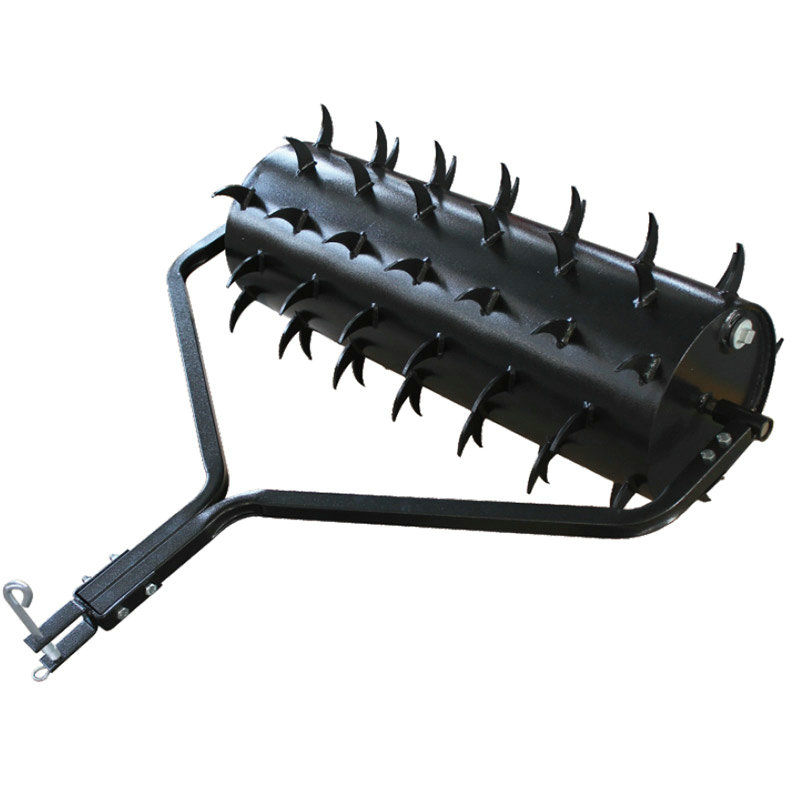
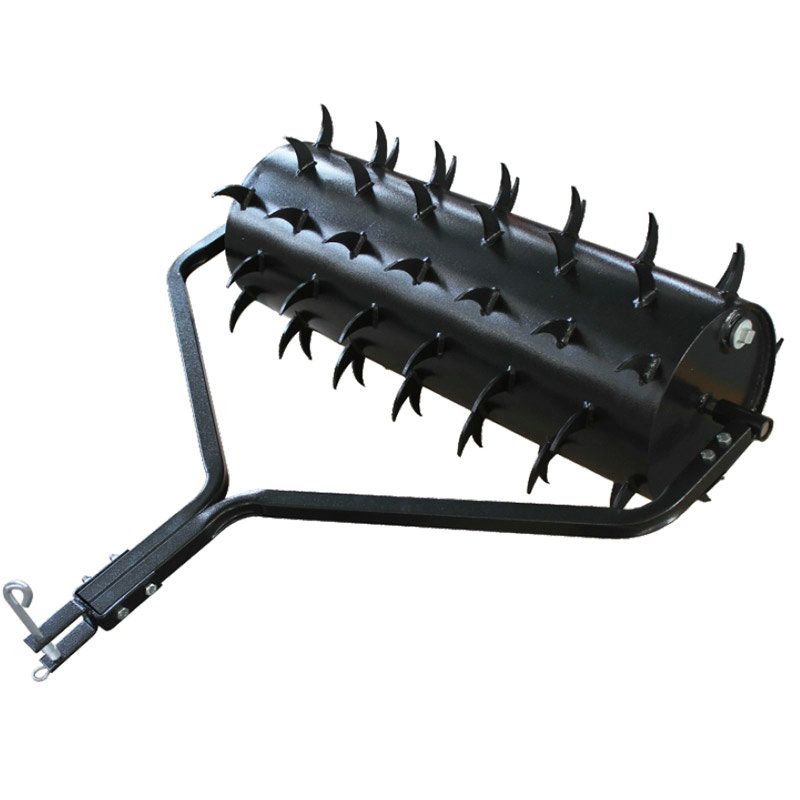
 3-Point Drum Spike Aerator 48"/60" for Category I TractorsA ballasted drum spike aerator in 48- or 60-inch widths for Category I tractors, suited to looser, sandier soils. Its added hitch weight makes lift capacity worth checking before buying.View Product →
Sizing: Width, Horsepower, and Lift Capacity
Width is where buyers most often overreach. A 48-inch plug aerator carrying ballast can approach 300 pounds, and a 60-inch drum filled with water weighs considerably more. Your tractor has to raise that mass at the hitch and control it on side slopes, so lift capacity matters more than engine horsepower on the spec sheet.
- Around 20 hp sub-compacts: a 48-inch drum is the comfortable ceiling, both for lift capacity and for turning at row ends.
- 25 to 40 hp compacts: a 60-inch drum becomes realistic once you confirm the hitch lifts the loaded weight cleanly.
- Width vs. rear tread: keep the drum roughly as wide as, or slightly narrower than, your rear tires so the tines stay on the previous track and you can hold a straight line.
Rule of thumb: buy the widest drum your tractor can comfortably lift and turn with. Aeration speed comes from fewer passes, not from a bigger engine.
Build-Quality Checklist Before You Pay
Aeration tines take harder hammering than any other lawn attachment you will hang on the hitch. When comparing quotes or listings, judge these points rather than the paint job:
- Tine material and replaceability. Tines should be hardened steel and available as numbered spare parts, because they are the wearable item by design.
- Tine count and stagger. More tines arranged in an overlapping swirl pattern, typically spaced 6 to 9 inches apart, give denser coverage per pass.
- Drum wall thickness. A heavier gauge drum resists denting from ballast slosh and from striking dry ground.
- Sealed bearings, not plain bushings. The drum must keep turning freely under full load or the tines drag instead of digging.
- Genuine Category 1 hardware. Correct pins and spacers mean the implement also mounts on a Cat 1 quick hitch without adapters.
- Powder-coated finish. Powder coating shrugs off the scratches that wet paint accumulates within a single season.
Two Setups That Cover Most Properties
If a compact tractor is already in the shed, a three-point plug aerator is the implement to buy first. It handles the heavy first-time decompaction work most neglected lawns need, and the depth it reaches is exactly what spike shoes and walk-behind machines cannot match.
 3-Point Plug Aerator 48"/60" with Replaceable PlugsA three-point plug aerator that pulls replaceable coring plugs deep into compacted soil, fitting Category 0 and I tractors. It suits the heavy first-time decompaction work spike shoes cannot match.View Product →
Working without a three-point hitch, or tending a property too small to justify one? A towed plug aerator behind a lawn tractor or ATV covers the same soil at walking speed, which is all aeration ever asks of you.
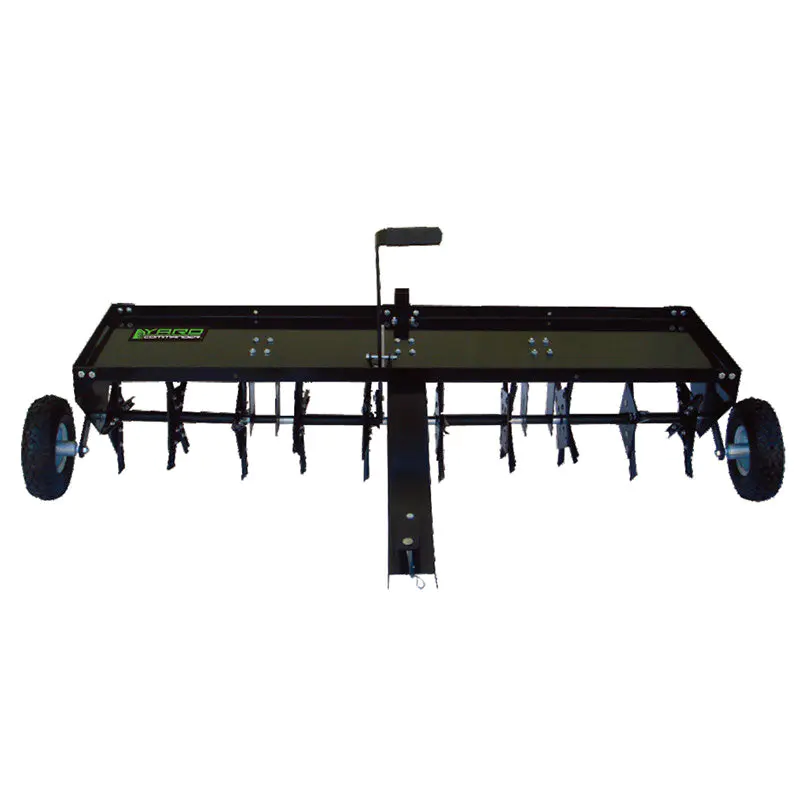
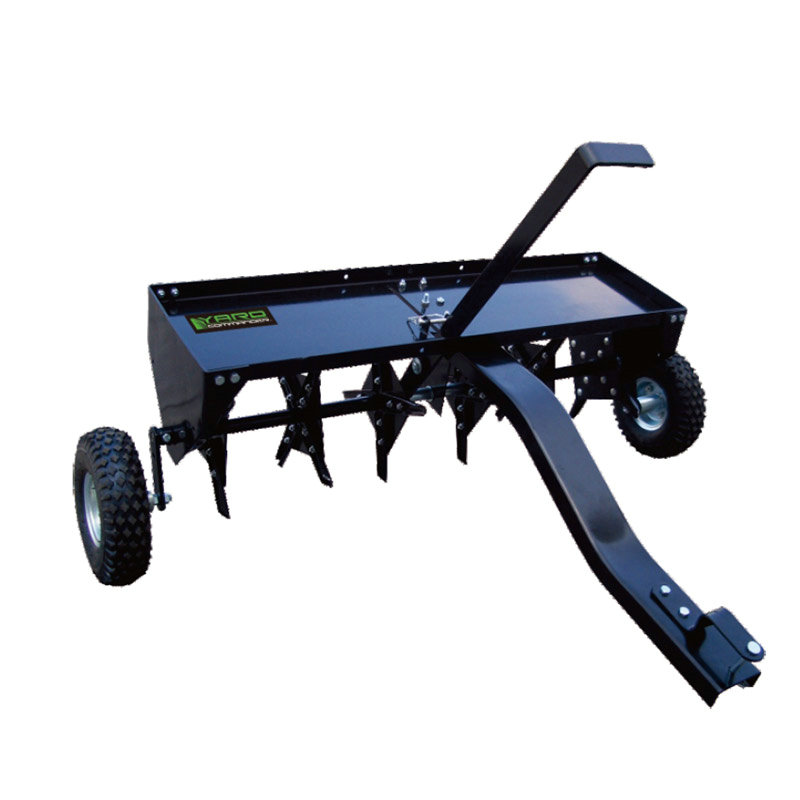
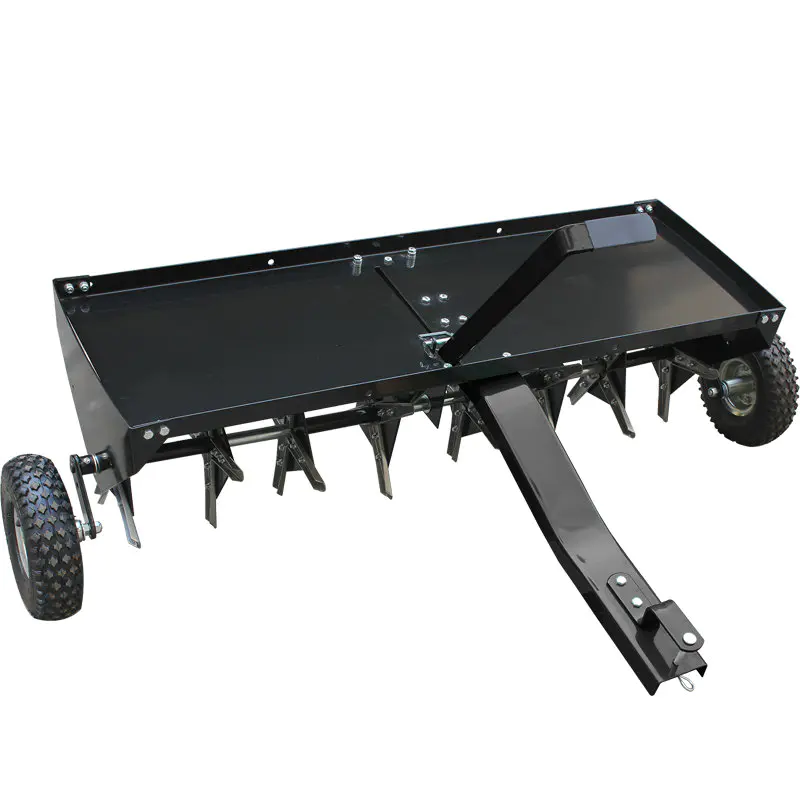 SP31102 48" Tow-Behind Plug Aerator with 32 Coring PointsA 48-inch towed plug aerator with 32 replaceable coring points, a single-hand lift lever, and a 140 lb ballast tray, designed to be pulled behind a lawn tractor or ATV at walking speed.View Product →
Both styles sit within the wider lawn grooming equipment range from Superpower Tools, alongside dethatchers, rollers, and harrows that handle the other turf jobs aeration leaves behind.
Questions to Ask Before You Order
Whether you are buying a single unit or sourcing a season's stock for a dealership, the same questions protect the purchase. A manufacturer that answers them without hesitation has usually engineered the implement properly:
- Are replacement tines stocked and numbered, and what does a full set cost?
- Is the drum test-loaded before shipping, so welds and mounts are proven under real weight?
- Is the finish powder coated, and is the fastener hardware graded?
- Does the implement mount on a Category 1 quick hitch without adapter plates?
- For dealers: how is the unit packaged for freight, and do the manuals ship in the destination language?
We build these implements at our ISO 9001:2015 certified plant alongside the rest of the lawn grooming line, and those five questions are the ones we would ask in your position.
Frequently Asked Questions
Q1: How often should I aerate with a 3pt aerator?
Once a year covers most lawns: fall for cool-season grasses, late spring through early summer for warm-season types. Lawns on heavy clay, or with constant foot and machine traffic, benefit from a second pass in the opposite direction.
Q2: Can I aerate dry, hard ground?
You can try, but the tines will skim. Water the lawn to roughly an inch of penetration, wait two days, add ballast, and the plugs will pull cleanly instead of crumbling.
Q3: Do I have to fill the drum with water?
Not always. Moist loam often reaches full depth with the drum empty. Make a short test pass and add water or sand until plugs pull consistently 2.5 to 3 inches deep.
Q4: If I only aerate once a year, plug or spike?
Plug, without hesitation. Core removal delivers compaction relief that punching cannot match, and a single deep annual pass is exactly where that difference shows.
After the pass, leave the cores where they lie; they break down within a couple of weeks and carry microbes back to the surface. Overseed immediately so seed settles into the fresh holes, water lightly for the next two weeks, and hold weed control until new grass has established. Above all, buy for tine quality, drum strength, and spare parts availability rather than the brightest brochure. Chosen that way, a 3pt aerator becomes one of those hitch implements you will still rely on a decade from now.
PREV:No previous article
NEXT:Drum Spike Aerator Benefits: What It Fixes, Where It Fails, and How to Choose
NEXT:Drum Spike Aerator Benefits: What It Fixes, Where It Fails, and How to Choose
Interested in cooperation or have questions?
Related products
-
-
DESCRIPTION ♦Helps nutrients get into the soil and down to the ...
See Details -
◆MODEL NO.: SP31202 ◆40 REPLACEABLE CORING POINTS ◆SINGLE-HAND LIFT LE...
See Details -
◆MODEL NO.: SP31102 ◆32 REPLACEABLE CORING POINTS ◆SINGLE-HAND LIFT LE...
See Details -
◆MODEL NO.: SP31106 ◆24 REPLACEABLE CORING POINTS ◆SINGLE-HAND LIFT LE...
See Details -
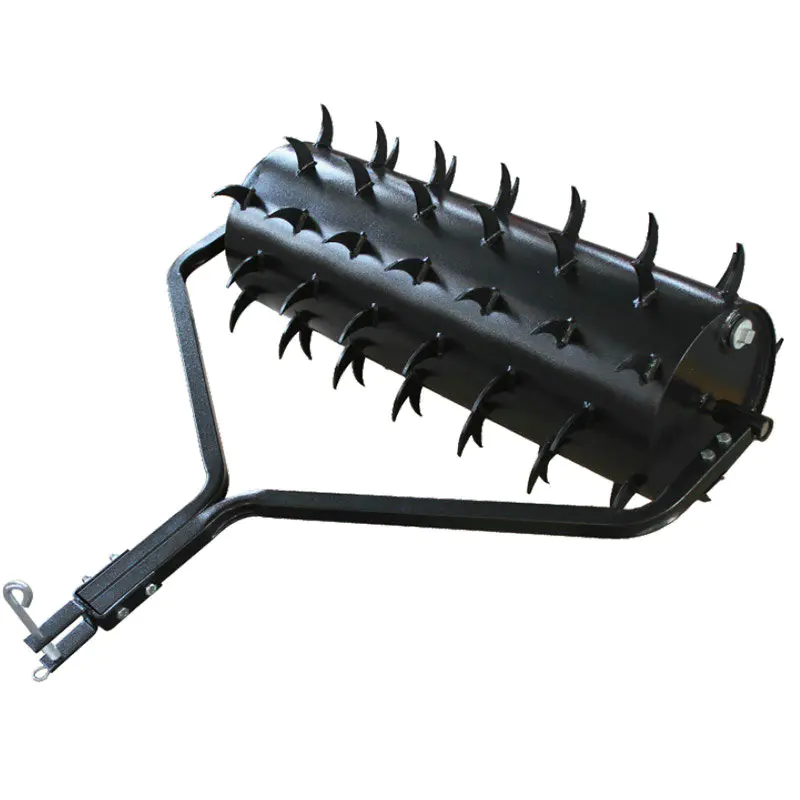
DESCRIPTION ♦Helps nutrients get into the soil and down to the ...
See Details
