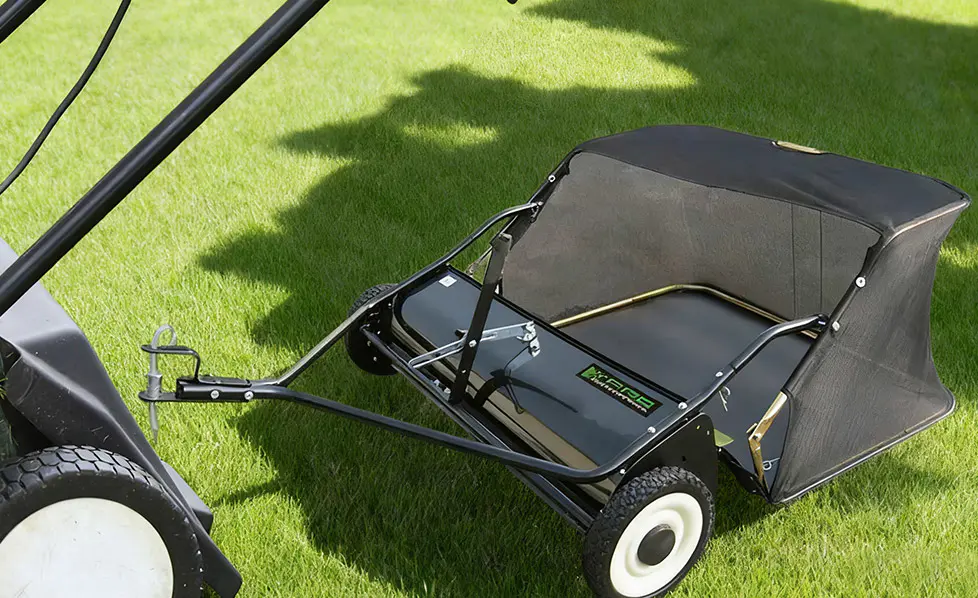
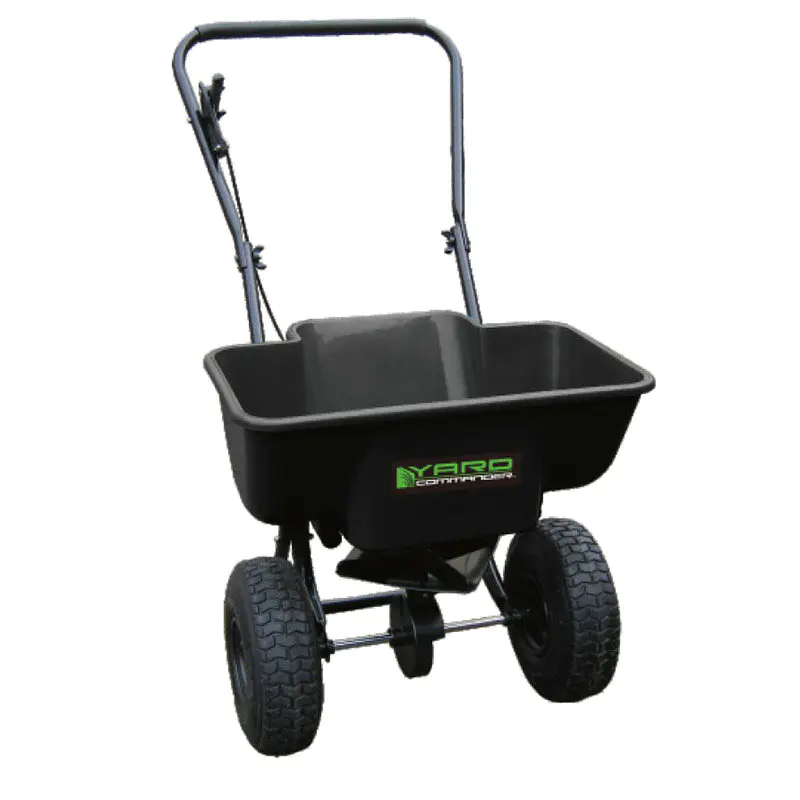
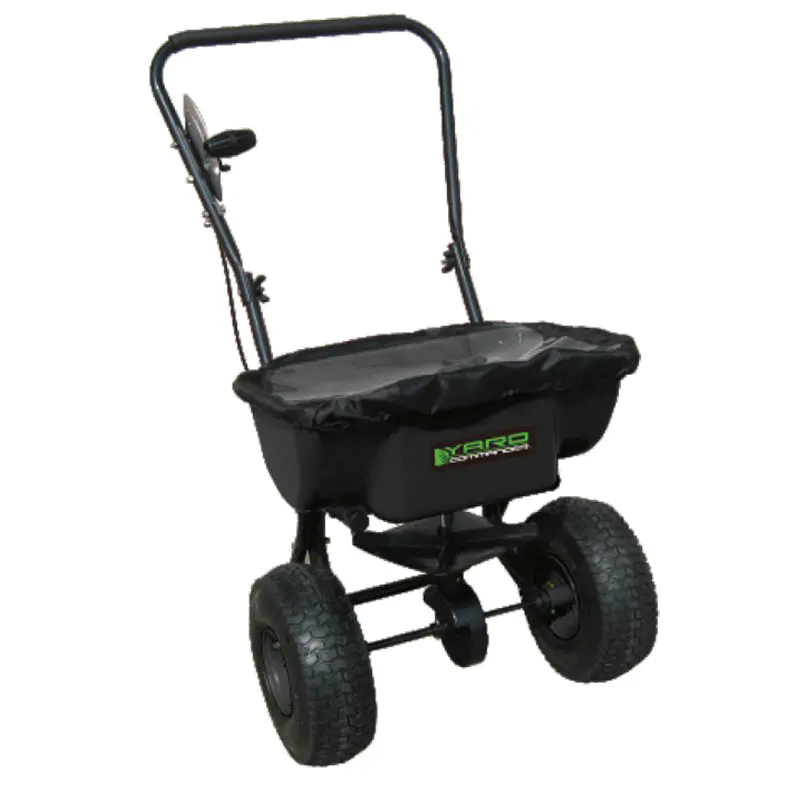
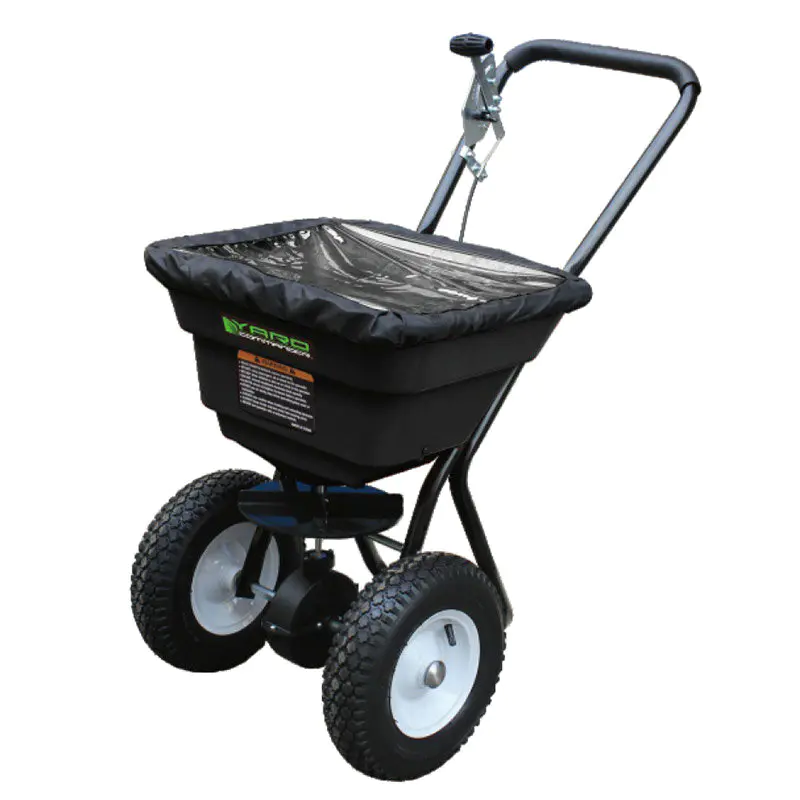
The push lawn sweeper is an essential tool for both residential and commercial lawn care. It is designed to effectively collect leaves, grass clippings, and other debris from lawns, providing a clean and tidy appearance. These sweepers come in two main types: manual and motorized. Understanding the differences between the two types is critical for making informed decisions when choosing equipment for lawn care.
1. Overview of Push Lawn Sweepers
Before diving into the comparison, it’s important to understand the basic functions of push lawn sweepers.
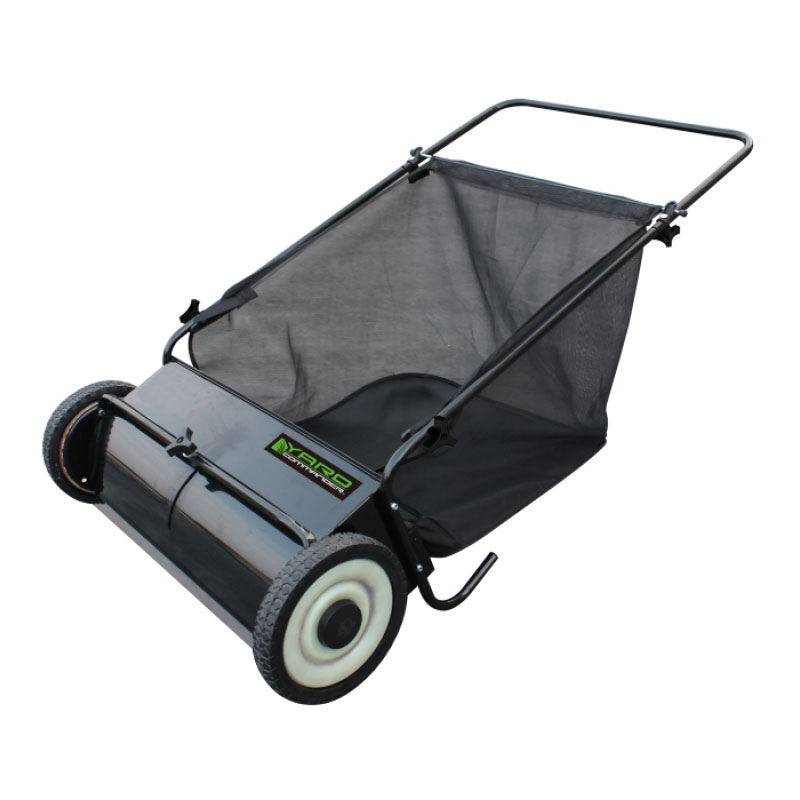
A push lawn sweeper consists of a cylindrical brush or brushes that rotate when pushed across the lawn. The brushes collect debris and funnel it into a hopper or bag for easy disposal. Sweepers are classified into manual and motorized categories based on their power source and operation.
Manual Push Lawn Sweepers
A manual push lawn sweeper operates without any motor assistance. It relies entirely on human force to propel it across the lawn. The operator pushes the sweeper forward, causing the brushes to spin and collect debris.
- Structure and Operation: Manual sweepers typically consist of a set of rotating brushes powered by the motion of the sweeper being pushed. The brushes are designed to agitate the grass and debris, pushing them into the collection bag or hopper.
- Key Components: Includes the brush assembly, collection bag, and a lightweight frame for ease of maneuverability.
Motorized Push Lawn Sweepers
A motorized push lawn sweeper incorporates a small engine or electric motor to assist in rotating the brushes and sometimes even propel the sweeper forward. These models are designed for users who require more power, especially for larger areas with thicker debris.
- Structure and Operation: Motorized sweepers have the same basic components as manual models but with the addition of a motorized drive system. This motor system powers the rotating brushes and, in some cases, the movement of the sweeper itself.
- Key Components: Includes a motor (either electric or gas-powered), rotating brushes, collection hopper, and a drive mechanism for automatic propulsion.
2. Key Differences Between Manual and Motorized Push Lawn Sweepers
2.1 Power Source and Propulsion
-
Manual Push Lawn Sweepers: These sweepers are entirely dependent on the user’s effort to move them forward. The rotating brush system is powered by the motion of the sweeper across the ground. There are no motors or batteries involved in the operation of these units.
-
Motorized Push Lawn Sweepers: These models are powered either by an internal combustion engine (gas-powered) or an electric motor. The motor provides energy for the brush rotation and, in many models, helps propel the sweeper forward, reducing the physical effort required from the user.
| Feature |
Manual Push Lawn Sweeper |
Motorized Push Lawn Sweeper |
| Power Source |
Human effort |
Gas or electric motor |
| Propulsion |
Manual movement |
Motor-assisted or fully powered |
| Weight |
Lighter (due to no motor) |
Heavier due to motor components |
| Power Consumption |
None (energy from human force) |
Requires fuel or electricity |
2.2 Debris Collection Efficiency
-
Manual Push Lawn Sweepers: The effectiveness of debris collection in manual sweepers is highly dependent on the speed and force with which the user pushes the machine. At a slower pace, the brushes may not pick up as much debris, and the overall efficiency can decrease.
-
Motorized Push Lawn Sweepers: Motorized versions typically offer superior debris collection because the motor ensures a consistent and powerful brush rotation. This helps in collecting more debris in a shorter amount of time, especially in larger or more heavily contaminated lawns.
| Feature |
Manual Push Lawn Sweeper |
Motorized Push Lawn Sweeper |
| Brush Rotation Speed |
Slower and dependent on user effort |
Consistent and faster due to motor |
| Collection Efficiency |
Lower, depends on pushing force |
Higher, more debris collected faster |
| Ideal Usage |
Smaller lawns, lighter debris |
Larger lawns, thicker debris |
2.3 Maintenance and Durability
-
Manual Push Lawn Sweepers: These units generally have fewer moving parts and do not rely on a motor, meaning they are easier to maintain. There are no fuel or battery concerns, and the only regular maintenance required is checking the brush wear and cleaning the collection bag.
-
Motorized Push Lawn Sweepers: While motorized sweepers tend to require more maintenance due to their motorized components, they offer more robust performance over extended periods. The engine or motor requires regular maintenance, such as oil changes, spark plug replacements, and checking the fuel or battery system.
| Feature |
Manual Push Lawn Sweeper |
Motorized Push Lawn Sweeper |
| Maintenance Requirements |
Low, easy maintenance |
Higher, engine or motor care needed |
| Durability |
Typically longer life due to fewer parts |
May have a shorter lifespan due to motor wear |
2.4 Cost Implications
-
Manual Push Lawn Sweepers: These units are generally more affordable due to the absence of a motor and simpler construction. They are an ideal option for homeowners or small-scale users with limited budgets.
-
Motorized Push Lawn Sweepers: The cost of motorized sweepers is higher because of the added motor components and their enhanced capabilities. However, this additional cost is often justified for users with larger lawns or commercial needs.
| Feature |
Manual Push Lawn Sweeper |
Motorized Push Lawn Sweeper |
| Purchase Cost |
Lower, budget-friendly |
Higher, premium pricing |
| Long-Term Investment |
Lower maintenance cost |
Higher initial cost, but faster returns in efficiency |
3. Benefits and Limitations
3.1 Benefits of Manual Push Lawn Sweepers
- Low Operating Costs: No fuel or electricity costs are required, making them a cost-effective solution for smaller areas.
- Eco-Friendly: Since they do not rely on a motor, these sweepers have no emissions and are environmentally friendly.
- Simplicity: Manual push sweepers are straightforward to use with fewer components that may fail or require maintenance.
3.2 Limitations of Manual Push Lawn Sweepers
- Physical Effort: Requires more manual labor, which may be tiring for users with larger lawns or those needing frequent use.
- Limited Efficiency: Slower performance in debris collection and less effective in heavy or wet debris conditions.
3.3 Benefits of Motorized Push Lawn Sweepers
- Reduced Physical Effort: The motorized propulsion reduces physical strain on the operator, making it ideal for larger lawns.
- Higher Efficiency: Faster and more thorough debris collection, which saves time and effort in commercial and residential settings.
- Versatility: Can handle a wider range of debris types and terrain, making it a versatile solution for various environments.
3.4 Limitations of Motorized Push Lawn Sweepers
- Higher Cost: The upfront and long-term cost of maintenance and fuel can be a significant investment.
- Complexity: The presence of motorized components requires more detailed maintenance and can be prone to mechanical issues.
4. Conclusion
Choosing between a manual or motorized push lawn sweeper depends on the user’s specific needs, lawn size, and budget. Manual sweepers are suitable for smaller lawns and users seeking a low-cost, environmentally friendly solution, while motorized sweepers are better for larger, more demanding lawns where efficiency and time-saving are priorities. Each option has its trade-offs, and the decision should be based on the operational environment and the scale of use.
FAQ
Q1: Which type of push lawn sweeper is better for commercial use?
For commercial use, a motorized push lawn sweeper is generally the preferred choice due to its higher efficiency, reduced physical effort, and ability to handle larger areas and heavier debris.
Q2: How often should I maintain my push lawn sweeper?
Manual sweepers require minimal maintenance, mainly focused on brush inspection and cleaning. Motorized sweepers require more frequent maintenance, including engine or motor care, fuel system checks, and brush inspections.
Q3: Can motorized push lawn sweepers be used on wet grass?
Yes, motorized sweepers are often more effective on wet grass, as their powerful motors ensure the brushes spin at higher speeds, making it easier to collect wet debris.
References
- Lawn Care Equipment Maintenance Guidelines (Lawncare Association, 2025)
- Comparative Study on Push Lawn Sweepers (Green Tech Journal, 2024)
 LANGUAGE
 English
 Deutsch
 Español
 Français
 русский