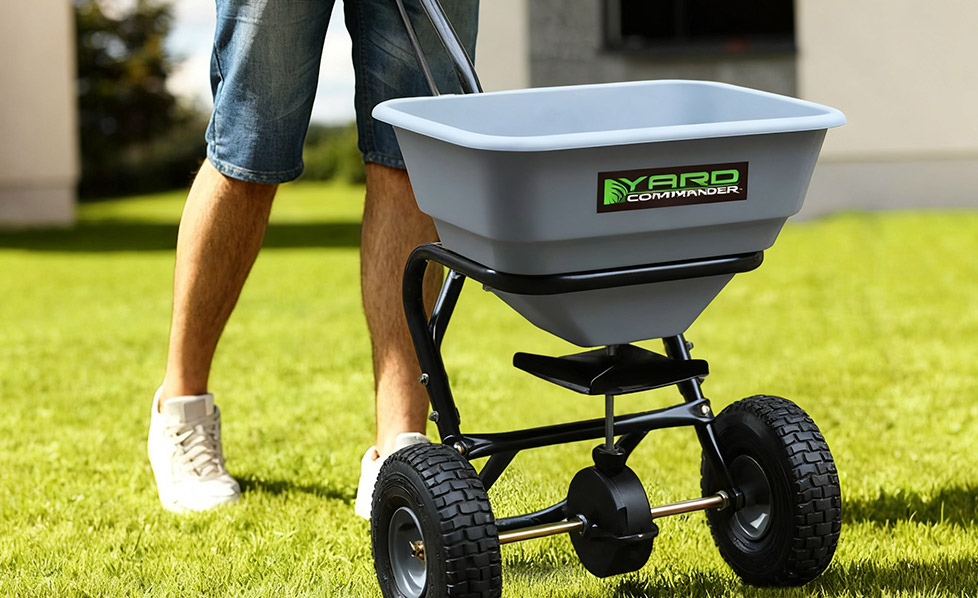
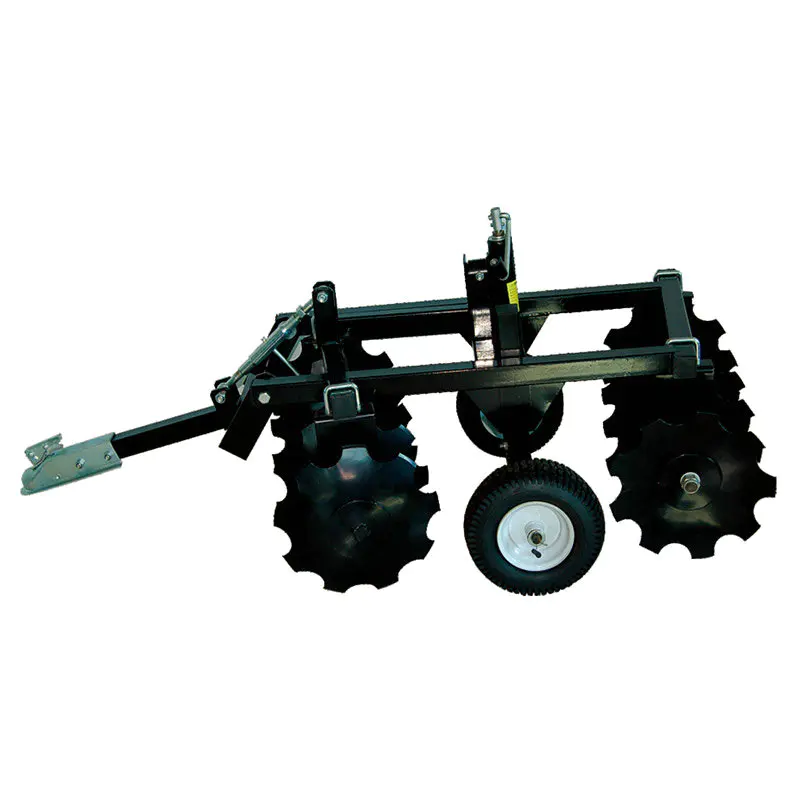
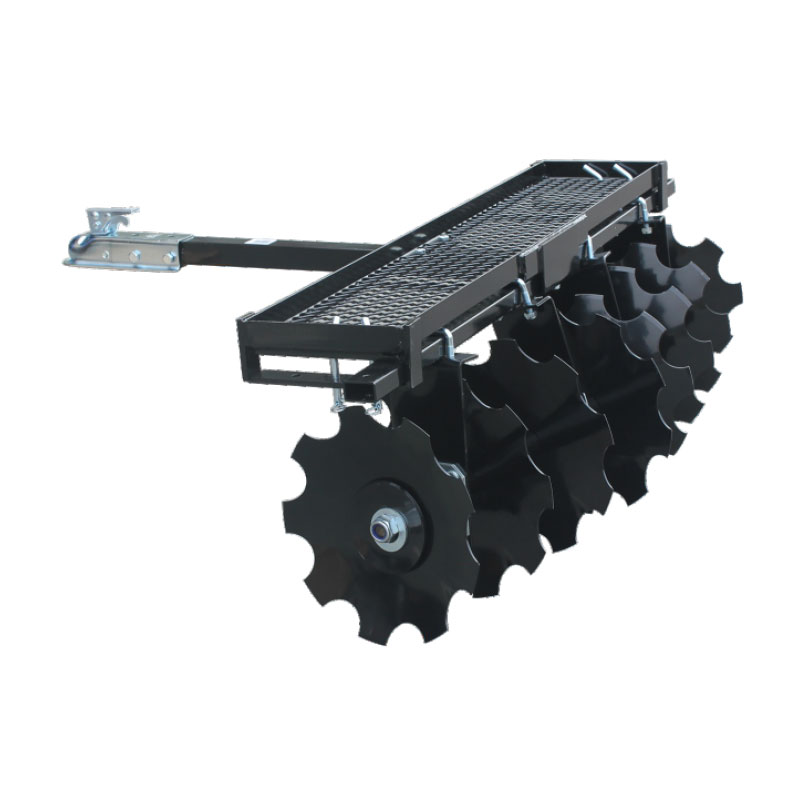
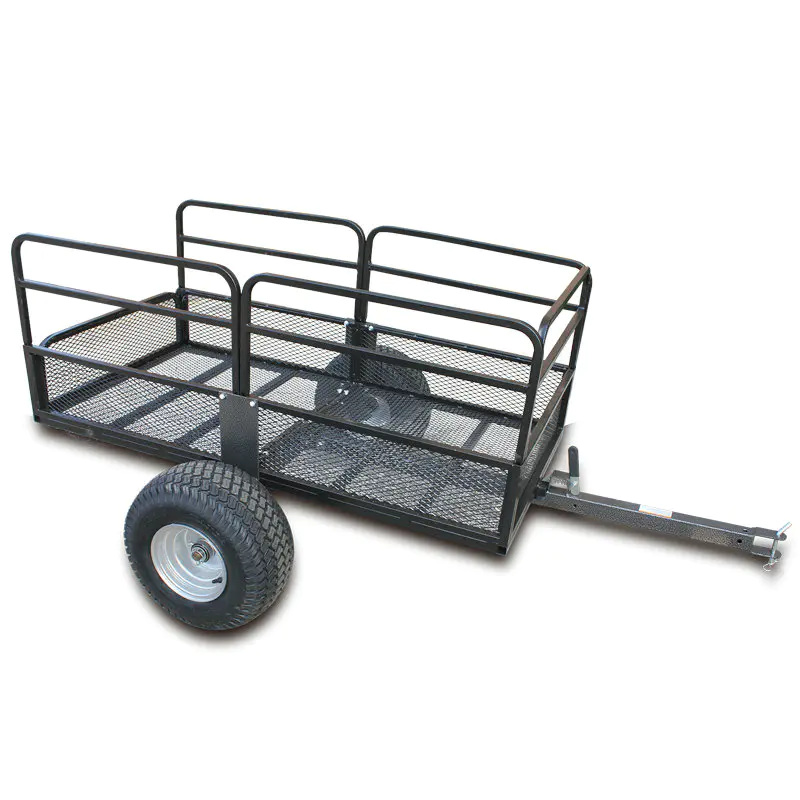
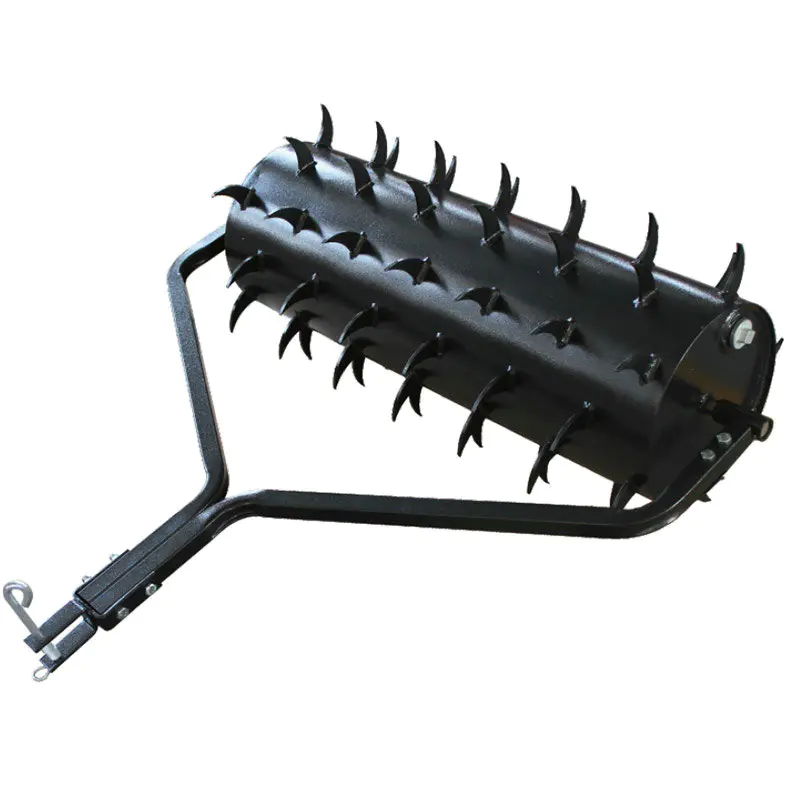
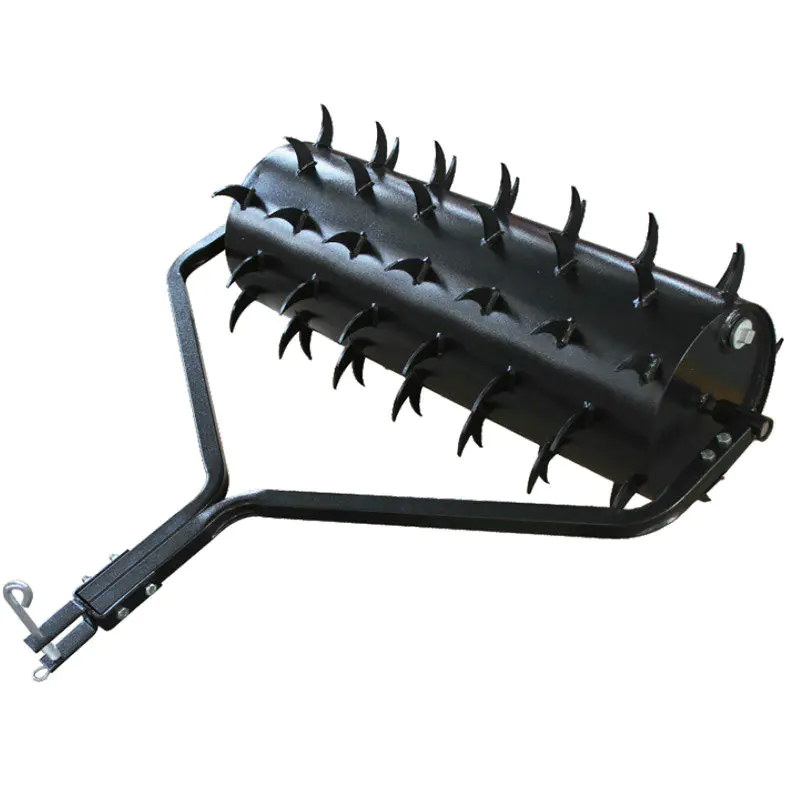
The 350lb. Tow ATV Spreader is a versatile piece of equipment widely used in agricultural, landscaping, and property maintenance settings. Its primary function is to distribute granular materials such as fertilizer, seeds, or salt over large areas efficiently. Understanding the recommended terrain conditions for operating a 350lb. Tow ATV Spreader is essential for maximizing performance, ensuring safety, and extending the equipment’s operational life.
Suitable Terrain Types
Flat and Even Surfaces: One of the most ideal conditions for using a 350lb. Tow ATV Spreader is flat and even terrain. On such surfaces, the distribution of materials is uniform, reducing the risk of uneven application and potential clogging in the hopper. Flat fields or lawns with minimal slope provide consistent towing performance and allow for controlled spreading speeds.
Moderate Slopes: While flat terrain is optimal, moderate slopes can be accommodated. The spreader is designed to handle gentle gradients without affecting material distribution significantly. Operators should maintain a steady towing speed and adjust the flow rate appropriately to prevent excessive material from accumulating at the lower end of the slope.
Loamy or Firm Soil: The spreader performs best on loamy or firm soil types, as these surfaces provide adequate traction for the towing ATV. Loose, sandy, or highly wet soil can reduce stability, causing uneven material distribution or tipping risks. Soil compaction is an important factor to consider to maintain consistent spreading patterns.
Avoidance of Rough or Rocky Terrain: Rough terrain with rocks, deep ruts, or holes should be avoided when using a 350lb. Tow ATV Spreader. Such conditions can lead to damage to the spreader frame or axle, interrupting material flow and increasing maintenance needs. Ensuring a clear path reduces the risk of operational delays and mechanical wear.
Environmental Considerations
Moisture Levels: The moisture content of the terrain influences the effectiveness of a 350lb. Tow ATV Spreader. Wet or muddy conditions may cause clumping of granular materials, resulting in uneven spread patterns. Dry conditions are preferable; however, operators must avoid extremely dusty terrain, as this can affect both the equipment and operator visibility.
Vegetation and Crop Coverage: Areas with dense vegetation or crops require careful consideration. The spreader’s tires and tow mechanism must navigate without damaging sensitive plants. Adjustments to the height of the spreader or the flow rate of material may be necessary to accommodate partial coverage while maintaining even distribution.
Wind Exposure: Wind can affect the trajectory of granular materials being spread. While terrain itself is a static factor, environmental wind conditions interact with surface topography to influence material deposition. Operators should consider prevailing wind patterns and adjust the spreader settings accordingly.
Surface Classification Table
| Terrain Type |
Recommended Use |
Potential Issues |
| Flat Grassland |
Ideal |
None |
| Moderate Slopes |
Acceptable |
Material may accumulate at low points |
| Loamy or Firm Soil |
Optimal |
Reduced slippage |
| Rocky or Uneven Ground |
Not Recommended |
Risk of equipment damage |
| Wet or Muddy Soil |
Limited |
Clumping, uneven spreading |
Operational Adjustments
Operators can enhance performance by making terrain-specific adjustments. On flat or firm surfaces, flow rate and towing speed can remain consistent. On slopes or softer soils, reducing speed and adjusting the agitation system ensures even material spread. The height of the spreader hitch may also be modified to optimize stability and material discharge.
Traction Enhancements: For less-than-ideal terrain, adding weight to the ATV or selecting tires with better grip can enhance stability. These adjustments reduce slippage and maintain consistent spread patterns, particularly on moderate slopes or partially wet areas.
Material Flow Control: The flow mechanism of a 350lb. Tow ATV Spreader should be regularly checked and calibrated to match terrain conditions. On uneven or softer surfaces, a slower flow rate helps prevent excessive deposition in localized areas.
Safety Considerations
Avoiding Tipping Hazards: When operating on slopes, the risk of tipping increases. The operator should always maintain a low towing speed, keep the load balanced, and avoid sudden turns. Load distribution within the hopper is critical to prevent uneven weight that could destabilize the spreader.
Visibility and Obstructions: Operators should ensure clear sightlines and remove obstacles before spreading. Hidden dips, roots, or debris can disrupt even spreading and cause operational hazards.
Regular Inspections: Frequent inspection of wheels, axles, and the tow hitch is essential, especially when operating on moderately challenging terrain. Early identification of wear or damage prevents failures that could compromise safety.
Surface Adaptation Table
| Terrain Condition |
Adjustment Needed |
Safety Precaution |
| Flat Ground |
Standard flow rate, normal towing speed |
Basic vigilance |
| Gentle Slope |
Reduce flow rate, slow towing speed |
Balance load, avoid sharp turns |
| Wet Soil |
Slow towing speed, monitor clumping |
Ensure proper traction |
| Rocky Surface |
Avoid or clear path |
Inspect for damage post-operation |
| Dense Vegetation |
Adjust spreader height, reduce flow |
Protect crops and plants |
Maintenance Implications
Terrain conditions directly influence maintenance schedules. Operating frequently on rough, wet, or uneven surfaces can accelerate wear on tires, axles, and the spreader frame. Preventive maintenance includes cleaning the hopper after each use, checking lubrication points, and inspecting the tow hitch and tires for damage. Regular maintenance ensures consistent performance and prolongs the lifespan of the 350lb. Tow ATV Spreader.
Conclusion
Selecting the appropriate terrain conditions for a 350lb. Tow ATV Spreader is crucial to achieving optimal performance, ensuring operator safety, and maintaining equipment longevity. Ideal terrains include flat, firm, and moderately sloped surfaces, while rough, rocky, or excessively wet areas should be approached with caution or avoided. Proper operational adjustments, safety measures, and maintenance practices enhance performance across various terrains.
Commonly, operators consider terrain, soil type, moisture level, vegetation coverage, and environmental factors such as wind when planning the use of a 350lb. Tow ATV Spreader. By adhering to these recommendations, users can maximize efficiency and achieve uniform material distribution.
Frequently Asked Questions (FAQ)
-
What is the maximum slope a 350lb. Tow ATV Spreader can handle safely?
- While gentle slopes are generally acceptable, operators should maintain slow speeds and monitor load balance to ensure safety.
-
Can a 350lb. Tow ATV Spreader be used in muddy conditions?
- Limited use is possible, but clumping and uneven spreading may occur. Extra precautions with traction and speed are recommended.
-
How should the flow rate be adjusted for uneven terrain?
- Reduce the flow rate to prevent localized accumulation of material and maintain uniform spreading.
-
Are there any soil types that should be avoided?
- Extremely loose, sandy, or wet soils should be approached cautiously, as they may reduce stability and affect material distribution.
-
What maintenance practices are most important after operating on challenging terrain?
- Cleaning the hopper, inspecting tires and axles, and checking for frame damage are critical to maintaining optimal performance.
References
- Agricultural Equipment Operation Manual. (2022). National Farm Machinery Association.
- ATV Towing and Spreader Guidelines. (2021). Rural Maintenance Journal.
- Best Practices for Granular Material Spreaders. (2020). Agricultural Engineering Review.

 LANGUAGE
 English
 Deutsch
 Español
 Français
 русский