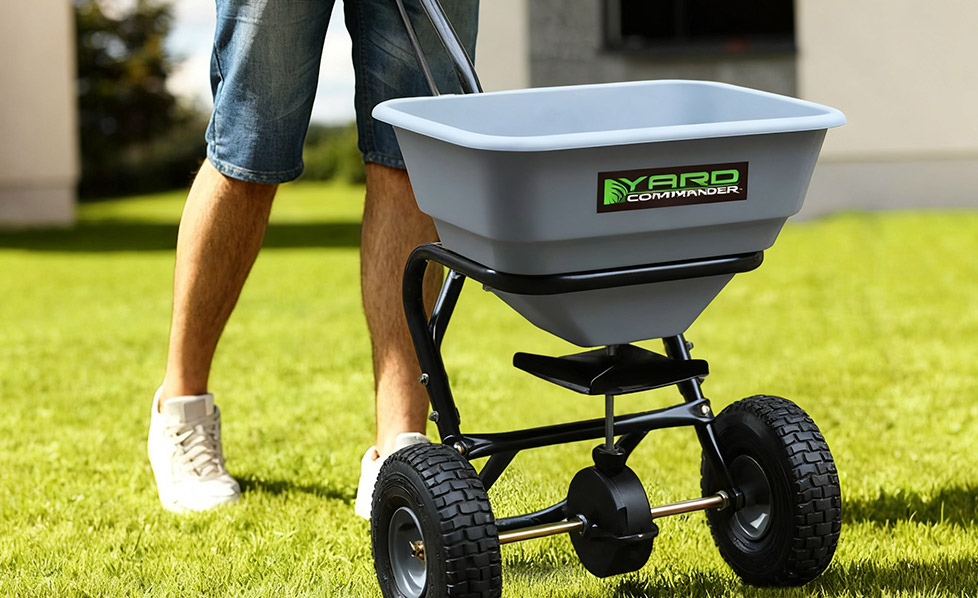
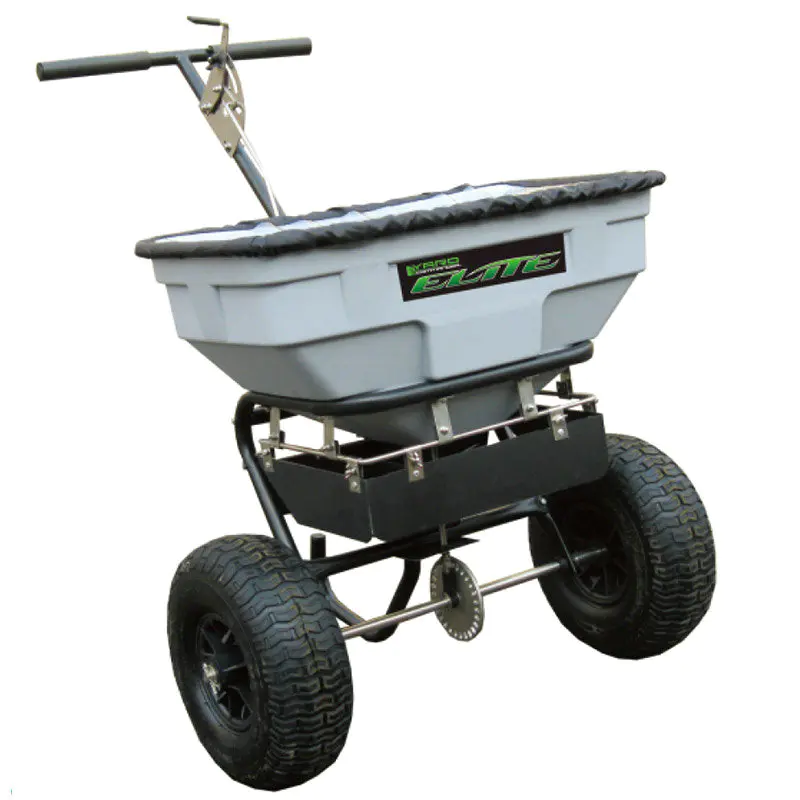
In industrial material handling, spreaders are essential tools for evenly distributing or spreading materials like gravel, sand, and fertilizers across large areas. Spreaders are used in various applications, ranging from construction and agricultural sectors to waste management. While many materials are used to manufacture spreaders, stainless steel remains one of the most popular choices, offering distinct advantages when compared to alternatives such as aluminum and plastic.
Introduction
When selecting a spreader for industrial use, one of the key considerations is durability. Durability refers to a material’s ability to withstand physical stress, environmental factors, and wear over time. Stainless steel, aluminum, and plastic are among the most widely used materials for manufacturing spreaders. Each material has its own set of advantages and drawbacks depending on the specific requirements of the application, such as strength, weight, corrosion resistance, and cost-effectiveness.
Material Properties and Durability
1. Stainless Steel
Stainless steel is a corrosion-resistant, high-strength alloy composed primarily of iron, carbon, and chromium. It is widely used in environments that demand high resistance to corrosion, high temperatures, and wear. The durability of stainless steel spreaders, such as the 80lb stainless steel spreader SP31528 , is a key factor that makes them suitable for demanding industrial applications.
Key Benefits of Stainless Steel in Spreaders:
-
Corrosion Resistance: One of the primary advantages of stainless steel is its excellent corrosion resistance. Stainless steel is resistant to rust, stains, and corrosion caused by exposure to moisture, chemicals, and other harsh environmental factors. This makes stainless steel spreaders ideal for outdoor applications in various climates, including areas with high humidity or exposure to corrosive substances.
-
Strength and Toughness: Stainless steel offers high tensile strength and impact resistance, which makes it suitable for heavy-duty applications. For the 80lb stainless steel spreader SP31528, this strength translates to enhanced load-bearing capacity and resistance to deformation under stress.
-
Longevity: Due to its durability, stainless steel spreaders can last for many years with minimal maintenance. This is particularly important in industries where equipment must withstand continuous use over extended periods.
-
Temperature Resistance: Stainless steel can perform well under high-temperature conditions, making it a preferred choice for industrial environments where temperature fluctuations are common.
Challenges of Stainless Steel:
-
Cost: Stainless steel is generally more expensive than aluminum and plastic, making it a less cost-effective choice for applications where budget constraints are a concern.
-
Weight: Stainless steel is heavier compared to aluminum and plastic, which can increase the overall weight of the spreader, potentially making it less suitable for applications requiring portability or ease of handling.
2. Aluminum
Aluminum is a lightweight, non-corrosive metal commonly used in industrial applications where weight reduction is critical. While aluminum spreaders are less common than stainless steel, they offer unique benefits for certain applications.
Key Benefits of Aluminum in Spreaders:
-
Lightweight: Aluminum is much lighter than stainless steel, making it ideal for applications that require easy handling or portability. It is particularly beneficial for use in environments where weight is a significant consideration, such as in manual or hand-operated spreaders.
-
Corrosion Resistance: Like stainless steel, aluminum also offers corrosion resistance, particularly in non-acidic environments. Aluminum spreaders can perform well in mild outdoor environments and areas with minimal exposure to aggressive chemicals or moisture.
-
Cost-Effective: Aluminum is typically less expensive than stainless steel, which can make it a more cost-effective choice for industries with tighter budgets.
Challenges of Aluminum:
-
Lower Strength: Aluminum, while strong for its weight, does not possess the same tensile strength as stainless steel. It is more susceptible to bending and deformation under heavy loads, making aluminum less suitable for applications that require the ability to bear significant weight or resist impacts.
-
Temperature Sensitivity: Aluminum is more prone to temperature-induced deformation compared to stainless steel. In environments with extreme temperature variations, aluminum may not provide the same level of reliability.
3. Plastic
Plastic is a versatile material that is commonly used in manufacturing spreaders for light-duty applications. Plastic spreaders are often found in smaller models, where cost and weight reduction are priorities.
Key Benefits of Plastic in Spreaders:
-
Lightweight and Cost-Effective: Plastic is the lightest and most cost-effective material used in spreader manufacturing. It is ideal for small-scale operations where the cost of the spreader is a significant concern.
-
Corrosion Resistance: Plastic is immune to corrosion, making it an excellent choice for certain environments, particularly where exposure to moisture or chemicals is a concern.
-
Moldability: Plastic can be molded into complex shapes, which allows for flexible design options in spreader construction. This can enable manufacturers to produce cost-effective spreaders in a wide variety of sizes and configurations.
Challenges of Plastic:
-
Low Strength and Durability: Plastic spreaders are typically much weaker than metal counterparts. They can easily crack, break, or deform under heavy loads, and they do not perform well in high-stress environments.
-
Environmental Sensitivity: Plastic is susceptible to degradation due to UV exposure, temperature changes, and chemical exposure. This limits the lifespan of plastic spreaders, particularly in outdoor applications or in environments with fluctuating temperatures.
-
Wear and Tear: Plastic is more prone to wear and tear over time, especially when used with abrasive materials, such as sand or gravel.
Performance Comparison: Stainless Steel vs. Aluminum vs. Plastic
To better understand how the durability of 80lb stainless steel spreader SP31528 compares to aluminum and plastic spreaders, the following table summarizes the key differences between these materials.
| Property |
Stainless Steel |
Aluminum |
Plastic |
| Strength |
High |
Moderate |
Low |
| Corrosion Resistance |
Excellent |
Good |
Excellent |
| Weight |
Heavy |
Lightweight |
Lightweight |
| Cost |
High |
Moderate |
Low |
| Temperature Resistance |
Excellent |
Moderate |
Low |
| Longevity |
Long-lasting |
Moderate |
Short-lived |
| Impact Resistance |
Excellent |
Moderate |
Low |
Conclusion
In summary, the 80lb stainless steel spreader SP31528 offers superior durability, corrosion resistance, and longevity compared to aluminum and plastic spreaders. Its strength and resistance to harsh environmental factors make it ideal for heavy-duty applications where long-term reliability is critical. While aluminum and plastic spreaders may be suitable for certain light-duty applications, they do not match the overall performance of stainless steel in terms of durability and resistance to wear and tear.
For engineers and system integrators selecting a spreader for their projects, stainless steel, particularly the 80lb stainless steel spreader SP31528, is often the best choice for applications where strength, reliability, and performance are paramount.
FAQ
1. Why is stainless steel preferred over aluminum and plastic for industrial spreaders?
Stainless steel provides superior strength, corrosion resistance, and durability, making it ideal for heavy-duty industrial applications. While aluminum and plastic may be lighter and more cost-effective, they do not offer the same level of performance and longevity.
2. What makes the 80lb stainless steel spreader SP31528 more durable than other spreaders?
The 80lb stainless steel spreader SP31528 is made from high-strength stainless steel, which is resistant to corrosion, wear, and high temperatures, making it suitable for harsh environments and heavy usage.
3. Are there any downsides to using stainless steel spreaders?
The primary downsides of stainless steel spreaders are their higher cost and weight compared to aluminum and plastic spreaders. However, these factors are often outweighed by the performance benefits in heavy-duty applications.
References
- Material Properties of Stainless Steel, Aluminum, and Plastic - A Comparison Guide, Industrial Equipment Magazine.
- The Role of Material Selection in Industrial Equipment Durability, Engineering Journal.
- Industrial Spreaders: A Study on Material Selection and Performance, Material Science and Technology Review.

 LANGUAGE
 English
 Deutsch
 Español
 Français
 русский