
 LANGUAGE
 English
 Deutsch
 Español
 Français
 русский

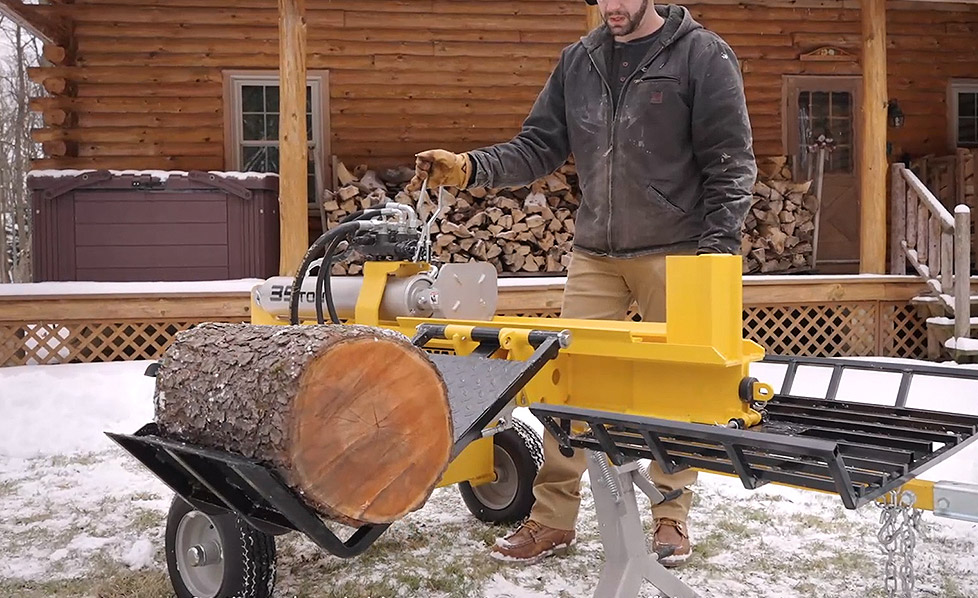
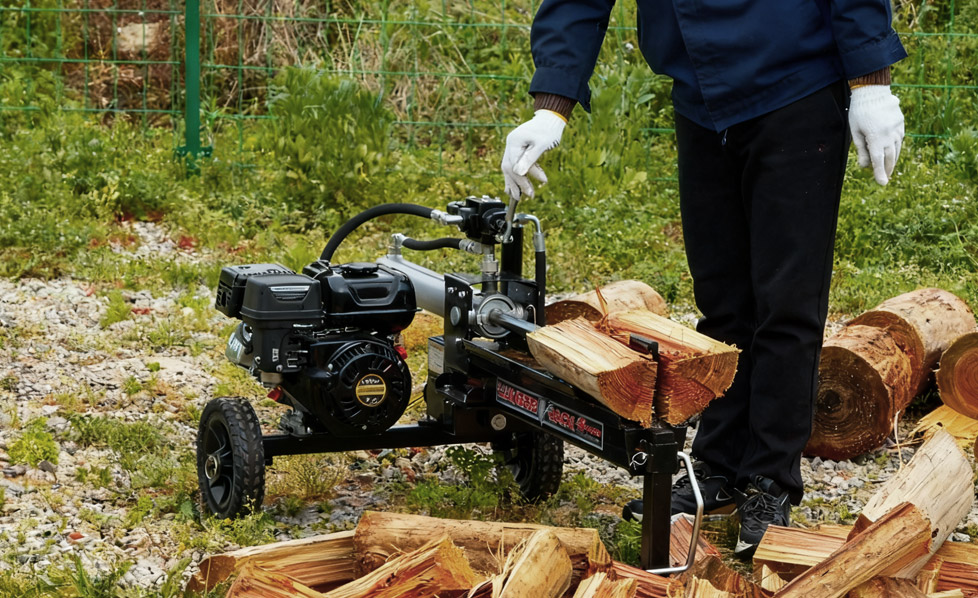






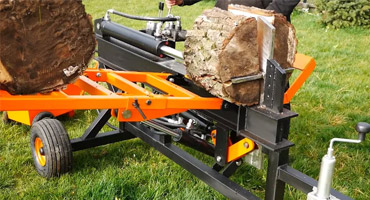

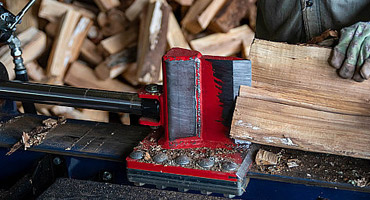




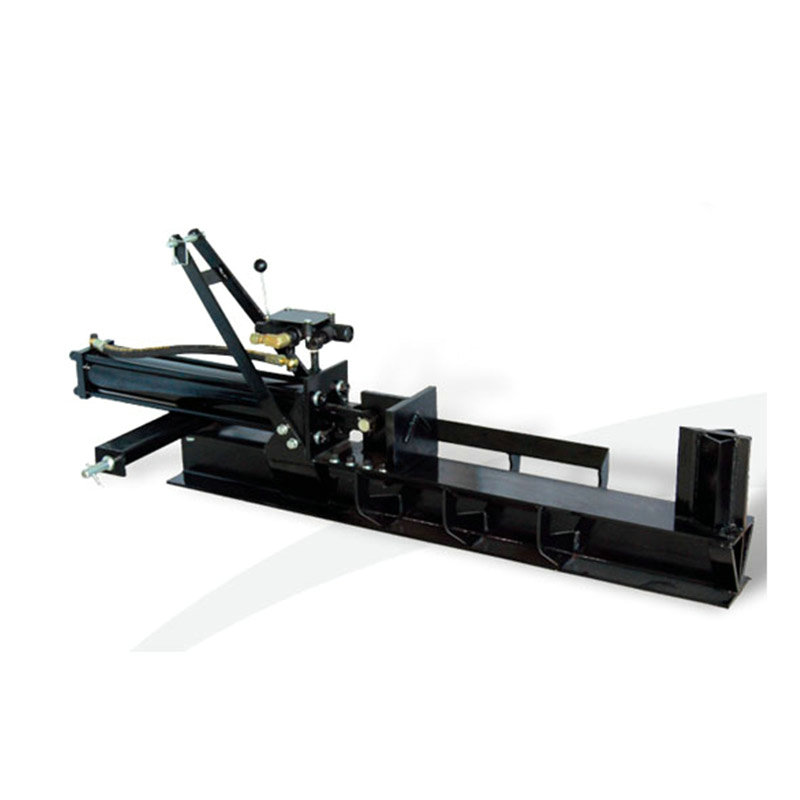
DESCRIPTION 14Ton 3PT log splitter attaches to Category 1 tractor 3-pt...
See Details
How to choose a dump cart: Applications, Selection Criteria, and Practical Guidance
Twelve bags of mulch on the driveway, a wheelbarrow that carries two at a time, and a planting bed ninety feet from the pile. That is usually the moment someone starts shopping for a dump cart. The decision looks simple until you are standing in front of carts rated from 400 lb to 2,000 lb, with steel, poly, and mesh beds, and no obvious reason why one costs twice as much as another.
The short answer: choose by four numbers first — rated payload in pounds, bed volume in cubic feet, axle and wheel configuration, and hitch type. Bed material, dump mechanism, and tire quality then decide how long the cart stays pleasant to use. Get the four numbers wrong and no amount of paint or branding will rescue the purchase.
Working rule: plan your everyday load at roughly 60 to 70 percent of the rated capacity. Ratings assume a level surface and an evenly distributed load. Wet turf, a side slope, and a heaped bed are not that scenario, and the axle bearings usually pay for the difference.
The Four Numbers That Decide Whether a Cart Fits Your Work
Payload rating is the mass the bed, frame, axle, and tires are designed to move, and it does not include the cart itself. Asking a 600 lb cart to shift wet topsoil every weekend will end at the wheel bearings long before the bed shows any wear.
Bed volume matters more than most buyers expect, because volume and weight pull in opposite directions. Eight cubic feet of shredded leaves weighs well under 100 lb. Eight cubic feet of wet sand can pass 800 lb. Bulky and light loads mean buy volume; dense and heavy loads mean buy payload and check volume only for fit.
Payload 400–2,000 lb Match the rating to your heaviest routine load, not the heaviest load you can imagine once a year.
Bed volume 4–12 cu ft Small beds suit tight paths; large beds cut trips but add weight and width.
Axle setup 1 or 2 axles Two wheels pivot easily; tandem or four-wheel frames hold a line on slopes.
Hitch Pin or clevis Measure drawbar height before ordering, and check jackknife clearance at full lock.
| Cart class | Rated load | Typical bed | Best for |
|---|---|---|---|
| Light garden | 400–600 lb | 4–6 cu ft, 2 wheels | Leaves, mulch bags, tools, small yards |
| Mid duty | 700–900 lb | 6–8 cu ft, 2 wheels | Compost, soil, firewood, mixed yard work |
| Heavy duty | 1,000–1,500 lb | 8–12 cu ft, 2 or 4 wheels | Gravel, sand, stone, repeated loading |
| Tow trailer | Up to 2,000 lb | 12 cu ft and up, 4 wheels | ATV or tractor hauling, site clearing |
Steel, Poly, or Mesh: Match the Bed to What You Haul
Steel beds handle abrasive weight
Gravel, crushed stone, sand, broken concrete, and split firewood all punish a thin bed. Steel takes the impact, holds its shape under a heaped load, and pushes out easily when the tailgate drops flat. Look for a powder-coated finish, welded rather than bolted seams, and a tailgate that opens wide enough for a shovel. Rust begins at scratches and seam gaps, so expect one touch-up pass a season with a rattle can.
Poly beds release sticky loads
Manure, compost, fertilizer, and damp mulch cling to steel and slide out of high-density polyethylene. Poly does not rust, does not dent when a shovel edge lands on it, and stays quiet on rough ground. The limits are worth stating plainly: no hot ash, no sharp slab, and thin-walled beds can crack under a concentrated point load in deep cold.
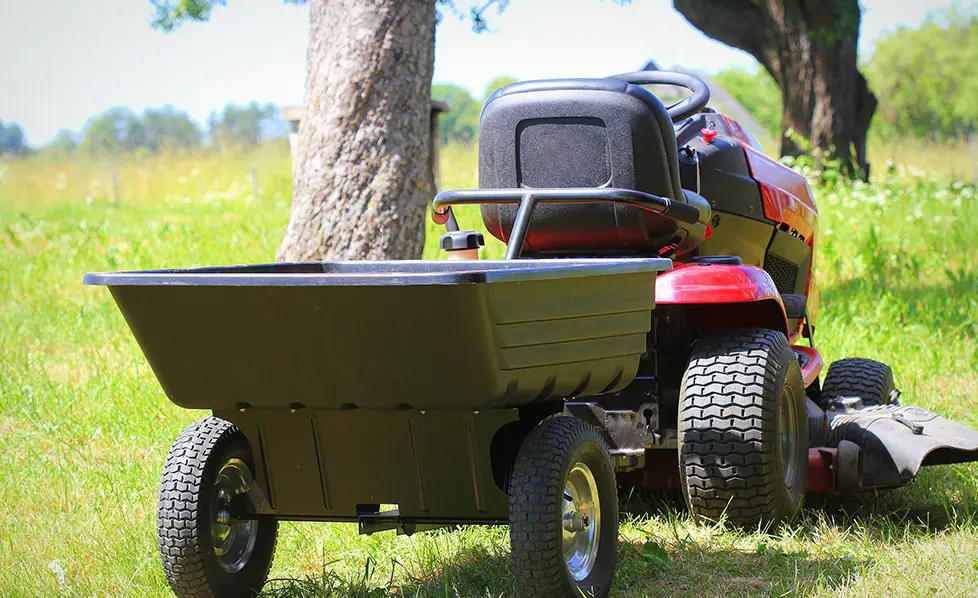
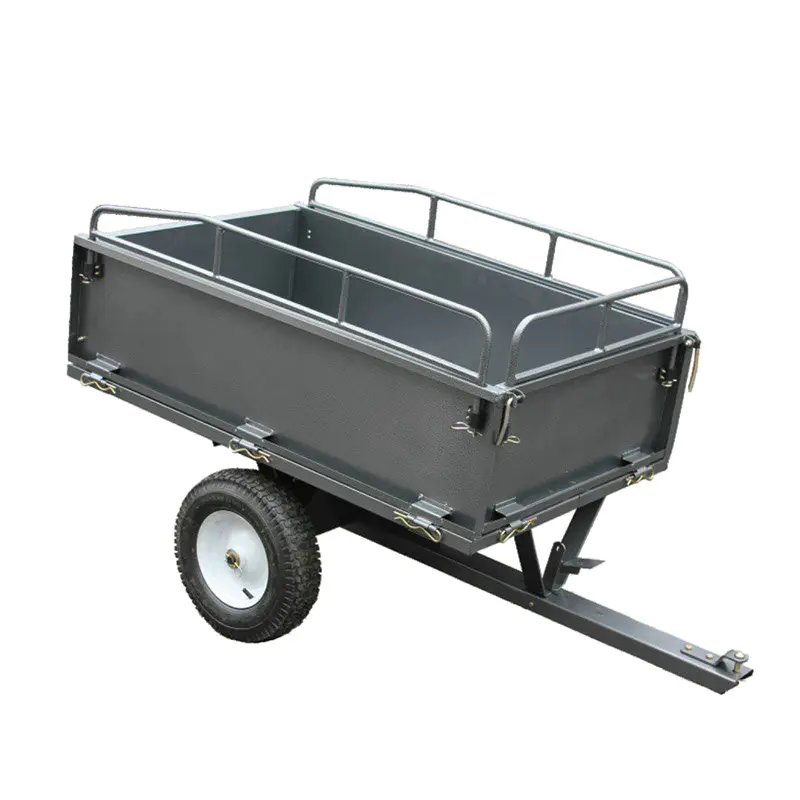 700 lb Steel Dump Cart SP22136A 14 cu. ft., 700 lb steel cart for lawn tractors and ATVs, with rust-resistant powder coat and removable tailgate for tools, feed, landscaping loads.View Product →
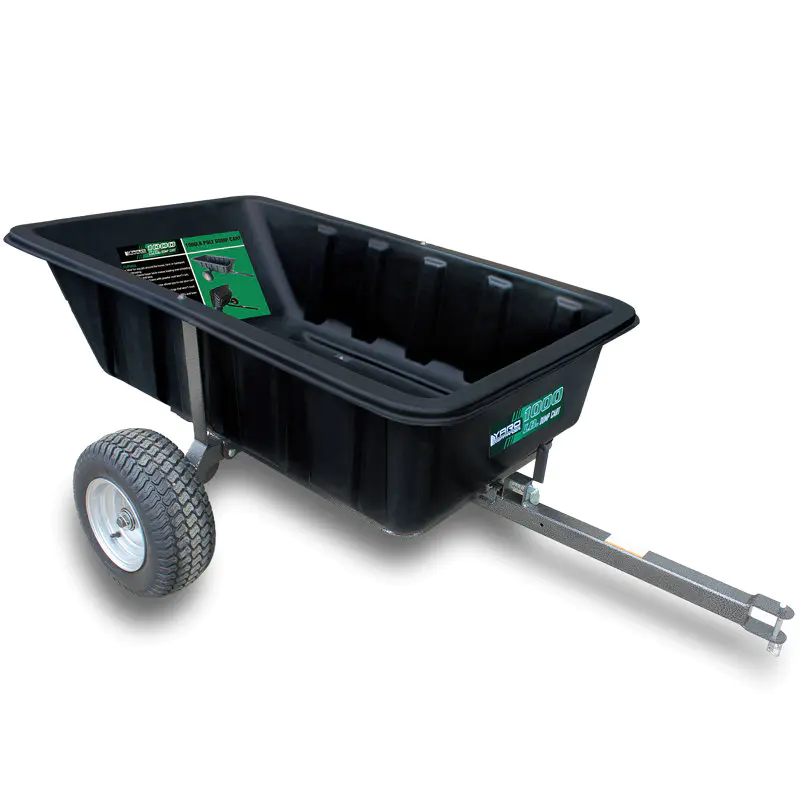 1000 lb Poly Dump Cart SP22145A tow-behind poly cart with steel frame for ATV and lawn tractor work, offering 1,000 lb capacity, quick-release tipping, and sealed bearings for landscaping hauling.View Product →
Mesh beds drain and stay light
Mesh works for leaves, brush, and wet yard waste where drainage matters and weight stays low. It is the wrong choice for sand or soil, which sift through and leave the frame carrying an uneven load.
Wheels, Axles, and Bearings Do the Real Work
A cart feels heavy or light mostly because of its tires. Pneumatic tires roll easily over turf and cushion ruts but need pressure checks and can puncture. Solid tires never go flat and never need air, yet they transmit every bump into the load and sink more on soft ground.
Wheel diameter decides how the cart crosses a gate threshold or a garden hose. Anything under 10 inches catches on roots and edges; 13 inches and above rolls over them. Inside the hub, a sealed ball bearing with a grease fitting outlasts a plain bushing by years on a cart that sees regular loads.
Single-axle carts pivot on a dime and are easy to tip when the load is stacked to one side. Tandem-axle and four-wheel carts track straight across a slope and carry far more weight, but they add tongue weight and need a wider turning circle. On a lawn tractor or ATV, check that the loaded tongue weight stays within the towing vehicle's rating before you fill the bed.
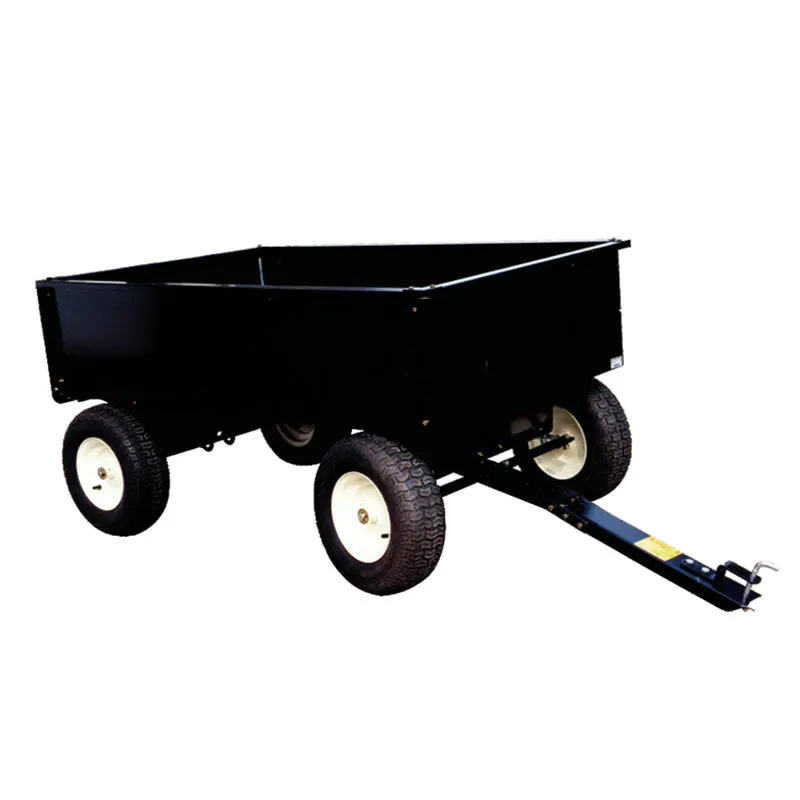 2000 lb Four Wheel Trailer Cart SP22103A four-wheel, 18 cu. ft. cart for lawn tractors and ATVs, with 2,000 lb capacity, rust-resistant powder coat, and removable tailgate for tools, landscaping materials.View Product →
Hitch Fit and Dump Action: The Details That Annoy You Later
Measure the drawbar height on your tractor or ATV before ordering. A pin hitch is quick and simple, while a clevis hitch handles heavier trailers with less rattle. Then check jackknife clearance: a long tongue can catch the mower deck or rear tire at full lock, and a folding tongue makes storage noticeably easier.
The dump mechanism deserves a hands-on test. A foot-release pedal that trips cleanly with 500 lb aboard is worth more than a fancy latch. Confirm the bed tips to 45 to 60 degrees so sticky material actually slides, that the latch stays engaged over bumps, and that the load sits behind the axle when tipped rather than pulling the cart forward. Ground clearance under a tipped bed also matters if you work on gravel.
A Five-Minute Checklist Before You Pay
- Weigh your heaviest routine load and add 30 percent as a safety margin.
- Estimate bed volume from the material you move most, not the material you moved once.
- Confirm tire size, bearing type, and whether the hubs are serviceable.
- Match hitch style and drawbar height to the vehicle that will do the towing.
- Trip the dump latch with a load on board, or ask for a demonstration.
- Check that wear parts — tires, pins, latches — are available as spares.
If your cart work overlaps with seeding or fertilizing, it is worth reading how a dump cart and spreader setup work together before locking in a capacity band.
Dump Cart Questions Buyers Ask Most
Q1: Is a 600 lb cart enough for a half-acre yard?
Usually yes for leaves, mulch bags, and tools, where the load is bulky but light. It becomes marginal the moment you start moving soil or gravel, because a single heaped bed of wet topsoil can exceed the rating.
Q2: Poly or steel for wet manure and compost?
Poly. It releases sticky material without scraping, ignores corrosion, and rinses clean. Choose steel only if the same cart must also move stone, rubble, or firewood.
Q3: Can a lawn tractor pull a 1,000 lb cart?
Many can pull it on flat ground, but the limiting factor is stopping and steering on a slope, plus the tongue weight on the rear axle. Check the tractor's rated towing capacity and keep the load low and centered.
Q4: Why does my cart nose-dive when I dump?
The load is sitting too far forward of the pivot, or the latch releases unevenly. Spread material toward the tailgate, dump on firm level ground, and confirm the pivot pin is not worn.
Talking Through a Real Specification
Cart choice gets easier once the numbers are on the table: payload, bed volume, axle layout, and hitch. If you are sourcing for a dealer network, a rental fleet, or a private label program, our team can walk through capacity bands, bed materials, and finishing options against the loads your customers actually move.
PREV:No previous article
NEXT:Australian Log Splitter Buying Guide: Matching Tonnage, Power, Wood and Safety
Interested in cooperation or have questions?
Related products
-
-
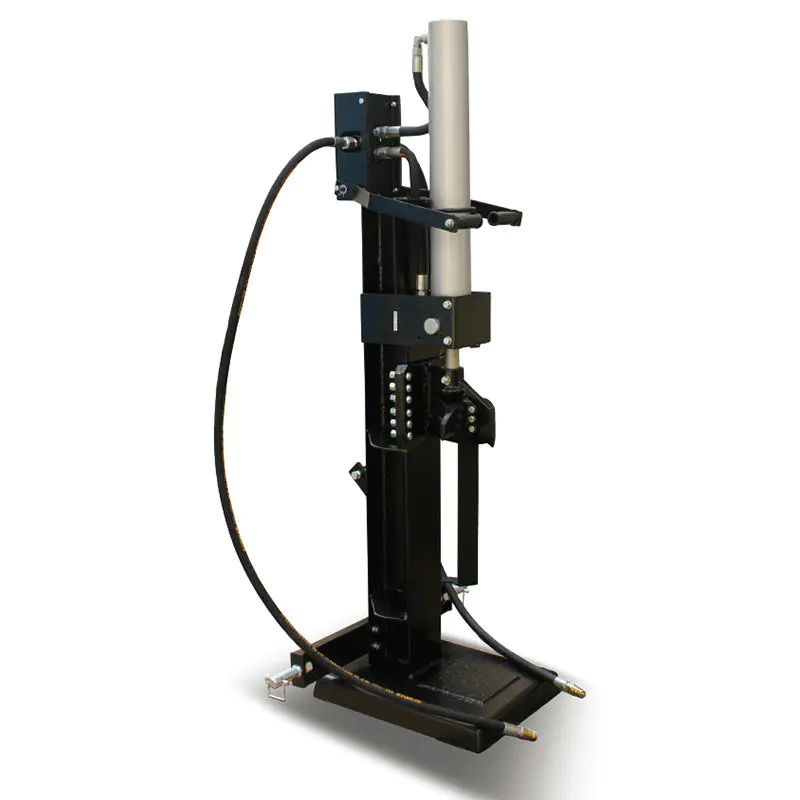
DESCRIPTION Model no.: LSE 14Max. splitting force: 14TonMax. log lengt...
See Details -
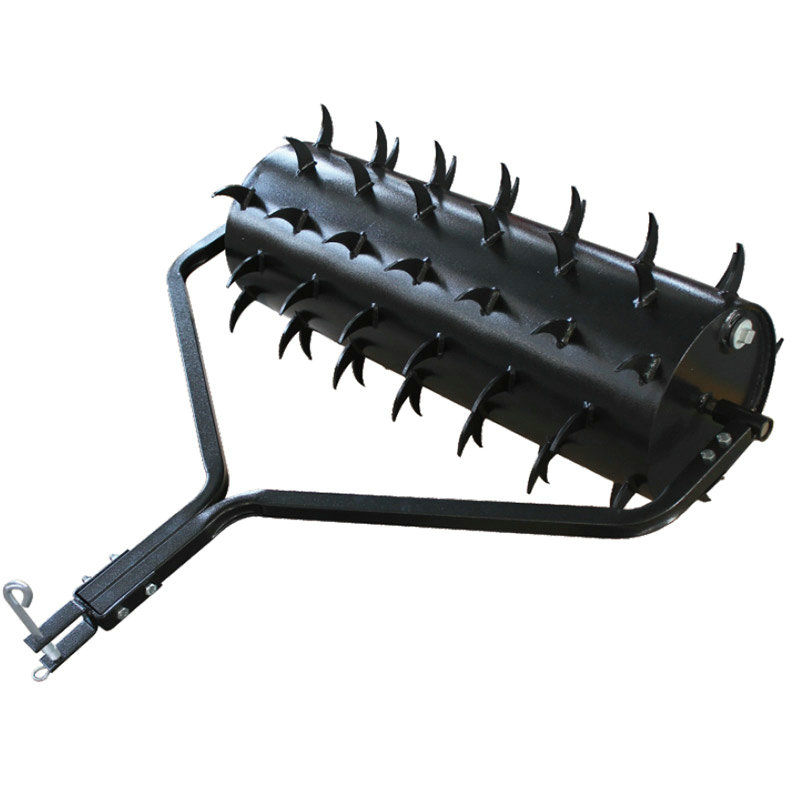
DESCRIPTION ♦Helps nutrients get into the soil and down to the ...
See Details -
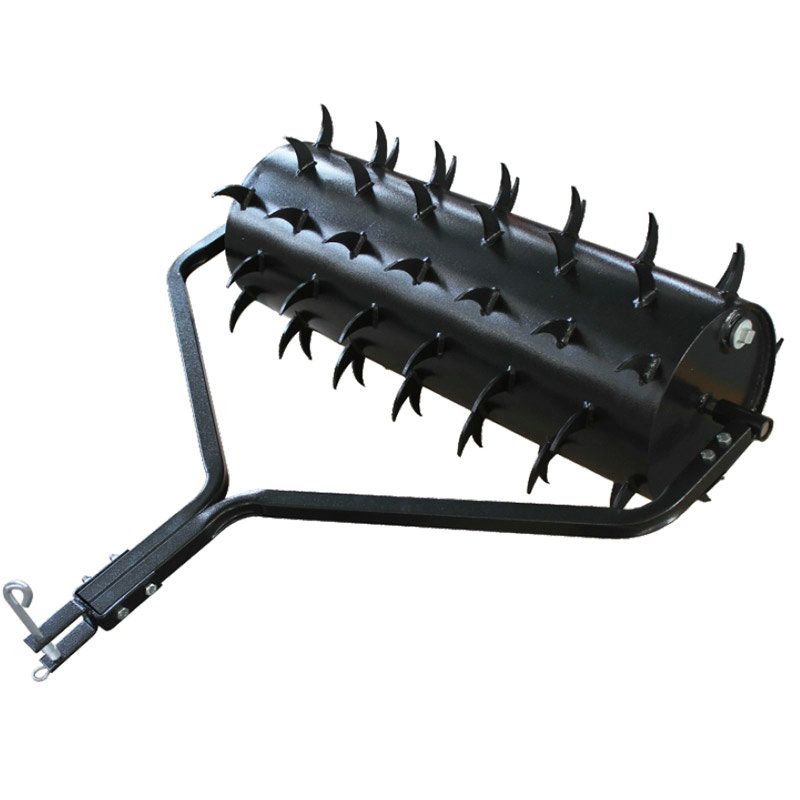
DESCRIPTION ♦Helps nutrients get into the soil and down to the ...
See Details -
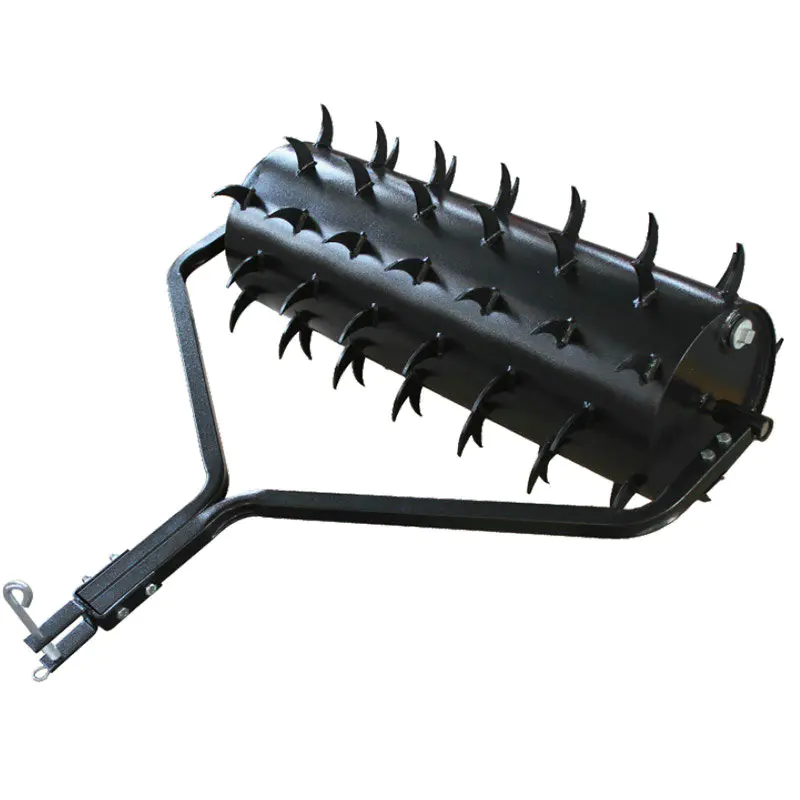
DESCRIPTION ♦Helps nutrients get into the soil and down to the ...
See Details -
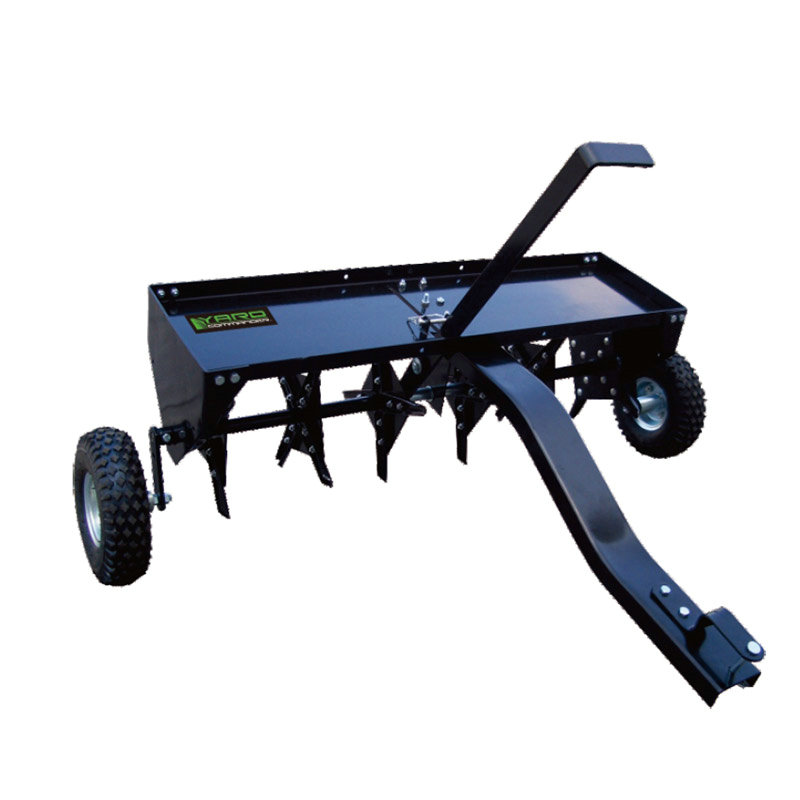
◆MODEL NO.: SP31106 ◆24 REPLACEABLE CORING POINTS ◆SINGLE-HAND LIFT LE...
See Details
