 LANGUAGE
 English
 Deutsch
 Español
 Français
 русский

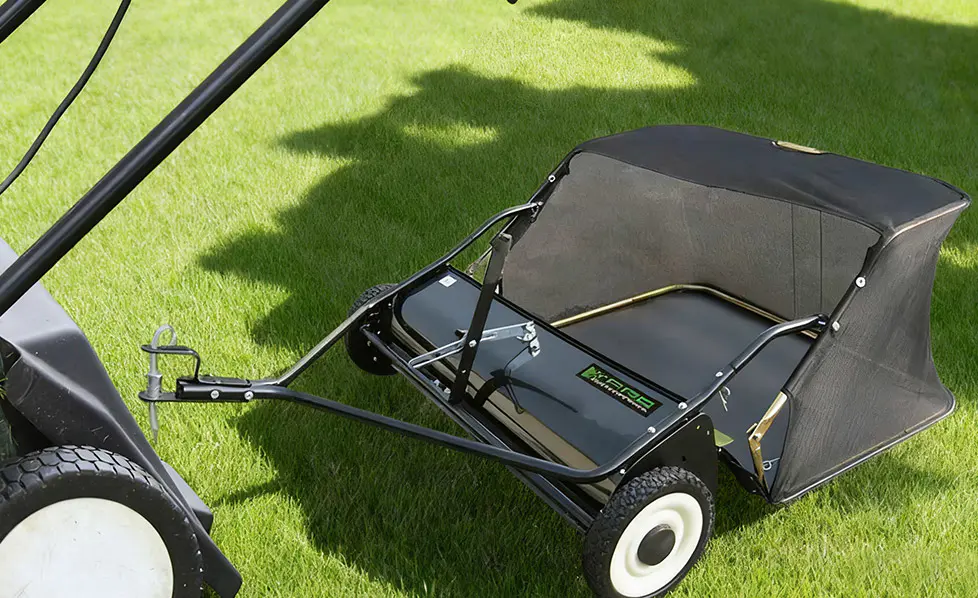
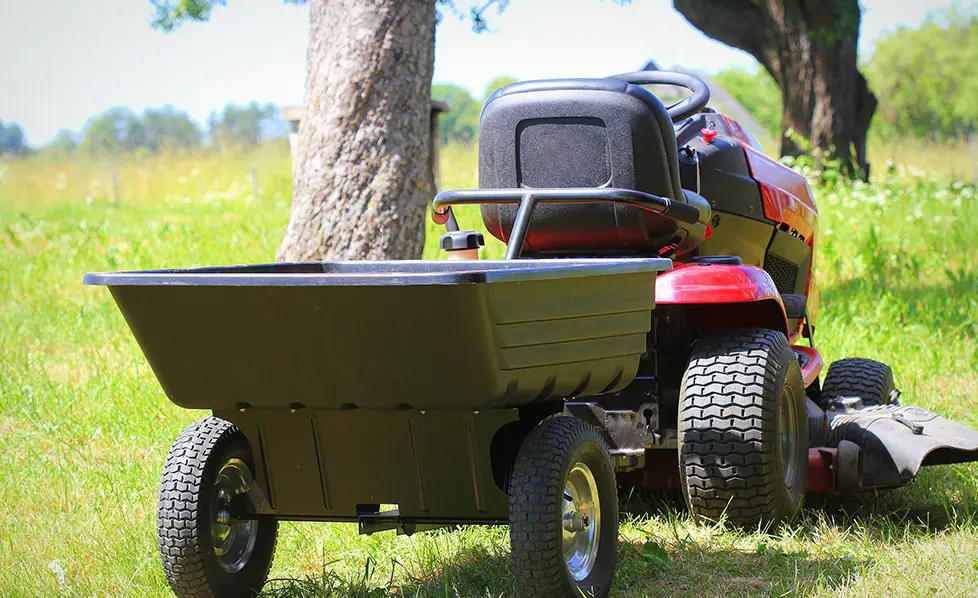

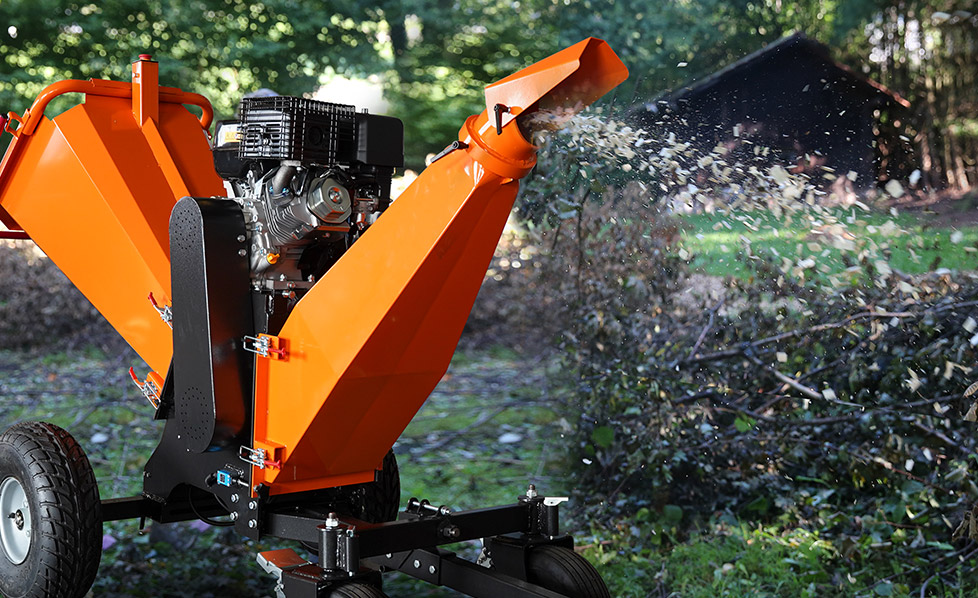
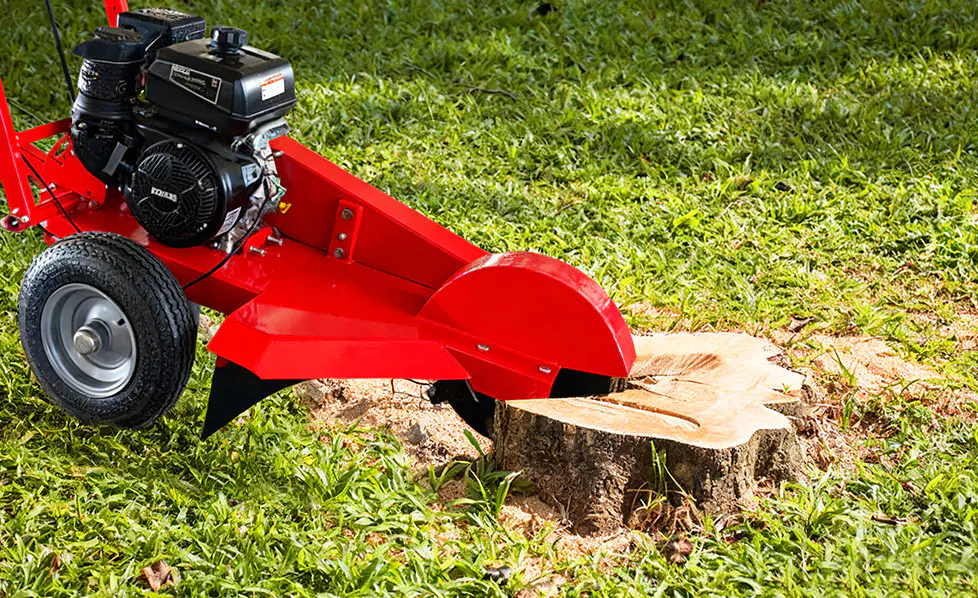



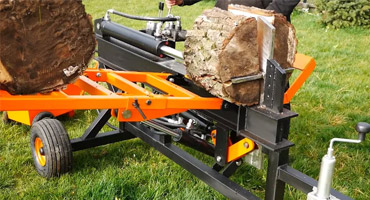





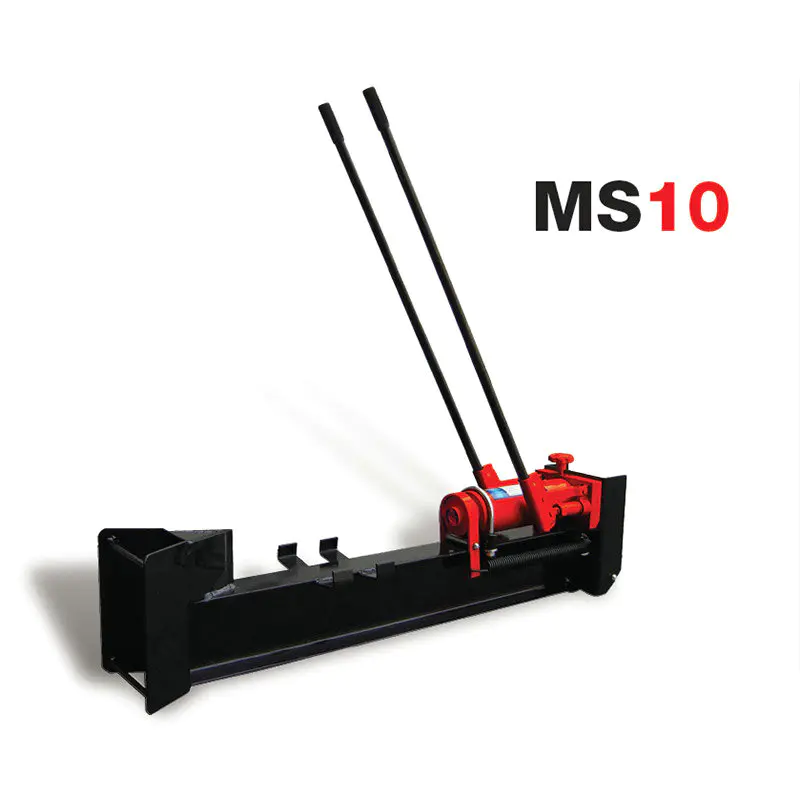
DESCRIPTION Working at horizontal position onlyAuto return hydraulic c...
See Details
Electric vs Gas Wood Chipper: How to Choose the Right One for Your Yard
Branch diameter settles this decision before any other feature does. Choose an electric wood chipper when your cleanup pile is mostly twigs, leaves, and dry limbs under about 1.5 inches, when an outdoor outlet is within cord reach, and when quiet operation matters. Choose a gas wood chipper when the pile holds 3-inch hardwood branches, when the work happens far from any socket, and when you need hours of runtime instead of minutes.
Electric
Built for courtyards and small yards: quiet, light, nearly maintenance-free, and capped at roughly 1.5-inch dry material.
Gas
Built for acreage and storm cleanup: 3-inch branches and up, tank-to-tank runtime, heavier, louder, with engine upkeep.
Every other difference in this comparison flows from the power source, because the motor or engine sets the capacity, duty cycle, noise level, and maintenance schedule of the entire machine.
What the Power Source Actually Changes
Electric chippers drive a motor that delivers full torque the instant you press the switch, and they hold steady speed on dry material. Gas chippers run on engines rated from about 6.5 HP on compact chipper shredders to 13 HP and beyond on towable units, and that headroom is what lets them chew through thick, dense, or slightly green branches without stalling.
Duty cycle separates them next. A consumer electric unit is built for short sessions: feed for a few minutes, let the motor cool, repeat. A gas engine is built to run a tank dry, refuel, and keep going, which matters on a farm or job site where the pile will not shrink itself. Mobility is the third divide: electric models are tethered to a cord and an outlet, while gas machines work anywhere, including towed behind an ATV or a tractor.
One clarification before the specs: many machines sold as chippers are technically chipper shredders, pairing a branch-cutting blade with a flail system for leaves and soft debris. If that distinction is new to you, this guide to the difference between a wood chipper and a chipper shredder clears it up, and the electric versus gas logic below applies to both types.
Where an Electric Wood Chipper Makes Sense
Quiet, Fume-Free Operation
Most electric chippers run at roughly 60 to 70 decibels, near the level of a conversation, while gas engines push past 95 decibels into hearing-protection territory. In dense neighborhoods, that gap decides whether you can chip early in the morning at all, and with no exhaust fumes, a garage doorway becomes a workable station on a rainy day.
Maintenance Nearly Disappears
There is no engine oil to check, no spark plug to replace, no carburetor to gum up in storage, and no fuel to drain in spring. The routine shrinks to blade inspection, chute clearing, and cord checks, which over a five-year ownership window is one of the strongest cost arguments for electric in light-duty use. Weight helps too: 25 to 50 pounds against well over 100 for most gas machines means one person can carry the unit to the pile, and starting is a switch rather than a recoil pull.
The Limits to Respect
- Branch capacity tops out near 1.5 inches on most consumer motors, so measure the pile honestly first.
- Green, wet, or sappy wood loads the blade and stalls motors; dry, seasoned material chips far cleaner.
- Long extension cords cut delivered voltage. Beyond about 50 feet, step up to a 12-gauge outdoor cord or the motor runs hot and loses torque.
- Power depends entirely on the outlet, which is exactly why remote acreage flips the answer to gas.
 Electric Poly Chipper Shredder CPY0120 for Courtyard CleanupA plug-in electric model weighing just 25 to 50 pounds, with no engine oil, spark plug, or fuel maintenance. It suits courtyard-scale cleanup of branches and leaves, collecting shredded output in a bag for mulch or compost.View Product →
For a concrete reference point, the electric poly chipper shredder in the CPY line is built around this exact profile: a plug-in motor for courtyard-scale cleanup that takes branches, leaves, and even softer plastic garden waste, then collects the output in a bag ready for mulch or compost.
Where a Gas Wood Chipper Pays for Itself
Capacity is the headline. A 6.5 HP gasoline chipper shredder takes branches around 3 inches thick, which is the difference between chipping storm debris on site and hauling it to a drop-off point. Dense hardwood such as oak, along with knotty sections that would bog down an electric motor, is routine work for a gas engine driving a hardened blade.
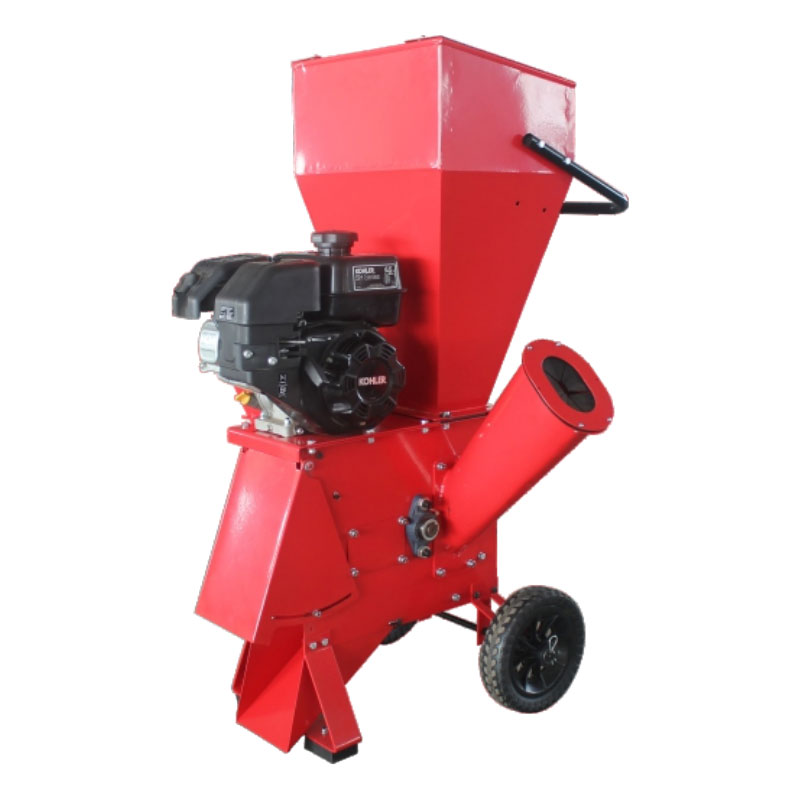 Gas Chipper Shredder CP6600 with 6.5 HP EngineThis 6.5 HP four-stroke gasoline unit chips branches up to 3 inches thick, including dense hardwood and knotty storm debris, while a shredding stage handles leaves and the wheeled frame stays easy to move around a large garden.View Product →
A compact unit from the CP series pairs a 6.5 HP four-stroke engine with 3-inch chipping capacity and a shredding stage for leaves, yet stays light enough to roll around a large garden on its own wheels.
Runtime and range close the case on bigger properties. Gas machines refuel in minutes and work all afternoon with no cord and no outlet, and the larger trailing designs tow behind an ATV, riding mower, or tractor so the machine follows the cleanup rather than the other way around.
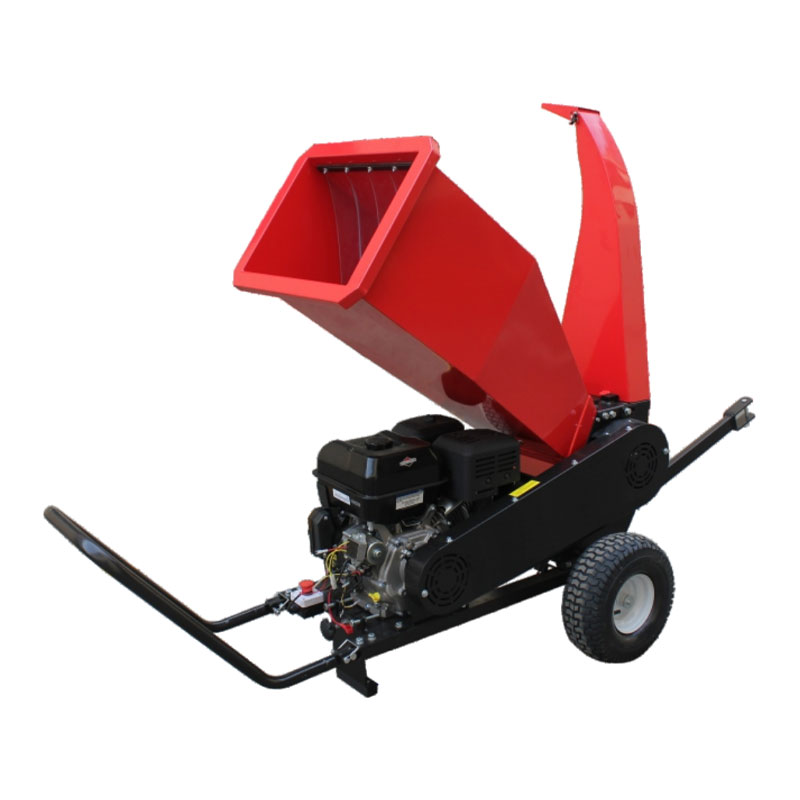 Trailing Chipper Shredder CPR150A with 13 HP EngineDesigned for large properties, this 13 HP trailing model tows behind an ATV, riding mower, or tractor, refuels in minutes, and keeps working all afternoon on farm roads, orchards, and estate grounds with heavy branch volume.View Product →
At the top of this range, the CPR150 trailing chipper shredder runs a 13 HP engine on a towable chassis made for farm roads, orchards, and estate grounds where branches arrive faster than a walk-behind unit can swallow them.
The trade-offs are real: 95-plus decibels of noise, exhaust, fuel and oil costs, plugs and filters on the service schedule, and winterization before storage. None of that is a problem on a farm; all of it is dead weight on a townhouse patio.
Electric vs Gas Wood Chipper: Side by Side
| Factor | Electric | Gas |
|---|---|---|
| Max branch diameter | About 1 to 1.5 inches | About 3 inches, more above 10 HP |
| Noise | Roughly 60 to 70 dB | Roughly 95 to 110 dB |
| Typical weight | 25 to 50 lbs | 100 lbs and up |
| Runtime | Cord-bound, with cooldown pauses | Tank to tank, all day with refueling |
| Starting | Switch | Recoil or electric start |
| Seasonal upkeep | Blade and cord check | Oil, plug, filter, fuel system |
| Best fit | Small yards, pruning debris, close neighbors | Acreage, farms, storm cleanup, hardwood |
Read the table as a budgeting exercise rather than a scorecard. Pay for gas capacity only if thick branches, distance, or session length actually appear in your work; otherwise the electric column delivers the same result for less money, less noise, and less wrench time.
Five Questions to Answer Before You Buy
- What is the thickest branch in your pile, measured honestly? Size the machine for the thickest 10 percent, not the average twig.
- How far is the nearest outdoor outlet from where the pile sits? Past roughly 100 feet of cord, gas wins on practicality alone.
- How long is a typical session? Fifteen minutes favors electric; a full Saturday favors gas.
- Where will the chips go? Both types produce free mulch and compost bulk, and a chipper shredder handles soft material that a blade-only chipper cannot.
- Who preps the machine for winter storage? Electric shrugs it off; gas needs stabilized fuel and an engine check.
If your answers point in two directions, rent a gas unit for the one big annual cleanup and buy electric for the weekly trickle. That two-machine strategy often costs less than one oversized gas chipper sitting idle in the shed.
Frequently Asked Questions
Q1: Can an electric wood chipper handle wet or green wood?
Occasionally, and reluctantly. Moisture loads the blade and can stall a consumer motor, and sappy material builds up quickly. Electric units do their best work on dry, seasoned branches; treat freshly cut wood as gas territory.
Q2: What is the thickest branch an electric chipper accepts?
Most consumer models are rated around 1.5 inches. Overfeeding does not fail instantly; it overheats the motor, dulls the blade early, and shortens the machine's life, so respect the rating.
Q3: Do gas chippers need special storage preparation?
Yes. Run the carburetor dry or add fuel stabilizer, check the oil level, and inspect the spark plug before the season starts. Skipping this step is the most common cause of a no-start in spring.
Q4: Is a chipper shredder worth it for a small yard?
Usually yes, if you maintain trees or hedges. Chipped material is free mulch and compost feedstock, and the machine replaces bagging, hauling, and green-waste fees. An electric model covers most small-yard volumes at the lowest total cost of ownership.
The short version: match the machine to the pile, not to the brochure. Electric wins on noise, weight, upkeep, and running cost inside its capacity envelope. Gas wins on branch diameter, runtime, and freedom from the grid, and there is surprisingly little overlap between those territories.
As a manufacturer of both electric and gasoline chipper shredders, running an ISO 9001:2015 quality system with CE-marked models for export markets, Superpower Tools builds both sides of this comparison. Dealers and distributors evaluating the category are welcome to get in touch for specifications, quotations, and OEM options.
PREV:Drum Spike Aerator Benefits: What It Fixes, Where It Fails, and How to Choose
NEXT:Electric Wood Chipper Benefits: Quieter, Cleaner Yard Waste Processing
NEXT:Electric Wood Chipper Benefits: Quieter, Cleaner Yard Waste Processing
Interested in cooperation or have questions?
Related products
-
-
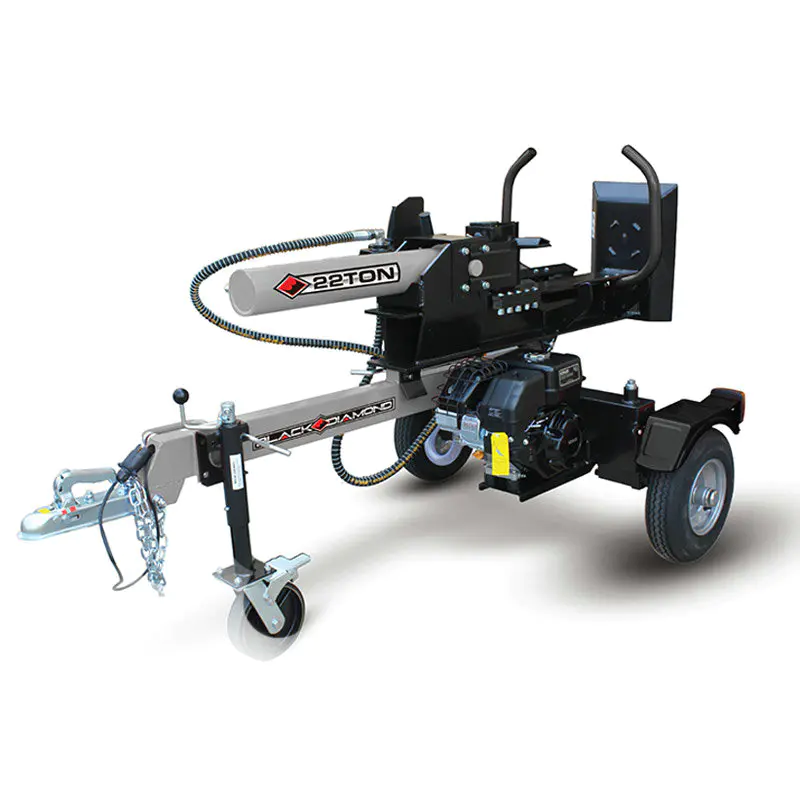
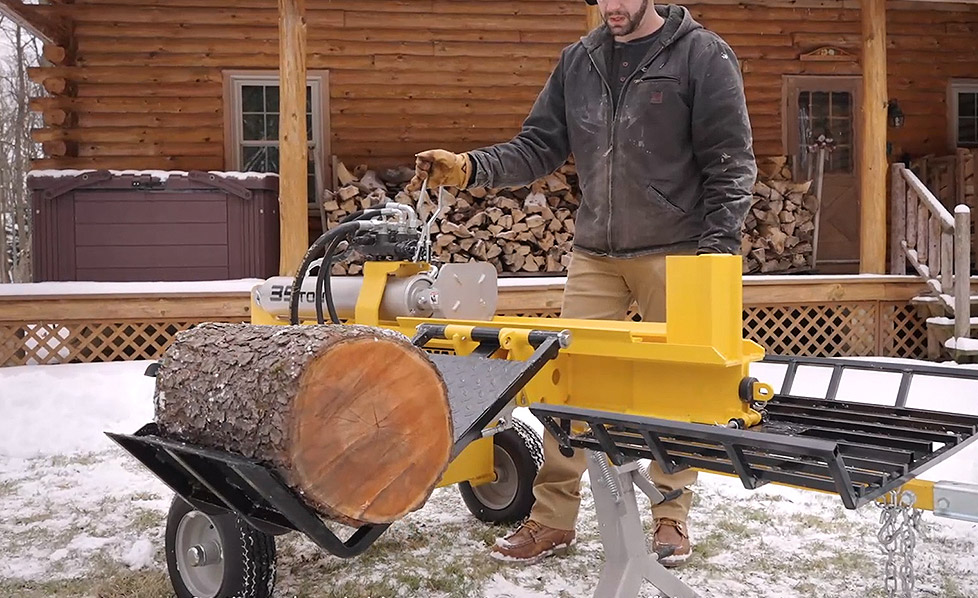
DESCRIPTION Vertical or horizontal operating position lets you work mo...
See Details -
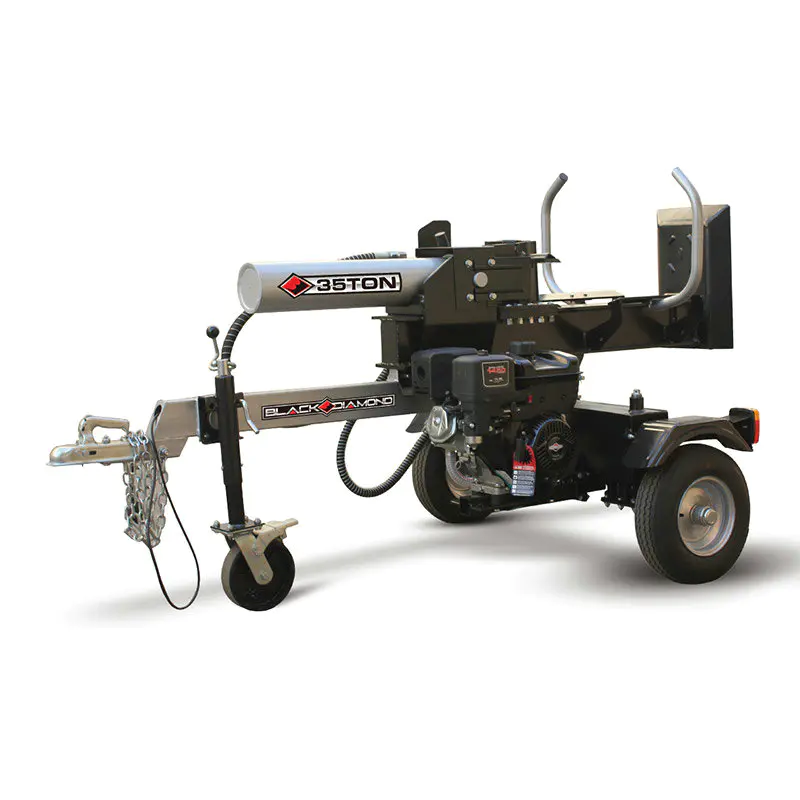
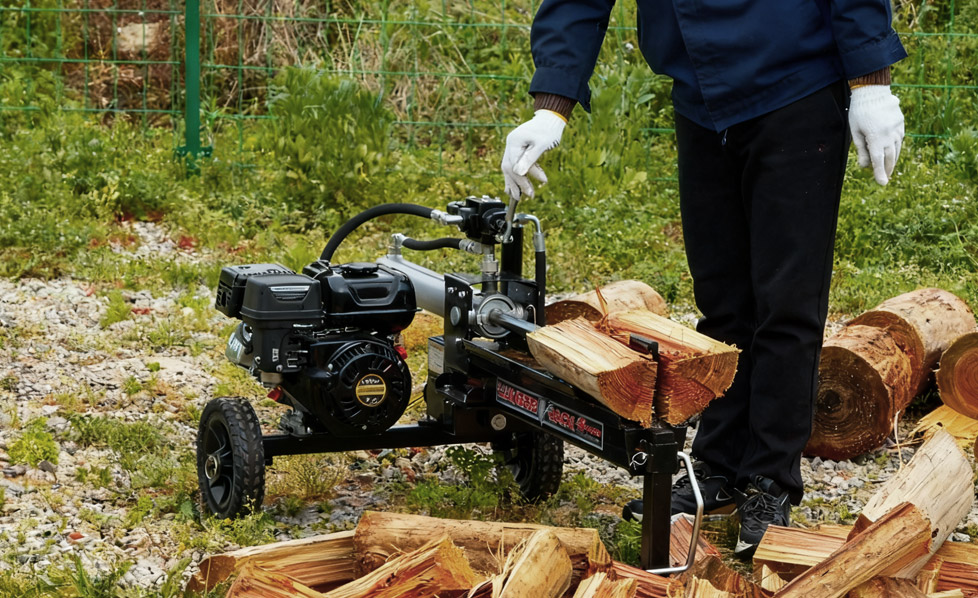
DESCRIPTION Vertical or horizontal operating position lets you work mo...
See Details -
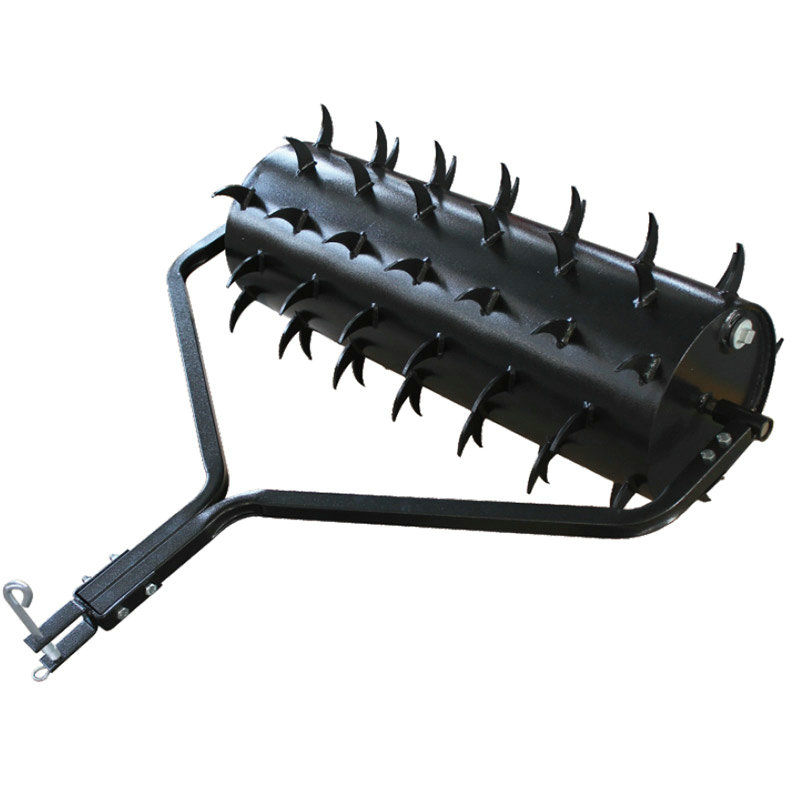
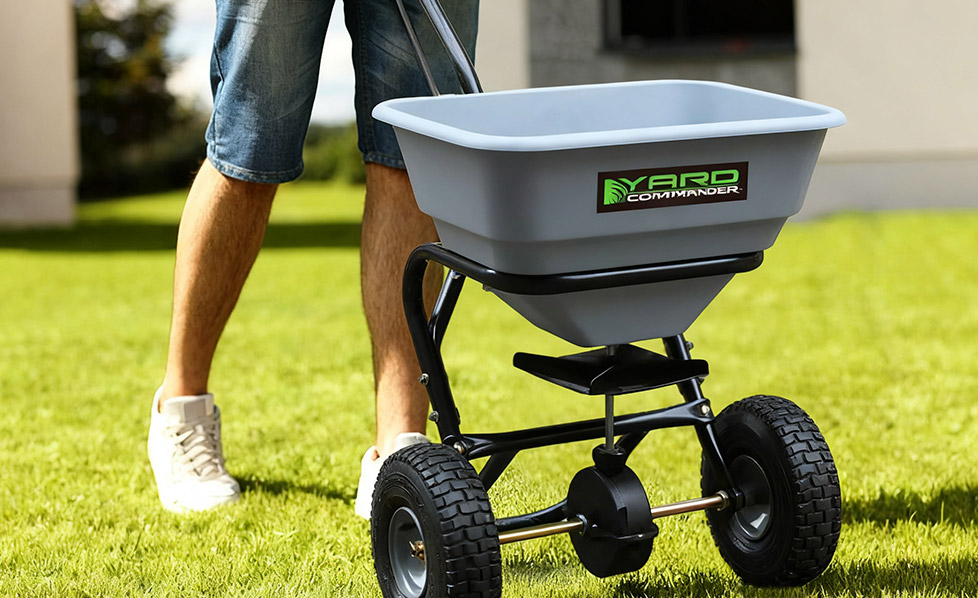
DESCRIPTION ♦Helps nutrients get into the soil and down to the ...
See Details -
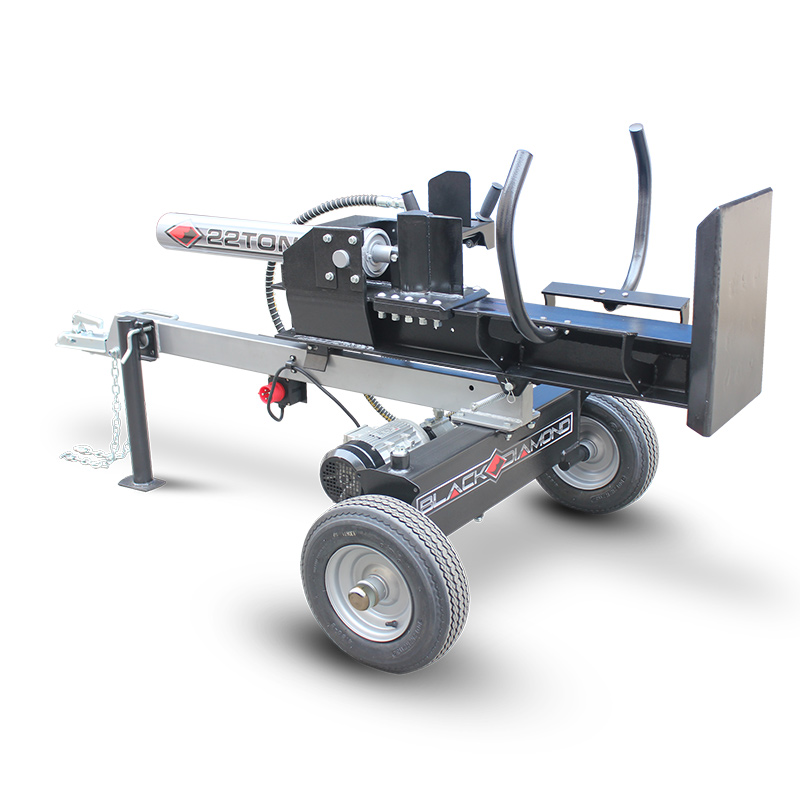
DESCRIPTION 22 Ton vertical/horizontal operating position allows forus...
See Details