
 LANGUAGE
 English
 Deutsch
 Español
 Français
 русский

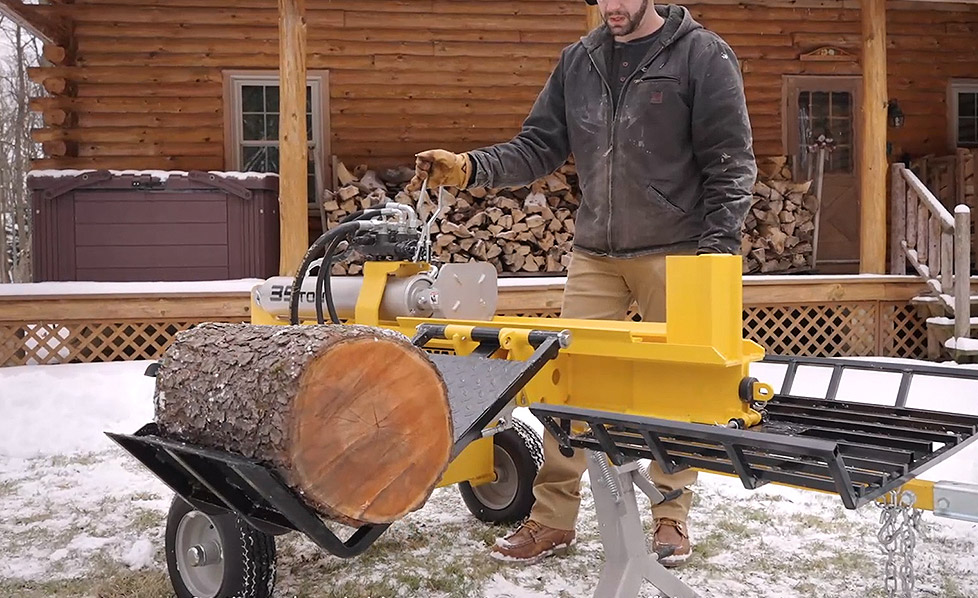
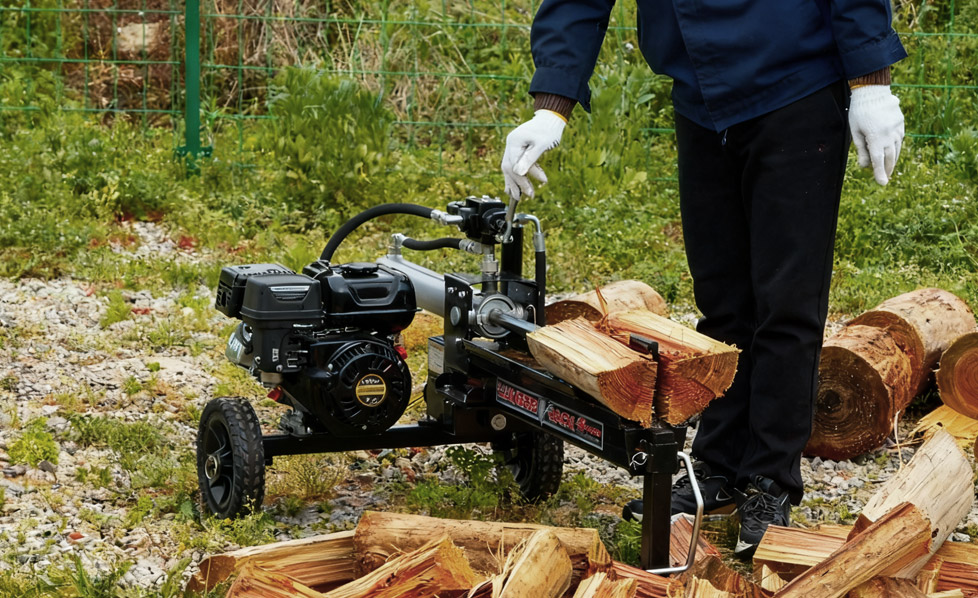



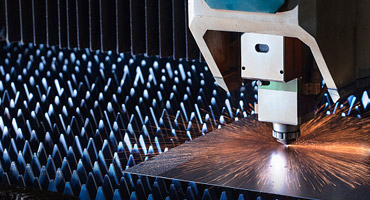


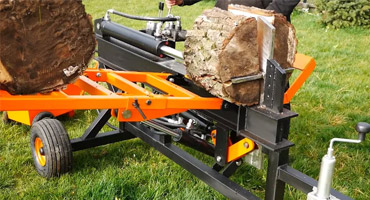

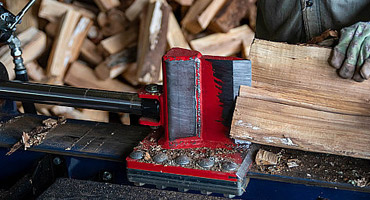




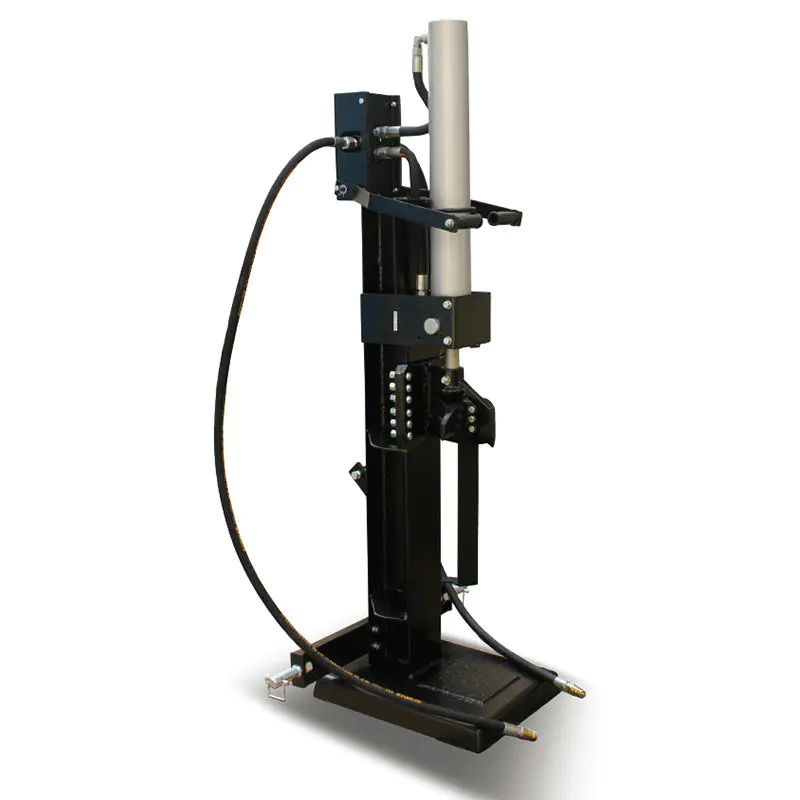
DESCRIPTION Model no.: LSE 14Max. splitting force: 14TonMax. log lengt...
See Details
How to Choose a Trencher: Match Trench Depth, Soil Type and Power to the Job
Picture a 300-foot sprinkler run across a side yard: 4 inches wide, 14 inches deep, straight walls, and a band of gravel near the 200-foot mark. A 13 hp walk-behind trencher cuts that in an afternoon and barely marks the turf. A 40 hp ride-on cuts the same trench in half the time, then spends the saved time on lawn repair. That is the whole argument for matching the machine to the trench instead of to the catalogue.
The short version: fix the trench dimensions first, match the cutting system to the ground you will dig through, then size the power and the carrier to your access, transport and crew. The rest of the data sheet is a tie-breaker, not a starting point.
Fix the Trench Dimensions Before You Look at Machines
Depth is decided by what has to stay buried and protected: a water line below the local frost line, low-voltage cable deep enough that a spade will not find it, drainage below the surface it drains. Width is decided by bedding. A pipe needs sand or screenings around it, so the trench usually runs 2 to 4 inches wider than the pipe; conduit needs far less clearance.
Write both numbers down before you call a dealer. Maximum depth and maximum width remove most of the range from the conversation, and they are exactly the numbers that hide the cost difference between a compact and a full-size machine.
| Job | Typical width | Typical depth |
|---|---|---|
| Irrigation lateral | 3-6 in | 8-12 in |
| Water service line | 6-12 in | Below frost line, often 18-48 in |
| Low-voltage cable, lighting | 3-6 in | 6-18 in |
| French drain, drainage | 8-16 in | 12-24 in |
| Conduit to a post or shed | 6-8 in | 18-36 in |
Keep the narrow-deep job and the wide-shallow job separate. A trencher exists to cut a narrow slot with straight walls; a wide, shallow bed for turf or planting is work for a tiller, a disc harrow or a box blade. Using a trencher for it burns teeth and hours without improving the result.
4-16 inTypical cutting width on a compact chain trencher
1-4 ftPractical depth range for walk-behind models
36 inGate width most walk-behind units are built to pass
Match the Cutting System to the Ground
Three systems cover nearly all landscape, utility and farm work, and the soil profile rather than the price should make the choice.
Chain Trenchers
A loop of teeth runs on a boom; boom angle sets depth and chain speed sets how clean the walls come out. This is the general-purpose choice for mixed ground: clay with gravel bands, roots, backfill with brick fragments. The boom can be eased up and around an obstruction, the spoil falls in a controllable ridge, and walls stay vertical enough for proper bedding.
Wheel Trenchers
A toothed steel wheel on a rigid boom turns faster and cuts more consistently in uniform soil, and with the right teeth it will open compacted gravel or asphalt. Mixed rock is where it struggles: the boom cannot lift around an obstacle, and the spoil comes out coarser. Predictable ground rewards a wheel; ground that changes every fifty feet rewards a chain.
Micro Trenchers
Cutting 1 to 2 inches wide for service drops and small conduit, these leave almost no surface damage and almost no spoil, at the cost of slow progress per hour. They suit finished surfaces and short urban runs.
Teeth Decide Cost Per Foot
Teeth are the consumable that makes or breaks the budget. Carbide-tipped teeth with a rounded face hold up longer in abrasive, sandy soil; sharper aggressive tips cut faster in soft ground and wear out sooner. Ask what a full set costs and roughly how many feet it covers. A machine that is cheap to buy and expensive per thousand feet is not cheap.
Walk-Behind, Ride-On, or an Attachment on a Machine You Already Own
Format decides access, output and who can run the machine safely.
| Format | Power | Width | Depth | Where it fits |
|---|---|---|---|---|
| Walk-behind | 13-25 hp | 4-16 in | Up to about 4 ft | Residential yards, gate access, service work |
| Ride-on | 25-60 hp | 6-18 in | 5 ft and beyond on larger units | Long runs, open ground, fewer obstacles |
| Skid-steer attachment | Carrier dependent | 4-12 in | 2-4 ft | Contractors with a carrier already on site |
Walk-Behind
Typically 13 to 25 hp, narrow enough for a 36-inch gate, and walked along the line so obstacles are spotted early. For service work rather than a single project, compare the key features of a walk-behind trencher against your soil and access before you commit. Access is the whole advantage here.
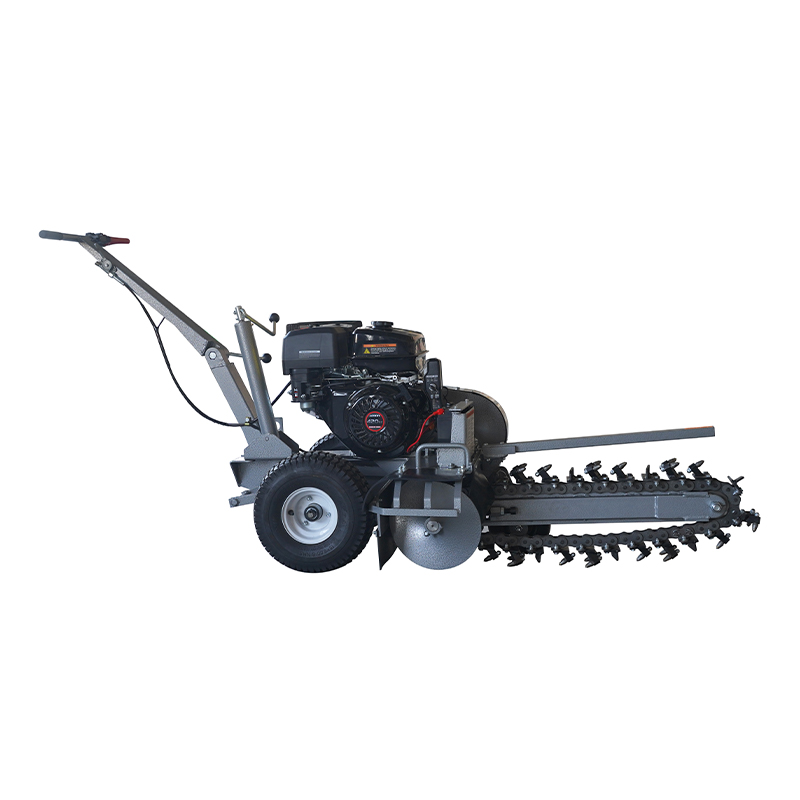 TS6101 Walk-Behind Trencher for Utility and Service WorkA 420cc walk-behind trencher with 100 mm width and 200–600 mm depth, suited to checking access and soil before service trenching.View Product →
Ride-On
More horsepower, deeper reach, faster over long distances, and heavier on turf, trailers and ramps. The productivity gain on long utility trenches is real; on a lot with two gates and a septic field, a ride-on spends more time being repositioned than digging.
Attachments
A trencher attachment on a skid steer or compact tractor trades money for hydraulics. Check flow and pressure against the attachment requirement, confirm the auxiliary circuit is free, and remember that usable depth is capped by the carrier's lift and stability. One engine, one trailer and one maintenance schedule is the upside.
Read the Spec Sheet Like a Buyer
Two machines with the same horsepower can differ by a factor in output. Check these line items:
- Hydraulic system: pump flow, relief setting and motor size matter more than the engine badge on a hydraulic-drive unit.
- Boom length and balance: maximum depth means little if the chassis is too light to hold the boom steady at full extension.
- Chain speed and tooth pitch: faster chain in soft soil, coarser pitch in rocky ground.
- Transport weight and width: a 500 to 900 lb walk-behind needs a trailer, ramps and two people. Measure your narrowest gate first.
- Controls: separate traction and digging control, plus a dead-man switch that stops the chain.
- Spoil handling: side discharge keeps the trench edge clear; an auger spreads the ridge wider.
- Service access: grease points reachable with the machine on the ground, hoses routed away from abrasion.
- Consumables: chain, teeth, sprockets, bearings and filters. Check price and lead time before signing.
A cheap trencher with an expensive tooth habit costs more per foot than a well-specified machine. Ask for the consumable price list, not just the unit price.
Rent First, Then Do the Arithmetic
A compact walk-behind rents for roughly the price of a day's labour, plus fuel and a damage waiver, and it arrives maintained. Ownership pays when trenching is recurring work: irrigation installs, fence lines, drainage, utility drops. Add up the rental days you would realistically need over two years. Past fifteen to twenty days, ownership usually wins on cost alone, before resale value enters the picture.
Do not forget the hidden lines: storage, transport, insurance, and the hours spent on chain tension and teeth. Those separate a machine that earns from one that occupies a corner of the shed.
What to Inspect Before Money Changes Hands
On a used machine, twenty minutes of inspection separates a bargain from a project:
- Chain tension and sprocket wear; a hooked sprocket means the drive has been run loose.
- Boom welds and pivot play; grab the boom and work it sideways.
- Tooth holders that are not worn oval or cracked.
- Hoses free of chafe marks and no weeping at the motor or valve block.
- Dead-man switch, guards and chain covers present and working.
- Hour meter reading against overall condition; paint and grease tell their own story.
- A demonstration in real soil, not on the dealer's concrete apron.
Roots, Spoil and Backfill: the Part That Decides the Finish
Cut roots cleanly instead of tearing them, and keep the spoil pile a foot back from the trench edge so it does not fall back in or crush the wall. Backfill in 6 to 8 inch lifts with compaction, and leave the trench open as briefly as possible near footings and paved edges. Where a line crosses an old stump or a mat of surface roots, clearing it first beats fighting it with the chain; a compact stump grinder takes the stump below grade so the trench runs clean.
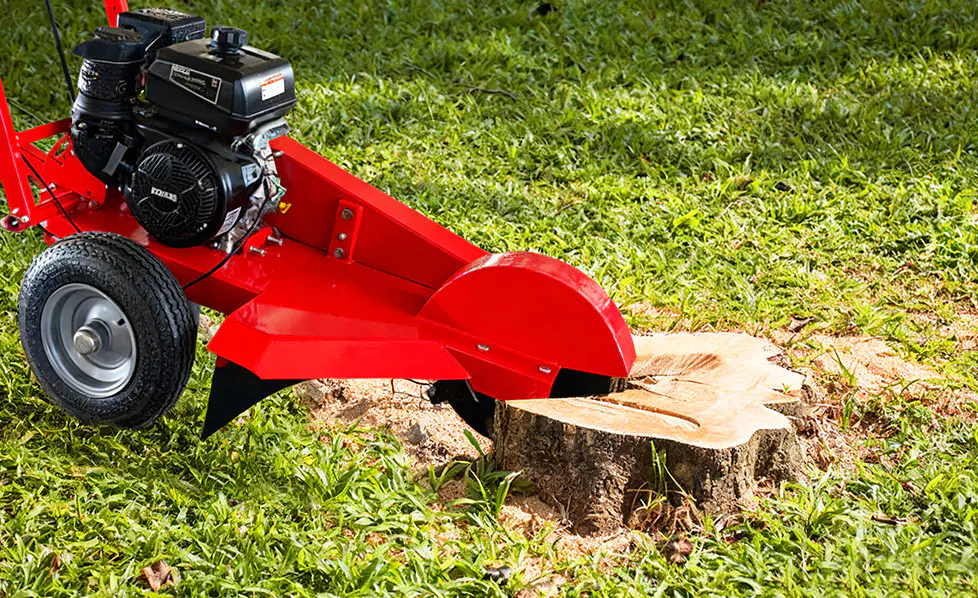
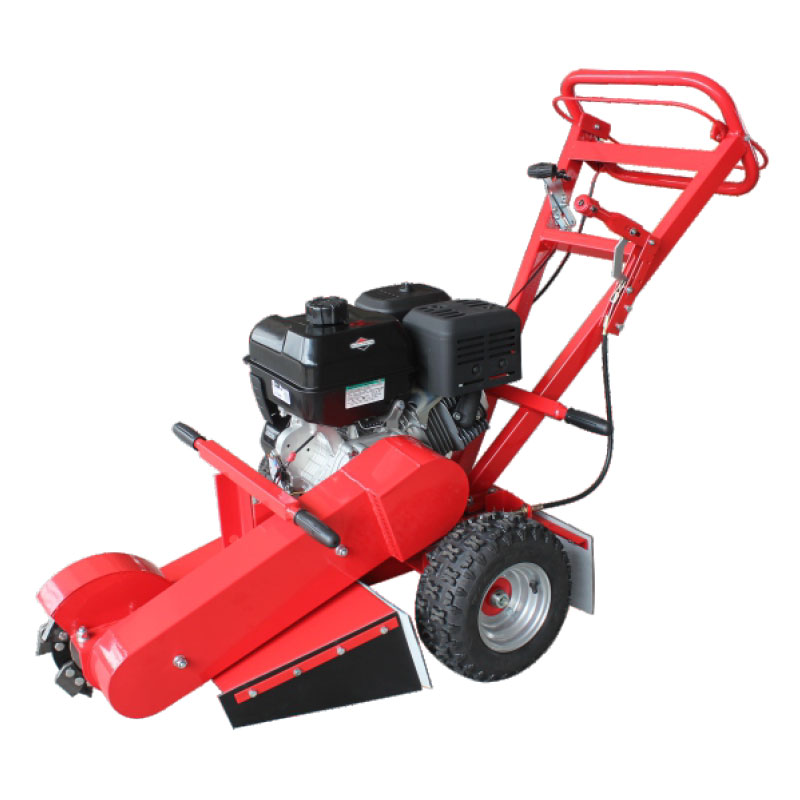 SP48105 13HP Stump Grinder for Below-Grade Stump RemovalA 13HP gasoline stump grinder that takes a 3-ft. stump down to 12 in. below grade, with side handles for loading.View Product →
Utilities come before all of this. Mark the route, request a locate, and dig by hand where the marks sit close together. A trencher finds a gas line or a fibre bundle far more efficiently than anyone wants it to.
Common Questions From Buyers
Q1: What size trencher do I need for a 100-foot irrigation line?
For 1-inch poly at 10 to 12 inches deep, a walk-behind in the 13 to 18 hp range with a 4 to 6 inch chain is enough. Step up only if the run is much longer, the ground is rocky, or you need depths past about 30 inches.
Q2: Will a walk-behind handle clay and roots?
Yes, with the right chain and patience. Firm clay and moderate roots are routine for a chain trencher; if the ground is full of fist-size rock, expect slower progress, more tooth wear and a machine with better hydraulic control rather than more horsepower.
Q3: How deep should a water line be?
Below the local frost line, and below the depth a spade or garden fork reaches. Frost depth varies from a few inches to several feet by region, so check local code rather than copying a neighbour's trench.
Q4: How often do trencher teeth need replacing?
Track it by feet of trench, not by calendar. Abrasive sandy soil can wear a set several times faster than loam. Keep one spare set on the shelf: a half-worn chain cuts slowly and overloads the drive.
Choosing a trencher comes down to three numbers and one measurement: maximum depth, maximum width, ground type, and the width of the narrowest gate on the route. Get those right and the rest of the specification list sorts itself out.
PREV:No previous article
NEXT:How to choose a dump cart: Applications, Selection Criteria, and Practical Guidance
Interested in cooperation or have questions?
Related products
-
-
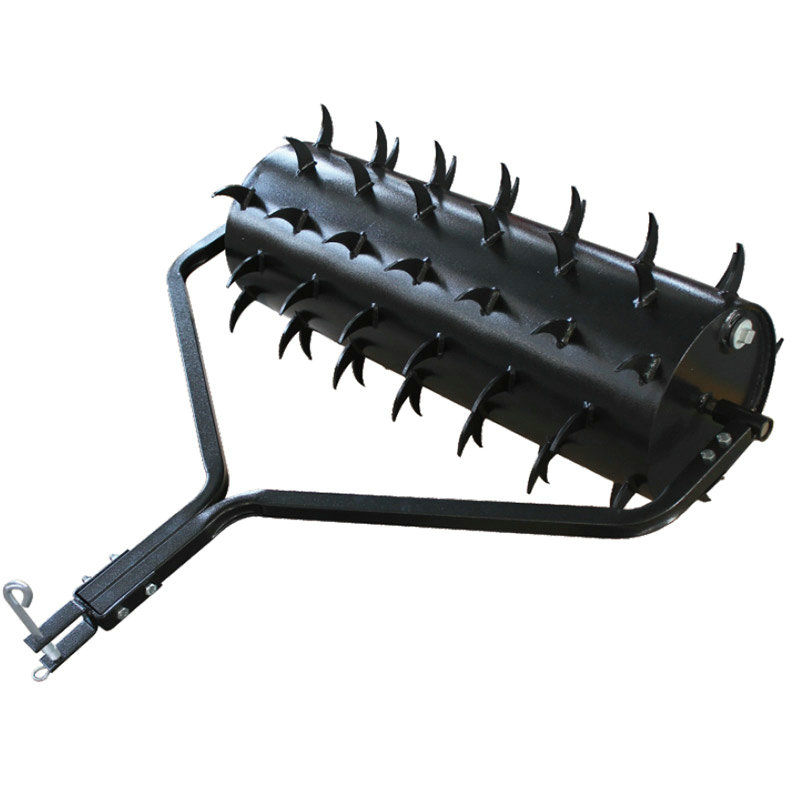
DESCRIPTION ♦Helps nutrients get into the soil and down to the ...
See Details -
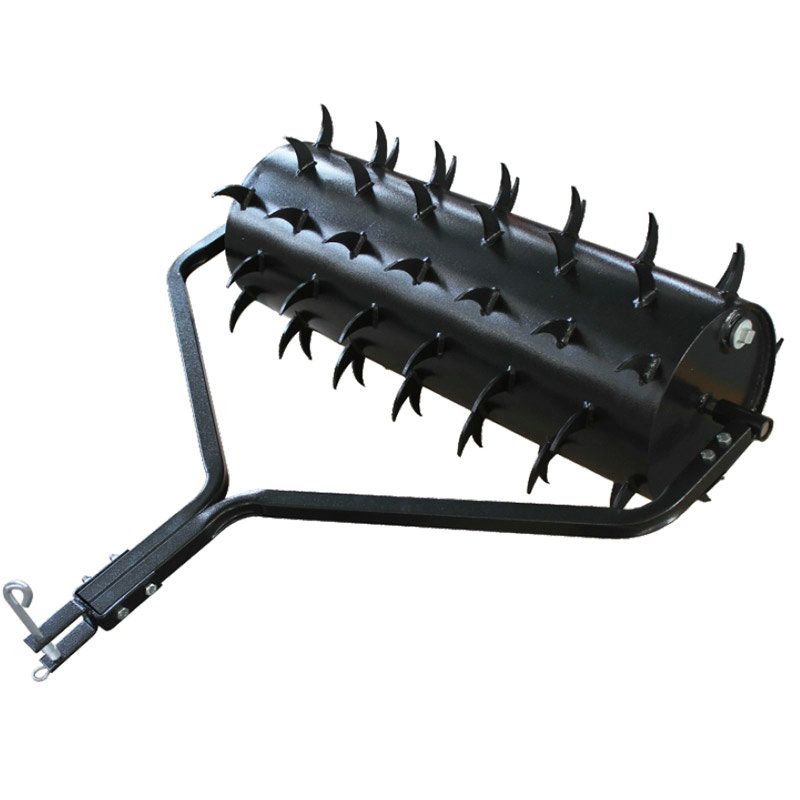
DESCRIPTION ♦Helps nutrients get into the soil and down to the ...
See Details -
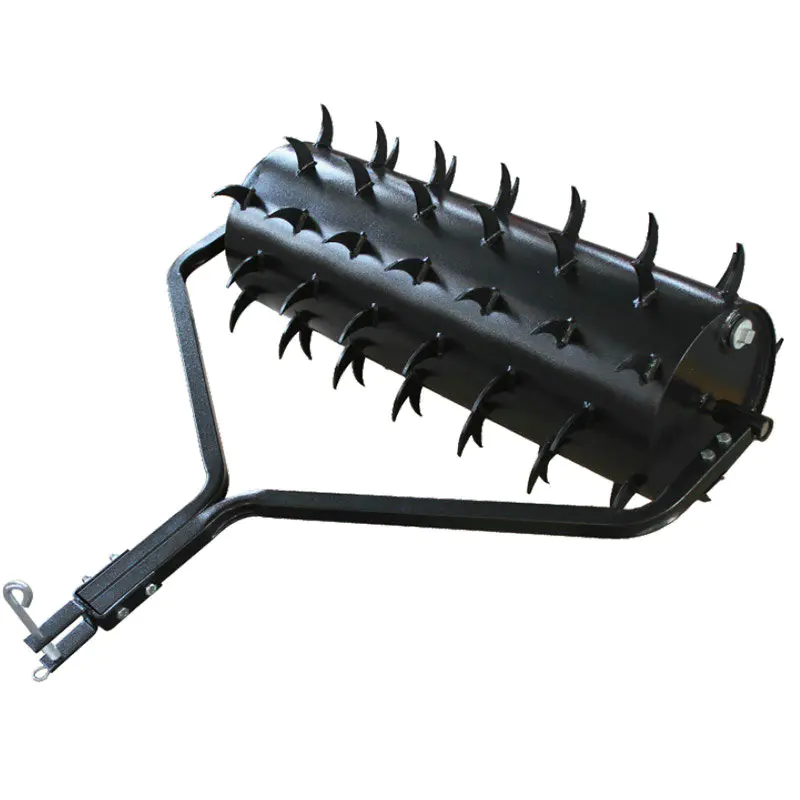
DESCRIPTION ♦Helps nutrients get into the soil and down to the ...
See Details -
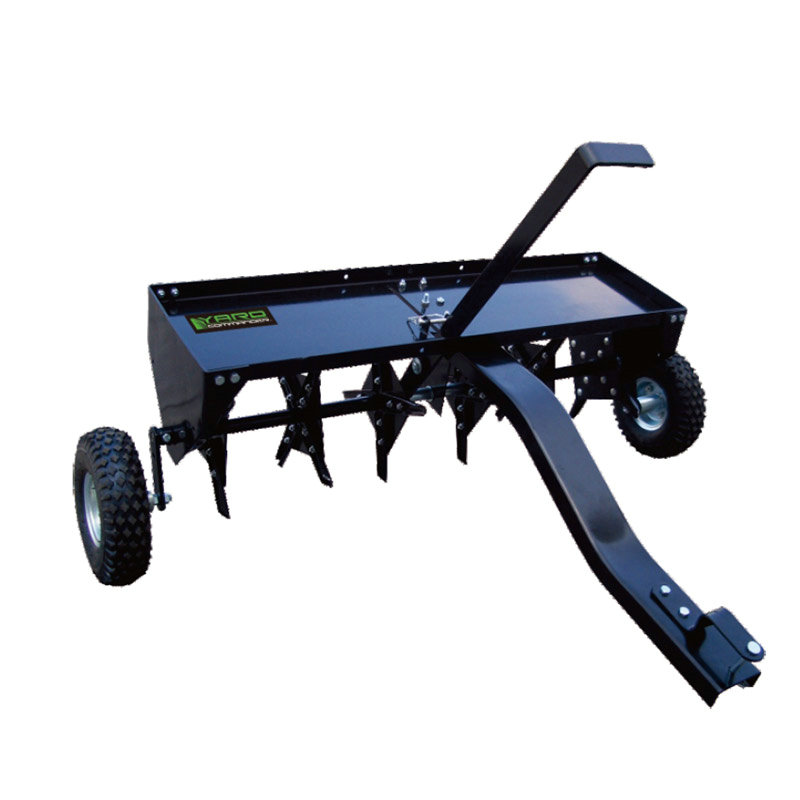
◆MODEL NO.: SP31106 ◆24 REPLACEABLE CORING POINTS ◆SINGLE-HAND LIFT LE...
See Details -
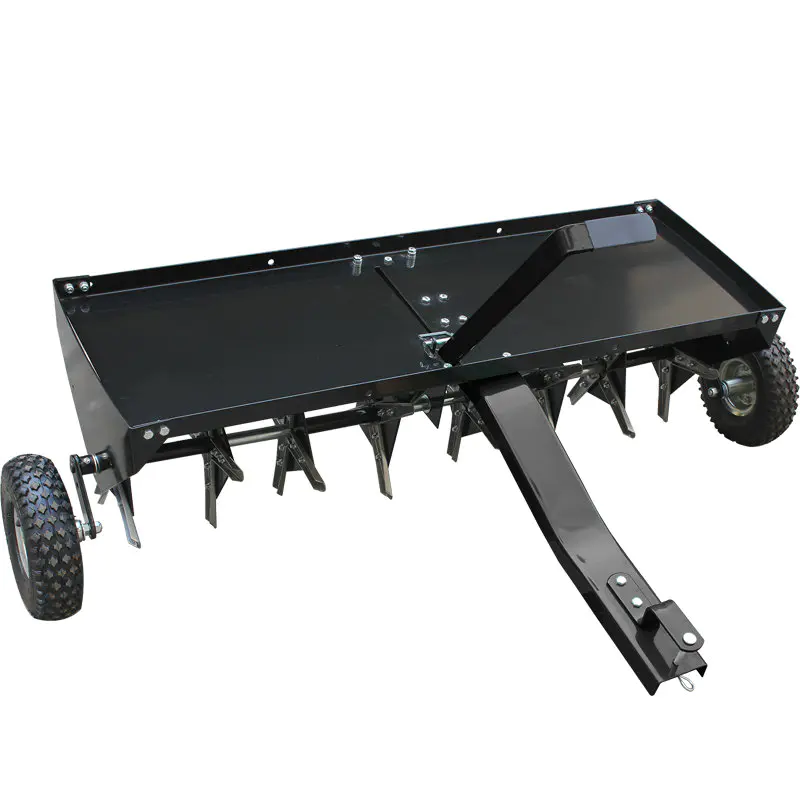
◆MODEL NO.: SP31102 ◆32 REPLACEABLE CORING POINTS ◆SINGLE-HAND LIFT LE...
See Details
