 LANGUAGE
 English
 Deutsch
 Español
 Français
 русский

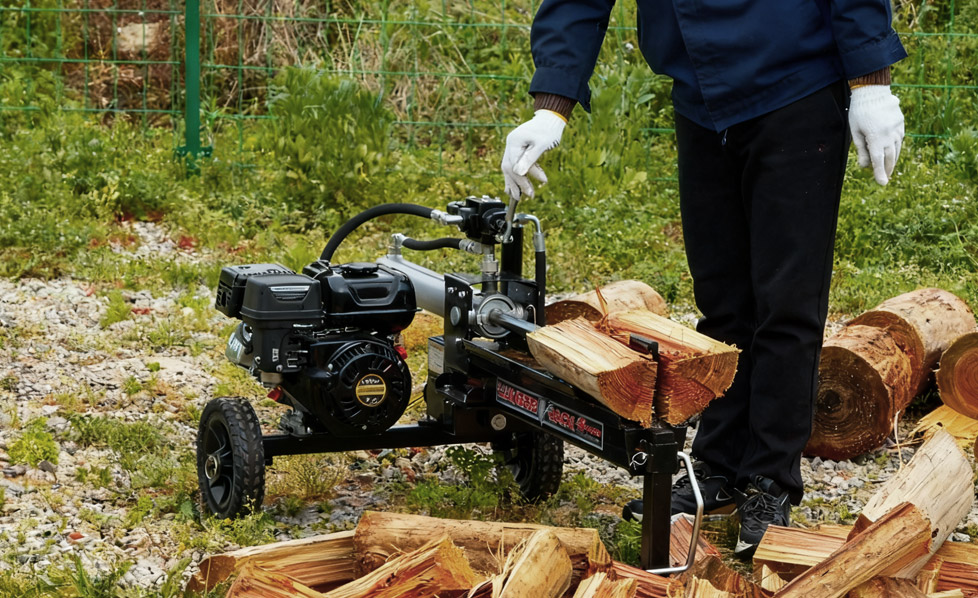
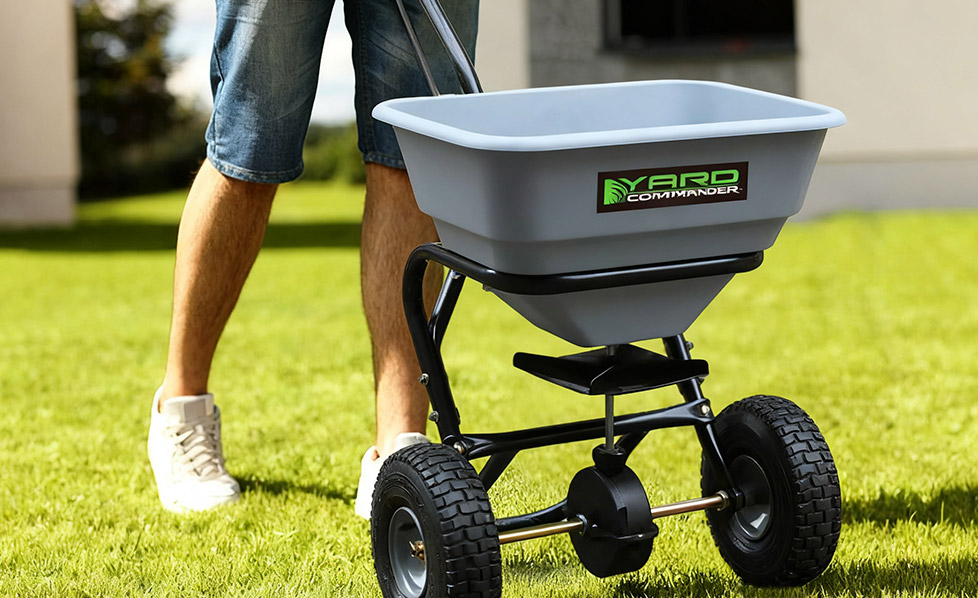
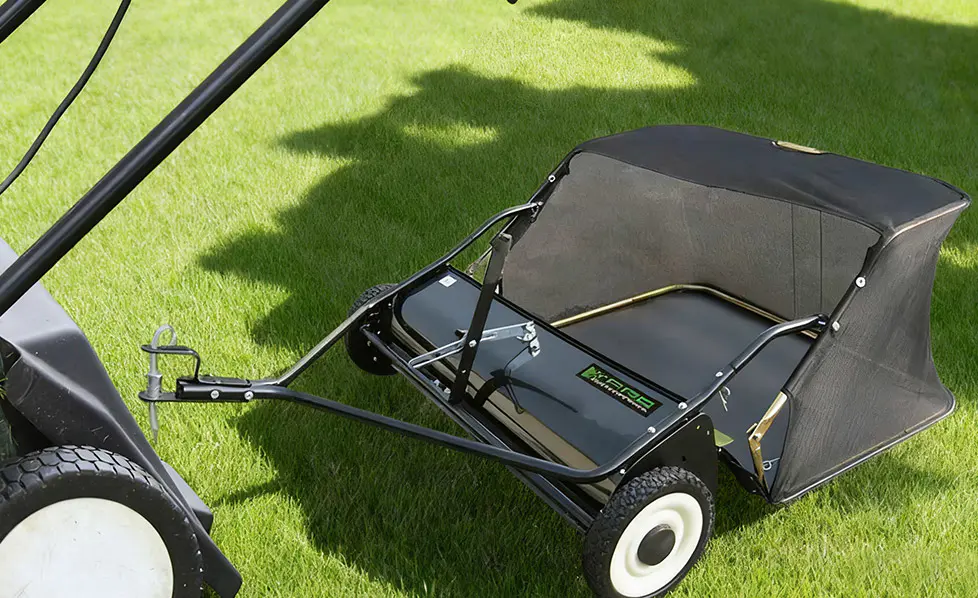
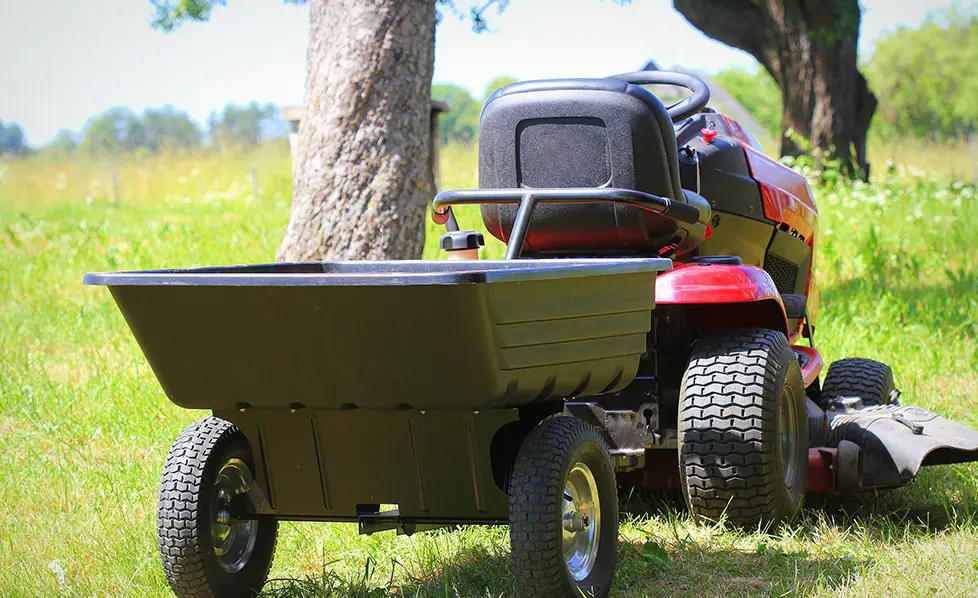




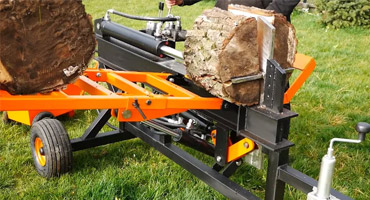




DESCRIPTION Working at horizontal position onlyAuto return hydraulic c...
See Details
Electric wood chipper buying guide: Practical Applications, Selection, Performance, and
The pruning pile behind your garage is chest high after an autumn of trimming, and you are weighing a $180 corded electric chipper against machines that cost four times as much. Here is the short version: an electric wood chipper is the right purchase when most of your branches are under 1.5 inches thick, you work within reach of an outdoor outlet, and noise on your street matters. It is the wrong purchase for storm debris, dense hardwood limbs over 2 inches, or a lot with more than a handful of mature trees.
This guide covers the limits worth respecting, the specifications that separate smooth machines from frustrating ones, the electric versus gas decision, and a checklist to run before paying. It is written from the manufacturing side of the business: Superpower Tools builds chipper shredders and log splitters for dealers across North America and Europe, so the focus stays on build facts rather than brochure claims.
What an Electric Wood Chipper Can and Cannot Handle
Nearly every corded residential chipper draws 13 to 15 amps, which is enough to cut green branches up to about 1.5 inches and dry twigs slightly thicker. The rating printed on the hopper is a ceiling, not a promise of daily output.
Treat the rated branch diameter as a ceiling for occasional passes, not a daily working target. A machine fed at around 80 percent of its limit keeps blade edges sharp and the motor cool for years.
Wood condition changes the math. Dry oak cuts harder than its diameter suggests, and knotty limbs stall small motors quickly. Wet leaves shred poorly because they paste against the screen, so soggy material should be dried or blended with dry waste before it goes in.
Chipping Versus Shredding
Chipper blades slice woody material into chunks, while flail or hammer mechanisms pulverize leaves and soft stems. Combination machines do both, which is why the difference between a wood chipper and a chipper shredder matters more than any other line on the spec sheet when you compare models.
One electric category deserves a closer look: machines built for both wood and plastic waste can also process rigid garden plastics such as spent nursery pots, which conventional chippers cannot touch. For yards that accumulate prunings and pot clutter at the same time, that dual capability is genuinely useful.
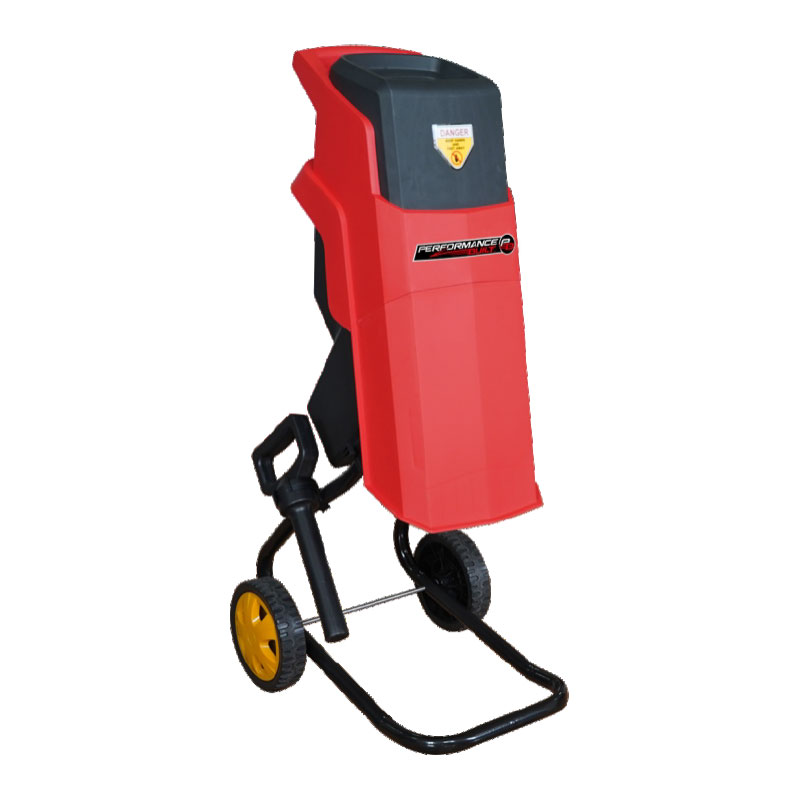 ELECTRIC POLY CHIPPER SHREDDER CPY0120Jiashan Superpower Tools Co., Ltd. specializes in manufacturing a wide range of lawn & garden products, with a focus on log splitters. Our main product lines include l...View Product →
The Specifications That Actually Decide Performance
Spec sheets bury the numbers that predict satisfaction behind the ones that do not. Amperage matters most, because a 15 amp motor holds blade speed under load where a 13 amp unit bogs. Reduction ratio looks impressive but is measured on leaves rather than branches, so treat it as a shredding figure only.
15 ATop of the residential motor range
1.5 inRealistic green branch ceiling
10:1 to 20:1Typical reduction ratio span
| Specification | Entry-level corded | Upper-range corded | What it means for you |
|---|---|---|---|
| Motor draw | 13 to 14 amps | 15 amps | Holds speed under load |
| Max branch diameter | About 1.4 inches | 1.5 to 1.8 inches | Sets your daily feed limit |
| Weight | 25 to 40 lb | 45 to 95 lb | Light moves, heavy stays put |
| Collection | None or small bag | 1 to 2 bushel bag | Less raking afterward |
| Noise | 60 to 70 dB | 70 to 80 dB | Quiet enough for close neighbors |
Two traps are worth naming: some listings quote branch capacity measured on soft pine, and bag-less designs look cheaper until you count the raking they create at the end of every session.
Electric or Gas: Matching the Power Source to the Pile
Choose electric for routine maintenance chipping near the house. Choose gas once branch diameter or pile volume grows past what a cord and a 15 amp motor can feed.
- Electric strengths: 60 to 80 dB noise, push-button starting in cold weather, no fuel or carburetor service, light enough to carry, and exhaust-free operation inside a garage.
- Gas strengths: 2 to 4 inch branches, all-morning runtime, no cord to manage, and trailer or PTO versions for tractor owners.
Cord length is the hidden constraint. A 15 amp motor pulling through 100 feet of thin 16-gauge wire loses enough voltage to sag under load, so keep runs short or step up to 12-gauge cable.
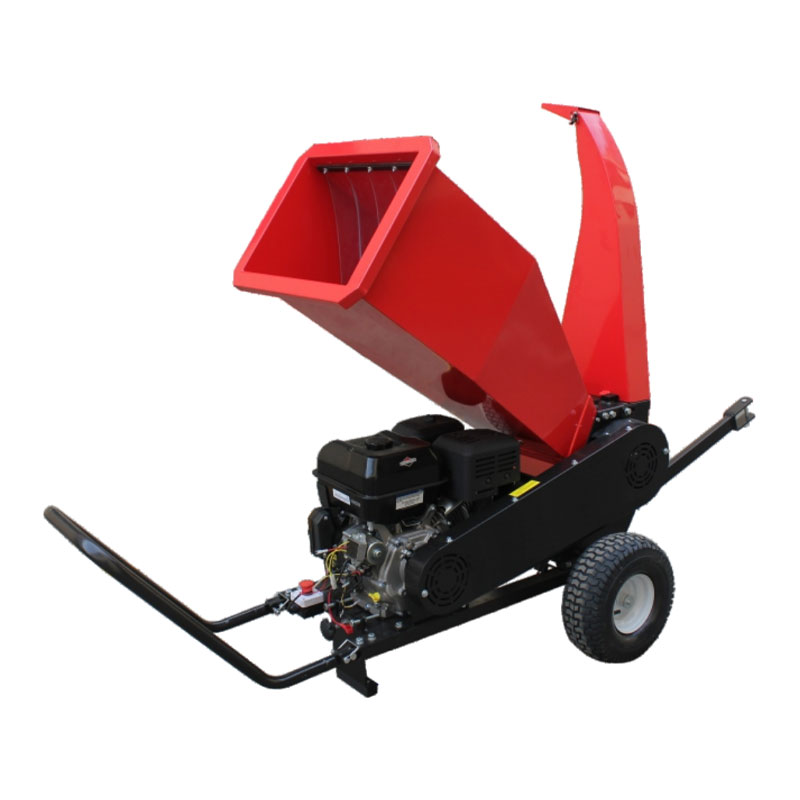
When the pile outgrows a cord, gasoline chipper shredders take over. The CPY series from Superpower Tools covers this middle ground between corded light duty and trailed heavy equipment, in both compact and higher-throughput configurations.
 CHIPPER SHREDDER CPY0115Jiashan Superpower Tools Co., Ltd. specializes in manufacturing a wide range of lawn & garden products, with a focus on log splitters. Our main product lines include l...View Product →
Match the Machine to What Your Yard Produces
Before comparing models, inventory last season's pile. The waste mix, not the advertising, decides which machine fits.
- Green branches under 1 inch: any 14 to 15 amp electric chipper handles these at a steady pace.
- Dry hardwood at 2 inches and up: outside electric territory; plan for gas power or a weekend rental.
- Leaves and pine needles: the shredder side does this work; feed material dry to prevent screen clogging.
- Spent annuals and garden debris: fine for combination machines, though stringy vines wrap shafts, so feed them slowly.
- Rigid garden plastics: only on models explicitly rated for wood and plastic waste.
Think about where the output goes as well. Chips around 1 to 2 inches make stable path mulch, while finely shredded leaf material breaks down in a compost bin within a season. Matching output size to its end use matters more than any single number on the box.
A Pre-Purchase Checklist That Prevents Regret
Run this list before checkout, in order:
- Amps and cord plan: confirm the outlet circuit and buy a 12-gauge cord for any run over 50 feet.
- Diameter honesty: measure the branches you actually produce each month, then leave margin below the rated maximum.
- Blade access: look for reversible blades and simple tool access, because edges dull long before motors fail.
- Hopper design: an angled throat that takes branches without forcing them by hand is both safer and faster.
- Collection capacity: match the bag to pile size; a 1 bushel bag on a half acre of leaves means constant stops.
- Mobility and storage: check wheel size and weight against steps, gravel paths, and available shed space.
- Safety hardware: a rotor that stops quickly, an interlocked housing, and a firm habit of unplugging before clearing jams.
- Parts and support: confirm blade availability and warranty terms directly with the manufacturer, not just the retailer.
Frequently Asked Questions
Q1: Can an electric wood chipper handle hardwood such as oak or maple?
Small dry hardwood, yes, with patience and sharp blades; a 1.5 inch oak branch is manageable. Limbs over 2 inches, especially knot-filled ones, belong to gas machines. Forcing oversize hardwood into a corded unit is the fastest way to trip a breaker or damage a blade.
Q2: How much maintenance does an electric chipper need?
Far less than a gas machine, since there is no oil, spark plug, or carburetor. The routine is sharpening or replacing blades, keeping motor vents clear of dust, inspecting the cord for damage, and unplugging before every jam is cleared.
Q3: Is the reduction ratio a reliable comparison number?
Only for leafy material. Manufacturers measure it differently, so treat a 20:1 figure as a rough shredding indicator and ignore it when judging chipping capacity on branches.
Q4: Is an electric chipper worth it for a small suburban yard?
Usually yes, when the waste profile matches the machine. For a once-a-year storm cleanup, renting a gas unit often beats owning either type.
The buying decision compresses to three questions: the thickest branch you feed regularly, the distance to the nearest outlet, and the noise your neighborhood will tolerate. If the answers are under 1.5 inches, within one cord length, and not much, a corded electric chipper will serve reliably for years.
Superpower Tools, the trade name of Jiashan Superpower Tools Co., Ltd., manufactures chipper shredders and log splitters in Zhejiang, China, under an ISO 9001:2015 quality system, with CE-marked models shipped to the United States, Europe, and Australia. The chipper range runs from the electric plastic and wood models described above through gasoline yard units to 13 HP class trailed machines for larger properties.
 CHIPPER SHREDDER CPR150AJiashan Superpower Tools Co., Ltd. specializes in manufacturing a wide range of lawn & garden products, with a focus on log splitters. Our main product lines include l...View Product →
Dealers, distributors, and OEM brands can request current catalogs, specification sheets, and quotation terms through our contact page.
PREV:Drum Spike Aerator Benefits: What It Fixes, Where It Fails, and How to Choose
NEXT:Electric vs Gas Wood Chipper: How to Choose the Right One for Your Yard
Interested in cooperation or have questions?
Related products
-
-
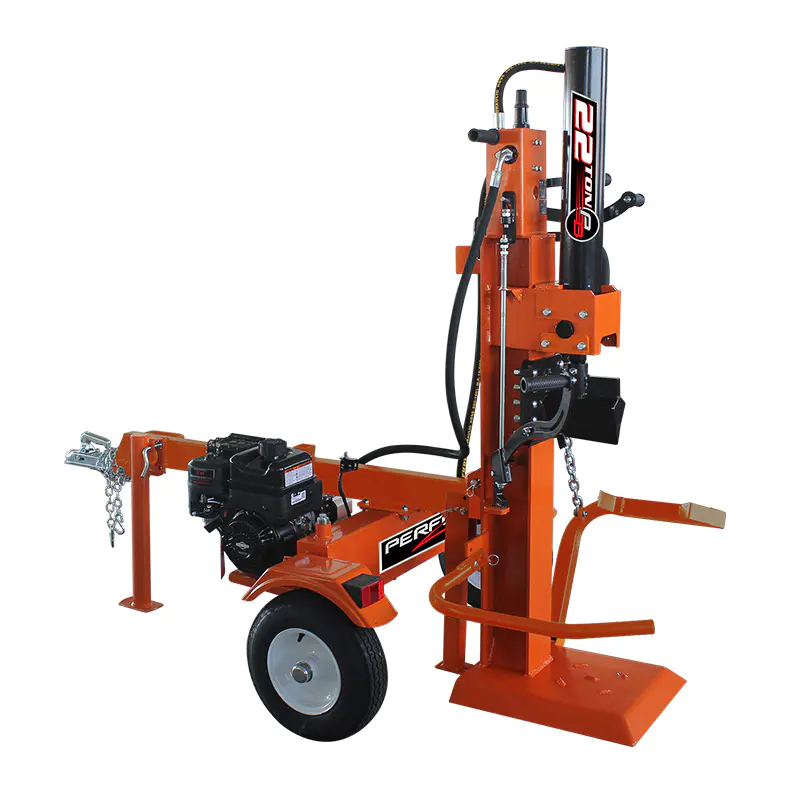
Vertical operation position onlyHardened steel wedge24"/61cm split len...
See Details -
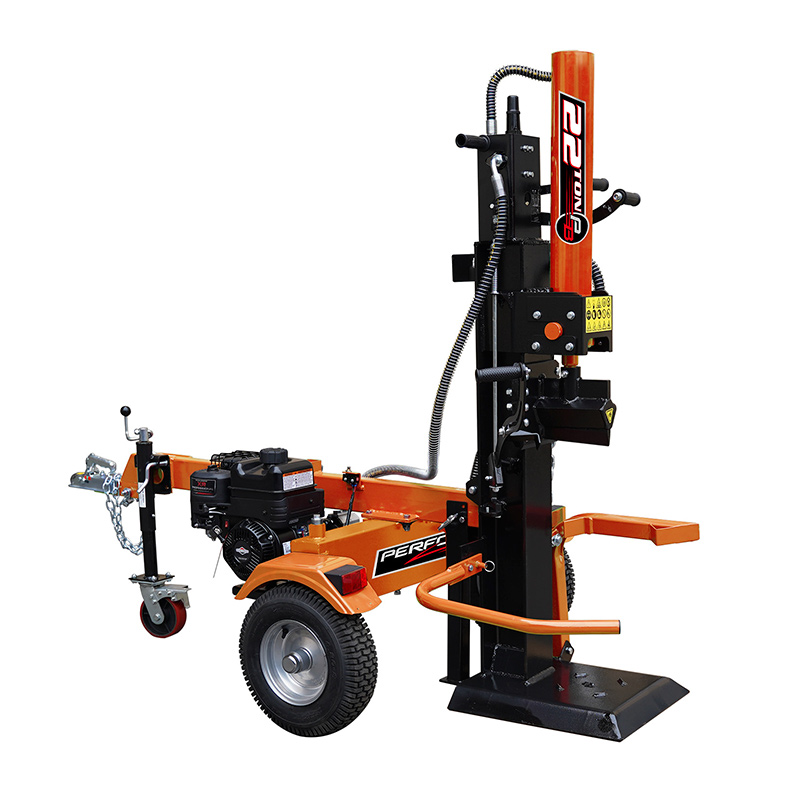
Vertical operation position onlyHardened steel wedge24"/61cm split len...
See Details -
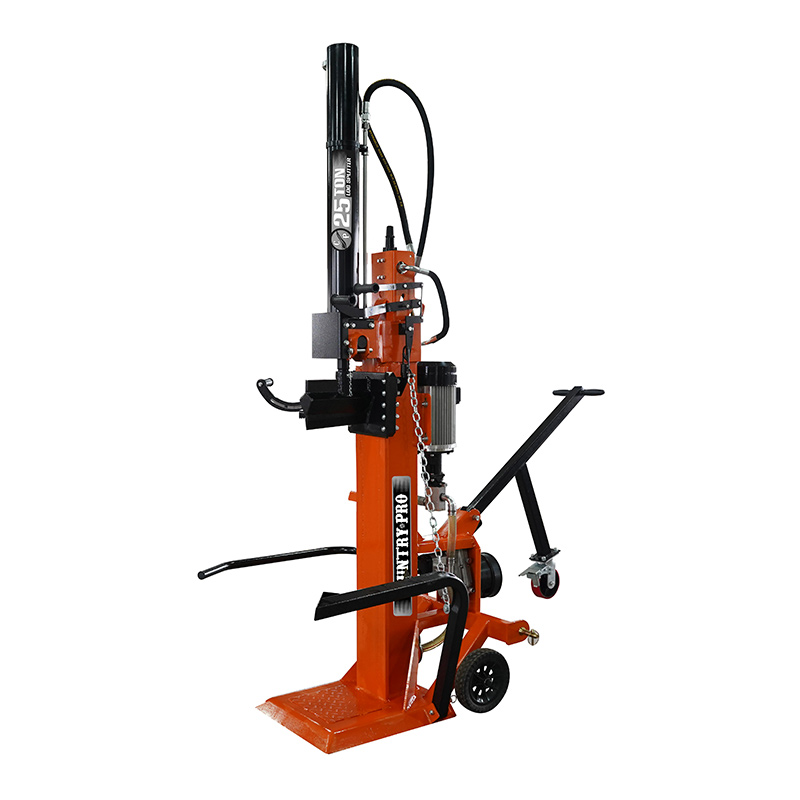
Vertical operation position onlyHardened steel wedge43.3” / 110cm log ...
See Details