
 LANGUAGE
 English
 Deutsch
 Español
 Français
 русский
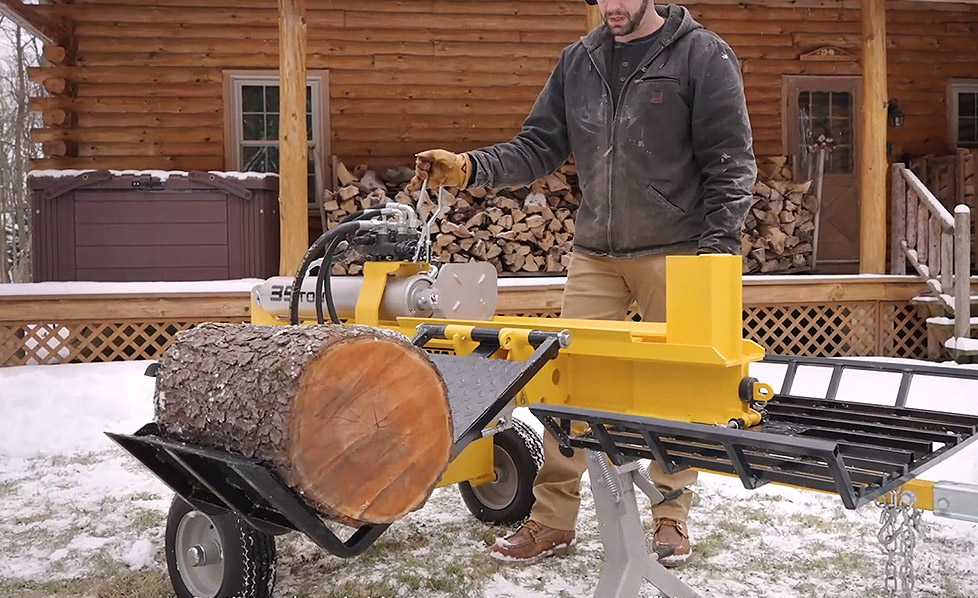
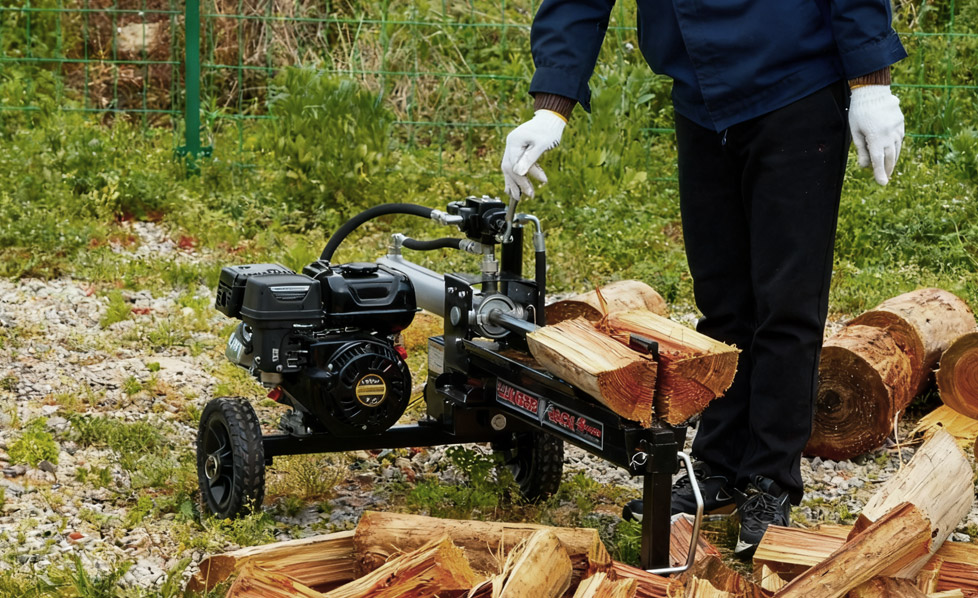
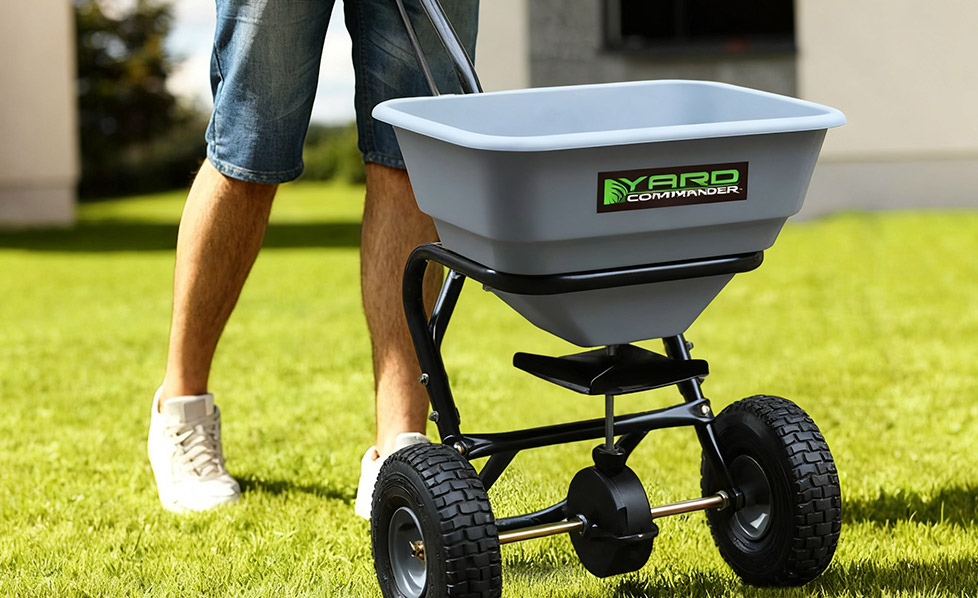
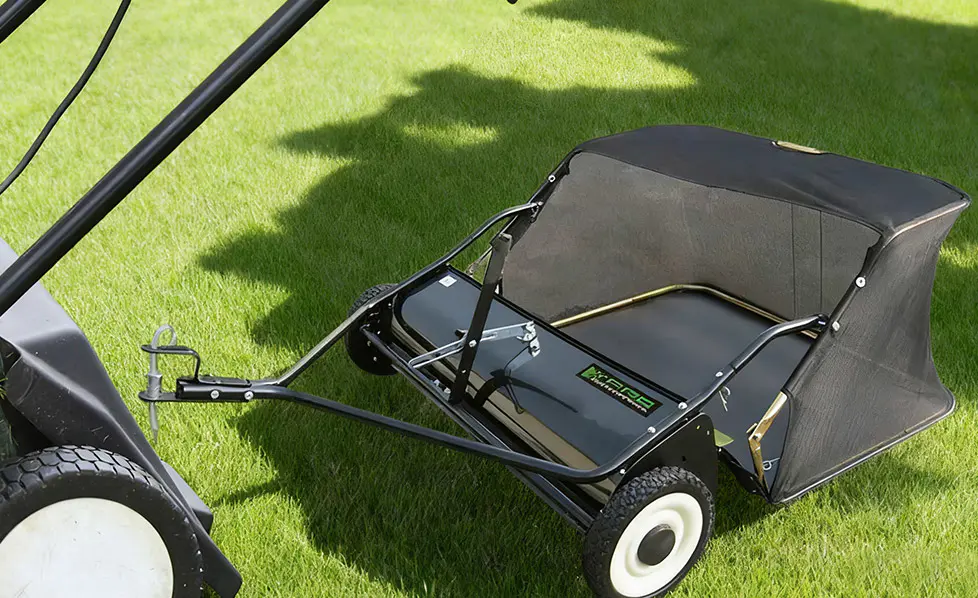






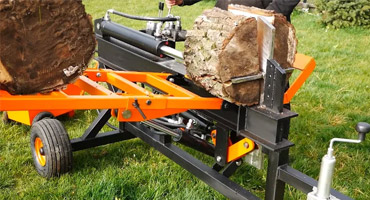

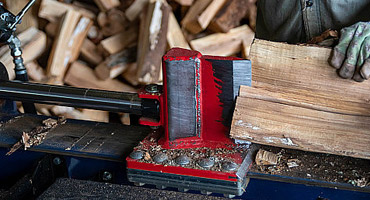




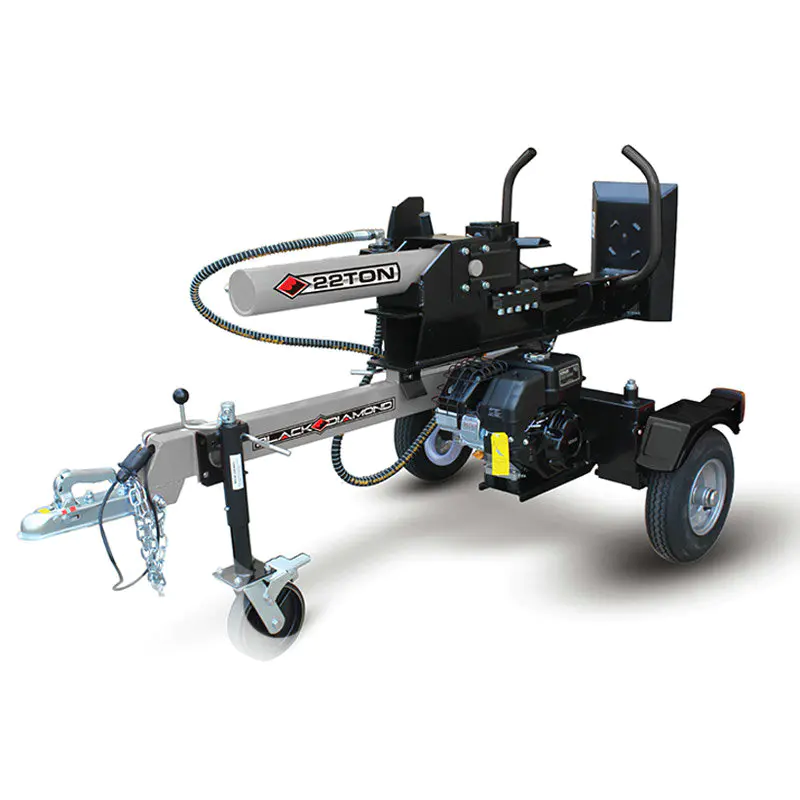
DESCRIPTION Vertical or horizontal operating position lets you work mo...
See Details
How to Split Logs Safely and Keep Your Splitter Running All Season
Understanding How a Log Splitter Actually Works
Every log splitter relies on the same basic principle regardless of size or power source: a wedge concentrates force along the grain of the wood until the fibers separate. What differs between models is how that force is generated and delivered. Hydraulic rams push a log into a stationary wedge, screw-type units rotate a threaded cone into the wood, and kinetic designs use a flywheel to deliver a fast, repeated strike. Knowing which mechanism you are working with changes how you position logs, how much force to expect, and how the machine should be maintained.
Grain direction matters more than raw tonnage. A log with a straight, even grain splits with far less resistance than one with knots, forks, or interlocking fibers. Experienced operators often report that a 20-ton unit struggles more with a single gnarled oak round than it would with three straight pine rounds of the same diameter, simply because knots redirect force away from the split line.
Field note: Seasoned wood (dried six months or more) typically splits with 15 to 25 percent less resistance than green wood of the same species, because moisture loss makes fibers more brittle along the grain.
Gasoline vs Manual: Choosing the Right Log Splitter Style
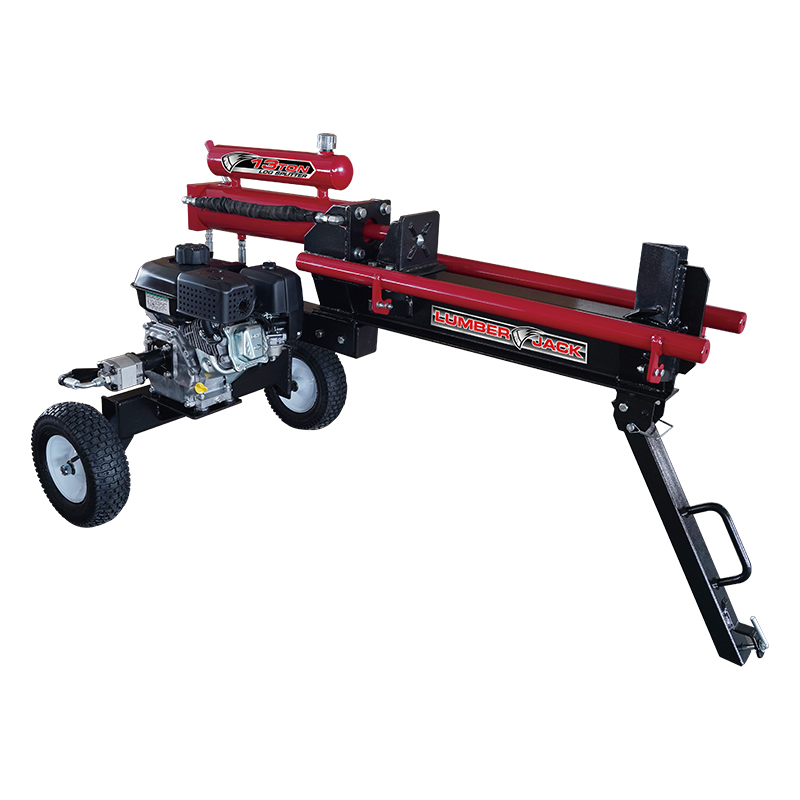
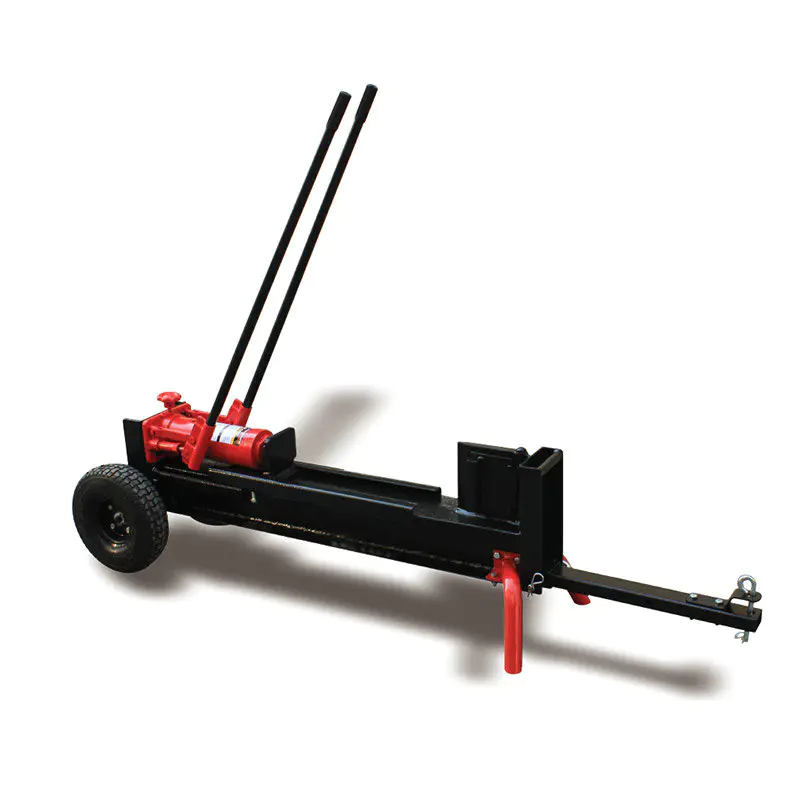
The choice between a gasoline log splitter and a log splitter manual style usually comes down to volume, budget, and where the equipment will be used. A gasoline-powered unit is built for repeated, high-volume splitting sessions and handles larger diameter rounds without operator fatigue. A manual unit, by contrast, is compact, requires no fuel, and suits smaller properties or occasional use.
| Factor | Gasoline Style | Manual Style |
|---|---|---|
| Power Source | Internal combustion engine | Hand lever or screw mechanism |
| Typical Force Output | 20 to 37 tons | 5 to 10 tons |
| Best Suited Diameter | Up to 24 inches | Up to 12 inches |
| Cycle Time per Log | 10 to 15 seconds | 30 to 60 seconds |
| Portability | Moderate, wheel mounted | High, lightweight frame |
| Maintenance Demand | Higher, engine and hydraulics | Lower, mostly mechanical parts |
| Ideal User | Firewood sellers, large properties | Occasional users, small yards |
Step-by-Step Technique for Splitting Logs Safely
Consistent technique reduces both wasted effort and the risk of kickback or pinched fingers. The sequence below applies to most hydraulic and manual designs alike.
- Inspect the round for knots, cracks, or embedded debris such as nails.
- Place the log flat on the beam with the straightest grain line facing the wedge.
- Center the log so force is applied evenly across the face, not toward one edge.
- Engage the control slowly and watch for the log shifting before applying full force.
- Retract fully before reaching in to reposition or remove split pieces.
- Stack split wood away from the working area to keep the operating zone clear.
Safe Operation Practices You Should Never Skip
- Keep both hands clear of the wedge and beam once the ram is engaged.
- Never straddle the beam or stand in line with the log's travel path.
- Wear cut-resistant gloves and eye protection during every session.
- Only one operator should control the machine at a time; a second person should stage logs, not touch the controls.
- Check hydraulic hoses or lever linkages for wear before each use.
- Never attempt to split a round that is visibly cracked through the center under load, as it can shift unpredictably.
Safety reminder: Most reported log splitter injuries involve hand placement during repositioning, not the initial split itself. Retracting fully before reaching in removes most of that risk.
Log Splitter Maintenance Checklist
A consistent maintenance routine extends service life and prevents mid-season breakdowns. The table below outlines a practical schedule.
| Task | Frequency | Why It Matters |
|---|---|---|
| Check hydraulic fluid level | Every 25 hours of use | Low fluid causes weak or inconsistent force |
| Inspect wedge sharpness | Monthly during heavy use | A dull wedge increases cycle time and strain |
| Grease beam rails | Every 10 to 15 hours | Reduces friction on the ram travel path |
| Check engine oil (gasoline units) | Before each session | Prevents overheating and premature wear |
| Inspect fasteners and welds | Seasonally | Vibration loosens bolts over repeated cycles |
| Clean debris from beam and wedge | After every session | Bark and chips accelerate corrosion |
Seasonal Storage Tips to Protect Your Equipment
- Drain fuel or add a stabilizer before storing a gasoline unit for more than 30 days.
- Store indoors or under a weatherproof cover to prevent rust on the beam and wedge.
- Retract the ram fully to relieve pressure on hydraulic seals during long-term storage.
- Apply a light coat of oil to exposed metal surfaces before winter storage.
- Keep manual style units off damp ground to protect the base frame from corrosion.
Troubleshooting Common Log Splitter Problems
| Symptom | Likely Cause | Suggested Fix |
|---|---|---|
| Ram moves slowly or weakly | Low hydraulic fluid or air in the system | Top off fluid and bleed air per the manual |
| Log slips off the wedge | Dull wedge or off-center placement | Sharpen the wedge and recenter the log |
| Engine won't start (gasoline units) | Stale fuel or fouled spark plug | Drain old fuel, replace plug, check air filter |
| Excessive vibration during operation | Loose fasteners or worn mounts | Retighten hardware and inspect mounting points |
| Lever feels stiff (manual units) | Dry pivot points or bent linkage | Grease pivots and check for frame damage |
Frequently Asked Questions
Q1: How much force do I actually need to split most firewood?
For most seasoned hardwood rounds under 16 inches in diameter, 20 to 25 tons of force is sufficient. Larger or knottier rounds may benefit from 30 tons or more.
Q2: Is a manual style unit strong enough for hardwood?
A manual style unit can handle smaller hardwood rounds with straight grain, but it will struggle with large diameter or heavily knotted pieces where a higher-force gasoline unit performs better.
Q3: How often should hydraulic fluid be changed, not just topped off?
A full fluid change is generally recommended once per year or after roughly 150 hours of use, whichever comes first, to remove accumulated debris and moisture.
Q4: Why does green wood split differently than seasoned wood?
Green wood retains more moisture, which makes the fibers more flexible and resistant to separation, often requiring more cycles or force compared to dried wood.
Q5: What is the safest way to handle a log that gets stuck mid-split?
Retract the ram fully rather than forcing it further, then reposition the log or rotate it 90 degrees before re-engaging, since a stuck log under continued pressure can shift suddenly.
PREV:How to Match Lawn Grooming Equipment to the Turf Problem You Actually Have
NEXT:How to Choose the Right Log Splitter for Your Firewood Volume and Wood Type
NEXT:How to Choose the Right Log Splitter for Your Firewood Volume and Wood Type
Interested in cooperation or have questions?
Related products
-
-
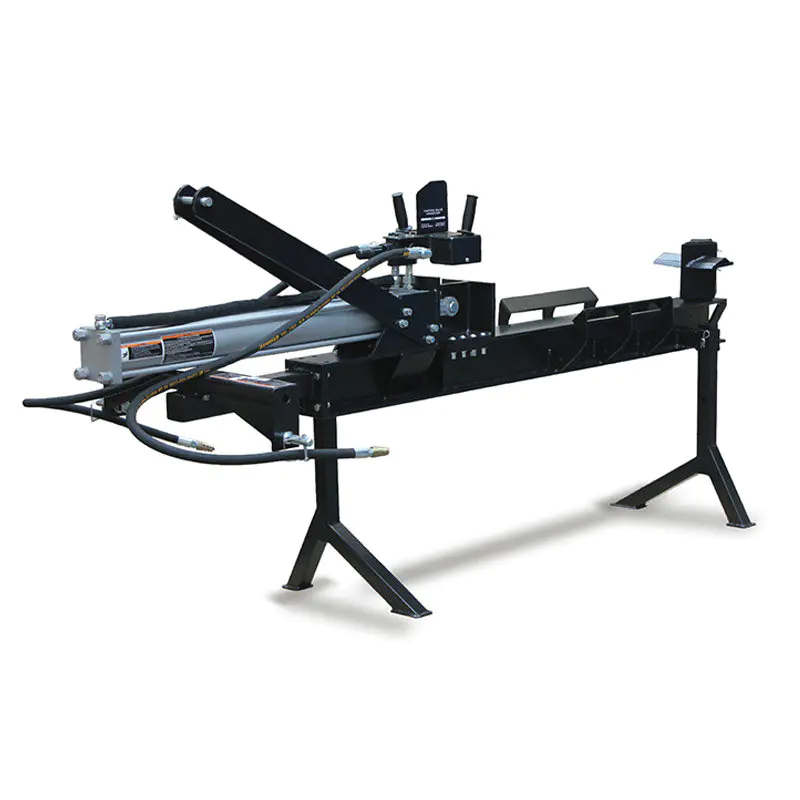
DESCRIPTION 14Ton 3PT log splitter attaches to Category 1 tractor 3-pt...
See Details -
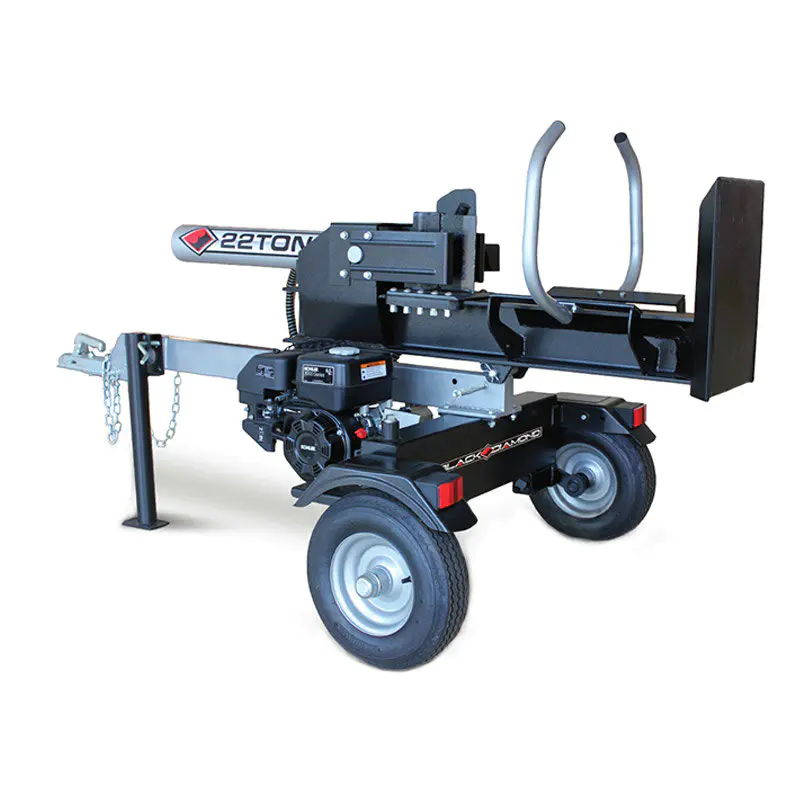
DESCRIPTION22Ton vertical/horizontal operating position allows foruse ...
See Details -
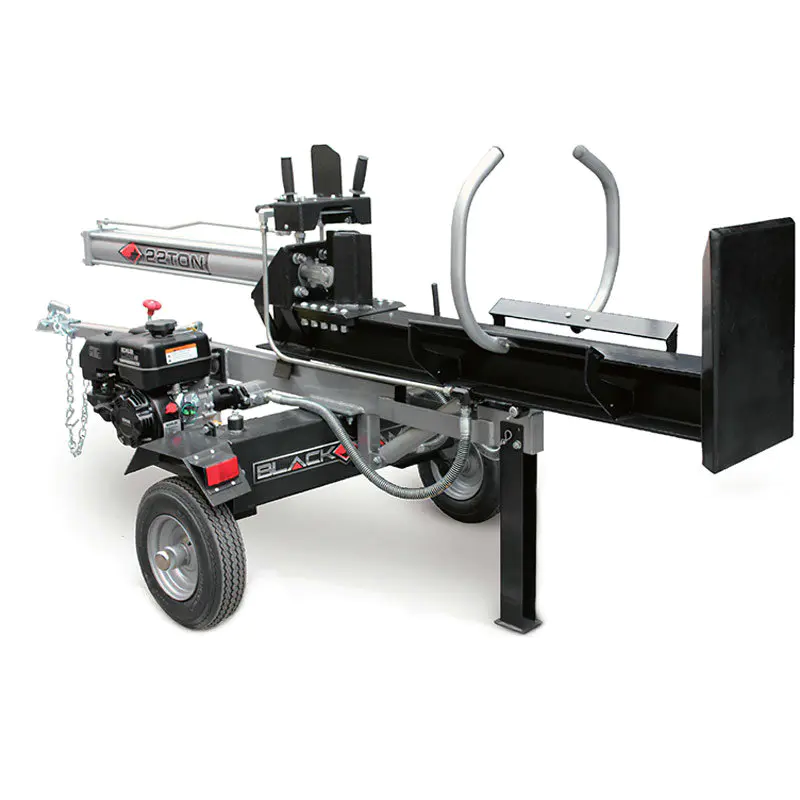
DESCRIPTION 22 Ton vertical/horizontal operating position allows for u...
See Details -
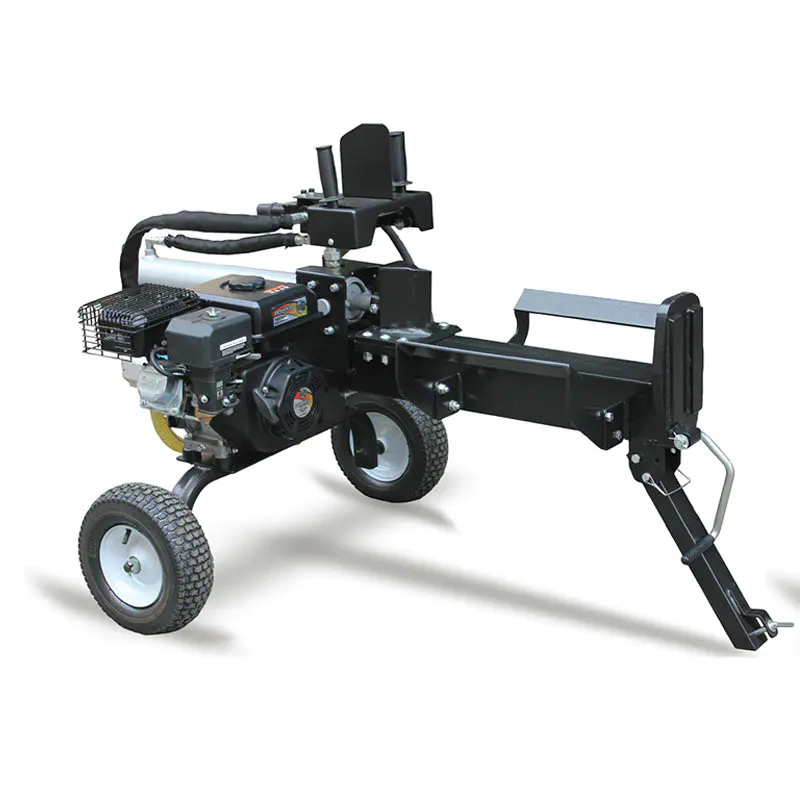
DESCRIPTION Accommodates splitting in horizontal only Half beam design...
See Details -
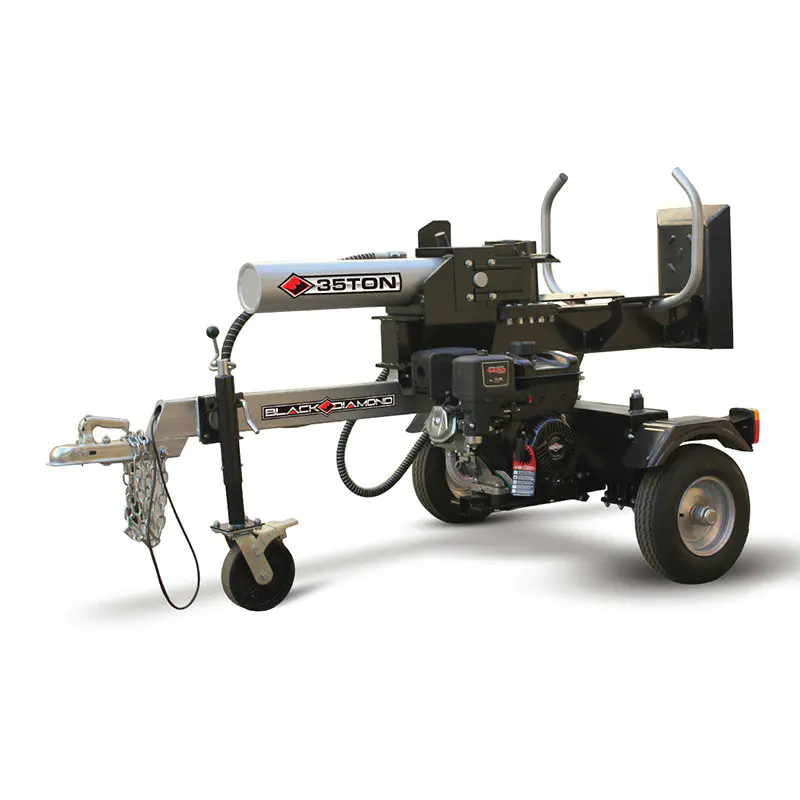
DESCRIPTION Vertical or horizontal operating position lets you work mo...
See Details
