
 LANGUAGE
 English
 Deutsch
 Español
 Français
 русский
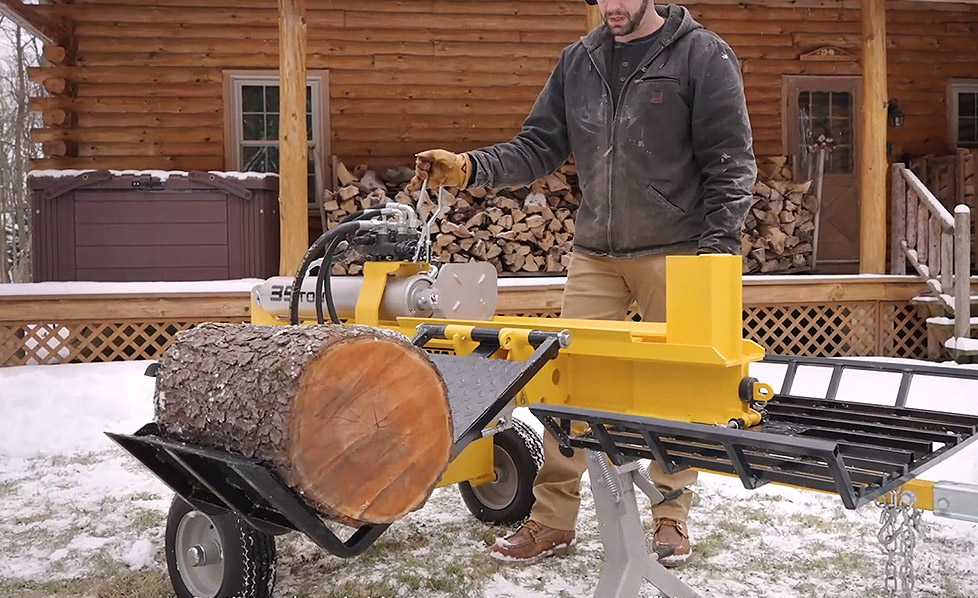
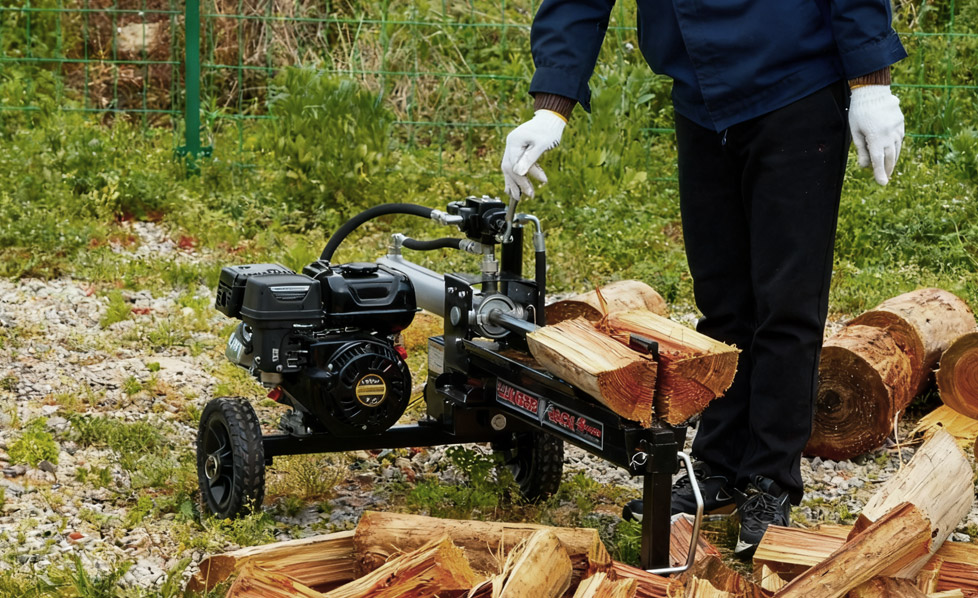










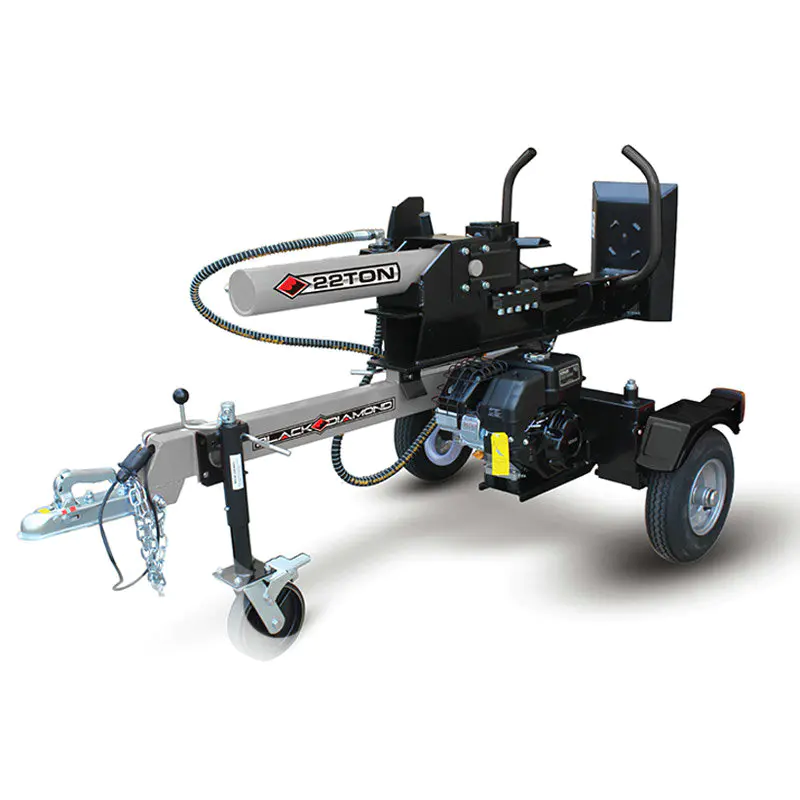
DESCRIPTION Vertical or horizontal operating position lets you work mo...
See Details
How to Diagnose and Replace Log Splitter Parts: Hydraulic Valve Repair vs Full Cylinder Rebuild
1. Anatomy of a Hydraulic Splitting System: Core Components and Failure Points
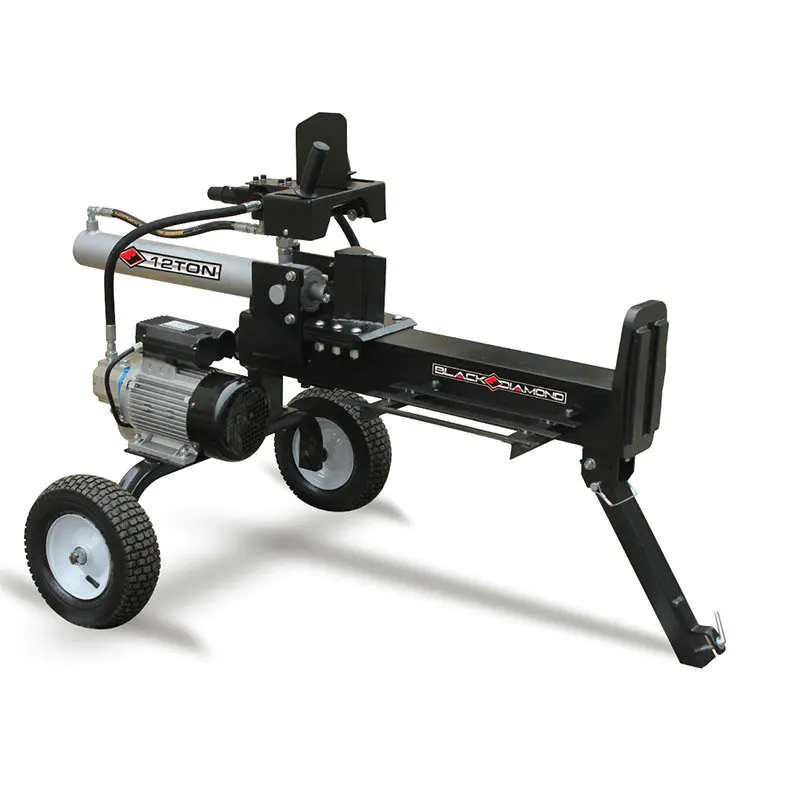
Every hydraulic log splitter relies on a closed-loop system where pressurized fluid converts engine power into linear force. The four critical components—pump, control valve, cylinder, and filter—work in precise harmony. When one part degrades, the entire cycle loses efficiency. Field data from repair shops indicates that over 68% of performance complaints trace back to either the log splitter control valve or the cylinder seals. Understanding each component’s role helps you isolate faults faster and avoid unnecessary part swaps.
- Hydraulic pump: Generates flow (usually 11–16 GPM for consumer splitters). Wear reduces flow rate, causing slow ram extension.
- Log splitter hydraulic valve: Directs oil to either side of the cylinder. Internal leakage here lowers splitting force by 30-50% before any external leak appears.
- Hydraulic cylinder for log splitter: Converts pressure into thrust. Scoring on the piston rod or worn seals creates bypass, losing tonnage.
- Log splitter filter: Traps contaminants. A clogged filter starves the pump, leading to cavitation and premature wear.
2. Diagnosing Control Valve & Detent Mechanism Failures
The log splitter control valve (also called directional control valve) manages the stroke direction. Its detent feature holds the spool in the extend position automatically, then kicks it back to neutral when maximum pressure is reached or the cylinder bottoms out. When the detent fails, the valve either won’t stay in the forward position or refuses to release. A 2023 survey of 200+ hydraulic repair logs showed that detent-related issues account for 44% of all control valve repairs. Below is a quick reference table to match symptoms with probable causes.
| Symptom | Likely Component | Initial Test |
|---|---|---|
| Ram extends but won’t retract | Detent stuck in extend position | Tap valve body; check return spring |
| Ram moves slowly under load | Control valve internal bypass | Pressure test at both work ports |
| Auto-return fails (keeps splitting) | Worn detent ball or spring | Verify pressure setting (typically 2500-3000 PSI) |
| Handle drifts from neutral position | Centering spring broken | Remove spool and inspect springs |
For precise diagnosis, use a 5000 PSI pressure gauge tee-d into the pump-to-valve line. Run the cylinder to full extension: pressure should rise to the system relief setting. If pressure stays low (under 2000 PSI) but the pump sounds normal, suspect log splitter control valve rebuild kit need. If the detent engages but never releases, inspect the detent plunger and housing for debris or corrosion. Many rebuildable valves use a simple ball-and-spring detent assembly.
3. Selecting the Right Replacement Parts: Compatibility and Quality Factors
Not all log splitter parts are equal. For critical hydraulic components, dimensional accuracy and material hardness matter more than price. When sourcing a log splitter hydraulic valve, match three parameters: flow rating (GPM), maximum pressure (PSI), and port sizes (usually 3/4" NPT for 25-35 ton splitters). A valve rated for 15 GPM on a pump delivering 22 GPM will cause excessive pressure drop and overheating. Similarly, using a log splitter filter with a bypass setting lower than the pump’s rated pressure invites unfiltered flow during cold starts.
Pro Tip: Seal Kit Compatibility
Log splitter seal kit replacement requires matching not just bore diameter but also seal material. Most modern splitters use polyurethane or nitrile. For cold-weather operation (below 32°F), polyurethane remains flexible; nitrile becomes stiff and may leak. Always check the old seals for cross-section shape (U-cups, O-rings, back-up rings). Mismatched backups will extrude into clearances and fail within hours.
For the cylinder, measure the bore, rod diameter, and overall stroke length. An incorrectly sized hydraulic cylinder for log splitter will either bottom out prematurely or fail to reach full extension, stressing the mounting tabs. Many DIY rebuilders ignore the piston’s wear rings: if they measure below 0.010” of original thickness, replace them alongside the seals. When ordering a log splitter control valve rebuild kit, verify the spool type—two-way versus three-position with detent. Some cheaper kits omit the tiny anti-extrusion washers, leading to rapid seal failure.
4. Step-By-Step Rebuild of a Log Splitter Detent Valve
The log splitter detent valve is often the most misunderstood component. Rebuilding it correctly restores auto-return functionality and prevents handle kickback. Follow this field-tested procedure using basic hand tools.
- Depressurize system: Cycle the valve several times with engine off to relieve trapped pressure.
- Remove valve from splitter: Disconnect hoses (label each port: P, T, A, B). Cap lines to prevent dirt ingress.
- Extract detent assembly: Unscrew the detent cap (usually on the end opposite the handle). Watch for spring tension.
- Inspect internal parts: Look for flat spots on the detent balls, a broken spring, or a scored detent sleeve. Any visible wear warrants a full log splitter control valve rebuild kit.
- Clean housing: Use mineral spirits and compressed air. Avoid scratching the bore.
- Install new components: Lubricate new seals with clean hydraulic oil. Assemble detent balls, spring, and plunger in correct order (refer to kit diagram).
- Adjust detent release pressure: Most valves allow adjustment via shims or a set screw. Factory setting is typically 10-15% above system relief pressure.
After reassembly, test the detent by extending the cylinder against a log or stop. The valve should click into detent automatically and release only when pressure spikes. If it releases too early, add shims; if it never releases, reduce shims or check for assembly errors. A correctly rebuilt log splitter detent valve provides crisp, reliable auto-return for hundreds of cycles.
5. Fixing a Leaking Hydraulic Cylinder: Seal Kit Replacement Guide
Fixing a leaking hydraulic cylinder is one of the most cost-effective repairs. External leaks drip from the rod wiper; internal leaks cause the cylinder to drift or lose force. A seal kit for a typical 4-inch bore cylinder costs less than 20% of a new cylinder. Here’s how to perform a log splitter seal kit replacement correctly.
- Remove cylinder: Support the rod, remove pins, and drain oil into a clean container.
- Disassemble head gland: Most cylinders have a threaded or bolted gland. Use a pin spanner for threaded types.
- Extract piston and rod: Pull the rod straight out to avoid scoring the bore. Examine the cylinder tube for scratches—deep grooves (over 0.005") require honing or replacement.
- Replace all seals: Install new U-cup rod seal, piston seals, wiper, and O-rings. Lubricate with hydraulic oil before assembly.
- Torque gland to spec: Typically 150-200 ft-lbs for 4-inch cylinders. Overtightening distorts the gland.
REAL-WORLD DATA
In a study of 150 cylinder repairs, 82% of post-repair failures were caused by nicked seals during installation. Always use a seal installation sleeve or wrap the rod threads with tape. Also, 67% of leaking cylinders had no visible rod damage—only hardened seals after 5+ years of service.
After reassembly, cycle the cylinder 5–10 times without load to purge air. Then check for leaks at the gland and hose fittings. If the cylinder still drifts, the problem likely lies in the log splitter control valve (internal bypass), not the cylinder itself.
6. Maintenance That Doubles Component Life: Fluid & Filter Change Protocol
Changing log splitter hydraulic fluid and the filter is the single most neglected maintenance item. Hydraulic oil degrades from heat, moisture, and microscopic metal particles. After 200 hours of operation, oil viscosity can drop by 15-20%, increasing internal leakage. Follow this schedule based on actual usage:
| Component | Light Use (50 hrs/year) | Heavy Use (200+ hrs/year) |
|---|---|---|
| Hydraulic fluid | Every 2 years | Annually or every 150 hours |
| Log splitter filter | Every 100 hours | Every 50 hours |
| Suction strainer | Inspect yearly | Inspect every 100 hours |
| Breather cap | Replace if clogged | Replace annually |
When performing a log splitter hydraulic fluid change, use AW32 or AW46 hydraulic oil (ISO VG 32 for cold climates, VG 46 for warm). Never use motor oil or transmission fluid—they lack anti-wear additives and foam suppressants. Drain the tank while warm, then remove and clean the suction strainer. Replace the log splitter filter with one rated for at least 25 microns (10-micron absolute is ideal for piston pumps). After refilling, cycle the cylinder 10 times to bleed air, then recheck fluid level.
7. DIY Repair vs Professional Service: Searching for Log Splitter Repair Near Me
Knowing when to search for log splitter repair near me versus tackling the job yourself can save both money and frustration. Simple tasks like log splitter hydraulic fluid change, filter replacement, and directional control valve repair (basic disassembly and cleaning) are well within DIY capability. However, tasks requiring precision machining—such as honing a cylinder bore or rebuilding a pump with pressed-in bearings—are best left to hydraulic shops.
If you decide to seek professional help, look for shops that specialize in agricultural or forestry equipment. Many tractor supply replacement parts retailers also offer repair services. Before bringing your splitter in, document the symptoms: cycle time, pressure readings, and any unusual noises. This data cuts diagnostic time (and cost) by up to 40%. Typical professional repair costs for a log splitter control valve rebuild kit installation run $120–$200, while a full hydraulic cylinder reseal is $150–$300 including labor. Considering a new valve costs $80–$150 for DIY, rebuilding is often more economical if you have the tools.
Safety Alert: Hydraulic systems store immense energy. Never attempt to disconnect lines or remove a valve without relieving pressure. Use lockout pins on the cylinder when working near the splitting wedge.
8. Frequently Asked Questions (FAQ)
Q1: How do I know if my log splitter control valve is bad?
A: Common signs include: handle not returning to neutral, cylinder drifting when valve is centered, reduced splitting force despite good pump pressure, or the detent not holding the extend position. Perform a pressure test: deadhead the cylinder and compare the gauge reading to the relief valve spec. If pressure is low but the pump sounds normal, the valve is likely bypassing internally.
Q2: Can I use any log splitter control valve rebuild kit for my valve?
No. Rebuild kits are specific to the valve brand and spool type. Mismatched seals will leak or cause spool binding. Always note the valve manufacturer and part number. Some universal kits exist for common valves (Prince, Energy, etc.), but verify seal dimensions (rod seals, O-ring sizes) using calipers.
Q3: How often should I replace the log splitter filter?
In normal residential use, replace the filter every 100 operating hours or once per season, whichever comes first. For commercial use, change it every 50 hours. A clogged filter’s bypass valve opens, allowing unfiltered oil to circulate—this rapidly wears the pump and valve spools.
Q4: Why does my hydraulic cylinder for log splitter extend slower than it retracts?
This usually indicates a pump flow issue (less flow on extension) or a leaking piston seal. Because the rod side has less volume (due to the rod taking up space), retraction often appears faster. But if extension is dramatically slower (over 40% difference), test the cylinder for internal leakage: extend the cylinder, remove the return hose, and see if oil flows out. Any steady flow means the piston seals are bypassing.
Q5: Is fixing a leaking hydraulic cylinder worth it?
Absolutely. A seal kit costs $20–$50 for most log splitter cylinders, while a new cylinder runs $200–$400. With basic tools and a few hours of work, you can restore full performance. The only exception is if the rod is badly pitted or the cylinder tube is deeply scored—then replacement is more cost-effective.
Q6: What type of hydraulic fluid is best for log splitters in cold climates?
Use ISO VG 32 (AW32) hydraulic oil for temperatures below 40°F. For extreme cold (below 10°F), consider a synthetic multi-grade hydraulic fluid (e.g., 10W-30 hydraulic oil). Do not use standard engine oil—it lacks the anti-foaming and anti-wear additives needed for high-cycle hydraulic systems.
PREV:How to Choose the Right Log Splitter for Your Firewood Volume and Wood Type
NEXT:How to Choose Between Manual and 3-Point Hitch Log Splitters for Off-Grid and Tractor Operations
NEXT:How to Choose Between Manual and 3-Point Hitch Log Splitters for Off-Grid and Tractor Operations
Interested in cooperation or have questions?
Related products
-
-
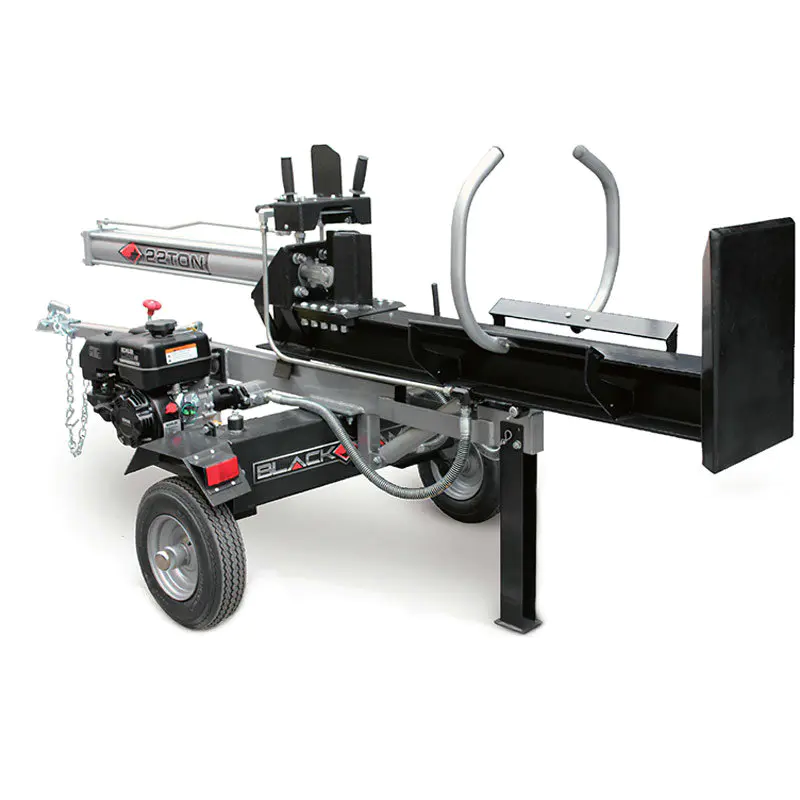
DESCRIPTION 22 Ton vertical/horizontal operating position allows for u...
See Details -
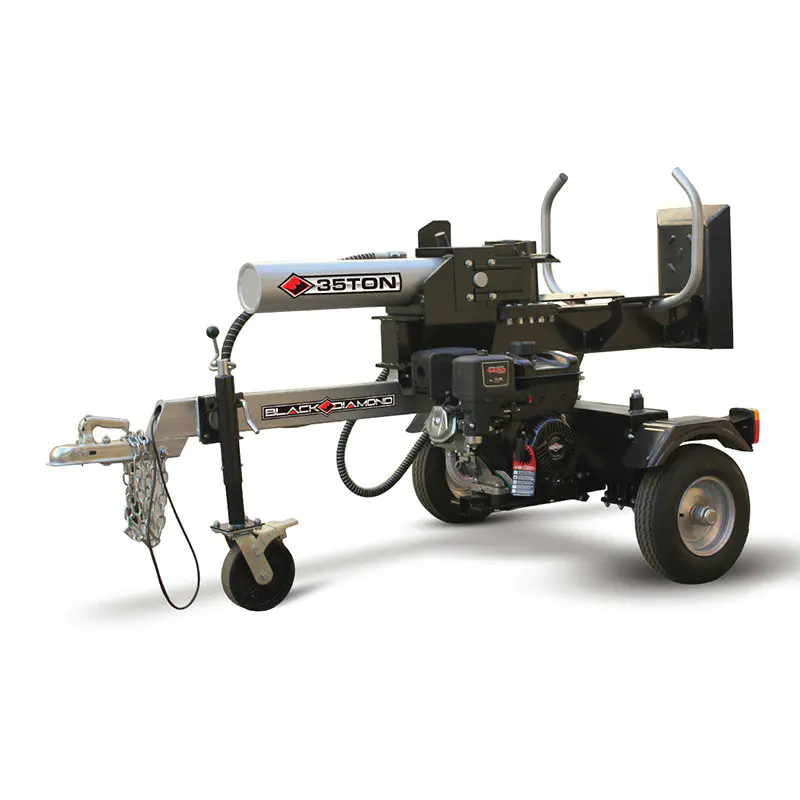
DESCRIPTION Vertical or horizontal operating position lets you work mo...
See Details -
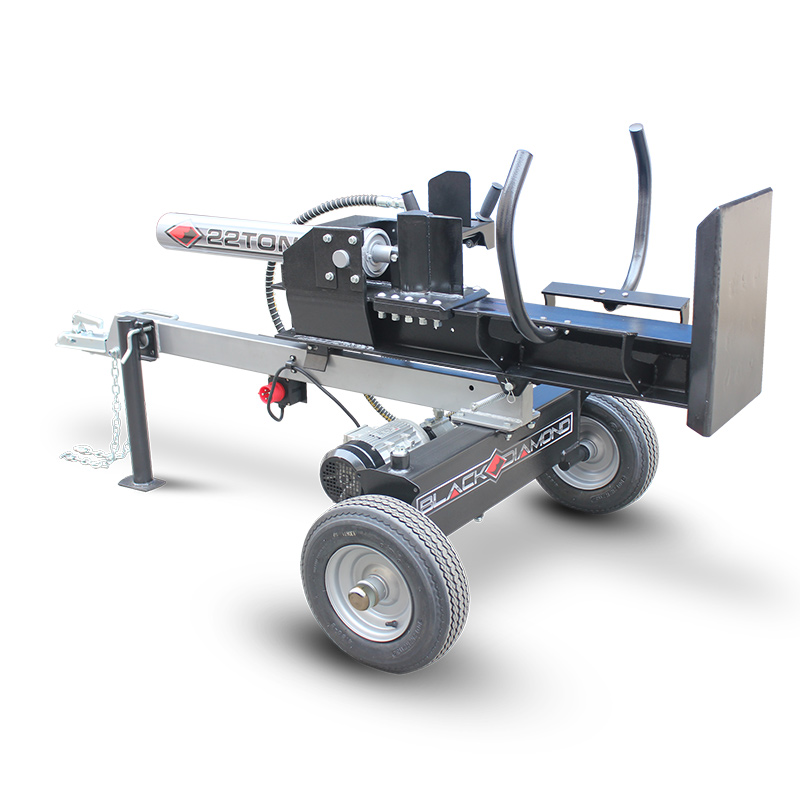
DESCRIPTION 22 Ton vertical/horizontal operating position allows forus...
See Details -
DESCRIPTION Accommodates splitting in horizontal only Half beam design...
See Details -
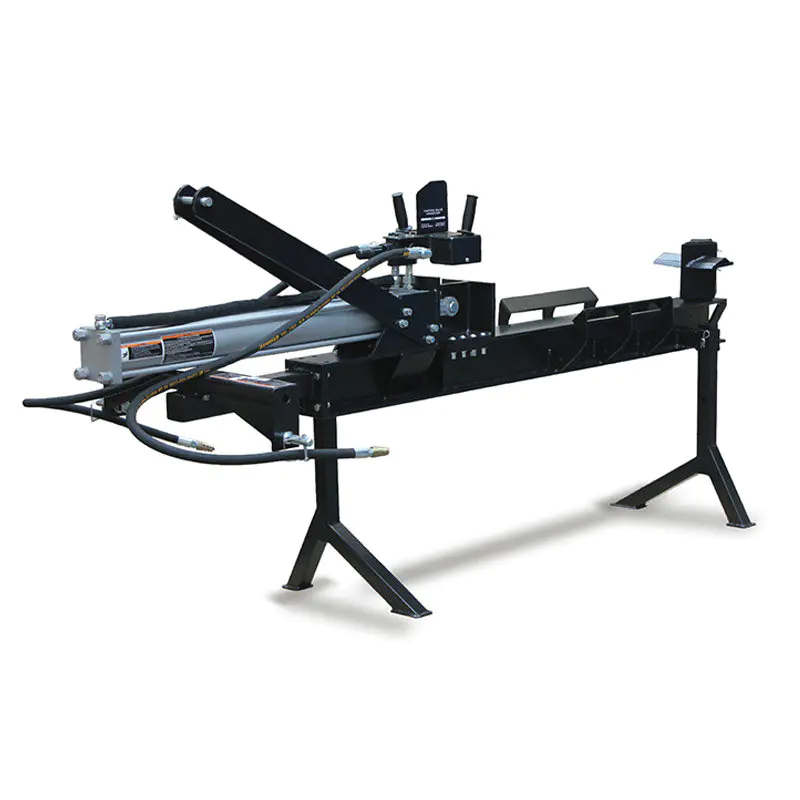
DESCRIPTION 14Ton 3PT log splitter attaches to Category 1 tractor 3-pt...
See Details
