Why Timing Matters When Using a Lawn Leaf Sweeper
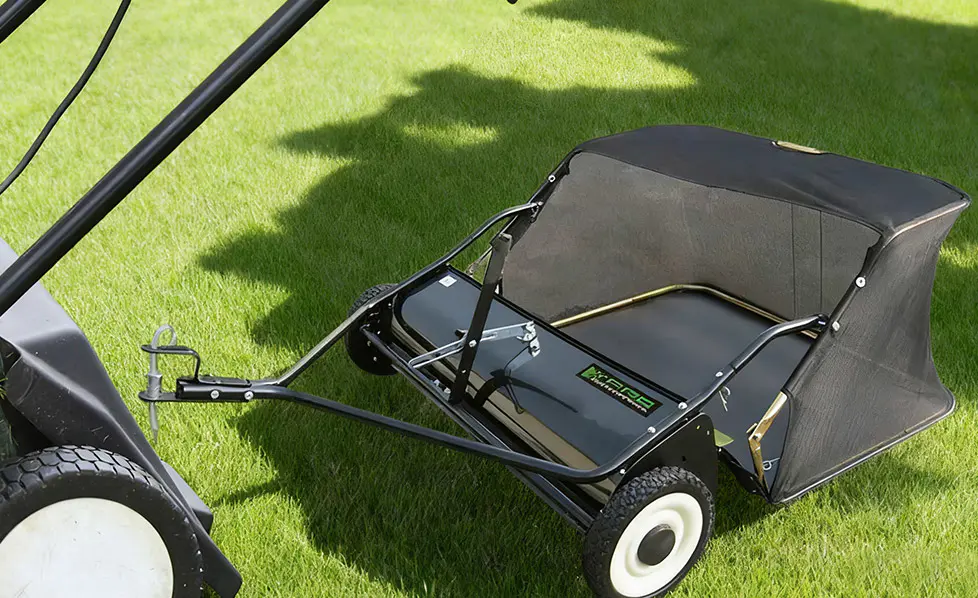
A lawn leaf sweeper is one of the most efficient tools you can add to your yard care routine. But even the best equipment delivers poor results if used at the wrong time. Wet leaves clog the brushes, dry soil kicks up dust, and frozen ground can damage the bristles. Getting the timing right can double your sweeper's effectiveness and cut your cleanup time in half.
This guide breaks down exactly when — by season, by weather, by time of day, and by grass condition — you should reach for your lawn sweeper to get the cleanest, healthiest lawn possible.
The Best Seasons to Use a Lawn Leaf Sweeper
Fall: Peak Season for Leaf Sweeping
Fall is without question the most important season for lawn sweeper use. As deciduous trees shed their foliage, leaves can accumulate at a rate of several inches per week. A thick layer of unmanaged leaves blocks sunlight, traps moisture, and can kill grass patches within 10 to 14 days.
Ideal fall sweeping windows include:
- Early fall (September–October): Sweep every 7 to 10 days as light leaf drop begins.
- Peak fall (Late October–November): Increase frequency to every 3 to 5 days when leaf fall is at its heaviest.
- Late fall (November–December): One or two final passes after the last leaves drop to prepare the lawn for winter dormancy.
Sweeping in fall also collects acorns, twigs, and seed pods that would otherwise create uneven ground or become trip hazards.
Spring: Clearing Winter Debris
Spring is the second most productive season for lawn sweeper use. After months of winter, lawns accumulate dead grass clippings (thatch), fallen pine needles, small branches, and matted leaves that blew in during storms. Removing this debris in early spring — before new grass growth begins — allows sunlight and air to reach the soil and promotes faster, healthier green-up.
Spring sweeping is most effective when:
- Soil temperatures have risen above 40°F (4°C) and the ground is no longer frozen.
- The lawn has dried out after snowmelt — typically 2 to 4 days of dry weather.
- New grass blades are just beginning to emerge (usually when daytime temps reach 50°F / 10°C).
A spring pass also doubles as light dethatching, lifting accumulated organic matter that has compressed over winter.
Summer: Grass Clippings and Light Debris
Summer is not a primary sweeping season, but there are specific situations where using a lawn leaf sweeper adds real value. After mowing, if grass clippings are left in thick clumps rather than fine mulch, they can smother turf and create brown patches.
Use your sweeper in summer when:
- Grass has grown too long between mows and clippings are dense and clumped.
- A storm has deposited seed pods, small branches, or blossoms across the lawn.
- You are preparing the lawn for an outdoor event and want a clean, uniform surface.
Avoid sweeping during drought stress periods when grass blades are already under pressure — the brush action can add unnecessary wear to fragile turf.
Winter: Generally Avoid, With Exceptions
In most climates, winter is not suitable for lawn sweeper use. Frozen ground is rigid and uneven, and cold temperatures make plastic brush components more brittle and prone to cracking. Operating a sweeper over frost-covered grass can break individual grass crowns, creating bare patches that require reseeding in spring.
The only exception is in mild-winter climates (USDA zones 8–10) where temperatures rarely drop below 32°F (0°C). In these regions, a sweeper can be used year-round for light debris collection.
Best Weather Conditions for Using a Lawn Leaf Sweeper
Season is only part of the equation. Day-to-day weather has a major impact on sweeper performance. Here is a quick reference guide:
| Weather Condition |
Suitability |
Notes |
| Dry and sunny |
Excellent |
Ideal. Leaves are light and flow freely into the hopper. |
| Light overcast, no rain |
Good |
Acceptable if debris is dry from previous days. |
| Morning dew present |
Fair |
Wait until mid-morning for dew to evaporate. |
| After light rain (same day) |
Poor |
Wet leaves clump and clog brush mechanisms. |
| During or after heavy rain |
Avoid |
Saturated soil and heavy leaves risk equipment damage. |
| Frost or frozen ground |
Avoid |
Risk of grass crown damage and bristle breakage. |
| Windy conditions |
Poor |
Leaves blow back as fast as they are collected. |
The single best weather scenario: a calm, sunny day, 24 to 48 hours after any rainfall. Leaves are fully dried, lightweight, and easy to sweep, while the soil is firm enough to support the sweeper without leaving ruts.
Best Time of Day to Use a Lawn Leaf Sweeper
Many homeowners overlook time of day as a variable, but it matters more than most people realize.
Mid-Morning: The Sweet Spot
The optimal window is typically between 9 AM and 11 AM. By this time:
- Morning dew has evaporated from grass blades and leaves.
- The sun has warmed the air enough to dry any surface moisture.
- Wind speeds are typically at their lowest in most regions.
Studies on residential lawn care routines consistently show that mid-morning mowing and sweeping produces the cleanest results and the least stress on turf.
Avoid Early Morning
Sweeping before 8 AM during most of the year means working while dew is still present. Damp leaves stick to the lawn surface and to each other, reducing the sweeper's pickup efficiency by as much as 30 to 40 percent compared to dry conditions.
Afternoon Is Acceptable, Evening Is Not Ideal
Afternoon sweeping works well on dry days. However, sweeping in the late evening or after sunset is not recommended. Moisture begins to settle on the lawn as temperatures cool, and debris swept just before dark may shift back overnight if wind picks up. Additionally, poor visibility increases the risk of missing coverage areas or running the sweeper over hidden obstacles.
Lawn and Grass Conditions That Affect Sweeper Timing
Grass Height and Growth Stage
A lawn sweeper works best when grass is at a manageable height — typically between 2.5 and 4 inches. If grass is too long (over 5 inches), the sweeper brushes can drag and mat the turf rather than cleanly collecting debris. Always mow before sweeping if the lawn has not been cut recently.
Thatch Layer Thickness
If your lawn has a thatch layer exceeding half an inch (12 mm), a sweeper pass in early spring can help lift it. However, if thatch is over 1 inch (25 mm) thick, a dedicated dethatcher or power rake should be used first, followed by the sweeper to collect loosened material.
Soil Moisture and Compaction
Firm, moderately moist soil is the ideal operating surface. Avoid sweeping on:
- Waterlogged soil: The sweeper wheels sink, creating ruts and compacting roots.
- Extremely dry, compacted soil: The brush action stirs up dust and can lift fine soil particles along with debris, clogging the hopper faster.
- Freshly aerated soil: Wait at least 2 weeks after aeration before sweeping to allow plugs to break down naturally.
After Overseeding
If you have recently overseeded your lawn, wait a minimum of 6 to 8 weeks before running a sweeper over the area. New seedlings have shallow root systems that can be easily pulled out or disturbed by the brush mechanism. Early sweeping on overseeded lawns is one of the most common causes of patchy germination.
Signs That It Is Exactly the Right Time to Sweep
Not sure whether it is time to get the sweeper out? Use this quick checklist:
- Leaves cover more than 10 to 15 percent of the visible lawn surface.
- Grass clippings are clumped in rows or patches after a recent mow.
- There has been no rain for at least 24 hours and none is forecast for the day.
- Morning dew has dried — usually by 9 to 10 AM.
- Wind is calm or light (under 10 mph / 16 km/h).
- Grass has been mowed to a standard height within the past 5 to 7 days.
- It is spring or fall, or summer following a storm with notable debris.
If you can check four or more of these conditions, conditions are favorable for an effective sweeping session.
How Often Should You Use a Lawn Leaf Sweeper?
Frequency depends heavily on the time of year, your tree coverage, and local climate. Here are general guidelines:
| Season |
Recommended Frequency |
Primary Goal |
| Early Fall |
Once every 7–10 days |
Remove light leaf drop before it accumulates |
| Peak Fall |
Every 3–5 days |
Prevent grass smothering from heavy leaf load |
| Late Fall / Pre-Winter |
1–2 final passes |
Winter prep and final cleanup |
| Early Spring |
1–2 passes |
Clear winter debris, light dethatching |
| Summer |
As needed (after storms or heavy mowing) |
Clipping removal, event prep |
| Winter |
Avoid (mild climates only: as needed) |
Equipment rest period in most climates |
Tips for Maximizing Efficiency Every Time You Sweep
Even with perfect timing, a few simple habits can significantly improve your results:
Adjust Brush Height for the Debris Type
Most lawn sweepers have an adjustable brush height. For light, dry leaves, a slightly higher brush setting reduces drag and speeds up collection. For heavier debris like pine cones or damp clippings, lower the brush closer to the turf surface for better pickup. Always consult your sweeper's manual for the recommended adjustment range.
Overlap Your Passes
Sweep in slightly overlapping rows — around 2 to 3 inches of overlap per pass. This prevents thin missed strips that leave behind debris lines across the lawn. A systematic back-and-forth pattern, similar to mowing, is the most efficient approach.
Empty the Hopper Regularly
A full hopper reduces suction efficiency and can cause debris to fall back onto the lawn. Empty the collection bag when it reaches about 75 to 80 percent capacity, not when it is completely full. This keeps airflow through the brush mechanism consistent throughout your session.
Sweep Before, Not After, Fertilizing
If you plan to fertilize or apply any lawn treatment, always sweep first. Removing debris clears the path for even granule distribution and allows liquid treatments to reach the soil surface without being filtered or absorbed by a layer of leaves and clippings.
Store the Sweeper Correctly Between Seasons
After your final fall or spring sweep, clean the brush bristles, check for bent or worn tines, and store the unit in a dry, covered area. Proper off-season storage protects bristle shape and extends the life of the hopper bag material — both of which directly affect performance in the next season.
Lawn Leaf Sweeper: Frequently Asked Questions
Q1: Can I use a lawn leaf sweeper on wet grass?
It is not recommended. Wet leaves clump together and stick to the lawn surface, reducing pickup efficiency significantly. Wait at least 24 hours after rain and until morning dew has dried before sweeping.
Q2: Is it too late to use a lawn sweeper in late fall after a hard frost?
If the ground is frozen or grass is frost-covered, hold off until mid-morning when the frost has melted. Operating on frozen turf risks damaging grass crowns and the sweeper's bristles.
Q3: Can a lawn sweeper replace a rake?
For large, open lawn areas, yes — a lawn sweeper is far faster and less physically demanding than raking. However, a hand rake may still be needed for tight corners, borders, and areas near fences or beds.
Q4: How do I know if my lawn sweeper brushes need replacing?
If you notice significant amounts of debris being left behind even on dry days and after proper height adjustment, inspect the bristles. Worn, bent, or missing tines are a clear sign that the brush needs replacement.
Q5: Should I sweep before or after mowing?
Mow first, then sweep. This allows the mower to chop any leaves into smaller pieces (improving compost value), and the sweeper then collects both the clippings and any remaining debris in one pass.
Q6: Can a lawn sweeper pick up acorns and pine cones?
Many lawn sweepers can handle acorns and small pine cones. Check your model's specifications — brush height and hopper design determine what size debris can be effectively collected without jamming.
Q7: How long does it take to sweep an average lawn?
A typical suburban lawn of 5,000 to 8,000 square feet can be swept in 20 to 45 minutes depending on debris volume, sweeper width, and terrain. Tow-behind models on riding mowers can cover the same area in under 15 minutes.

 LANGUAGE
 English
 Deutsch
 Español
 Français
 русский