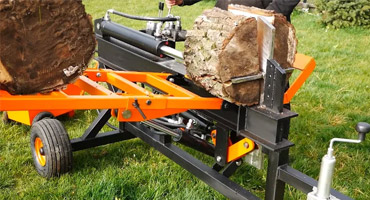
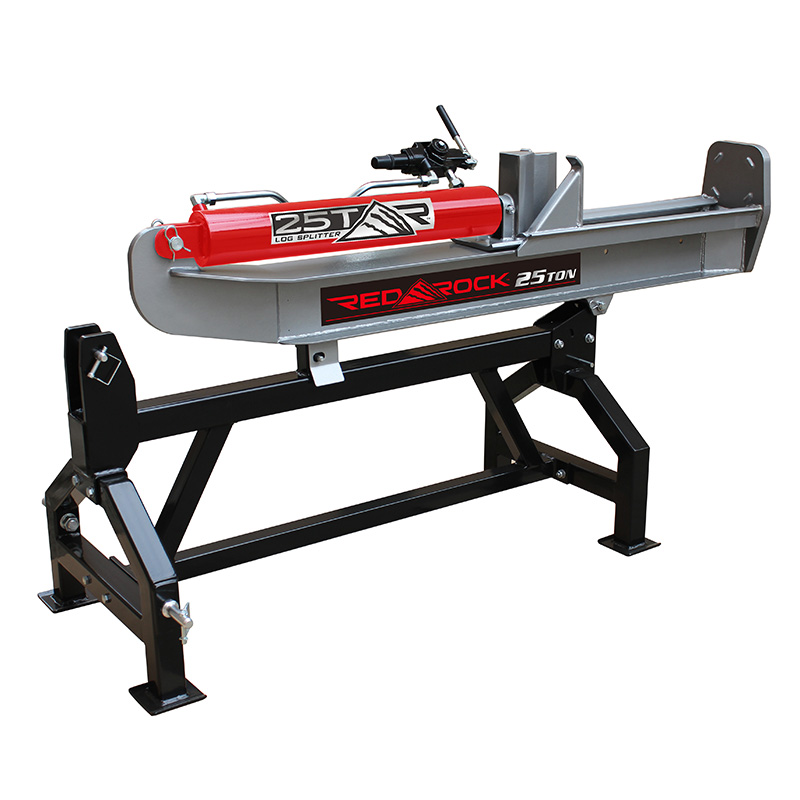
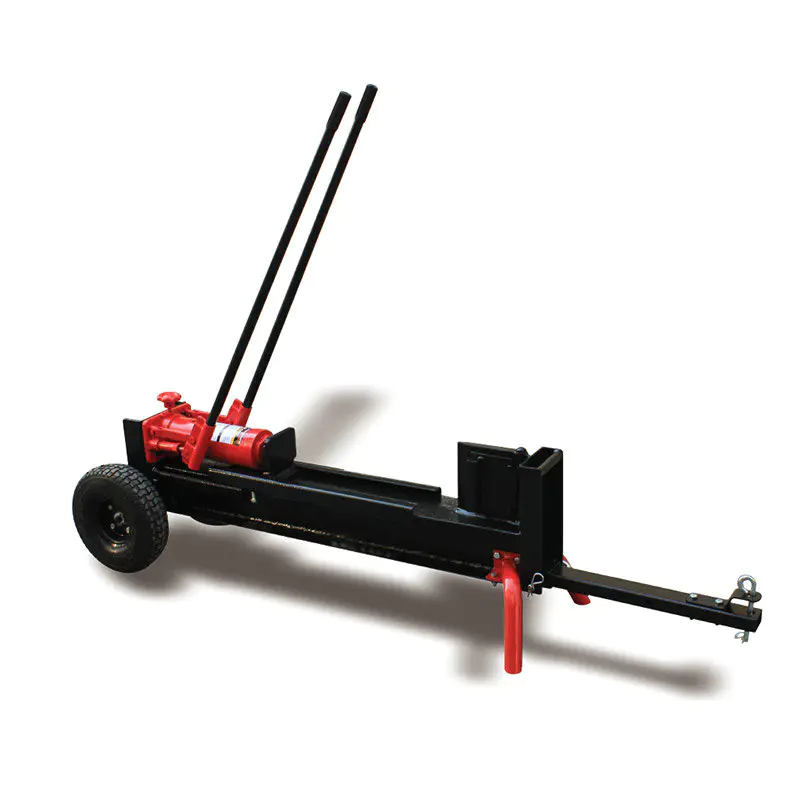
A petrol log splitter is one of the most powerful and versatile tools for processing firewood, capable of handling large-diameter logs with ease. However, like any engine-driven equipment, it is susceptible to a range of mechanical and hydraulic problems over time. Understanding these issues — and knowing how to address them — can save you significant time, money, and frustration. This guide covers the most common log splitter problems, their causes, and practical solutions.
Engine Won't Start or Is Hard to Start
One of the most frequently reported issues is an engine that refuses to start or requires excessive effort to get running. This problem can stem from several root causes:
- Stale or contaminated fuel: Petrol degrades within 30 days if left untreated. Old fuel can gum up the carburettor and prevent ignition.
- Fouled or worn spark plug: A spark plug coated with carbon deposits or worn beyond its service gap will produce weak or no spark.
- Blocked air filter: A clogged air filter restricts airflow into the engine, causing a rich fuel mixture that makes starting difficult.
- Choke set incorrectly: Failing to use the choke on a cold start, or leaving it engaged after warm-up, disrupts the air-fuel balance.
- Low oil shutdown: Most modern petrol engines include a low-oil protection sensor. If oil level drops below the minimum, the engine will not start.
How to Fix It
Drain any old fuel and replace it with fresh unleaded petrol. Inspect and clean or replace the spark plug — the electrode gap should typically measure between 0.76 mm and 0.81 mm. Clean the air filter with compressed air or replace it if it is heavily soiled. Check the engine oil level before every use and top up as required.
Log Splitter Has Weak or No Splitting Force
A machine that fails to split logs with adequate force is often suffering from a hydraulic system problem. The hydraulic circuit is the heart of any log splitter, and reduced pressure or flow will directly impact performance.
Common Causes
- Low hydraulic fluid level: Insufficient fluid means the pump cannot build adequate pressure. The system typically requires a specific grade of hydraulic oil.
- Worn or damaged hydraulic pump: Over time, internal pump components wear, reducing volumetric efficiency. A pump delivering less than its rated output (commonly 11–15 litres per minute) will result in sluggish splitting.
- Internal cylinder leaks: If the piston seal inside the hydraulic cylinder is damaged, pressure bleeds past the seal and the ram loses force mid-stroke.
- Pressure relief valve set too low or faulty: The relief valve protects the system by releasing pressure above a set threshold. If it opens prematurely — for example below 3,000 psi on a machine rated for 3,500 psi — performance suffers.
- Clogged hydraulic filter: A blocked return filter increases backpressure and reduces fluid flow to the cylinder.
How to Fix It
Check and top up hydraulic fluid using the grade specified in your operator's manual — commonly AW32 or AW46 hydraulic oil. Inspect all hose connections and the cylinder for visible oil leaks. Replace the hydraulic filter at least annually or every 100 hours of operation. If internal pump wear is suspected, a qualified technician should perform a flow and pressure test.
Hydraulic Fluid Leaks
Visible oil around the machine is not just a maintenance issue — it can indicate a serious fault and poses a slip hazard. Leaks are among the most common problems reported across all petrol log splitter models.
| Leak Location |
Likely Cause |
Recommended Action |
| Cylinder rod seal |
Seal wear or rod scoring |
Replace seal kit or cylinder |
| Hose fittings |
Loose connections or cracked hose |
Tighten or replace hoses |
| Hydraulic tank |
Crack or failed gasket |
Repair or replace tank |
| Control valve |
O-ring failure |
Replace O-rings or valve |
| Pump shaft seal |
Shaft seal deterioration |
Replace pump or seal |
Always shut the machine off and allow pressure to fully dissipate before inspecting hydraulic components. Use a piece of cardboard — never your bare hand — to locate pressurised leaks, as high-pressure hydraulic fluid can penetrate skin and cause serious injury.
The Ram Moves Slowly or Gets Stuck Mid-Stroke
A sluggish or stalled ram is a productivity killer. When the wedge takes an unusually long time to advance or retracts inconsistently, one or more of the following factors is typically responsible:
- Cold hydraulic fluid: In temperatures below 5°C, hydraulic oil thickens significantly, slowing ram travel. Allow the machine to idle for 5 to 10 minutes before use in cold weather.
- Air in the hydraulic system: Air entrained in the fluid creates a spongy or erratic ram movement. This often follows a fluid change or hose repair.
- Cylinder scoring or bent rod: Physical damage to the cylinder bore or piston rod causes binding and uneven movement.
- Control valve spool sticking: Contamination or wear inside the directional control valve can prevent it from fully opening, restricting flow to the cylinder.
How to Fix It
To purge air from the system, cycle the ram fully in and out several times with no load. Inspect the rod visually for bends or corrosion. If the control valve is suspected, remove it and clean the spool with a compatible solvent. Severely scored cylinders require professional repair or replacement.
Engine Stalls Under Load
An engine that runs well at idle but cuts out when the machine is put under load is a common and frustrating problem. This typically points to fuel delivery or engine tune issues rather than hydraulic faults.
Possible Causes
- Partially blocked carburettor jets: Varnish deposits from stale fuel restrict fuel flow at higher engine loads, causing lean stall.
- Faulty governor spring: The governor controls engine speed under varying loads. A weak or broken governor spring causes the engine to drop below its operating speed and stall.
- Hydraulic system overload: Attempting to split logs that exceed the machine's rated capacity forces the engine to work harder than its design limits. Most petrol log splitters are rated between 7 and 34 tonnes of splitting force.
- Dirty fuel cap vent: A blocked vent in the fuel cap creates a vacuum in the tank, starving the carburettor of fuel under sustained operation.
Clean the carburettor thoroughly using a carburettor cleaner spray. Try loosening the fuel cap slightly during operation to test whether a blocked vent is the cause. If the problem persists, have the governor assembly inspected by a small engine technician.
Excessive Vibration or Unusual Noise
A well-maintained petrol log splitter operates with a consistent, predictable sound. Any new vibration, knocking, rattling, or squealing should be investigated promptly, as these are often early warnings of developing mechanical faults.
- Loose hardware: Vibration over time can loosen bolts on the engine mount, wedge assembly, and frame. Check all fasteners regularly.
- Worn or dry pump coupling: The coupler between the engine output shaft and the hydraulic pump can wear or run dry, producing a rhythmic knocking sound.
- Cavitating hydraulic pump: Cavitation occurs when the pump cannot draw enough fluid, generating a distinctive high-pitched whine or rattling. Low fluid level, a blocked intake filter, or a fluid viscosity mismatch are common triggers.
- Engine knock: A deep knocking from the engine may signal low oil pressure, worn bearings, or incorrect fuel octane. Stop the machine immediately to prevent further damage.
Inspect and tighten all fasteners after the first 10 hours of use on a new machine and every 25 hours thereafter. Lubricate the pump coupling according to the manufacturer's schedule. Check hydraulic fluid level and intake filter condition if cavitation is suspected.
Log Splitter Overheating
Both the engine and hydraulic system generate heat during operation. Sustained overheating accelerates wear, degrades oil quality, and can cause component failure.
Hydraulic System Overheating
Hydraulic fluid operating above 80°C begins to break down rapidly, losing its lubricating and anti-wear properties. Signs include discoloured or burnt-smelling fluid and sluggish ram performance.
- Continuous operation beyond the duty cycle rating — many consumer models are designed for 30 to 45 minutes of sustained use before a cooling break.
- Using the wrong grade of hydraulic fluid, which has insufficient viscosity for the operating temperature.
- Internal hydraulic leaks that cause fluid to circulate through the relief valve continuously, generating excess heat.
Engine Overheating
Air-cooled petrol engines rely on unobstructed airflow across the cylinder fins. Blocked cooling fins, a missing engine shroud, or operating in an enclosed space with poor ventilation will cause the engine to overheat. Clean the cooling fins with compressed air every season, and never remove the engine shroud during operation.
Wedge or Blade Becomes Blunt or Damaged
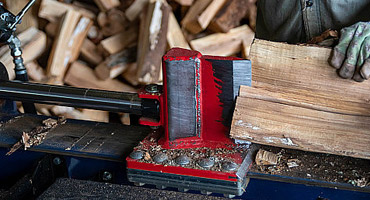
The splitting wedge is subjected to enormous repeated impact forces. Over time, the cutting edge can become rounded, chipped, or deformed, requiring more force to split each log and putting additional strain on the hydraulic system.
- Splitting green or wet wood with high moisture content places greater stress on the wedge than seasoned timber.
- Hitting knots, embedded rocks, or metal fragments accelerates wedge wear and can cause chipping.
- Operating with a hydraulic system producing insufficient force causes the wedge to stall in the log rather than driving through cleanly, concentrating stress at the tip.
Inspect the wedge for deformation before each use. A dull wedge can often be sharpened with an angle grinder fitted with a grinding disc. Severely deformed wedges should be replaced — attempting to operate with a damaged wedge reduces efficiency and risks component failure.
Preventive Maintenance Checklist
Consistent maintenance is the most effective way to prevent the problems described above. The following schedule covers the key tasks for a petrol log splitter:
| Interval |
Task |
| Before each use |
Check engine oil, hydraulic fluid, fuel, and look for leaks |
| Every 25 hours |
Inspect and tighten all fasteners; check spark plug condition |
| Every 50 hours |
Clean or replace air filter; inspect hydraulic hoses and fittings |
| Every 100 hours |
Replace hydraulic filter; change engine oil; replace spark plug |
| Annually / end of season |
Change hydraulic fluid; inspect wedge; clean engine cooling fins; fog engine for storage |
Frequently Asked Questions
Q1: Why does my petrol log splitter start but immediately stall?
This is usually caused by a blocked carburettor, stale fuel, or a blocked fuel cap vent. Clean the carburettor jets and replace old fuel with fresh petrol. Try loosening the fuel cap slightly to check if a vacuum build-up is causing fuel starvation.
Q2: How often should I change the hydraulic fluid in a petrol log splitter?
Most manufacturers recommend changing hydraulic fluid every 100 to 150 hours of operation or at least once per season. Always use the grade specified in your operator's manual — typically AW32 or AW46.
Q3: What causes a log splitter ram to drift back on its own?
Unintended ram retraction while under load is caused by a leaking or faulty control valve spool. Internal seal wear allows pressurised fluid to bypass the valve. The control valve will need inspection and likely replacement.
Q4: Can I use any hydraulic oil in my log splitter?
No. Using the wrong viscosity grade can cause overheating, pump cavitation, and seal damage. Always refer to the operator's manual for the correct specification. Do not mix different oil types or grades.
Q5: How do I know if my hydraulic pump is failing?
Signs of a failing pump include reduced ram speed, inability to reach full splitting force, excessive heat, and unusual noise such as whining or knocking. A qualified technician can perform a flow and pressure test to confirm pump condition.
Q6: Why is my log splitter leaving hydraulic fluid on the ground?
Leaks most commonly originate from the cylinder rod seal, hose fittings, or the control valve O-rings. Identify the exact source before attempting repair, and never touch suspected pressurised leaks with bare skin.
Q7: Is it normal for a petrol log splitter to get hot after extended use?
Some heat is normal, but sustained operation above the rated duty cycle will cause both the engine and hydraulic fluid to overheat. Allow cooling breaks as specified in the manual, and ensure engine cooling fins are kept clear of debris.

 LANGUAGE
 English
 Deutsch
 Español
 Français
 русский