 LANGUAGE
 English
 Deutsch
 Español
 Français
 русский





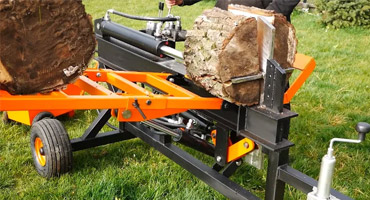

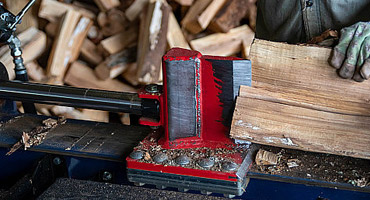




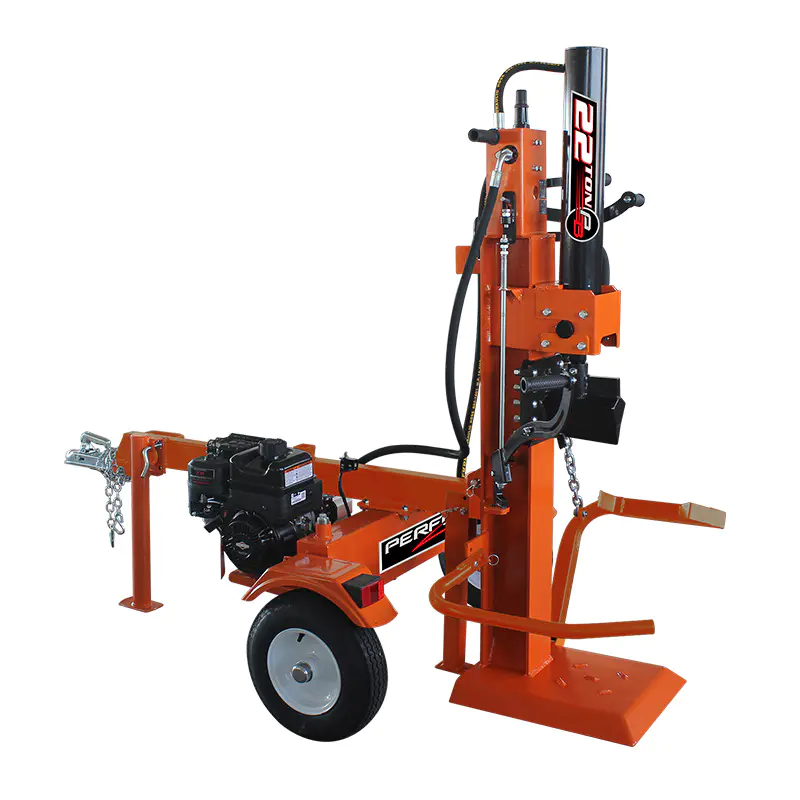
Vertical operation position onlyHardened steel wedge24"/61cm split len...
See Details
What Size Log Splitter Do You Need for Oak, Maple, and Knotty Wood?
Gasoline Full Beam Electric Splitter Dual Action 27 Ton
Selecting the right log splitter isn’t about horsepower alone – it’s about matching tonnage, cycle speed, beam design, and power source to your wood type, usage frequency, and operator safety. This guide breaks down gasoline log splitter full beam, electric log splitter, and gasoline log splitter dual action models with real performance data, maintenance strategies, and safety protocols. No fluff – just actionable insights.
1. Tonnage Requirement – What Size Wood Splitter Do I Need?
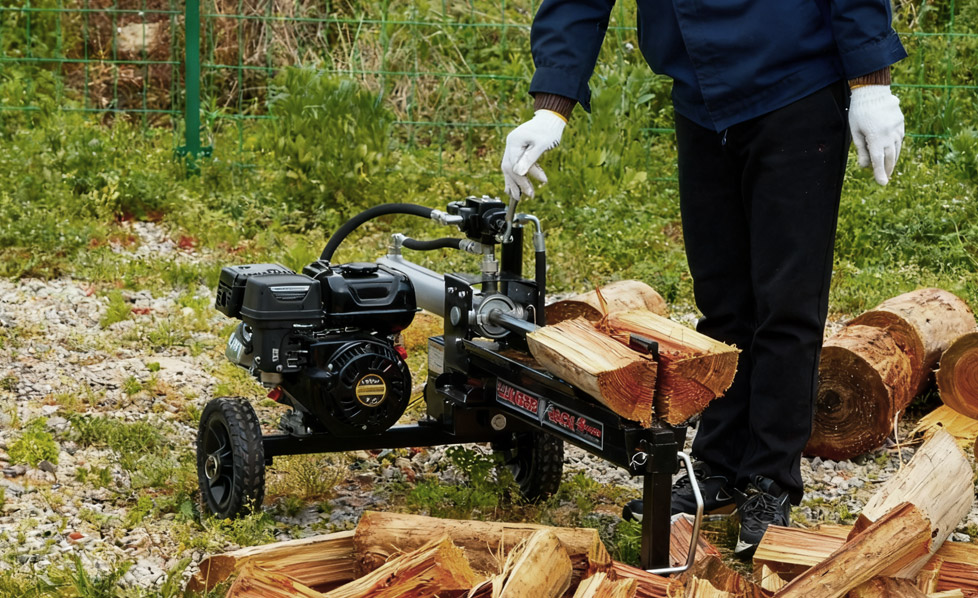
For most residential users, a 25-27 ton gas powered log splitter handles 18-22 inch diameter oak and maple with ease. Electric splitters (15-20 ton) suit softwoods and occasional use. Always size up if you split green or knotty wood.
2. Cycle Speed & Productivity – Gas vs Electric
Gasoline log splitter full beam models consistently deliver faster cycle times (5–7 seconds) compared to electric (9–14 seconds). The dual action hydraulic design further reduces stroke loss, boosting productivity by up to 20% in high-volume splitting.
3. Cost vs Capacity – Electric, Gas Full Beam, Dual Action
While electric log splitter units have lower upfront cost, the gasoline log splitter dual action offers superior splitting force for commercial-grade workloads. The gas powered log splitter 27-ton class remains the sweet spot for mixed hardwood.
4. Capability Radar – Full Beam, Dual Action, Electric
The radar shows that gasoline log splitter full beam balances speed and force, while dual-action excels in raw power and electric wins on maintenance and cost. Choose based on your priority: daily output or low upkeep.
5. Decision Flowchart – Select Your Splitter
This quick flowchart helps you decide: what size wood splitter do i need? For mixed hardwood and daily use, a 27-ton gas splitter is the baseline. For heavy, twisted grain, dual-action is non-negotiable.
6. Specification Comparison – Key Models
| Feature | Electric 15T | Gas Full Beam 27T | Gas Dual Action 30T |
|---|---|---|---|
| Engine / Motor | 2.5 kW | 223 cc | 270 cc |
| Cycle time (sec) | 11-14 | 5-7 | 4.5-6.5 |
| Log capacity (in) | 18" | 24" | 26" |
| Weight (lbs) | 120 | 380 | 440 |
| Maintenance interval | Low | Moderate | Moderate |
Data shows the cub cadet log splitter 27 ton class competes closely with other gas full-beam splitters, but dual-action models offer faster ram speeds and better wedge penetration on tough grain.
7. Safety & Maintenance – Non-Negotiable Practices
Wood Splitting Safety Guide
- Always wear steel-toe boots, safety glasses, and hearing protection.
- Never split wood with the log sideways – always vertical grain orientation.
- Keep hands clear of the wedge and end-plate; use a push stick for short logs.
- Check hydraulic fluid levels and hoses before each session.
Log Splitter Maintenance Tips
- Change engine oil every 25 hours (gas splitters).
- Grease the beam and pivot points after every 10 hours of use.
- Inspect the hydraulic filter and replace annually or as indicated.
- Store in a dry, covered area to prevent rust and fuel degradation.
Pro tip: A well-maintained gasoline log splitter dual action can outlast two electric units. But electric splitters require virtually no engine maintenance – ideal for light-duty users.
8. Horizontal vs Vertical Log Splitter – Which Orientation?
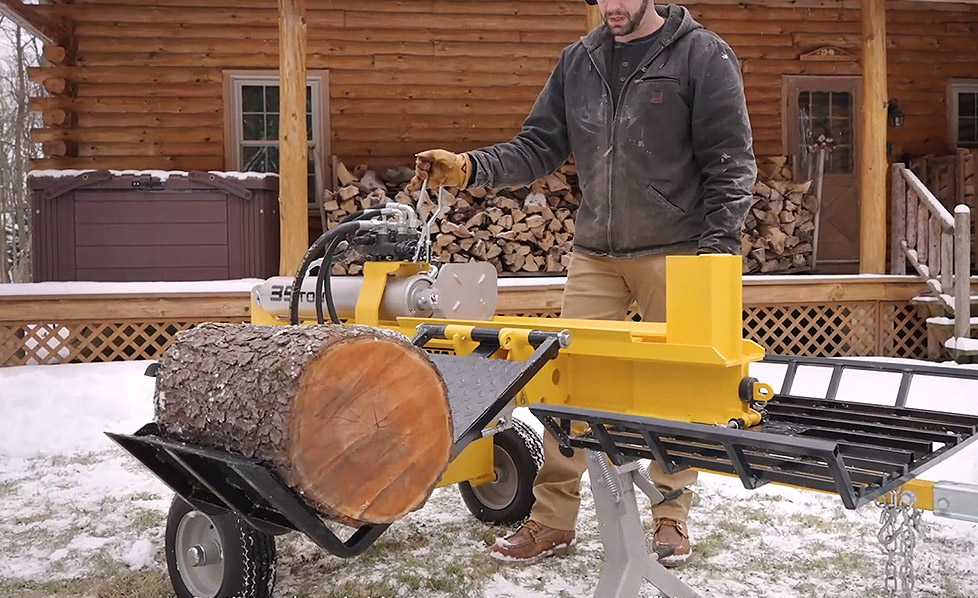
Horizontal splitters are standard for most users, offering easy loading and stability. Vertical mode (available on many gas full-beam models) allows splitting oversized, heavy rounds without lifting – reducing back strain. Horizontal vs vertical log splitter choice depends on your physical capability and log size. For logs over 24 inches in diameter, vertical is safer and more efficient.
9. Frequently Asked Questions
Q1: What size wood splitter do I need for oak and hickory?
For hardwood with diameter up to 20 inches, a 25-27 ton splitter is ideal. For larger or knotty pieces, consider a 30+ ton dual-action model.
Q2: Is an electric log splitter powerful enough for daily use?
Electric splitters (15-20 ton) handle softwood and smaller hardwood logs well, but they are slower and not suited for continuous commercial splitting.
Q3: How does a gasoline log splitter full beam differ from dual action?
Full beam provides a rigid, single-rail design with faster cycles; dual action uses two hydraulic cylinders to reduce stroke loss and increase force, especially near the end of the stroke.
Q4: Can I convert a horizontal splitter to vertical?
Many gas-powered models offer horizontal-to-vertical conversion. Check if your model has a rotating beam or towable vertical stand.
Q5: How often should I change hydraulic fluid?
Change hydraulic fluid every 100 hours or annually, whichever comes first. Always use the manufacturer-recommended fluid type.
Q6: Is the Cub Cadet log splitter 27 ton a good choice?
The 27-ton class offers excellent value for residential and light-commercial use. It provides sufficient power for most hardwoods and is widely supported.
Keywords: Log Splitter, Gasoline Full Beam, Electric, Dual Action, 27 ton Last updated: 2026
PREV:What Works Better for Yard Waste: Leaf Vacuum or Chipper Shredder?
NEXT:How to Choose the Right Dump Cart and Spreader Setup for Maximum Efficiency
NEXT:How to Choose the Right Dump Cart and Spreader Setup for Maximum Efficiency
Interested in cooperation or have questions?
Related products
-
-
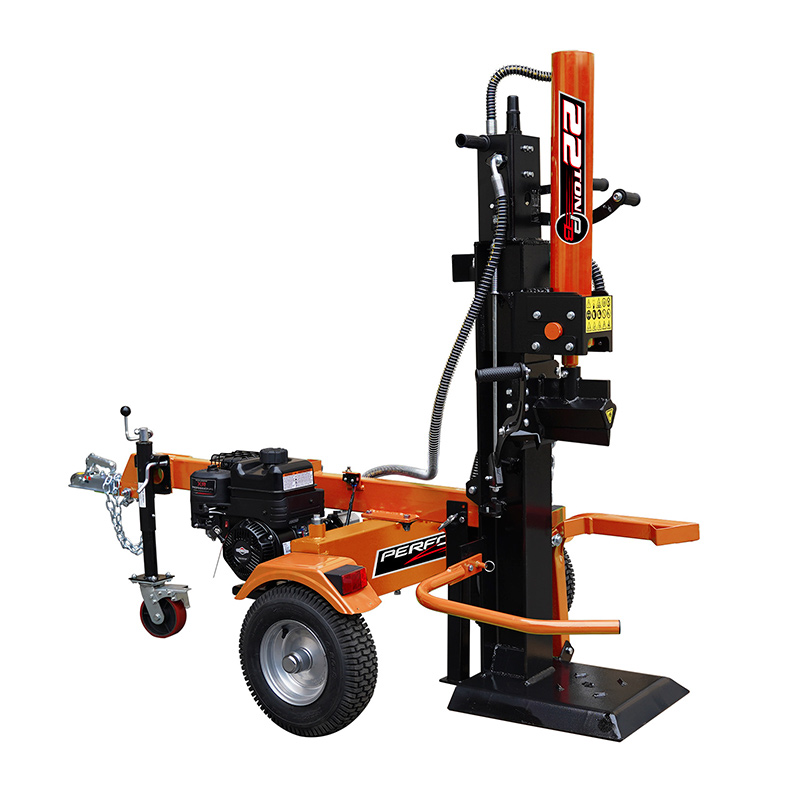
Vertical operation position onlyHardened steel wedge24"/61cm split len...
See Details -
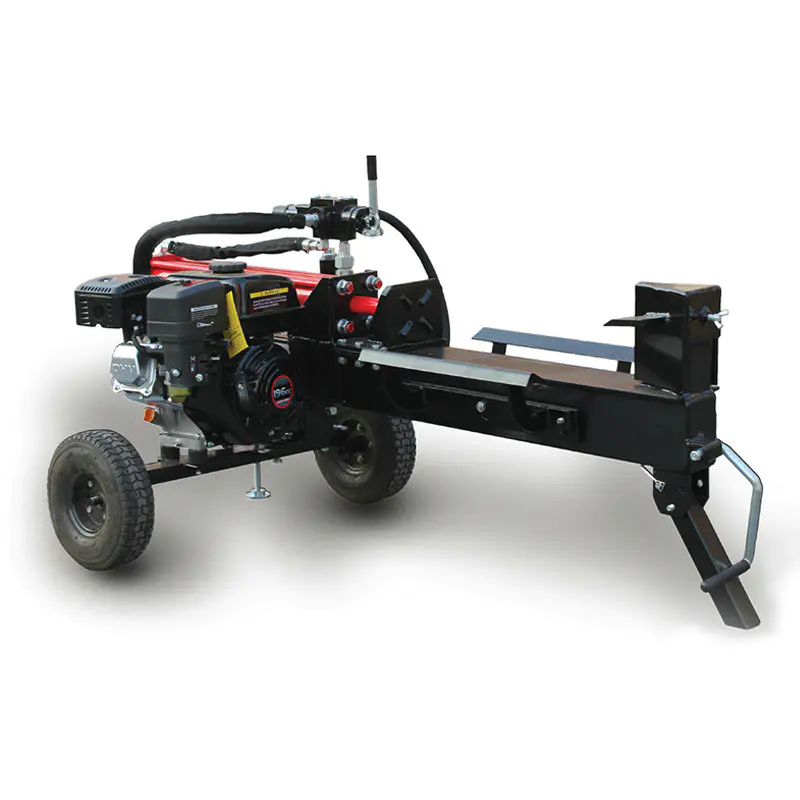
DESCRIPTION Working at horizontal position onlyAuto return hydraulic c...
See Details -
DESCRIPTION 22 Ton vertical/horizontal operating position allows forus...
See Details