 LANGUAGE
 English
 Deutsch
 Español
 Français
 русский

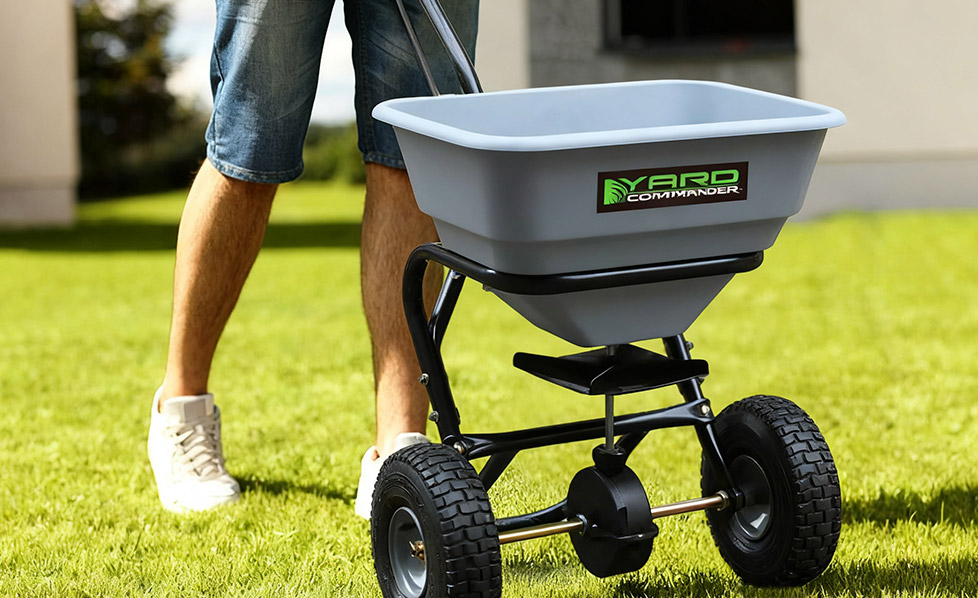
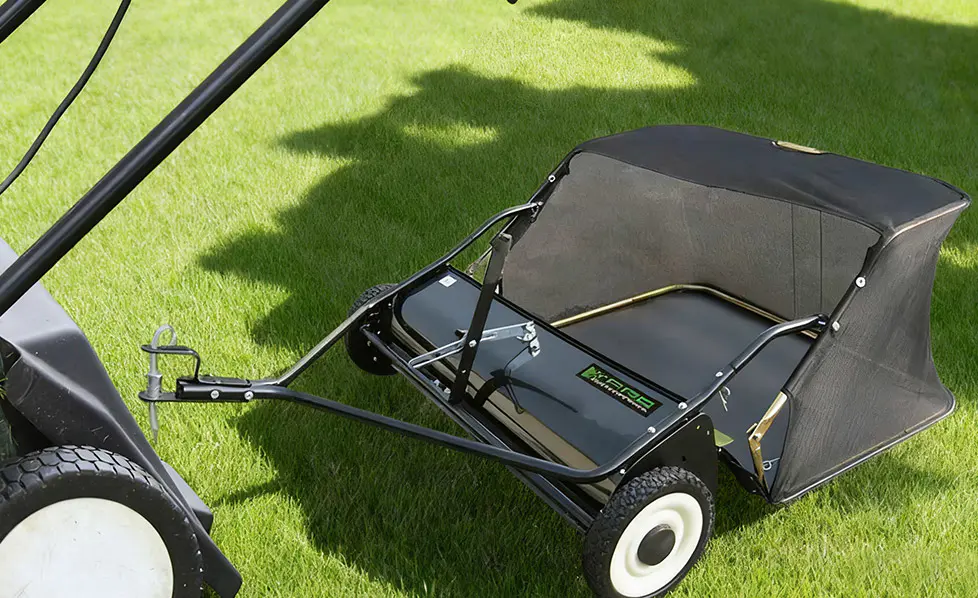
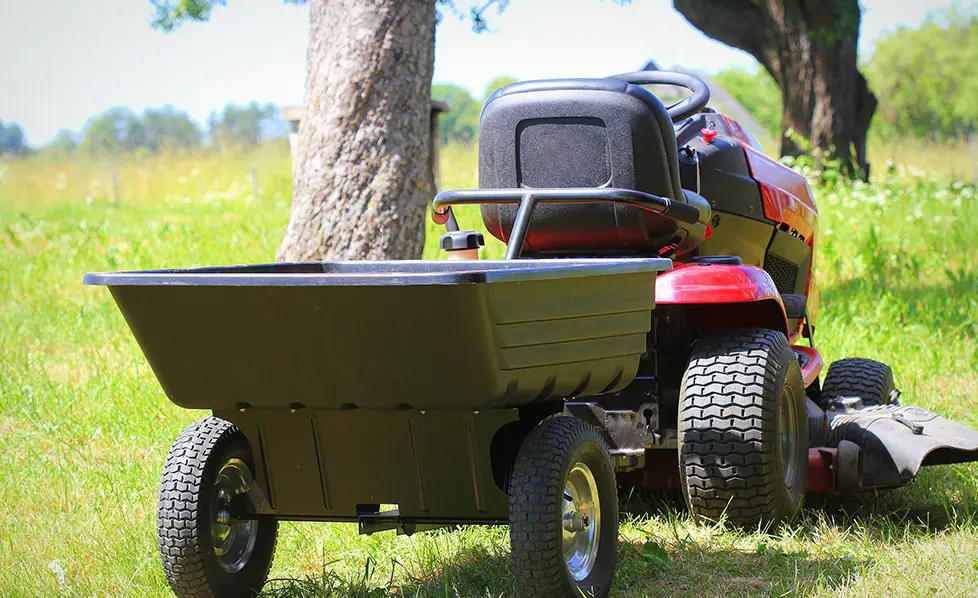

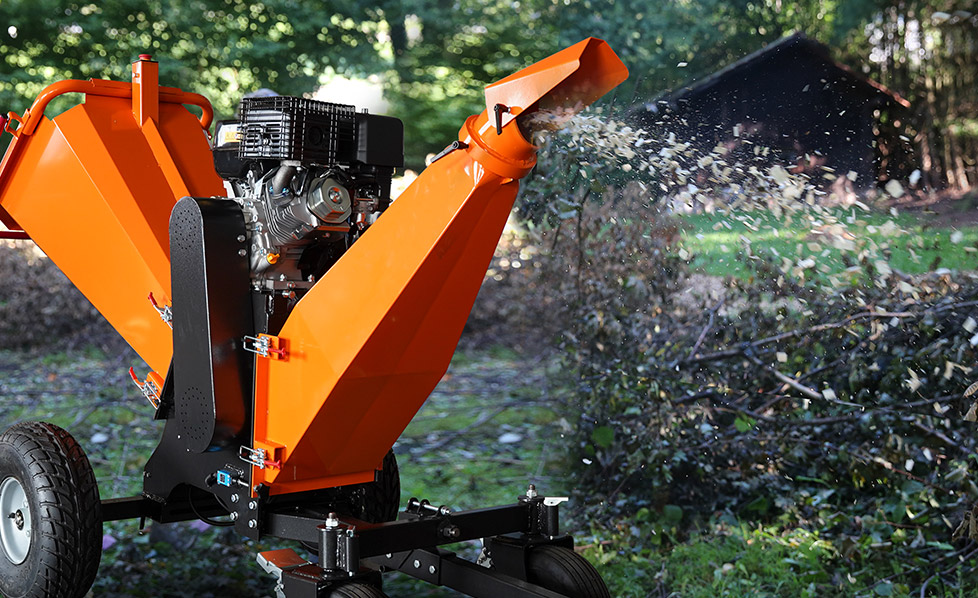









● Covers 51 inch wide path● 14 inch diameter removable notched blades●...
See Details
ATV Disc Buying Guide: Working Width, Weight and Gang Layout Explained
A disc that is too light rides across sod and leaves seed sitting on the surface. A disc that is too heavy bogs a 400cc ATV before the first pass is finished. Both mistakes cost more than the implement itself, because the correction is usually a second purchase, a second delivery and a lost season of ground preparation.
For most ATV food plots, gardens and small pasture work, the practical target is a 48 to 52 inch single-gang disc of roughly 250 to 350 lb, pulled by a machine of 400cc or more with a hitch rated for the tongue load.
The rest of this guide explains how that target is built: what makes a disc penetrate, how width and gang layout change the pulling load, which hardware fails first in the field, and what to confirm with a supplier before you order a single unit or a container.
Why Penetration Decides the Purchase Before Width Does
A disc cuts when the weight carried by each blade and the angle of the gang push a sharp edge below the surface. When the load per blade is too low, the disc rolls over the ground, polishes it and leaves a shallow scratch. That is the most common complaint from buyers who selected a model on working width alone.
Three variables set the cutting depth, and they pull against each other:
- Gang angle. A steeper angle bites deeper and mixes more soil, but it raises draft and makes the ATV work harder.
- Ballast. Added weight improves penetration and keeps the frame steady, but every pound still has to be pulled.
- Ground condition. Tilled loam cuts at a shallow angle. Untilled sod, dry clay and root mats usually need two passes, with the angle increased between them.
The sequence that avoids disappointment is simple: set a shallow angle, run one pass, then increase the angle for a second. If the disc still floats on the surface, add ballast. If the ATV spins or the engine labours on the first pass, the disc is too wide for the machine, and reducing width will help far more than reducing depth.
Matching Working Width and Weight to the Machine
Working width is the quickest way to overload an ATV, because every extra inch of gang adds blades, steel and rolling resistance. The figures below are the practical ceiling for a utility ATV on prepared ground, not a target to reach for.
48-52 inworking width that suits a 400cc+ utility ATV
250-350 lbimplement weight that still cuts in worked soil
16-18 intypical disc blade diameter on ATV models
Two numbers on your machine matter more than engine size: the rated towing capacity and the rated tongue weight. A tow-behind disc rolls on its own wheels, so most of its mass stays on the ground, but the tongue still presses down on the rear of the ATV, lifts weight off the front axle and reduces steering grip. Check the owner's manual before assuming the hitch can carry it.
Hitch height and coupler size need to match as well. A disc that tows nose-up cuts unevenly across its width, and a loose coupler adds slack that shows up as a jerky, uneven first pass.
Single Gang or Double Gang: Where the Difference Shows Up
Gang layout decides how the disc loads the soil and how much power it takes. A single-gang offset disc uses one row of angled blades, so it is lighter to pull and easier to steer around trees, gates and plot edges. A two-gang or tandem disc runs a second row behind the first, cuts more thoroughly in one pass, and generally asks for a UTV or a small tractor rather than an ATV.
| Layout | Typical working width | Realistic tow vehicle | Best use |
|---|---|---|---|
| Single gang, offset | 48-52 in | 400cc+ utility ATV | Food plots, gardens, finishing passes |
| Single gang, wide | 56-60 in | 500cc+ ATV or UTV | Open plots, pasture renovation |
| Two gang or tandem | 60 in and above | UTV or compact tractor | Breaking sod in one pass, larger fields |
The trade-off is not only power. A wider single gang covers ground faster but is harder to ballast correctly, and in wet clay it can smear the surface instead of fracturing it. If you want the field behaviour rather than catalogue numbers, this comparison of a 51 inch single gang disc against a two gang unit is a useful starting point.
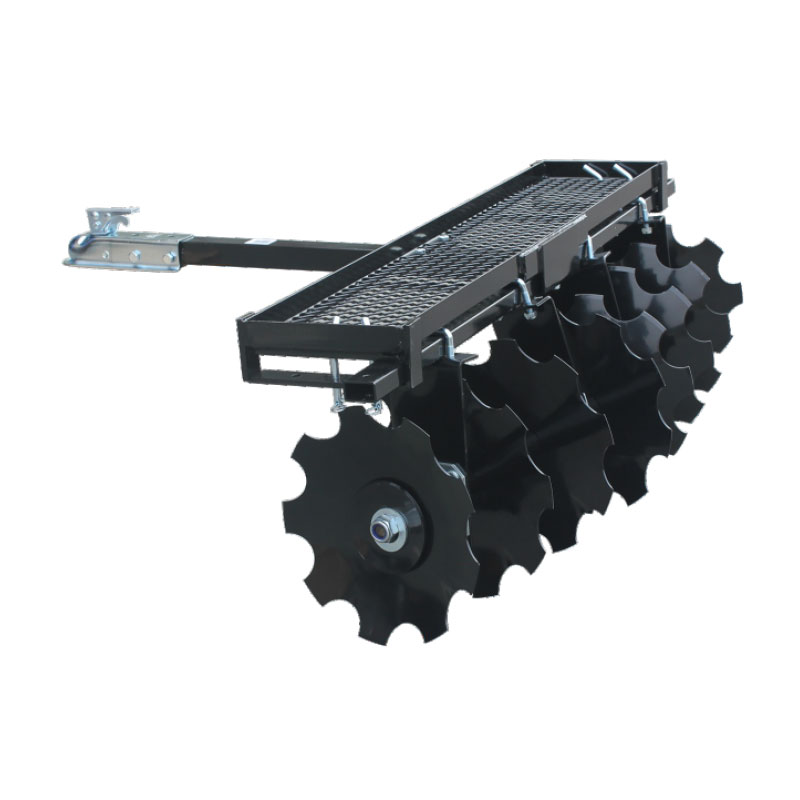 51-Inch ATV Single Gang Disc Harrow SP31413Towable 51-inch single gang disc with 14-inch notched blades and a weight platform, relevant for judging single-gang field behaviour before choosing.View Product →
Blades, Spacing and Gang Angle
Notched or smooth blades
Notched blades cut through sod, stalks and trash, and they are the usual choice for a first pass. Smooth blades leave a finer, more level surface and suit a finishing pass before seeding. Mixed sets, notched at the front and smooth at the rear, are common on tandem discs for exactly that reason.
Blade diameter and spacing
Blades of 16 to 18 inches are typical on ATV discs. Larger blades roll through residue more easily and hold an edge longer; smaller blades suit shallow work and lighter machines. Closer spacing produces finer tilth but more drag for every foot of width, while wider spacing lets residue pass through without clogging.
Gang angle adjustment
Adjustable gangs earn their keep. Starting shallow keeps the ATV inside its power band, and the angle can then be opened up for the second pass. Fixed-angle discs cost less and have fewer parts, but they force you to change speed or ballast instead of the setting.
Frame, Hitch Hardware and Bearings: What Fails First
Paint and blade count sell discs; bearings and frame steel decide how long they last. Three components deserve a close look before purchase:
- Bearings. Sealed bearing housings tolerate dust and moisture far better than open types. If a disc does have grease nipples, service intervals matter, because a seized bearing scores the gang shaft and turns a small repair into an expensive one.
- Frame and gang shaft. Box section steel with full welds at the gang mounts resists twisting when a blade strikes a stone. Thin-wall tube flexes and eventually cracks at the welds.
- Hitch and wheels. Coupler and ball must match in size, and pneumatic transport tyres roll over clods far more easily than solid wheels.
Confirm that blades, bearings and the gang shaft are available as spare parts. A disc with no service parts becomes scrap after the first broken blade.
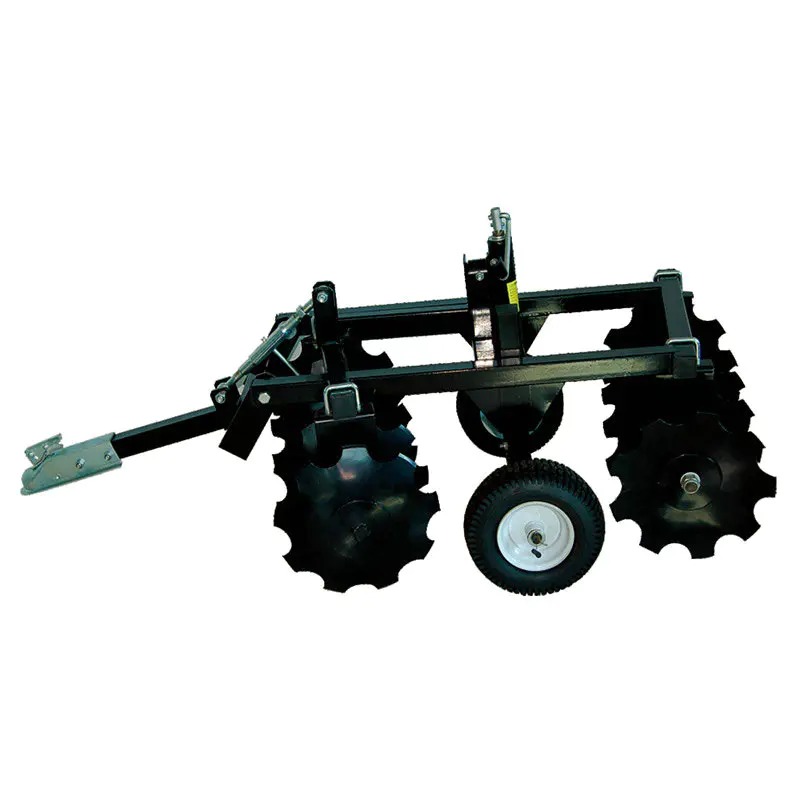 Tow ATV Disc SP31405 for Food Plots and GardensATV-pulled 33-inch disc with 14-inch notched blades and pull-tongue down pressure; check spare-part availability and match it to your ground before sizing.View Product →
Match the Disc to the Ground You Actually Have
The same implement behaves differently on two neighbouring plots. Judge your ground honestly before choosing a size:
- Clay and heavy loam Highest draft and slowest penetration. Choose the narrower disc and plan two passes.
- Sandy loam Cuts easily, but the gang can dig too deep and bury residue that should stay on the surface.
- Rocky or stony ground Rigidity matters more than width. Light discs bounce, and thin blades chip.
- Untilled sod and roots Needs weight and a steeper first angle, or the disc rides over the mat.
- Slopes Work across the fall line where possible; an over-wide disc swings the ATV off line.
Moisture changes everything. Discing wet clay smears and compacts instead of fracturing, so on a wet week the most useful tool is patience.
What to Confirm Before You Order
Whether you are buying one disc for a smallholding or a dealer order for a season, the same checklist prevents returns and warranty arguments:
- Working width measured against gate widths, trailer decks and row spacing.
- Ball and coupler size, plus the actual hitch height on your ATV.
- Blade diameter, thickness and material, and whether blades are individually replaceable.
- Bearing type, greasing interval and the part number for replacements.
- Documentation and certification if the implement will be resold in Europe or North America.
Companion implements are worth planning at the same time. A disc does the breaking; a drag harrow or roller finishes the seedbed and levels the surface, and ordering both together usually costs less than two separate shipments later.
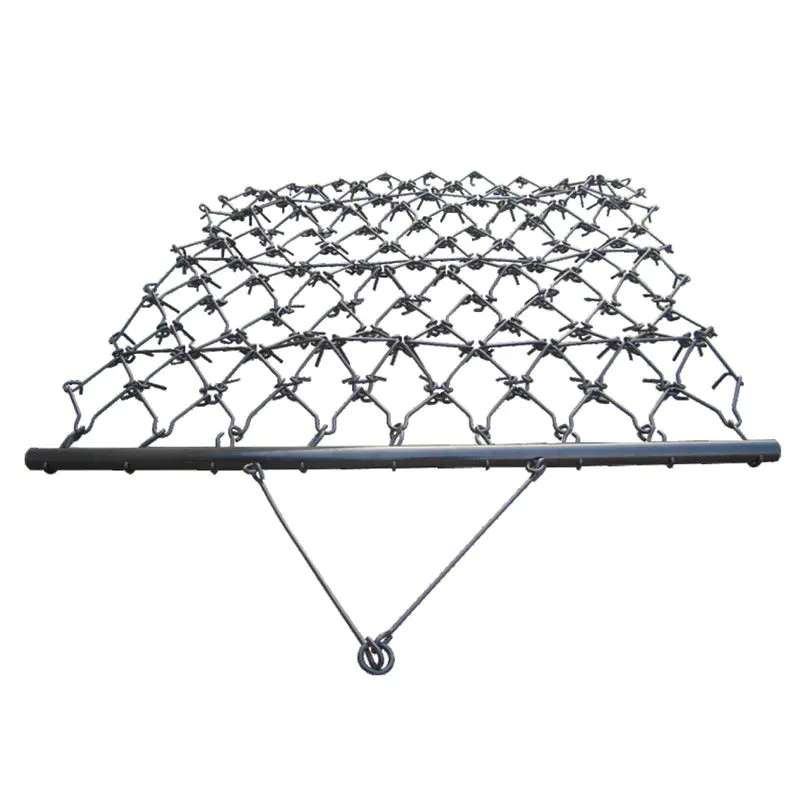 Heavy Duty Drag Harrow, 4 ft to 8 ft SeriesFour heavy-duty drag harrow widths from 4 ft to 8 ft for finishing and levelling seedbeds; compare width options before pairing with a disc.View Product →
If you are unsure which width suits your soil and machine, send your soil type, plot size and ATV model and ask for a recommendation with the pulling load explained, not just a model number.
FAQ
Q1: Can a 250cc ATV pull a disc harrow?
It can pull a narrow, light disc over soft, already-worked ground, but not a 48 inch gang through sod. Below 400cc the sensible options are a narrower disc, several shallow passes, or a lighter towed unit with fewer blades.
Q2: How fast should a disc be pulled?
Slow enough that the blades turn the soil instead of throwing it. A walking pace, roughly 3 to 5 mph, keeps the ATV in its torque band and gives the blades time to fracture clods. Speed does not replace penetration.
Q3: Do I need ballast on an ATV disc?
Only if the gangs still ride on the surface after the angle has been increased. Add weight gradually, with water drums or sandbags on the frame, and re-check that the hitch and rear suspension still handle the tongue load.
Q4: Is one pass enough to prepare a seedbed?
Rarely on untilled ground. Two passes at increasing angle, followed by a drag harrow or roller, produce a firmer and more level seedbed than one aggressive pass, and they put less stress on both the implement and the ATV.
PREV:No previous article
NEXT:3pt Aerator Buying Guide: Plug vs. Spike Tines, Width, and Matching Your Tractor Fit
NEXT:3pt Aerator Buying Guide: Plug vs. Spike Tines, Width, and Matching Your Tractor Fit
Interested in cooperation or have questions?
Related products
-
-
◆MODEL NO.: SP31405 ◆STRONG SQUARE TUBE FRAME, 1"(25MM) HIGH CARBON ST...
See Details -
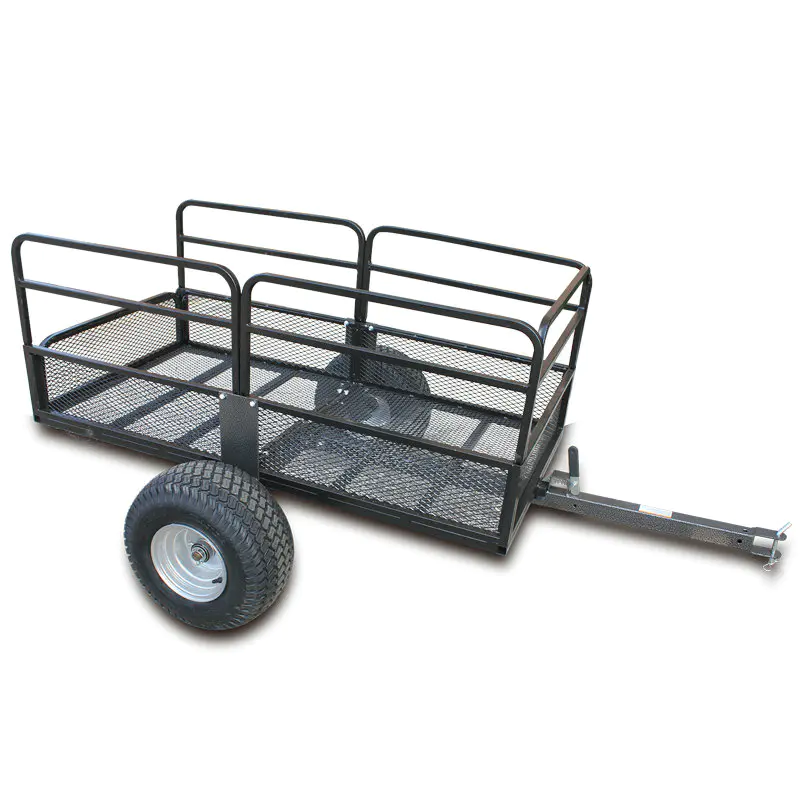
MODEL NO.: SP 22150 Removable rails and tailgate make hauling convenie...
See Details