Understanding 3-Point Hitch Wood Splitter Power Requirements
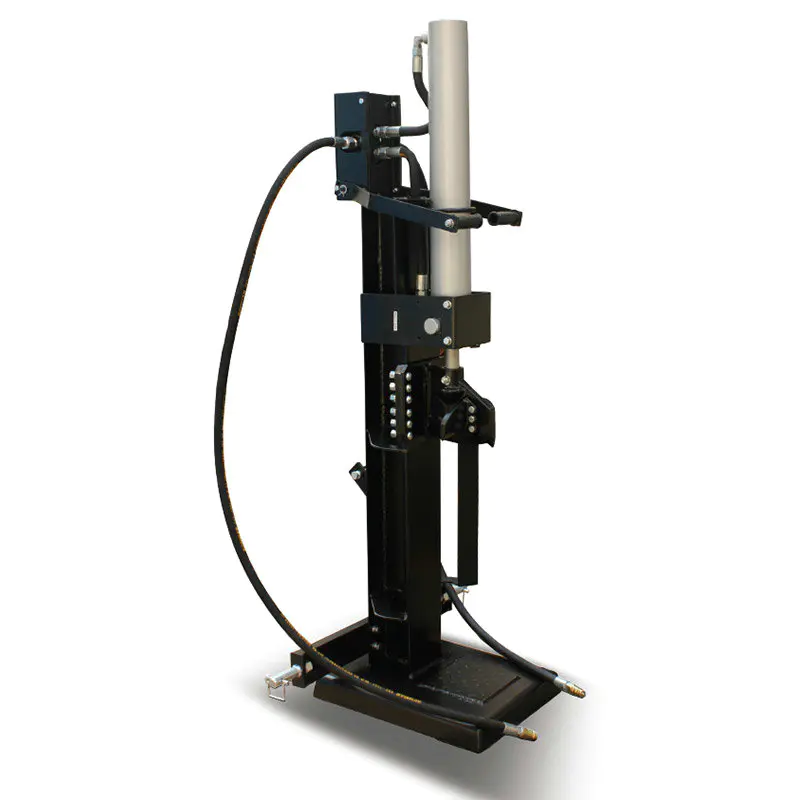
When investing in a 3 Point Wood Splitter, understanding your tractor's capabilities is essential for safe and efficient operation. These attachments leverage your tractor's existing hydraulic system or PTO shaft to generate splitting force, making them cost-effective solutions for firewood production. However, matching the right tractor size to your wood splitter ensures optimal performance and prevents equipment damage.
The power requirements depend on two primary factors: hydraulic flow rate measured in gallons per minute (GPM) and hydraulic pressure measured in pounds per square inch (PSI). Most 3-point hitch wood splitters require a minimum hydraulic flow of 4 GPM to operate effectively, while high-capacity models may demand 10-20 GPM for maximum productivity [^9^][^14^].
Hydraulic Flow Rate: The Critical Specification
Hydraulic flow rate directly impacts your wood splitter's cycle time and overall efficiency. A tractor with insufficient GPM will result in painfully slow operation, while adequate flow ensures rapid splitting cycles. Understanding your tractor's hydraulic specifications before purchasing a splitter prevents costly mismatches.
Minimum Flow Requirements by Splitter Type
Different wood splitter models have varying hydraulic demands based on their tonnage and design:
| Splitter Tonnage |
Minimum GPM |
Optimal GPM |
Cycle Time |
| 16-20 Tons |
4 GPM |
8-11 GPM |
9-15 seconds |
| 25 Tons |
8 GPM |
11-16 GPM |
11-15 seconds |
| 32+ Tons |
10 GPM |
16-20 GPM |
12-25 seconds |
At the minimum flow rate of 4 GPM, cycle times can extend to 30 seconds per log, significantly reducing productivity. Conversely, operating at optimal GPM rates can reduce cycle times to under 10 seconds, effectively doubling your firewood production capacity [^8^][^15^].
Hydraulic Pressure and Splitting Force
While flow rate determines speed, hydraulic pressure determines force. Most 3-point wood splitters require 2,000-3,200 PSI to achieve their rated tonnage. A 20-ton splitter typically needs approximately 2,900 PSI to deliver full splitting capacity [^14^].
Pressure Requirements by Tonnage
- 16-20 ton models: 2,000-2,900 PSI
- 25 ton models: 2,500-3,200 PSI
- 32-35 ton models: 2,900-4,000 PSI
Exceeding the manufacturer's recommended PSI can damage hydraulic components, while insufficient pressure results in reduced splitting force. Always verify your tractor's hydraulic pressure output matches your splitter's requirements.
Tractor Horsepower Guidelines
Horsepower serves as a general indicator of tractor capability, though hydraulic specifications remain the primary consideration. Most 3-point wood splitters are compatible with tractors ranging from 20 HP to 100+ HP, depending on the hitch category and splitter size [^15^].
Recommended HP by Splitter Category
Compact tractors with 20-35 HP can effectively run smaller 16-20 ton splitters, while mid-size tractors (35-60 HP) handle 25-ton models efficiently. For heavy-duty 32+ ton splitters designed for commercial operations, tractors with 50+ HP provide the necessary hydraulic capacity and lifting strength [^18^].
Understanding 3-Point Hitch Categories
3-point hitch categories determine physical compatibility between your tractor and wood splitter. The category is defined by lift arm pin diameter and spacing, ensuring safe attachment and operation.
Category Specifications
| Category |
Pin Diameter |
Tractor HP Range |
Common Applications |
| Category 1 |
7/8 inch |
20-45 HP |
Compact tractors, homesteads |
| Category 2 |
1-1/8 inch |
40-100 HP |
Mid-size tractors, farms |
| Category 3 |
1-7/16 inch |
80-225 HP |
Large tractors, commercial |
Most residential and small farm 3-point wood splitters utilize Category 1 hitches, compatible with compact tractors. Some heavy-duty models offer adjustable hitches accommodating both Category 1 and Category 2 specifications [^14^][^18^].
PTO vs Hydraulic Drive Options
While most 3-point wood splitters operate via hydraulic power, some models utilize the tractor's PTO shaft. PTO-driven splitters typically include self-contained hydraulic pumps and reservoirs, making them suitable for tractors with limited hydraulic capacity [^9^].
PTO Requirements
PTO wood splitters generally require:
- Standard 540 RPM PTO output
- Minimum 25-30 HP for basic models
- Proper PTO shaft length and safety shielding
- Compatible pump flow rates (typically 11-21 GPM)
PTO models offer independence from tractor hydraulic limitations but require proper PTO shaft maintenance and safety precautions [^2^].
Weight Capacity and Stability Considerations
Beyond power requirements, your tractor must safely lift and maneuver the wood splitter. 3-point wood splitters range from 200 pounds for light-duty models to over 600 pounds for heavy-duty commercial units [^14^][^18^].
Weight Guidelines by Model
- 16-20 ton splitters: 200-350 lbs
- 25 ton splitters: 350-500 lbs
- 32-35 ton splitters: 500-650 lbs
Ensure your tractor's 3-point hitch lift capacity exceeds the splitter weight by at least 20% for safe operation, especially when working on uneven terrain.
Checking Your Tractor Specifications
Before purchasing a 3-point wood splitter, gather these essential specifications from your tractor manual:
- Hydraulic flow rate (GPM) - both total flow and available auxiliary flow
- Maximum hydraulic pressure (PSI)
- 3-point hitch category and lift capacity
- PTO horsepower and RPM specifications (if considering PTO models)
- Hydraulic connection type and hose requirements
Many compact tractors offer hydraulic flow rates between 5-9 GPM, sufficient for entry-level splitters but potentially limiting for high-capacity models [^8^].
Common Mistakes to Avoid
Avoid these frequent errors when matching tractors to wood splitters:
Undersized Tractors
Using a 20 HP compact tractor with insufficient hydraulic flow on a 25-ton splitter results in cycle times exceeding 25-30 seconds and potential hydraulic system strain. Always verify GPM compatibility before purchase [^8^].
Overlooking Pressure Ratings
Assuming all tractors produce adequate hydraulic pressure can lead to disappointing performance. Some older or smaller tractors may only generate 1,500-2,000 PSI, insufficient for achieving rated splitting force on larger models.
Ignoring Hose Requirements
Many 3-point splitters require specific hydraulic hose sizes and pressure ratings. Using undersized or low-pressure hoses creates safety hazards and reduces performance. Most splitters require 1/2 inch hoses rated for 3,000 PSI minimum [^19^].
Frequently Asked Questions
Q1: What is the minimum tractor size for a 3-point wood splitter?
Most 3-point wood splitters require a minimum of 20 HP with at least 4 GPM hydraulic flow. However, for optimal performance with standard 20-25 ton splitters, tractors with 25-35 HP and 8-11 GPM flow are recommended.
Q2: Can I run a wood splitter on a sub-compact tractor?
Sub-compact tractors (under 25 HP) can operate smaller 16-ton splitters requiring only 4-5 GPM, but cycle times will be slower. Verify your hydraulic specifications before attempting to run any splitter on sub-compact equipment.
Q3: How do I measure my tractor's hydraulic flow rate?
Check your tractor's operator manual for hydraulic specifications. Look for "total hydraulic flow" or "auxiliary hydraulic flow" measured in GPM. Some manuals list separate flow rates for steering and implement circuits.
Q4: What happens if my tractor has higher GPM than required?
Higher GPM typically results in faster cycle times and improved productivity. Most splitters can handle flow rates up to their maximum specification without damage, though some models may require flow control valves for optimal performance.
Q5: Do I need a Category 1 or Category 2 hitch for my wood splitter?
Most residential and farm-grade 3-point wood splitters use Category 1 hitches, suitable for tractors up to 45 HP. Heavy-duty commercial splitters may require Category 2 hitches. Some models feature adjustable hitches compatible with both categories.
Q6: Can I use a PTO wood splitter if my tractor has weak hydraulics?
Yes, PTO-driven wood splitters with self-contained hydraulic systems are specifically designed for tractors with limited hydraulic capacity. These units use the tractor's PTO shaft to power an onboard hydraulic pump, bypassing the tractor's hydraulic system entirely.

 LANGUAGE
 English
 Deutsch
 Español
 Français
 русский