How Does the Design of a Walk-Behind Trencher Impact Its Performance?
A walk-behind trencher is a versatile and indispensable piece of machinery used for digging trenches in landscaping, construction, and utility installation. Whether installing irrigation systems, laying cables, or performing other trenching tasks, the efficiency and precision of a walk-behind trencher can significantly impact the success of any project.
Understanding Walk-Behind Trenchers
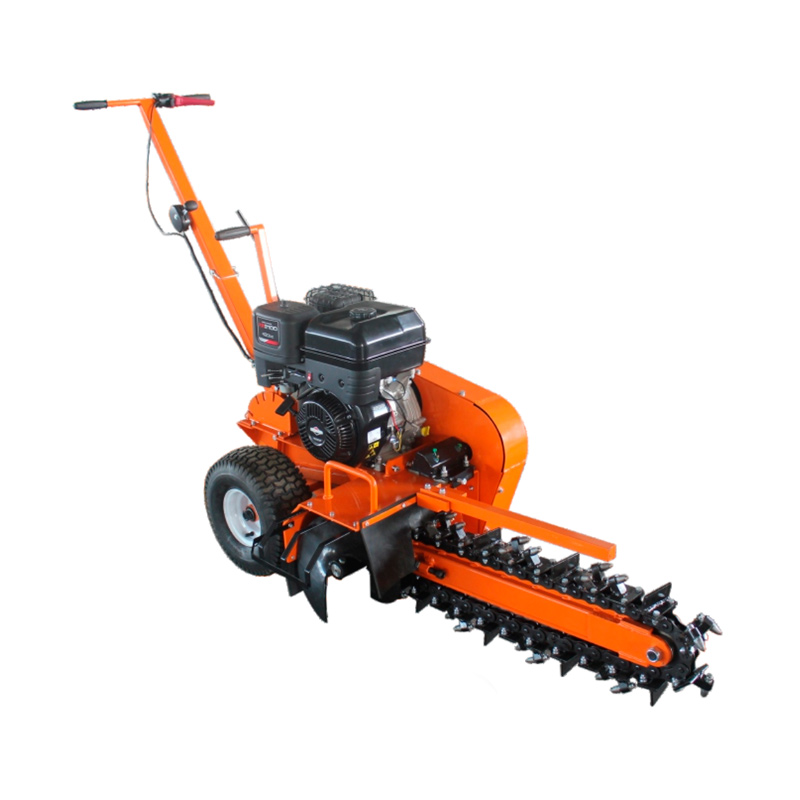
A walk-behind trencher is a compact, self-propelled machine designed to dig narrow, straight trenches in various types of soil. These trenchers are particularly useful for digging shallow to medium-depth trenches for applications like irrigation, drainage systems, and utility lines. Their design allows for easy maneuverability in tight spaces, making them an ideal choice for residential or urban settings where larger, more cumbersome equipment may not fit.
Key Features of Walk-Behind Trenchers
- Compact and Maneuverable: Walk-behind trenchers are designed to be lightweight and easy to operate, allowing workers to maneuver them in confined spaces and around obstacles.
- Adjustable Depth Controls: These trenchers allow operators to control the trenching depth, making them versatile for various applications, from shallow trenches for irrigation to deeper ones for utility installation.
- Variety of Attachments: Depending on the specific needs of the project, walk-behind trenchers can be equipped with various attachments such as different sizes of digging chains, wheels, or even plows for added versatility.
Applications of Walk-Behind Trenchers
Landscaping and Garden Projects
Walk-behind trenchers are commonly used in landscaping to dig trenches for sprinkler systems, drainage lines, or decorative features. Their ability to make precise, narrow cuts ensures minimal disruption to the surrounding landscape, making them perfect for residential gardens or commercial landscaping projects.
Utility Installation
In construction and utility sectors, trenchers are used for laying cables, pipes, and other utilities underground. The trencher’s ability to dig accurately and to various depths speeds up the process, reducing labor and improving overall productivity.
Irrigation Systems
One of the most common uses of walk-behind trenchers is for installing irrigation systems. Their ability to dig narrow trenches makes them ideal for running irrigation pipes efficiently without disturbing large areas of soil.
Cable and Wire Laying
Electricians and utility workers rely on walk-behind trenchers for cable and wire laying, as these machines can dig precisely to the depth needed, minimizing damage to existing underground infrastructure.
Technical Specifications of Walk-Behind Trenchers
| Feature |
Description |
| Engine Power |
Typically ranges from 5 to 15 horsepower, depending on the model. |
| Trenching Depth |
Adjustable depth settings, commonly from 3 to 24 inches. |
| Trenching Width |
Can vary from 4 inches to 12 inches, based on the attachment. |
| Weight |
Typically ranges from 200 to 700 lbs, depending on size. |
| Drive System |
Self-propelled, with either hydrostatic or gear drive. |
Material Considerations for Walk-Behind Trenchers
The performance and durability of a walk-behind trencher depend largely on the materials used in its construction. Key components such as the frame, cutting chain, and wheels are made from heavy-duty materials to withstand tough working conditions.
- Steel and Alloy Frames: The frame of a walk-behind trencher is typically made from high-strength steel or alloy materials to provide durability and resist wear.
- Carbide-Tipped Teeth: The digging chain is equipped with carbide-tipped teeth that enhance cutting efficiency and longevity. These materials are designed to handle tough soils, including clay, rock, and hardpan.
- Rubber and Steel Wheels: Depending on the model, trenchers may have rubber tires for better traction on soft or uneven surfaces, or steel wheels for increased durability on harder surfaces.
Comparing Walk-Behind Trenchers with Other Trenching Machines
While walk-behind trenchers are versatile and effective for small to medium-sized projects, they are not always the best choice for larger, more demanding jobs. Let’s compare walk-behind trenchers with other types of trenching equipment, such as drum spike aerators, used for soil aeration in agricultural settings, or larger trenching machines like ride-on trenchers.
| Equipment |
Ideal For |
Trenching Depth |
Trenching Width |
Key Advantages |
| Walk-Behind Trencher |
Small to medium-scale landscaping, irrigation, utilities |
3 to 24 inches |
4 to 12 inches |
Compact, maneuverable, cost-effective |
| Drum Spike Aerator |
Soil aeration, lawn care, agricultural applications |
Shallow (2 to 4 inches) |
Narrow, precise holes |
Improves soil compaction, promotes root health |
| Ride-On Trencher |
Large-scale construction, commercial utility work |
24 inches and beyond |
12 inches and more |
Faster operation, higher capacity for deep trenches |
Advantages of Walk-Behind Trenchers
- Cost-Effectiveness: Compared to larger, industrial trenching machines, walk-behind trenchers are significantly more affordable, making them an attractive option for small businesses or homeowners.
- Ease of Use: With their compact size and user-friendly controls, walk-behind trenchers are easier to operate, even for those with limited experience.
- Accessibility: These trenchers can be used in areas where larger equipment cannot reach, such as residential lawns or commercial properties with narrow spaces.
Maintenance and Care
Maintaining a walk-behind trencher ensures its longevity and performance. Key maintenance steps include:
- Regular Lubrication: Ensuring that moving parts, particularly the cutting chain and gears, are well-lubricated to avoid friction and wear.
- Inspection of the Chain: The cutting chain should be checked regularly for signs of wear or damage. Replacing the chain when necessary ensures efficient trenching.
- Tire Maintenance: Proper inflation and checking for any wear or punctures on the tires can help maintain the machine’s mobility.
- Engine Care: Routine checks of the engine oil, air filter, and spark plug help ensure smooth operation and prevent engine failure during use.
Why Choose Us?
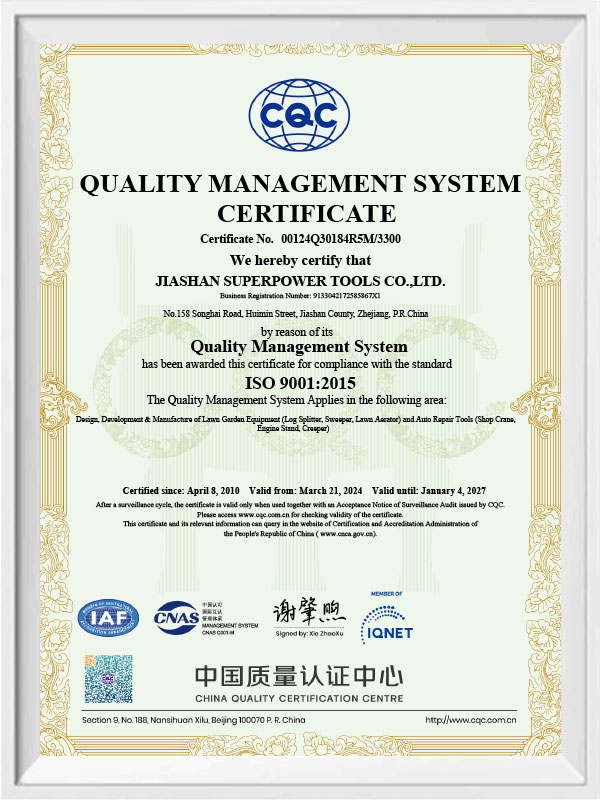
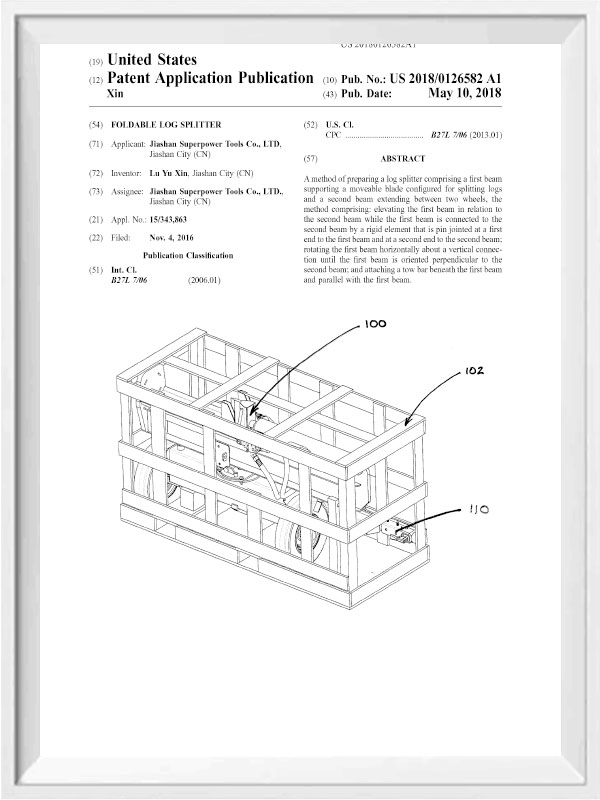
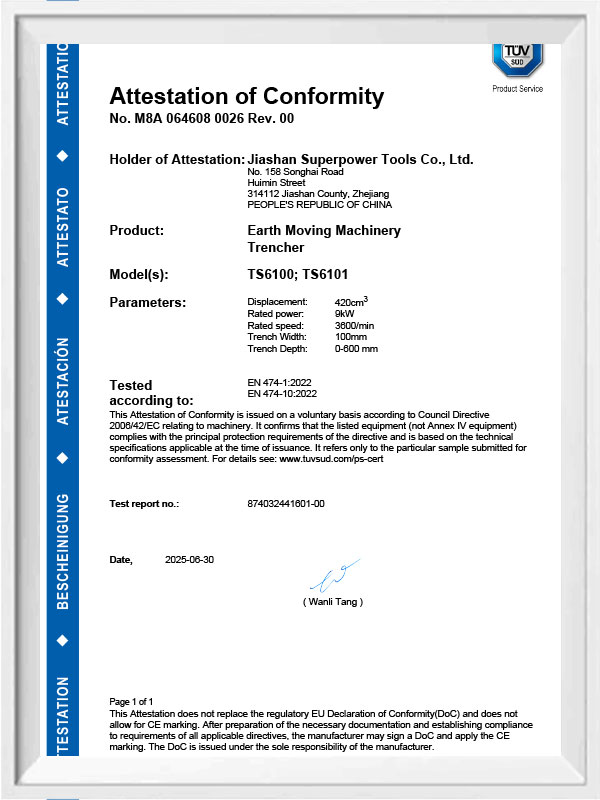
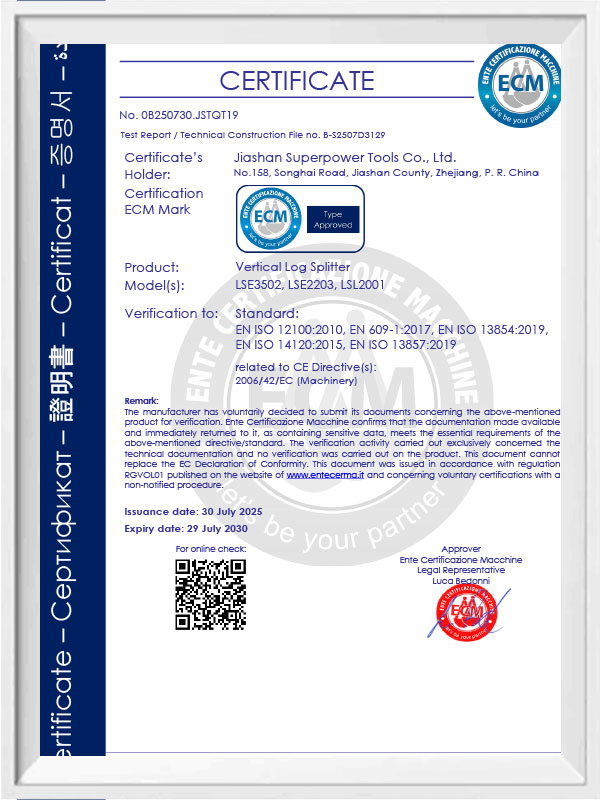
As a leading manufacturer specializing in outdoor power equipment, Jiashan Superpower Tools Co., Ltd. plays a key role in producing high-quality walk-behind trenchers and other lawn and garden products. The company’s commitment to quality is reflected in its ISO 9001:2015 certification and CE-certified products. With a focus on precision manufacturing and durable materials, Jiashan Superpower Tools ensures that its trenchers meet the highest standards of performance.
The company’s attention to detail, from production monitoring to rigorous testing, guarantees that their products operate smoothly and efficiently. Whether you are a landscaper, contractor, or DIY enthusiast, Jiashan Superpower Tools provides reliable and durable trenching solutions tailored to meet various project requirements.
Conclusion
In conclusion, walk-behind trenchers are an essential tool for any landscaping or construction project that requires efficient and precise trenching. With their compact design, adjustable depth controls, and versatility, they offer a cost-effective solution for a range of applications, from installing irrigation systems to laying cables and utilities. By understanding their key features, applications, and maintenance needs, operators can ensure optimal performance and longevity.

 LANGUAGE
 English
 Deutsch
 Español
 Français









 New Item
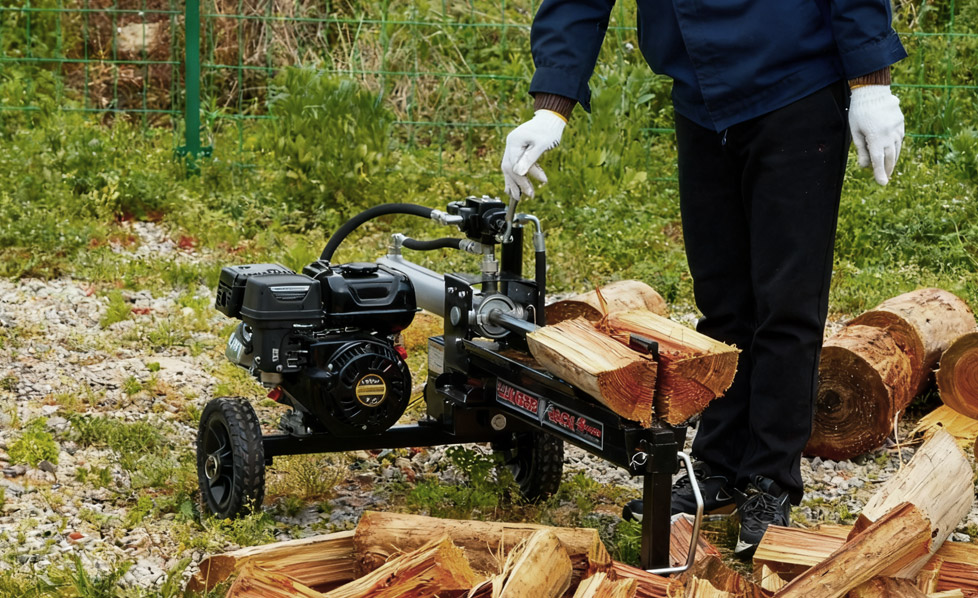
 Log Splitter
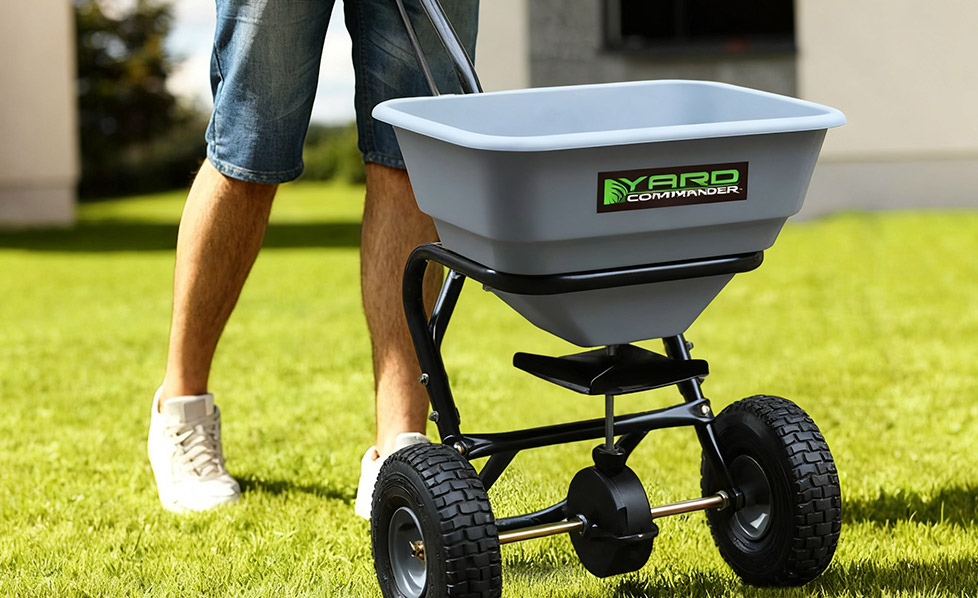
 Spreader
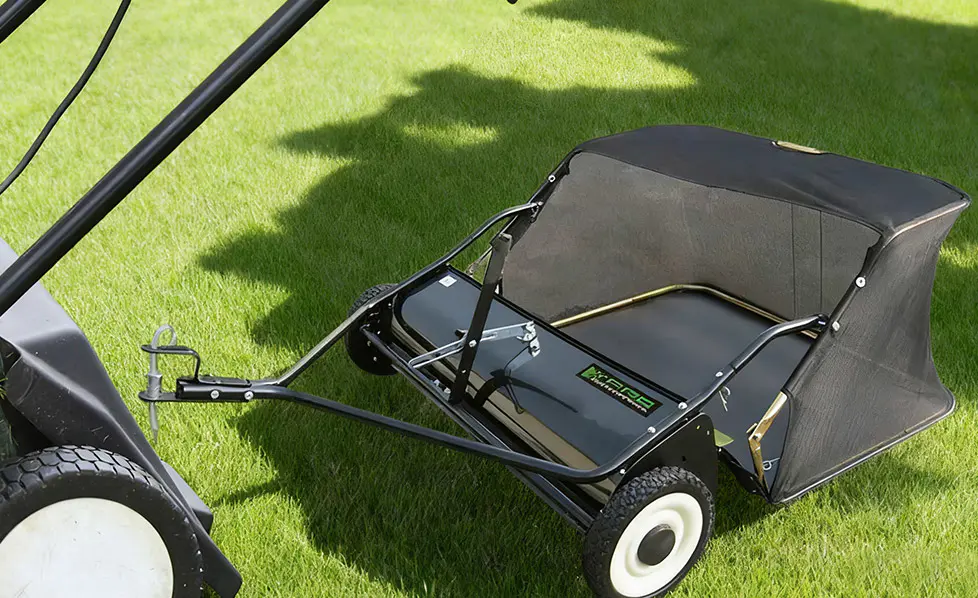
 Lawn Sweeper
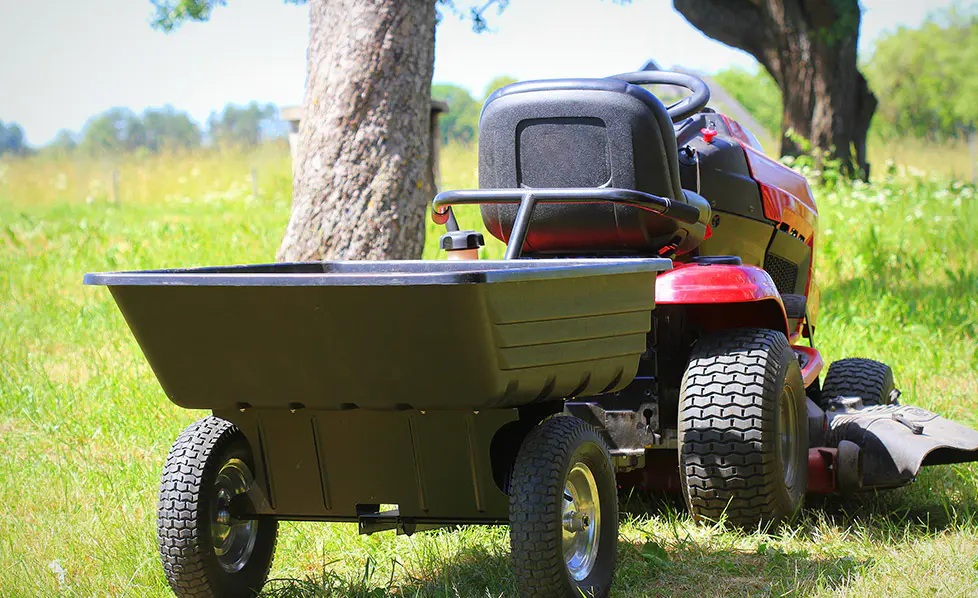
 Dump Cart
 Lawn Groomer
 Chipper Shredder
 Stump Grinder
 Outdoor Power Equipment