
 LANGUAGE
 English
 Deutsch
 Español
 Français
 русский










● Features ultra-quiet, specially designed fan● Variable speed hydrost...
See Details
Electric Leaf Mulcher Shredder Buying Guide: Power, Ratio, Safety & Maintenance
Each fall, a single large oak can release hundreds of pounds of leaves onto a residential lawn. On a typical suburban property, that often translates into 15 to 20 bags of raked leaves every weekend during peak season. Bagging takes hours, leaf piles block storm drains, and open burning is prohibited in most municipalities. An electric leaf mulcher shredder solves this problem at the source. It reduces a pile of dry leaves to a fraction of its original volume, usually down to 1/10th or less, and converts the waste into a useful ground cover or compost ingredient.
For most suburban properties, a 13-amp electric leaf mulcher shredder with a mulching ratio of at least 10:1 is the practical sweet spot.
Understanding how these machines work, what to look for when buying one, and how to use them safely will help you choose the right model for your yard size and leaf volume.
What an Electric Leaf Mulcher Shredder Actually Does
An electric leaf mulcher shredder uses a high-speed electric motor to drive a cutting assembly inside a cylindrical chamber. Leaves enter through the top feed opening, strike the rotating blades or hammers, and are torn into small fragments. The shredded material falls through a discharge chute into a collection bag, reducing the leaf pile to almost nothing in volume.
Compared with gas-powered equipment, the electric version runs on household current. Push a button to start it, feed leaves in steady batches, and let the motor do the work. There is no fuel mixing, no carburetor adjustments, no exhaust fumes, and no pull cord. That makes an electric leaf mulcher shredder a clean, low-maintenance option for residential use.
The process also turns yard waste into something useful. Shredded leaves decompose faster in a compost pile, and they can be spread directly over flower beds as a winter mulch. The machine does double duty by reducing disposal effort and producing a soil amendment at the same time.
Key Buying Factors to Consider Before Choosing a Model
Whether you are clearing a small townhouse garden or a multi-acre property, these specifications determine if a machine will save you time or create frustration.
Recommended Motor Power
13 Amp (120V) / 2,500W (230V)
for residential leaf cleanup
Motor Power and Voltage
Most residential electric leaf mulchers use a 13-amp motor, which is roughly equivalent to 1.5 horsepower or 1,500 watts. This is enough for dry, crisp leaves and can handle small twigs up to a certain diameter. Machines drawing less than 10 amps may struggle with thick layers of wet leaves or dense oak foliage. In European and Australian markets, the equivalent is a 230V motor rated around 2,500 to 2,800 watts.
Mulching Ratio
The mulching ratio indicates how much the machine reduces the original leaf volume. A ratio of 10:1 is a reasonable baseline for dry leaves. Higher ratios such as 16:1 or 20:1 produce finer mulch and require fewer trips to empty the collection bag. A higher ratio is especially useful for mixed leaf types and for gardeners who plan to use the mulch in flower beds.
Feed Opening Size
The feed chute opening determines how fast you can work. A wider opening accepts whole leaf piles without pre-sorting. A narrower opening forces you to break up clumps, which adds time. For typical dry leaf cleanup, an opening of 7 to 8 inches is practical. If you plan to feed small dry twigs, look for a secondary branch intake designed for that purpose.
Safety Features
Every electric leaf mulcher shredder should have a safety switch that prevents startup when the feed chute is open. An overload reset button protects the motor when too much material is fed at once. A feed paddle or tamper tool lets you push leaves into the chute without reaching inside, and a securely attached collection bag prevents dust from escaping.
These features are standard in compact residential models such as the electric poly chipper shredder CPY0120, which balances power with portability for typical suburban properties.
 Electric Poly Chipper Shredder CPY0120 for Residential UseThis electric poly chipper shredder balances power with portability, making it suitable for typical suburban properties. It is a practical choice for homeowners seeking efficient yard waste reduction.View Product →
Electric vs Gas: Which Drive Type Fits Your Yard Size
The choice between an electric and a gas leaf mulcher shredder is mostly about where and how you plan to use it. The table below summarizes the practical differences.
| Factor | Electric | Gas |
|---|---|---|
| Power source | Household outlet 120V or 230V | Petrol engine |
| Noise level | 70-80 dB | 90 dB and above |
| Startup | Push button | Manual pull or electric start |
| Maintenance | Minimal, no oil changes | Carburetor, spark plug, oil changes |
| Weight | 20-30 lbs | 50-100 lbs |
| Best for | Suburban yards near power | Off-grid or large properties |
| Cost of operation | Lower, electricity is cheap | Higher, fuel adds up |
Electric machines are the better fit for most city and suburban properties. They are quiet enough to use without disturbing neighbors, and they can run from an outdoor outlet or a standard extension cord. A 13-amp model draws about the same current as a typical household appliance, so most residential circuits will handle it without issue.
Gas machines are for large rural properties, off-grid cabins, or yards far from a power outlet. They are heavier, louder, and more expensive to maintain, but they deliver consistent power regardless of where you are. If you are clearing leaves on an orchard or a farm that produces a massive volume each fall, a gas-powered unit may be worth the noise and upkeep.
If you need to understand the broader benefits of this equipment, read what a chipper shredder can do for yard waste, which covers both electric and gas models.
What Can You Feed Into an Electric Leaf Mulcher Shredder
The material you feed into the machine has a significant impact on performance and blade life. Here is a practical breakdown of what works and what to avoid.
- Dry leaves: The primary material. Dry, crisp leaves produce the finest mulch.
- Green leaves and grass clippings: Acceptable in small amounts, but wet material can clog the screen and wrap around the cutting assembly. Feed green material in thin layers.
- Small twigs: Many electric models handle twigs up to 0.75 inches in diameter. Always check the manufacturer specification first.
- Pine needles: Fine and dry, they pass through quickly and are useful for acid-loving plants.
- Vines and thin roots: Process in small batches. Long vines can tangle around the blades.
- Do not feed: Metal, stones, thick branches over the rated limit, or large quantities of wet sod.
For composting purposes, you want to feed only materials that will break down quickly while maintaining a good carbon-to-nitrogen balance. Learn more about the type of organic waste you can safely process through a chipper shredder to make effective compost.
A machine with a dedicated branch chute, such as the CPY0110 chipper shredder, lets you feed dry twigs without mixing them into the main leaf feed.
 Chipper Shredder CPY0110 with Dedicated Branch ChuteThe CPY0110 features a dedicated branch chute, allowing you to feed dry twigs separately from leaves. This design helps maintain consistent performance and prevents clogging during operation.View Product →
Maintenance and Care for Long Service Life
Electric leaf mulcher shredders require less maintenance than gas-powered machines, but they are not maintenance-free. Regular care will extend the life of the motor and cutting assembly.
Blade and Hammer Wear
Check the cutting blades or hammers after every few uses. Dull blades produce larger pieces, demand more motor power, and increase the risk of jamming. Many residential models use reversible blades, so you can flip them to use the other edge before ordering replacements. Discard blades that show noticeable chipping or cracks.
Cleaning and Storage
Leaves contain acids and moisture that can accelerate corrosion. After each use, unplug the machine, remove the collection bag, and wipe the feed chute and cutting chamber with a dry brush or cloth. Do not hose down the motor housing. Store the machine in a dry location and disconnect it from the outlet when not in use. Before winter storage, run it briefly with dry leaves to clear residue, then place it in a shed or cover it outside.
Choosing a model with accessible cutting mechanisms simplifies these routine checks. The CPY0200 chipper shredder is one example where the housing can be opened for service without a full toolkit.
 Chipper Shredder CPY0200 with Accessible Cutting MechanismThe CPY0200 is designed with an accessible cutting mechanism, enabling you to open the housing for service without a full toolkit. This simplifies regular maintenance and clearing tasks.View Product →
Frequently Asked Questions
Q1: What should I do if the electric leaf mulcher shredder jams?
Turn off the machine, unplug it from the outlet, and wait for the cutting assembly to stop completely. Remove the feed chute or access panel where possible, then use a wooden stick or a gloved hand to clear the material. Never reach into the chute with your bare hand while the machine is plugged in.
Q2: Can I use the shredded leaves directly as mulch in flower beds?
Yes. Dry shredded leaves make an excellent winter mulch. Spread a 2 to 3 inch layer over the soil surface around perennials and shrubs. Allow the material to dry before applying, because wet mulch can encourage fungal growth.
Q3: How often should I inspect the blades or hammers?
Inspect them after every 5 to 8 hours of use, or whenever you notice a drop in shredding efficiency. If the blades are reversible, flip them when they become dull. Replace them as soon as a chip or crack appears.
PREV:No previous article
NEXT:25 Ton Wood Splitter Buying Guide: Power, Types, and Real-World Use Cases
NEXT:25 Ton Wood Splitter Buying Guide: Power, Types, and Real-World Use Cases
Interested in cooperation or have questions?
Related products
-
-
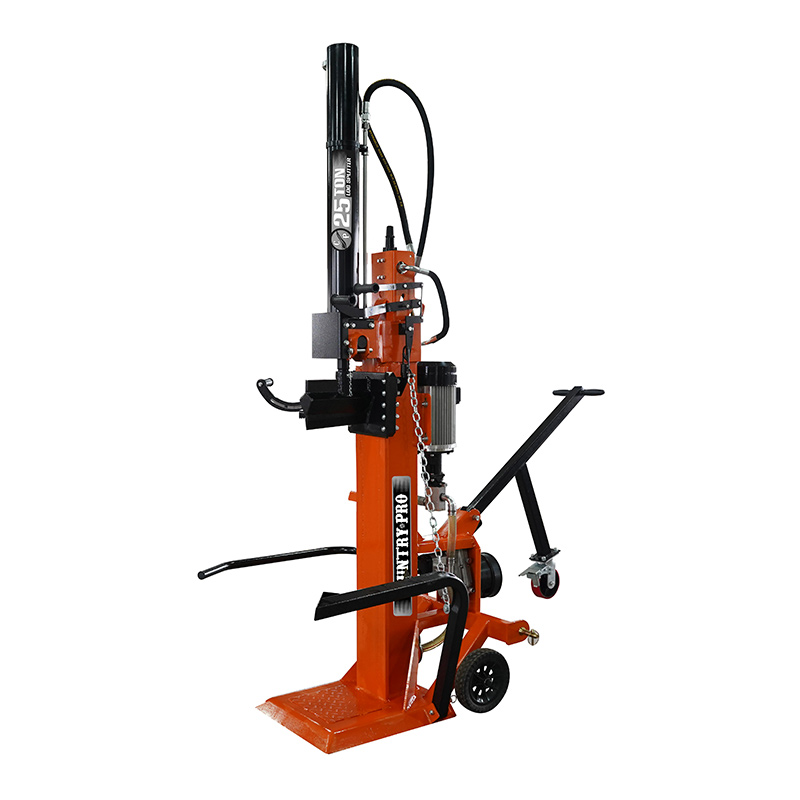
Vertical operation position onlyHardened steel wedge43.3” / 110cm log ...
See Details -
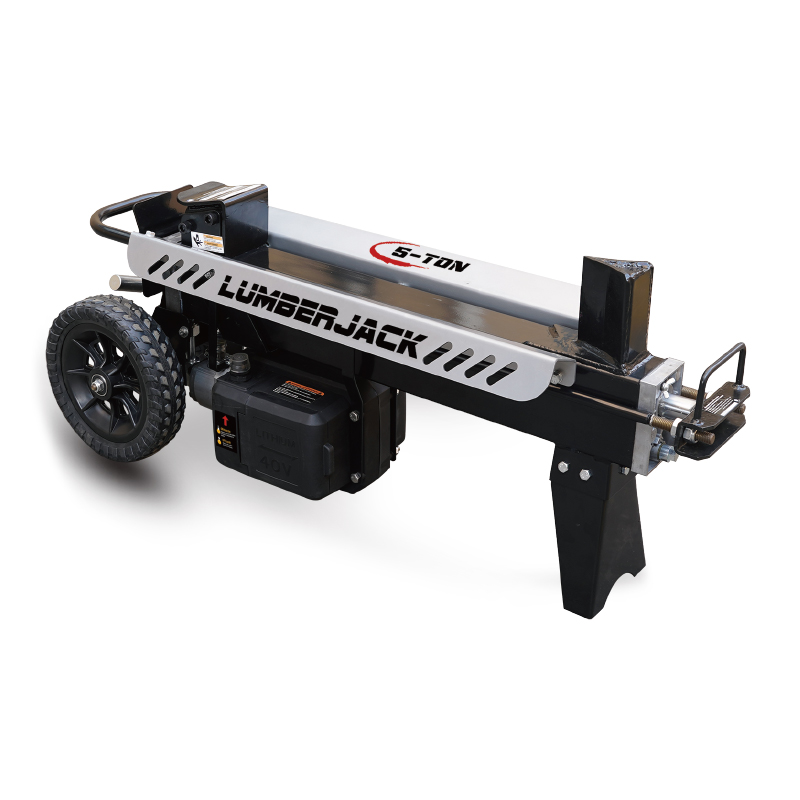
●40-Volt Brushless MotorThis reliable motor is highly efficient provid...
See Details -

●60-Volt Brushless MotorThis reliable motor is highly efficient provid...
See Details -

● 20-ton Splitting ForceCapable of splitting logs 21”/ 53cm ng with a ...
See Details -
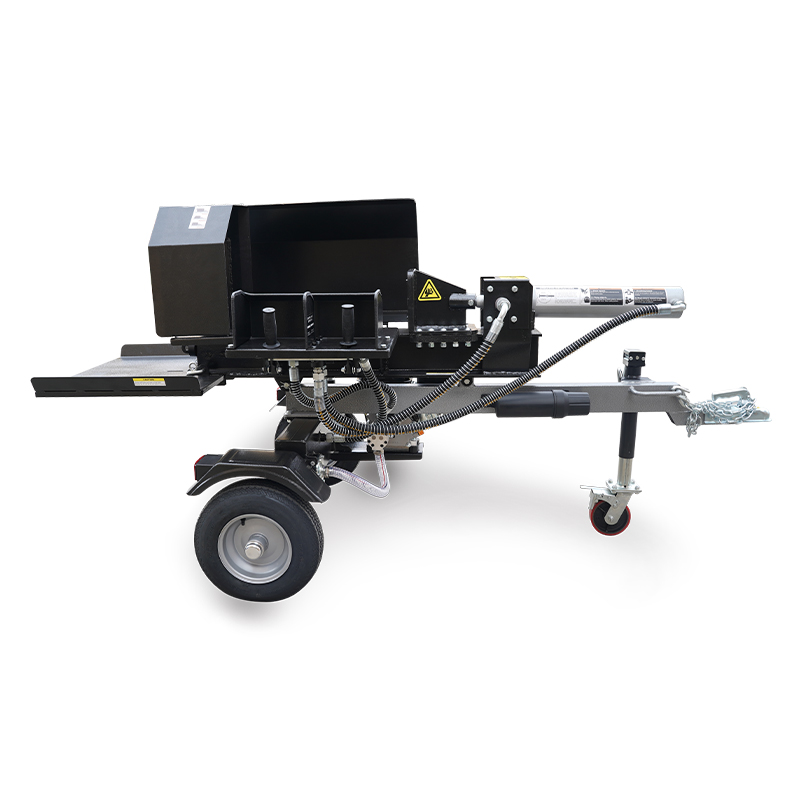
● Horizontal operation position only● Hardened steel wedge● Steel log ...
See Details
