
 LANGUAGE
 English
 Deutsch
 Español
 Français
 русский
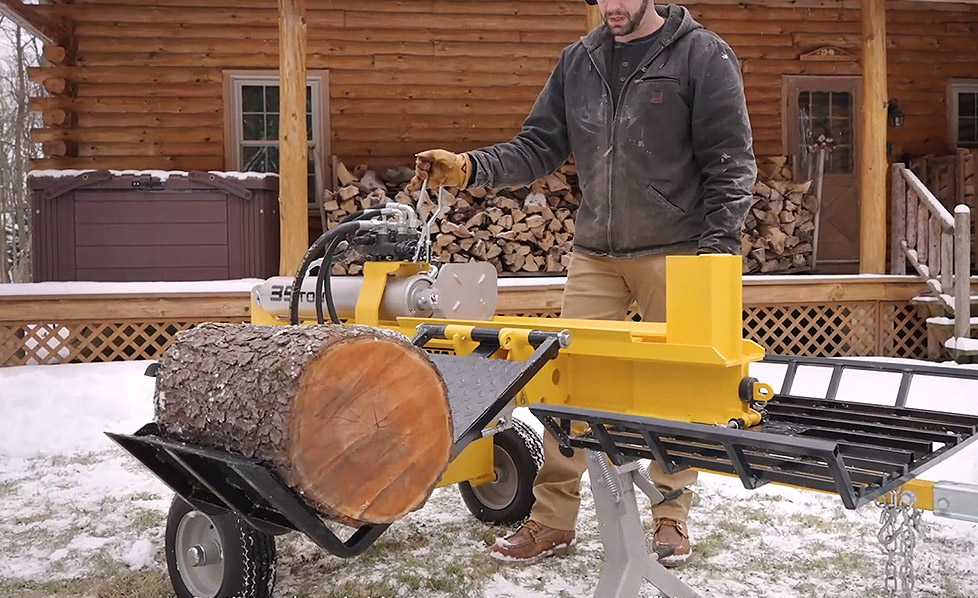
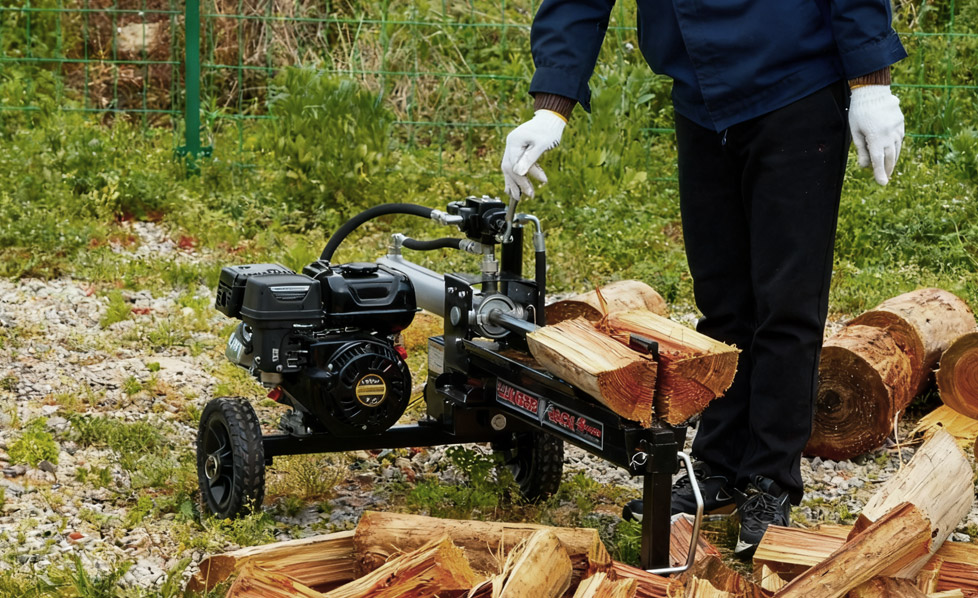









DESCRIPTION 14Ton 3PT log splitter attaches to Category 1 tractor 3-pt...
See Details
50 Ton Wood Splitter Buying Guide: Power, Cycle Time, and What to Check
If your firewood production includes rounds that are 24 inches or wider, or if you spend your winters splitting frozen oak that resists a 30-ton machine, you already know why the 50-ton class exists. This is not a machine for occasional kindling. It is a production tool meant to turn oversized logs into usable firewood with the least amount of physical effort.
Before you buy, apply the same logic that a professional firewood supplier would: force is only part of the equation. Cycle time, beam rigidity, hydraulic fluid capacity, and maintenance access decide whether a 50-ton splitter pays for itself in one season or several.
What Does 50 Tons Actually Mean?
The tonnage rating on a wood splitter is the maximum force the wedge can push against the log. It is calculated from the hydraulic pump pressure and the surface area of the cylinder. A 50-ton rating does not mean the machine weighs 50 tons, nor does it mean it will split every log instantly.
At 50 tons, you are looking at the practical upper end for a log splitter. It can handle hardwood such as oak, maple, and hickory with significant diameter, and it can do so with less need for pre-cutting with a chainsaw. However, the rating is measured when the hydraulic system is at full pressure. If the pressure relief valve is set too low, or the pump cannot deliver the needed flow, you will still stall on a tough crotch of a tree.
Use this guideline as a starting point when evaluating a 50-ton model:
- 12 to 18 tons: light household wood, up to 10-inch logs.
- 20 to 30 tons: average firewood, up to 18 to 20-inch logs.
- 35 to 40 tons: large rounds and commercial firewood.
- 50 tons and above: oversized, knotty, or frozen hardwood, with high output expectations.
Key Specifications to Compare
When you compare 50-ton splitters, the following specs will have the greatest impact on your daily workflow.
Hydraulic Pump Flow
Flow rate, measured in gallons per minute (GPM), controls cycle speed. A higher flow rate moves the cylinder faster. For a 50-ton machine, you want a pump that can maintain pressure without overheating during long sessions.
Cycle Time
Cycle time is the total time for the wedge to extend and retract. A 50-ton splitter with a fast cycle time can out-produce a slower machine, even if both have the same force rating.
Beam Design
Full-beam and half-beam designs differ in weight, stability, and ease of transport. A full-beam chassis generally offers more rigidity, which matters when you are splitting heavy logs.
Log Capacity
Length and diameter limits define the largest log the machine can accept. Check the cylinder stroke and the position of the wedge to see if your largest rounds fit without log rolling or repositioning.
When comparing specifications, remember that a splitter that delivers 50 tons of force but takes 20 seconds per cycle will produce less wood in a day than a 40-ton machine with a 10-second cycle.
For a detailed look at how tonnage relates to wood species and firewood volume, read how to choose the right log splitter for your firewood volume and wood type.
Where a 50 Ton Class Splitter Fits in a Firewood Operation
A machine in this class is best used for serious firewood production. It is also the right choice if you handle storm-damaged timber, process logs for resale, or work with very dense species that are difficult to split in the winter.
At Superpower Tools, we build high-tonnage splitters with a focus on stable frames and durable hydraulics. Models in the 35-to-40-ton range already cover much of the work that a 50-ton splitter is asked to do, and the difference is often in cycle speed and operator comfort. For example, the Forest King 37-ton rapid log splitter is designed with a full-beam frame and a fast-acting hydraulic system. The Black Diamond 35-ton half-beam splitter provides a lighter footprint while still handling demanding rounds. For users who want a wide range of capacities from one platform, the LSP3700 and LSP4002 full-beam models offer 37-ton and 40-ton splitting power with a common chassis.
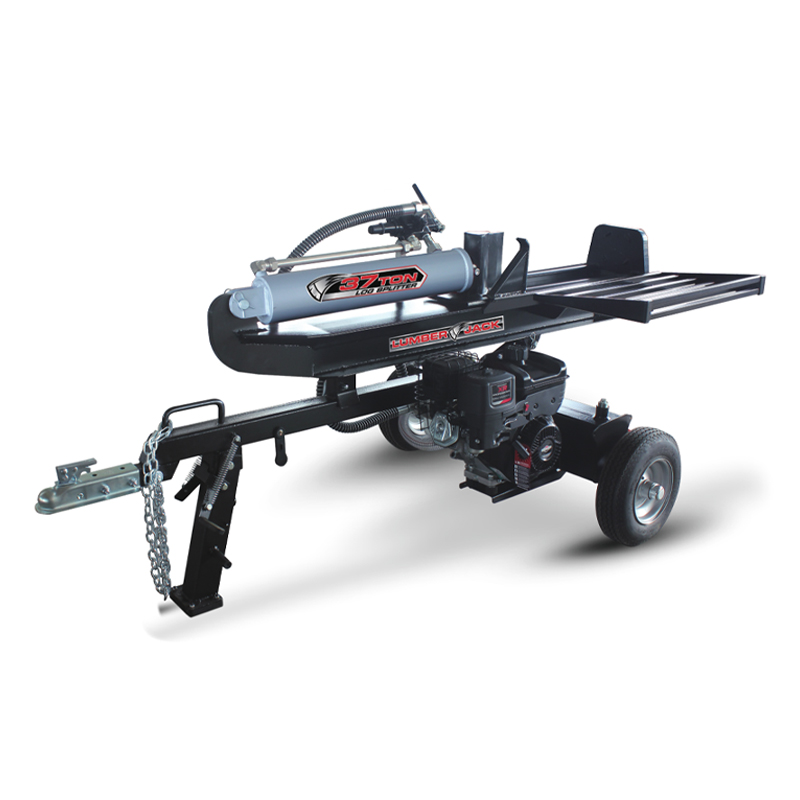 LSP3700 and LSP4002 Full-Beam Log Splitters with Common ChassisThese full-beam models provide 37 or 40 tons of splitting power on one platform. They feature fast assembly, auto-return valve, and built-in log cradle, making them versatile for varied log sizes.View Product →
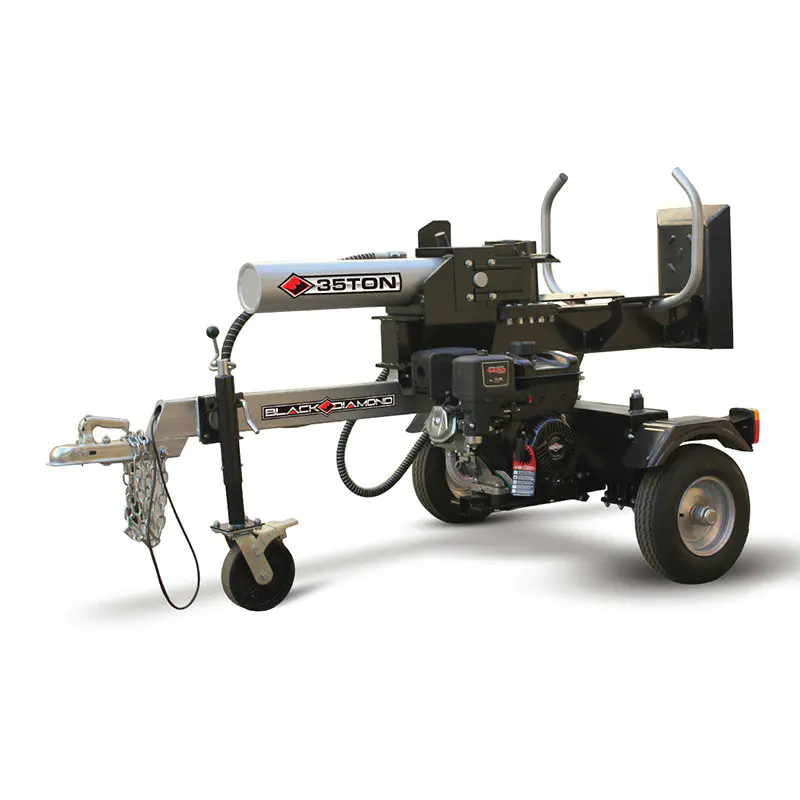 Black Diamond 35-Ton Half-Beam Gasoline Log SplitterA lighter-footprint splitter that still tackles tough logs. It offers both vertical and horizontal splitting positions, hardened steel cylinder, and a convenient 7-in-1 plug for vehicle connection.View Product →
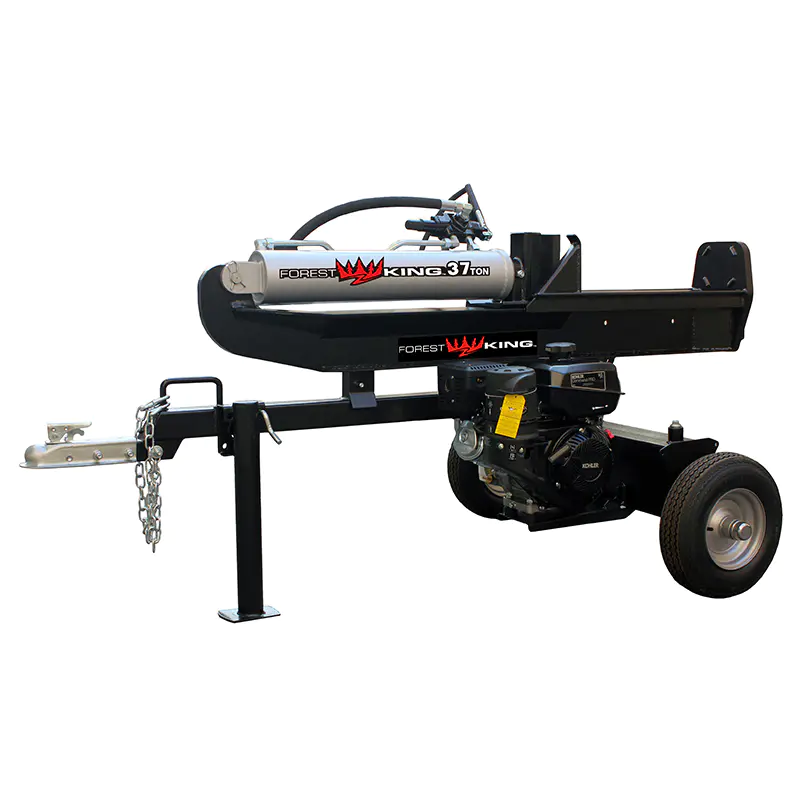 Forest King 37-Ton Rapid Log Splitter with Full Beam DesignThis full-beam splitter operates horizontally or vertically to handle demanding rounds. Its fast-acting hydraulic system and square log cradle improve efficiency and safety, with engine options including Kohler, LCT, or Rato.View Product →
Choose the specific model based on the largest logs you intend to handle and the way you transport the machine. If you need a full description of how the hydraulic system behaves in large diameter work, our article what size and tonnage log splitter do you need outlines how to match the machine to your actual output target.
Safety Features That Deserve Attention
At 50 tons, the cylinder can crush a hand or foot in a fraction of a second. Do not treat safety features as optional. At this power level, even a 2-second reaction time can be the difference between a near miss and a serious injury.
- Two-hand controls: require both hands to engage the cylinder when the wedge is open. This keeps hands away from the splitting zone.
- Wedge shields or guards: protect the operator from flying splinters and bark. They are especially useful when splitting knotty logs.
- Hydraulic relief valve: prevents the system from building excessive pressure. It also protects the pump and cylinder from damage when the wedge jams.
- Stable grounding: tires, a solid base, and a low center of gravity prevent the machine from tipping when a heavy log is loaded onto the beam.
- Automatic log cradles: help hold the round in place, so you are not tempted to reach toward the wedge to steady it.
Maintenance Before and After Each Session
A 50-ton splitter is a hydraulic and mechanical system. The two most frequent causes of downtime are contaminated hydraulic fluid and damaged hoses or seals. A small maintenance routine prevents most of these problems.
- Check hydraulic fluid level before every session. If the fluid is cloudy or smells burnt, replace it and inspect the filter.
- Inspect the hoses and fittings for chafing, bulges, or leaks. Do not wait for a visible puddle.
- Grease the beam slide and the wedge assembly at the intervals specified in the manual.
- Test the pressure relief valve by running the wedge against a hard stop briefly, then confirm it returns to neutral safely.
- Clean the splinter debris around the cylinder and the pump. Dust and bark can cover leaks and cause the hydraulic fluid to overheat.
- Store the machine with the cylinder slightly extended, not fully retracted, to reduce pressure on the rod seal.
When the machine is not splitting, keep hoses away from sharp edges and always use a cover if it sits outdoors. This is especially important in climates with freezing winters.
Common Mistakes When Choosing a 50 Ton Wood Splitter
Buying this class of equipment is different from buying a small electric splitter. The initial purchase price is higher, and the operating cost depends on fuel, maintenance, and downtime. Avoid these common mistakes before delivering a final decision.
- Overspecifying based on the biggest log you own, instead of the average log you process every week. If most of your rounds are 16 to 20 inches, a 30-ton machine may already be the better value.
- Ignoring the pump flow rate. A 50-ton rating means little if the pump is too slow to return the wedge, because your total output will drop sharply.
- Overlooking transport dimensions and weight. A full-beam 50-ton splitter may not fit on a standard utility trailer, and it can be difficult to move through a narrow gate or over soft ground.
- Assuming all high-tonnage splitters are built to the same standard. Compare steel thickness, weld quality, axle capacity, and the quality of the hydraulic components.
- Not planning for service access. If the hydraulic fluid reservoir is buried under the engine, routine checks become frustrating and more likely to be skipped.
Your goal should be a machine that can handle your largest logs without losing productivity on the typical logs that make up most of your daily work. The same logic applies at every tonnage level, from the smallest electric unit to the heaviest production splitter.
Final Buying Recommendation
Choose a 50-ton wood splitter only if your logs and your production goals require it. The right unit will have a pump and cylinder designed to maintain the advertised force, a beam that does not flex under load, and safety controls that allow you to work continuously without anxious moments.
Start with the wood you actually split most of the time, not the one hero log that people remember. Then compare cycle speed, hydraulic flow, build quality, and after-sales access. If a 35-ton or 40-ton model can hit your daily output with less weight and cost, that is often the smarter purchase. If you truly need 50 tons, focus on the parts that keep it running: the pump, the valve, the hoses, and the seals.
PREV:No previous article
NEXT:Wood Chipper and Mulcher: How to Choose the Right Machine for Your Yard
NEXT:Wood Chipper and Mulcher: How to Choose the Right Machine for Your Yard
Interested in cooperation or have questions?
Related products
-
-
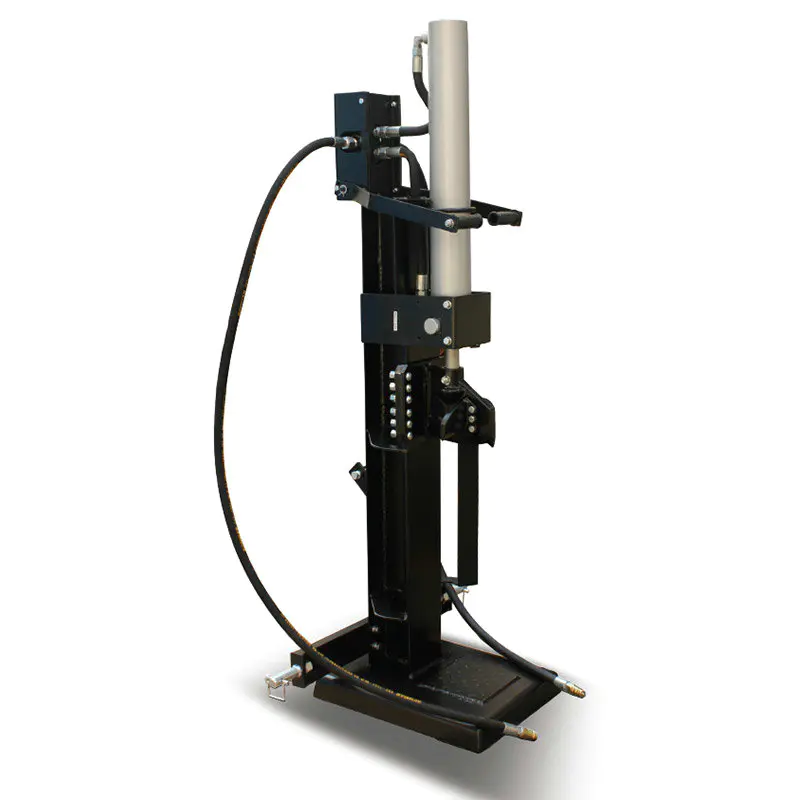
DESCRIPTION Model no.: LSE 14Max. splitting force: 14TonMax. log lengt...
See Details -
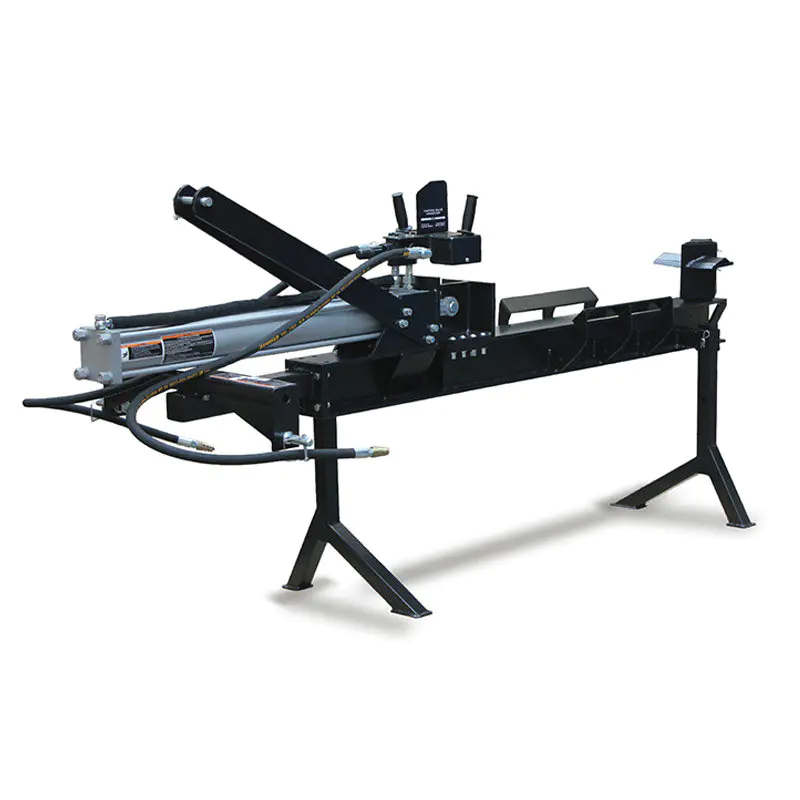
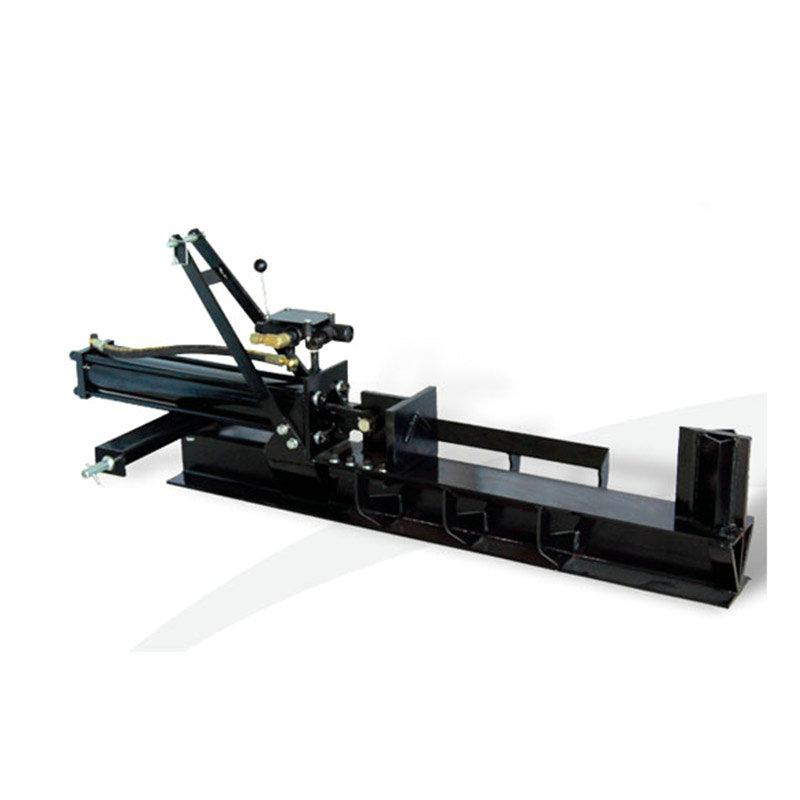
DESCRIPTION 14Ton 3PT log splitter attaches to Category 1 tractor 3-pt...
See Details -
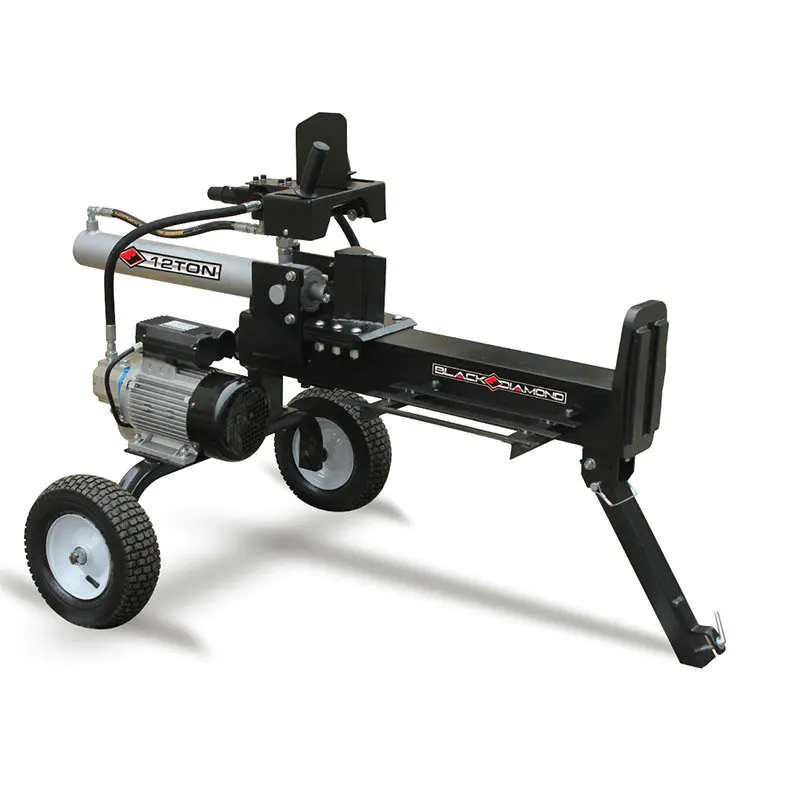
DESCRIPTION Accommodates splitting in horizontal only Half beam design...
See Details -
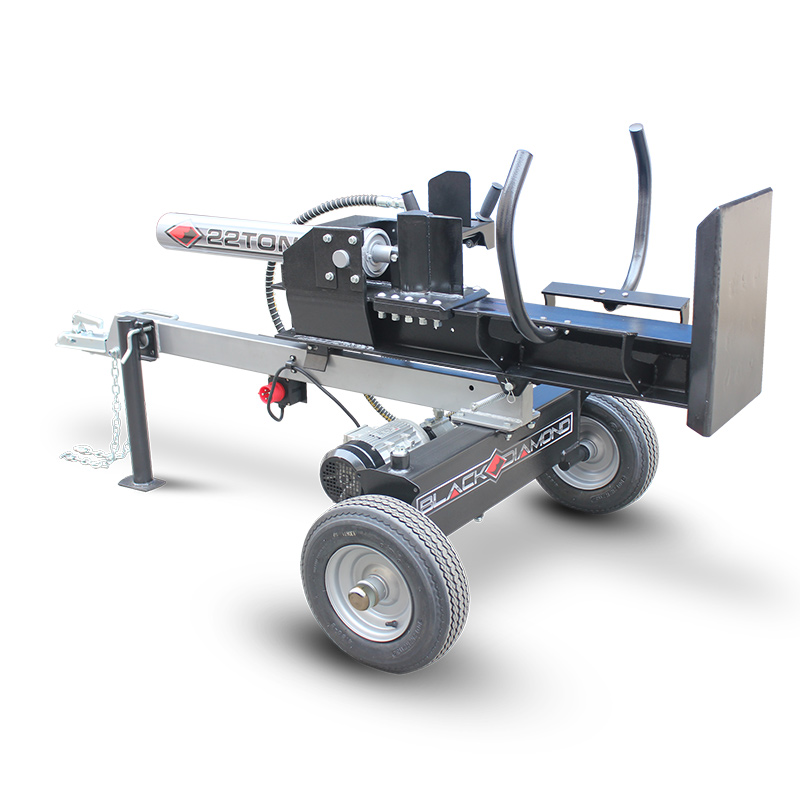
DESCRIPTION 22 Ton vertical/horizontal operating position allows forus...
See Details -
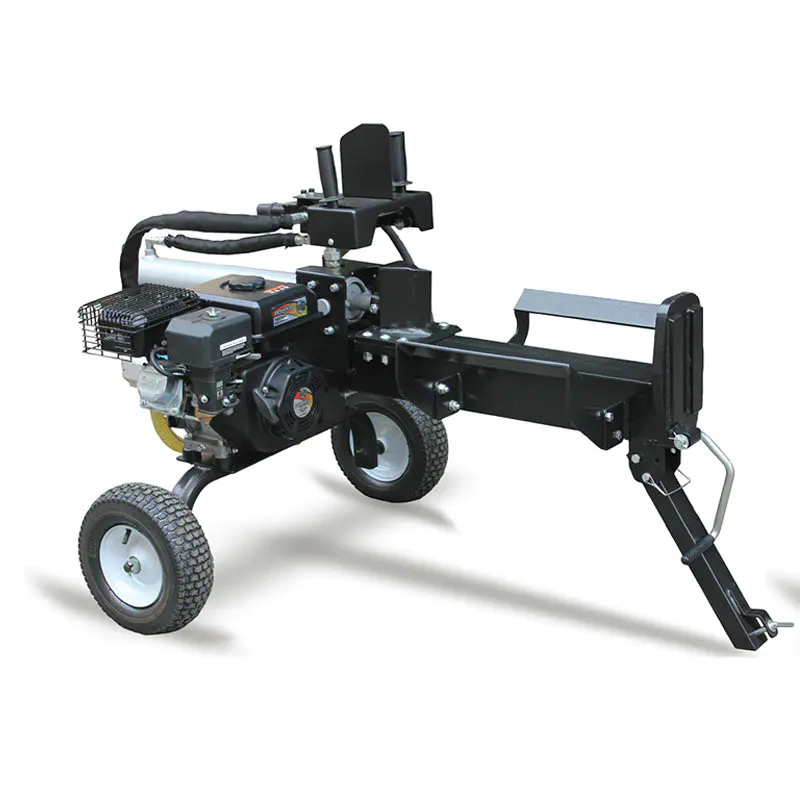
DESCRIPTION Accommodates splitting in horizontal only Half beam design...
See Details
