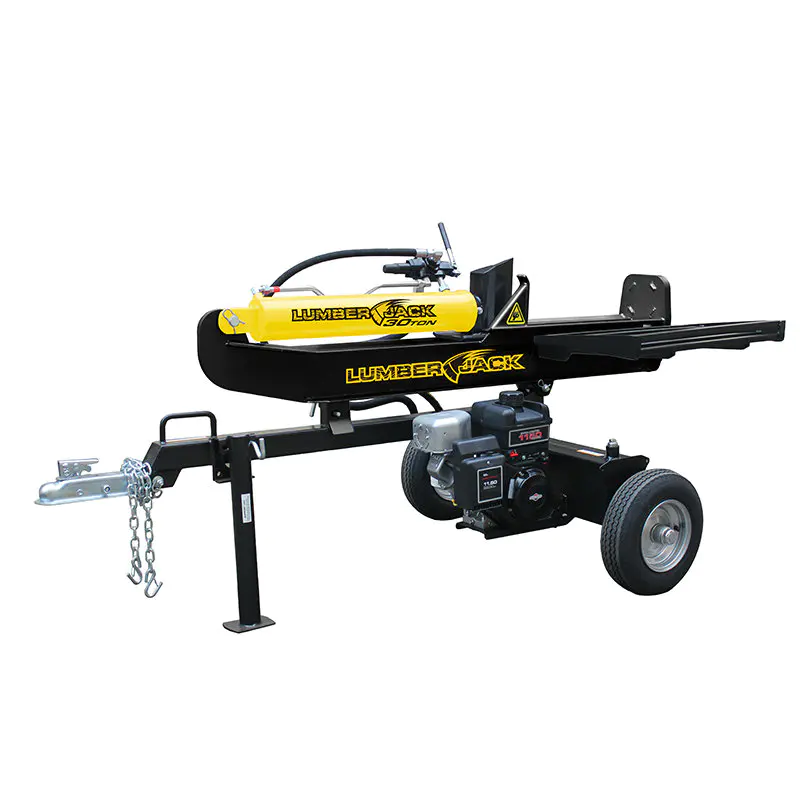
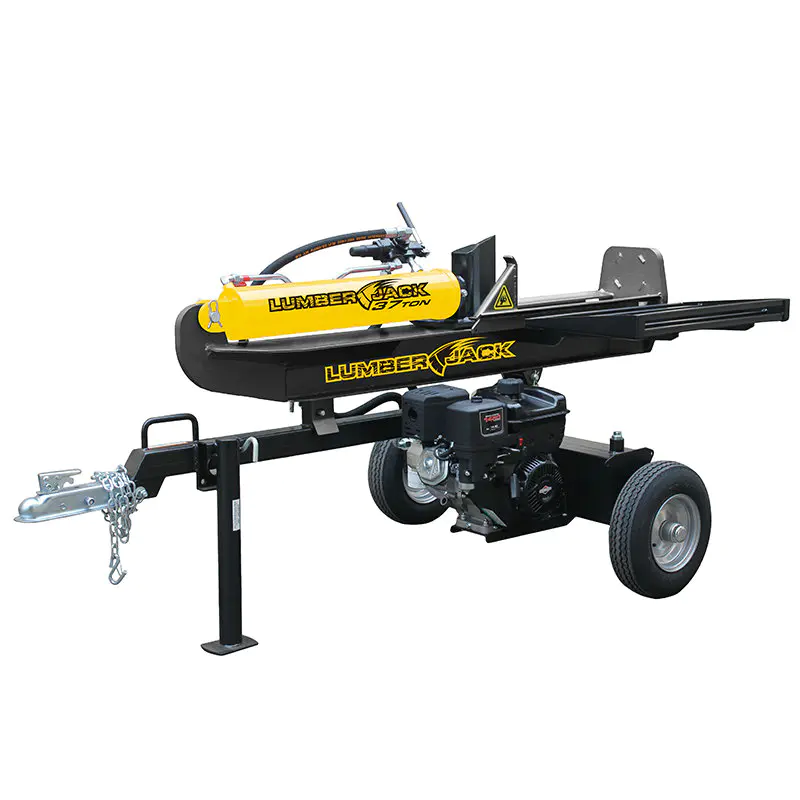
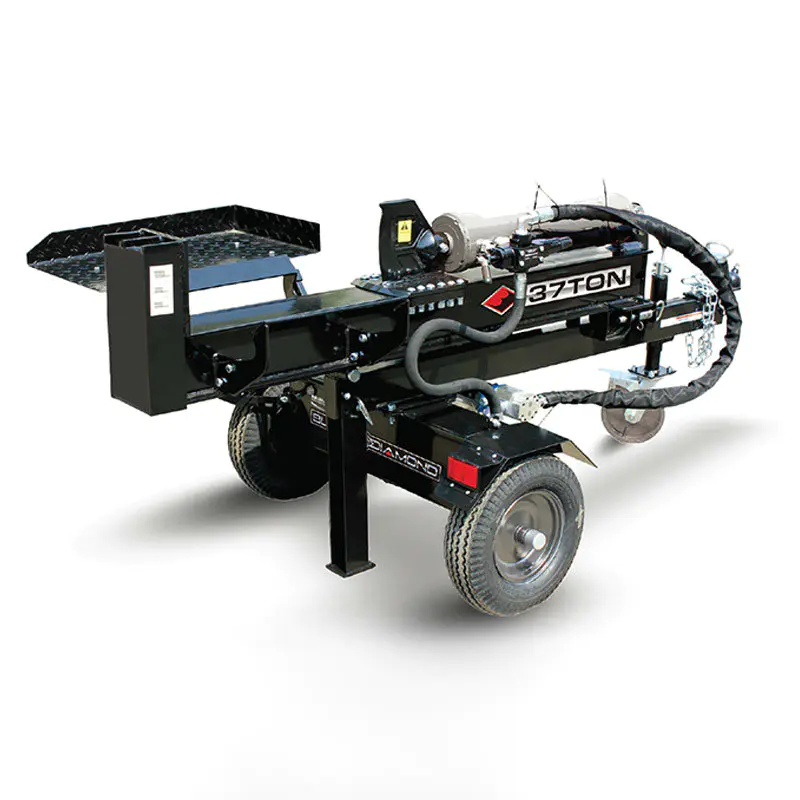
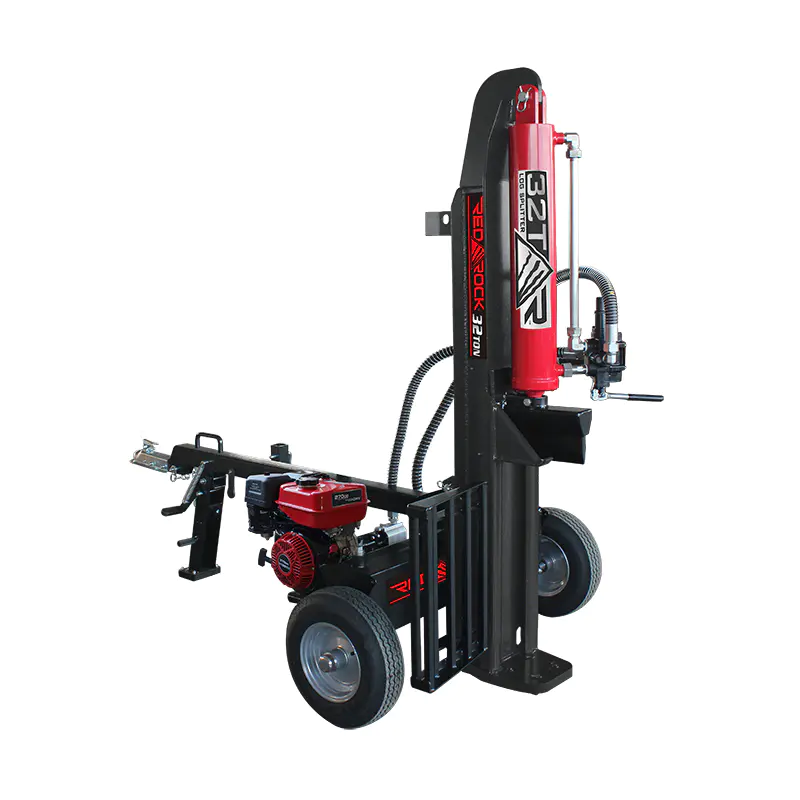
What are the common issues with the Gasoline Log Splitter Full Beam?
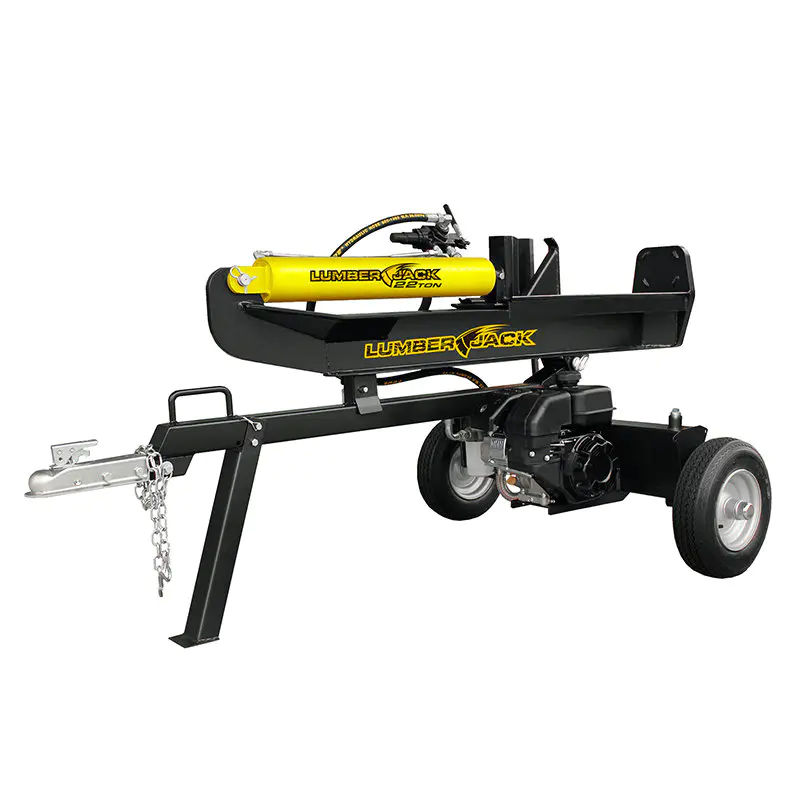
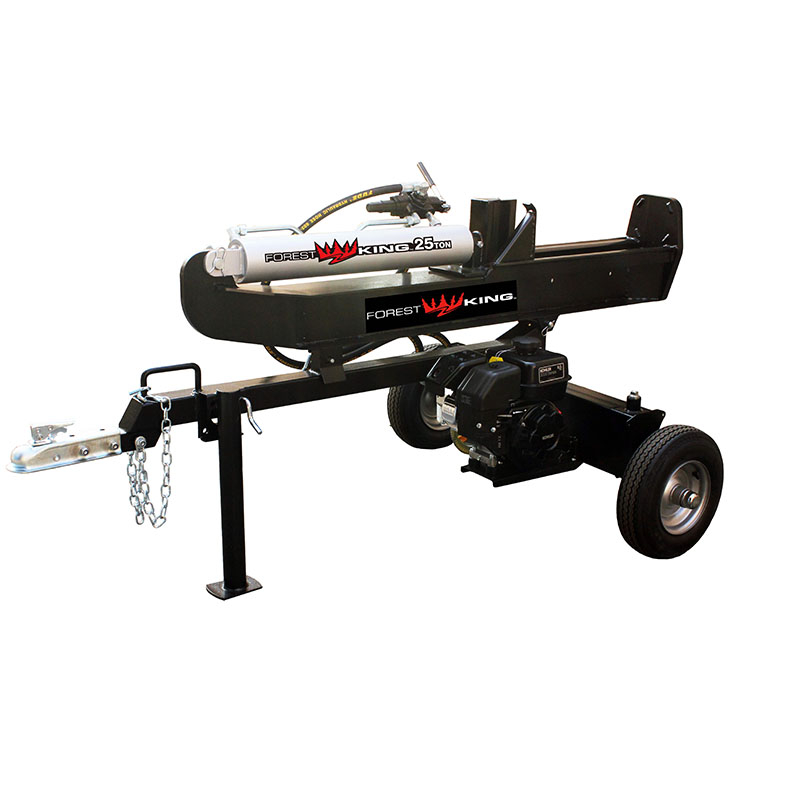
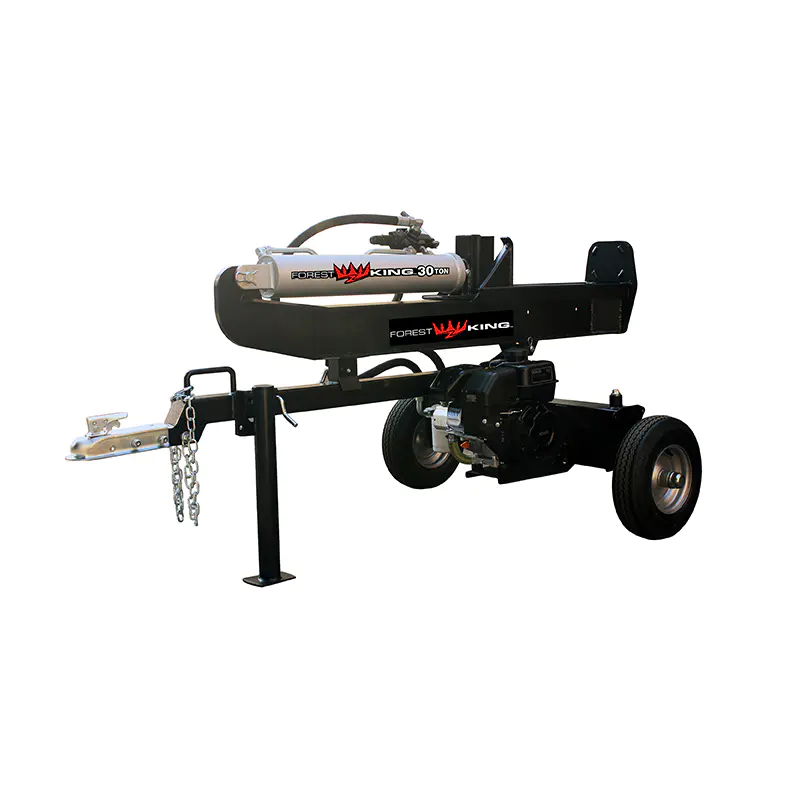
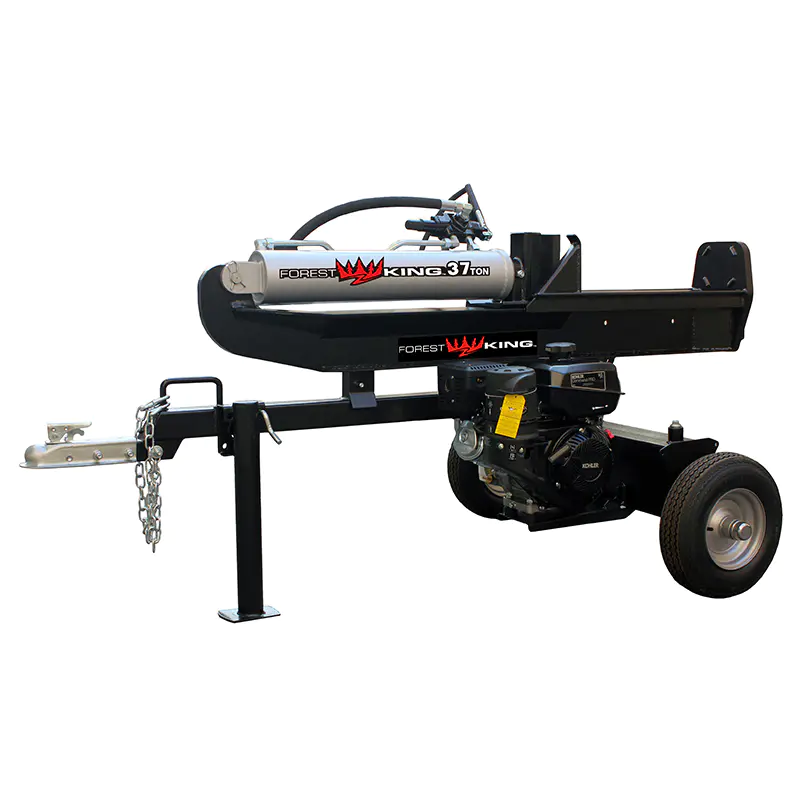
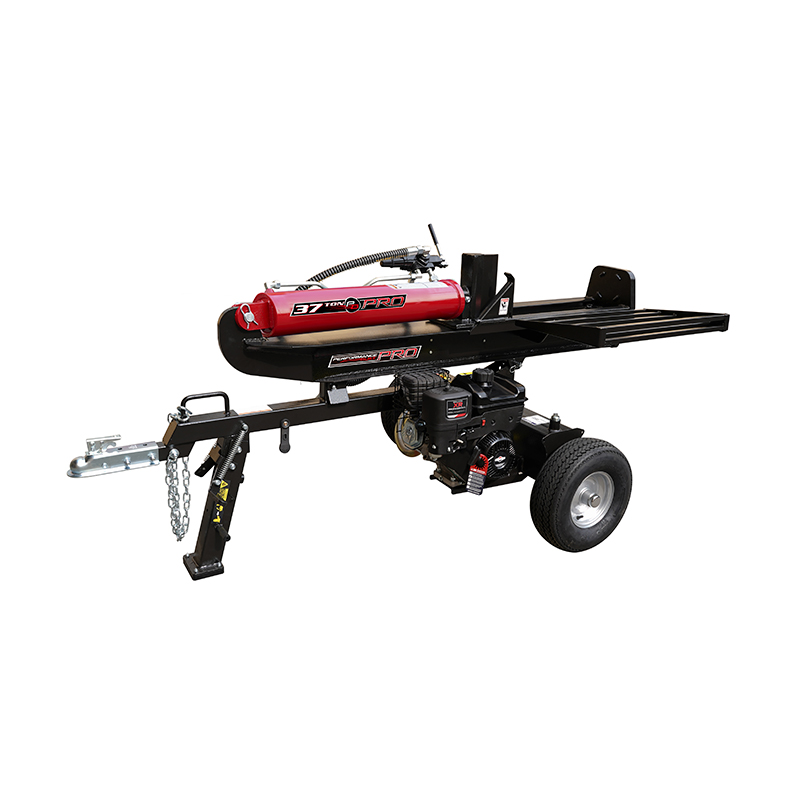
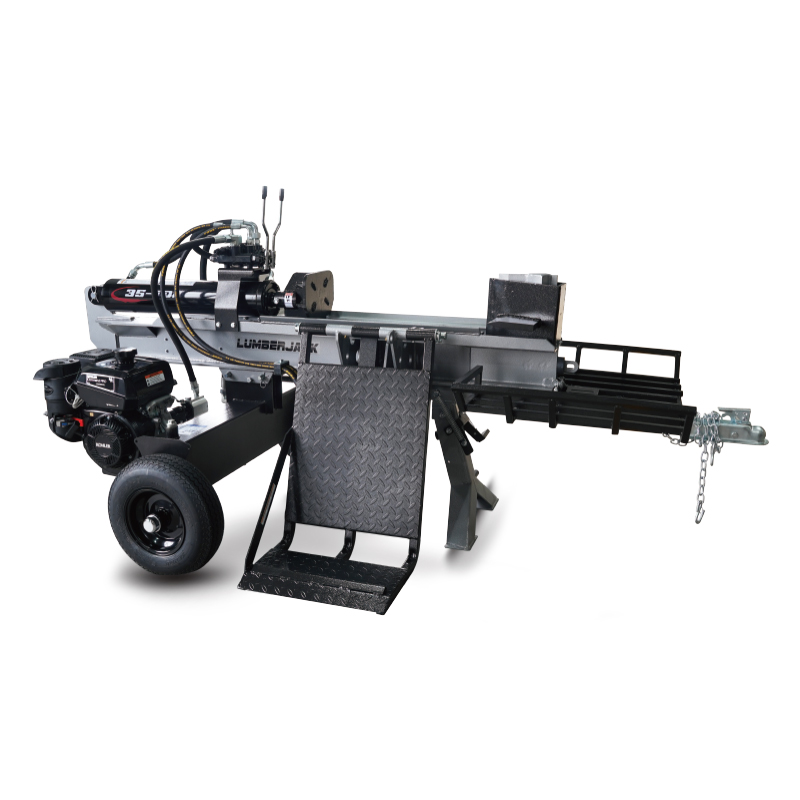
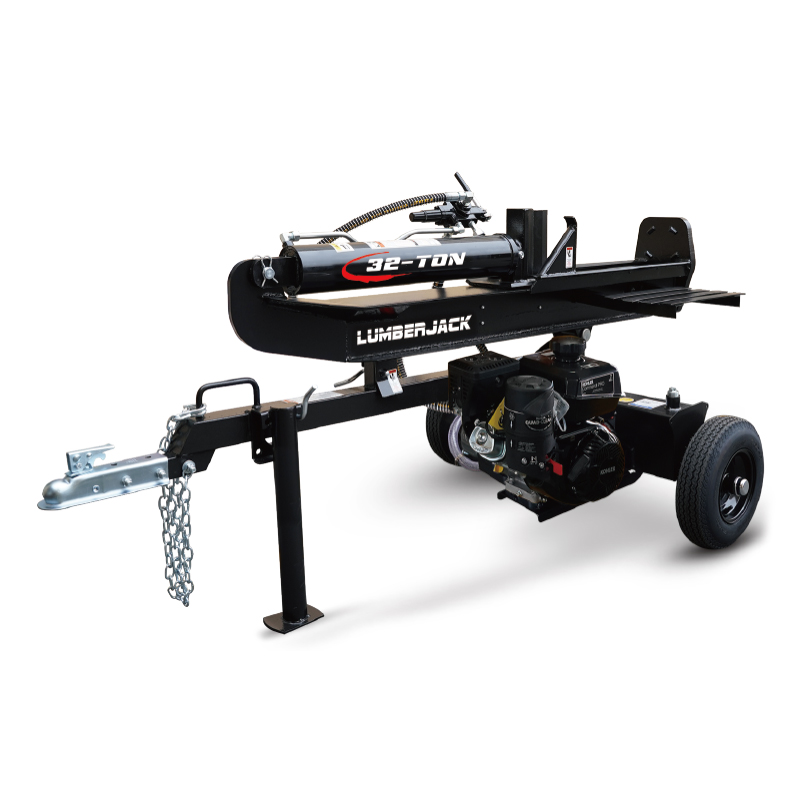
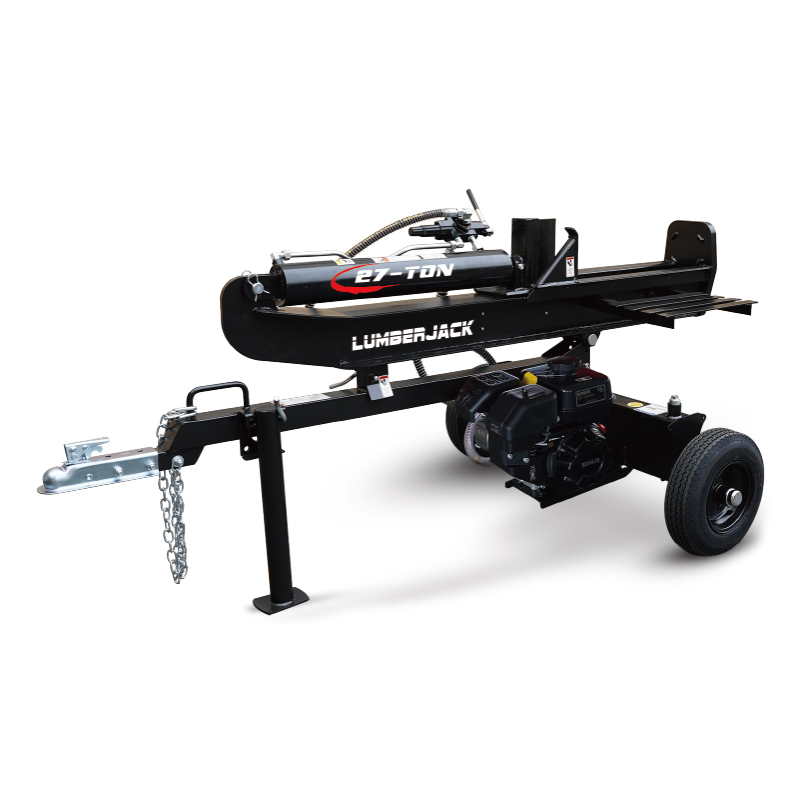
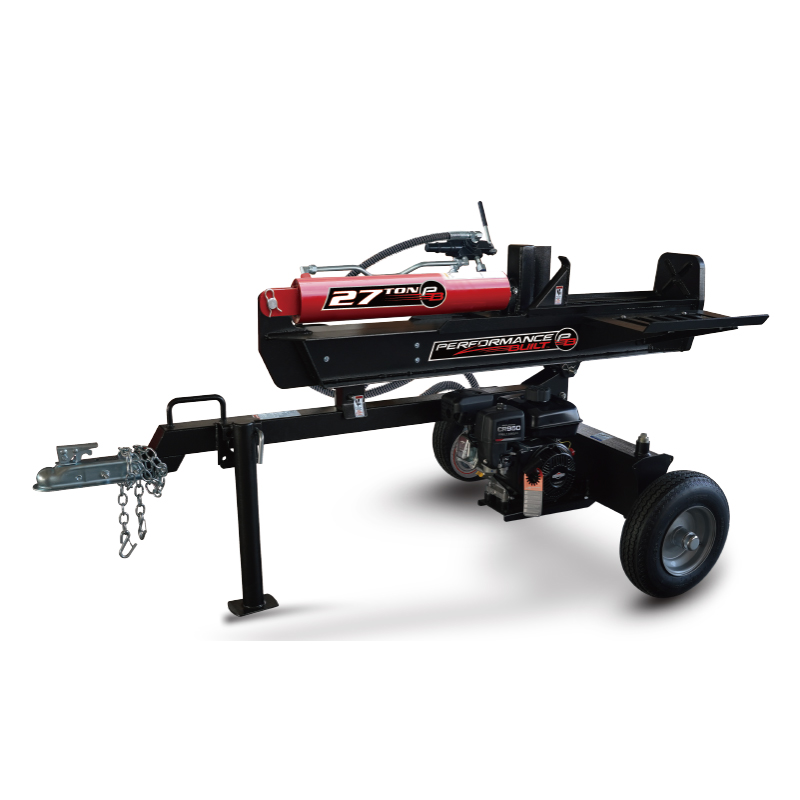
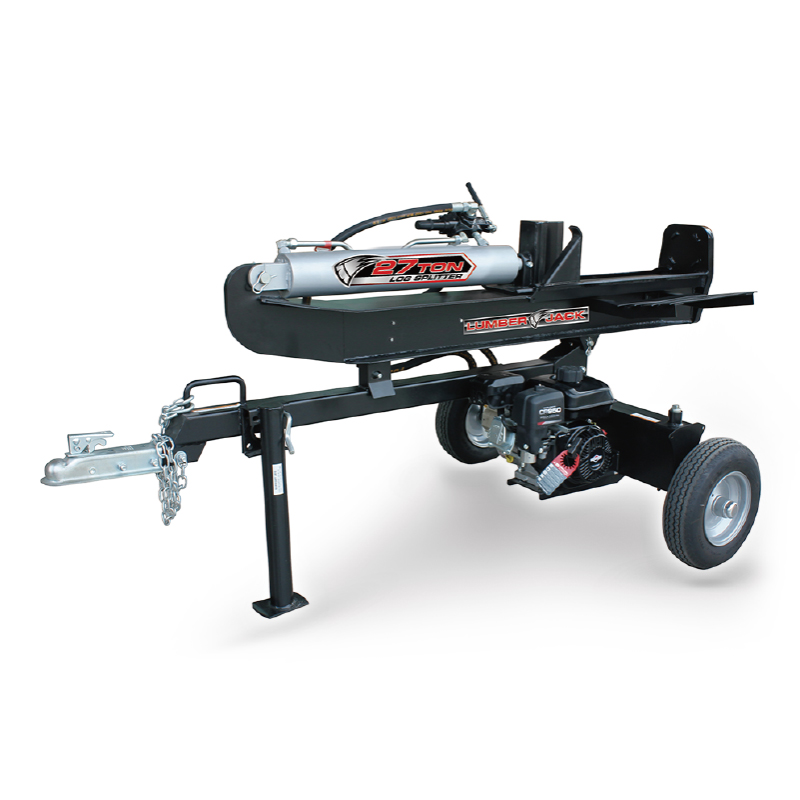
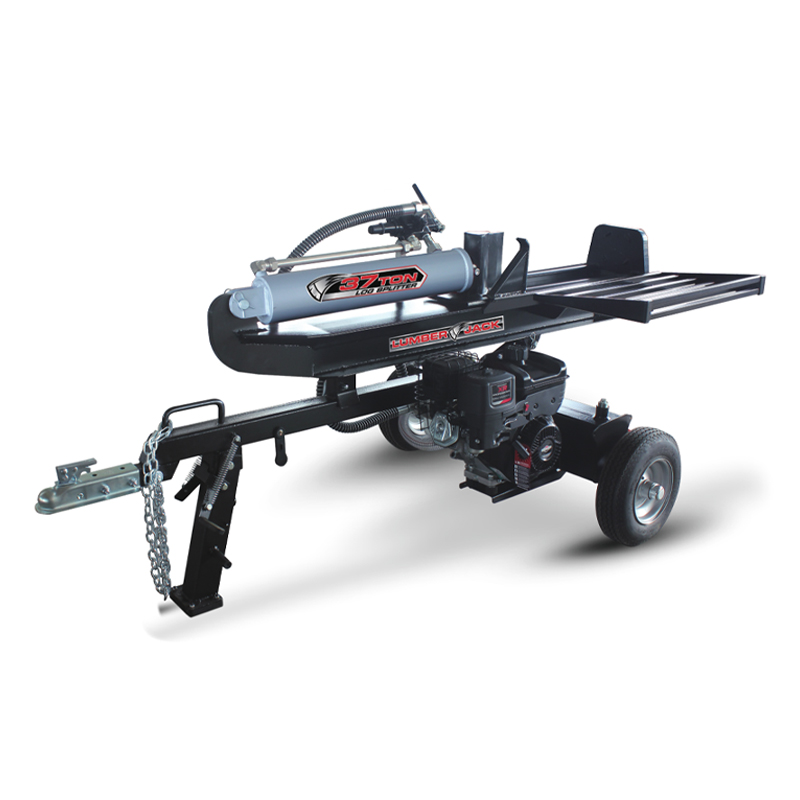
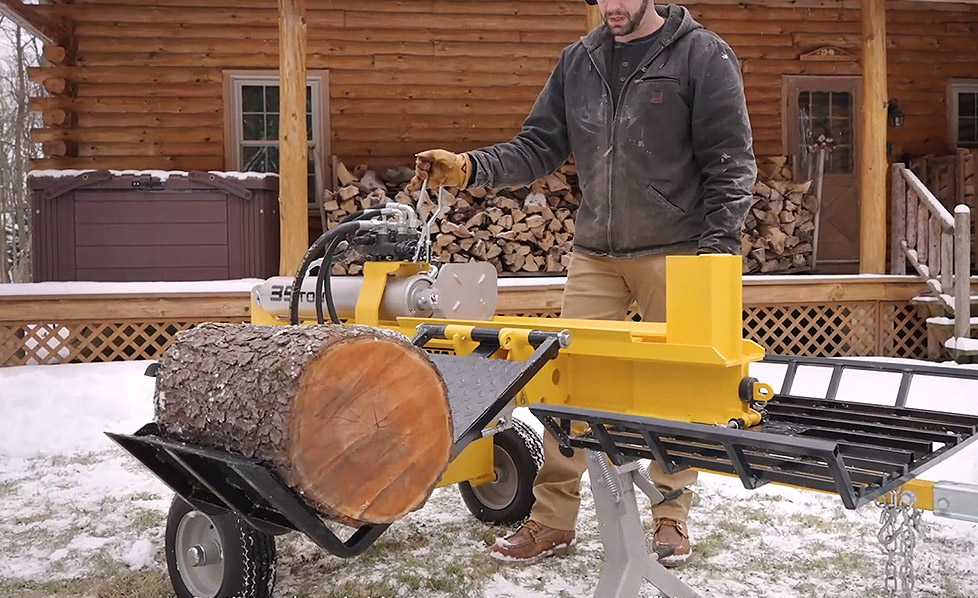
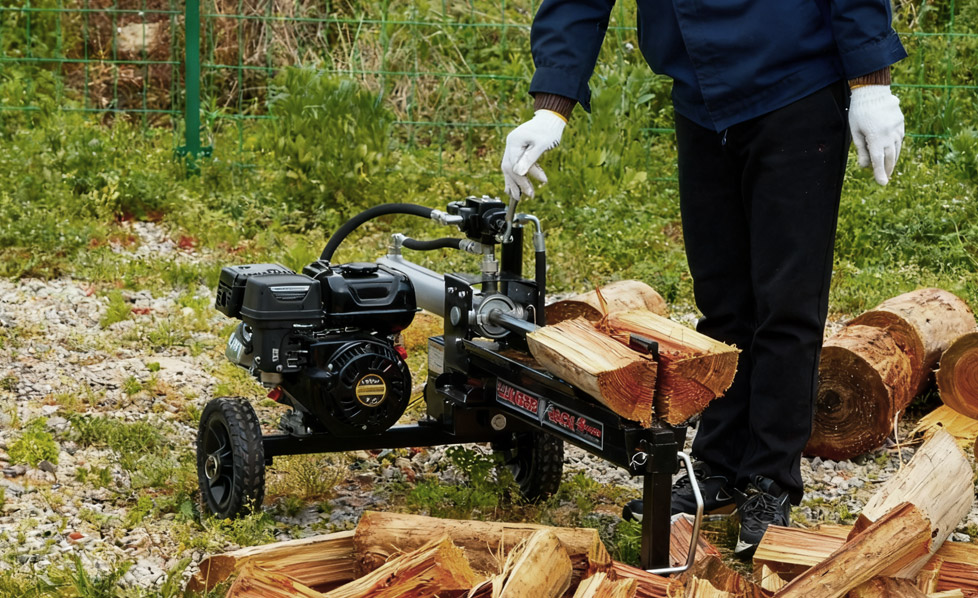
A gasoline log splitter full beam is a powerful tool designed for splitting large volumes of wood quickly and efficiently. This machine has gained popularity due to its ability to handle heavy-duty tasks that would otherwise require significant physical labor. However, like any mechanical equipment, users may face issues that could affect its performance and lifespan.
1. Engine Power Problems
One of the most common issues with a gasoline log splitter full beam is a lack of engine power. Users may experience difficulty starting the engine, or the engine may stall unexpectedly during operation. This can be caused by several factors, including fuel problems, ignition issues, or a lack of maintenance.
Fuel Problems
Gasoline log splitter full beam engines rely on clean fuel to run smoothly. If the fuel is old, contaminated, or of poor quality, it can cause starting problems or poor performance. Additionally, if the fuel tank is not filled correctly or if the fuel lines are clogged, it can lead to engine failure.
Ignition Issues
The ignition system is another critical area for troubleshooting. A faulty spark plug or a damaged ignition coil can result in poor engine performance, starting problems, or stalling. Regular inspection and timely replacement of the spark plug are essential to maintaining engine performance.
Jiashan Superpower Tools Co., Ltd., a leading manufacturer of log splitters, emphasizes the importance of regular maintenance to avoid these common engine issues. Their gasoline log splitter full beam models are designed to be easy to maintain, with clear instructions for users to follow.
2. Hydraulic System Malfunctions
Another issue commonly encountered with gasoline log splitter full beam models is hydraulic system malfunctions. The hydraulic system is responsible for powering the ram that splits the logs, and any issue here can lead to poor performance.
Low Hydraulic Fluid
Low or contaminated hydraulic fluid can cause the hydraulic pump to lose pressure, making it difficult for the ram to split logs. To avoid this issue, always check the hydraulic fluid level before using the machine and ensure it is filled with high-quality fluid.
Hydraulic Leaks
Hydraulic leaks are another common issue that can disrupt the operation of a gasoline log splitter full beam. Leaks can occur in the hoses, fittings, or the hydraulic pump. Regular inspection of the hydraulic system and prompt repair of any leaks can prevent the loss of pressure and ensure smooth operation.
Jiashan Superpower Tools Co., Ltd. is known for the durability and performance of its gasoline log splitter full beam models. Their robust hydraulic systems are engineered for long-lasting performance, with a focus on easy maintenance and quick fixes for common hydraulic issues.
3. Worn or Damaged Parts
Over time, parts of the gasoline log splitter full beam may wear out or become damaged due to continuous use. Commonly affected parts include the ram, cylinder, and the splitting wedge. These parts are under constant stress during operation, which can lead to their deterioration.
Damaged Ram
A damaged ram can cause the machine to lose its ability to exert enough force on the logs. This could happen due to wear and tear, or because the ram is exposed to harsh conditions for long periods. Replacing the ram in a timely manner will prevent further damage and improve the machine’s efficiency.
Worn Cylinder and Wedge
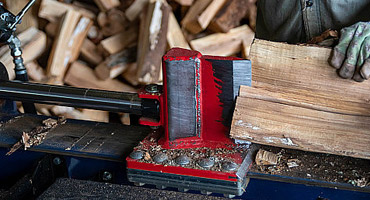
The cylinder and wedge are also vital components of the gasoline log splitter full beam. If either of these parts becomes worn or damaged, the machine may struggle to split logs efficiently. Regular inspection and timely replacement of these parts will ensure the machine remains in top condition.
4. Overheating Issues
Gasoline log splitter full beam machines are designed to handle heavy workloads, but if they are overworked or improperly maintained, overheating can occur. Overheating can damage the engine, hydraulic system, and other key components, leading to significant performance issues.
Causes of Overheating
The main causes of overheating include:
- Excessive load: Running the machine beyond its rated capacity can lead to overheating.
- Lack of maintenance: Failing to clean the cooling system or change the oil regularly can cause the engine to overheat.
- Low-quality fuel: Using low-grade fuel can lead to combustion problems and cause the engine to overheat.
To avoid overheating, users should ensure they are operating the gasoline log splitter full beam within its specified limits and perform regular maintenance, including oil changes and cooling system cleaning.
5. Difficulty in Transportation
Many users experience difficulty transporting the gasoline log splitter full beam, especially when it is large or heavy. This issue is often overlooked but can be a significant concern for those who need to move the machine frequently between different work sites.
Weight and Size
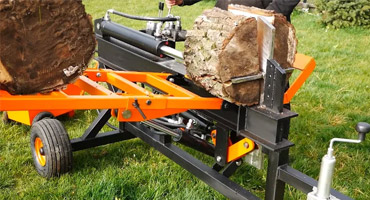
The weight and size of the gasoline log splitter full beam can make it challenging to transport. While some models come with built-in wheels for easier mobility, others may require additional effort to move from one location to another.
Solutions for Easier Transport
To address transportation issues, users should ensure the machine is equipped with high-quality wheels that are suitable for various terrain. Additionally, using a trailer or a vehicle with a sturdy hitch can make moving the machine safer and more efficient.
Technical Specifications of the Gasoline Log Splitter Full Beam
A gasoline log splitter full beam is designed to handle a variety of log sizes, and its technical specifications play a crucial role in its performance. Here are some key technical aspects to consider:
Engine Power
The engine power of a gasoline log splitter full beam typically ranges from 6 to 15 horsepower, depending on the model. A higher horsepower engine allows for faster and more efficient splitting, especially for larger logs.
Splitting Force
The splitting force of the gasoline log splitter full beam is a critical factor in its ability to split tough logs. This force is typically measured in tons, with common models offering between 20 and 40 tons of splitting force.
Cycle Time
Cycle time refers to the amount of time it takes for the ram to return to its starting position after completing a split. Faster cycle times improve productivity and reduce the time spent waiting between splits.
FAQs
1. How often should I change the hydraulic fluid in my gasoline log splitter full beam?
Hydraulic fluid should be changed every 100 hours of use or once a year, whichever comes first. Regular fluid changes ensure optimal performance and prevent contamination.
2. Can I use the gasoline log splitter full beam in cold weather?
Yes, the gasoline log splitter full beam can be used in cold weather, but it is important to use the right type of fuel and to ensure that the machine is warmed up before use. Cold temperatures can affect engine performance and hydraulic fluid flow, so always check the manufacturer’s recommendations for winter use.
3. What size logs can the gasoline log splitter full beam handle?
Most gasoline log splitter full beam models can handle logs up to 24 inches in diameter and 25-30 inches in length. However, the exact size may vary depending on the model and its specifications.
4. How can I prevent overheating in my gasoline log splitter full beam?
To prevent overheating, make sure to follow the manufacturer’s guidelines for load capacity, perform regular maintenance, and use high-quality fuel. Avoid overworking the machine and allow it to cool down if necessary.
5. What is the typical lifespan of a gasoline log splitter full beam?
With proper maintenance, a gasoline log splitter full beam can last anywhere from 5 to 10 years, depending on usage and care. Regular inspection and timely part replacements are essential to prolong the machine’s lifespan.

 LANGUAGE
 English
 Deutsch
 Español
 Français
 русский











 New Item
 Log Splitter
 Spreader
 Lawn Sweeper
 Dump Cart
 Lawn Groomer
 Chipper Shredder
 Stump Grinder
 Outdoor Power Equipment