 LANGUAGE
 English
 Deutsch
 Español
 Français
 русский





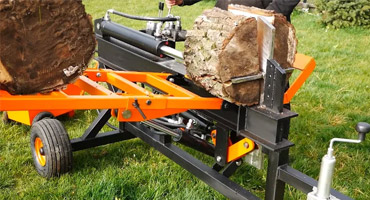

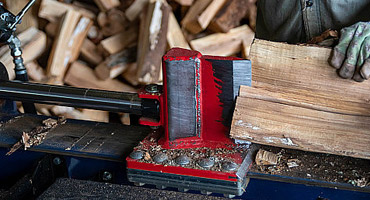




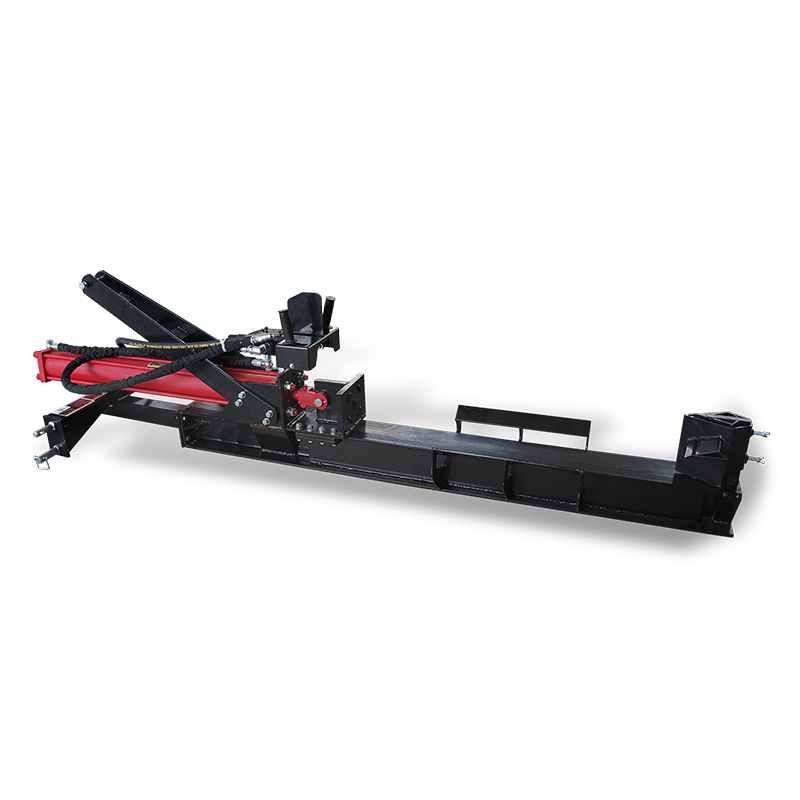
● 14Ton 3PT log splitter attaches to category 1 tractor 3-pt● Hitch an...
See Details
Log Splitter Hydraulic Valve Guide: Function, Types, and Troubleshooting
As soon as the temperature drops and the first fallen branches appear, many owners pull their log splitter out of the shed and run into the same issue. The engine starts, the pump turns, but the ram travels slowly or stops on a knot. In most cases, the problem is not the engine. It is the hydraulic valve that controls the flow of pressurized oil. If you understand what that valve does, how it behaves under pressure, and where it fails, you can shorten the diagnostic time from days to minutes.
What Does a Log Splitter Hydraulic Valve Actually Do?
The hydraulic valve is the command center between the pump and the cylinder. The pump sends pressurized oil through the valve, and the valve decides where that oil goes. When you pull the handle, the internal spool shifts and routes oil into the piston side of the cylinder, which pushes the ram into the log. When the cycle ends, the spool moves back to neutral and the oil returns to the reservoir.
One of the most useful features on a log splitter valve is the auto-detent or auto-kickback function. The lever sits in the forward position and does not need to be held. As the ram reaches the end of its stroke, the pressure spike pushes the detent out, and the lever springs back to neutral. On older or heavily used machines, this detent can wear out, and some owners convert the valve to manual operation to regain predictable control.
The relief valve is a separate function inside the same valve body. It sets the maximum pressure that the system can generate. Most log splitter valves are factory-set around 2,500 to 3,000 PSI. If the setting is too low, the machine stalls on tough logs. If it is too high, the pump runs hotter and the oil degrades faster.
Relief Pressure2500-3000 PSI
Common Flow4-30 GPM
Spool Type4-Way
Common Valve Types Used on Log Splitters
Monoblock Single-Spool Valves
Most gas and electric log splitters use a monoblock valve with a single spool. The whole body is cast as one piece, which makes it compact and relatively inexpensive to replace. These valves are designed for one double-acting cylinder, so they have four work ports and one inlet port.
Auto-Return Valves vs. Manual Valves
An auto-return valve cycles the ram automatically and is a good fit for processing straight-grained firewood in volume. A manual valve gives the operator full control over the spool, which is safer when dealing with twisted, knotty logs that can shift under pressure.
Solenoid-Operated Valves
Battery-powered and stationary splitter models sometimes use a solenoid valve. An electric coil shifts the spool when you press a button. This removes the need for a long lever but adds wiring and connectors that can fail in wet or dusty conditions.
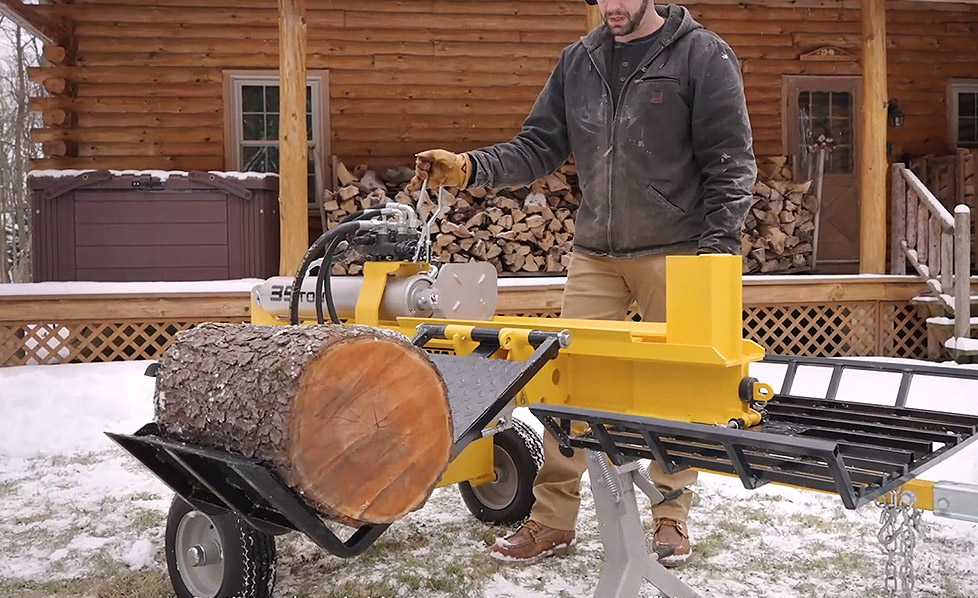
Tractor-mounted splitters follow a similar valve logic but often use a compact 3-point or PTO-driven design. For example, a 25-ton 3-point log splitter uses the same four-way spool concept, with the valve mounted near the cylinder for quick servicing.
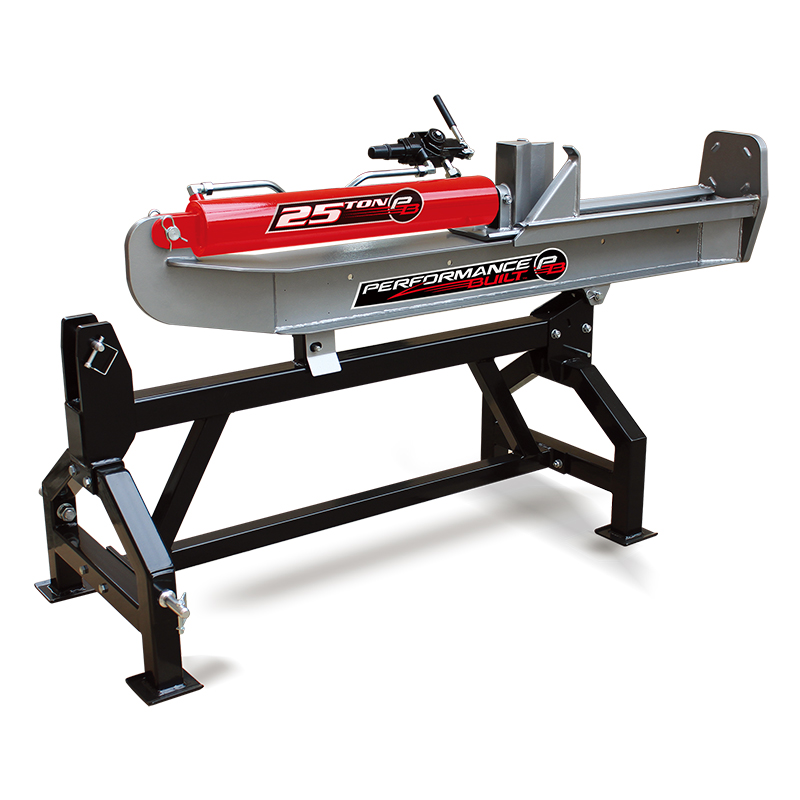 25-Ton 3-Point Log Splitter with Detent Valve and Auto ReturnThis tractor-mounted splitter offers 25 tons of force and operates in both horizontal and vertical positions. Its detent valve with auto return simplifies control, and assembly takes under 30 minutes, making it a practical reference for valve matching.View Product →
How to Choose a Hydraulic Valve for Your Log Splitter
Before you order a replacement valve, match three things: the flow rate, the pressure rating, and the spool configuration. The pump displacement determines the flow rate in gallons per minute (GPM). Small electric splitters run at 4 to 8 GPM, while gasoline models can reach 15 to 30 GPM. If you choose a valve with a lower flow rating, the cylinder will move slowly and the pump will work harder than it should. If you are not sure what your pump delivers, this guide on selecting a hydraulic pump for a log splitter covers the matching logic.
Pressure rating is equally important. A valve rated at 3,000 PSI works fine for most log splitters, but it should never be used on a system with a relief setting above that limit. The cylinder type also matters. A double-acting cylinder requires a four-way valve, and a single-acting cylinder uses a three-way valve. The handle style and the mounting bolt pattern should match your existing bracket, or you will need to fabricate a new mount.
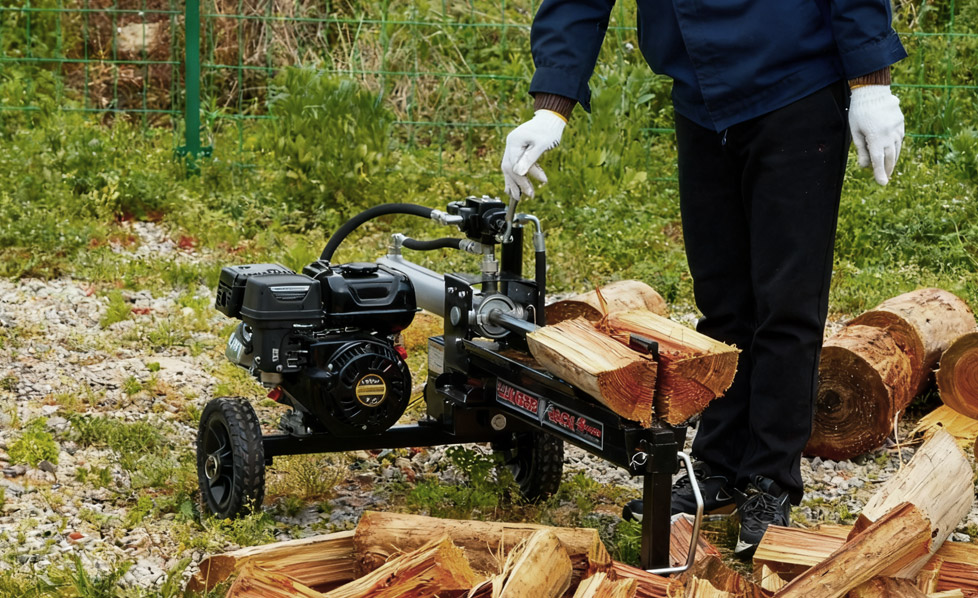
When a replacement is hard to source or the machine is old, looking at a complete machine can be more practical than chasing a bare valve. The assembly on a 37-ton hydraulic log splitter shows how the valve, pump, and cylinder are matched to one another, which gives you a real reference point for your own repair.
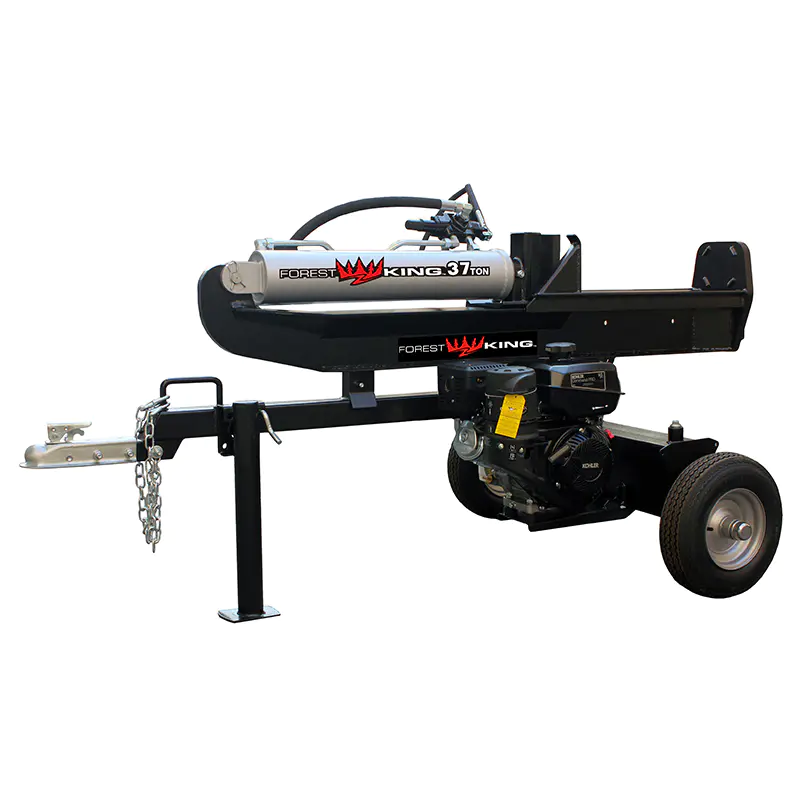 37-Ton Full-Beam Log Splitter with Kohler Engine OptionsA complete 37-ton splitter with a full beam design and horizontal or vertical operation. It features a square log cradle and multiple engine choices, serving as a useful benchmark when sourcing valve replacements.View Product →
Troubleshooting the Hydraulic Valve on Your Log Splitter
The valve fails in a few predictable ways. Most problems fit one of three patterns: the ram has weak pushing force, the ram does not return, or the valve leaks. Here is a quick way to separate the causes.
| Problem | Likely Cause | Practical Solution |
|---|---|---|
| Weak splitting force | Relief setting too low | Adjust relief valve or test system pressure |
| Ram sticks in forward position | Detent spring broken | Open valve body and replace spring |
| Slow cycle time | Contaminated oil or clogged strainer | Change fluid and clean hydraulic screen |
| Oil leaking around handle | Worn O-rings and seals | Install a new seal kit |
| Total loss of movement | Spool jammed by debris | Remove valve, clean spool, and rebuild |
For a deeper walk through the repair process, this hydraulic valve repair guide explains when you can repair the valve and when the whole cylinder has to be rebuilt. The cylinder and the valve are closely connected, and a worn cylinder can create pressure loss that looks like a valve problem.
On machines that use a remote cylinder, the valve and the cylinder are almost always serviced together. If you need a new actuator, a tie rod hydraulic cylinder is the component to check once the valve has been ruled out.
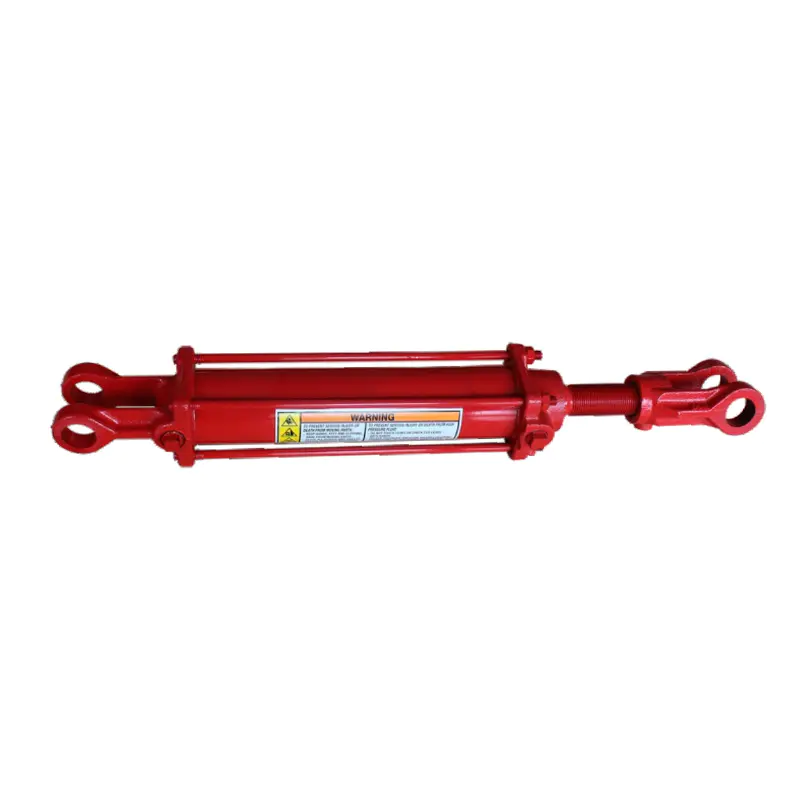 2-Inch Bore Tie Rod Hydraulic Cylinder with Multiple Stroke LengthsThis tie rod cylinder is available in 2-inch bore with 6, 8, 10, or 16-inch strokes and SAE8 ports. It is a key component to consider when remote cylinder service is needed after valve issues.View Product →
Frequently Asked Questions
Q1: Can I adjust the relief pressure on my log splitter valve?
Yes, most valves have a relief adjustment screw with a lock nut. Backing out the screw lowers the pressure setting. A pressure gauge is needed to verify the final value, because the factory setting is normally the safe limit for the cylinder and pump.
Q2: Why does my log splitter valve leak when the handle is pulled?
A leak that appears just as the lever moves usually points to a worn O-ring on the spool. Over time, the seals lose their shape, and fluid finds a path past the spool. Replacing the seal kit is the standard fix.
Q3: Is an auto-return valve better than a manual valve?
It depends on the work. Auto-return speeds up splitting of clean, straight logs. Manual control is safer for knotty or twisted wood because the operator can stop the push at any time. Both are built on the same four-way spool mechanism.
Q4: How often should the hydraulic fluid be changed if the valve is new?
If the valve is new, a fresh fluid change and a clean strainer help it reach full service life. In normal seasonal use, most manufacturers recommend changing the oil once or twice a year. Dirty fluid is a major cause of sticky spools and damaged seals.
The hydraulic valve is one of the simplest components on a log splitter, yet it causes a large share of repair headaches. Knowing the flow and pressure limits of your machine, checking the detent, and keeping the fluid clean will solve most problems before they become expensive. If the valve is beyond repair, match the GPM and PSI rating carefully, and choose a replacement that fits your existing cylinder and mounting bracket. With the right valve and a clean hydraulic system, a log splitter will go back to working hard without skipping a beat.
PREV:No previous article
NEXT:Compact Log Splitter Buyer's Guide: Size, Power, Storage, and Safety for Small Properties
NEXT:Compact Log Splitter Buyer's Guide: Size, Power, Storage, and Safety for Small Properties
Interested in cooperation or have questions?
Related products
-
-
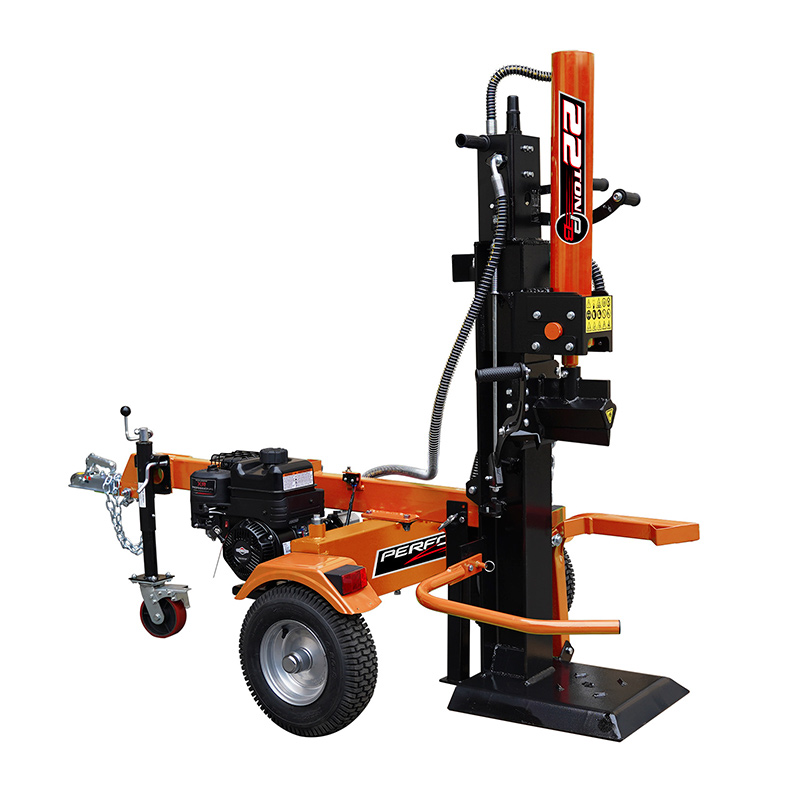
Vertical operation position onlyHardened steel wedge24"/61cm split len...
See Details -
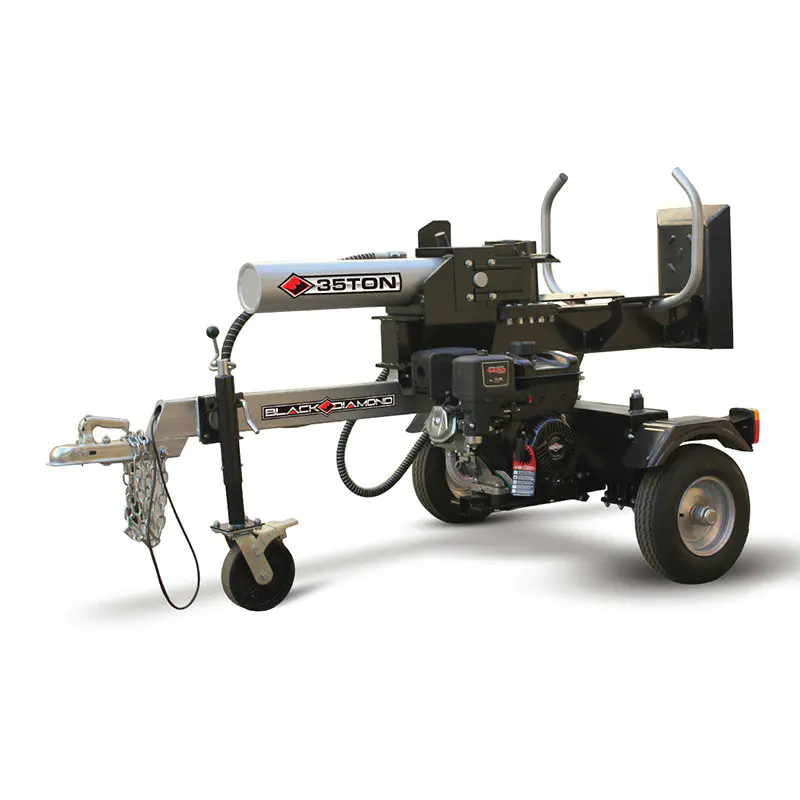
DESCRIPTION Vertical or horizontal operating position lets you work mo...
See Details -
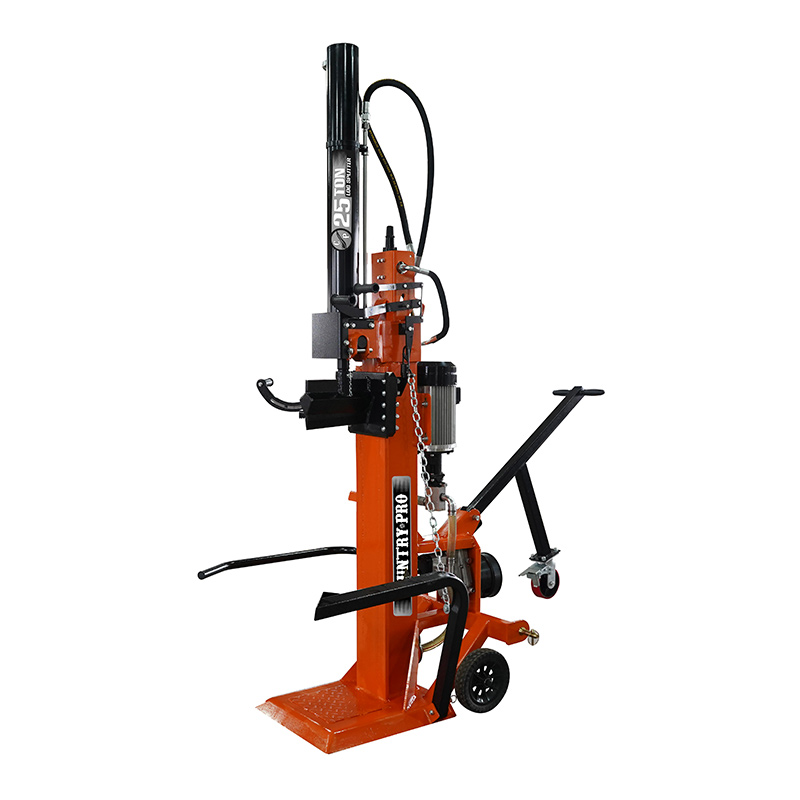
Vertical operation position onlyHardened steel wedge43.3” / 110cm log ...
See Details