How can I maintain the performance of my landscape equipment over time?
Maintaining landscape equipment is crucial to ensure that it operates efficiently and lasts for years. Proper care can prevent costly repairs and replacements, enhance performance, and increase the lifespan of the machinery.
1. Regular Cleaning and Inspection
One of the simplest yet most effective ways to maintain landscape equipment is regular cleaning and inspection. Landscape equipment are designed with durability in mind, but they still require attention. Cleaning helps prevent the accumulation of dirt, debris, and grass clippings that can clog critical parts such as air vents, engines, and filters.
Cleaning Practices:
- Wash equipment regularly: After each use, especially when dealing with grass and soil, ensure that your equipment is free from debris. Dirt and grass can cause premature wear on moving parts.
- Check for rust: Rust can form on metal parts over time, particularly after exposure to moisture. Use anti-rust products to protect the metal surfaces of your landscape equipment.
- Inspect air filters and replace if necessary: Clogged air filters reduce engine efficiency. Make sure to check and clean air filters every few uses.
The longevity of landscape equipment depends heavily on their care and maintenance. Regular inspection of critical components will help identify any issues before they lead to equipment failure.
2. Lubrication and Moving Parts Maintenance
Lubricating the moving parts of landscape equipment is essential for smooth operation. Many landscape equipment are designed with advanced engineering to reduce wear and tear on parts, but lubrication remains a fundamental aspect of their maintenance.
Key Maintenance Areas:
- Grease the bearings and joints: Equipment such as lawn mowers, spreaders, and aerators rely on well-lubricated moving parts. Use high-quality grease for joints, bearings, and wheel axles.
- Check and change engine oil: Over time, engine oil degrades, affecting the engine’s performance. Refer to the manufacturer’s recommendations regarding the oil change frequency.
Proper lubrication ensures that landscape equipment maintain optimal performance, minimizing the risk of breakdowns and wear.
3. Blade and Cutting System Care
Landscape equipment like lawn mowers and trimmers require sharp blades for optimal performance. Blades that are dull or damaged can result in inefficient cutting, damaging the lawn or landscape. Landscape equipment come equipped with advanced cutting mechanisms, but they still require proper maintenance to keep them sharp and effective.
Blade Maintenance:
- Sharpen blades regularly: Dull blades tear grass rather than cutting it cleanly, which can lead to a ragged appearance and possible damage to the turf.
- Replace damaged blades: If the blades are bent or cracked, they should be replaced immediately to avoid further damage to the equipment and to ensure clean cuts.
- Balance the blades: Unbalanced blades can cause vibration, affecting the overall performance of the equipment. Always check the balance after sharpening or replacing the blades.
Maintaining the blades will help your landscape equipment perform optimally, providing clean and precise cuts every time.
4. Storage and Protection
How you store your landscape equipment plays a significant role in its longevity. Exposing it to harsh weather conditions, particularly rain and snow, can lead to rust, corrosion, and overall degradation of the equipment.
Proper Storage Tips:
- Store in a dry, sheltered location: When not in use, keep your equipment in a garage, shed, or covered area. This will protect it from moisture, which can cause rust and corrosion.
- Cover your equipment: If a sheltered location is not available, use high-quality covers to protect the equipment from environmental elements.
- Drain fuel for off-season storage: For equipment that will not be used for an extended period, it is recommended to drain the fuel tank. Fuel left in the tank can deteriorate over time and damage the engine.
By following these storage practices, you can protect your landscape equipment from environmental damage, ensuring they remain functional when needed.
5. Proper Calibration and Settings
Another important aspect of maintaining landscape equipment is ensuring that it is properly calibrated. Many landscape equipment feature advanced technologies that allow for precise adjustments to optimize performance.
Calibration Guidelines:
- Adjust settings as per terrain type: Landscape equipment like lawn mowers or aerators can be adjusted for different terrain types. Make sure to adjust the height, pressure, or settings to match the conditions.
- Check tire pressure regularly: Improper tire pressure can lead to uneven cutting and reduced efficiency. Check and maintain the recommended tire pressure for mowers and other wheeled equipment.
These adjustments ensure that your landscape equipment are functioning as intended, reducing unnecessary wear and improving efficiency.
6. Monitoring Wear and Tear
Over time, parts of your landscape equipment will naturally wear out. Monitoring these areas and replacing them before they fail is key to maintaining performance. Landscape equipment often come with wear-resistant features, but regular monitoring is still necessary.
Areas to Monitor:
- Check belts and cables for wear: These parts can become frayed or stretched with continued use, affecting the performance of the equipment. Replace belts and cables as soon as signs of wear are observed.
- Inspect electrical components: For equipment with electrical systems, ensure that wiring and connections are in good condition to avoid electrical failures.
By staying vigilant about wear and tear, you can extend the lifespan of your landscape equipment and avoid unexpected breakdowns.
7. Professional Servicing
While many maintenance tasks can be performed by the owner, some aspects of landscape equipment care require professional attention. Professional servicing ensures that complex systems are thoroughly checked, and any potential issues are addressed before they become problems.
When to Seek Professional Help:
- Engine diagnostics: If the engine is not performing correctly, it may require expert analysis to diagnose underlying issues.
- Major repairs: Some parts of landscape equipment may require special tools and expertise to repair or replace. For these tasks, it is best to consult with a professional service provider.
Regular professional servicing can help ensure that your landscape equipment continue to perform at their best for years to come.
8. Conclusion
Maintaining landscape equipment requires consistent effort and attention to detail. Regular cleaning, lubrication, blade maintenance, proper storage, and monitoring of wear are just a few essential steps. By following these guidelines, you can maintain the performance of your landscape equipment, ensuring they operate efficiently and last for many years.
Frequently Asked Questions (FAQ)
Q: How often should I clean my landscape equipment?
A: Cleaning should be done after every use, especially if the equipment has come into contact with dirt, grass, or other debris.
Q: How can I tell if the blades need to be replaced?
A: If the blades are cracked, bent, or excessively dull, it is time to replace them to ensure a clean and efficient cut.
Q: Can I store my equipment outside?
A: It is not recommended to store landscape equipment outside. Always store it in a dry, sheltered area to avoid exposure to the elements.
Q: Do I need professional servicing for my landscape equipment?
A: Professional servicing is recommended for complex issues such as engine diagnostics or major repairs. Routine maintenance can generally be done by the owner.

 LANGUAGE
 English
 Deutsch
 Español
 Français










 New Item
 Log Splitter
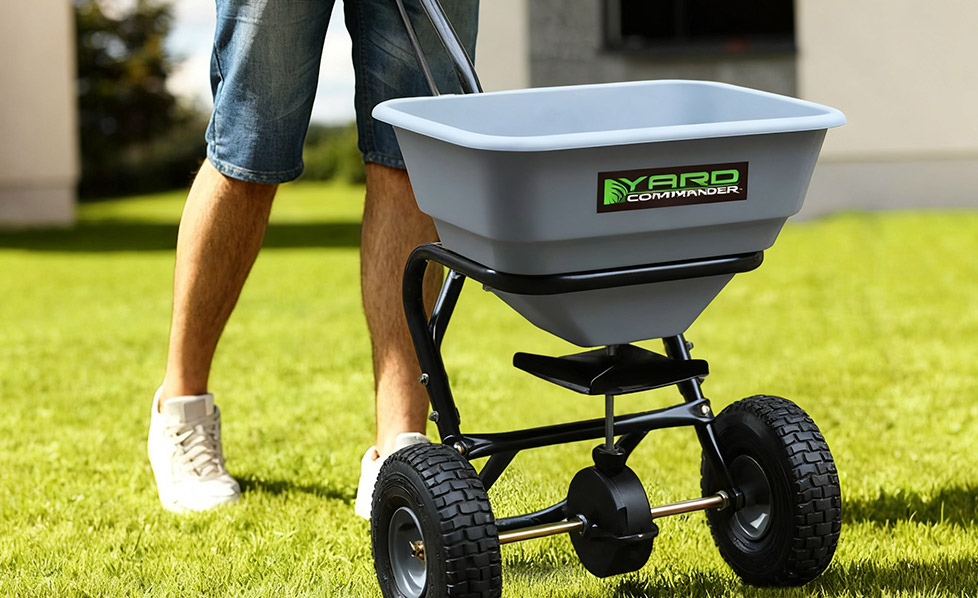
 Spreader
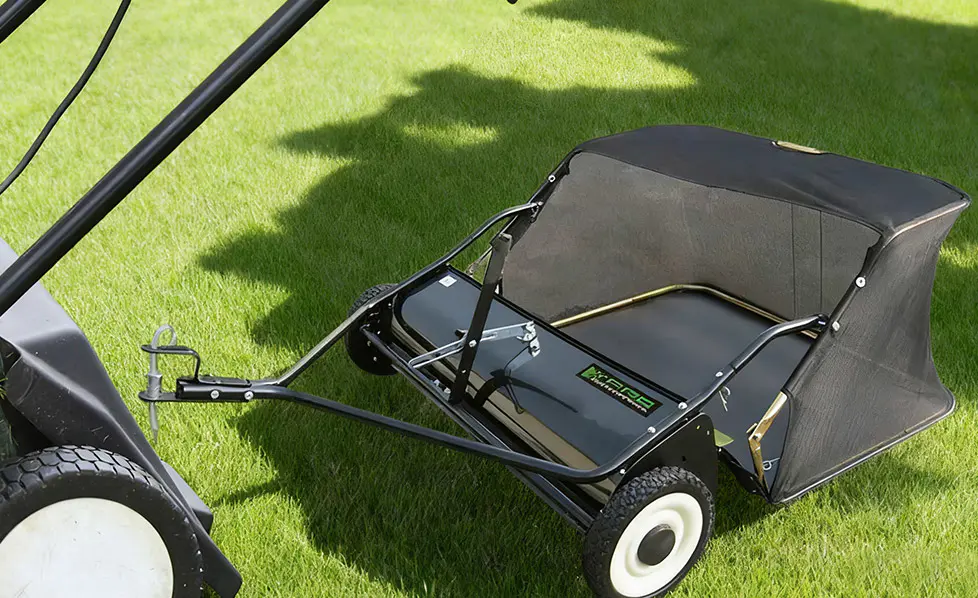
 Lawn Sweeper
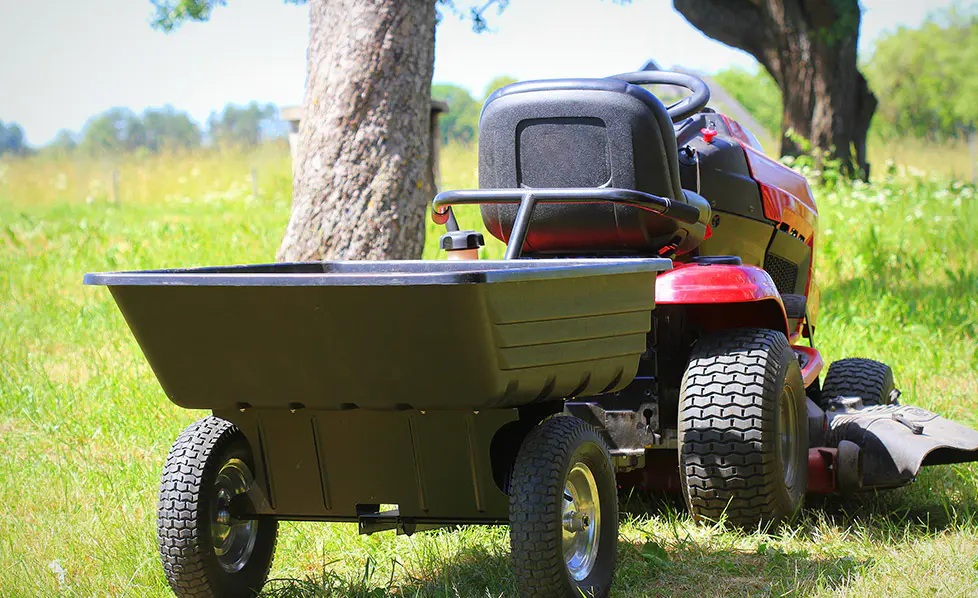
 Dump Cart
 Lawn Groomer
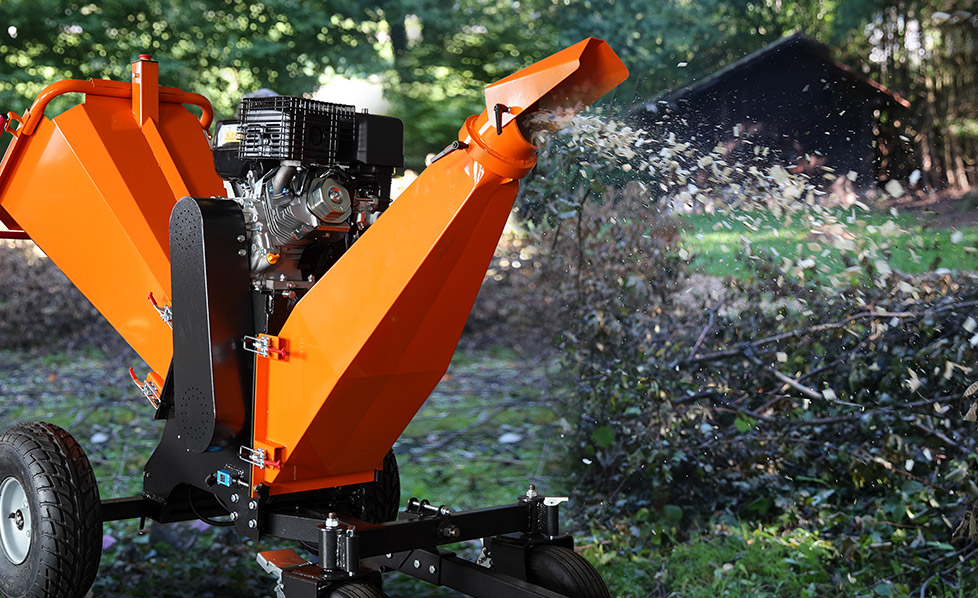
 Chipper Shredder
 Stump Grinder
 Outdoor Power Equipment