
 LANGUAGE
 English
 Deutsch
 Español
 Français
 русский
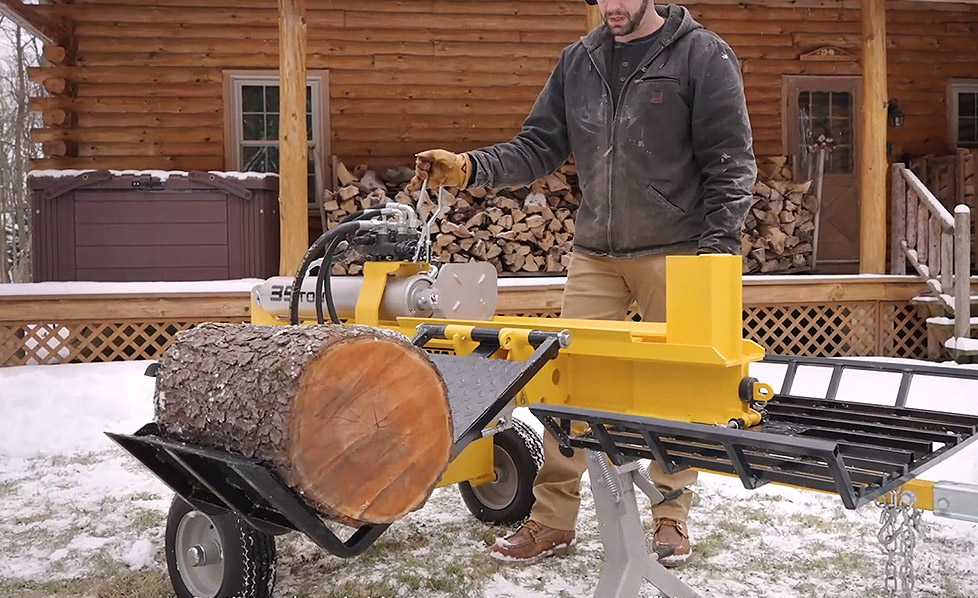
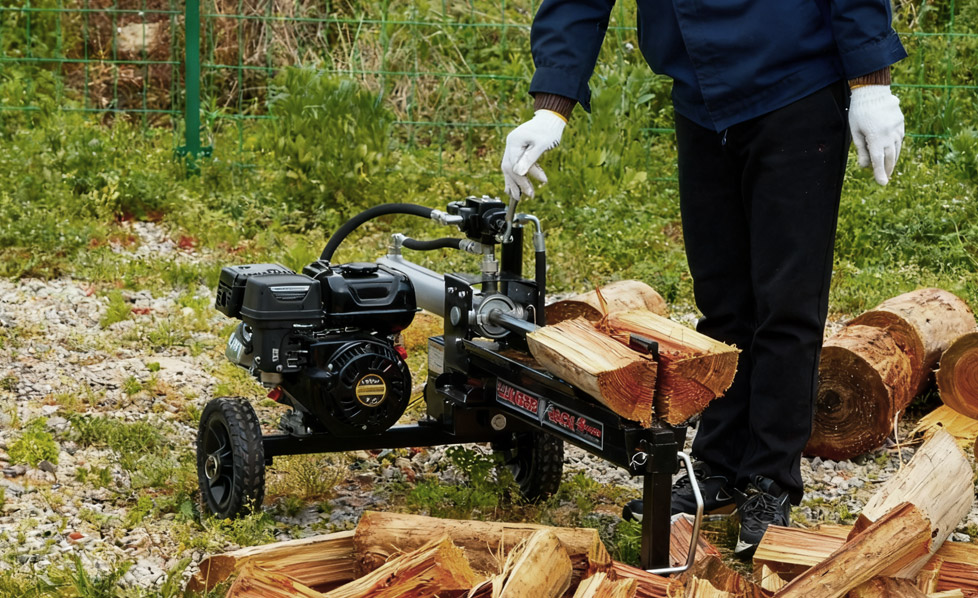
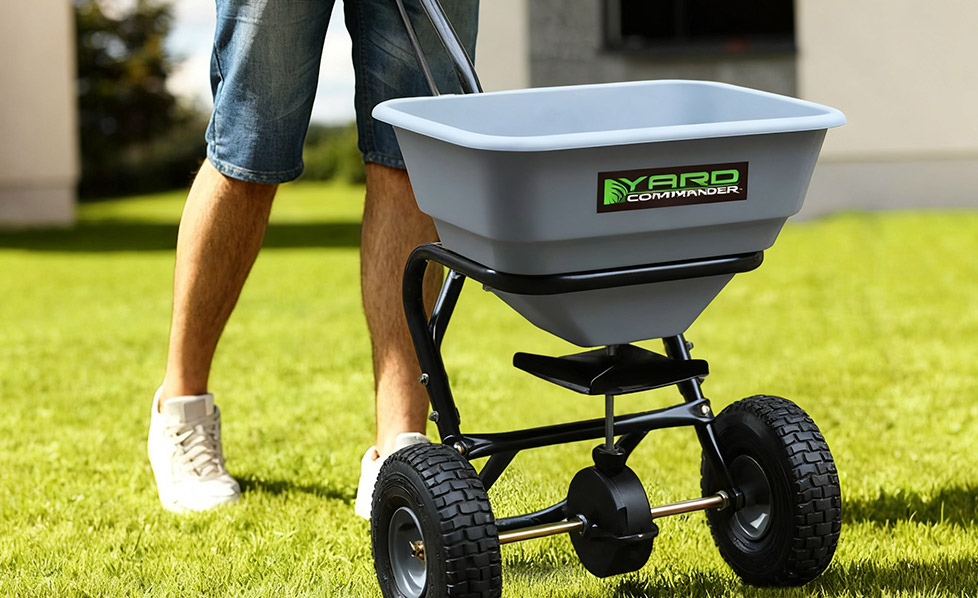
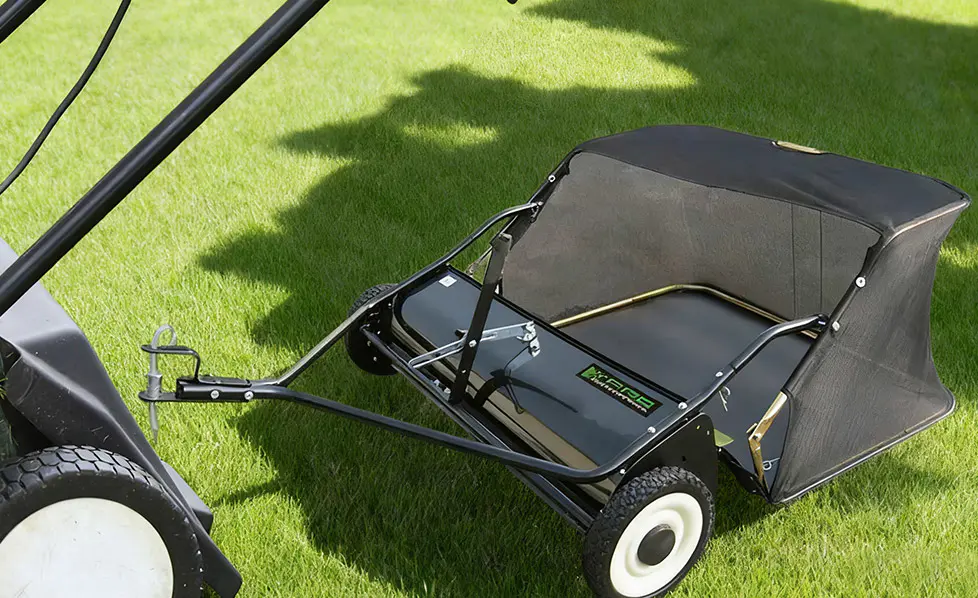










DESCRIPTION ♦Helps nutrients get into the soil and down to the ...
See Details
How to Choose Between Manual and 3-Point Hitch Log Splitters for Off-Grid and Tractor Operations
Mechanical Principles of Forestry Timber Cleaving
Managing timber processing in managed woodlots, remote homesteads, and agricultural operations requires an understanding of mechanical force application. Splitting seasoned or green cordwood manually or via tractor power depends on transforming applied energy into directional mechanical advantage. Wood fibers grow vertically in parallel bundles held together by lignin polymers. To separate a log, a wedge must exert sufficient outward force to exceed the perpendicular tensile strength of these organic bonds.
Traditional methods relying solely on striking axes or splitting mauls rely heavily on kinetic energy and human precision, which can lead to rapid physical fatigue and safety hazards. Modern industrial design introduces specialized machinery to control this force transfer. By utilizing mechanical advantages through leverage, weighted impacts, or auxiliary hydraulic systems, operators can process tough hardwoods and knotted softwood species efficiently.
Mechanical Efficiency Factor: Selecting the correct processing setup requires balancing wood volume, physical space constraints, available power take-off systems, and transport requirements. The goal is to maximize processing speed while minimizing energy loss and operational wear.
When evaluating processing equipment, technologies generally divide into standalone off-grid units and tractor-driven attachments. Choosing between a human-powered manual log splitter and a heavy-duty tractor attachment requires analyzing their mechanics, force outputs, and practical applications.
Technical Categorization of Log Splitting Machinery
Before analyzing individual systems, operators should review the operational parameters across manual, kinetic, and tractor-driven configurations. The following comprehensive comparison matrix details the specific metrics, output capabilities, and power configurations found across the forestry sector.
| Splitter Architecture | Power Source | Average Force Output | Maximum Log Diameter | Optimal Operating Environment |
|---|---|---|---|---|
| Slide Hammer / Kinetic | Manual Impact Weight | 1 to 2 Tons Equivalent | 10 Inches | Indoor Hearthside / Low-Volume Off-Grid |
| Hydraulic Jack / Levered | Manual Hydraulic Pump | 8 to 12 Tons | 14 Inches | Remote Homesteads / No Auxiliary Power |
| 3-Point Hitch (Aux Hydraulic) | Tractor Remote Hydraulics | 13 to 22 Tons | 24 Inches | Agricultural Estates / Mid-Scale Forestry |
| 3-Point Hitch (PTO Driven) | Tractor PTO Independent Pump | 20 to 30 Plus Tons | 30 Inches | Commercial Timber Processing / High-Volume |
Engineering Profile of Manual Log Splitters
A manual log splitter relies entirely on human input, using mechanical links to amplify physical effort into enough force to split wood. These units are highly valued in remote sites, wilderness camps, and residential spaces where combustion engines or electric grids are unavailable or impractical. They do not require fuel, run quietly, and need minimal maintenance due to having fewer moving parts.
Kinetic and Slide Hammer Architectures
The basic slide hammer log splitter uses a sliding weight mounted on a central guide rod that strikes a wedge down into the wood grain. The operator raises the weight and drives it downward. This setup focuses all the kinetic energy directly into the top of the log, keeping the tool stable and reducing misstrikes compared to an axe.
Another common off-grid design is the hand powered log splitter that uses built-in compound levers or rotary dual-handle mechanisms. These systems allow operators to use a rowing motion to steadily drive a splitting wedge forward through mechanical linkages. This reduces lower-back strain and lowers the risk of flying wood debris common with swinging tools.
Manual Hydraulic Leverage Systems
For denser, larger logs, manual hydraulic units use a dual-pump chassis with hand levers to operate a small hydraulic ram. One lever focuses on rapid wedge movement to quickly engage the wood, while the secondary lever shifts to a high-pressure, lower-speed stroke to maximize splitting force. These units typically generate between 8 and 12 tons of pressure, letting operators split logs that would stall standard kinetic tools.
For operators interested in a custom setup, a manual log splitter diy build often involves using a salvaged 10-ton or 12-ton hydraulic bottle jack mounted inside a reinforced, welded structural steel H-beam frame. These custom setups provide a cost-effective way to handle tough logs without needing complex engine systems. Similarly, a homemade manual log splitter can be tailored to specific log lengths, using heavy return springs and adjustable pins to change the stroke length based on the wood supply.
Analysis of Three-Point Hitch (3PT) Tractor Systems
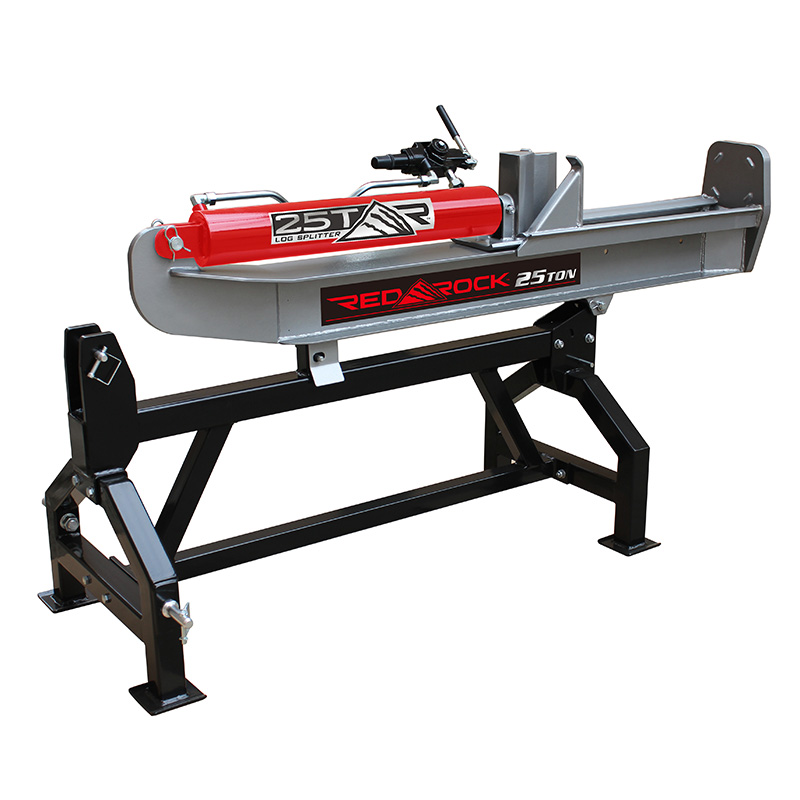
When production needs move beyond residential volumes to agricultural scale, a 3PT log splitter provides a high-output solution. These implements mount directly onto a utility tractor's Category 1 or Category 2 three-point hitch framework. This setup turns a standard tractor into a mobile, high-capacity timber processing station capable of handling dense logs all day.
A log splitter for a tractor saves valuable workspace because it doesn't need its own trailer tongue, independent tires, or an extra small engine that requires separate maintenance. The entire unit is raised off the ground by the tractor's hydraulic lift arms, making it easy to transport over rough, muddy, or hilly woodlots where standard tow-behind splitters might get stuck.
Hydraulic Power Configurations
A primary technical decision when configuring a tractor-driven wood splitter is selecting between auxiliary machine hydraulics and an independent power take-off (PTO) system:
-
Auxiliary Remote Hydraulic Supply: This setup connects a hydraulic log splitter tractor configuration directly to the tractor's rear remote valves using quick-disconnect ISO couplers. The splitter's cycle speed depends on the tractor's internal hydraulic pump output. Utility tractors with low flow rates (under 8 gallons per minute) will experience slower cycle times, while larger modern tractors with high-flow pumps ensure fast, efficient cylinder cycling.
-
PTO Driven Independent Hydraulic Systems: For tractors with lower hydraulic flow or models without rear remotes, a PTO log splitter is the ideal alternative. This system uses a self-contained hydraulic pump mounted directly to the tractor's 540 RPM rear PTO shaft. The pump draws fluid from an onboard reservoir on the splitter frame, providing consistent, high-flow hydraulic power without using the tractor's internal hydraulic lines.
Ergonomics, Cycle Times, and Operational Workflows
Operational efficiency depends on both raw force output and how well the machine matches human workflows. Cycle time—the time it takes for the splitting wedge to extend fully and return to its starting position—directly impacts production volume. While a manual hydraulic unit might take 20 to 30 manual strokes to finish one cycle, a tractor-mounted hydraulic ram typically completes a cycle in 10 to 15 seconds.
Horizontal Processing
Best for uniform, pre-cut rounds that can be easily lifted onto the machine bed. This setup allows for continuous processing at a comfortable working height, often incorporating log cradles and sorting tables to improve workflow efficiency.
Vertical Processing
Essential for heavy, large-diameter logs that are difficult to lift. By pulling a locking pin, the splitter chassis pivots vertically, allowing operators to roll massive logs directly onto the base plate without heavy lifting.
Safety is a critical factor when managing these high forces. Modern tractor attachments use dual-hand control valves that require the operator to hold both levers simultaneously to move the wedge forward. This layout keeps hands clear of the dangerous pinch zones between the wedge and the end plate. Manual systems present different safety profiles; while they don't have high-pressure hydraulics, they require proper body mechanics to prevent back fatigue during long sessions with slide hammers or levers.
Procurement and Secondary Market Strategies
Investing in timber processing tools requires matching equipment lifespan against upfront costs. For occasional property cleanup, off-grid maintenance, or low-volume heating needs, manual tools provide an affordable, durable solution. Because they lack complex engines, filters, and high-pressure hoses, their long-term upkeep cost is nearly zero.
For high-volume wood production, buying a tractor attachment can save significant time and labor. Buyers looking for value often browse the secondary market for a used 3 point hitch log splitter for sale. When inspecting a pre-owned unit, it is important to check specific components to ensure reliability and safety:
-
Structural Weld Integrity: Closely inspect the high-stress areas where the main H-beam connects to the 3-point hitch pins and the rear footplate for signs of metal fatigue or hairline cracks.
-
Cylinder Shaft Condition: Fully extend the hydraulic ram to check for scoring, rust pits, or bends on the chrome shaft, which can quickly ruin polyurethane seals and cause fluid leaks.
-
Hose and Coupler Wear: Look over the high-pressure hydraulic lines for surface cracking, exposed braided steel reinforcement, or leaking quick-connect fittings that will need replacement.
Alternative Wood Splitting Technologies
Beyond traditional manual levers and tractor-mounted hydraulic rams, several alternative designs cater to specific off-grid scenarios and performance preferences. For example, a kinetic manual log splitter uses weighted flywheels or heavy spring-return mechanisms to store energy from manual inputs, releasing it in a quick, high-speed burst to split tough logs faster than a standard hydraulic jack.
Another option is the cordless wood splitting alternatives category, which includes portable electric and battery-powered standalone units. While they lack the massive force of a tractor-driven system, these tools run quietly and efficiently, making them ideal for indoor woodsheds or properties with solar-charged battery banks.
Frequently Asked Questions
Q1: What structural steel grade is recommended for building a homemade manual log splitter?
Homemade frames should use standard structural carbon steel, such as ASTM A36 or higher, in an H-beam configuration with a minimum web thickness of 0.25 inches. This ensures the frame can handle the repeated compression loads without twisting or bending over time.
Q2: Can a Category 1 3PT log splitter be mounted onto a Category 2 tractor hitch configuration?
Yes, you can mount a Category 1 implement to a Category 2 hitch by using adapter bushings on the lower lift pins and replacing the top link pin. This safely fills the gap caused by the larger diameter Category 2 hitch openings.
Q3: How does hydraulic oil viscosity affect the cycle times of a log splitter for a tractor in cold climates?
Cold weather increases oil viscosity, making the fluid thicker and slowing down cylinder cycle times while increasing strain on the pump. For winter operations below freezing, switching to an ISO 32 or specialized low-viscosity anti-wear hydraulic oil helps maintain normal cycle speeds and protects system components.
Q4: Why does a hand powered log splitter require less maintenance than an engine-driven equivalent?
Manual units eliminate internal combustion components like spark plugs, carburetors, air filters, fuel lines, and engine oil. They operate at lower mechanical temperatures and speeds, which significantly reduces seal wear and prevents fluid breakdown from heat.
Q5: What is the optimal wedge angle for processing seasoned dense hardwoods versus green resinous softwoods?
A narrow, sharp wedge angle of 30 to 45 degrees is ideal for cutting through the tough fibers of seasoned hardwoods. For green softwoods, a wider wedge angle of 60 degrees or a stepped wedge design works better because it quickly forces the wet, elastic wood fibers apart to prevent the blade from binding.
PREV:How to Diagnose and Replace Log Splitter Parts: Hydraulic Valve Repair vs Full Cylinder Rebuild
NEXT:What Size and Tonnage Log Splitter Do You Need? Electric vs. Gasoline – A Complete Guide
NEXT:What Size and Tonnage Log Splitter Do You Need? Electric vs. Gasoline – A Complete Guide
Interested in cooperation or have questions?
Related products
-
-
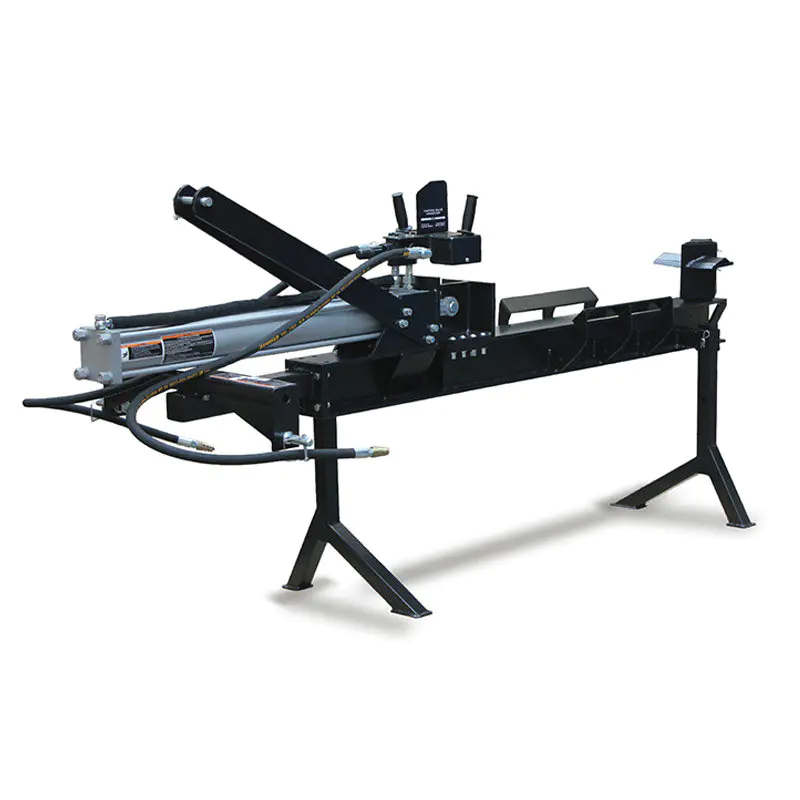
DESCRIPTION 14Ton 3PT log splitter attaches to Category 1 tractor 3-pt...
See Details -
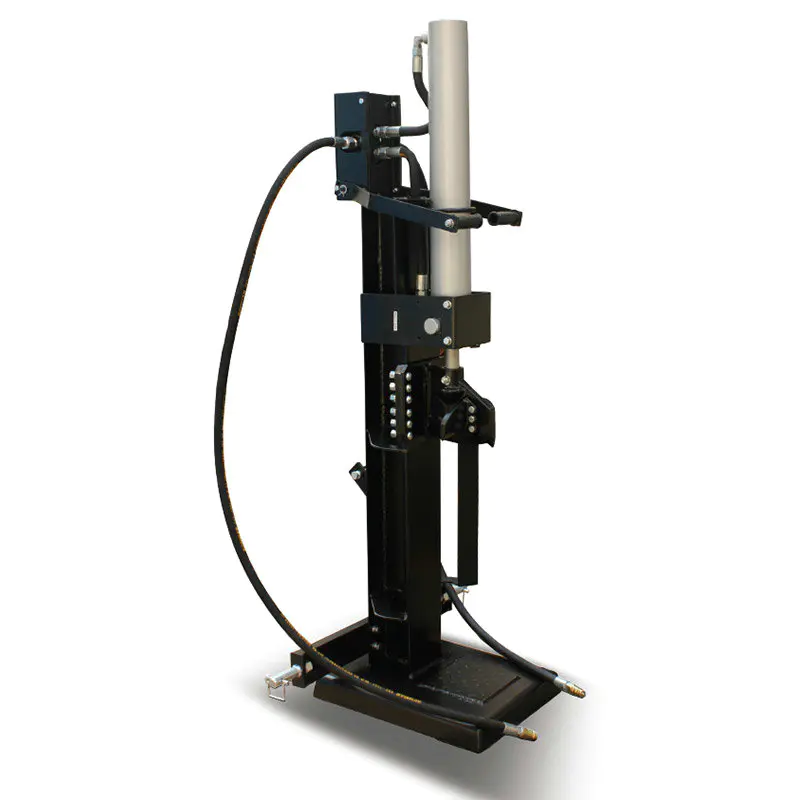
DESCRIPTION Model no.: LSE 14Max. splitting force: 14TonMax. log lengt...
See Details -
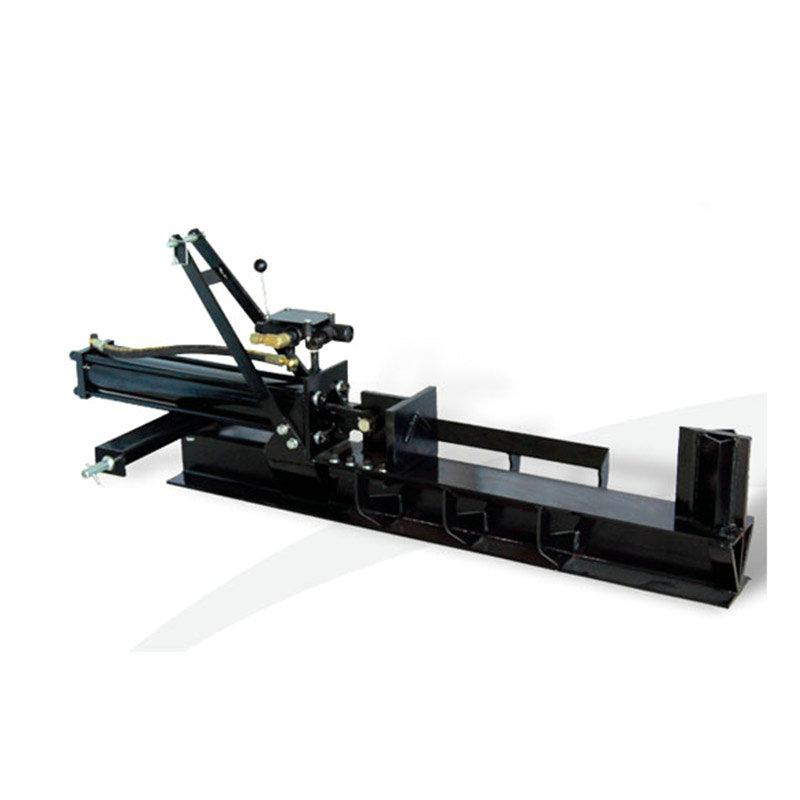
DESCRIPTION 14Ton 3PT log splitter attaches to Category 1 tractor 3-pt...
See Details -
-
◆MODEL NO.: SP31202 ◆40 REPLACEABLE CORING POINTS ◆SINGLE-HAND LIFT LE...
See Details
