
 LANGUAGE
 English
 Deutsch
 Español
 Français
 русский




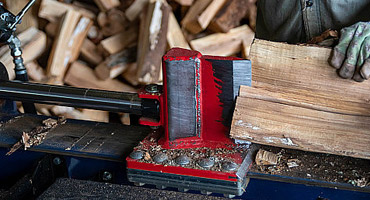




DESCRIPTION Vertical or horizontal operating position lets you work mo...
See Details
How to Match Land Clearing Equipment to Every Stage of Soil Preparation
Mapping the Land Clearing and Soil Preparation Sequence
Turning raw, overgrown ground into usable land rarely happens with a single machine. Most projects move through a predictable sequence: vegetation is reduced, stumps are removed below grade, utility lines are trenched in, holes are bored for posts or plantings, bulk material is excavated for grading, and the surface is finished for planting or paving. Understanding where each piece of equipment fits in that sequence prevents wasted passes, rework, and equipment mismatches on site.
The diagram below outlines the typical workflow from initial clearing through final soil grooming. Not every project uses all six stages, but knowing the order helps with scheduling equipment rentals or crew assignments efficiently.
Chipper Shredders: Turning Vegetative Debris Into Reusable Mulch
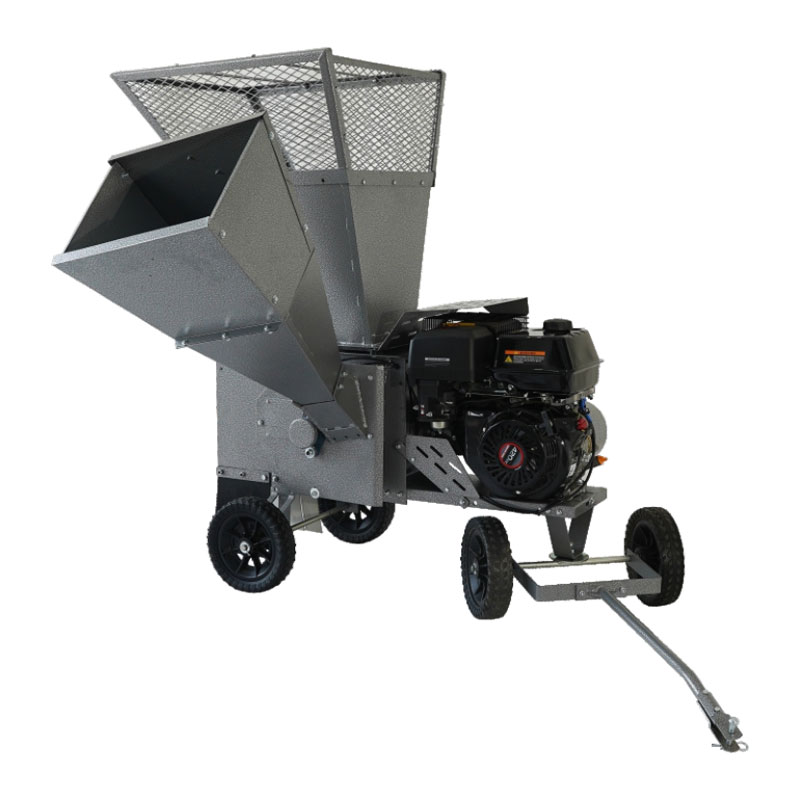
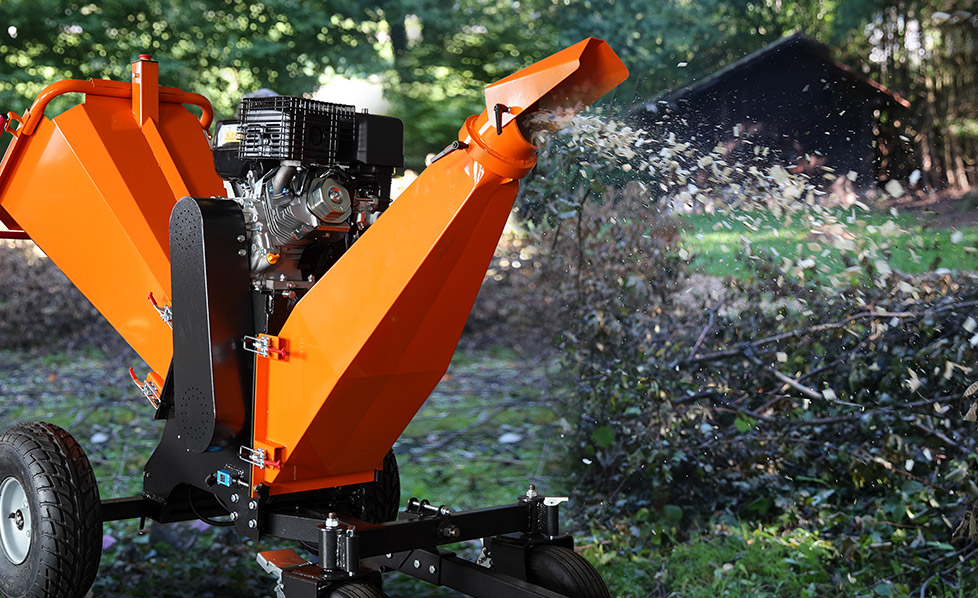
Before any grading or trenching can start, standing brush, fallen limbs, and cleared saplings need somewhere to go. A chipper shredder reduces that volume on site rather than hauling it away whole, converting branches and leafy material into mulch that can be reused for erosion control or composted directly on the property.
Sizing the machine to the vegetation is the most common planning mistake. Feeding oversized material into an undersized hopper stalls the rotor and increases wear on the cutting blades. The table below breaks down typical capacity tiers by feed type.
| Machine Class | Branch Diameter Capacity | Feed Method |
|---|---|---|
| Compact residential | Up to 3 in | Hand-fed hopper |
| Mid-duty landscaping | 4 to 6 in | Gravity feed with side chute |
| Commercial PTO-driven | 6 to 9 in | Hydraulic feed rollers |
For small farms clearing fence lines or overgrown pasture edges, a mid-duty unit paired with a tractor PTO usually covers the majority of debris encountered without requiring a dedicated commercial rig.
Stump Grinders: Clearing Below-Grade Obstructions for Safe Regrading
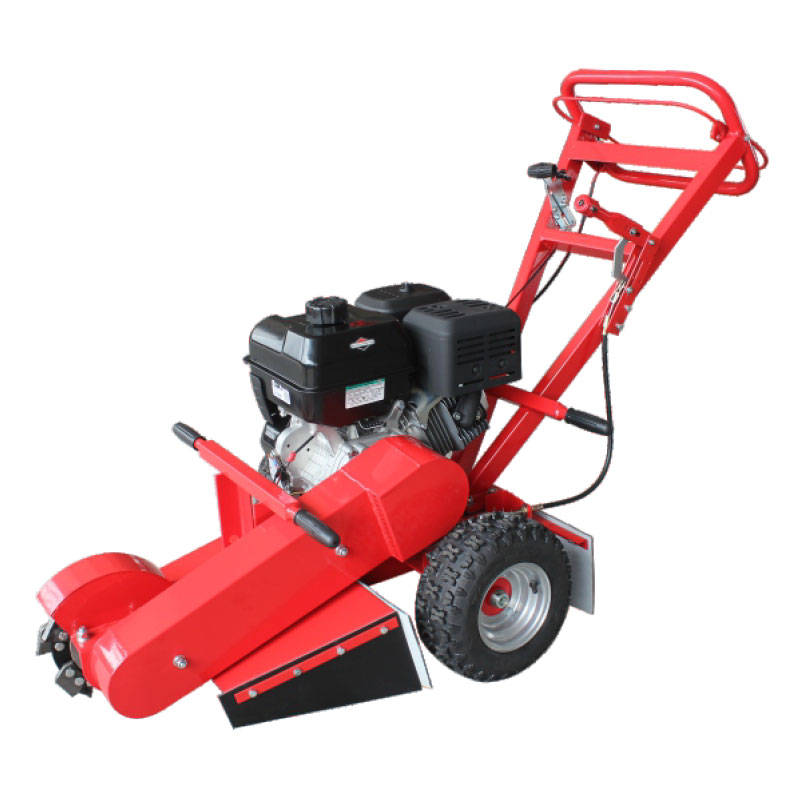
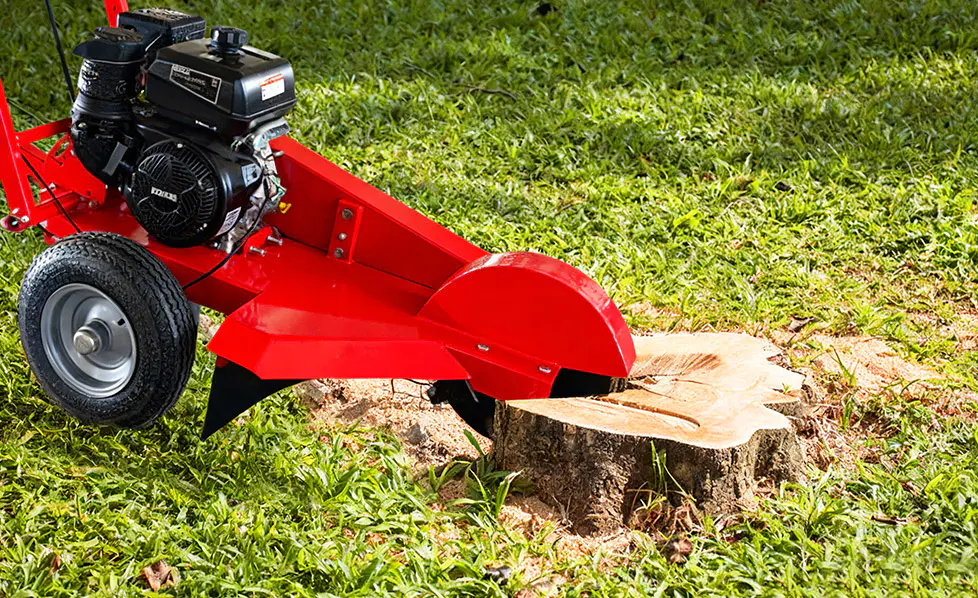
Cutting down a tree only solves half the problem. The remaining stump and its surface roots interfere with mowing, foundation work, and any later trenching or auger drilling in the same footprint. A stump grinder mills the wood down below the soil line using a rotating cutting wheel, leaving loose wood chips instead of a solid obstruction.
4 to 12 inTypical grinding depth below grade
12 to 30 inCutting wheel diameter range
20 to 40Carbide teeth per wheel
Grinding a stump 8 to 10 inches below the surrounding grade is generally sufficient to prevent regrowth interference and allow topsoil to be added directly over the site without settling issues later.
Root systems that spread laterally near the surface may require a wider sweep pattern than the stump diameter alone suggests, so operators typically grind in a radius extending slightly beyond the visible stump edge.
Trenchers: Engineering Precise Channels for Utilities and Drainage
Once stumps and major roots are cleared, running irrigation lines, drainage pipe, or buried electrical conduit calls for a narrow, consistent channel rather than an open excavation. A trencher uses a chain-driven digging boom to cut a uniform-width trench at a controlled depth, disturbing far less surrounding soil than a backhoe bucket would.
| Soil Condition | Recommended Trench Depth | Notes |
|---|---|---|
| Sandy loam | 12 to 24 in | Faster chain speed, minimal resistance |
| Clay or compacted fill | 12 to 18 in | Slower pass speed, higher power draw |
| Rocky subsoil | 6 to 12 in | Requires a rock-rated chain and reduced feed rate |
Matching chain type and depth to the soil condition, rather than pushing a single setting through every trench, reduces chain wear and keeps the trench walls straight enough for pipe bedding.
Earth Augers: Standardizing Hole Boring for Posts, Trees, and Footings
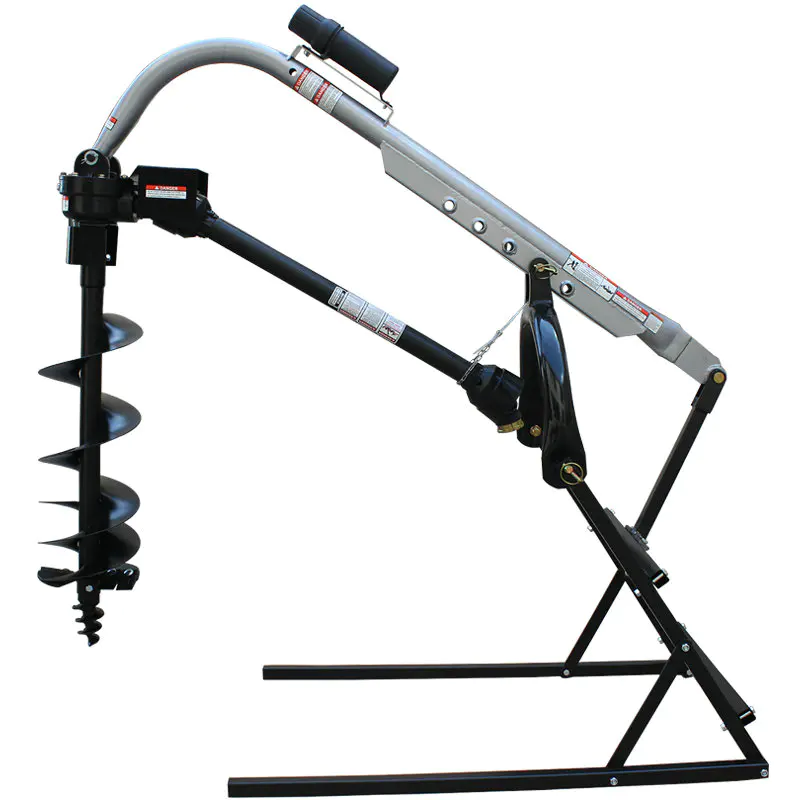
Fence lines, tree plantings, and small footings all rely on consistent hole diameter and depth, which is difficult to achieve with hand digging over any real distance. An earth auger bores a repeatable hole using an interchangeable bit, letting crews match bit size to the specific job rather than over- or under-sizing every hole.
| Bit Diameter | Common Application |
|---|---|
| 4 to 6 in | Standard fence posts, small stakes |
| 8 to 12 in | Tree and shrub planting, light footings |
| 12 to 24 in | Deep post holes, utility pole bases |
Rocky or heavily compacted ground shortens bit life quickly, so many operators keep a secondary bit with reinforced flighting on hand for sections that resist the primary bit.
Backhoes: Heavy-Duty Excavation for Grading and Bulk Material Handling

When a project moves beyond narrow trenches or individual holes into foundation digging, pond work, or large-scale regrading, a backhoe provides the bucket capacity and reach that smaller equipment cannot match. Its combination of a front loader and rear excavator arm covers both material movement and precise digging in a single machine.
| Bucket Width | Best Suited Task |
|---|---|
| 12 to 18 in narrow bucket | Utility trenching in tight access areas |
| 24 to 36 in standard bucket | General excavation, foundation digging |
| Extendable dipper stick | Extra reach for grading and pond shaping |
Because a backhoe disturbs a wider footprint than a trencher or auger, it is generally sequenced after finer utility work is already marked or installed, to avoid damaging shallow lines.
Drag Harrow Groomers: Finishing the Seedbed After Heavy Equipment Work
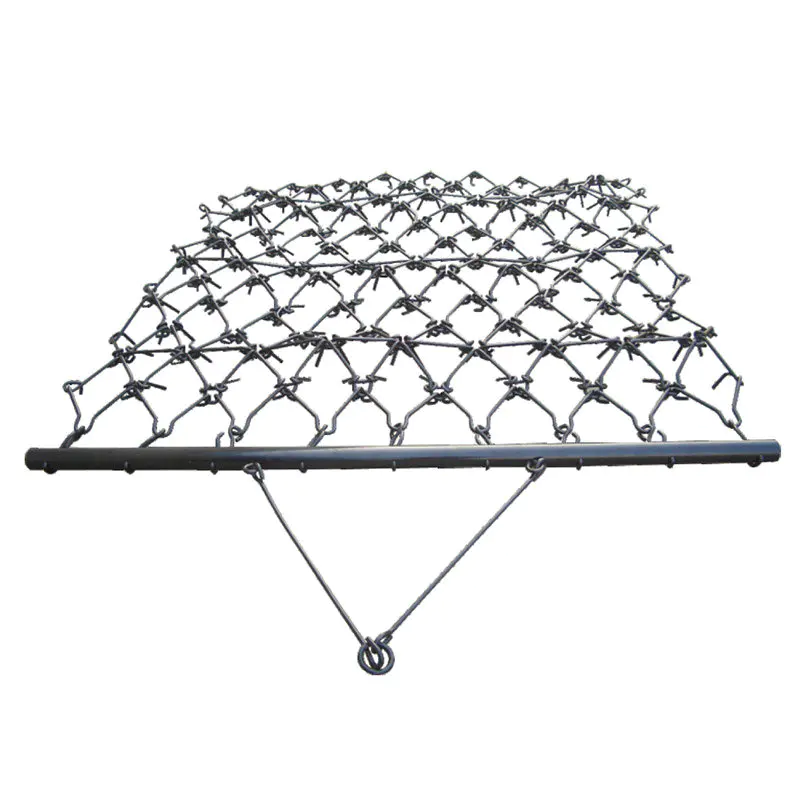
After stumps are gone, trenches are backfilled, and grading is complete, the surface is typically left uneven, compacted in tire tracks, and full of loose clods. A drag harrow groomer is pulled behind a tractor or ATV to break up that surface layer and leave it level enough for seeding, sodding, or a final topsoil pass.
- Levels ruts and tire tracks left by heavier equipment
- Breaks up surface clods without deep tillage
- Redistributes loose wood chips from stump grinding into the topsoil
- Prepares an even seedbed ahead of overseeding or sod installation
Running the harrow in two passes at right angles to each other, rather than one heavy pass, generally produces a more even finish across uneven ground.
Comparing Six Equipment Types by Task, Power Source, and Output
The table below summarizes how each machine fits into a land clearing or soil preparation project, useful as a quick reference when planning equipment order or rental scheduling.
| Equipment | Primary Task | Typical Power Source | Operator Skill Level |
|---|---|---|---|
| Chipper shredder | Debris volume reduction | Engine-driven or PTO | Low to moderate |
| Stump grinder | Below-grade stump removal | Engine-driven or hydraulic | Moderate |
| Trencher | Narrow utility channels | Walk-behind engine or skid steer attachment | Moderate |
| Earth auger | Repeatable hole boring | Handheld, tractor 3-point, or skid steer | Low to moderate |
| Backhoe | Bulk excavation and grading | Diesel engine | High |
| Drag harrow groomer | Surface leveling and finishing | Tractor or ATV drawn | Low |
Selecting Equipment by Project Scale: Small Farm vs Large Site Development
Project scale changes which machines are worth owning outright versus renting for a single phase of work.
Small Farm or Rural Property
- Mid-duty chipper shredder on tractor PTO covers most brush clearing
- Compact earth auger handles fence and small tree planting needs
- Drag harrow groomer maintains pasture and driveway surfaces year round
- Stump grinder and trencher are often rented only when needed
Commercial or Large Site Development
- Commercial-grade chipper shredder to keep pace with continuous clearing crews
- Dedicated stump grinder and trencher to avoid rental scheduling delays
- Backhoe for foundation work, grading, and bulk material handling
- Wider drag harrow groomer to finish large graded areas efficiently
Frequently Asked Questions About Land Clearing and Soil Preparation Equipment
Q1: What is the difference between a chipper shredder and a standalone wood chipper?
A standalone chipper is generally built for larger branches and limbs only, while a chipper shredder combines a chipping chute for wood with a separate shredding hopper for leaves and smaller brush, producing a finer, more uniform mulch output.
Q2: How deep can a stump grinder cut below the surface?
Most stump grinders can reach 4 to 12 inches below grade depending on wheel diameter and machine power, which is typically sufficient to allow regrading or replanting directly over the ground stump.
Q3: When should a trencher be used instead of a backhoe for utility lines?
A trencher is the better choice when the goal is a narrow, consistent channel with minimal soil disturbance, such as irrigation or conduit runs, while a backhoe is more suited to wider excavation where reach and bucket capacity matter more than trench uniformity.
Q4: What auger bit size is best for standard fence posts?
A 4 to 6 inch bit diameter is the common range for standard wood or metal fence posts, while larger bits are reserved for tree planting or deeper structural post holes.
Q5: How does a drag harrow groomer improve soil after heavy equipment work?
It breaks up surface compaction and clods left by trenchers or backhoes, levels ruts from tire traffic, and leaves an even surface layer that is ready for seeding or sod without additional tillage.
PREV:How to Choose the Right Dump Cart and Spreader Setup for Maximum Efficiency
NEXT:How to Match Lawn Grooming Equipment to the Turf Problem You Actually Have
NEXT:How to Match Lawn Grooming Equipment to the Turf Problem You Actually Have
Interested in cooperation or have questions?
Related products
-
-
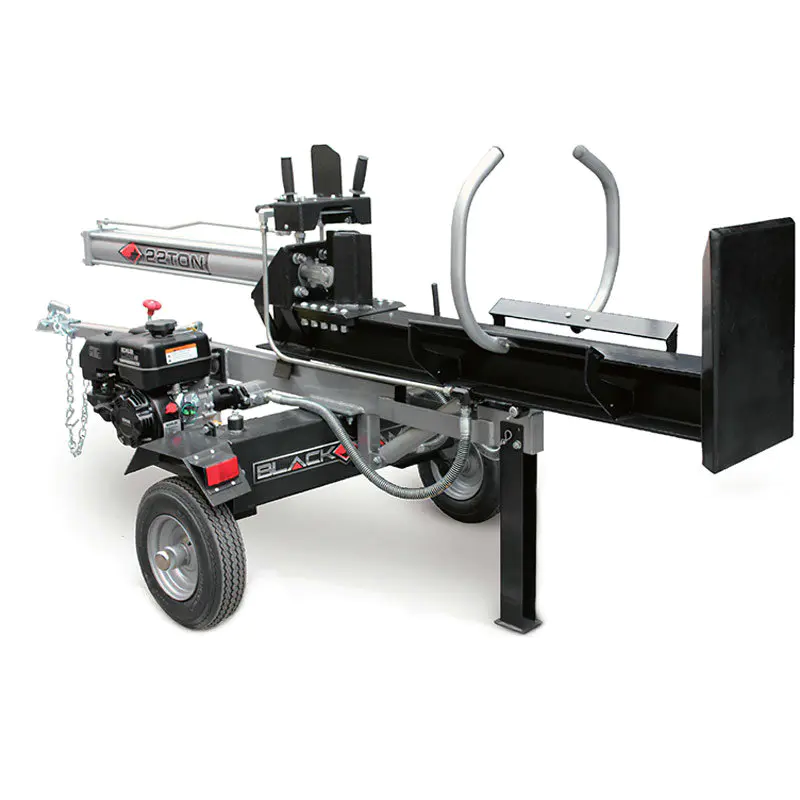
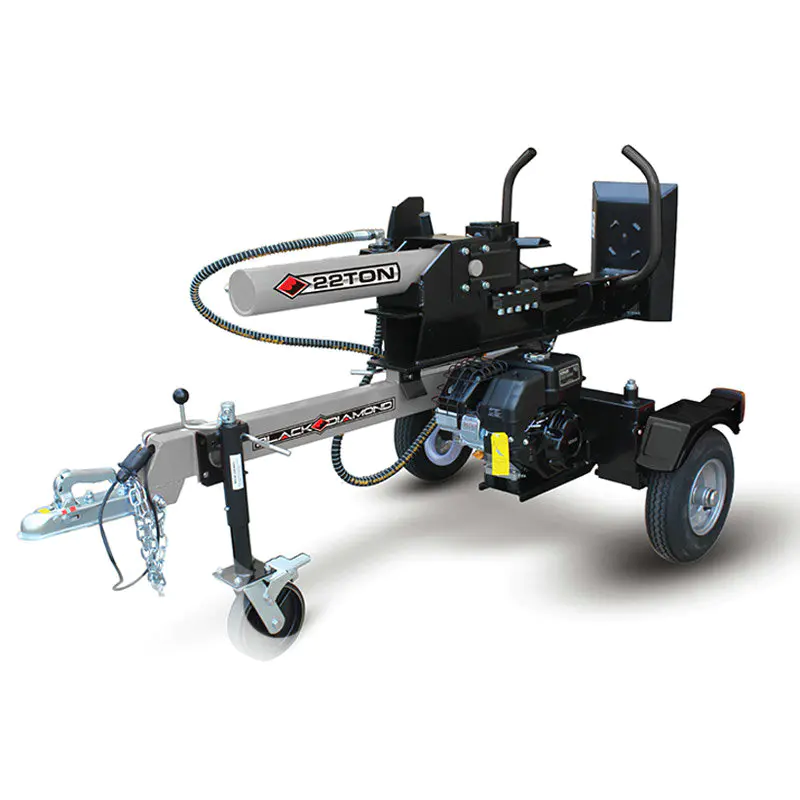
DESCRIPTION 22 Ton vertical/horizontal operating position allows for u...
See Details -
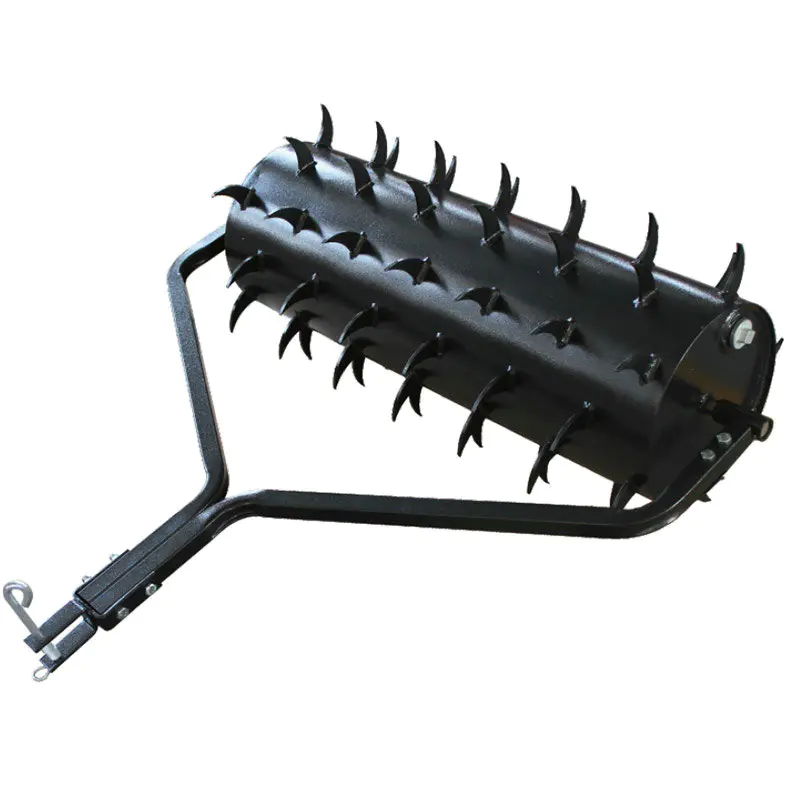
DESCRIPTION ♦Helps nutrients get into the soil and down to the ...
See Details -
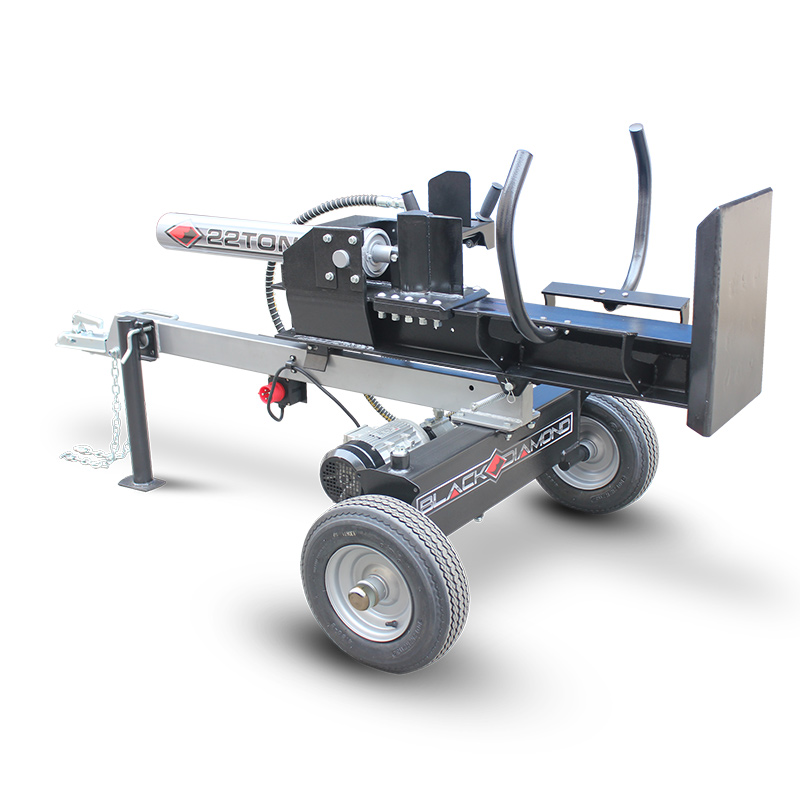
DESCRIPTION 22 Ton vertical/horizontal operating position allows forus...
See Details -
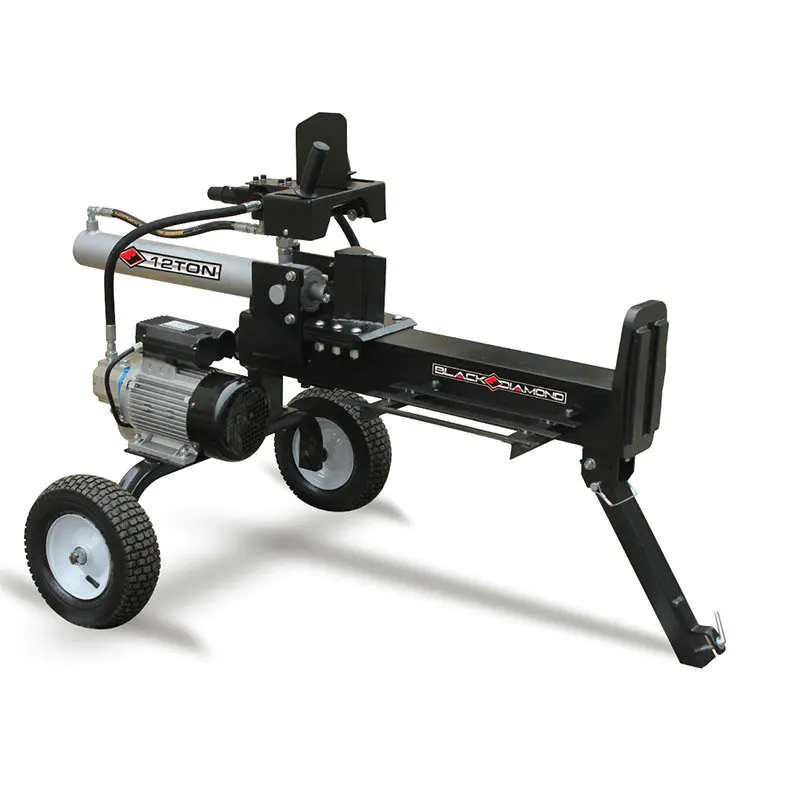
DESCRIPTION Accommodates splitting in horizontal only Half beam design...
See Details -
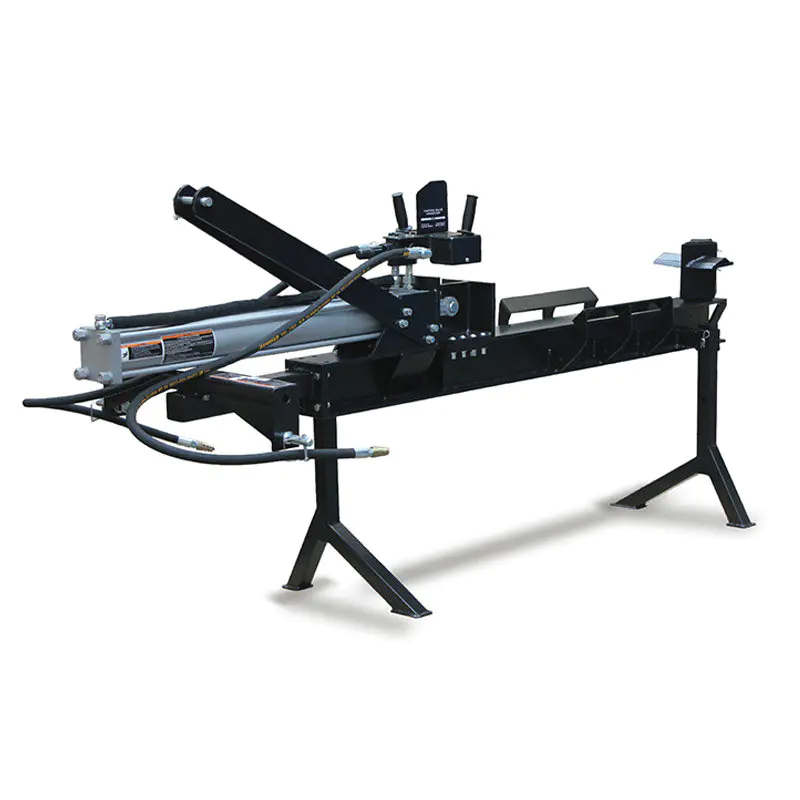
DESCRIPTION 14Ton 3PT log splitter attaches to Category 1 tractor 3-pt...
See Details
