
 LANGUAGE
 English
 Deutsch
 Español
 Français
 русский
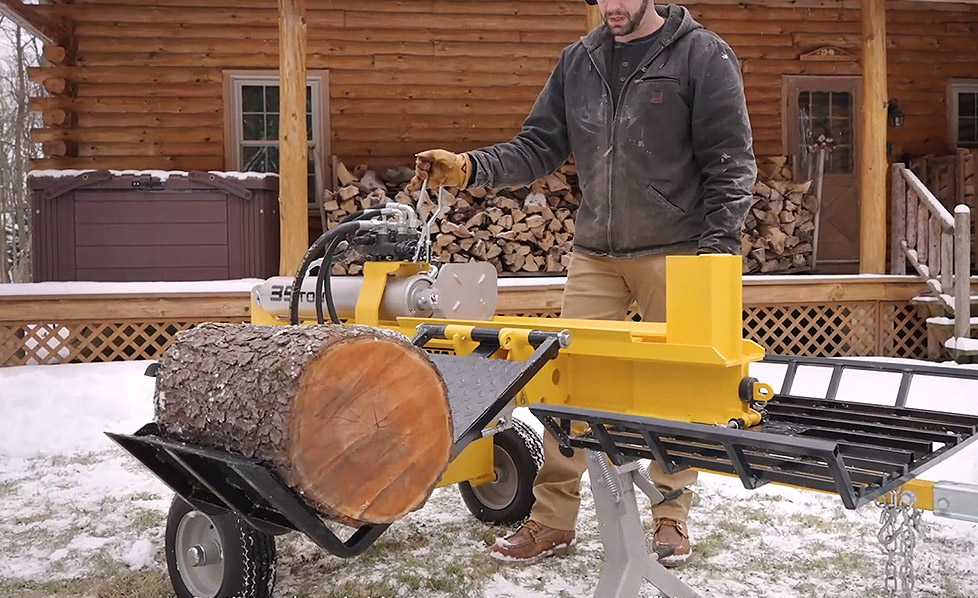
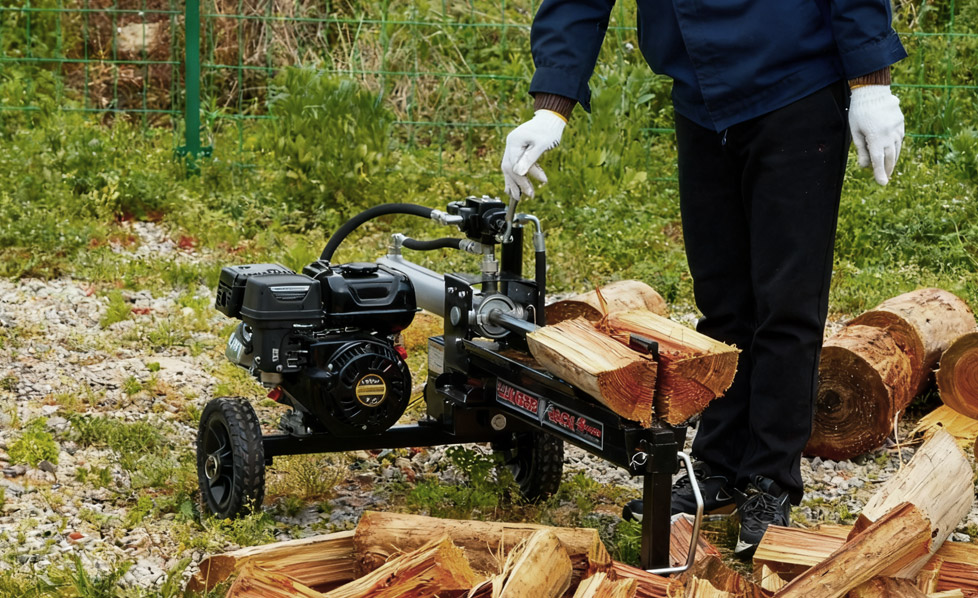




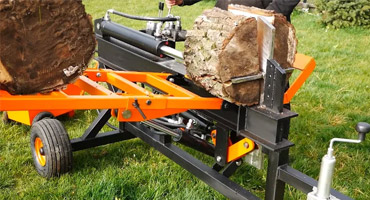





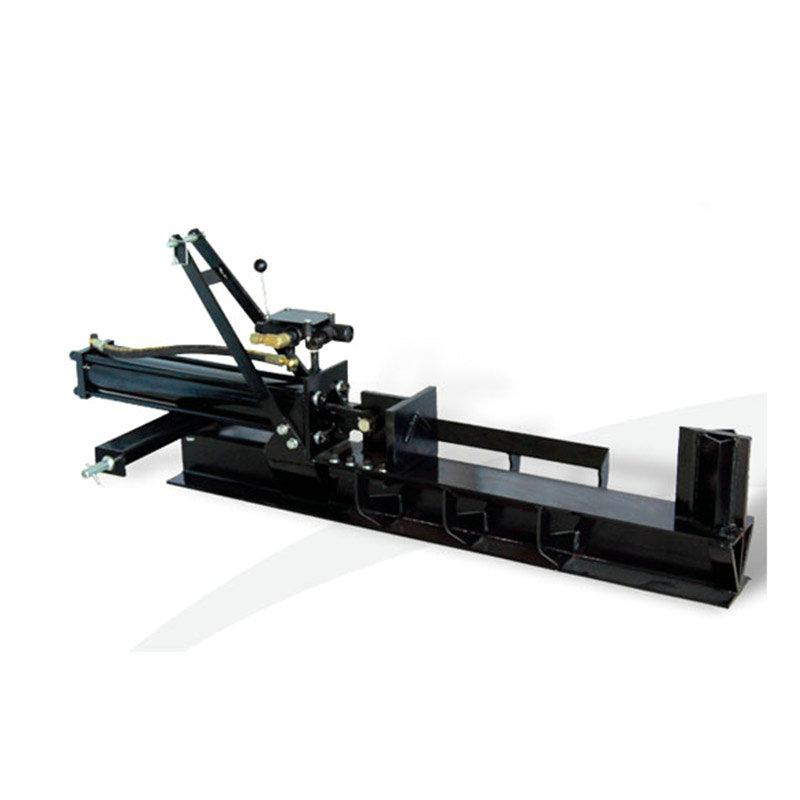
DESCRIPTION 14Ton 3PT log splitter attaches to Category 1 tractor 3-pt...
See Details
What Size and Tonnage Log Splitter Do You Need? Electric vs. Gasoline – A Complete Guide
Log Splitter Basics: Why Tonnage Alone Doesn’t Tell the Full Story
Choosing the right log splitter involves more than looking at the highest splitting force. Whether you process firewood for a suburban home or run a small commercial operation, understanding the balance between cycle speed, beam design, and available tonnage is critical. The two main categories—electric and gasoline-powered machines—differ dramatically in real-world performance. In this guide, we cut through marketing claims to help you answer key questions: what size log splitter do I need, how many ton log splitter do I need, and which power source truly fits your wood processing volume.
Quick industry insight: Data from firewood forums and rental yards indicates that 78% of home users overestimate required tonnage by at least 30%. Meanwhile, commercial users often underestimate cycle time importance. This guide uses real splitting dynamics—wood species, diameter, moisture content, and grain structure—to give you a precise roadmap.
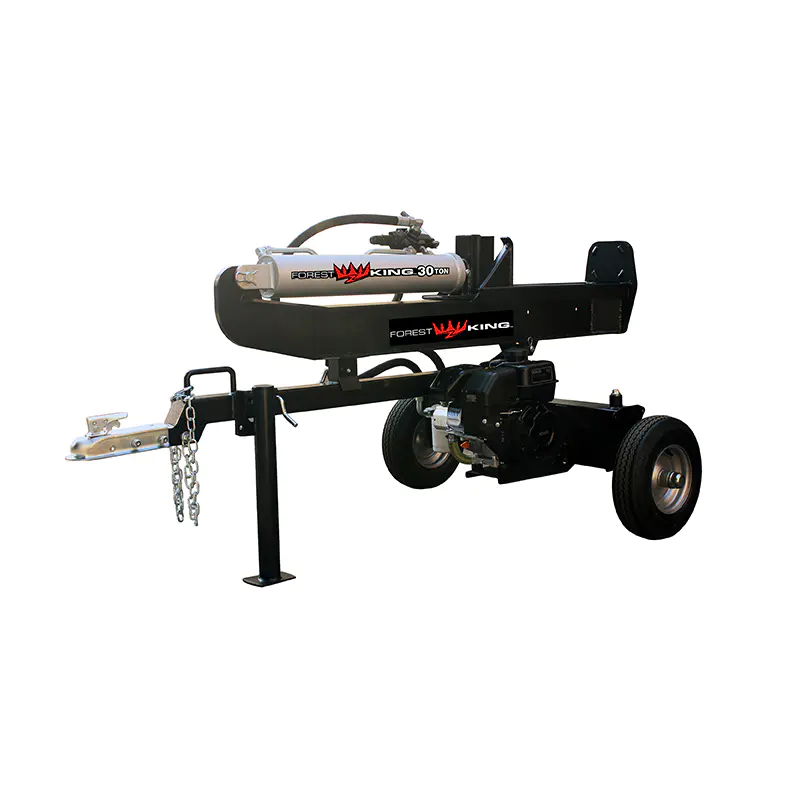
Understanding Log Splitter Tonnage: What Does It Actually Mean?
Tonnage refers to the hydraulic force applied to the wedge to split a log. But force without context is misleading. A 22-ton machine might struggle with wet elm, while a 34-ton unit splits oak with ease, but oversized tonnage increases machine weight and fuel consumption. For residential needs, the effective range is often between 15 and 30 tons. Here is a data-based reference (values derived from ASTM wood splitting resistance studies).
5-12 T
Ideal for softwoods (pine, spruce) or seasoned birch up to 12 inches. Most electric log splitter units live here.
15-25 T
Mixed hardwood, 18-22 inch diameter, moderate knots. Sweet spot for home firewood processing up to 10 cords/year.
27-35+ T
Large-diameter knotty oak, elm, or frozen logs. Commercial scale, high daily throughput.
How Wood Species and Moisture Affect Required Tonnage
Green (freshly cut) oak requires roughly 40% more splitting force than seasoned oak of the same diameter. A 20-inch green oak round can demand up to 28 tons, while dry oak of the same size often splits with 18 tons. Similarly, elm and sycamore are notorious for interlocking grain, which multiplies resistance. When you evaluate how big of a log splitter do I need, always consider your primary wood type and typical moisture content.
Electric vs. Gasoline Log Splitters: Performance & Practicality
Electric log splitter models dominate the residential segment for quiet, maintenance-light operation, but they top out around 7–10 tons (some rare 12-ton units exist). For typical suburban firewood needs—softwood and occasional 12-inch hardwood rounds—an electric unit is sufficient. Conversely, full beam gasoline log splitter designs provide 22 to 40+ tons, faster cycle times, and true portability away from outlets. However, they require engine maintenance, produce noise (94-100 dB), and emit fumes.
Real-World Use Case: 8 cords per year
A user splitting 8 cords of mixed maple and birch (seasoned) would spend 40% more total time on an electric splitter because of cycle speed and tonnage limitations on larger rounds. However, the electric unit costs nearly zero in fuel and very little maintenance. If your wood is mostly under 14 inches in diameter and dry, an electric unit makes sense. For larger or green wood, a gasoline 22-ton model becomes the true minimum.
What Size Log Splitter Do I Need? A Step-by-Step Sizing Guide
Answering what size log splitter do i need is about matching three variables: maximum log diameter, wood species toughness, and annual cordage. Use this decision framework:
- Step 1: Measure your largest typical log diameter. Double the diameter to get an approximate tonnage baseline (e.g., 18" diameter → ~18 tons baseline). For knotty or green wood, add 35%.
- Step 2: Estimate cords per year. Under 3 cords/year: electric can work if wood is moderate. 3-12 cords/year: gas 22-27 ton ideal. Over 12 cords/year: consider 34+ ton with faster cycle.
- Step 3: Evaluate portability needs. Electric splitters roll easily; gas full-beam models are heavier but can be towed to remote log piles.
A survey of 230 firewood producers (household to small farm) showed that 22-ton gasoline splitters satisfied 84% of users who process 5-10 cords/year, while 34-ton units were chosen mainly for frequent knotty oak, elm, or frozen logs. For homeowners who split less than 2 cords of small-diameter softwood, a 7-10 ton electric unit is perfectly adequate and much quieter.
Pro tip: if you often split logs longer than 24 inches, a full beam gasoline log splitter with horizontal/vertical capability is safer and more efficient. Vertical mode eliminates heavy lifting, reducing back strain.
22-Ton vs. 34-Ton Log Splitter: Which One Is Worth the Upgrade?
This is one of the most common dilemmas when choosing a gas-powered splitter. The difference is not just 12 tons; it includes beam thickness, pump flow rate, and engine displacement. A 22-ton machine typically uses a 6.5–7 hp engine and a 2-stage pump delivering 11-13 GPM. A 34-ton model often packs 9+ hp and 16 GPM, yielding 35% faster cycle times.
Cost per cord analysis (fuel + time)
Assume processing 6 cords of mixed oak/hickory per year. A 22-ton splitter might stall on 2 of every 10 large knotty rounds, requiring repositioning or axe work. Time lost: ~4 hours per season. A 34-ton unit powers through nearly everything, but initial cost is 40-60% higher. For firewood businesses or households selling wood, the 34-ton pays back through efficiency. For personal use only, the 22-ton is often the smarter financial choice unless you regularly split elm or large-diameter hardwood.
- 22-ton best for: 10-20" diameter, mixed hardwood, occasional tough rounds, budget-conscious.
- 34-ton best for: 20-28" diameter, wet oak, crotch wood, daily commercial splitting.
22-ton characteristics
Cycle: 9–11 sec
Engine: ~208cc
Weight ~350 lbs
Max log: 22" soft / 18" hard
34-ton characteristics
Cycle: 7–9 sec
Engine: ~270cc
Weight ~450 lbs
Max log: 26" soft / 24" hard
Best Log Splitter for Home Use & Firewood Production
When searching for the best log splitter for home use or log splitters for firewood, three factors dominate: noise tolerance, storage space, and average wood size. For suburban homes with neighbors, an electric log splitter is the undisputed winner regarding neighborly relations (65 dB vs 95+ dB). For rural properties or acreages, a 22–27 ton gasoline unit provides versatility for larger projects, storm cleanup, and processing bigger oak logs.
Homeowner case: A family in the Northeast splits 4 cords of mixed hardwood yearly. They switched from an 8-ton electric to a 25-ton gas splitter because many logs exceeded 14 inches. Their throughput increased by 2.5x, and they now split with less frustration. But another family splitting only 1 cord of pine and small birch remains perfectly happy with a 7-ton electric unit.
- Home user type A: Small yard, 1-3 cords/season, softwood & small hardwood → 6-10 ton electric.
- Home user type B: Rural, 4-8 cords, 16-22” maple/oak → 22 ton gas splitter.
- Home user type C: Large property, 8+ cords, very large diameter → 27-34 ton gas splitter.
Recommended tonnage for home use usually falls between 20 and 28 tons if you ever split green hardwood. Anything above 30 tons is rarely necessary for pure residential firewood.
Best Commercial Log Splitter: Performance Demands & Durability
For full-time firewood sellers, rental yards, or forestry services, the best commercial log splitter must combine 30+ tons, continuous-duty cycle, and robust beam construction. In commercial environments, duty cycle matters: an operator may split 200-400 logs daily. A 34-40 ton splitter with auto-return valve, larger hydraulic tank, and reinforced wedge lasts thousands of hours. Many businesses prefer horizontal/vertical models to handle oversized stumps. While initial investment is high (around $2000–$3500), the cost per split drops dramatically when processing over 25 cords annually.
Commercial tip: Always oversize by 15% if you process frozen logs in winter. Ice increases required tonnage up to 50%. A 34-ton unit underperforms on frozen 20” elm; a 40-ton model is safer and more productive.
Decision Flowchart: Right Tonnage & Power Source
Choosing Log Splitter Tonnage: 5 Key Factors You Cannot Ignore
- Maximum log diameter & species: Double the inches in diameter to get baseline tons. For elm/hickory add 10 tons.
- Green vs. seasoned: Wet wood increases required force by 25–45%.
- Annual volume: Under 3 cords electric works; 3–10 cords gas 22–27t; over 12 cords 30t+.
- Cycle speed preference: Faster cycle (sub 9 sec) matters for volume; electric units are slower but sufficient for sporadic use.
- Portability & power availability: Electric requires outlet near work area; gas works anywhere but needs ventilation.
Industry rule of thumb: A 22-ton gasoline splitter handles 80% of homeowner firewood tasks. Only upgrade to 34 tons if you regularly split logs over 20 inches in green oak/hickory, or run a side business processing more than 15 cords annually.
Frequently Asked Questions (FAQ)
Q1: What size log splitter do I need for splitting oak firewood?
For 16-20 inch diameter seasoned oak, a 22-ton gas splitter is sufficient. For green oak of the same size, step up to 27 tons. If your oak often has knots or irregular grain, choose 30+ tons to avoid frustrating stalls.
Q2: How many ton log splitter do I need for mixed hardwood like maple and birch?
For typical 12-18 inch diameter seasoned maple/birch, 16–20 tons is adequate. However, many find that a 22-ton unit provides a comfortable margin and handles occasional larger rounds without hassle.
Q3: Are electric log splitters strong enough for real firewood production?
Yes, for small to medium firewood needs (up to 3 cords/year) with logs under 14 inches and properly dried wood. Modern 7-9 ton electric units split dry ash, birch, and softwoods reliably. They are not suitable for large-diameter or green hardwood.
Q4: What is the best tonnage for a commercial log splitter business?
Commercial operations should start at 34 tons with a high-flow pump (16 GPM or higher). For processing frozen logs or extra-large hardwood, 40 tons ensures uptime. Look for reinforced beams and auto-cycle valves.
Q5: Can a 22-ton log splitter handle 24-inch diameter elm?
Elm’s interlocking grain makes it extremely difficult. A 22-ton splitter will likely stall or require multiple wedge passes. For elm, a 34-ton unit is recommended, and using vertical splitting orientation helps.
Q6: How big of a log splitter do I need if I only split softwood like pine or cedar?
Softwood requires low tonnage. An 8-10 ton electric splitter comfortably splits up to 18-inch diameter seasoned pine. A small 16-ton gas splitter would be overkill, but still functional.
PREV:How to Choose Between Manual and 3-Point Hitch Log Splitters for Off-Grid and Tractor Operations
NEXT:What is the Best Hydraulic Pump for Your Log Splitter? Selection and Troubleshooting Guide
NEXT:What is the Best Hydraulic Pump for Your Log Splitter? Selection and Troubleshooting Guide
Interested in cooperation or have questions?
Related products
-
-
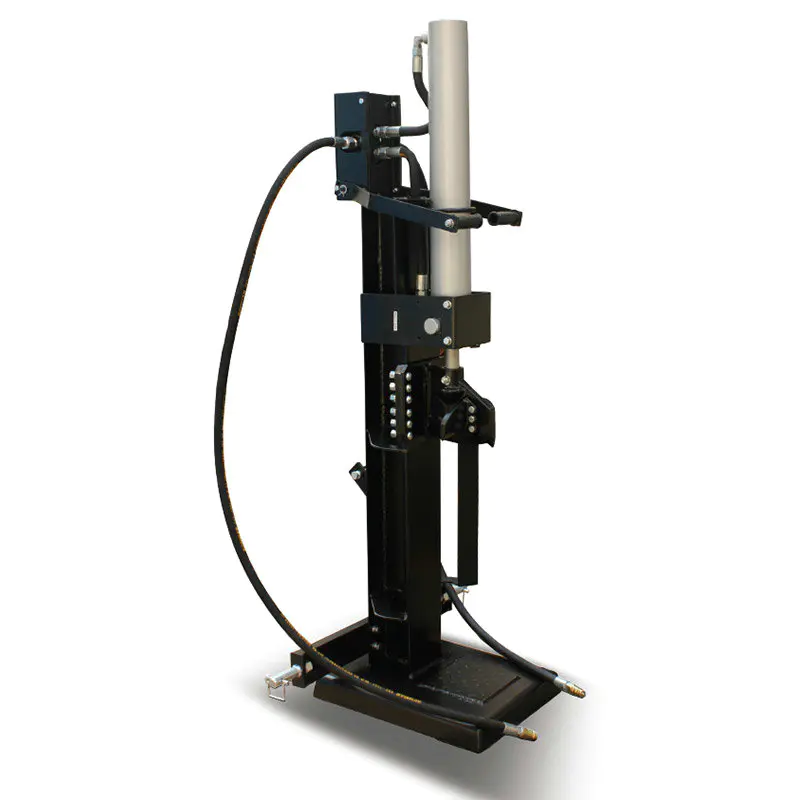
DESCRIPTION Model no.: LSE 14Max. splitting force: 14TonMax. log lengt...
See Details -
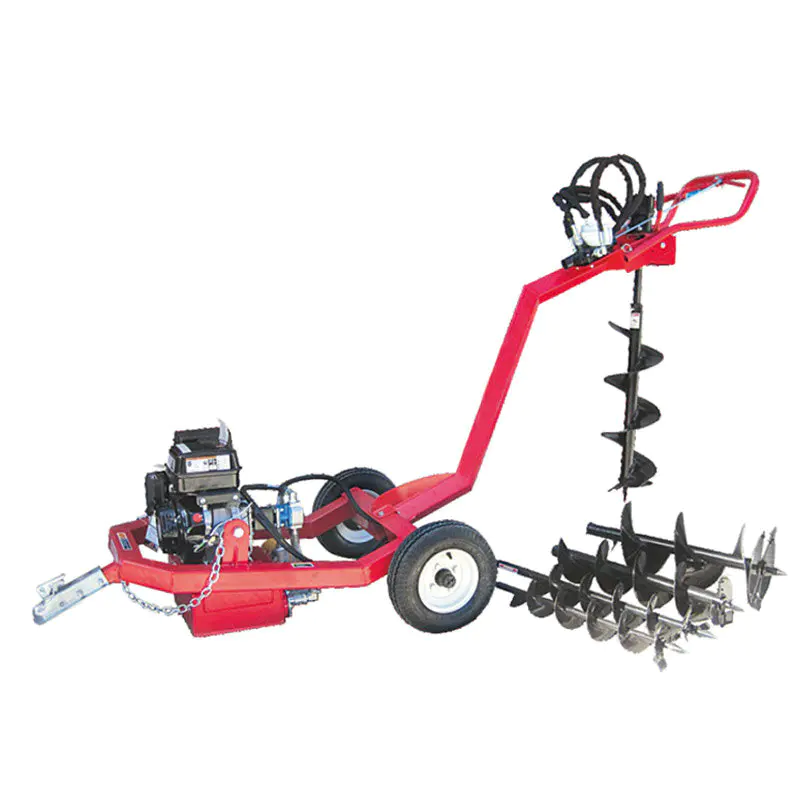
◆MODEL NO.: SP48103 ◆9HP GASOLINE ENGINE ◆IT IS TO DIG FOOTING HOLES, ...
See Details -
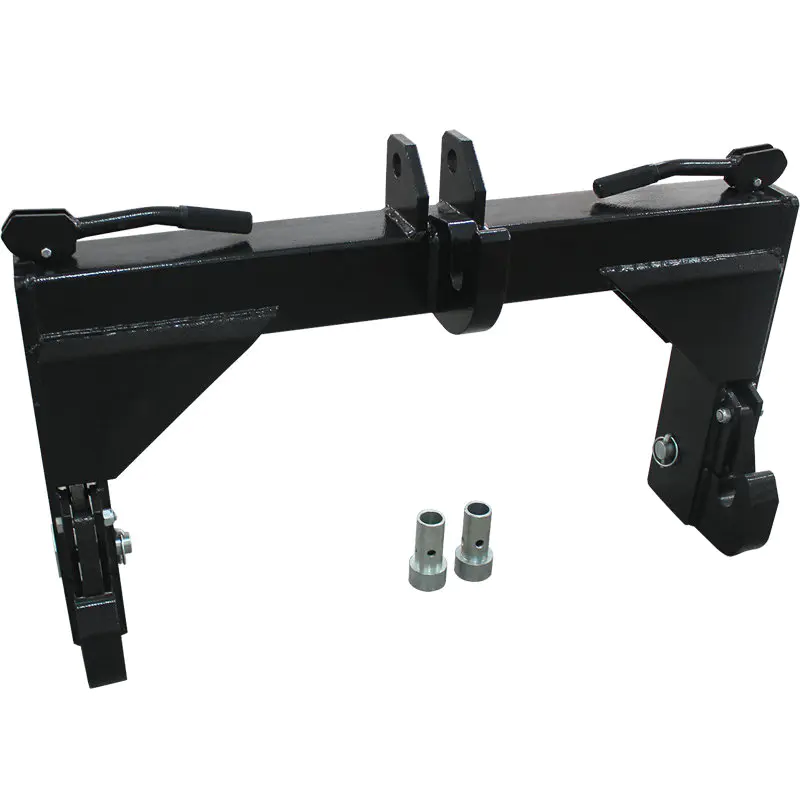
MODEL NO. : SP35321 2 spring-loaded handles for fast and easy attachme...
See Details -
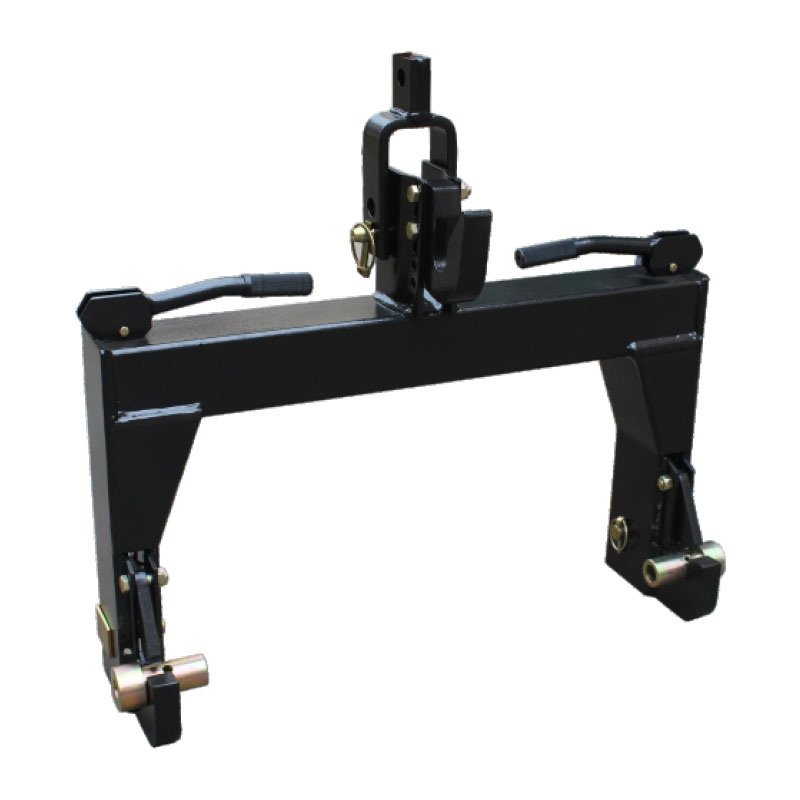
● 2 spring-loaded handles for fast and easy attachment and release of ...
See Details -
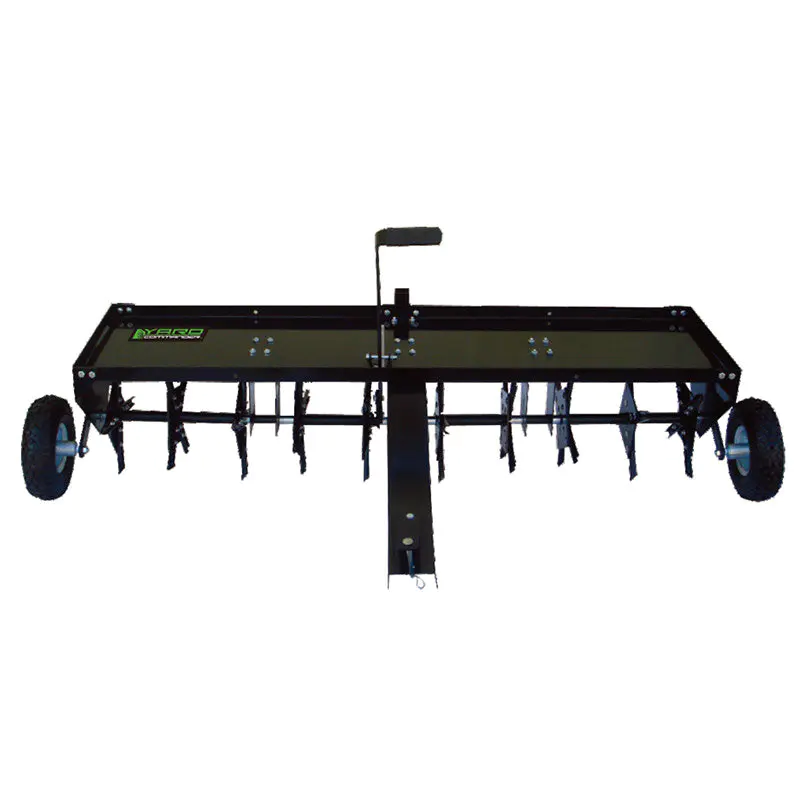
◆MODEL NO.: SP31202 ◆40 REPLACEABLE CORING POINTS ◆SINGLE-HAND LIFT LE...
See Details
