
 LANGUAGE
 English
 Deutsch
 Español
 Français
 русский
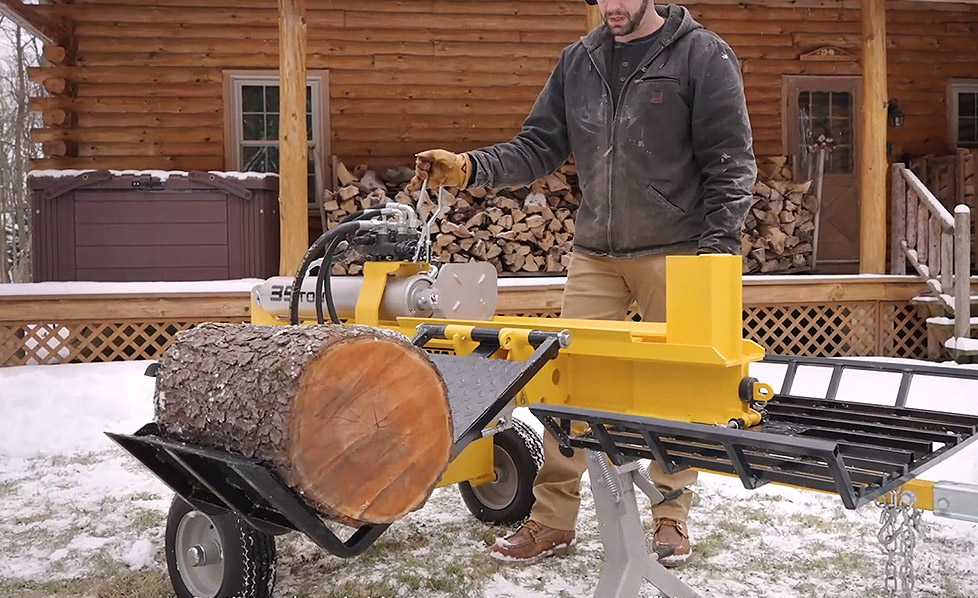
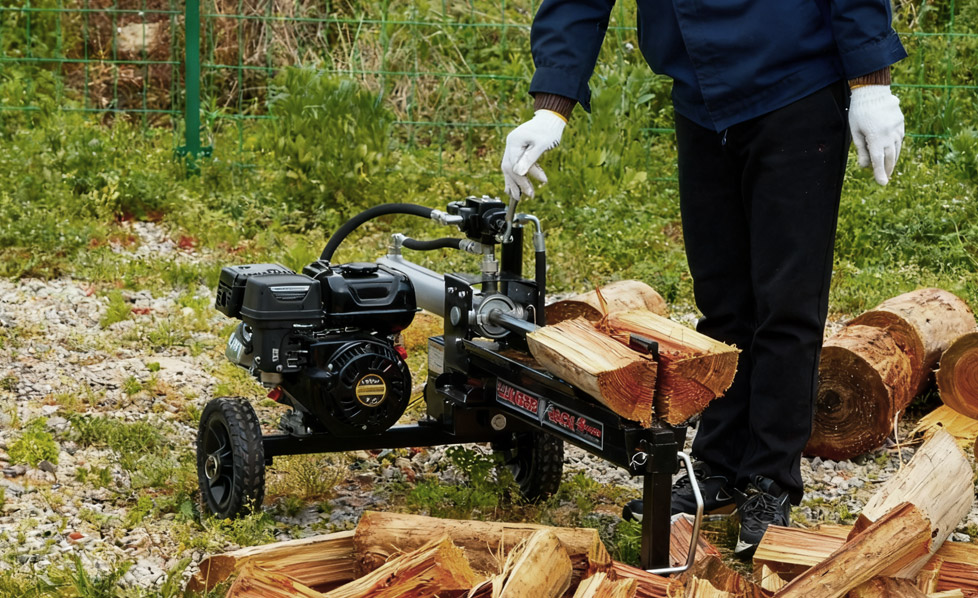








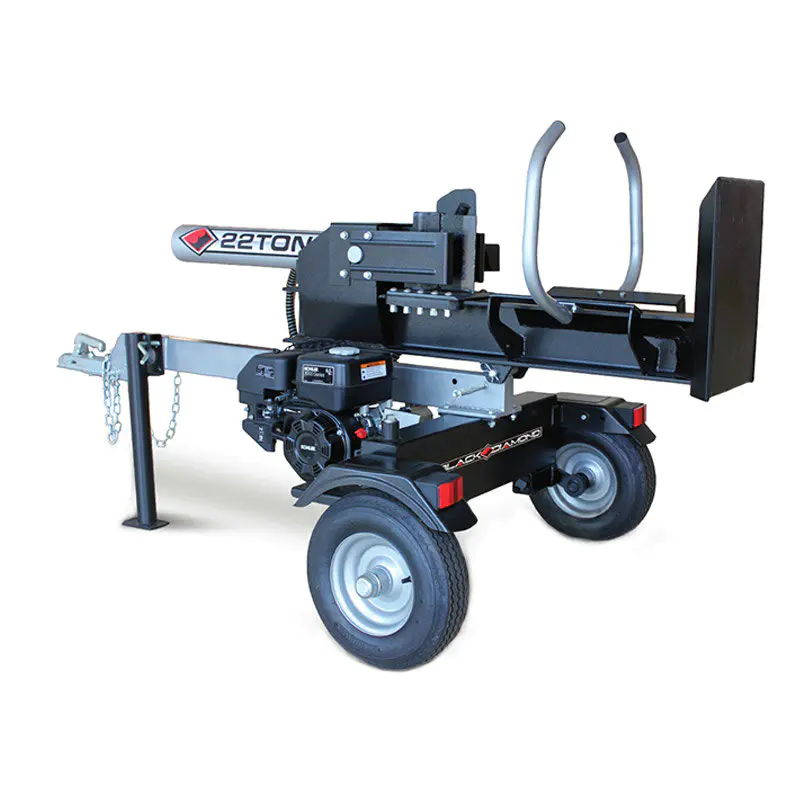
DESCRIPTION22Ton vertical/horizontal operating position allows foruse ...
See Details
How to Match Lawn Grooming Equipment to the Turf Problem You Actually Have
Why Turf Quality Depends on the Right Grooming Equipment
Healthy turf is rarely the result of mowing alone. Underneath a lawn that looks thin, spongy, or slow to green up, three mechanical problems tend to repeat themselves: surface debris smothering new growth, a thatch layer blocking water and nutrients, and compacted soil that starves roots of oxygen. Each of these problems has a distinct mechanical solution, and using the wrong tool for the wrong problem is one of the most common reasons lawn care programs stall out.
A lawn sweeper collects surface debris without disturbing the soil profile. A lawn groomer, a broader category that includes dethatching and aeration attachments, addresses what is happening at and below the surface. Understanding where each tool fits in a maintenance cycle is the first step toward building an equipment list that solves problems instead of just adding chores.
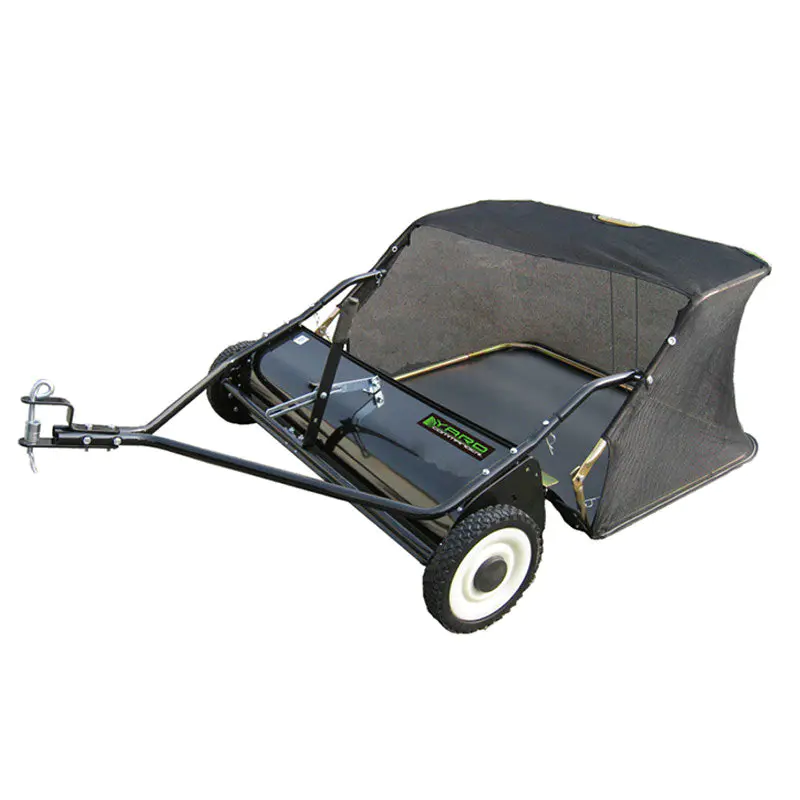
Lawn Sweeper vs Lawn Mower: Clearing Debris Without Damaging Growth
Mowers cut grass; they are not designed to lift and collect the volume of leaves, thatch fragments, grass clippings, and seed pods that accumulate during peak shedding seasons. Mulching mowers can process light clippings, but once leaf litter builds past a thin layer, it blocks sunlight and traps moisture against the crown of the grass plant, creating conditions for fungal disease within a matter of days in humid climates.
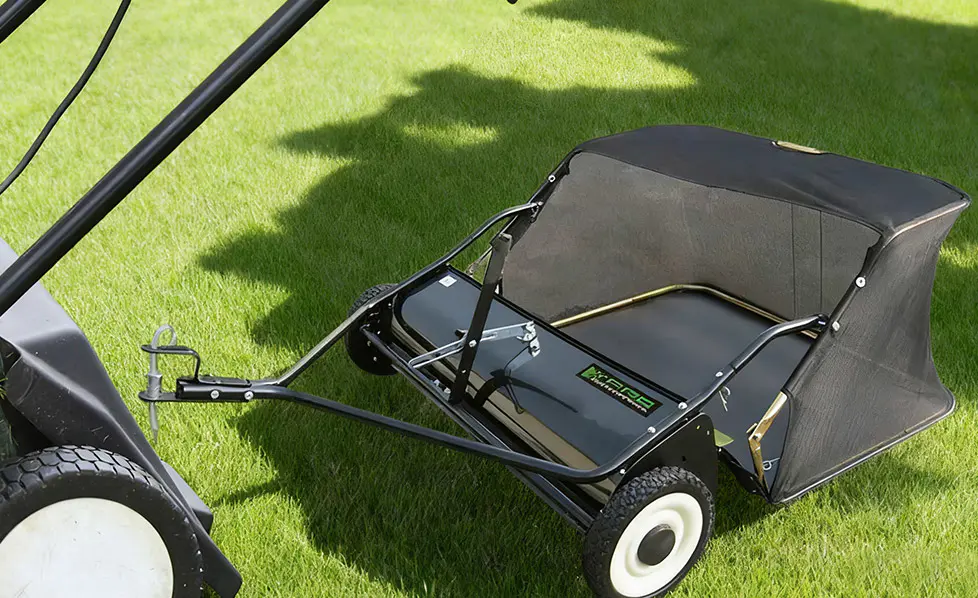
This is where a dedicated lawn sweeper earns its place in the equipment rotation. Rotating brushes lift debris from between grass blades and deposit it into a collection hopper, clearing material that a mower blade would simply chop and redistribute. Because the brushes ride on the surface rather than cutting into it, sweeping can be done more frequently than mowing without added stress to the turf.
| Task | Lawn Mower | Lawn Sweeper |
|---|---|---|
| Cutting grass height | Yes | No |
| Collecting heavy leaf fall | Limited | Yes |
| Clearing thatch fragments after dethatching | No | Yes |
| Safe on wet or uneven turf | Variable | Yes |
Field observations from municipal turf managers commonly note that lawns swept weekly during peak leaf drop show noticeably less fungal spotting the following spring compared to sections left uncleared for the same period, largely because trapped moisture and organic buildup are removed before they can compact into a mat.
Tine Dethatcher: Recognizing When Your Lawn Groomer Needs This Attachment
Thatch is the layer of living and dead organic material that accumulates between the soil surface and the green blades of grass. A small amount, roughly under half an inch, is beneficial insulation. Beyond that, it becomes a barrier that water, fertilizer, and air struggle to penetrate, forcing roots to grow shallow and sideways instead of down into the soil profile.
A tine dethatcher uses spring-tensioned or fixed tines to pull this layer up to the surface for collection, without tearing out healthy turf the way a rigid blade dethatcher can. It is typically mounted as an attachment on a broader lawn groomer frame, allowing the same base unit to switch between dethatching and other grooming tasks.
- Thicker than half an inch of spongy material underfoot signals thatch buildup worth addressing
- Water pooling on the surface instead of soaking in within a few minutes is a common secondary symptom
- Cool-season grasses generally respond best to dethatching in early spring or early fall, avoiding the stress of summer heat
- Warm-season varieties tolerate dethatching better in late spring, once active growth has resumed
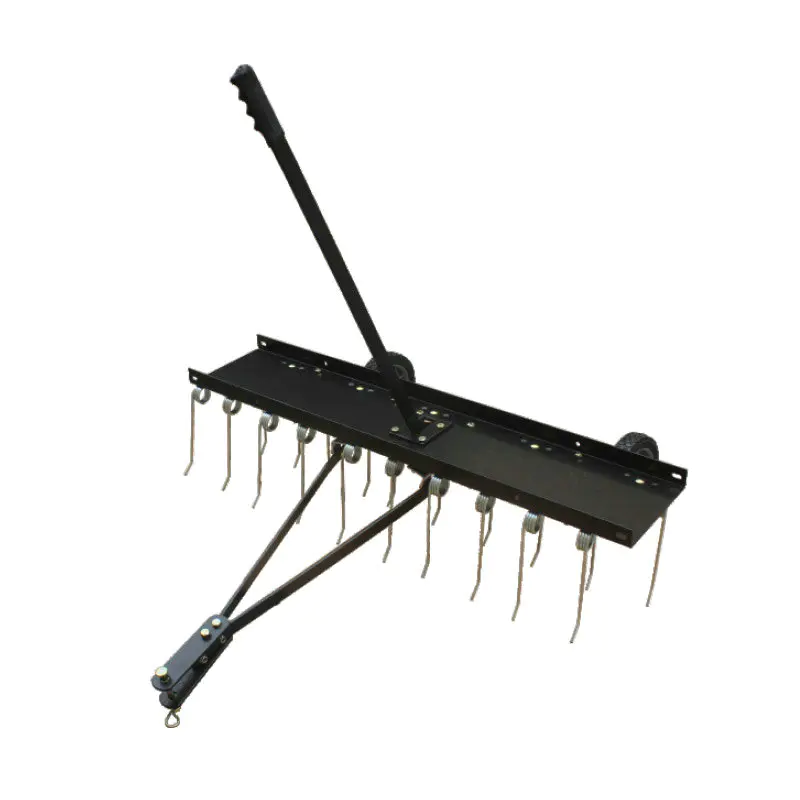
Because dethatching pulls a large volume of loose material to the surface, pairing the process with a sweeping pass afterward prevents that debris from settling back down and undoing the work.
Plug Aerator and 3PT Aerator: Solving Soil Compaction at Different Scales
Compacted soil is the least visible but most damaging of the three core turf problems. Foot traffic, vehicle passes, and heavy rainfall press soil particles together, closing the pore spaces that roots, water, and soil organisms depend on. A plug aerator addresses this by physically removing small cores of soil, rather than simply poking holes, which relieves compaction more effectively because it creates space rather than just pushing soil sideways.
For larger properties or commercial turf where aeration needs to cover ground efficiently behind a tractor, a 3PT aerator mounts directly to a three-point hitch, giving the operator hydraulic or mechanical control over penetration depth and downforce across variable terrain. This matters on properties with mixed soil types, where a fixed-depth walk-behind unit would either under-penetrate hard clay patches or over-penetrate looser, sandy sections.
These figures are illustrative rather than universal, since actual penetration depends on soil moisture and tine spacing, but the relative pattern holds across most equipment classes: core-pulling units reach deeper and relieve more compaction per pass than spike-style tools.
Drum Spike Aerator: Aeration for Large or Uneven Turf Areas
A drum spike aerator uses a rotating cylinder studded with solid spikes, towed behind a tractor or utility vehicle. Unlike a plug aerator, it does not remove soil cores; instead, the spikes puncture the surface to create channels for air and water. This makes it faster to operate over large acreage and better suited to uneven or sloped ground where a core-pulling unit might skip contact.
The tradeoff is that spike aeration relieves compaction less thoroughly than core removal, because the surrounding soil is pushed aside rather than extracted, which can slightly increase compaction immediately around each spike hole. For this reason, many turf programs alternate between drum spike aeration for routine, frequent passes and plug aeration once or twice a year for deeper, more thorough relief.
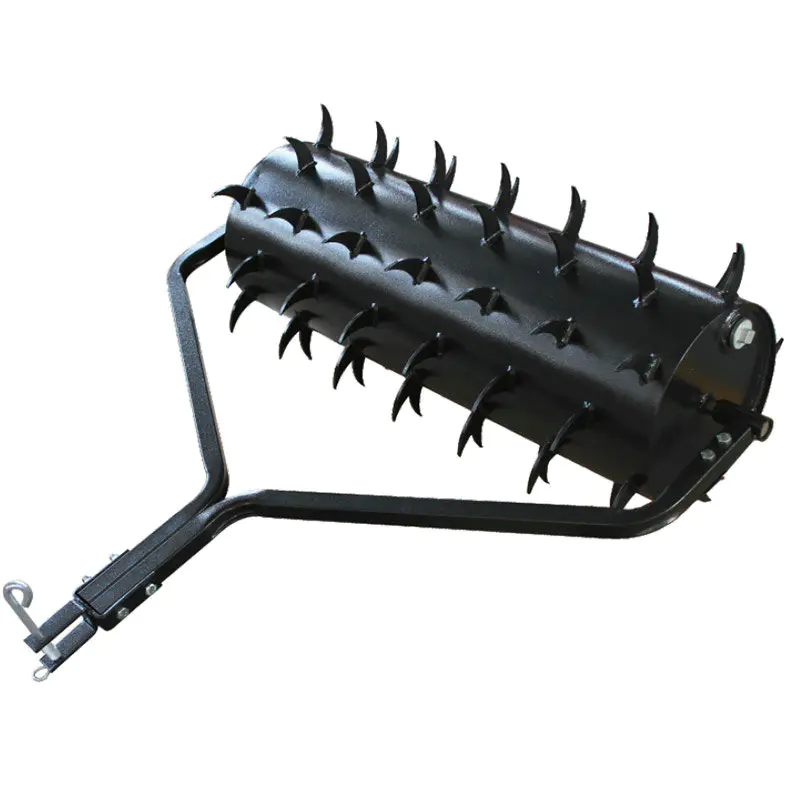
Turf that receives regular vehicle or foot traffic, such as sports fields and parking-adjacent lawns, generally benefits from more frequent spike aeration passes than a residential lawn with light use.
Lawn Roller: Leveling Surfaces and Improving Seed Contact
A lawn roller serves a narrower but important purpose: pressing the soil surface flat and firm. After overseeding, rolling improves contact between seed and soil, which speeds germination by reducing air gaps that dry seed out before roots can establish. Rolling is also used to settle soil after frost heave in early spring, when repeated freeze-thaw cycles push soil and small stones upward, creating an uneven surface that damages mower blades and creates scalping risk.
Rollers should be used sparingly on established turf, since excessive rolling reintroduces the very compaction that aeration is meant to relieve. A light pass at partial fill, rather than a fully water-ballasted drum, is generally sufficient for seed contact or minor surface leveling.
- Use after overseeding to firm seed-to-soil contact
- Use in early spring to settle frost heave on cool-season lawns
- Avoid rolling wet, saturated soil, which compacts far more easily than moist soil
- Avoid frequent rolling on turf that has recently been aerated
Building a Seasonal Equipment Schedule
Sequencing matters as much as tool selection. Dethatching before aeration clears the surface layer so aeration tines can reach soil more effectively; sweeping after either task removes loosened debris before it re-settles; rolling is generally the last step, applied after seeding or after frost heave rather than as a routine monthly task.
| Season | Primary Task | Typical Equipment | Frequency |
|---|---|---|---|
| Early Spring | Frost heave leveling | Lawn Roller | Once, as needed |
| Mid Spring | Thatch removal | Tine Dethatcher | Once annually |
| Mid-Late Spring | Soil compaction relief | Plug Aerator or 3PT Aerator | Once or twice annually |
| Summer | Debris and clipping removal | Lawn Sweeper | Weekly during peak shedding |
| Fall | Pre-dormancy aeration | Drum Spike Aerator | Once annually |
| Fall | Overseeding follow-up | Lawn Roller | Once, after seeding |
Frequently Asked Questions
Q1: What is the difference between a lawn sweeper and a lawn groomer?
A lawn sweeper is a debris collection tool that lifts leaves and clippings from the surface without disturbing soil. A lawn groomer is a broader category of equipment, often modular, that includes dethatching and aeration attachments aimed at soil and thatch conditions beneath the surface.
Q2: How often should a lawn be dethatched?
Most lawns need dethatching once a year, timed to early spring or early fall for cool-season grasses and late spring for warm-season grasses. Lawns with heavy clay soil or high nitrogen fertilization can accumulate thatch faster and may need attention more often.
Q3: What is the difference between a plug aerator and a spike aerator?
A plug aerator removes small cores of soil, creating open channels that relieve compaction thoroughly. A spike aerator, including drum spike units, punctures the soil without removing material, which is faster over large areas but provides less complete compaction relief per pass.
Q4: When should a 3PT aerator be used instead of a tow-behind unit?
A 3PT aerator is preferable when precise control over penetration depth and downforce is needed across variable soil conditions, since the three-point hitch allows hydraulic adjustment that a passive tow-behind unit cannot match.
Q5: Does rolling a lawn help after aeration or seeding?
Rolling after seeding improves seed-to-soil contact and can speed germination. Rolling immediately after aeration is generally avoided, since it can partially undo the compaction relief the aeration was meant to provide.
PREV:How to Match Land Clearing Equipment to Every Stage of Soil Preparation
NEXT:How to Split Logs Safely and Keep Your Splitter Running All Season
NEXT:How to Split Logs Safely and Keep Your Splitter Running All Season
Interested in cooperation or have questions?
Related products
-
-
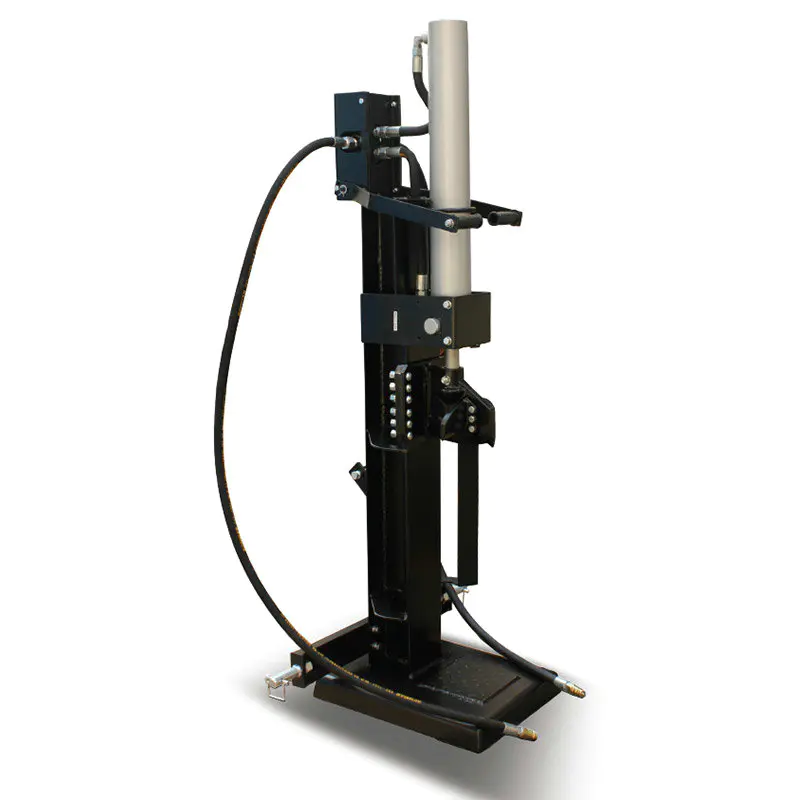
DESCRIPTION Model no.: LSE 14Max. splitting force: 14TonMax. log lengt...
See Details -
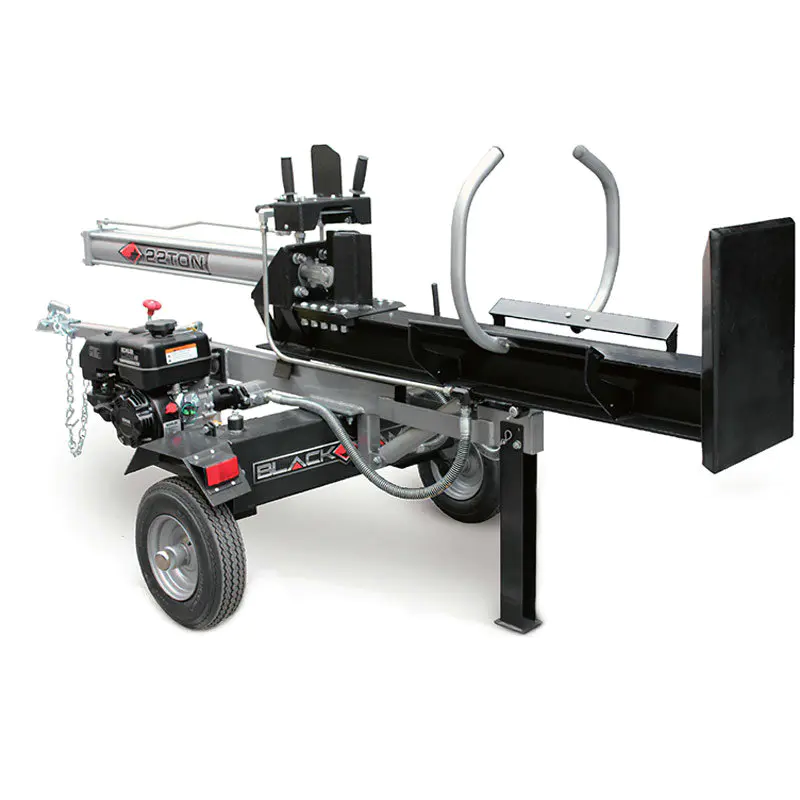
DESCRIPTION 22 Ton vertical/horizontal operating position allows for u...
See Details -
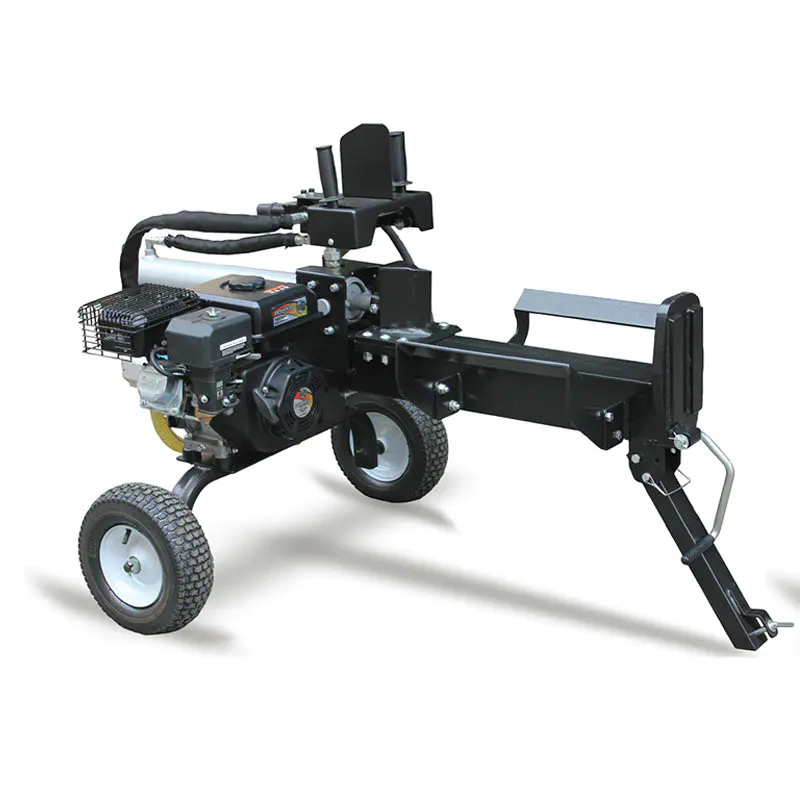
DESCRIPTION Accommodates splitting in horizontal only Half beam design...
See Details -
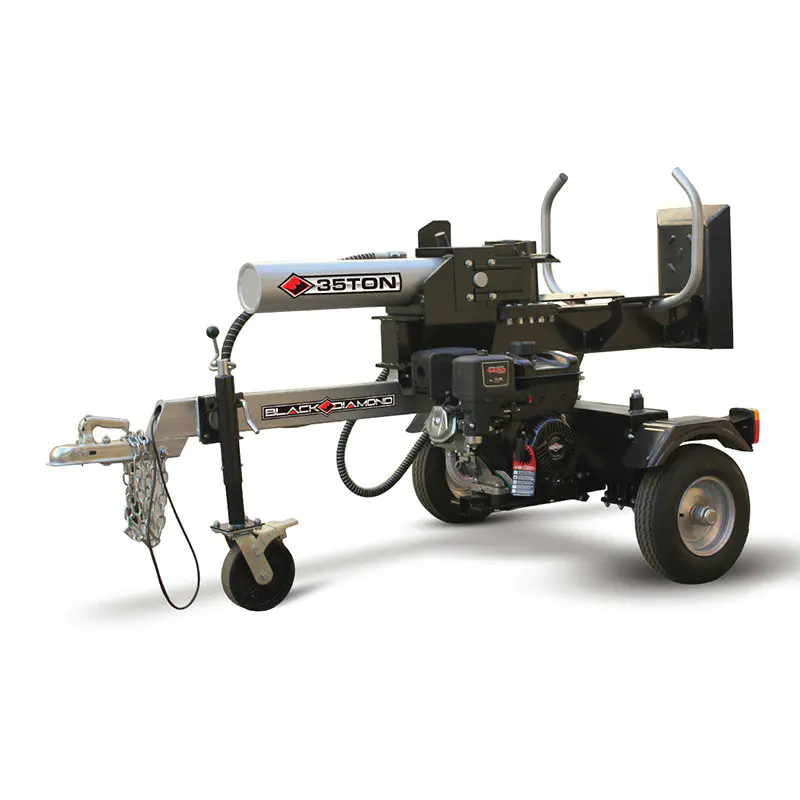
DESCRIPTION Vertical or horizontal operating position lets you work mo...
See Details -
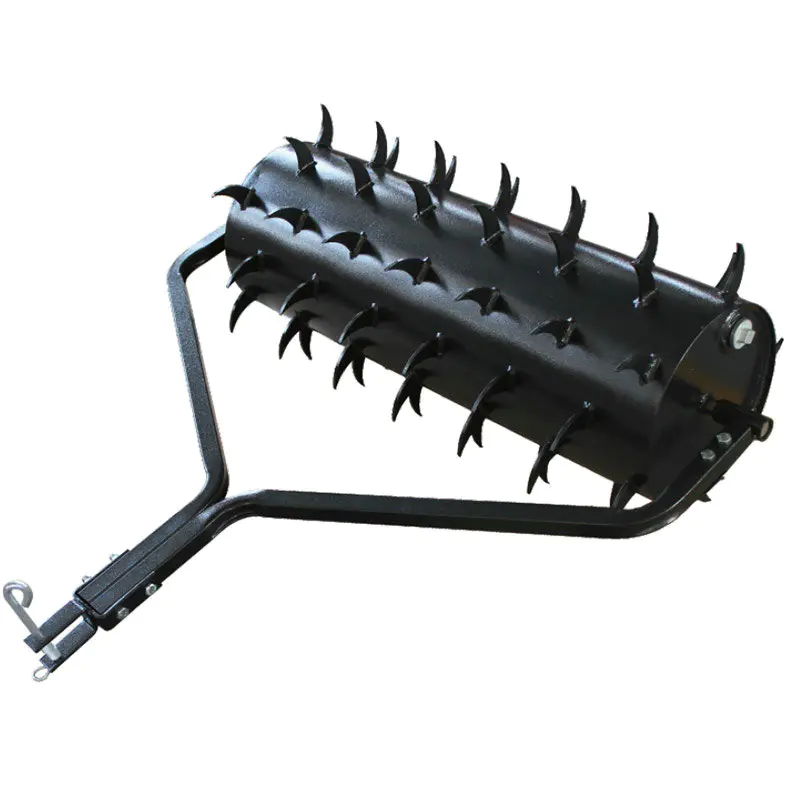
DESCRIPTION ♦Helps nutrients get into the soil and down to the ...
See Details
