Core Definitions: Wood Chipper and Garden Chipper Shredder
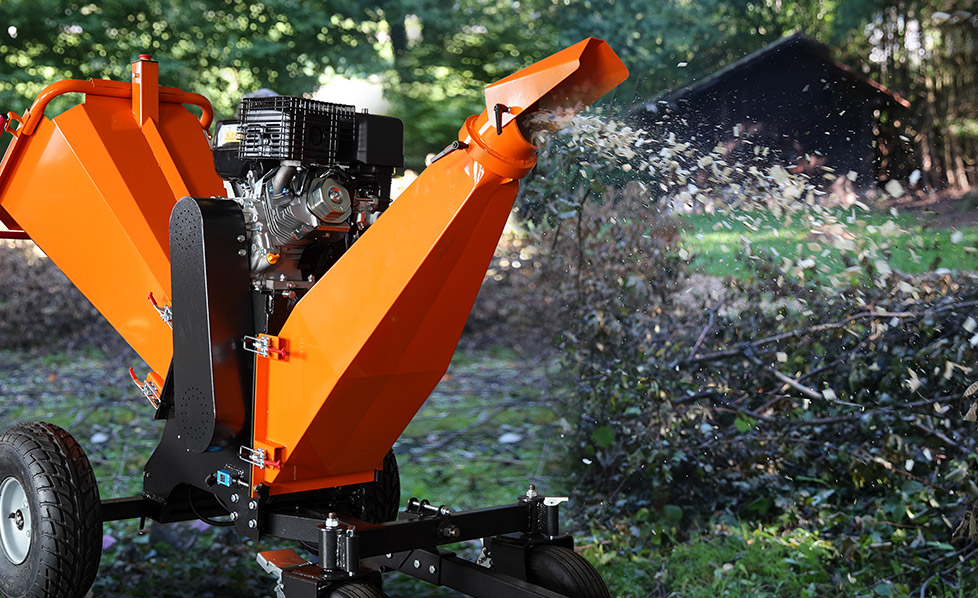
A wood chipper is a heavy-duty garden tool designed exclusively for processing large, thick woody materials such as tree branches, logs, and thick brush. Its primary function is to reduce bulky wood waste into manageable wood chips, which are commonly used for landscaping mulch, pathways, or compost base layers. Most standard wood chippers are engineered to handle branches with a diameter of 3 to 6 inches, making them ideal for large-scale property maintenance and heavy wood debris clearance.
A Garden Chipper Shredder is a versatile 2-in-1 garden tool that combines the functions of a chipper and a shredder. This multi-purpose machine is built to process both woody materials and soft garden waste, including leaves, grass clippings, small twigs, plant trimmings, and hay. Unlike dedicated wood chippers, garden chipper shredders have dual feeding systems and cutting mechanisms to handle a wider range of garden debris, making them the top choice for residential gardeners with mixed waste types.
Understanding the fundamental definitions of these two tools is the first step in determining which equipment best suits your gardening needs. While both tools process garden waste, their design, capabilities, and ideal applications are distinctly different, catering to varying garden sizes, debris types, and processing requirements.
Key Functional Differences Between Wood Chipper and Garden Chipper Shredder
Cutting and Processing Mechanism
Wood chippers use a high-speed rotating blade or flail system specifically engineered to slice through thick, dense wood. The cutting components are made of hardened steel to withstand the force of cutting large branches, and the mechanism focuses on clean, consistent chopping to produce uniform wood chips. The cutting chamber is reinforced to handle the impact of heavy wood materials without damage.
Garden chipper shredders feature a dual-function cutting system: a dedicated chipper section for small to medium wood branches and a separate shredding section for soft organic waste. The shredding component typically uses a series of hammers, blades, or screens to tear soft materials into fine particles, while the chipper section handles smaller woody debris. This dual design allows the tool to adapt to different waste materials efficiently.
Material Processing Capacity
Wood chippers excel at processing large-diameter wood materials, with most models capable of handling branches up to 6 inches in diameter. Commercial-grade wood chippers can even process logs up to 12 inches thick, making them suitable for forestry work, large farm properties, and professional landscaping services. They are not designed to process soft waste like leaves and grass, and feeding such materials can cause clogging or reduced performance.
Garden chipper shredders have a more limited wood processing capacity, typically handling branches up to 1.5 to 3 inches in diameter. However, they shine in processing soft garden waste, with the ability to shred up to 10 gallons of leaves per minute in standard residential models. This balanced capacity makes them perfect for typical household gardens with a mix of small branches, leaves, and plant trimmings.
Output Material Type
The primary output of a wood chipper is coarse, uniform wood chips, usually ranging from 1 to 3 inches in size. These chips are durable and long-lasting, making them perfect for mulching large garden beds, creating garden pathways, or preventing soil erosion on slopes. The output is solely wood-based with no fine organic particles.
Garden chipper shredders produce two types of output: small wood chips from branch processing and fine, compost-ready mulch from soft waste shredding. The shredded organic material is nutrient-rich and breaks down quickly in compost piles, making it ideal for soil amendment and garden fertilization. Many models come with adjustable screens to control the fineness of the output material.
Design and Physical Characteristics Comparison
Size and Portability
Wood chippers are large, heavy, and robust machines built for durability and heavy workloads. Most standard wood chippers weigh between 150 to 500 pounds, requiring wheels or a trailer for transportation. Their large frames and heavy components make them less maneuverable and better suited for permanent placement or large open spaces.
Garden chipper shredders are compact, lightweight, and highly portable, designed for residential use and easy storage. Most models weigh between 30 to 150 pounds, with built-in carry handles or small wheels for effortless movement around gardens, patios, and yards. Their compact size allows them to fit in garden sheds, garages, or small storage spaces when not in use.
Power Source Options
Wood chippers primarily use gas-powered engines ranging from 5 to 25 horsepower to generate the high torque needed for cutting thick wood. Gas-powered models offer unlimited runtime and high power, making them suitable for prolonged heavy-duty use without electrical restrictions.
Garden chipper shredders offer multiple power options to suit different user needs: electric models (1.5 to 5 horsepower) for quiet, eco-friendly indoor/outdoor use; gas-powered models (3 to 10 horsepower) for enhanced power and mobility; and battery-powered models for cordless convenience. This versatility makes them accessible to all gardeners regardless of power access.
Feeding Systems
Wood chippers have a single, large hopper designed specifically for feeding thick branches and logs. The hopper is positioned to guide large wood materials directly into the cutting chamber safely, with safety features to prevent accidental contact with cutting blades.
Garden chipper shredders have dual feeding systems: a top hopper for soft waste like leaves and grass, and a side chute for small branches and woody debris. This dual-feed design maximizes efficiency and allows users to process different materials simultaneously without switching tools or settings.
Ideal Application Scenarios for Each Tool
Best Uses for a Wood Chipper
- Processing large tree branches and logs from tree trimming or removal projects
- Landscaping large properties, farms, orchards, and wooded areas
- Creating bulk wood chips for commercial landscaping or agricultural use
- Clearing heavy brush and wood debris from large land areas
- Long-term, heavy-duty garden waste processing for professional users
Best Uses for a Garden Chipper Shredder
- Residential garden maintenance with mixed waste (small branches, leaves, grass)
- Seasonal leaf cleanup and yard waste reduction
- Creating nutrient-rich compost mulch for flower beds and vegetable gardens
- Small-scale landscaping and regular garden upkeep
- Easy storage and occasional use for home garden enthusiasts
Choosing the right tool depends entirely on your specific garden waste composition and property size. If you regularly handle large wood debris, a wood chipper is the practical choice. For mixed residential garden waste, the Garden Chipper Shredder provides unbeatable versatility and convenience.
Performance and Efficiency Metrics
Performance is a critical factor when comparing wood chippers and garden chipper shredders, with measurable metrics that directly impact user experience and productivity.
Wood chippers have a high processing rate for wood materials, averaging 500 to 2000 pounds of wood per hour depending on engine power and branch size. Their efficiency lies in their ability to quickly reduce massive wood waste into manageable chips, drastically reducing disposal volume by up to 75%. This high reduction rate saves time and money on waste removal and landfill trips.
Garden chipper shredders offer balanced efficiency for mixed waste, processing up to 300 pounds of mixed debris per hour in standard residential models. While their wood processing rate is lower than dedicated chippers, their ability to process both hard and soft waste makes them more time-efficient for typical home gardens. They reduce garden waste volume by up to 80%, turning bulky leaves and branches into compact mulch that can be reused directly in the garden.
Noise level is another performance consideration: gas-powered wood chippers operate at 85 to 100 decibels, requiring hearing protection, while electric garden chipper shredders run quieter at 60 to 75 decibels, suitable for residential areas with noise restrictions.
Maintenance Requirements and Durability
Wood Chipper Maintenance
Wood chippers require regular, thorough maintenance due to their heavy-duty operation and gas-powered engines. Key maintenance tasks include engine oil changes every 50 hours of use, air filter cleaning/replacement, blade sharpening every 20 to 30 hours of use, and regular inspection of belts and bearings. The hardened steel blades are durable but may need replacement after extended use on thick, dry wood. Proper maintenance ensures a lifespan of 10 to 15 years for regular use.
Garden Chipper Shredder Maintenance
Garden chipper shredders have simpler maintenance requirements, especially electric models. Maintenance includes blade/shredder hammer cleaning, occasional blade sharpening, screen inspection for clogs, and general debris removal from the cutting chamber. Electric models have no engine maintenance, while gas-powered models follow standard small-engine care. With basic maintenance, garden chipper shredders have a lifespan of 5 to 10 years for residential use.
Both tools benefit from regular cleaning to prevent buildup of sap, debris, and moisture, which can cause corrosion or reduced performance. Storing tools in a dry, covered area further extends their durability and reliability.
Cost Comparison and Long-Term Value
Cost is a significant factor for most buyers, with wood chippers and garden chipper shredders differing greatly in purchase price and long-term value.
Wood chippers are high-cost tools due to their heavy-duty construction and powerful engines. Residential-grade wood chippers cost between $800 to $3000, while commercial models range from $3000 to $10,000 or more. The high initial investment is justified for users with regular large-scale wood processing needs, as their durability and performance provide long-term value for heavy use.
Garden chipper shredders are budget-friendly for home users, with electric models starting at $150 and mid-range gas-powered models costing $300 to $800. The affordable price point, combined with 2-in-1 functionality, makes them an excellent value for residential gardeners who need versatility without the high cost of a dedicated wood chipper.
Long-term value also includes waste reduction savings: both tools eliminate the need for expensive yard waste removal services, and the mulch produced can replace store-bought landscaping materials, saving users hundreds of dollars annually on garden supplies and waste disposal.
Environmental Benefits and Garden Sustainability
Both wood chippers and garden chipper shredders contribute to sustainable gardening practices by reducing landfill waste and creating reusable garden materials, with the Garden Chipper Shredder offering enhanced environmental benefits for home gardens.
Yard waste accounts for nearly 20% of municipal solid waste in many regions, and wood and organic debris can take years to decompose in landfills, producing methane emissions. By processing garden waste on-site, these tools divert thousands of pounds of waste from landfills each year, reducing carbon footprint and supporting environmental conservation.
The mulch and wood chips produced are natural, chemical-free alternatives to synthetic landscaping products. Wood chip mulch retains soil moisture, reduces weed growth, and moderates soil temperature, while fine shredded mulch from garden chipper shredders enriches soil with organic nutrients as it decomposes. This natural soil amendment improves plant health, reduces water usage, and eliminates the need for chemical fertilizers and herbicides.
For eco-conscious gardeners, using these tools creates a closed-loop garden system: waste from the garden is processed back into nutrient-rich mulch that feeds and protects plants, creating a sustainable cycle that benefits both the garden and the environment.
Safety Features and Operational Guidelines
Safety is paramount when operating garden power tools, and both wood chippers and garden chipper shredders include essential safety features, with slight variations based on design and use case.
Standard safety features for both tools include safety hoppers with built-in guards to prevent hand contact with cutting blades, automatic shutoff systems for jammed materials, and emergency stop switches. Wood chippers often include reinforced hoppers and longer safety chutes due to the larger materials being processed, while garden chipper shredders have lightweight safety shields and easy-access jam release mechanisms for user convenience.
Basic Safety Operations
- Wear appropriate protective gear: safety goggles, gloves, closed-toe shoes, and hearing protection
- Never feed materials by hand; use a push stick for hard-to-reach debris
- Keep bystanders, children, and pets at least 50 feet away during operation
- Inspect tools for damage or loose parts before each use
- Follow manufacturer guidelines for maximum material diameter and processing limits
- Turn off the engine and disconnect power before cleaning, unjamming, or performing maintenance
Adhering to these safety guidelines ensures accident-free operation and extends the life of your garden tool. Most user injuries occur from ignoring safety protocols, making proper operation and protective gear essential for all users.
How to Choose: Wood Chipper or Garden Chipper Shredder
Choosing between a wood chipper and a garden chipper shredder depends on evaluating your specific needs, property size, debris type, and usage frequency. Use the following criteria to make the best decision for your gardening requirements:
| Consideration |
Choose Wood Chipper If |
Choose Garden Chipper Shredder If |
| Debris Type |
Mostly large branches, logs, thick wood |
Mixed leaves, grass, small twigs, thin branches |
| Maximum Branch Diameter |
3 inches or larger |
3 inches or smaller |
| Property Size |
Large yard, farm, or wooded area |
Small to medium residential garden |
| Storage Space |
Ample outdoor or large storage space |
Limited shed or garage storage |
| Primary Goal |
Heavy wood waste processing |
Versatile mixed waste processing and compost mulch |
| Budget Range |
Higher budget for heavy-duty equipment |
Mid-range budget for multi-purpose residential tool |
For the vast majority of residential gardeners, the Garden Chipper Shredder is the optimal choice due to its versatility, compact size, affordability, and ability to handle the full range of typical home garden waste. Only users with regular large wood processing needs will benefit from the specialized power of a dedicated wood chipper.
FAQ: Garden Chipper Shredder and Wood Chipper
Q1: What is the main difference between a wood chipper and a garden chipper shredder?
A wood chipper processes only large wood, while a garden chipper shredder handles both small wood and soft garden waste.
Q2: Can a garden chipper shredder handle large tree branches?
No, most garden chipper shredders handle branches up to 3 inches in diameter, designed for residential small branches.
Q3: Is a garden chipper shredder worth buying for home use?
Yes, it is highly valuable for home gardens, reducing waste volume and creating nutrient-rich mulch efficiently.
Q4: How often should I maintain my garden chipper shredder?
Clean after each use, sharpen blades every 20-30 hours, and inspect parts before each use for optimal performance.
Q5: Can I use garden chipper shredder output for composting?
Yes, the fine shredded output is perfect for compost, breaking down quickly to enrich garden soil.
Q6: Are electric garden chipper shredders powerful enough?
Yes, electric models provide sufficient power for typical residential garden waste and operate more quietly.
Q7: Do garden chipper shredders get clogged easily?
Modern models have anti-clog designs; clogs only occur when feeding materials beyond size limits.
Q8: Can I process wet leaves and branches in a garden chipper shredder?
Yes, but dry materials process more efficiently; wet waste may slightly reduce processing speed.
Q9: How much space does a garden chipper shredder save?
It reduces garden waste volume by up to 80%, turning bulky debris into compact mulch.
Q10: What safety gear do I need when using these tools?
Wear safety goggles, gloves, closed-toe shoes, and hearing protection during operation.

 LANGUAGE
 English
 Deutsch
 Español
 Français
 русский