Introduction to Log Splitters for Firewood
Log splitters for firewood are essential tools for anyone relying on wood for heating or woodworking projects. They provide a safer and faster alternative to traditional manual splitting methods. Understanding the black diamond log splitter parts is crucial for efficient operation, maintenance, and longevity.
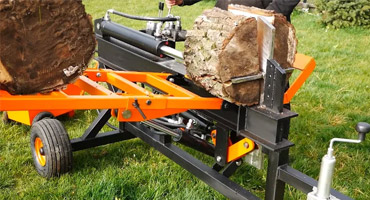
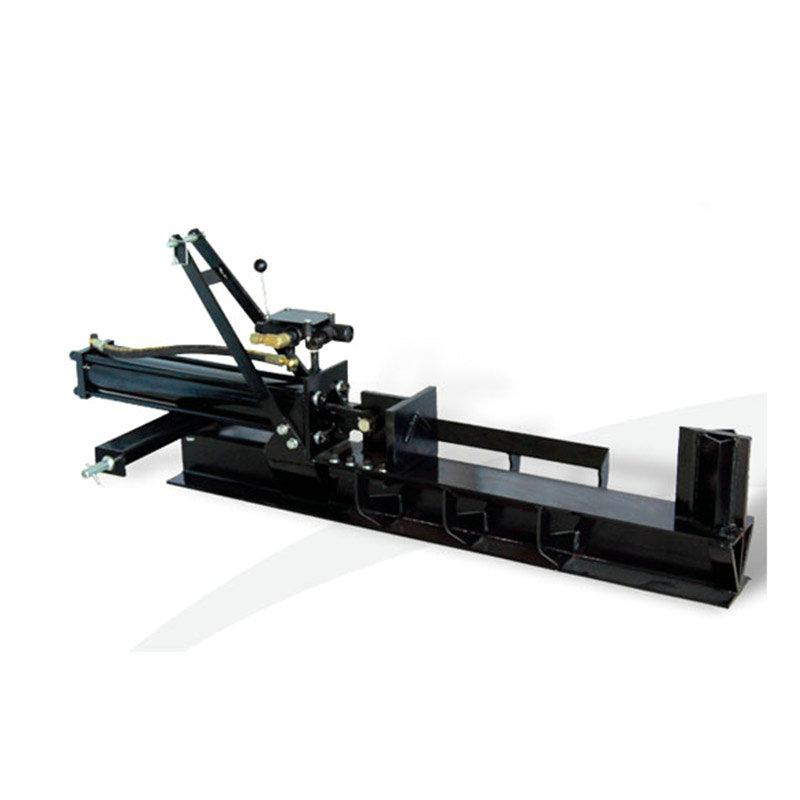
A log splitter uses mechanical force to split logs along the grain. While the design may vary, most consist of a similar set of components that work together to deliver powerful, controlled splitting. Each part has a specific role in ensuring safety, precision, and durability.
Core Components of a Log Splitter
1. Hydraulic Cylinder
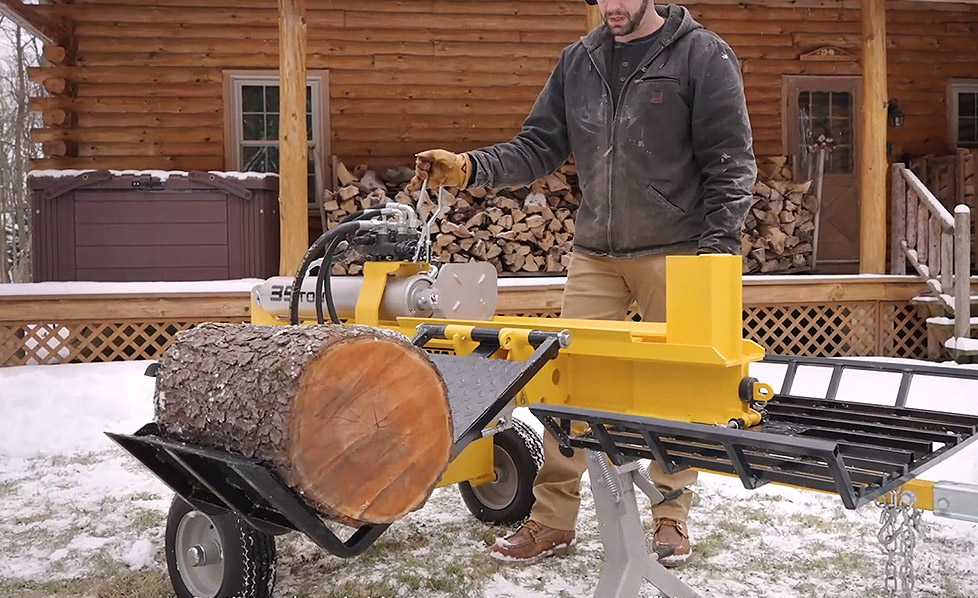
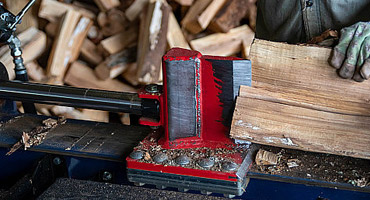
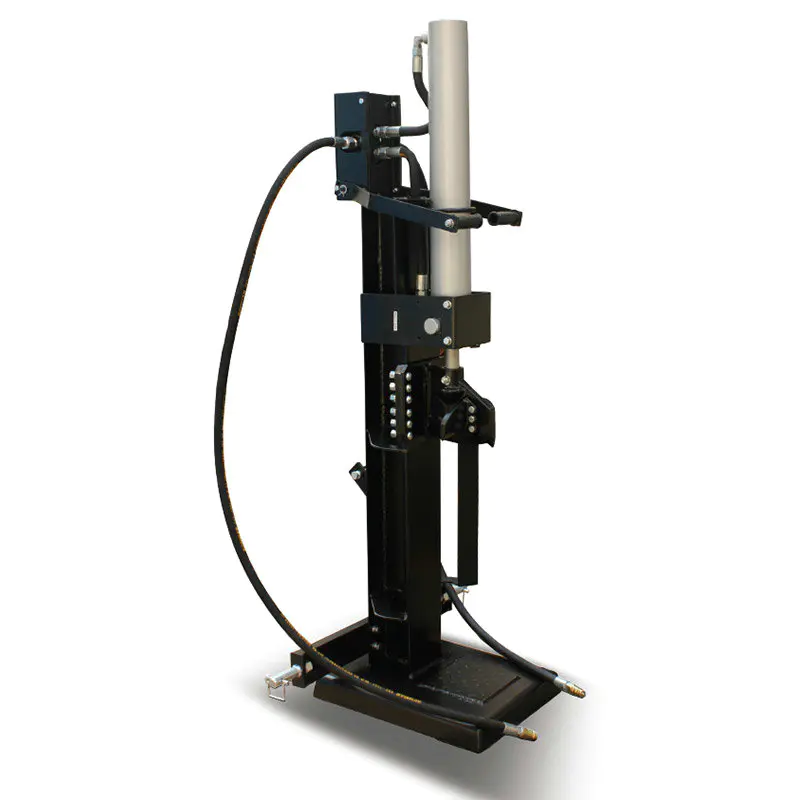
The hydraulic cylinder is the heart of any hydraulic log splitter. It converts hydraulic pressure into linear force, driving the splitter wedge through the log. High-quality cylinders are designed for longevity, resist corrosion, and maintain pressure consistency. For firewood preparation, a cylinder with adequate stroke length ensures logs of varying sizes can be split efficiently.
2. Splitting Wedge
The wedge is responsible for physically separating the log. The wedge’s angle, thickness, and material determine how efficiently it splits wood. Sharper, well-hardened wedges reduce the effort required and prevent jamming. Regular inspection and sharpening of the wedge are essential to maintain optimal performance.
3. Hydraulic Pump
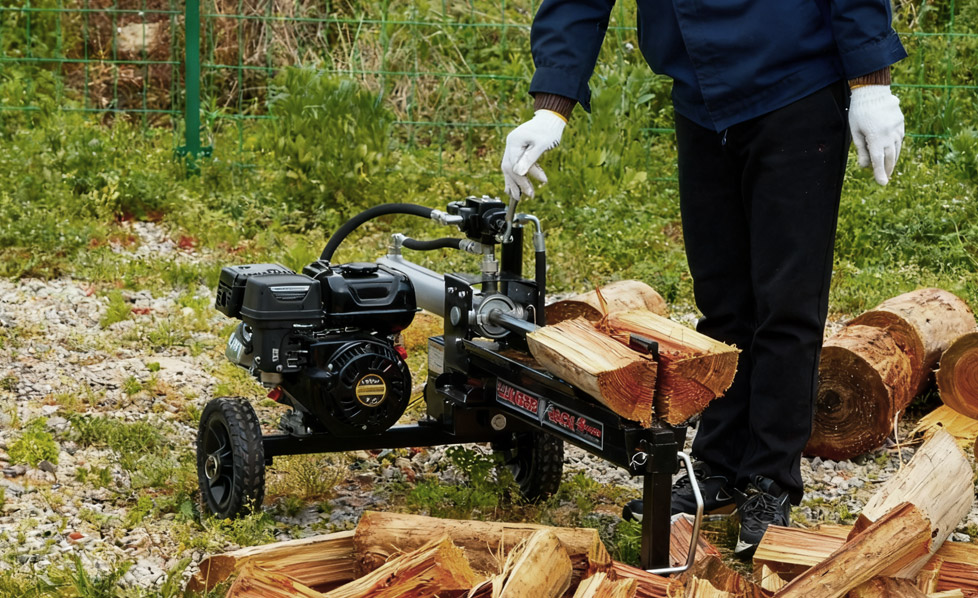
The hydraulic pump powers the cylinder by circulating hydraulic fluid under pressure. Pumps may be electric or gas-powered. Performance is measured in gallons per minute (GPM) and pressure rating (PSI). Maintaining fluid levels and checking for leaks ensures consistent splitting performance.
4. Hydraulic Hoses and Connectors
Hydraulic hoses transport pressurized fluid between the pump, cylinder, and control valves. Durable hoses with reinforced materials prevent leaks and withstand high pressure. Connectors and fittings must be checked for tightness and integrity, as even minor leaks can drastically reduce efficiency.
5. Control Valve
The control valve directs hydraulic fluid flow to extend or retract the cylinder. It determines the splitter's operational direction and speed. Proper operation of the control valve is crucial for both performance and safety.
6. Frame and Support Structures
The frame holds all components together and withstands the mechanical stresses of splitting logs. Frames are usually made from heavy-duty steel to prevent bending or warping. Stability and alignment of the frame are critical to avoid mechanical failure and ensure operator safety.
Auxiliary Components That Enhance Functionality
1. Log Cradle or Holders
Log cradles stabilize logs during splitting, reducing the risk of logs rolling or slipping. They also help align logs with the wedge for a cleaner split. For larger logs, adjustable cradles can significantly improve efficiency.
2. Safety Guards
Safety guards protect the operator from flying debris and accidental contact with moving parts. These include shields around the splitting area and emergency stop mechanisms. Ensuring all guards are intact is essential for safe operation.
3. Wheels and Mobility Kits
For portable models, wheels and towing kits allow easy movement between work sites. Heavy-duty wheels support the machine’s weight while reducing strain on the operator. Regular inspection ensures mobility components remain functional and safe.
4. Hydraulic Fluid Reservoir
The reservoir stores hydraulic fluid and allows heat dissipation. Proper fluid levels and quality are crucial, as old or contaminated fluid can damage pumps and cylinders. Regular maintenance schedules help maintain performance.
Maintenance of Black Diamond Log Splitter Parts
Maintaining log splitter components ensures safety, efficiency, and longevity. Neglecting maintenance can lead to leaks, mechanical failure, or operator injury.
Routine Checks
Regular inspections should include:
- Hydraulic fluid levels and condition
- Cylinder and wedge condition
- Hose integrity and connectors
- Frame alignment and weld inspections
- Control valve operation
Preventive Lubrication
Lubricating moving parts reduces wear and enhances smooth operation. Points to focus on include hinge pins, wedges, and pivoting components. Using high-quality lubricants designed for hydraulic machinery is recommended.
Parts Replacement
Even with proper maintenance, some components have limited service life. Common replacements include hoses, seals, and wedges. Replacing worn parts promptly prevents further damage and ensures consistent performance.
Common Issues and Troubleshooting
Despite careful use, log splitters can experience operational issues. Understanding common problems can save time and cost.
Hydraulic Leaks
Leaks usually occur at hose connections or cylinder seals. Prompt identification and repair are crucial. Always depressurize the system before attempting repairs.
Cylinder Sticking
A sticking cylinder may result from contaminated hydraulic fluid, misalignment, or damage to internal seals. Cleaning the system and replacing worn parts typically resolves this issue.
Wedge Jamming
Wedge jams are usually caused by knots in wood, improper alignment, or dull edges. Ensuring logs are positioned correctly and maintaining wedge sharpness reduces occurrences.
Comparison of Log Splitter Part Materials
Material choice affects durability and efficiency. Common materials include hardened steel for wedges and cylinders, reinforced rubber for hoses, and heavy-duty steel for frames. Below is a comparison table:
| Component |
Material |
Advantages |
Maintenance Considerations |
| Wedge |
Hardened Steel |
Long-lasting, sharp edge |
Sharpen periodically |
| Cylinder |
Steel with Chrome Plating |
Resists corrosion, smooth operation |
Inspect seals regularly |
| Hoses |
Reinforced Rubber |
Flexible, high-pressure resistance |
Check for cracks and leaks |
| Frame |
Heavy-duty Steel |
Stable and durable |
Check for weld integrity |
Best Practices for Efficient Firewood Splitting
- Inspect all log splitter parts before use.
- Use logs of appropriate size and avoid overly knotted wood.
- Maintain hydraulic fluid quality and levels.
- Keep wedges sharp and aligned.
- Follow all safety precautions and use protective gear.
FAQ About Black Diamond Log Splitter Parts
Q1: What are the essential parts of a log splitter?
The essential parts include the hydraulic cylinder, wedge, hydraulic pump, control valve, hoses, and frame. These components work together to provide the force and stability needed to split logs efficiently.
Q2: How often should I maintain the hydraulic system?
Hydraulic fluid should be checked before each use. Comprehensive maintenance, including hose inspection and seal replacement, should be performed annually or based on usage intensity.
Q3: Can worn wedges be replaced individually?
Yes, wedges are often designed to be replaceable. Prompt replacement of dull or damaged wedges ensures safe and efficient splitting.
Q4: Are all parts universal for every log splitter?
No, part compatibility varies by model. Always consult the manufacturer's specifications or documentation to ensure the correct parts are used.
Q5: What safety precautions should I take?
Always use protective gloves, goggles, and ensure all guards are in place. Never operate the splitter with loose clothing or while distracted.

 LANGUAGE
 English
 Deutsch
 Español
 Français
 русский