
 LANGUAGE
 English
 Deutsch
 Español
 Français
 русский






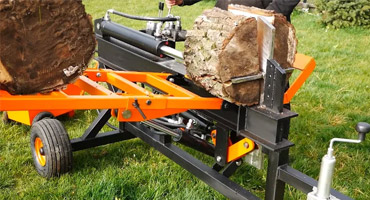

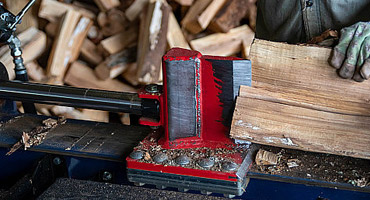




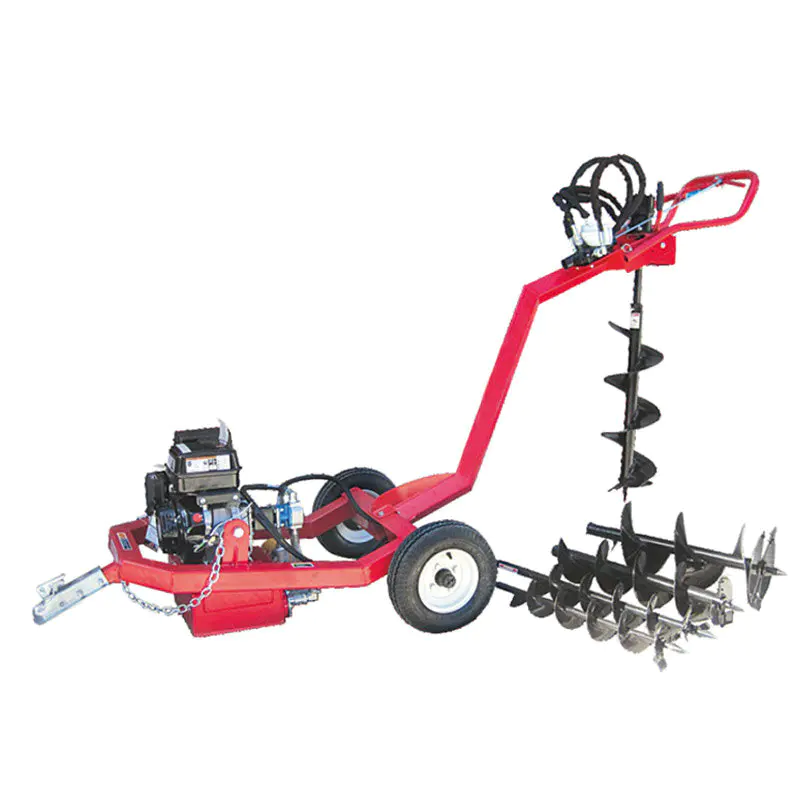
◆MODEL NO.: SP48103 ◆9HP GASOLINE ENGINE ◆IT IS TO DIG FOOTING HOLES, ...
See Details
What Does a Stump Grinder Look Like and How Does It Compare to an Earth Auger for Land Clearing?
Understanding the Core Tools: Stump Grinder and Earth Auger
Efficient land clearing hinges on two power tools that operate on opposite principles: the stump grinder, which pulverises woody mass into mulch, and the earth auger, which excavates cylindrical holes with helical force. While both are classified as outdoor power equipment, their engineering, applications, and operational techniques diverge significantly. This article dissects their anatomy, usage protocols, and performance metrics to help you match the right machine to your terrain challenge.
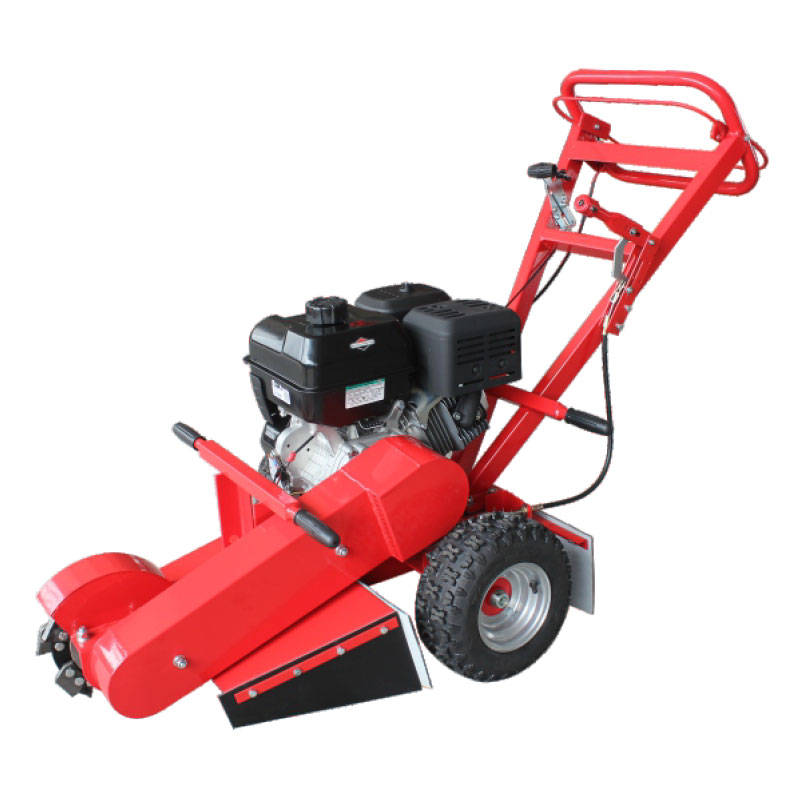
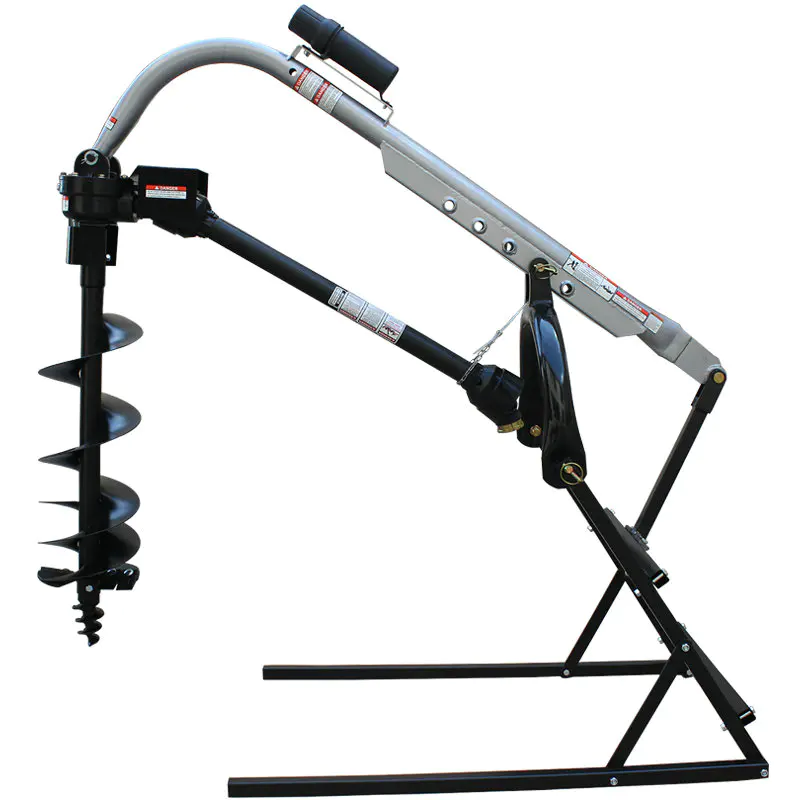
The stump grinder is a mechanised cutter that uses a high-speed rotating disc with tungsten carbide teeth to chip away at tree stumps below grade. By contrast, the earth auger employs a screw-like bit to displace soil, creating clean holes for fencing, planting, or foundation piers. Both tools reduce manual labour dramatically, but their optimal use cases rarely overlap.
What Does a Stump Grinder Look Like? Visual and Structural Breakdown
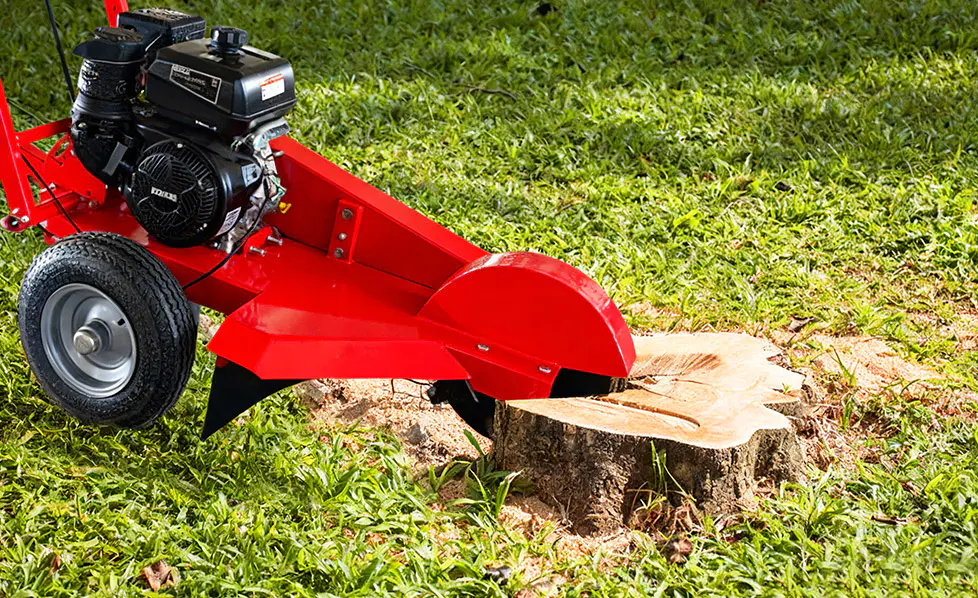
For operators approaching a stump grinder for the first time, the machine’s appearance can be intimidating. A typical self-propelled unit comprises a tracked or wheeled chassis, a powerful petrol or electric motor, and a vertical cutting wheel housed within a protective shroud. The cutting wheel—often 30 to 50 cm in diameter—features staggered carbide teeth that resemble a circular saw blade but are designed for lateral grinding rather than slicing.
Key visual identifiers include:
- Cutting head assembly: positioned at the front or rear, hydraulically or manually lowered onto the stump.
- Control levers: dual handles with throttle and safety interlocks for swing and traverse movements.
- Debris deflector: a heavy rubber or metal flap that channels wood chips downward.
- Transport wheels: often fitted with pneumatic tyres for site mobility.
For smaller tasks, the superhandy stump grinder category represents a lightweight, compact variant that can be transported in a pickup truck, ideal for garden owners who need occasional stump removal without industrial-grade machinery.
Stump Grinder vs. Earth Auger: Comparative Radar Chart
The following radar visualisation compares five critical performance dimensions between stump grinders and earth augers, based on typical 25–35 hp models.
How to Use a Tree Stump Grinder: Stepwise Protocol
Operating a stump grinder demands attention to safety and technique. The following workflow is universally applicable, whether you are using a rental machine or your own unit.
- Site preparation: Remove rocks, debris, and overhanging branches within a 3-metre radius. Mark underground utilities.
- Machine positioning: Align the cutting wheel directly over the stump centre, with the wheel parallel to the ground.
- Start and warm-up: Engage the engine at idle for 2 minutes, then increase throttle to operating speed.
- Incremental grinding: Lower the wheel 5–8 cm into the wood, sweeping side-to-side across the stump face. Never force the wheel downward; let the carbide teeth do the work.
- Depth progression: After each pass, lower the wheel further until the stump is 20–30 cm below grade.
- Edge work: Tilt the machine slightly to grind root flares, using a pendulum motion to avoid stalling.
For first-time users, the superhandy stump grinder offers a simplified control layout with a single-lever depth adjustment, reducing the learning curve significantly.
Hole Digger Rental and Electric Earth Auger Options
When the task is post-hole digging rather than stump elimination, hole digger rental services become a cost-effective alternative to purchasing. Rental fleets typically include both petrol and electric earth augers, with bit diameters ranging from 4 to 18 inches. The electric earth auger has gained traction for residential use due to its low noise, zero emissions, and push-button start—ideal for fence installation in suburban gardens.
Before renting, consult the auger bit size guide to match the bit diameter with your post size. A common rule: the auger bit should be 2–3 inches wider than the post to allow backfill and compaction. For heavy clay or rocky soil, consider a heavy-duty auger with replaceable pilot bits and shear pins.
Rental tip – Most rental centres include a safety DVD and pre-operation checklist; always inspect the auger flighting for bends or cracks before leaving the yard.
Performance Metrics: Stump Grinding vs. Auger Drilling
Auger Bit Size Guide and Digging Techniques
Selecting the correct auger bit size directly affects drilling efficiency and hole quality. The chart below summarises common diameters and their typical applications.
For digging holes with auger, maintain a vertical plumb by using the built-in bubble level. In rocky soils, reduce the rotation speed and periodically clear the flights to prevent binding. For holes deeper than 1 metre, consider using an extension rod and a two-person team to manage torque reaction.
Stump Removal Techniques: From Manual to Mechanised
While stump grinders represent the fastest stump removal technique, several alternatives exist, each with trade-offs. Chemical decomposition takes 4–6 weeks but requires minimal physical effort. Burning is effective but often restricted by local ordinances. Manual digging with a mattock and chainsaw is laborious and only suitable for small stumps under 15 cm diameter.
For how to remove large tree stumps (diameter > 60 cm), a tracked stump grinder with a 35-hp engine is the industry standard. These machines can reduce a 1-metre oak stump to mulch in under 30 minutes, with the added benefit of filling the resulting hole with wood chips, reducing the need for imported topsoil. Always wear full-face visors and hearing protection when operating heavy grinders.
Garden Land Clearing Tools: Integrating Grinders and Augers
Modern garden land clearing tools often combine stump grinding and auger drilling capabilities through interchangeable attachments. While dedicated machines offer superior performance, multi-purpose power heads can be cost-effective for smallholdings. A typical clearing workflow involves: (1) felling trees, (2) grinding stumps, (3) auger-drilling post holes for new fencing, and (4) backfilling with the excavated soil.
This sequence minimises equipment repositioning and maximises daily productivity. Data from landscape contractors indicate that using a grinder and auger in tandem reduces total project time by 40% compared to sequential manual methods.
Interactive Decision Flowchart: Grinder or Auger?
FAQ: Efficient Land Clearing with Stump Grinders and Earth Augers
Q1: What does a stump grinder look like from an operator's perspective?
From the operator station, the most prominent feature is the cutting wheel shroud directly in front of you, with a control handle on each side. The wheel is generally 40–50 cm in diameter, and you will see a bank of carbide teeth around its periphery. The machine also has a low-profile hopper or collection flap to deflect chips.
Q2: Can I use an electric earth auger for digging holes in clay soil?
Yes, but you will need a high-torque electric model (≥ 10 Nm) and a bit designed for clay, often with a pilot screw and replaceable cutting edges. Drilling in clay requires frequent lifting to clear the flutes, and it is advisable to drill pilot holes before final sizing.
Q3: How often should I sharpen the teeth on a stump grinder?
Carbide teeth typically last 8–12 hours of grinding in clean wood. However, if you encounter embedded stones or sand, inspect the teeth after every 2 hours. Rotate or replace individual teeth when the cutting edge becomes rounded, as dull teeth increase fuel consumption and vibration.
Q4: Is hole digger rental cheaper than buying an auger for a single project?
For projects with fewer than 40 holes, rental is almost always more cost-effective. Rental rates average USD 60–100 per day, whereas a professional-grade petrol auger costs upwards of USD 800. Remember to factor in the cost of bits and transport when comparing.
Q5: What safety gear is essential for stump grinding?
Minimum requirements: a full-face visor (not just safety glasses), hearing protection (≥ 30 dB NRR), chainsaw chaps or Kevlar leggings, steel-toe boots, and heavy-duty leather gloves. Additionally, wear a hard hat if there is any overhead hazard.
PREV:Digging Holes with an Auger: Types, Sizing Tips, and Practical Workflow
NEXT:What Works Better for Yard Waste: Leaf Vacuum or Chipper Shredder?
NEXT:What Works Better for Yard Waste: Leaf Vacuum or Chipper Shredder?
Interested in cooperation or have questions?
Related products
-
-
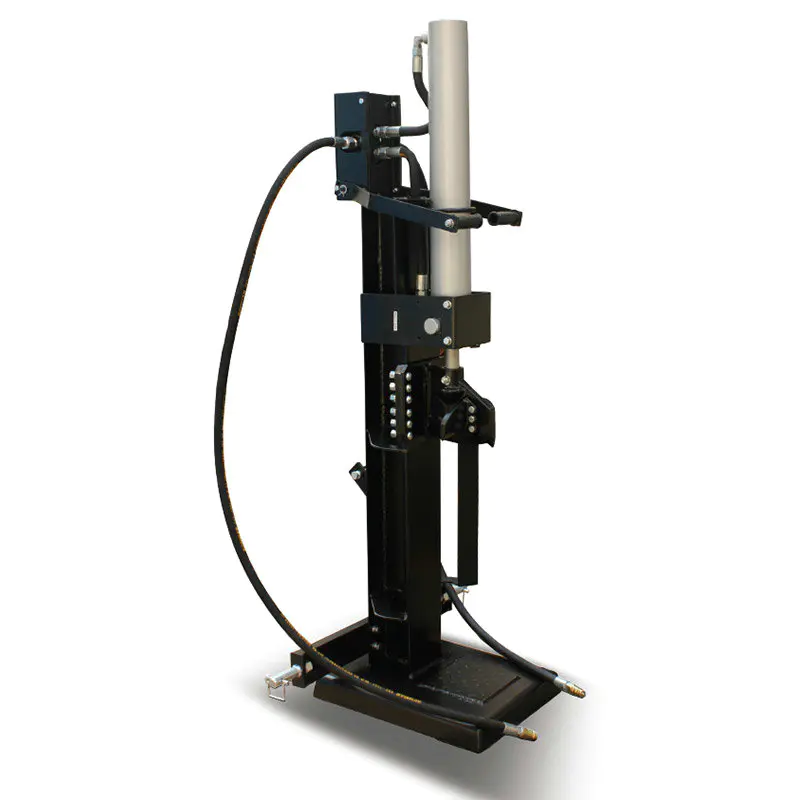
DESCRIPTION Model no.: LSE 14Max. splitting force: 14TonMax. log lengt...
See Details -
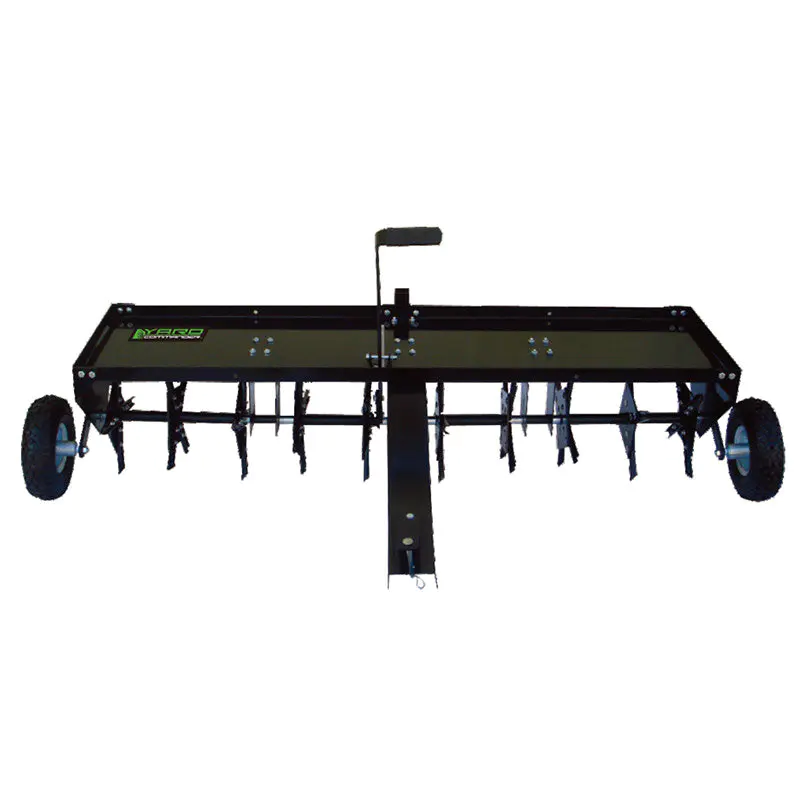
◆MODEL NO.: SP31202 ◆40 REPLACEABLE CORING POINTS ◆SINGLE-HAND LIFT LE...
See Details -
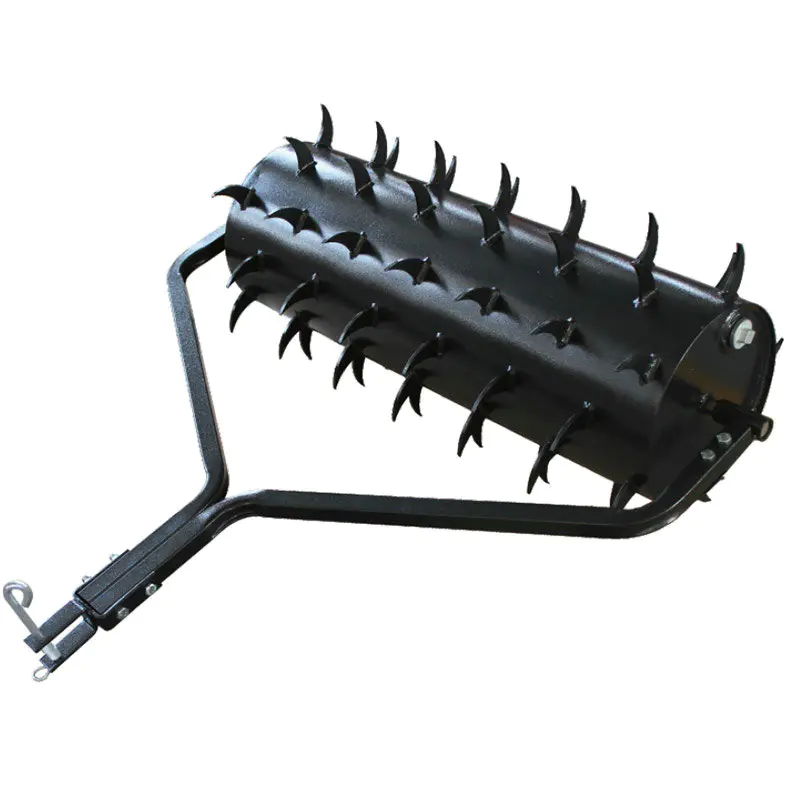
DESCRIPTION ♦Helps nutrients get into the soil and down to the ...
See Details -
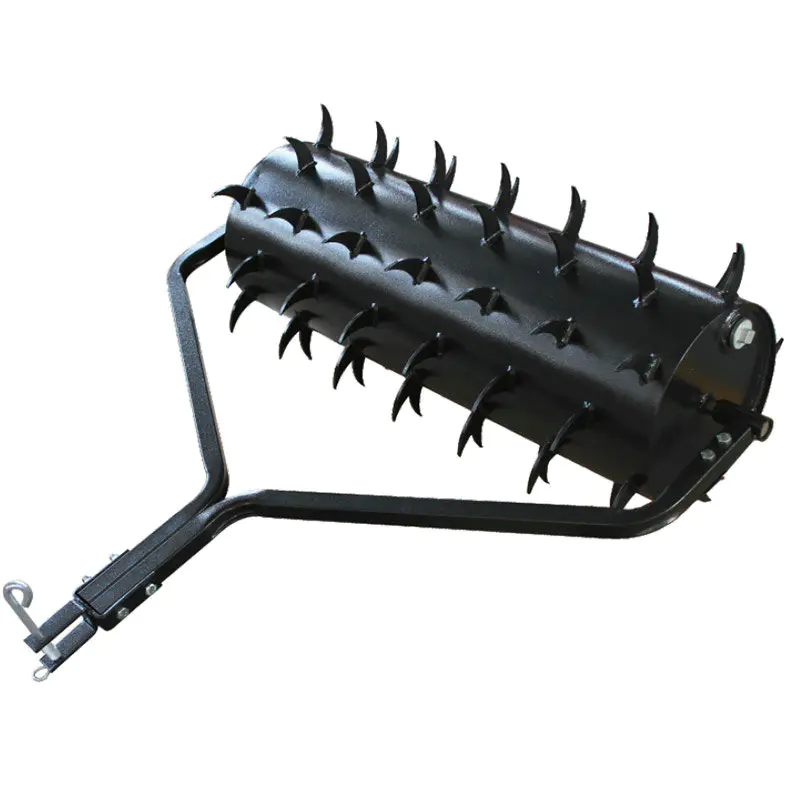
DESCRIPTION ♦Helps nutrients get into the soil and down to the ...
See Details -
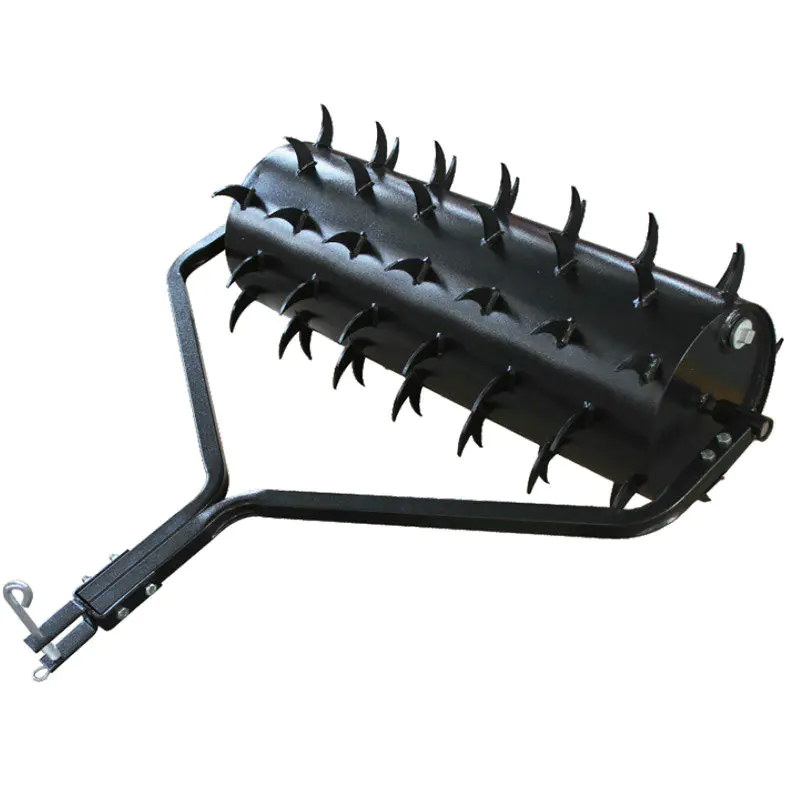
DESCRIPTION ♦Helps nutrients get into the soil and down to the ...
See Details
