 LANGUAGE
 English
 Deutsch
 Español
 Français
 русский

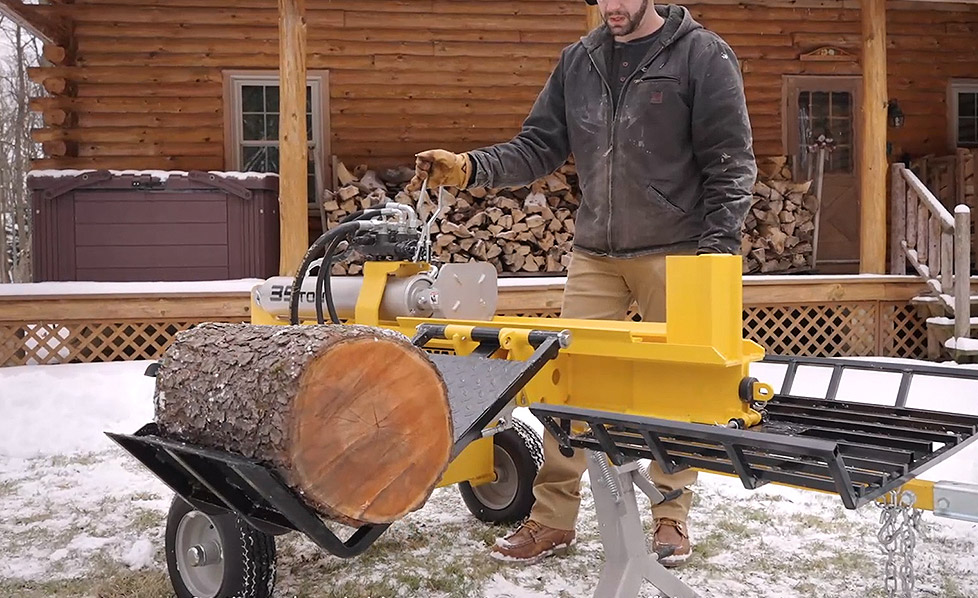





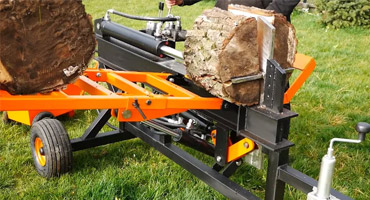

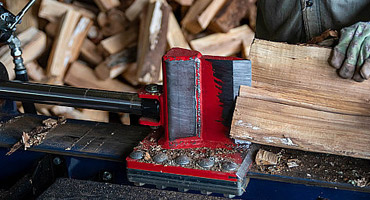




● 14Ton 3PT log splitter attaches to category 1 tractor 3-pt● Hitch an...
See Details
Low Profile Log Splitter Buying Guide: Tonnage, Working Height, and Towability
A 100-pound oak round rolls easily and lifts badly. When the splitting beam sits at waist height, every log begins with a lift your back would rather avoid. Low profile log splitters answer that single problem: the beam sits close to the ground, the round travels a short distance, and the wedge does the rest.
The short answer first. Buy a low profile machine when your rounds are heavy, your back is part of the decision, and you split horizontally on level ground. Skip it if you regularly handle oversized or heavily knotted rounds that only behave in a vertical position. Low profile describes working height, not machine size or tonnage.
Rule of thumb: if lifting the round onto the beam is the hardest part of a splitting session, working height will help you more than another five tons of force.
30 to 60 cm
Typical beam height on low profile models, roughly knee to hip
10 to 22 t
Common splitting force in this class
10 to 14 s
Typical full cycle with a well-matched two-stage pump
What Low Profile Means in Practice
Three design choices separate these machines from a standard horizontal splitter. The beam is welded low on the chassis instead of sitting on a tall frame. Most models are horizontal only, which keeps both the geometry and the working height down. The low beam also lowers the center of gravity, so the machine rolls and tows with less sway.
The trade-off is posture. You will bend or kneel more often than you would at a high beam, and you will feel cold ground in winter. A log cradle, a side table, or a simple work platform solves most of it, and it is worth budgeting for at the same time as the splitter.
Two misconceptions are worth clearing up. Low profile is not the same as low tonnage, and it is not the same as compact. Many machines in this class run 12 to 22 tons with a full-size hydraulic reservoir, and they weigh more than a small electric unit because the chassis has to stay stable.
Low working height Horizontal splitting Low center of gravity Heavy-round friendly
| Layout | Working height | Direction | Lifting effort | Best suited to |
|---|---|---|---|---|
| Low profile gasoline | Knee to hip | Horizontal | Roll the round on | Heavy rounds on flat ground |
| Full beam convertible | Medium to high | Horizontal and vertical | Lift or use a ramp | Mixed logs and knotty rounds |
| Electric horizontal | Medium | Horizontal | Moderate lift | Yards with power nearby |
| 3-point hitch | Depends on hitch | Horizontal or vertical | Depends on mounting | Tractor owners with steady volume |
Match Tonnage to the Wood You Actually Split
Tonnage is the number on the sticker, but species and grain decide how much of it you use. A quick 12-ton machine out-produces a slow 25-ton machine on straight softwood, and a 22-ton machine still looks weak against a dry, knotty oak crotch.
- Softwood and straight grain such as pine, spruce, and fir: 10 to 12 tons covers most rounds up to roughly 30 cm.
- Medium hardwood such as birch, ash, and cherry: 15 to 20 tons for repeatable, low-effort splitting.
- Dense hardwood and knots such as dry oak, hickory, and elm: 22 tons and above, with a sharp wedge and steady pressure.
Two other specifications matter as much. Maximum log length, usually 50 to 65 cm in this class, tells you how to cut your firewood. Cylinder bore and the two-stage pump tell you how the force arrives: a larger bore pushes harder at the same pressure, while the pump's second stage decides how quickly the wedge moves through easy wood.
Engine, Hydraulics and Cycle Time
Engine and starting
Gasoline engines from 6.5 to 7 HP dominate this class because they work where there is no power point. Decide early between recoil and electric start, and check the noise level if neighbours are close. If your splitting happens beside a garage, a battery or corded electric model removes fuel storage from the equation entirely.
Hydraulics and oil
Ask about reservoir capacity, filter access, and the relief valve setting. Small reservoirs heat up quickly during continuous work, and hot oil loses both viscosity and speed. If you split in winter, confirm the recommended oil grade so the first stroke of the morning is not painfully slow.
Cycle time, not just force
Cycle time counts the push and the return. A machine cycling in 11 seconds will split more wood in an hour than a stronger machine working at 18 seconds, especially on softwood. A fast return stroke is the most underrated feature in this category.
The low profile gasoline line from Superpower is built around this brief: a horizontal beam close to the ground, an engine that runs off-grid, and a chassis sized for rolling heavy rounds instead of lifting them. The LGS1301 is a useful reference point when comparing height, footprint, and cycle behaviour against other models in the class.
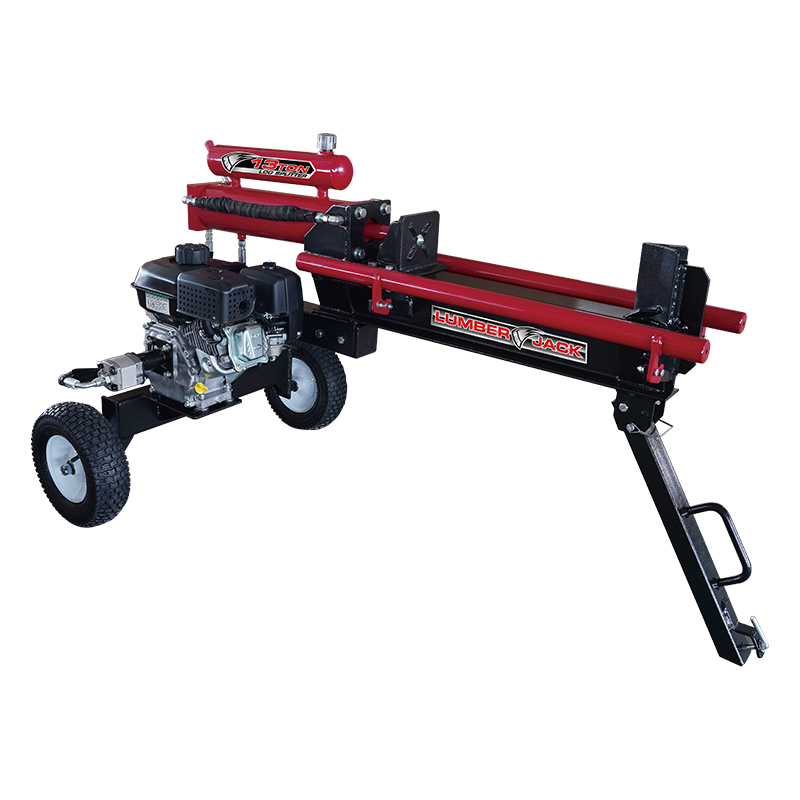 Superpower LGS1301 Low-Profile Gasoline Log SplitterA 13-ton Kohler-powered splitter with low horizontal beam, 13-second cycle, 20-inch log capacity, and pneumatic tires; useful for comparing low-profile firewood machines.View Product →
Safety and Comfort at a Low Beam
Working close to the ground changes the routine, and a few habits matter more here than on a tall machine.
- Split on firm, level ground; a rocking machine eventually tips.
- Use a cradle or side table so rounds cannot roll toward your feet.
- Keep both hands on the control, never on the log, once the wedge moves.
- Use a push block for offcuts; short pieces cause most hand injuries.
- Wear eye protection, grip gloves, and boots around heavy rounds.
- Stand or kneel to the side of the beam, not directly behind the wedge.
Daily checks and shutdown steps make a real difference over a season. The workshop notes on splitting safely and keeping the machine running are a practical starting point.
Towing, Storage and Long-Term Ownership
A low center of gravity pays off when you move the machine. Check tire pressure, hitch fit, safety chains, and the rated towing speed before any road use, and never exceed the rating to save a trip. On gravel or slopes, keep the load low and take the longer route.
Storage is the quiet advantage: a low beam slides under a bench or shelf far more easily than a tall frame. Before a long idle period, stabilise or drain the fuel, clean the beam and wedge, and cover the machine. During the season, check hoses and seals for weeping, keep the wedge sharp, and change the hydraulic oil at the interval in the manual, often somewhere between 50 and 100 working hours.
The LS12J shows how this class is packaged for buyers who split a few cords a year: horizontal operation, a working height that keeps the lift short, and a footprint that stores without rearranging the shed.
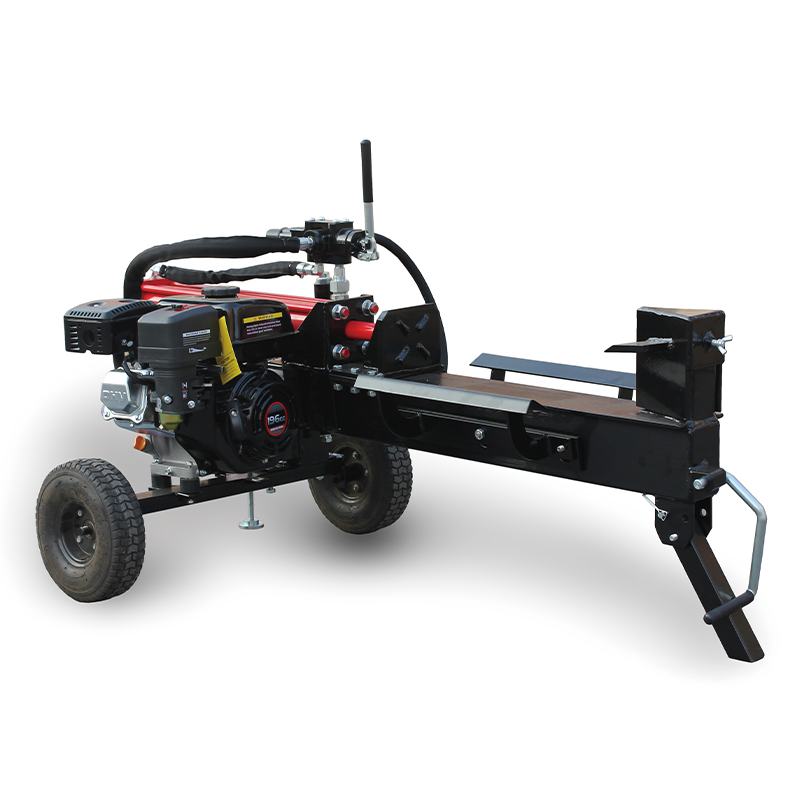 LS12J 12-Ton Low-Profile Gasoline Log SplitterA 12-ton horizontal gasoline splitter with auto-return valve, 26-second cycle, Loncin 196cc engine, and 20-inch log capacity; compact enough for seasonal firewood work.View Product →
A Short Buying Checklist
- Measure your largest typical round and confirm the beam accepts it.
- Check maximum log length against the firewood you cut.
- Match tonnage to species and grain rather than to the biggest number.
- Compare cycle time, not only splitting force.
- Decide how the machine will move: carried, rolled, or towed.
- Confirm the ground is level and firm where you will work.
- Price the extras: cradle, table, spare wedge, cover.
- Ask about seals, spare parts, and warranty terms before paying.
If you buy in volume for resale or need a configuration that is not listed, contact the manufacturer with your log diameter, firewood volume, and target market, and ask for the current specification sheet.
FAQ
Q1: Is a low profile splitter harder on your back than a vertical one?
Not if you prepare for it. The lift disappears, but you bend or kneel instead. A cradle, a stool, or a raised work platform removes most of the strain, and many owners find the shorter lift is the bigger win.
Q2: Can a low profile machine split in a vertical position?
Rarely. Most are horizontal only, which is exactly why the beam stays low. If you need vertical splitting for large knotty rounds, choose a convertible model instead and accept the higher working height.
Q3: How much tonnage do I need for oak?
Plan on 20 to 22 tons for dry, knotty oak and similar dense hardwoods. Straight-grained softwood splits comfortably at 10 to 12 tons, so buying for the hardest wood you expect is the safer rule.
Q4: Are low profile splitters good for towing?
Their lower center of gravity usually makes them more stable on uneven ground, but towing limits still come from the tires, hitch, and rated speed. Check those figures before you plan any road travel.
PREV:No previous article
NEXT:Poly Dump Cart Buying Guide: Capacity, Axles, Dump Action, Tires, and More
NEXT:Poly Dump Cart Buying Guide: Capacity, Axles, Dump Action, Tires, and More
Interested in cooperation or have questions?
Related products
-
-
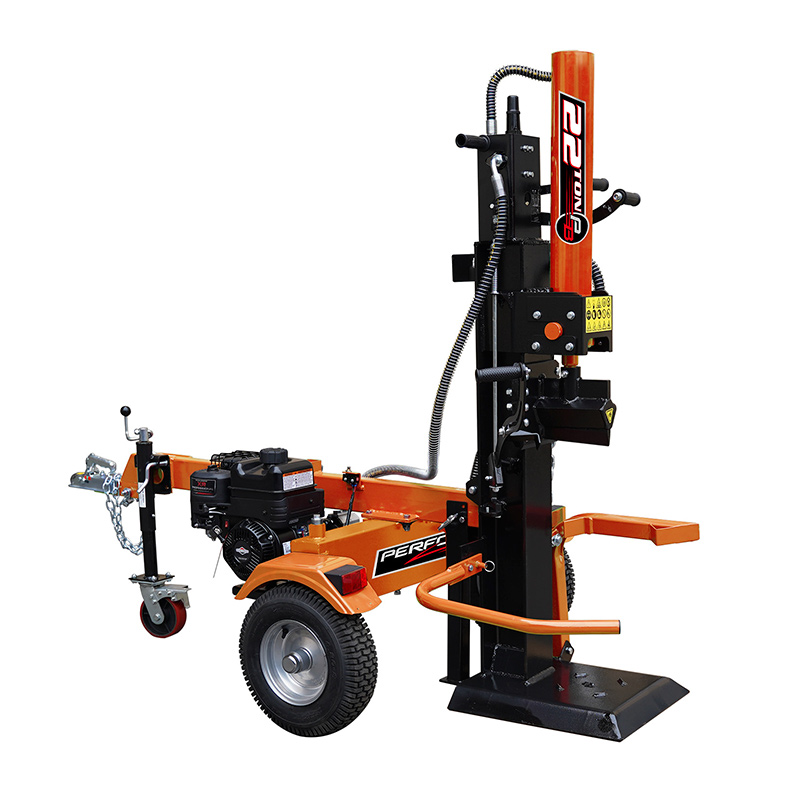
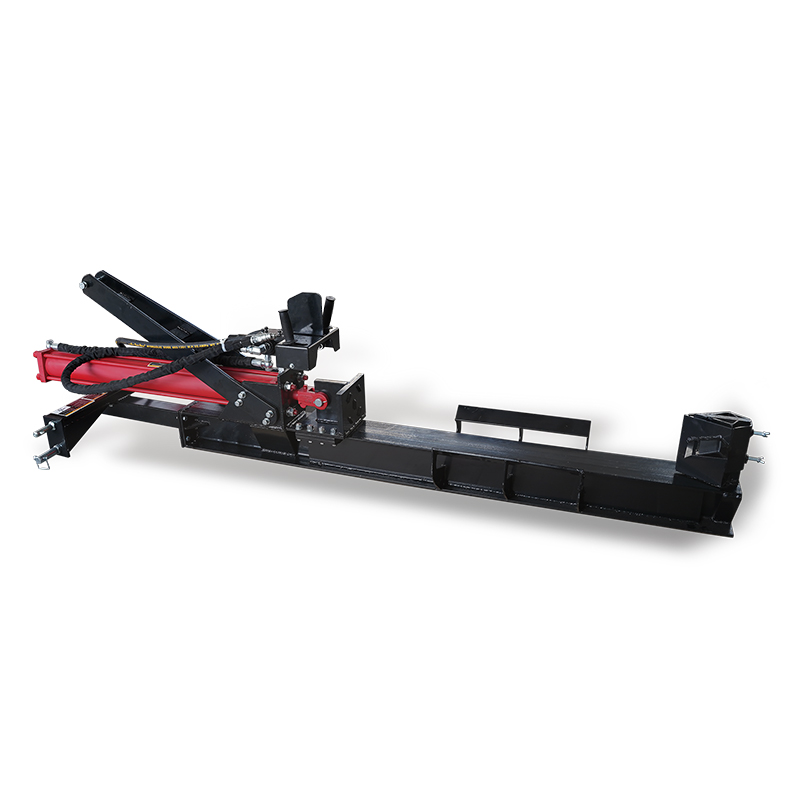
Vertical operation position onlyHardened steel wedge24"/61cm split len...
See Details -
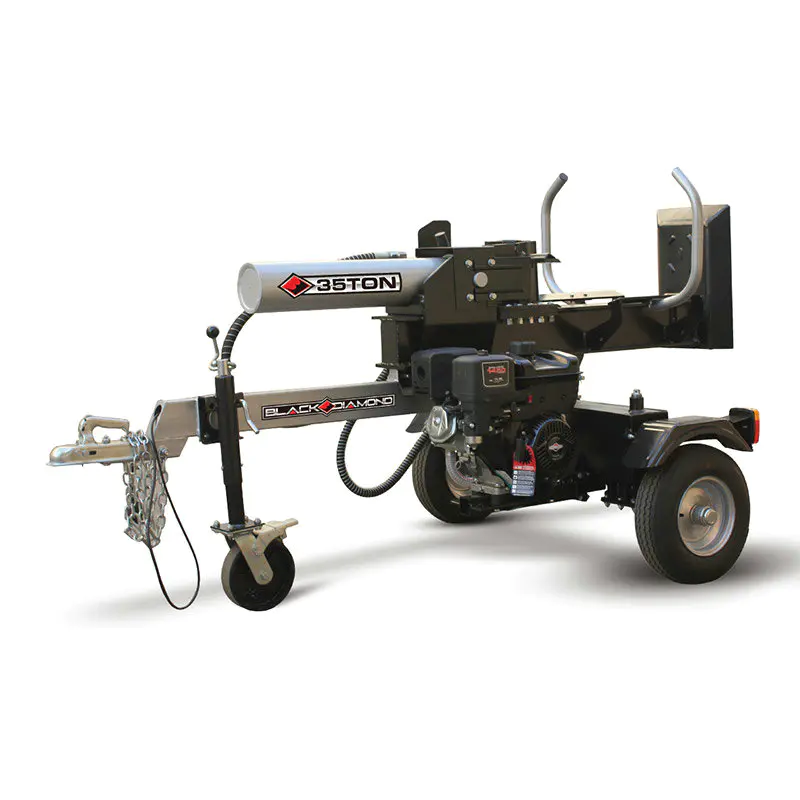
DESCRIPTION Vertical or horizontal operating position lets you work mo...
See Details -
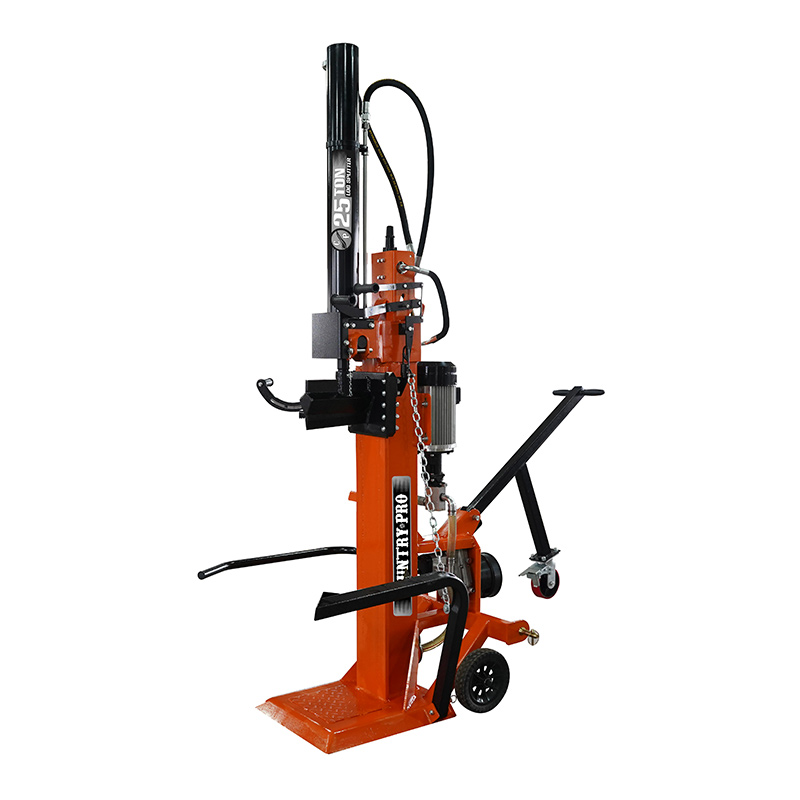
Vertical operation position onlyHardened steel wedge43.3” / 110cm log ...
See Details