Are Lawn Leaf Sweepers Suitable for All Types of Terrain?
Lawn Leaf Sweepers, lawn yard sweepers, and artificial grass sweepers are essential tools in maintaining a clean and tidy outdoor space. These machines are designed to clear leaves, grass clippings, and other debris from lawns, yards, and artificial grass surfaces. However, one question often arises: Are these sweepers suitable for all types of terrain? The answer to this question involves various factors, including the design and features of the sweepers, the terrain in question, and the maintenance of the equipment.
What is a Lawn Leaf Sweeper?
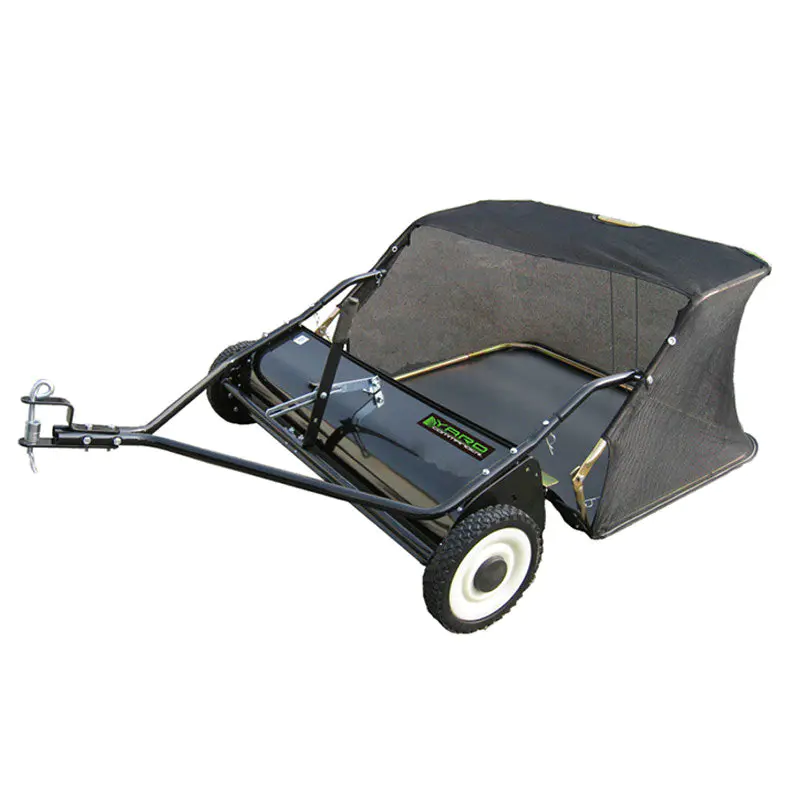
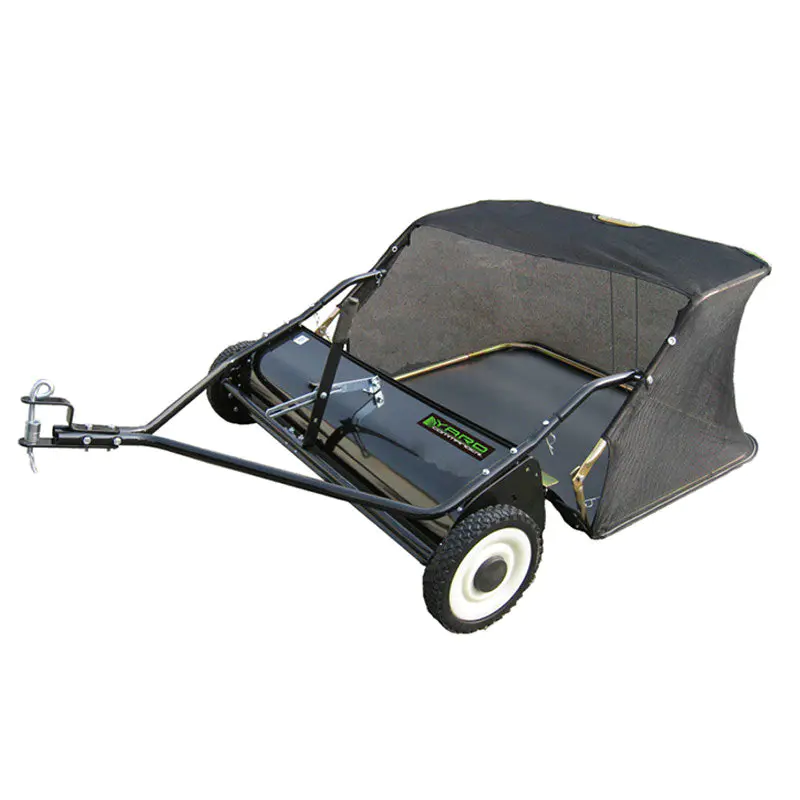
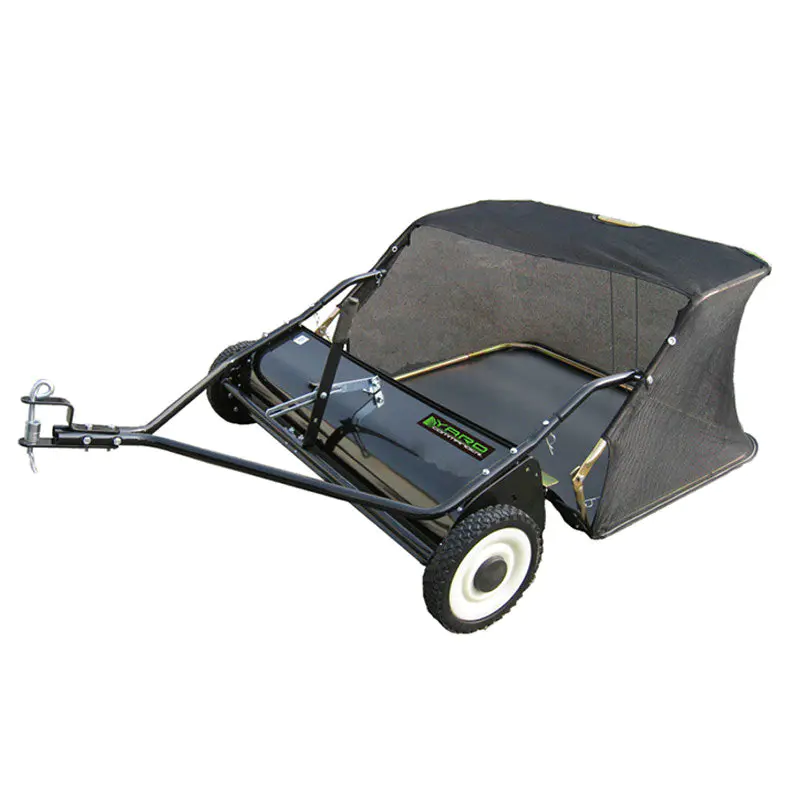
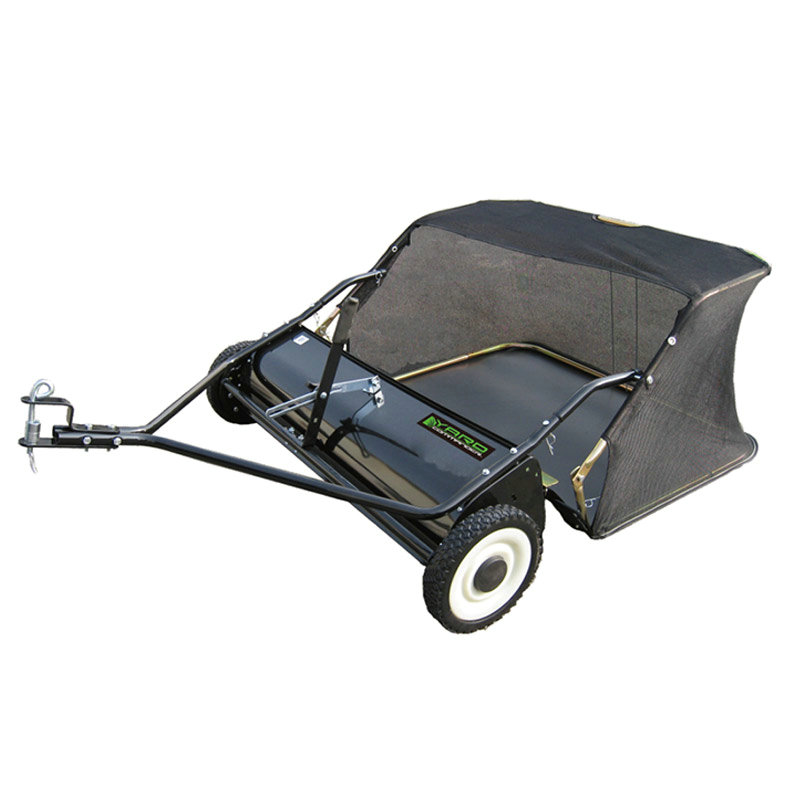
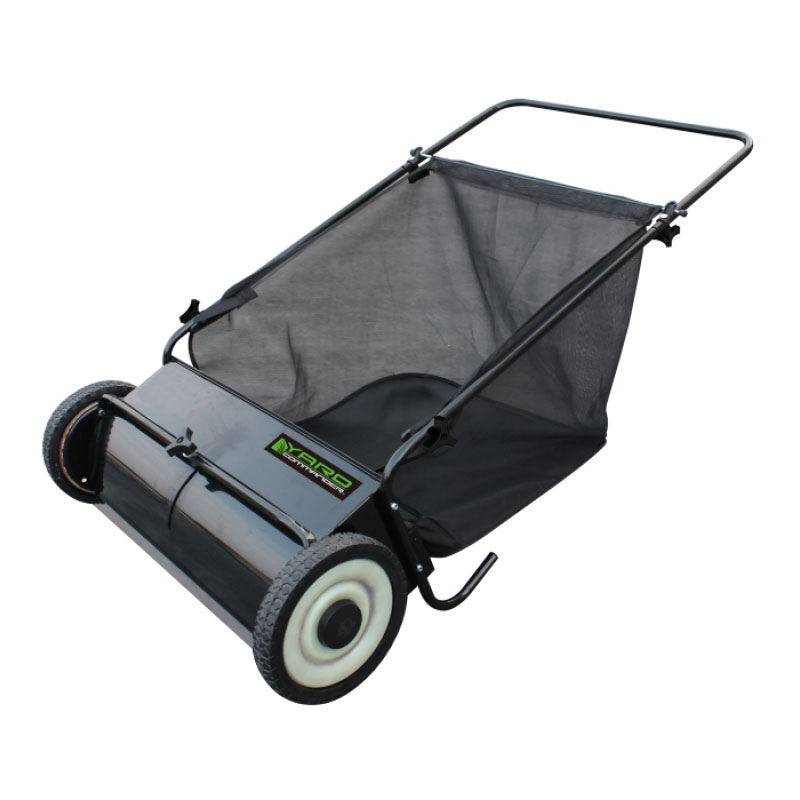
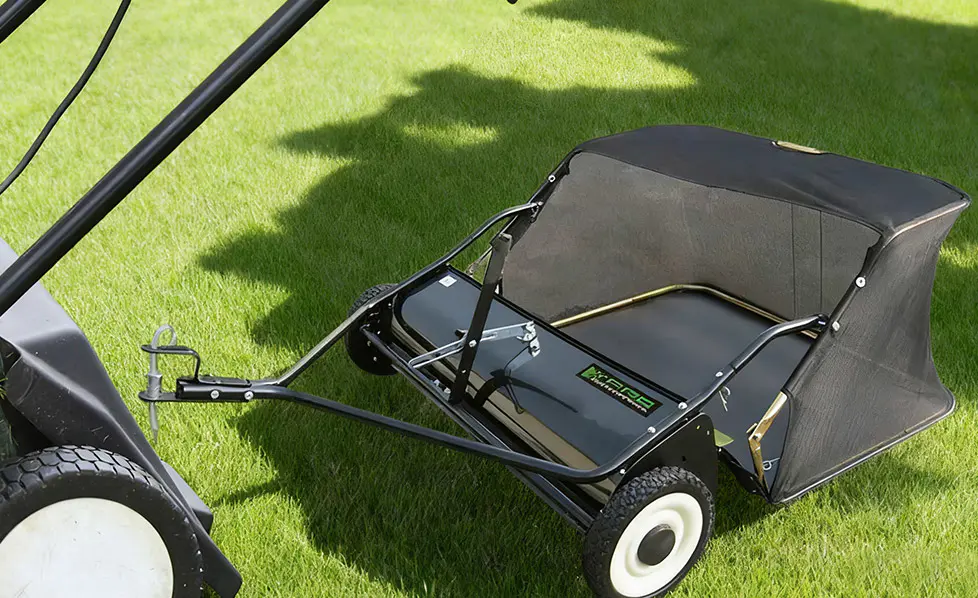
A lawn leaf sweeper is a device designed to collect leaves and other debris from lawns. These machines use rotating brushes or mechanical systems to gather debris into a collection bag or hopper. Lawn yard sweepers and artificial grass sweepers are similar tools, designed to cater to specific environments like yards or artificial turf. These sweepers are usually lightweight, easy to maneuver, and can handle a variety of debris, making them a popular choice for homeowners and gardeners.
The basic design of these sweepers includes a set of rotating brushes, a collection bag or hopper, and wheels that make it easy to push across the ground. Depending on the model, some sweepers are powered by human effort (manual), while others are motorized for easier operation, especially for larger areas.
How Does a Lawn Leaf Sweeper Perform on Different Terrain Types?
When evaluating the performance of a lawn leaf sweeper, it’s important to consider the type of terrain it will be used on. The terrain can affect the performance of the sweeper, including its ability to collect debris efficiently and the ease of maneuvering the machine.
1. Flat and Smooth Terrain
On flat and smooth terrain, such as well-maintained lawns or yards, lawn leaf sweepers perform exceptionally well. These areas allow the brushes of the sweeper to make full contact with the ground, effectively gathering leaves, grass clippings, and other debris. Sweepers equipped with adjustable brushes ensure that the height can be modified according to the thickness of the grass, ensuring optimal performance.
For lawn yard sweepers, the smooth surface provides an easy push, making them ideal for residential lawns. Similarly, artificial grass sweepers are well-suited for these terrains, as the even surface ensures uniform collection of debris without damaging the synthetic grass.
2. Uneven or Rough Terrain
Uneven or rough terrains pose a bigger challenge for sweepers. Lawn leaf sweepers may struggle on areas with uneven ground or bumps, as the brush may not make full contact with the ground in certain areas, reducing efficiency. However, models with larger wheels or additional height adjustment features can perform better on these terrains.
Lawn yard sweepers are typically more resilient on rough terrains due to their sturdier construction and larger wheels. However, they may still face difficulties when dealing with larger obstacles like rocks or tree roots.
In contrast, artificial grass sweepers are designed with gentle bristles that won’t damage the synthetic turf, making them suitable for use on flat artificial grass surfaces but less effective on uneven areas.
3. Sloped or Hilly Terrain
Sloped terrain adds an additional layer of complexity for any type of lawn leaf sweeper. Sweepers may struggle to stay upright and push them uphill or downhill. For this reason, it is crucial to select a model with good balance, powerful wheels, and ergonomic handles for better control.
Lawn yard sweepers with large, wide wheels tend to perform better on slopes, as they provide better traction. Motorized versions can also be an excellent option for sloped areas, as they reduce the effort needed to move the sweeper.
While artificial grass sweepers are generally not designed for steep slopes, they work effectively on small inclines and flat artificial grass areas. These sweepers maintain the integrity of the grass while ensuring that debris is removed from the surface.
4. Wet or Damp Terrain
Another factor to consider when evaluating the suitability of lawn leaf sweepers is the impact of moisture. Wet or damp leaves can be heavier and more difficult to collect. This can cause clogging in the brush mechanism and decrease the overall effectiveness of the sweeper. However, many models are designed with special features to handle wet conditions.
Lawn yard sweepers equipped with more powerful engines or larger collection bags can perform well in wet conditions. These sweepers also typically feature high-torque motors or gears, which help maintain power and efficiency, even when handling wet or thick leaves.
Artificial grass sweepers are typically designed to handle dry leaves and debris, but some advanced models may include features like moisture-resistant materials or adjustable bristles to handle wet leaves without damaging the turf.
Key Features That Affect Sweeper Performance on Terrain
When choosing a lawn leaf sweeper, lawn yard sweeper, or artificial grass sweeper, several key features determine how well it performs on different types of terrain:
1. Brush Design and Size
The design and size of the brushes directly impact the performance of the sweeper. Larger, more durable brushes can make better contact with the ground, collecting debris more effectively. Adjustable brush height is also important, as it allows the sweeper to adapt to different grass types and terrain irregularities.
2. Wheel Size and Traction
Larger wheels with better traction provide better performance on rough or sloped terrains. Sweeper wheels should also be made of durable materials to withstand frequent use on uneven ground. Pneumatic tires are often a good choice for rougher terrains, as they provide more shock absorption and a smoother ride.
3. Motorization
Motorized lawn leaf sweepers are more effective on larger or sloped areas, as they reduce the manual effort needed to operate the machine. These sweepers often come with variable speeds, allowing for customization based on the terrain and type of debris.
4. Collection Capacity
The size of the collection bag or hopper affects the overall efficiency of the sweeper. Larger bags reduce the need for frequent emptying, making the sweeping process more continuous. A good sweeper should have a bag that is both easy to remove and durable enough to handle large amounts of debris.
Company Overview: Jiashan Superpower Tools Co., Ltd.
At Jiashan Superpower Tools Co., Ltd., we specialize in manufacturing a wide range of outdoor power equipment, including lawn leaf sweepers, lawn yard sweepers, and artificial grass sweepers. With over two decades of experience in the industry, we have developed a reputation for providing innovative and reliable products that cater to a variety of outdoor needs.
Our factory operates under a certified quality management system, and many of our products, including lawn leaf sweepers, are ISO 9001:2015 certified and CE compliant. These certifications ensure that our products meet rigorous standards for performance, durability, and safety.
We continuously strive to develop energy-efficient and environmentally friendly products, including our range of lawn leaf sweepers, designed to meet the diverse needs of our global customer base. Our products are sold in over 40 countries, including the U.S., U.K., Canada, Australia, and Germany, where they are trusted for their superior quality and competitive pricing.
Conclusion: Is a Lawn Leaf Sweeper Suitable for All Types of Terrain?
In conclusion, lawn leaf sweepers, lawn yard sweepers, and artificial grass sweepers are versatile tools that perform well in most outdoor environments. However, their performance on different terrains depends on several factors, including the design of the sweeper, the type of terrain, and the specific features of the model. Whether you’re working on flat lawns, rough yards, or artificial turf, there is a sweeper suited to your needs.
To ensure optimal performance, it is essential to select a model that suits your terrain type, whether you are working with smooth grass, sloped areas, or damp conditions. By considering the key features outlined in this article, you can choose the best sweeper for your needs and enjoy a cleaner, more manageable lawn or yard.
Frequently Asked Questions (FAQ)
-
Can a lawn leaf sweeper be used on wet grass?
Yes, but it’s best to use a sweeper with adjustable brush height and one that can handle wet conditions. Motorized models with strong brushes are more effective for this task.
-
What is the difference between a lawn leaf sweeper and a lawn yard sweeper?
The primary difference is that lawn leaf sweepers are more focused on collecting debris from grass, while lawn yard sweepers may be designed to handle larger debris and more rugged terrain.
-
Can artificial grass sweepers damage synthetic turf?
No, artificial grass sweepers are specifically designed with gentler brushes to avoid damaging the turf, while still effectively collecting debris.
-
How often should I maintain my lawn leaf sweeper?
Regular maintenance is essential. Check the brushes, wheels, and collection bag after each use to ensure everything is functioning properly. Periodically, check for any wear and tear on the motor or mechanical parts.
-
Are motorized lawn leaf sweepers worth the investment?
Yes, motorized models are more efficient and require less physical effort, making them ideal for large areas or sloped terrains.
 LANGUAGE
 English
 Deutsch
 Español
 Français
 русский









 New Item
 Log Splitter
 Spreader
 Lawn Sweeper
 Dump Cart
 Lawn Groomer
 Chipper Shredder
 Stump Grinder
 Outdoor Power Equipment