 LANGUAGE
 English
 Deutsch
 Español
 Français
 русский







DESCRIPTION Vertical or horizontal operating position lets you work mo...
See Details
Wood Chipper and Mulcher: How to Choose the Right Machine for Your Yard
Storm cleanup in the yard often looks the same. Branches pile up in corners, leaves get packed into flower beds, and you realize that hauling green waste to the curb will take more than one morning. A wood chipper and mulcher gives you a faster path. It reduces volume, creates usable mulch, and keeps the property tidy. Before you pick a machine, start with the key question: chipping or shredding?
Wood Chipper vs Mulcher: Start With the Core Difference
A wood chipper is designed to take branches, limbs, and small logs and turn them into uniform wood chips. It typically has a set of blades mounted on a disc or drum, pulling material through a feed hopper. A mulcher, sometimes called a shredder, is built for softer yard waste, including leaves, grass clippings, twigs, and vine-like material. It breaks those items into a finer mulch with hammers or flail blades.
Many machines combine both functions and the industry calls them chipper-shredders. If you face mixed wood waste, a combined unit is often the more practical route. For example, the Superpower CP6502 chipper-shredder handles both branch chipping and lighter shredding tasks, which makes it a useful all-rounder for a residential property or small farm. That distinction matters for buying decisions, and you can read more in our article on how a chipper-shredder differs from a dedicated wood chipper.
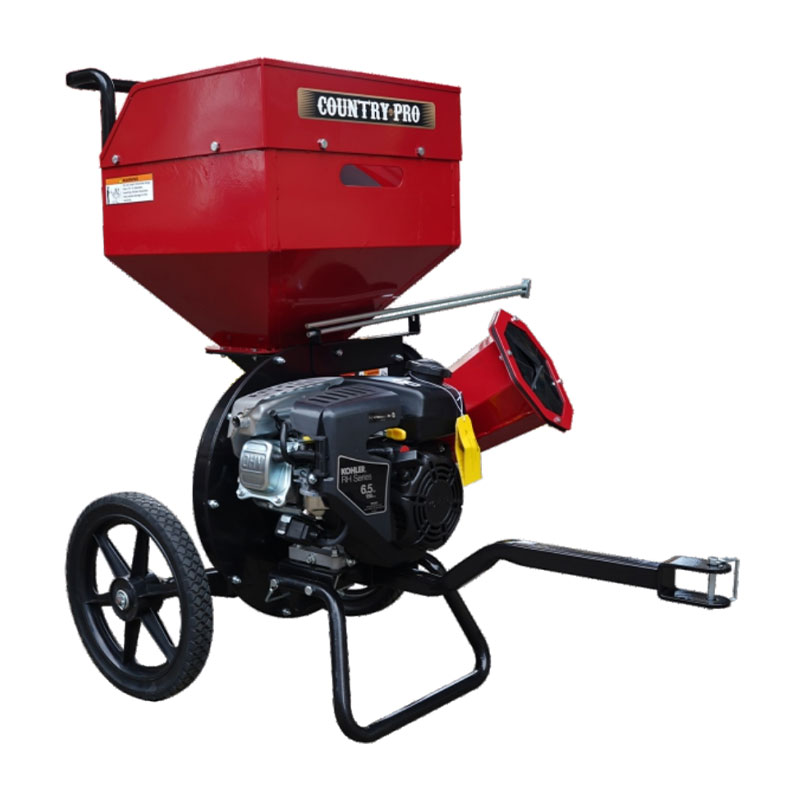 CP6502 Chipper-Shredder for Branch Chipping and Yard WasteThis all-round unit chips branches up to 3 inches and shreds garden waste, featuring hardened steel knives and a self-feeding, portable design with a collection bag for residential or small farm use.View Product →
It helps to know the basic comparison before you compare spec sheets. Look at the table below for a quick reference.
| Machine Type | Best For | Typical Output |
|---|---|---|
| Wood chipper | Larger branches and limbs | Coarse chips |
| Mulcher or shredder | Leaves, clippings, small twigs | Fine mulch |
| Chipper-shredder | Mixed yard waste | Coarse to fine |
Power Source: Electric, Petrol, or Tractor-Driven
The engine type affects where you can use the machine and how much material it can pull through. Electric wood chippers are quiet, low maintenance, and well suited to a garage or workshop with a standard outlet. Their cut capacity is usually smaller, often around 1.5 to 2 inches, and they work best for leaves and small branches.
Petrol chippers deliver more torque and are more forgiving on uneven ground. If you need to move the machine through mud, over rough terrain, or to a remote woodpile, a petrol engine gives you that freedom. Models with 6.5HP to 13HP cover most garden and small farm tasks.
Tractor-driven units use PTO power. They are the best fit for agricultural operations already owning a tractor, because they eliminate the need for a separate engine. For innovation in this space, the Superpower CPY0130 compact chipper-shredder represents the latest approach to combining these functions in a lighter form.
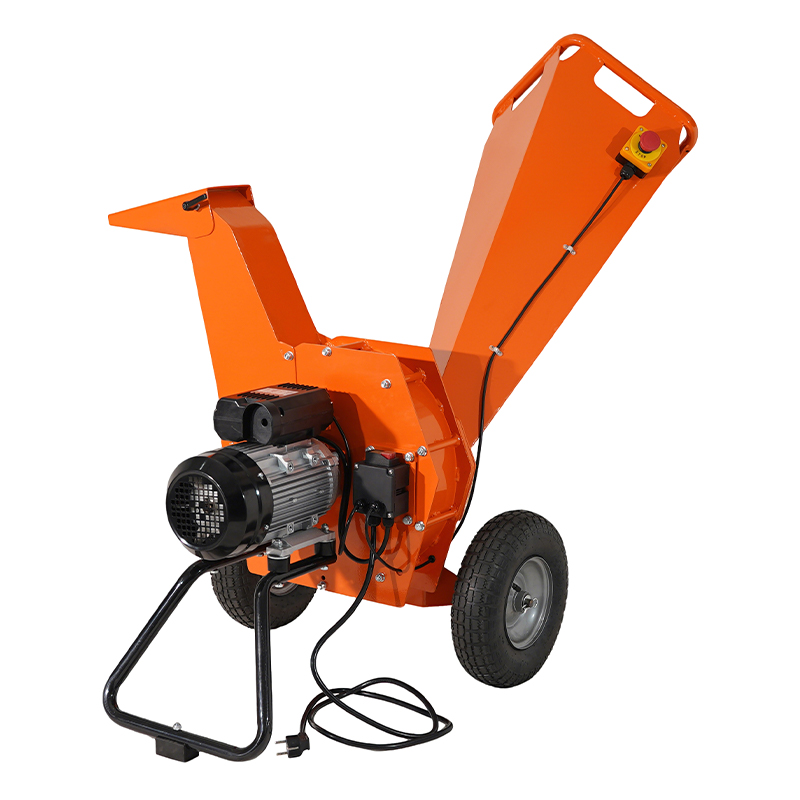 CPY0130 Compact Chipper-Shredder with 3-Inch CapacityThis compact unit uses a 230V motor and heat-treated blades to chip branches up to 3 inches, with quick-disassembly chutes for easy storage and maintenance, ideal for smaller gardens.View Product →
Electric
Best for smaller gardens with a stable power source. Quiet, simple, and easy to store.
Petrol
Best for mobile work on uneven ground. More torque for larger branches and thicker material.
PTO
Best for tractor owners who want to avoid an extra engine. High capacity and low running cost.
Chip Capacity and Feed System: Match the Machine to Your Material
Capacity is measured mostly by the diameter of the feed opening. If you only have twigs and leaves, a 2-inch unit is enough. If you need to process 3-inch branches from a hedge row or fallen tree, look for a 3-inch or larger feed hopper. Cross-check the reduction ratio, commonly listed as 10:1 or 20:1, which tells you how much the material shrinks in volume.
The feed system also matters. A gravity-fed chute works for straight branches, while a hopper handles messy debris. Some machines have a slower rotating drum that grabs material without kicking back, and others rely on high-speed blades that throw chips into a bag. You want a design that feeds evenly and keeps your hands away from the cut area.
Use this simple guide for your expected material:
- Soft leaves and clippings: mulcher/shredder or low-power chipper-shredder
- Twigs up to 1 inch: electric chipper
- Branches up to 3 inches: petrol chipper-shredder with 6.5HP or more
- Logs and 4-inch wood: high-torque petrol or PTO models
Sizing, Portability, and Storage Considerations
Weight is not just a spec; it affects how often you will use the machine. Residential electric units often stay under 100 lb, so you can wheel them into a shed or unlock the gate. Petrol machines are heavier, with models in the 150 to 300 lb range, and some offer tow hitches for moving behind a ride-on mower or ATV.
Storage footprint matters too. Horizontal machines require a flat base, while vertical designs use less ground area. If you have a small garage or shed, measure the width and height of the machine before purchase. For a farm, a towable chipper-shredder can be parked near the firewood pile and moved seasonally.
Think about your future use, not just the current pile. A slightly bigger machine will process the occasional windfall without straining, but a machine that is too large for your storage or transport setup becomes a burden.
Maintenance and Safety: Keep the Machine Working for Years
Basic maintenance is straightforward: follow the engine oil schedule, inspect the blades for nicks, and change air and fuel filters as recommended. Some chipper-shredders use dual blades you can reverse or sharpen. Keeping them sharp is essential for clean cuts and reducing strain on the engine.
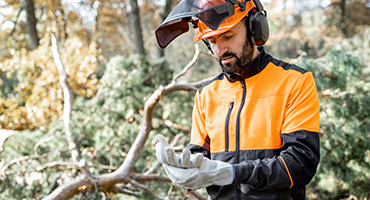
Safety starts with the right clothing. Wear ear protection, safety glasses, and sturdy gloves. Keep bystanders away from the discharge area, especially children and pets. Never put hands into the feed hopper; use a branch or stick to push material down. If the machine jams, disconnect the spark plug or power before clearing.
Checklist before each use:
- Inspect blades and check for damage or dull edges
- Confirm the machine is on a stable, level surface
- Wear goggles, gloves, and hearing protection
- Clear the area of tools, toys, and pets
FAQ: Wood Chipper and Mulcher Questions Answered
Q1: Can a wood chipper handle wet wood?
Wet wood is harder to chip and can clog the chute. Dry wood is easier on blades and the engine. If you must chip wet branches, feed smaller pieces and clean out the discharge frequently.
Q2: What is the difference between a chipper and a shredder?
A chipper handles woody branches and produces coarse chips. A shredder covers leaves and soft garden waste and produces fine mulch. A chipper-shredder combines both roles.
Q3: How often should I sharpen the blades?
It depends on usage, but most users sharpen blades every 15 to 25 hours of operation. Watch for slow feeding or extra vibration as a sign of dull blades.
Q4: Can I use the mulch from the machine in the garden?
Yes. Fresh wood chips are suitable for paths, around trees, or as compost material. Let soft mulches from leaves break down a little if you place them in vegetable beds.
Final Buying Advice
Choose the machine that fits your material, your power source, and your space. Start with a clear list of what you will process, and then look at the feed opening, motor power, and maintenance requirements. A combined wood chipper and mulcher gives you the most flexibility for typical garden and farm waste. If you need help narrowing down options, the Superpower Tools lineup offers Chipper Shredders from compact electric units to heavy-duty petrol machines designed for serious yard work.
PREV:No previous article
NEXT:Hardest Wood to Split: 10 Toughest Species and How to Choose a Log Splitter
NEXT:Hardest Wood to Split: 10 Toughest Species and How to Choose a Log Splitter
Interested in cooperation or have questions?
Related products
-
-
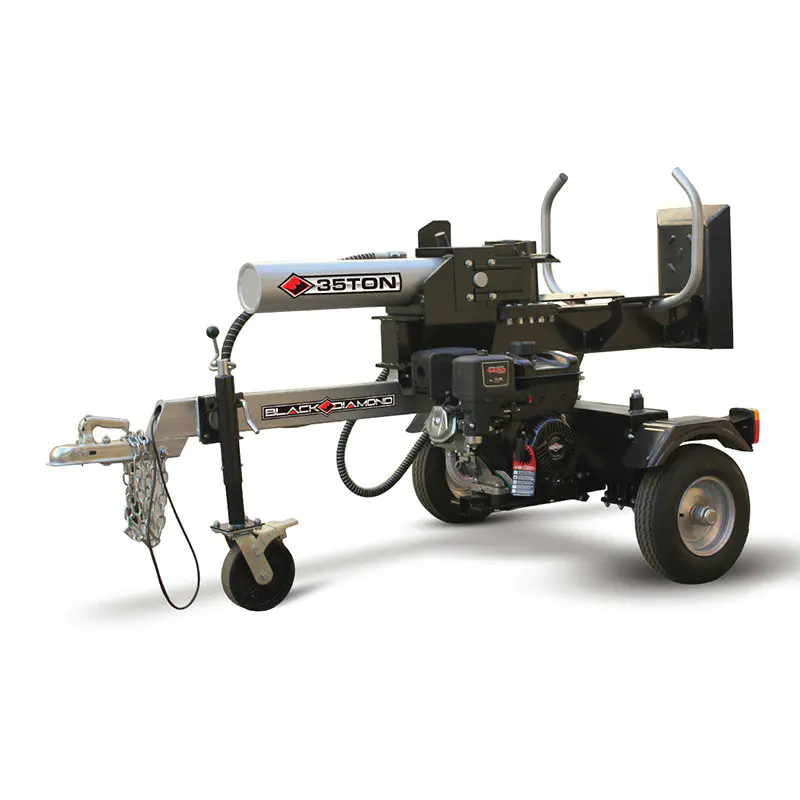
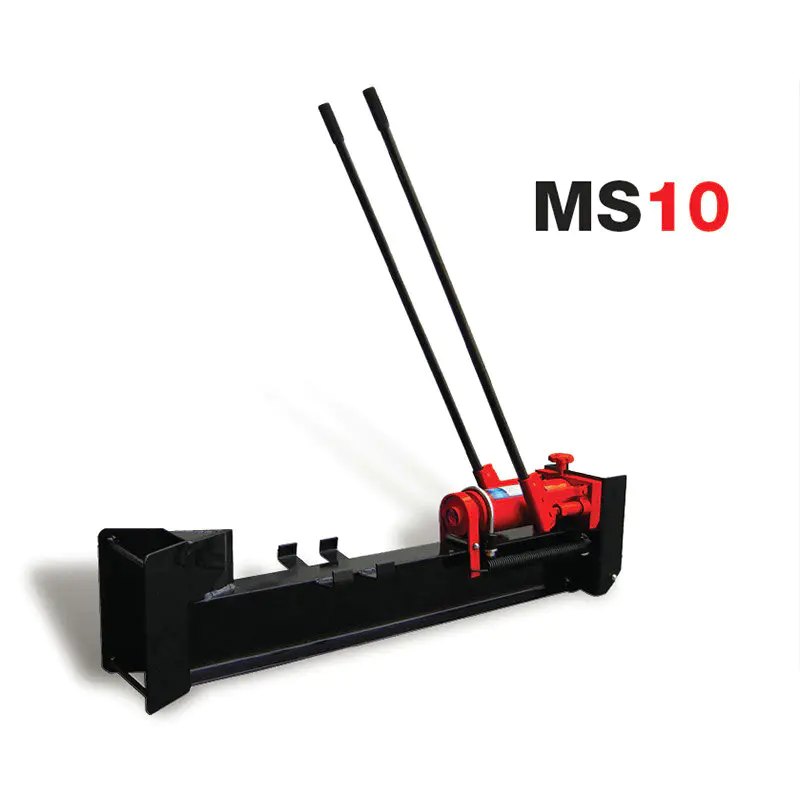
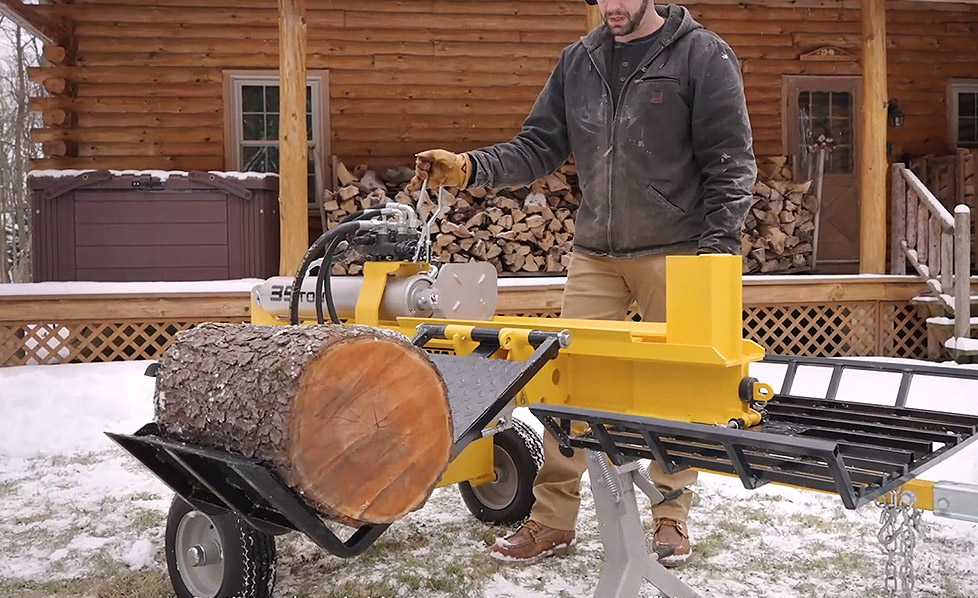
DESCRIPTION Vertical or horizontal operating position lets you work mo...
See Details -
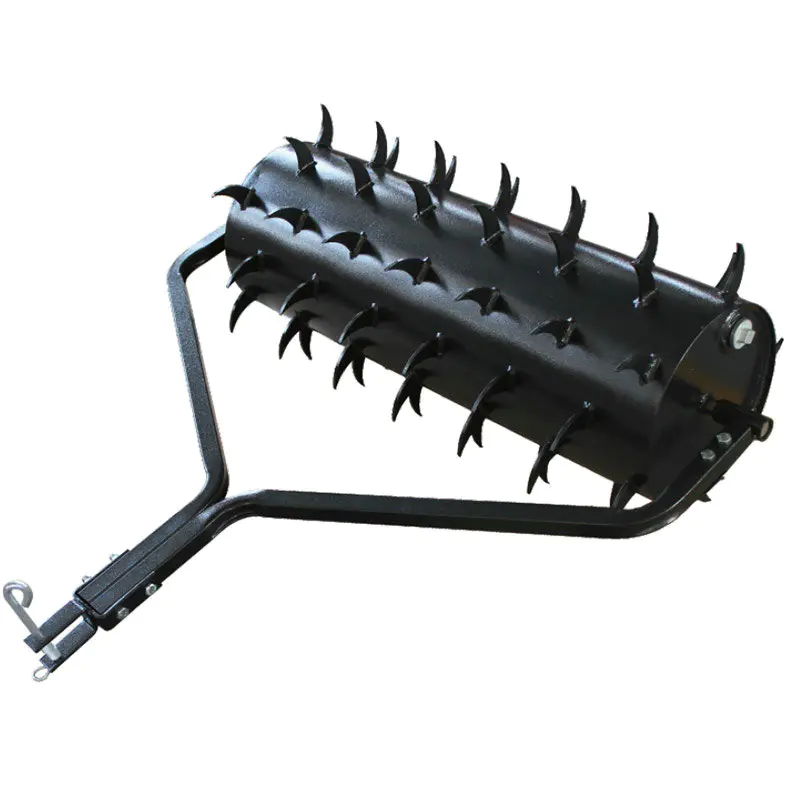
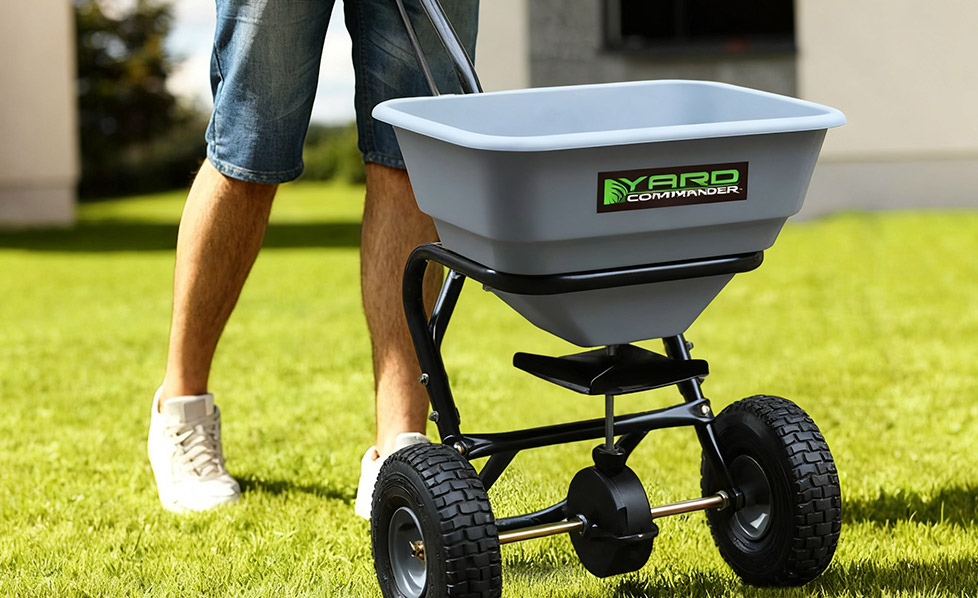
DESCRIPTION ♦Helps nutrients get into the soil and down to the ...
See Details -
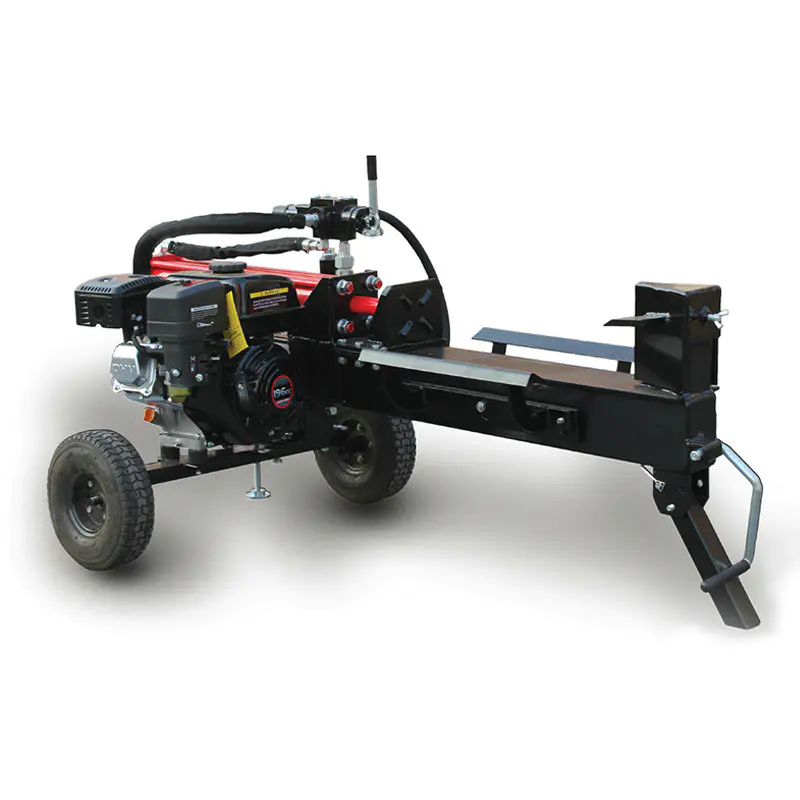
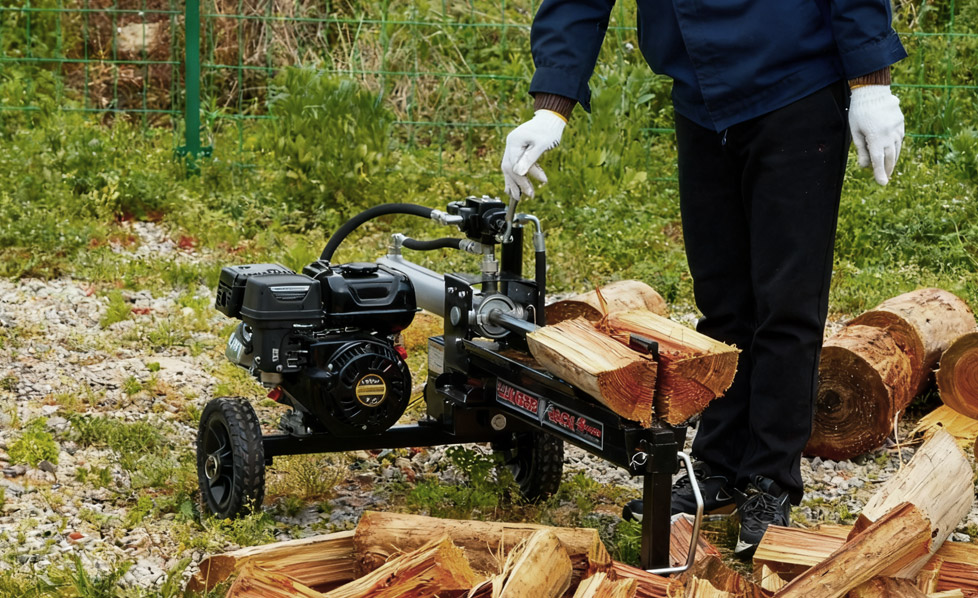
DESCRIPTION Working at horizontal position onlyAuto return hydraulic c...
See Details -
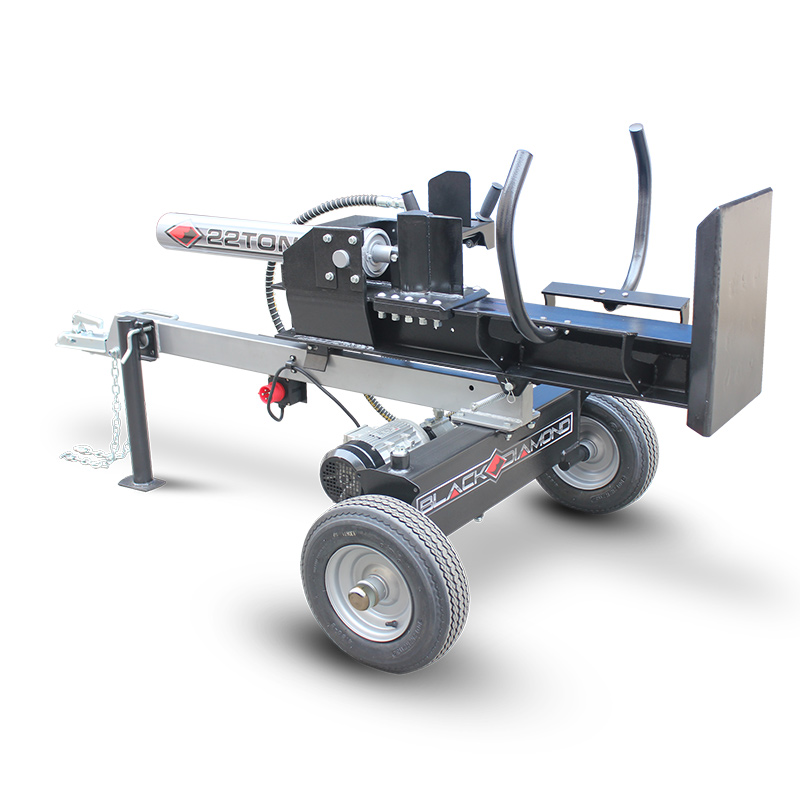
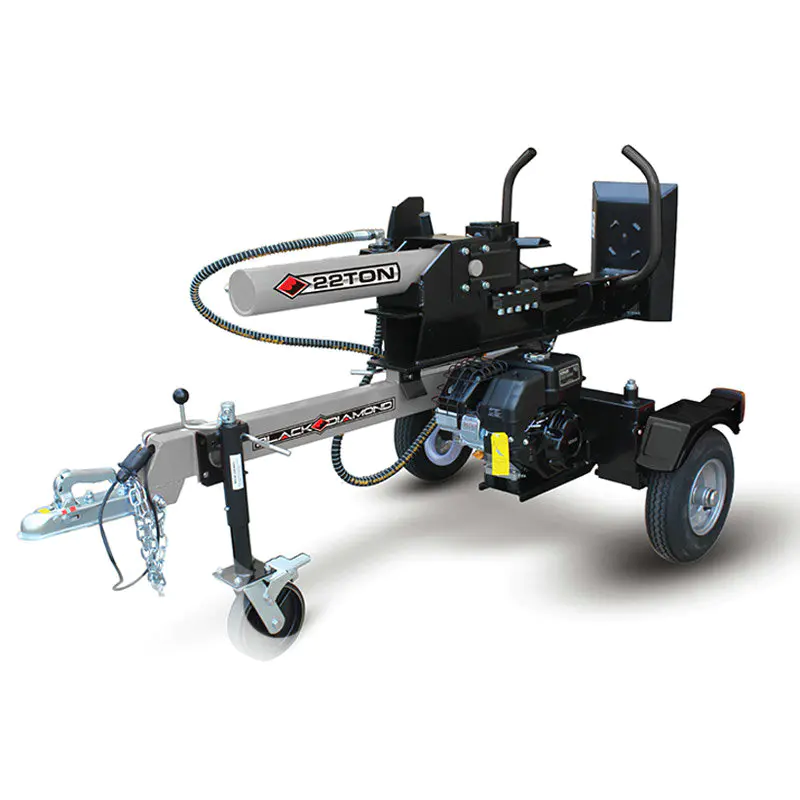
DESCRIPTION 22 Ton vertical/horizontal operating position allows forus...
See Details