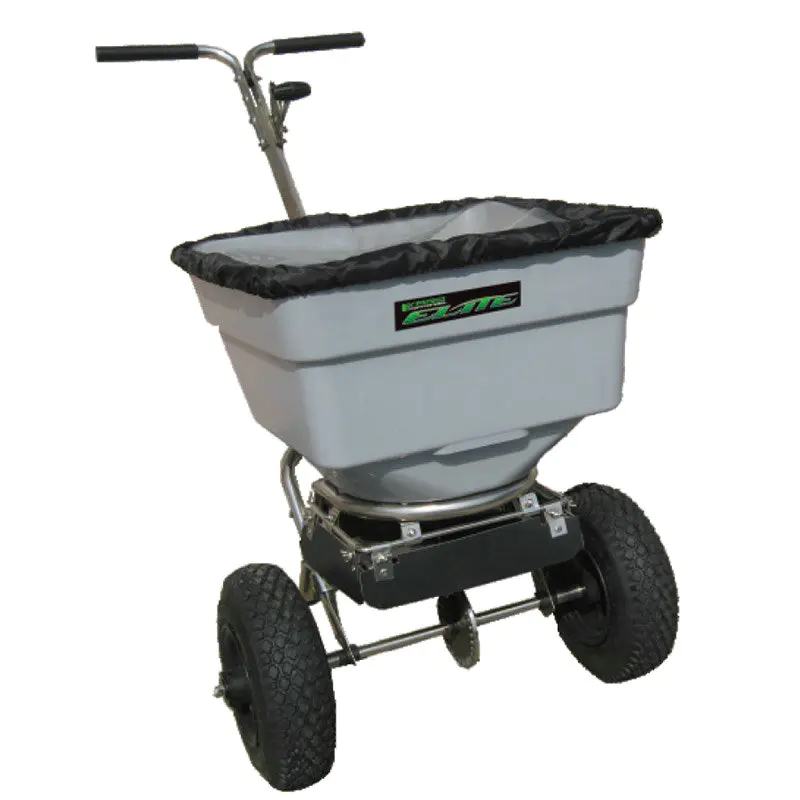
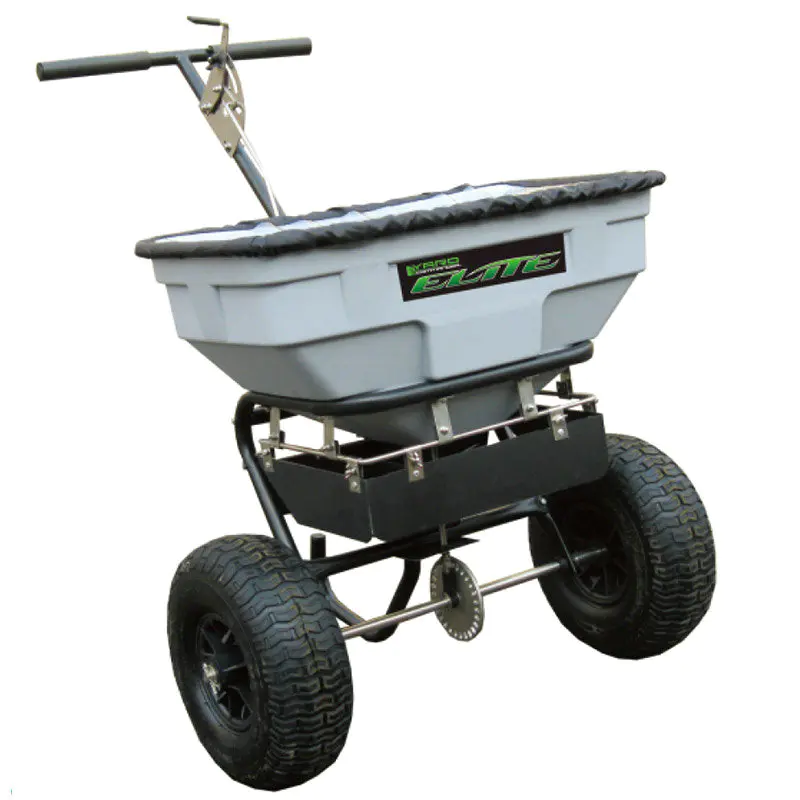
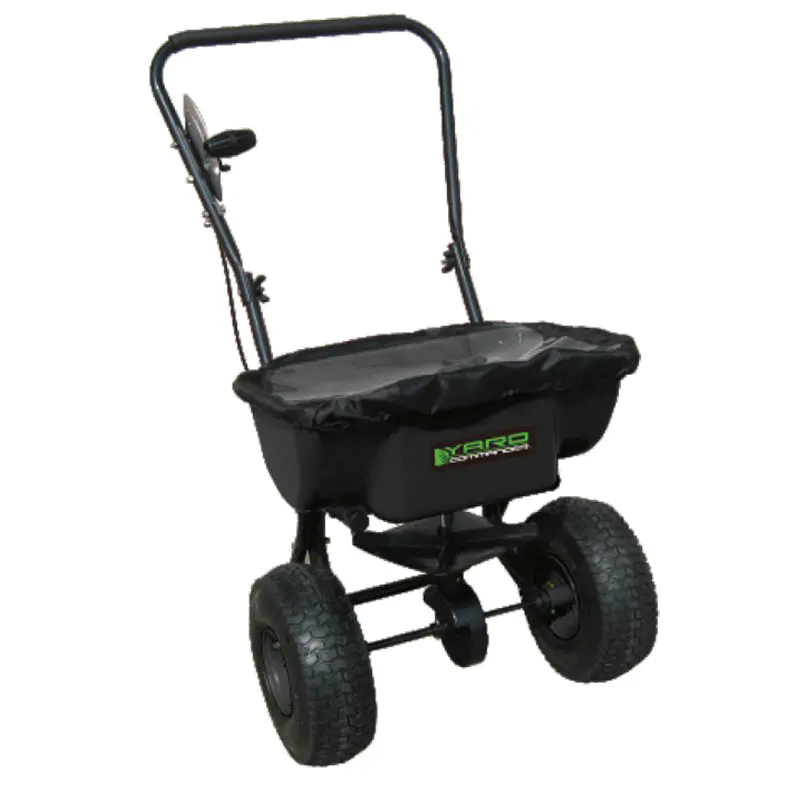
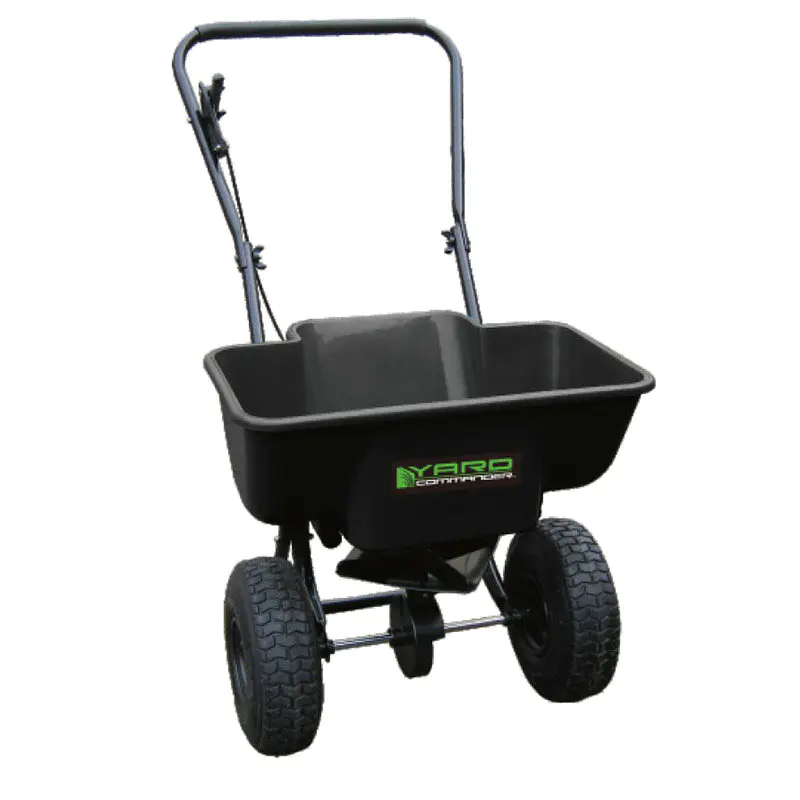
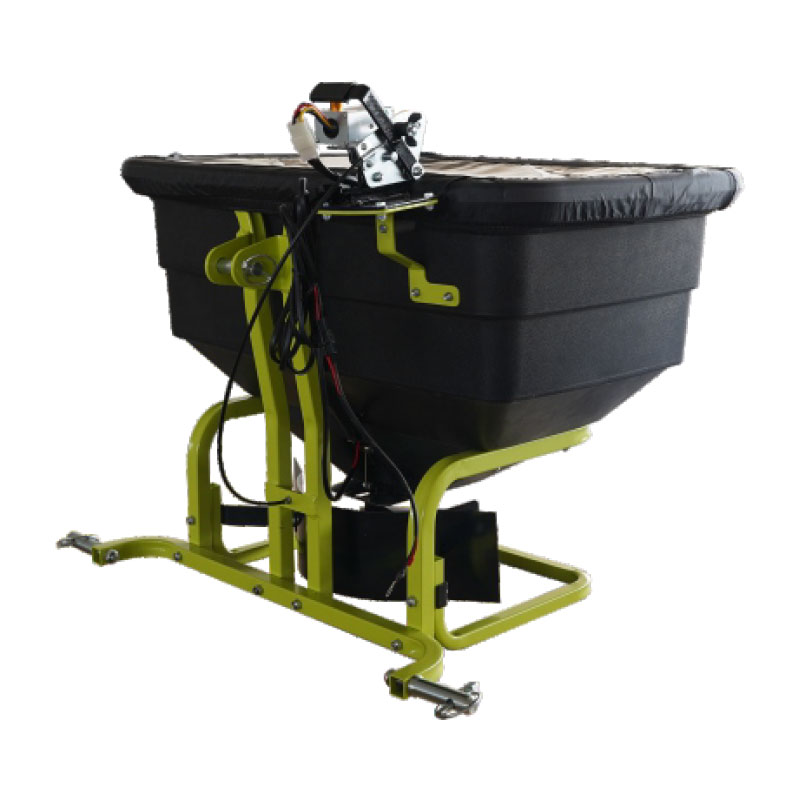
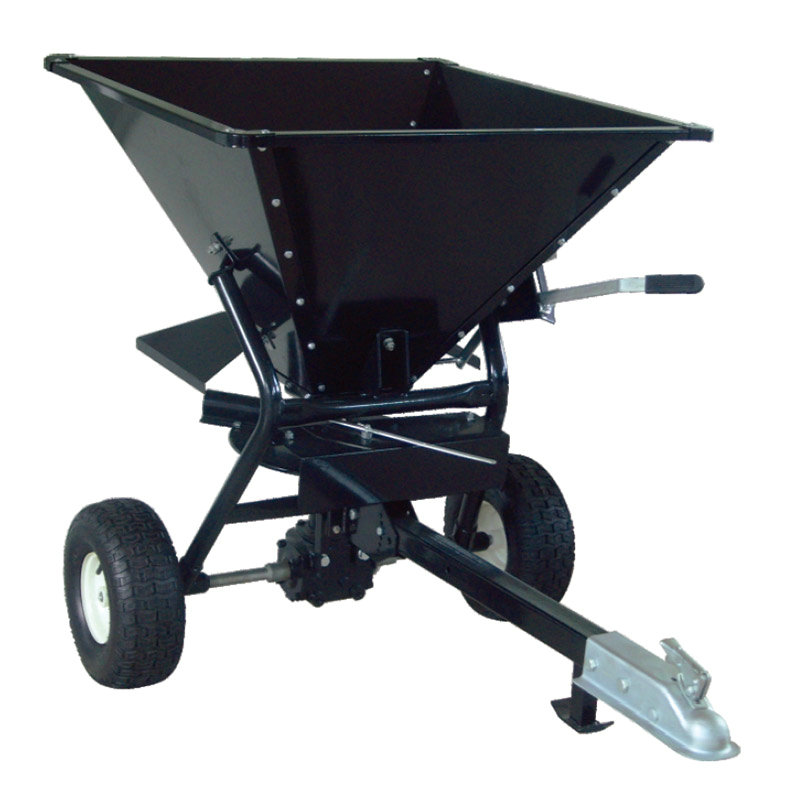
What are the main types of agricultural spreader machines available in the market?
Agricultural spreaders are essential equipment used for applying fertilizers, seeds, and other materials across large fields and lawns. These machines ensure an even and efficient distribution of materials, which is critical for maximizing crop yields or maintaining a healthy lawn.
Types of Agricultural Spreaders
Broadcast Spreaders
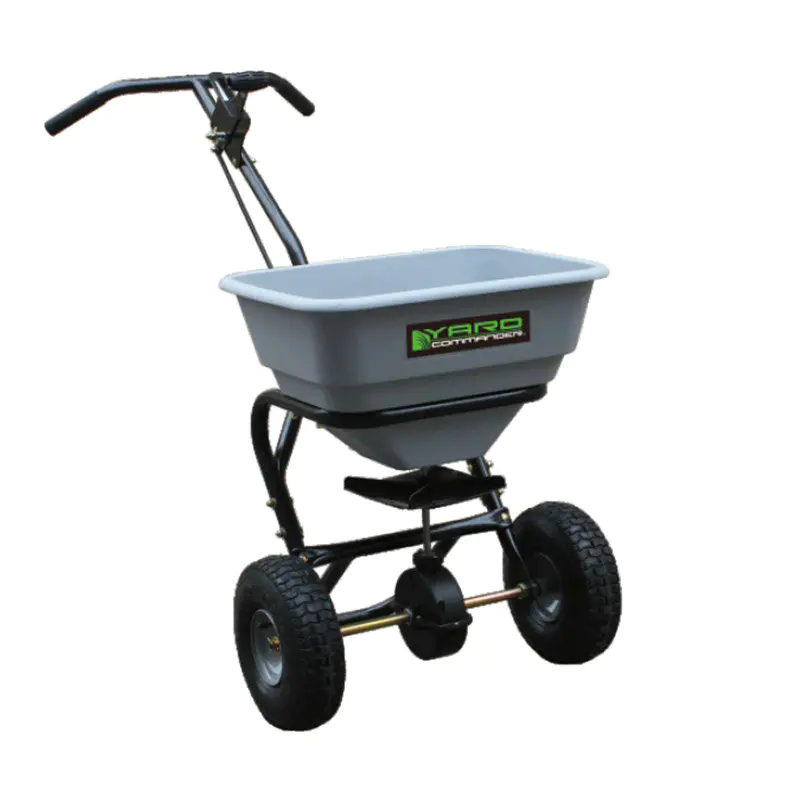
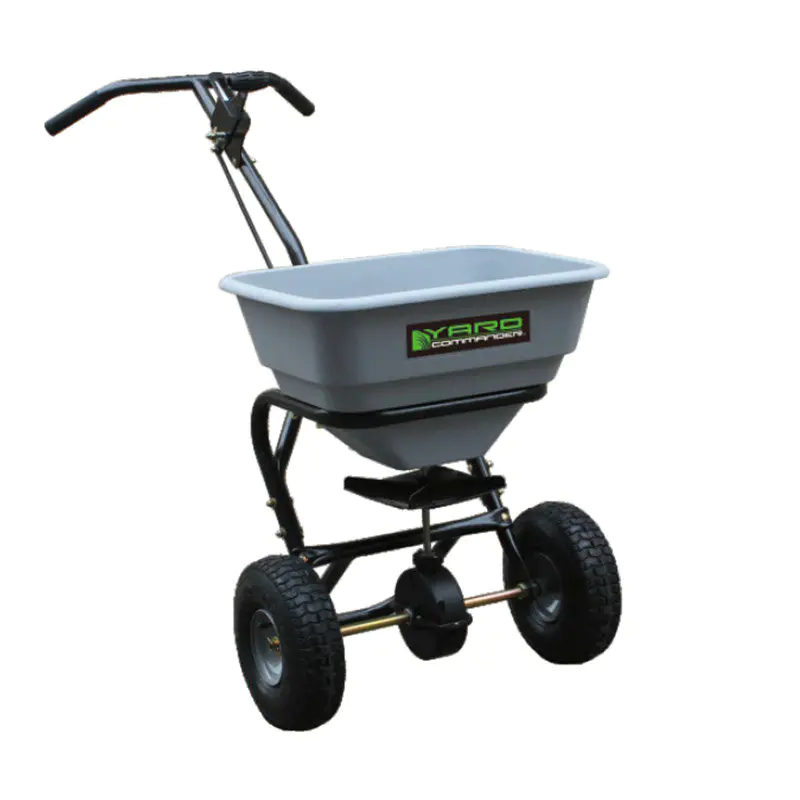
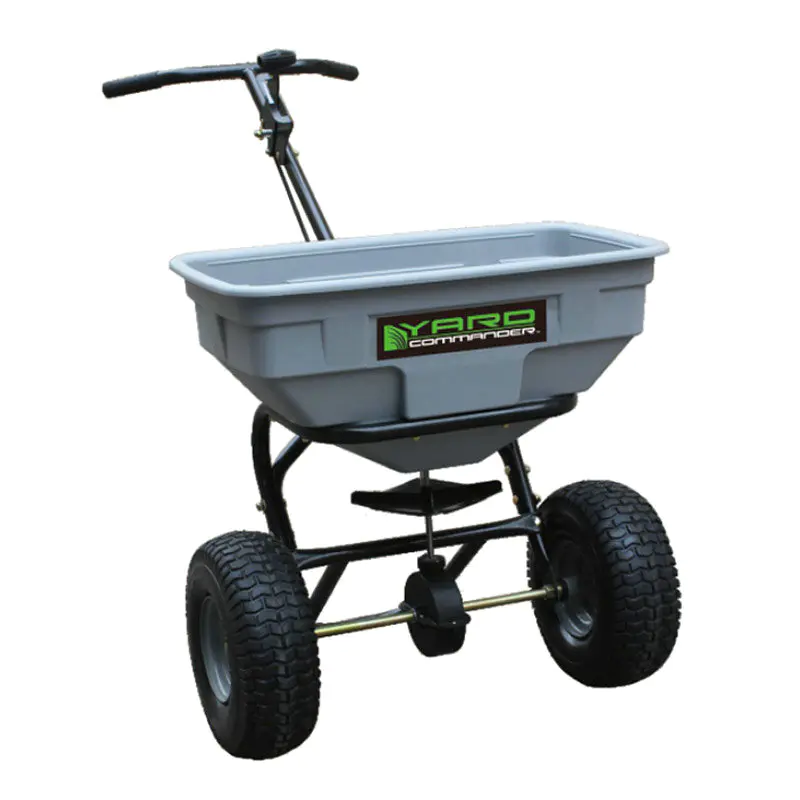
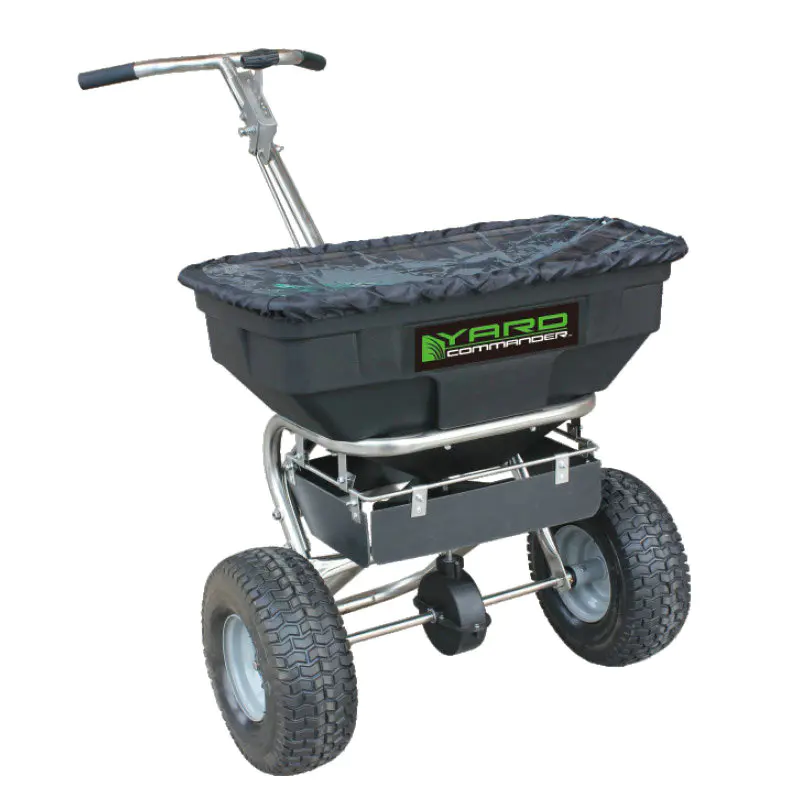
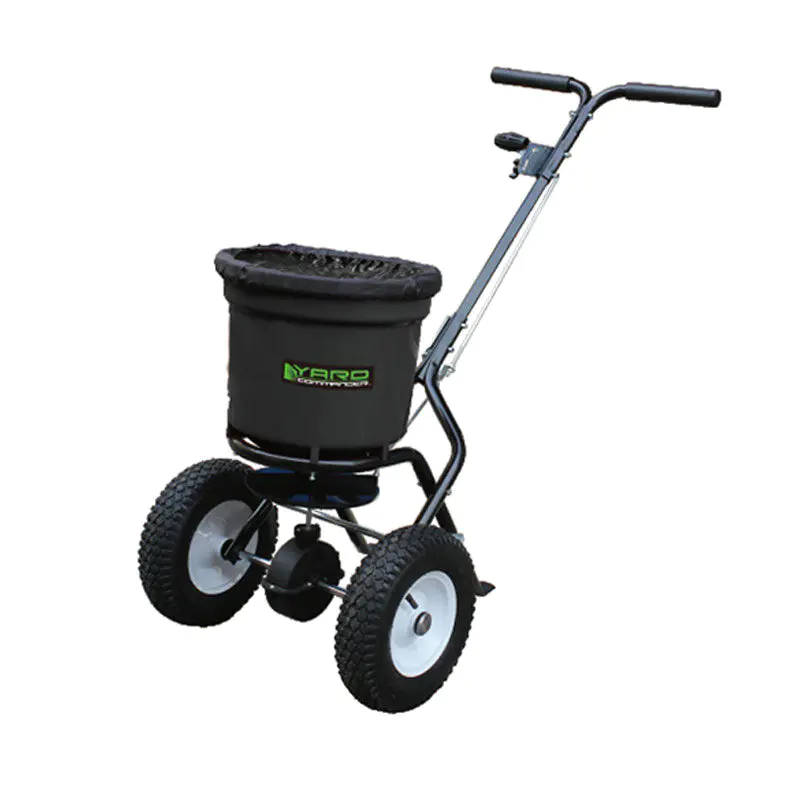
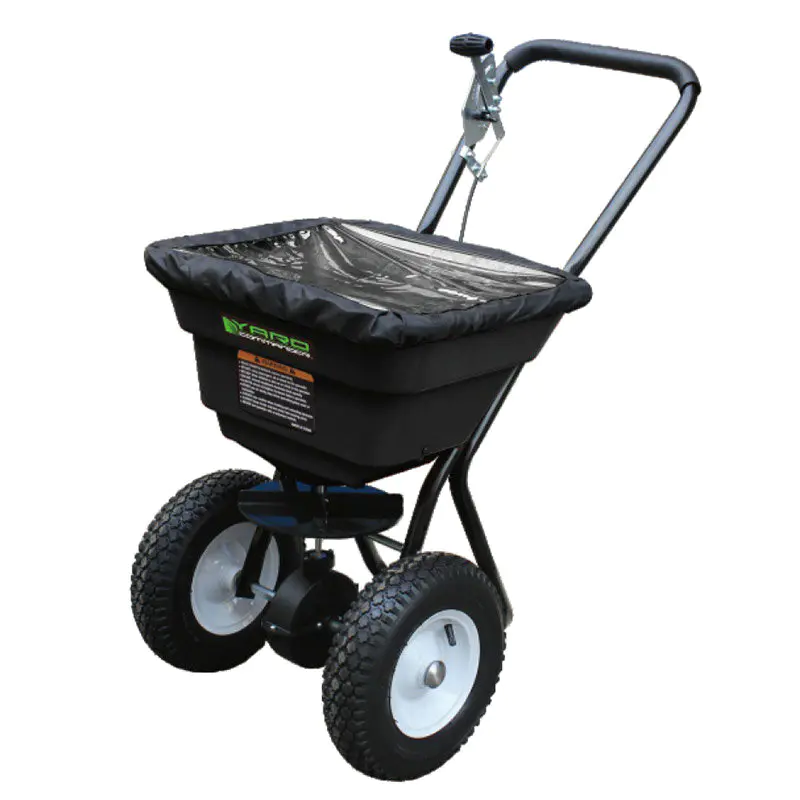
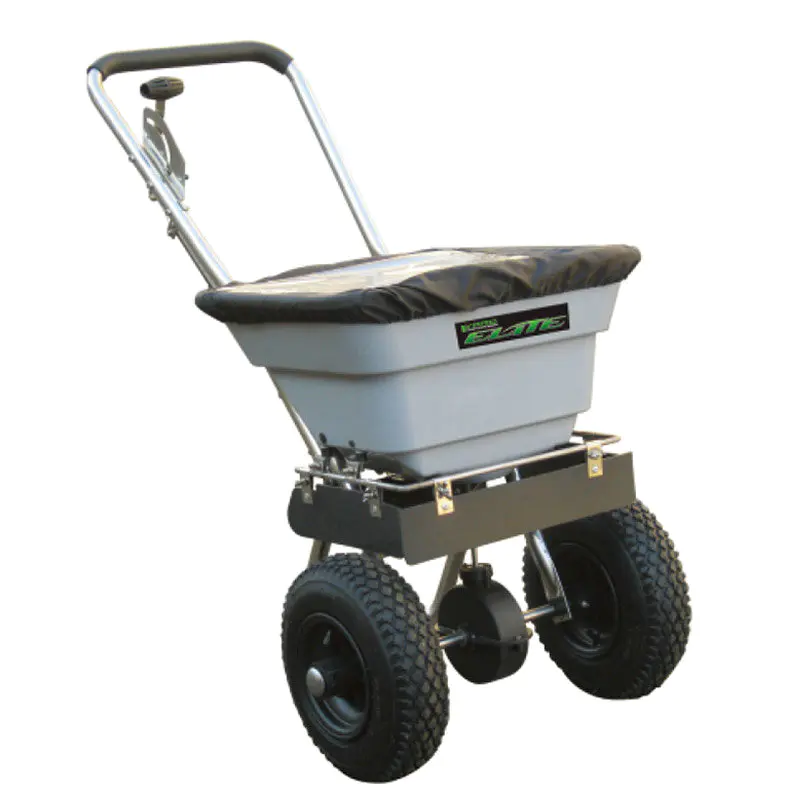
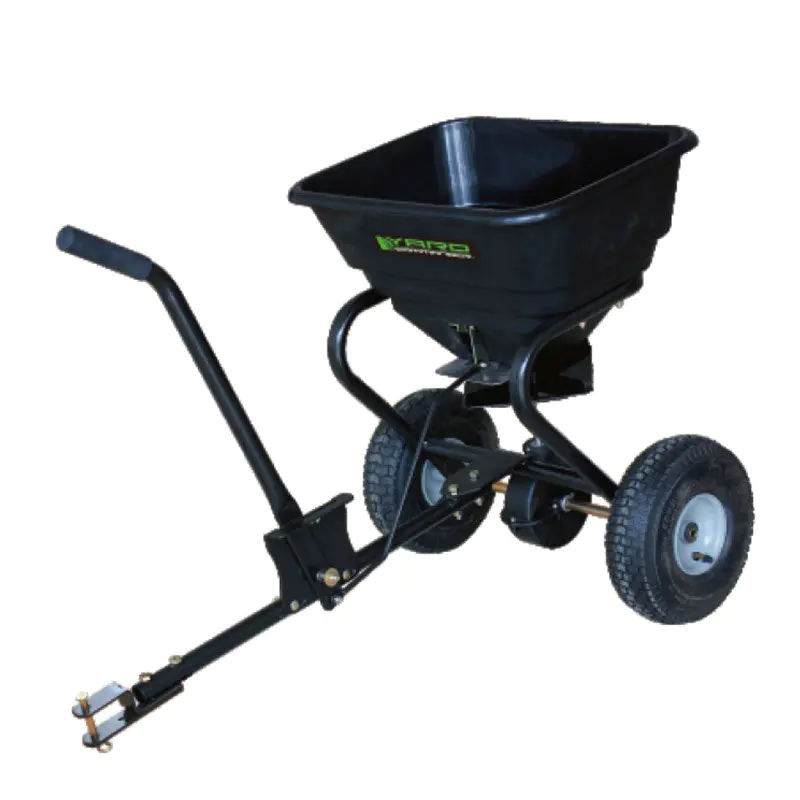
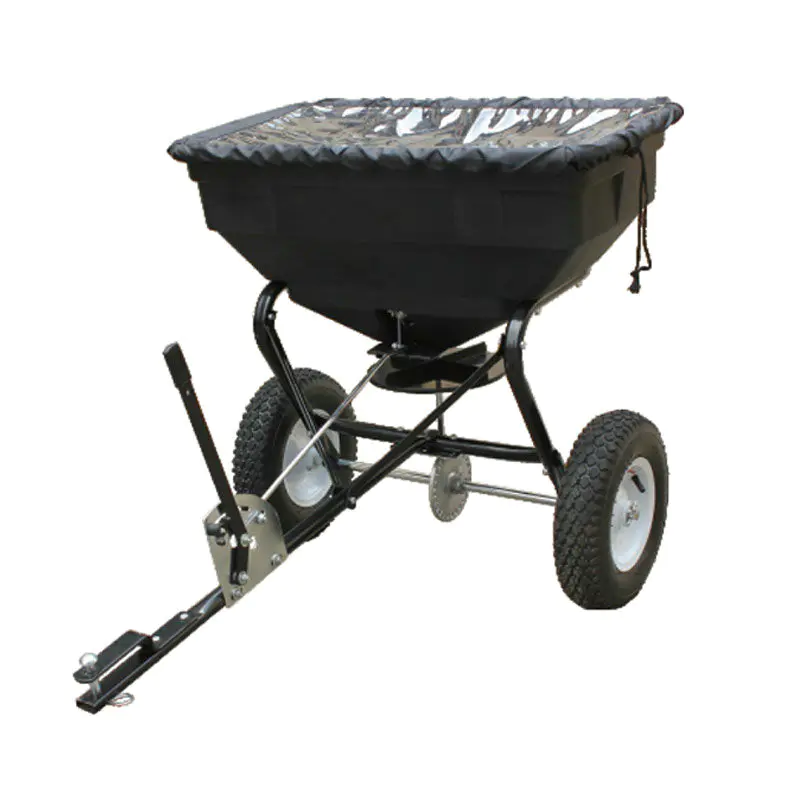
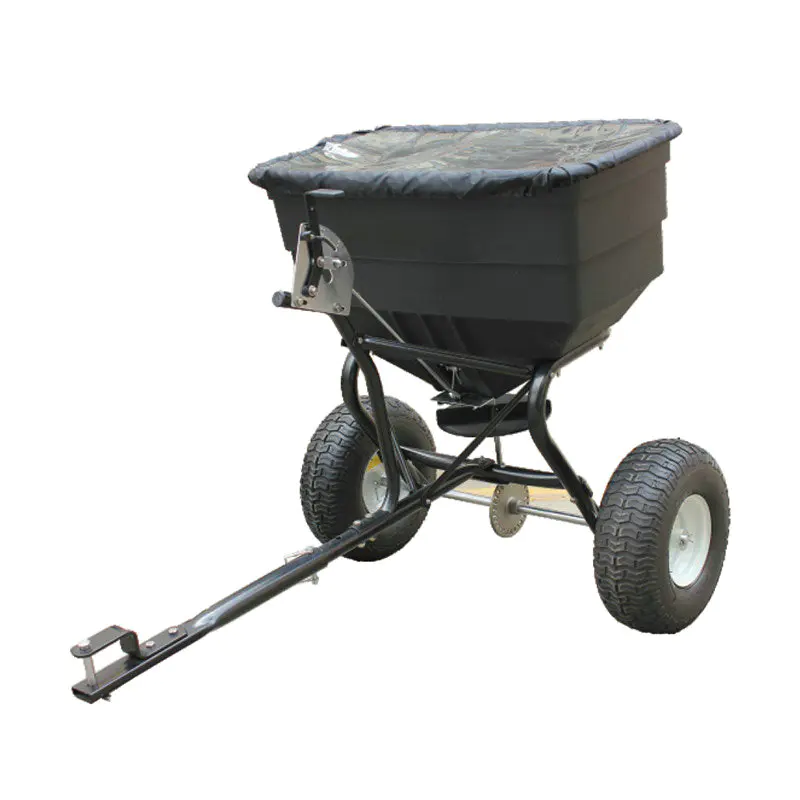
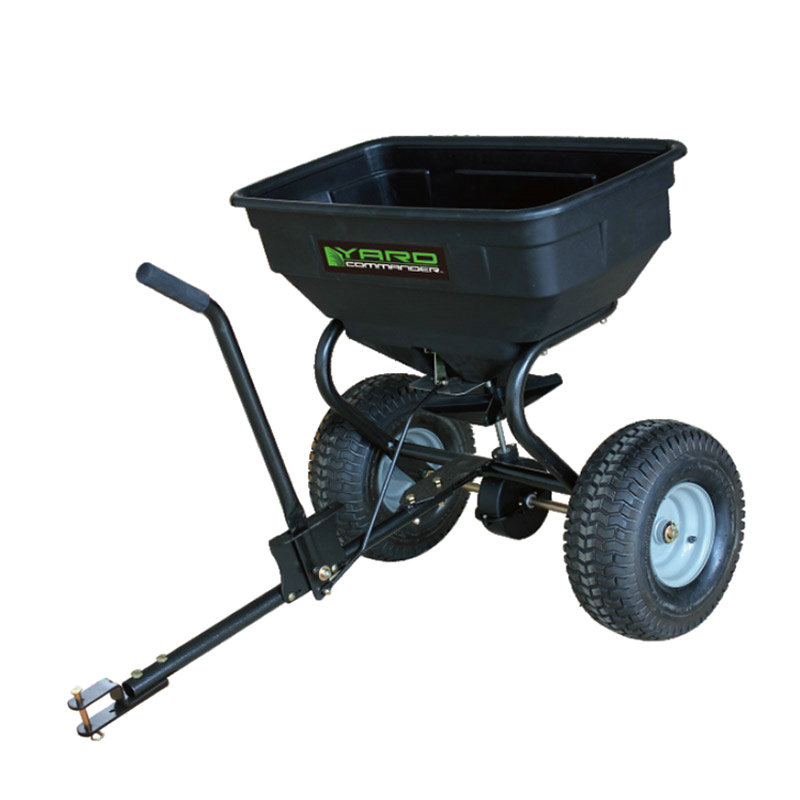
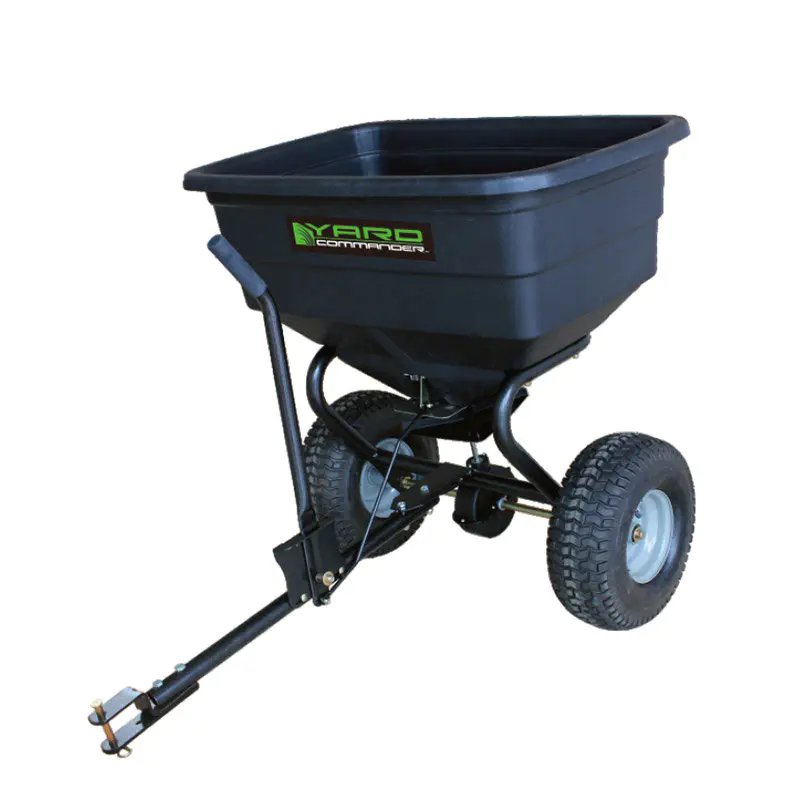
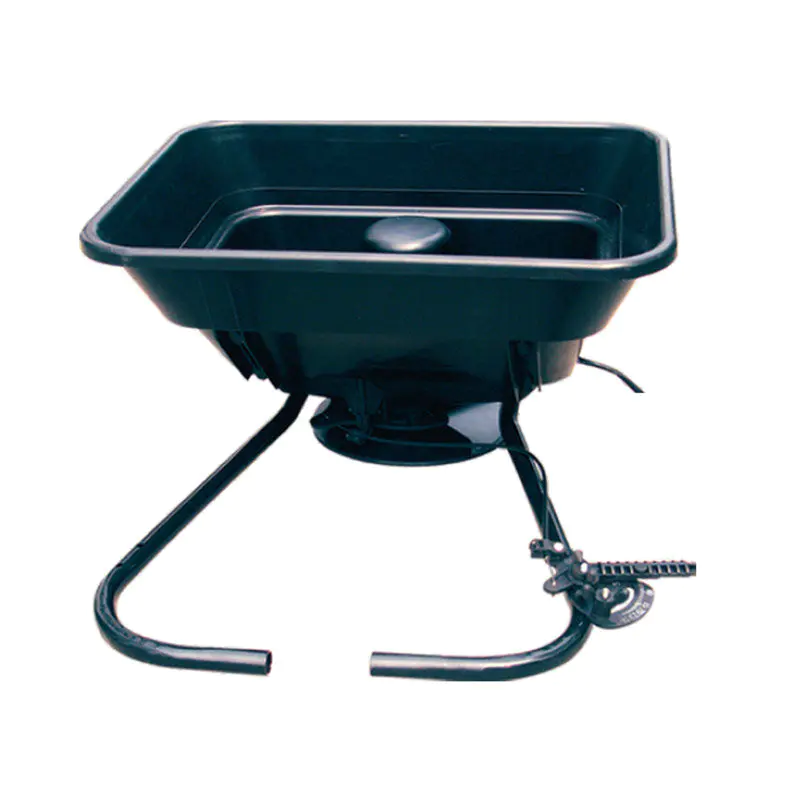
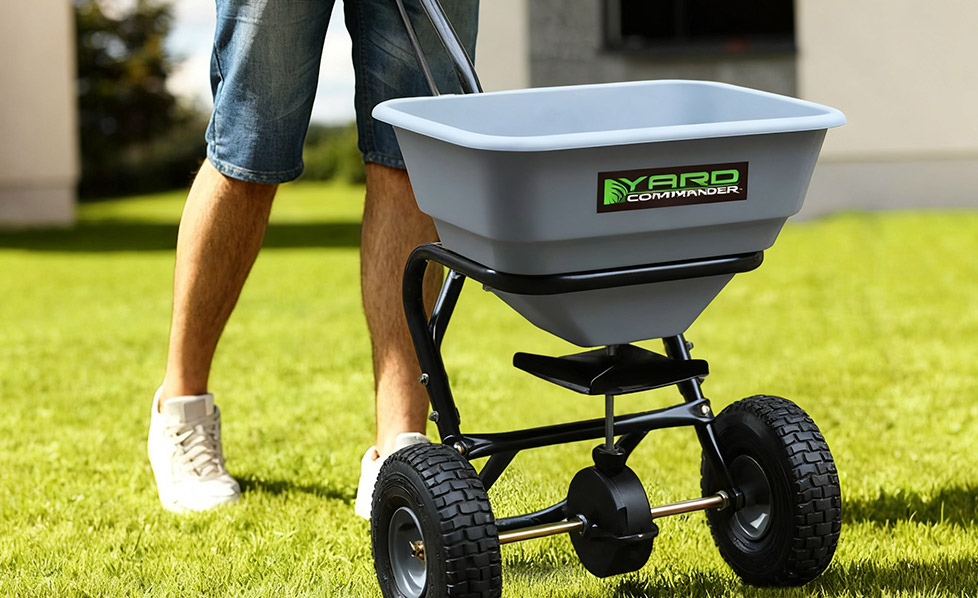
Broadcast spreaders, also known as centrifugal spreaders, are the most common type of agricultural spreader machine. These machines work by broadcasting the material through a spinning disc, which throws the material in a wide, uniform pattern across the ground. Broadcast spreaders are ideal for covering large areas quickly, making them suitable for both large agricultural fields and home lawns.
- Advantages: They can cover a wide area in a short amount of time, reducing labor costs.
- Limitations: Due to their wide distribution pattern, they may not be as precise as other types of spreaders, which could result in uneven application.
Broadcast spreaders are widely used for spreading fertilizers, herbicides, and granular pesticides.
Drop Spreaders
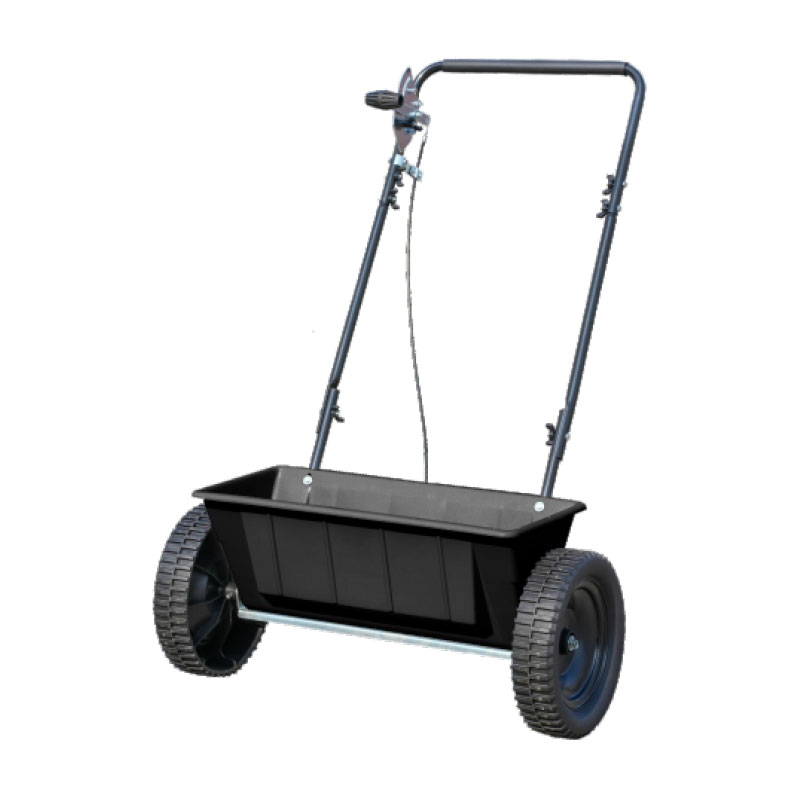
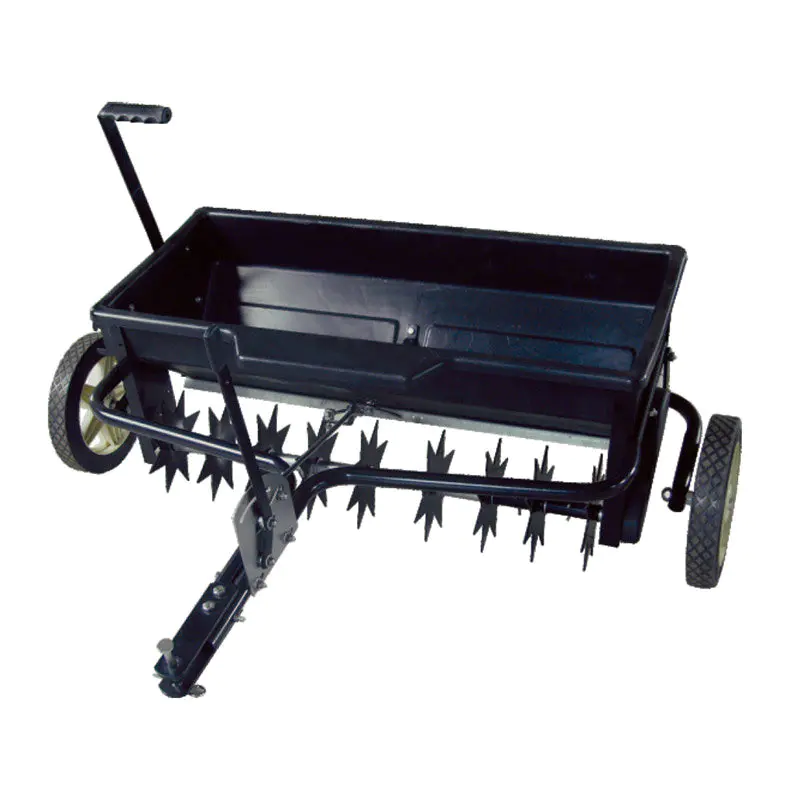
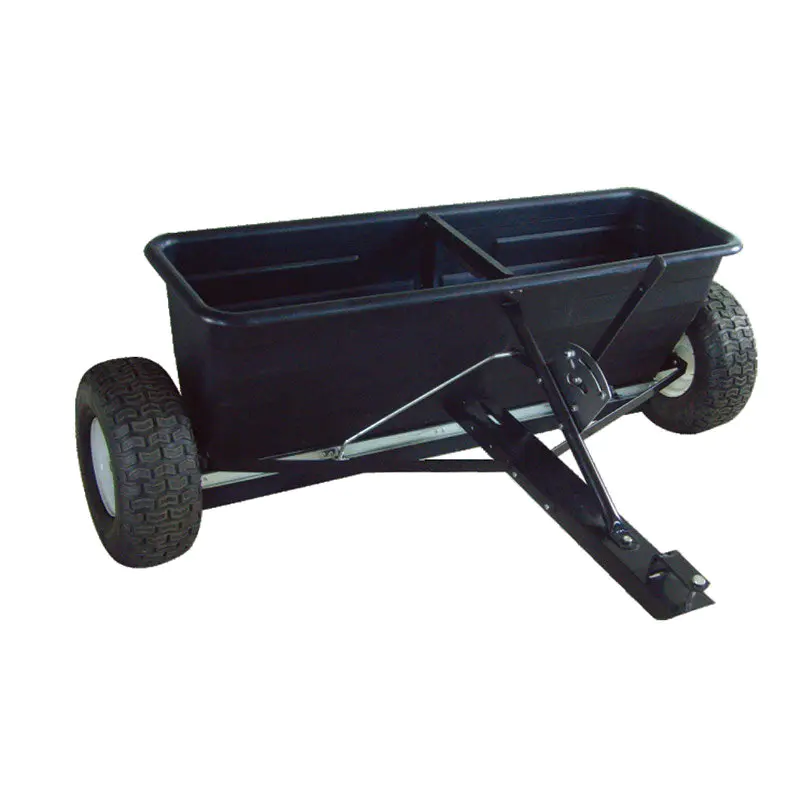
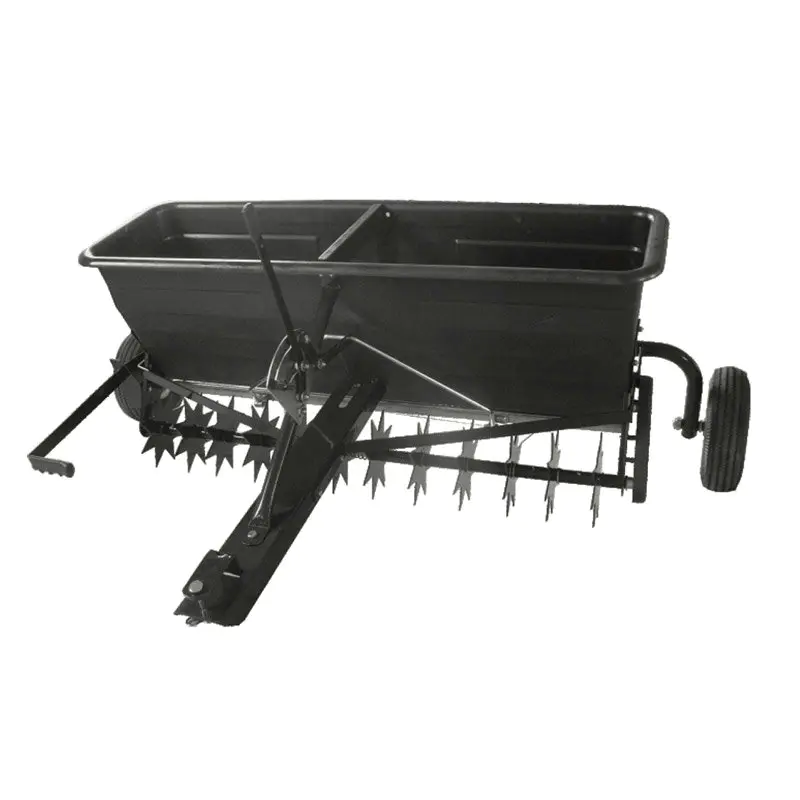
Drop spreaders offer a more controlled application of materials compared to broadcast spreaders. Instead of flinging material over a wide area, drop spreaders release the material directly beneath the spreader onto the ground, ensuring an even distribution directly beneath the machine.
- Advantages: They offer precise material distribution, which is ideal for areas with obstacles or when targeting specific spots, such as when spreading fertilizer along borders.
- Limitations: Drop spreaders cover a narrower area at a time, requiring more passes to cover large fields.
These spreaders are often used in lawn care, especially in areas where precision is crucial for uniformity.
Pneumatic Spreaders
Pneumatic spreaders use air pressure to blow fertilizer or other materials onto the field or lawn. These spreader equipment systems are highly efficient for large-scale farming operations where even coverage is a priority. Pneumatic spreaders are available in both pull-behind and self-propelled models.
- Advantages: They can cover large areas quickly and uniformly, making them ideal for farms with large, open spaces.
- Limitations: They are typically more expensive than other types of spreaders and may require specialized maintenance.
Due to their high capacity and efficiency, pneumatic spreaders are often used in large agricultural operations and for spreading granular materials over wide areas.
Fertilizer Spreaders
Fertilizer spreaders are a specific type of lawn fertilizer spreader designed to apply granular fertilizers evenly across lawns or fields. They can either be broadcast or drop-type spreaders, and some advanced models include features like variable rate technology, allowing users to control the flow rate based on their needs.
- Advantages: They ensure that fertilizers are evenly spread, contributing to better plant growth and healthier lawns.
- Limitations: Some fertilizer spreaders may struggle with applying certain types of fertilizers, especially those that are overly fine or have unique texture properties.
Fertilizer spreaders are essential for maintaining healthy lawns, gardens, and agricultural crops.
Choosing the Right Agricultural Spreader Machine
When selecting a spreader for lawn care or an agricultural spreader machine, it is essential to consider several factors to ensure the right fit for your needs. Here are some important considerations:
1. Size and Capacity
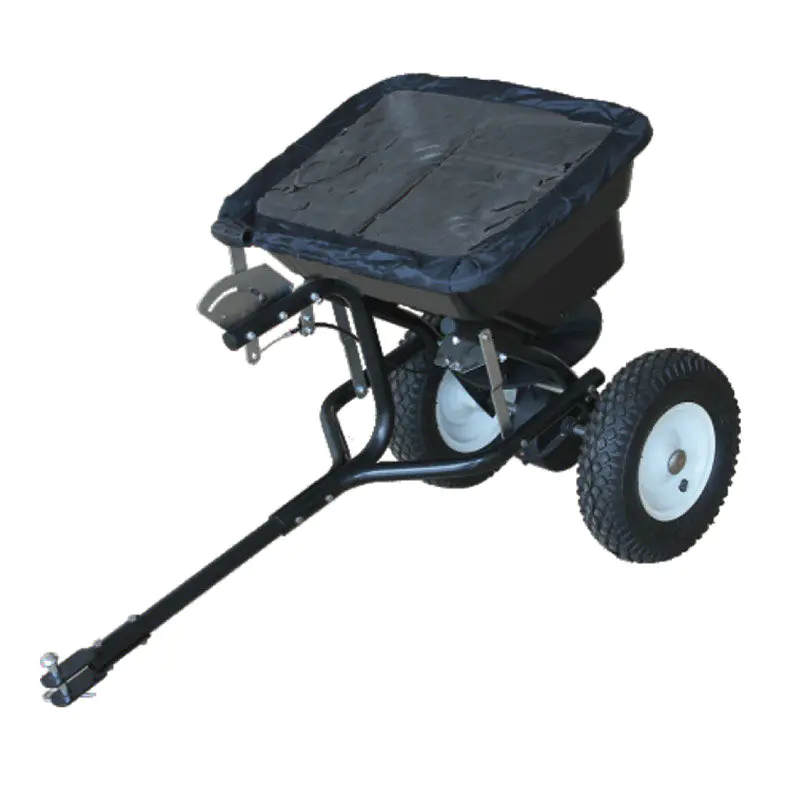
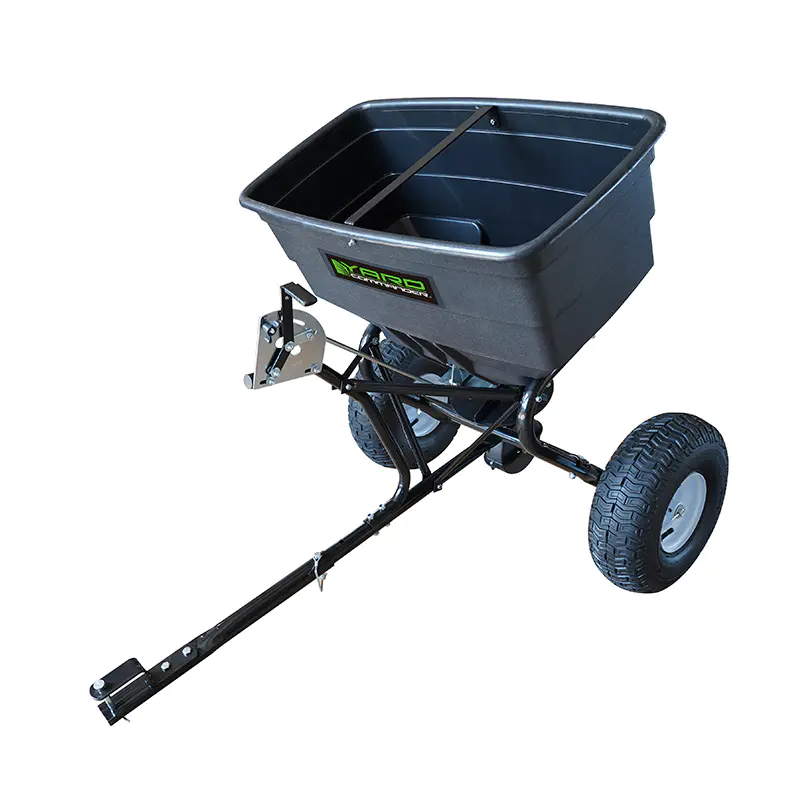
The size of the spreader you need will depend on the area you are covering. For small lawns or gardens, a hand-held or push model may suffice. However, for large agricultural fields, you may need a larger, tow-behind spreader or even a self-propelled model. Choosing the right size ensures that the machine can cover the required area without the need for excessive passes.
2. Type of Material
Different spreaders are designed for different types of materials. Some are optimized for fertilizers, while others are more suited for spreading seeds or pesticides. Make sure the spreader equipment you choose is compatible with the materials you plan to apply.
3. Precision and Control
If you are working in areas with precise application needs, such as along borders or around trees, a drop spreader or a pneumatic model may be the best choice. These types of spreaders offer more control over the distribution of materials.
4. Terrain
The terrain you are working on also plays a significant role in the selection of the appropriate spreader. For rough or uneven terrain, a self-propelled model or a machine with adjustable height and wheel settings may be necessary to ensure consistent and even material distribution.
5. Maintenance and Durability
Maintenance is crucial to prolong the lifespan of your agricultural spreader machine. Look for models that are built with durable materials and are easy to maintain. Regular cleaning and care will ensure that your spreader continues to perform optimally over time.
Key Features to Look for in Agricultural Spreaders
Adjustable Flow Control
An essential feature of many modern lawn fertilizer spreader and spreader for lawn care models is adjustable flow control. This allows users to regulate the amount of material being dispensed, which is particularly useful for different types of fertilizers or materials with varying particle sizes.
Easy Calibration
Proper calibration of a spreader ensures that the material is applied at the right rate. Many high-quality spreaders come with easy-to-use calibration settings to help users achieve the right application rate without wasting materials.
Durability and Build Quality
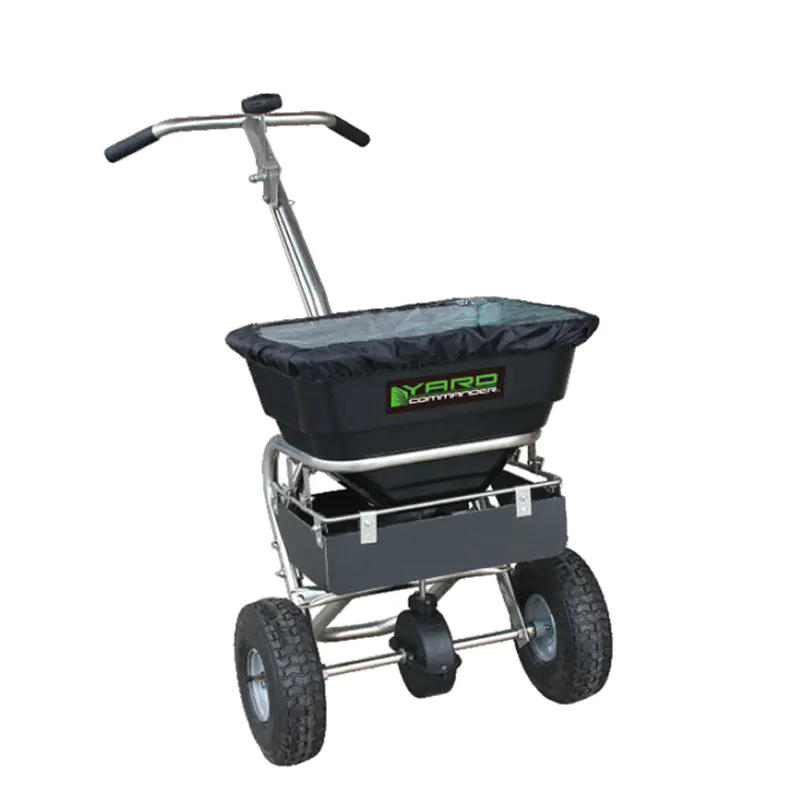
Spreader equipment used in agriculture must be built to withstand harsh conditions. Look for spreaders made from corrosion-resistant materials such as stainless steel or powder-coated steel to ensure long-lasting durability. A high-quality spreader will continue to operate efficiently in various weather conditions.
Versatility
Many modern spreader equipment models are designed to handle multiple types of materials, including granular and powdered substances. A versatile spreader can be used for a variety of tasks, such as fertilizing lawns, spreading seeds, or applying pesticides.
Jiashan Superpower Tools Co., Ltd. and Agricultural Spreaders
At Jiashan Superpower Tools Co., Ltd., we specialize in the manufacturing of various agricultural spreader machine models, designed for both professional and home use. Our range includes lawn fertilizer spreader equipment, ideal for maintaining healthy lawns and ensuring even distribution of fertilizers. We provide a wide selection of spreaders that cater to different needs, from broadcast spreaders for large agricultural fields to more precise drop spreaders for small, delicate areas.
Our products are crafted with the utmost attention to detail, utilizing durable materials and advanced engineering techniques to ensure long-lasting performance. We also prioritize energy efficiency and environmentally friendly solutions in the design of our spreader equipment, making us a trusted supplier for customers across the globe.
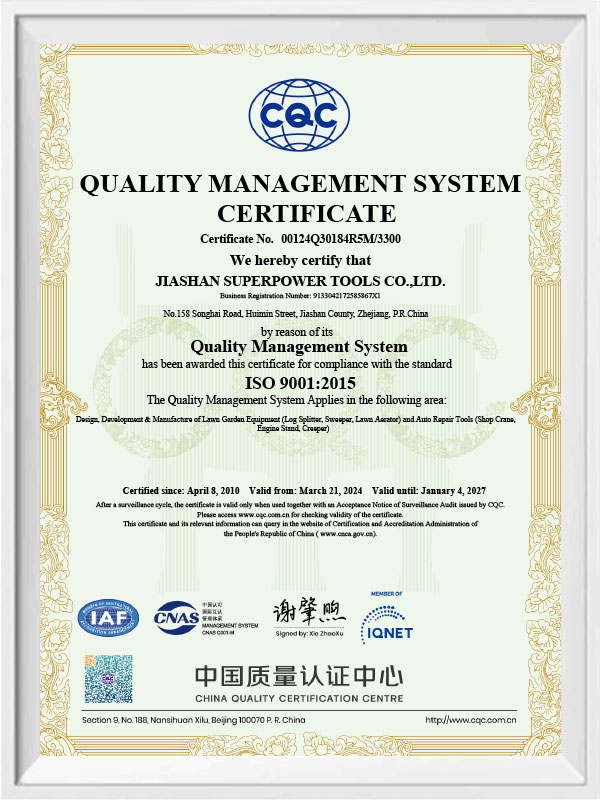
Superpower Tools operates under a quality management system certified to ISO 9001:2015 standards, ensuring that all products meet the highest quality benchmarks. Our spreaders, along with our other outdoor power equipment, are known for their reliability, innovative features, and competitive pricing. With a decade of expertise in the industry, we have built a strong reputation for providing cost-effective, high-performance solutions.
FAQ
What is the difference between a broadcast spreader and a drop spreader?
- A broadcast spreader disperses material in a wide, fan-shaped pattern, making it suitable for large areas. A drop spreader, on the other hand, releases material directly underneath the spreader for more precise application.
Can I use an agricultural spreader for both fertilizers and seeds?
- Yes, many spreader for lawn care models can be used for both fertilizers and seeds, although it is important to adjust the flow rate based on the material you are using.
How do I calibrate my agricultural spreader machine?
- Calibration involves adjusting the flow control to ensure the correct amount of material is applied per unit of area. Consult your spreader’s user manual for detailed calibration instructions.
Are pneumatic spreaders suitable for small lawns?
- Pneumatic spreaders are typically used for larger agricultural operations. For small lawns, a broadcast or drop spreader is more efficient and cost-effective.
Conclusion
Choosing the right agricultural spreader machine for your needs is essential for achieving efficient and precise material application. Whether you’re spreading fertilizers on a large agricultural field or taking care of your lawn, understanding the differences between broadcast, drop, and pneumatic spreaders will help you make an informed decision. At Jiashan Superpower Tools Co., Ltd., we provide a wide range of lawn fertilizer spreader and spreader for lawn care models to ensure your outdoor tasks are completed with ease and precision.

 LANGUAGE
 English
 Deutsch
 Español
 Français
 русский









 New Item
 Log Splitter
 Spreader
 Lawn Sweeper
 Dump Cart
 Lawn Groomer
 Chipper Shredder
 Stump Grinder
 Outdoor Power Equipment