 LANGUAGE
 English
 Deutsch
 Español
 Français
 русский











Electric Wood Chipper Benefits: Quieter, Cleaner Yard Waste Processing
Most yard-waste machines fail one of three tests. They are too loud for a suburban lot, they refuse to start after six months in a shed, or they cost more in fuel and upkeep than the brush pile is worth. Electric wood chippers remove the first two problems and shrink the third.
The advantages are mechanical rather than promotional. An electric motor converts roughly 85 percent of the electricity it draws into rotating force, while a small gasoline engine turns only about a quarter of its fuel energy into shaft work. The rest leaves as heat, noise and exhaust. That single difference explains why an electric chipper starts on the first switch and asks for almost no engine service.
Electric chipper at a glance
- Start-up: flip a switch. No choke, no primer bulb, no pull cord.
- Energy conversion: about 85 percent at the motor, against roughly 25 to 30 percent for a small gas engine.
- Typical branch ceiling: 1.5 to 2 inches on residential electric models, 3 to 4 inches on gasoline machines.
- Engine maintenance: none. Blades, screens and fasteners still need attention.
The Benefits You Notice in the First Hour of Work
Quieter running widens the working window
A gasoline engine makes noise through exhaust pulses; an electric motor makes it through bearings, airflow and the cutting rotor. The result is a steady hum instead of a bark. Early Saturday cleanups, evening work and properties with close neighbours all become practical, which matters to anyone who has stopped a job over a complaint.
Instant start removes the seasonal maintenance ritual
No carburetor to gum up, no choke, no spark plug, no fuel stabiliser. A corded unit starts when it is plugged in; a battery unit starts on the trigger. If your chipper sits in a shed between two cleanup weekends a year, this is the benefit you feel most.
No exhaust, so siting stops being a problem
With no combustion there is no carbon monoxide and no exhaust plume, so placement becomes a question of dust and chip discharge rather than air quality. The machine can sit beside a compost bay or an open carport without fumes drifting towards people and plants.
- Lower running cost: an hour of chipping on household electricity costs far less than an hour of gasoline, before oil and plugs are counted.
- Lighter machines: with the engine, tank and recoil assembly gone, most residential electric units can be lifted and stored by one person.
- Less vibration and cleaner storage: fewer moving parts mean less hand-arm fatigue, and there is no fuel to drain or oil to change.
Electric and Gasoline Chippers Side by Side
The two designs are not better and worse versions of one machine. They are aimed at different material and different sites.
| Factor | Electric (corded or battery) | Gasoline |
|---|---|---|
| Start-up | Switch or trigger, every time | Choke, primer, pull cord |
| Noise and fumes | Motor hum, no exhaust | Engine and exhaust noise |
| Branch diameter | Up to about 2 inches | Commonly 3 to 4 inches |
| Run time | Unlimited on cord, battery by pack size | Tank-limited, refuels in minutes |
| Maintenance | Blades, screens, fasteners | Oil, plugs, filters, fuel system |
| Best fit | Residential yards, quiet zones | Acreage, heavy or off-grid work |
The Limits You Should Accept Before You Buy
Electric is not a free upgrade. Three constraints decide whether it fits your property.
- Cord reach and gauge. A 100-foot run feeding a 15-amp motor generally wants 12-gauge copper; an undersized cord makes the motor bog down and run hot.
- Diameter ceiling. Most residential electric models work comfortably to about 1.5 to 2 inches. Thicker pieces are better cut down first.
- Wet and fibrous material. Green leaves and vines can mat across the discharge screen, so feed slowly and alternate with woody material.
- Cold-weather batteries. Lithium-ion packs lose usable capacity in low temperatures, so size the pack around sessions per charge, not the peak claim on the label.
None of these are defects. They are the trade-off that buys quiet operation and low maintenance. If your material is consistently thicker than two inches, a gasoline or PTO-driven machine remains the practical answer, and it is worth checking the difference between a wood chipper and a chipper shredder before you decide which category you are shopping in.
Sizing an Electric Chipper to Your Actual Waste Stream
Property size tells you very little. What matters is the material you produce in a season and what you intend to do with the output.
Count the material, not the acreage
A quarter-acre lot with two mature maples produces more woody material than two acres of open lawn. Track one season of what actually reaches the pile: hedge trimmings and leaves point to a shredder-led machine, while thumb-thick prunings point to a rotor with genuine chipping capability.
Match the reduction ratio to the end use
For surface mulch, a fine, well-broken chip is worth a slower feed. For compost, a coarser cut breaks down faster because it leaves more air in the pile. If the material only has to fit a green-waste bin, reduction ratio matters more than chip size.
 CPY0120 Electric Poly Chipper Shredder for Mixed Yard WasteA 120V electric chipper shredder with 2 blades and 4600 RPM, suited to mixed yard work and varied chip-size needs.View Product →
A chipper shredder built for mixed yard work pairs a chipping rotor with a shredding chamber, which keeps one machine useful across a whole season rather than during pruning week alone.
A Buying Checklist for Electric Chippers
Specifications sell machines; details decide whether you keep using them.
- Feed chute shape. A funnel hopper swallows leafy material quickly, while a straight chute suits branches and reduces kickback.
- Cutting system. Hardened steel blades or flails, plus a parts channel. Ask how often blades need replacing and what a set costs.
- Reduction ratio. The advertised figure describes how much volume disappears. Around 10:1 is a reasonable residential baseline.
- Discharge design. A discharge that can be aimed into a cart or onto a tarp saves one whole handling step.
- Wheels and handles. Larger wheels roll over lawn edges and gravel, and a sensible handle height saves your back.
- Electrical specification. Amp rating, recommended cord gauge, and battery amp-hours per charge.
The biggest purchasing risk with electric chippers is rarely the motor. It is the discharge design. A machine that clogs on every third handful of green material will sit in the corner, however quietly it runs.
Frequently Asked Questions About Electric Wood Chippers
Q1: Are electric wood chippers powerful enough for real branches?
For most residential work, yes. Expect comfortable performance to roughly 1.5 to 2 inches in dry or fresh wood. Thicker stock should be cut to length or handled by a gasoline machine.
Q2: How long can a corded chipper run on an extension cord?
There is no time limit built into the motor, but cord length and gauge govern performance. Keep runs short, use 12-gauge copper for anything near 100 feet, and check the cable occasionally; a warm cord means the run is too long or too thin.
Q3: Do electric chippers really need less maintenance?
The engine side disappears: no oil changes, spark plugs or fuel system. Blades still dull, screens still clog and fasteners still vibrate loose, so a five-minute check before each session is worth keeping.
Q4: Is an electric chipper quiet enough to use without hearing protection?
It is quieter than a gasoline model because there are no exhaust pulses, but the rotor is loud once wood is being cut. Hearing protection is still sensible for long sessions.
Q5: Can the chips go straight onto the garden?
Yes, as a surface mulch. Fresh chips worked into soil can temporarily tie up nitrogen, so compost them first or leave them on top and let worms do the mixing.
Choosing a Chipper That Fits the Work, Not the Catalogue
Start with the material, then choose the power source, then pick the machine. For leaves, hedge trimmings and branches under two inches, an electric chipper delivers quiet operation, instant starting and low maintenance without a real compromise. For consistently thicker timber, gasoline or a tractor-mounted PTO unit still earns its place.
Manufacturer noteJiashan Superpower Tools builds both sides of that range. The company manufactures log splitters and outdoor power equipment in Jiashan, Zhejiang, runs an ISO 9001:2015 quality system, and supplies CE-marked machines to buyers in the United States, the United Kingdom, Canada, Australia and across Europe through a dealer network.
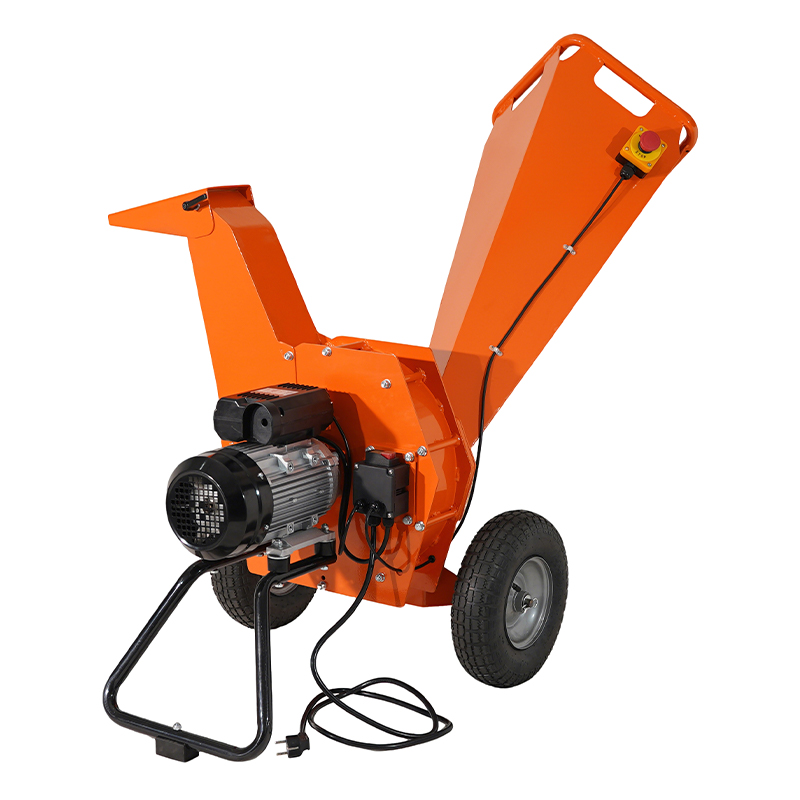 CPY0130 3-Inch Electric Chipper Shredder for Yard BranchesA 230V, 2.5 kW electric chipper shredder with 50 mm chipping capacity, heat-treated steel blade and quick-disassembly chutes, worth comparing across the chipper range.View Product →
Buyers comparing a full range rather than a single unit can review the newer CPY0130 chipper shredder alongside the wider chipper line, then contact the manufacturing team with the branch diameter, voltage and seasonal volume you need covered. Ask for the blade and screen part numbers in the same reply; a machine is only as durable as its spare parts channel.
PREV:Drum Spike Aerator Benefits: What It Fixes, Where It Fails, and How to Choose
NEXT:Earth Auger Buying Guide: Match Power, Bit Size, and Torque to Your Soil
NEXT:Earth Auger Buying Guide: Match Power, Bit Size, and Torque to Your Soil
Interested in cooperation or have questions?
Related products
-
-
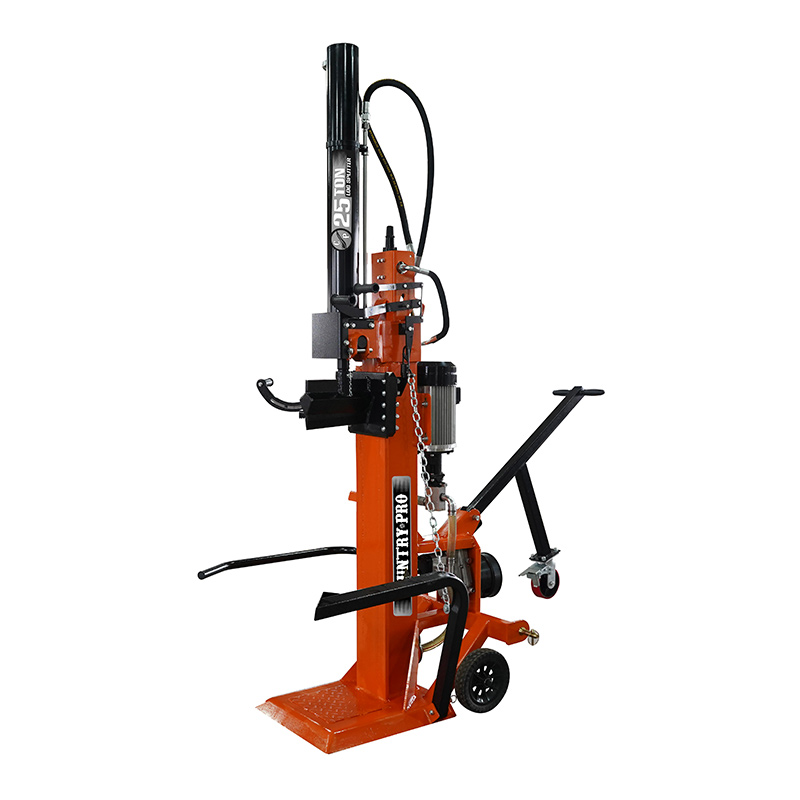
Vertical operation position onlyHardened steel wedge43.3” / 110cm log ...
See Details -
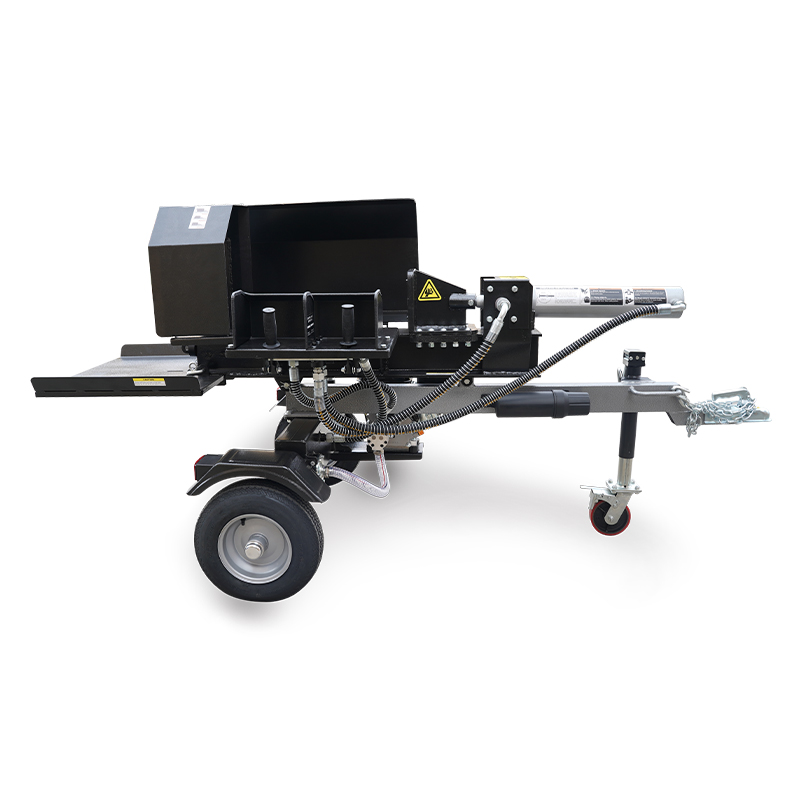
● Horizontal operation position only● Hardened steel wedge● Steel log ...
See Details -
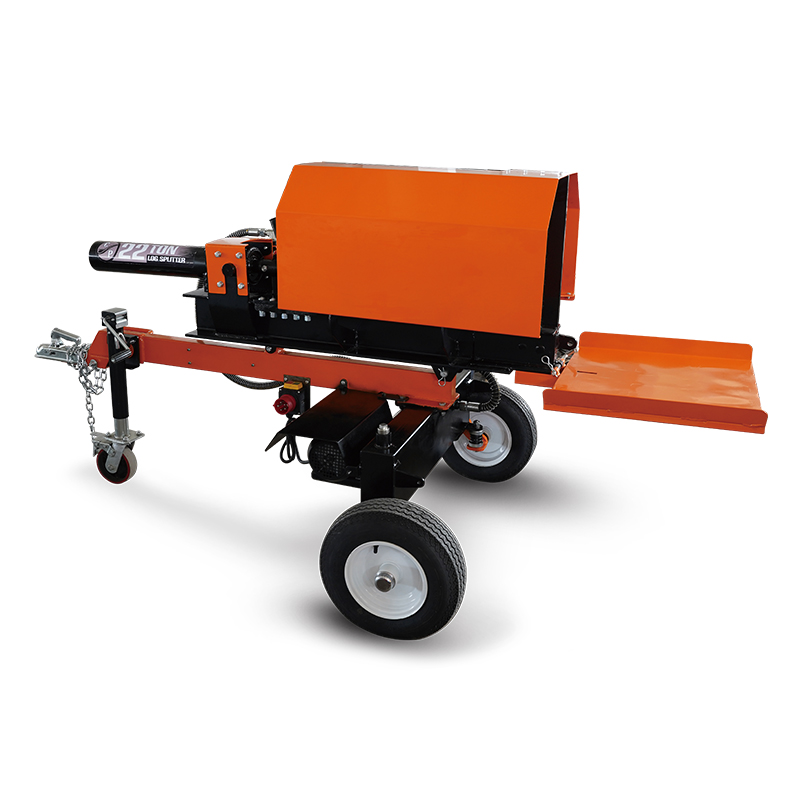
● Horizontal operation position only● 17” Hardened steel wedge● 21.6”/...
See Details -
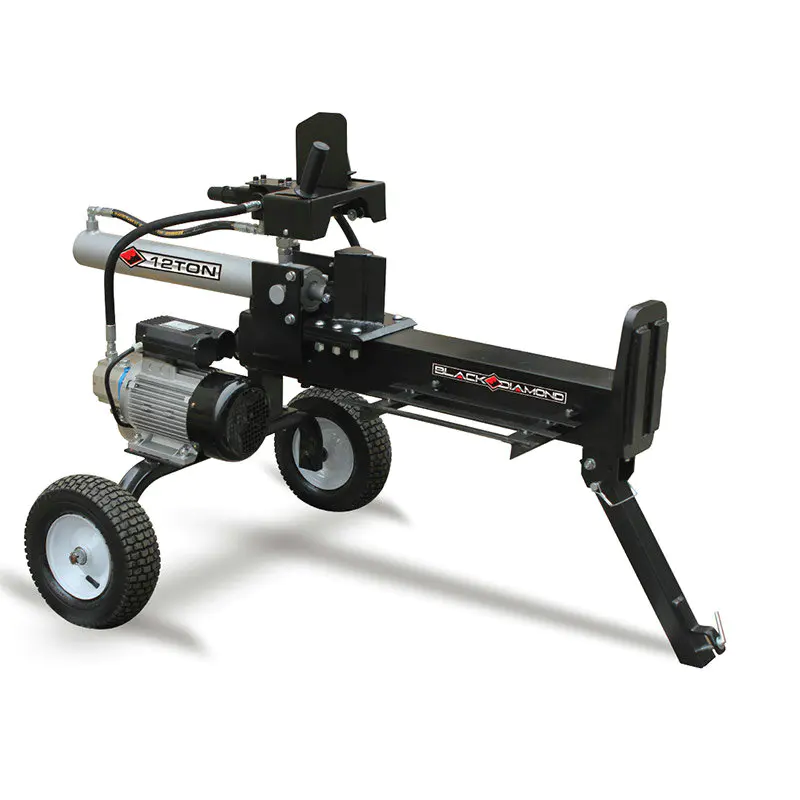
DESCRIPTION Accommodates splitting in horizontal only Half beam design...
See Details