If you have ever finished pruning a row of overgrown shrubs and stared at a pile of branches too thick for the compost bin and too bulky for yard waste bags, an electric wood chipper shredder is the practical answer. These machines turn branches, twigs, and leaves into uniform chips or shredded material that can serve as mulch, compost feedstock, or simply take up far less space in disposal bins. Unlike gasoline models, electric units run quieter, start instantly, and produce no exhaust fumes, which makes them a strong fit for residential yards, tight storage spaces, and noise-sensitive neighborhoods. The tradeoff is that they depend on a reliable power outlet and have lower branch capacity than engine-driven machines. This guide explains how electric chipper shredders work, what specifications actually matter, and how to match a specific model to the material you generate most often.
What an Electric Wood Chipper Shredder Actually Does
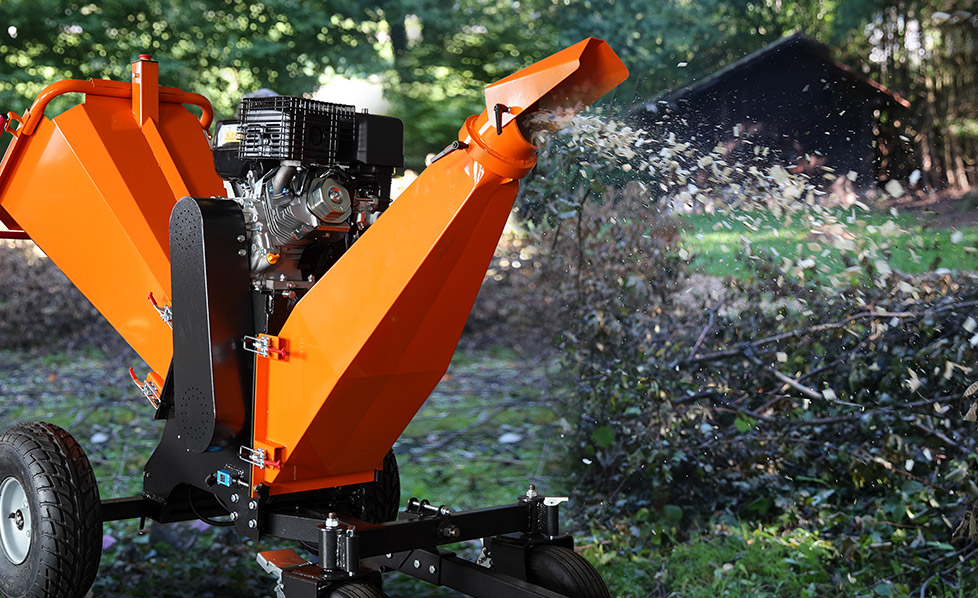
An electric wood chipper shredder combines two material-handling actions in one housing. Cutting blades or flails reduce woody material, while a shredding stage tears softer debris into smaller fragments. The result is volume reduction, often dramatic, along with material that decomposes faster or spreads more evenly as ground cover.
Electric models use a mains-powered motor instead of a combustion engine. That single design decision shapes nearly everything else about the machine: weight, noise level, starting procedure, maintenance demands, and branch capacity. A typical residential electric unit can be lifted by one or two people, starts with a switch rather than a pull cord, and stores on a garage shelf without fuel concerns.
Our take: if your property produces a steady stream of light-to-medium yard waste, such as hedge trimmings, perennial cutbacks, and branches under roughly 1.5 inches in diameter, an electric chipper shredder covers the job with less fuss than a gas machine. If you regularly face hardwood limbs over 3 inches thick, you are in gas-engine territory, and no amount of motor wattage will safely close that gap.
Key Specifications That Separate Good Models From Frustrating Ones
Product listings often emphasize wattage and branch capacity, but real-world satisfaction depends on a broader set of numbers. Before comparing models, it helps to know which specs predict daily performance and which are mostly marketing.
Table 1. Core specifications and why each one matters in daily use
| Specification |
Typical Range (Electric) |
Why It Matters |
| Motor power |
1,400W to 4,000W (approx. 9 to 15 amps at 120V) |
Determines how well the machine powers through fibrous or slightly damp material without stalling |
| Max branch diameter |
1.2 to 1.8 inches |
The single most important match between machine and yard; exceeding it jams blades and strains the motor |
| Reduction ratio |
10:1 to 20:1 |
Describes how much smaller the output volume is compared to the input; higher ratios mean fewer trips to the curb |
| Cutting mechanism |
Blade disc or dual flail/hedge-hammer system |
Blades slice cleanly through green wood; flails shred leaves and softer stems more aggressively |
| Collection bag volume |
0.5 to 2 bushels |
Larger bags mean fewer stops; check for easy-release mounting |
| Machine weight |
25 to 45 pounds |
Lighter units are easier to move but may vibrate more on hard surfaces |
Two practical notes on these numbers. First, manufacturers state branch capacity in terms of ideal green wood; dry hardwood of the same diameter behaves far harder on a motor, so treat the rating as a ceiling, not a daily target. Second, reduction ratio claims assume mixed material. A load of dry oak leaves will not compress to a 15:1 ratio, but hedge clippings and leafy branches routinely do.
Electric vs. Gas-Powered: Matching the Power Source to Your Property
The decision between electric and gas comes down to scale and location of work, not overall quality. Both types exist because they serve genuinely different users.
Where electric units win
Electric chipper shredders suit properties up to roughly half an acre with mature ornamental plantings, hedges, and small trees. They operate at conversation-level noise compared to the 100-plus decibels of a gas engine, so early-morning or evening work does not upset neighbors. There is no fuel to store, no carburetor to gum up over winter, and no pull-start effort. For anyone who chips material a few times per month rather than daily, that simplicity compounds into real time savings.
Where gas remains necessary
Gas models handle branches from 3 to 5 inches and operate anywhere without an extension cord, which matters for fence lines, wooded back lots, and any property larger than a suburban lot. A 15-amp electric motor simply cannot match a 200cc engine's torque when feeding knotty hardwood. If your cleanup is driven by storm damage or land clearing, gas is the honest choice.
For buyers weighing these tradeoffs in a related category, our guide to choosing between electric and gasoline log splitters covers a parallel power-source decision that follows much of the same logic.
Realistic Use Scenarios: What Owners Actually Shred
Understanding what an electric machine handles well, and what it handles badly, prevents both disappointment and equipment damage.
- Hedge and shrub trimmings: The ideal input. Green, leafy, flexible material shreds quickly and feeds continuously. A 2,800W machine can process a full wheelbarrow of boxwood cuttings in under ten minutes.
- Leaves and pine needles: Excellent for shredding before composting. Shredded leaves break down roughly four times faster than whole leaves and make superior leaf mold.
- Small fruit-tree prunings: Branches up to the stated capacity chip cleanly, especially when freshly cut. Apple and pear wood, being relatively dense, should be fed at the top of the machine's range or slightly below.
- Vegetable garden waste: Spent vines, stalks, and corn cobs shred well and accelerate compost decomposition, though woody tomato stems deserve drying first.
- Wet material: A common question. Slightly damp leaves and grass are fine, but soaking-wet material clogs the housing and clumps in the bag. Let sodden debris dry for a day when possible.
- What to never feed: Vines with thorns, treated lumber, stones, soil-coated roots, and any branch thicker than the machine's rating. Each of these damages blades or poses a genuine safety hazard.
Our view is that most residential disappointment stems not from weak machines but from mismatched expectations about material. A homeowner who buys an electric unit to clear fallen oak limbs after a storm will be frustrated; the same machine serving a garden that generates weekly soft trimmings will feel indispensable.
Turning Yard Waste Into Useful Output
The chips and shreds that exit the machine are not just smaller waste; they are raw material for several genuinely valuable uses around a property.
Mulch for beds and trees
Fresh wood chips spread 2 to 3 inches deep suppress weeds, moderate soil temperature, and reduce watering needs. A common caution holds that fresh chips rob soil of nitrogen; in practice this effect stays confined to the chip-soil interface, so keeping mulch off direct root contact with trunks and stems eliminates the concern entirely.
Compost acceleration
Shredded leaves and soft green waste compost dramatically faster than whole material because the shredding process multiplies the surface area available to microbes. Mixing shredded browns (dry leaves, woody shreds) with greens (grass clippings, kitchen scraps) at roughly two parts brown to one part green produces finished compost in a season rather than two years.
Paths and play areas
Coarser chip output makes a serviceable walking path in vegetable gardens or a soft landing surface under play equipment, renewed each season with fresh chippings.
For readers planning a broader composting system, our article on which organic waste can be fed into a chipper shredder for composting details the material categories in more depth.
Buying Checklist: Questions to Answer Before You Purchase
A structured comparison beats reading random reviews. Work through these questions against your own property before committing to a model.
- What is the thickest branch you realistically need to process? Measure a typical pile. If nothing exceeds 1.5 inches, electric is viable. If storm cleanup routinely produces 3-inch limbs, choose gas.
- Where will you use it? A standard 120V outdoor outlet must reach your work area with a heavy-gauge extension cord (12 AWG or lower for runs over 50 feet, to prevent voltage drop and motor strain).
- How much material accumulates per session? Frequent small sessions favor compact electric units; seasonal large-volume cleanup favors higher-capacity machines with bigger collection bags.
- Do you want chips, shredded material, or both? True chipper-shredder designs handle both; single-function leaf shredders do not chip woody branches.
- Is storage space limited? Electric models' lighter weight and compact footprint often allow garage-shelf storage, a genuine advantage over a 150-pound gas machine.
- What is your tolerance for noise? Electric units run at roughly 60 to 80 decibels; gas machines typically exceed 100. In dense neighborhoods, this difference shapes when you can work.
Our recommendation: prioritize branch capacity and build quality over motor wattage alone. A well-made 2,800W machine with a sharp blade system will outperform a poorly built 4,000W unit whose blade dulls after a season.
Operating an Electric Chipper Shredder Safely and Effectively
These machines are mechanically simple but demand respect. Blade speeds are high, and the feed opening is the only legitimate entry point for material.
Before starting: Put on safety glasses and hearing protection, and wear close-fitting clothing with no drawstrings or loose cuffs. Clear the work area of bystanders, children, and pets. Inspect the extension cord for damage and confirm connections are dry.
While feeding: Feed branches butt-end first, letting the machine pull material in at its own pace. Never force material or push it with your hands; use the plunger or pusher tool supplied with the machine. If the motor slows audibly, stop feeding and let it recover. A stalled motor should be switched off and cleared before restarting.
Maintenance routine: Unplug the machine before any inspection. Check blades for dullness and nicks after every few sessions; a dull blade browns the cut edges of output material and strains the motor. Clean the discharge chute and collection bag regularly. Store the unit indoors, with the cord wrapped loosely to prevent internal wire fatigue.
For a deeper treatment of operational technique and equipment upkeep, our guide on how to better operate chipper shredder equipment expands on these points, and our maintenance tips for chipper shredder motors cover the electrical side of long-term care.
Choosing Within the Electric Category: Capacity Tiers Explained
Electric chipper shredders fall into rough capability tiers, and knowing which tier fits your waste stream prevents both underspending and paying for capacity you will never use.
Table 2. Electric chipper shredder tiers and the properties they suit
| Tier |
Motor Power |
Branch Capacity |
Best For |
| Compact shredder |
1,400W to 1,800W |
Up to approx. 1.2 inches |
Small urban gardens, leaf-heavy waste, container gardeners with modest trimmings |
| Mid-range chipper shredder |
2,000W to 2,800W |
Up to approx. 1.5 inches |
Typical suburban lots with hedges, shrubs, and small fruit trees |
| Heavy-duty electric |
3,000W to 4,000W (or dual-phase) |
Up to approx. 1.8 inches |
Larger gardens, serious composters, semi-rural properties with reliable power access |
As a manufacturer of outdoor power equipment including a full chipper shredder product line, we see buyers most satisfied in the mid-range tier. It handles the widest variety of residential material without the cost and storage weight of the heavy-duty class. Gardeners whose waste is mostly leaves can step down a tier; anyone regularly hitting the top of the capacity range should honestly evaluate whether their property has outgrown electric entirely.
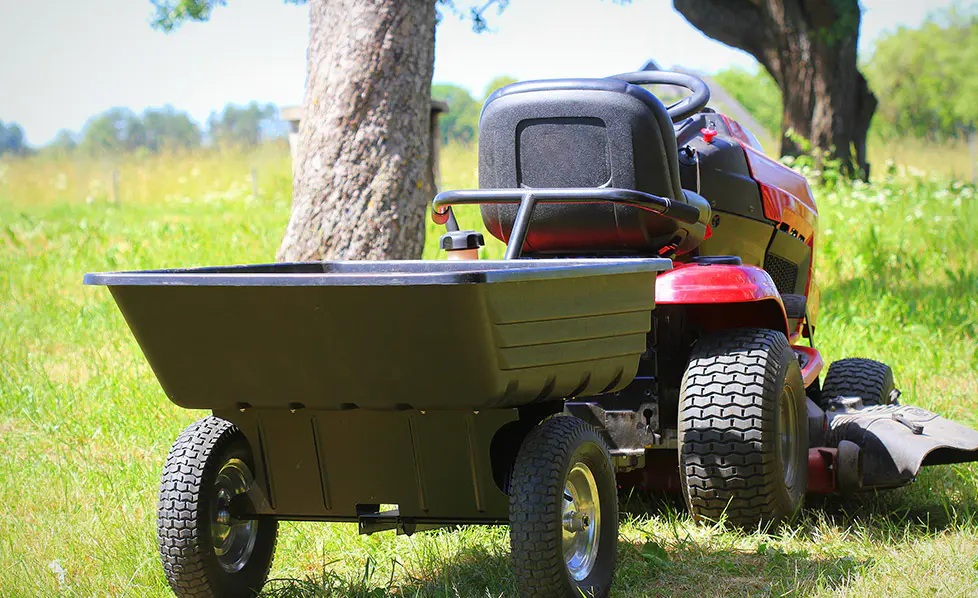
Beyond chipping, a complete yard cleanup often involves hauling the results. Pairing a chipper shredder with a sturdy dump cart, such as a 600lb poly model that resists corrosion from damp mulch and compost, saves dozens of wheelbarrow trips across a season.
Frequently Asked Questions
Q1: Can an electric wood chipper shredder handle wet leaves?
Slightly damp leaves shred acceptably, but soaking-wet material clogs the cutting chamber and clumps in the collection bag. For best results, spread wet leaves to dry for a day before shredding, and mix them with drier material during processing.
Q2: How loud is an electric chipper shredder compared to gas?
Electric units typically run between 60 and 80 decibels, comparable to a vacuum cleaner. Gas machines commonly exceed 100 decibels. In practical terms, electric units let you work in the early evening without disturbing neighbors.
Q3: What happens if I feed a branch thicker than the rated capacity?
Best case, the motor stalls. Worst case, the branch wedges in the chamber, forcing you to disassemble the housing to clear it, or the motor overheats. Repeated overloading dulls blades prematurely and can damage the drive belt or motor windings.
Q4: Do the blades need sharpening, and how often?
Yes. Under normal residential use, expect to sharpen blades once or twice per season. The telltale sign of a dull blade is browned, ragged-edged output instead of clean chips. Always unplug the machine before inspection or blade work.
Q5: Can I use a regular indoor extension cord?
No. Outdoor-rated, heavy-gauge cords (12 AWG for runs up to 50 feet, 10 AWG beyond that) are necessary. Undersized cords cause voltage drop, which overheats the motor and shortens its life. Check the cord's amperage rating against your machine's motor rating before every session.

 LANGUAGE
 English
 Deutsch
 Español
 Français
 русский