
 LANGUAGE
 English
 Deutsch
 Español
 Français
 русский
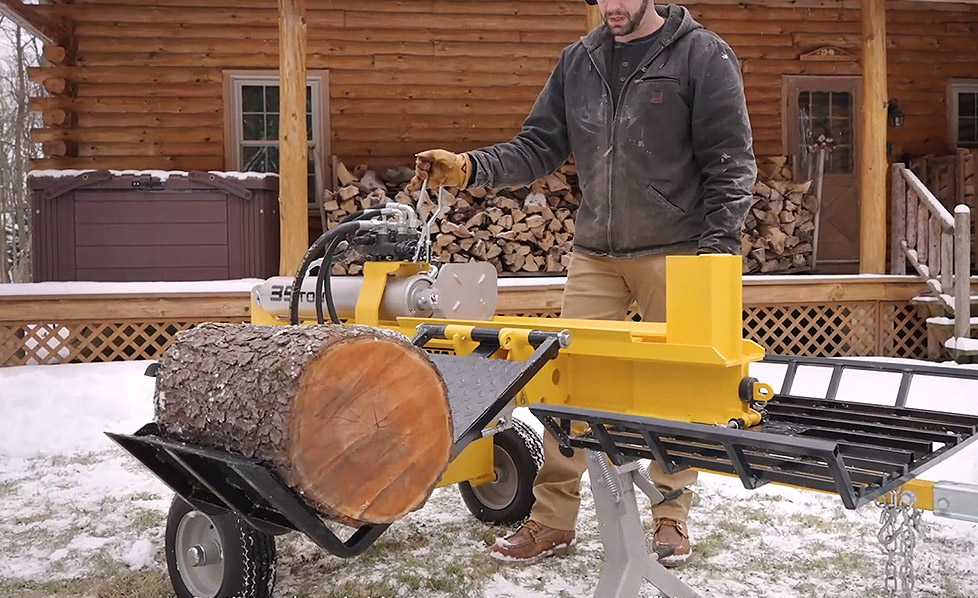
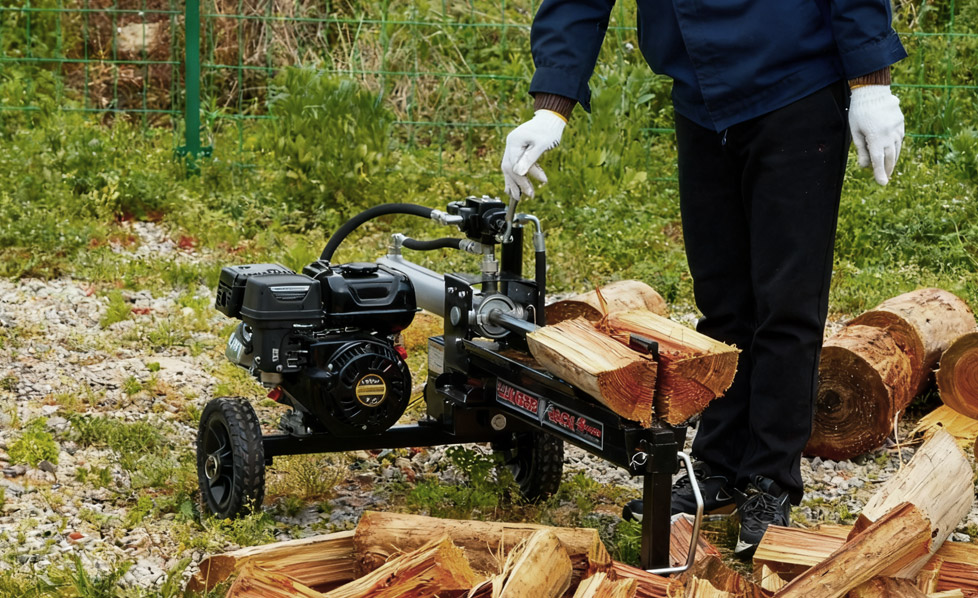




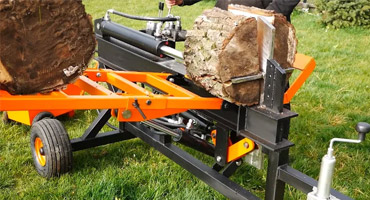





DESCRIPTION 14Ton 3PT log splitter attaches to Category 1 tractor 3-pt...
See Details
Hardest Wood to Split: 10 Toughest Species and How to Choose a Log Splitter
You are splitting firewood for the coming winter, and the axe bounces off a round like it hit a steel drum. That round was probably elm, which is widely cited as the hardest wood to split. Sweet gum, ironwood, and sycamore appear just as often in conversations among firewood dealers and splitter operators. The common thread is wood fiber that twists, knots, or locks together, which stops a straight wedge in its tracks. Recognizing these species and understanding the machine force needed to handle them will help you avoid wasted hours, jammed blades, and unnecessary equipment upgrades. If you have already struggled with a piece of elm, you know exactly why this topic deserves a careful approach.
What Makes a Wood Difficult to Split?
Wood splitting resistance is not a single number. It combines density, grain direction, moisture, and internal tension. A piece that is easy to split can change into a nightmare after it dries or after you hit a knot.
Density and grain hardness
Dense wood resists penetration because the fibers are more compressed. Ironwood, beech, and sugar maple are dense enough to dull a wedge over time, but density alone does not make a species impossible to split.
Interlocked and twisted grain
Elm, sweet gum, and black gum are difficult because the grain does not run in one direction. Fibers cross and wrap, so a split tends to wander, then bind, then stop. This is the number one reason a log splitter wedge gets stuck.
Moisture content
Freshly cut wood usually splits more easily than seasoned wood. Water in the cells acts as a lubricant and lets the wedge shear through the fibers. Over time, drying contracts the fibers and increases the friction between grain layers, which is why dry elm is so hard to split.
Knots and internal stress
Branch stubs, compression wood, and growth stress create weak planes that work against the wedge. A knot near the center of a round can stop a 10-ton machine in its tracks.
The Hardest Woods to Split: A Practical Ranking
The following ranking comes from firewood forums, arborist discussions, and decades of machine experience in the outdoor power equipment sector.
| Rank | Species | Why It Is Hard | Practical Tonnage Needed |
|---|---|---|---|
| 1 | Elm | Interlocked fibers create endless binding and side loads on the wedge. | 25 tons or more |
| 2 | Sweet Gum | Alternating grain direction jolts the wedge and causes preferential splitting. | 22 to 25 tons |
| 3 | Ironwood / Hornbeam | High density and fine interlocking grain act like a rock. | 25 tons or more |
| 4 | Sycamore | Irregular grain and internal tension make splits wander. | 20 to 22 tons |
| 5 | Black Gum | Twisting fibers catch the blade and demand repeat strokes. | 20 to 22 tons |
| 6 | Cottonwood | Tough, rubbery fibers absorb wedge energy and slow the cycle. | 18 to 20 tons |
| 7 | Beech | Dense with occasional interlocked grain. | 18 to 20 tons |
| 8 | Maple | Sugar maple is dense; knots add unpredictable resistance. | 15 to 18 tons |
These tonnage figures assume 16-inch seasoned rounds. Larger diameter, frozen wood, or heavy knots can push the requirement several tons above these ranges. Regional species like Texas acacia and eucalyptus also appear on local lists, but the eight species above are the most common across North America and Europe.
How a Log Splitter Handles Tough Wood
A hydraulic log splitter is the most reliable way to process the hardest species. The wedge does not rely on muscle; it relies on the pressure built up in the hydraulic cylinder. That pressure creates force, and force is what separates interlocked fibers.
The wedge and the beam
Wedge shape matters. A sharp wedge with a slight coating or finish reduces friction, and a full-beam chassis keeps the wedge aligned under high side loads. On elm or ironwood, a full-beam design helps prevent deflection and keeps the split direction straight.
Why tonnage is the first number to check
Tonnage tells you how much hydraulic force the cylinder can push. It is the most direct predictor of whether a machine can split a certain species. A 35-ton model will handle most obstacles, while a 12-ton unit may only work on soft wood or small rounds.
For professionals who regularly process elm or ironwood, a 37-ton full-beam log splitter with rapid cycle design moves through difficult fibers without the wedge becoming trapped.
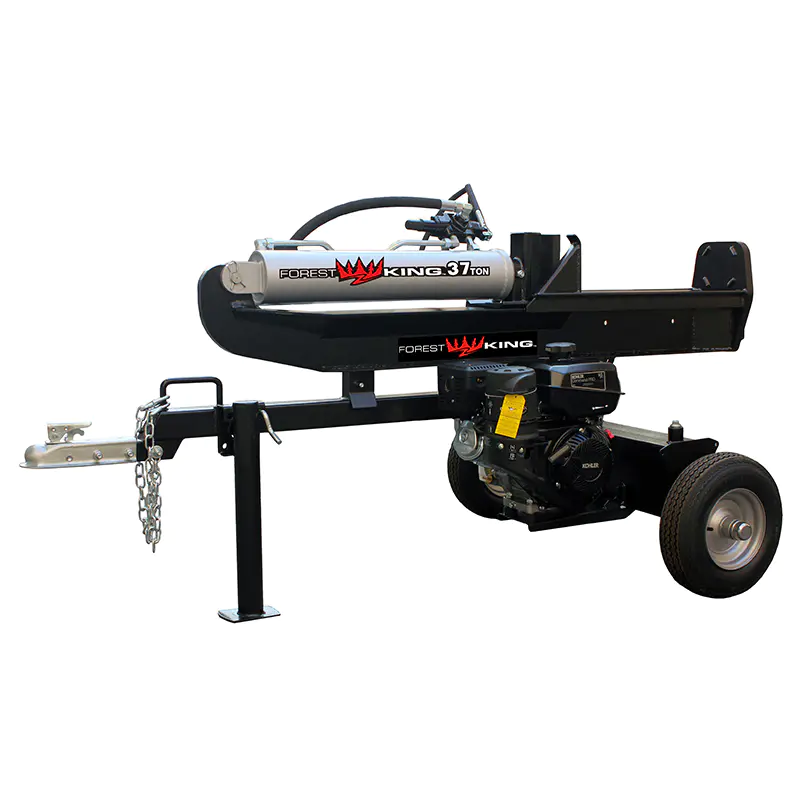 FOREST KING 37-Ton Rapid Log Splitter for Tough WoodA full-beam splitter with a 37-ton force and quick cycle, designed for professional use on dense hardwoods like elm or ironwood, preventing wedge jams.View Product →
Matching the Machine to Your Workload
Not every buyer needs the same machine. A firewood dealer splitting hundreds of cords per season has different requirements than a homeowner processing a single pile.
For firewood suppliers and farm operators
You need a consistent cycle time and dependable components. A full-beam layout with a two-stage pump and a 35-ton to 37-ton rating keeps the wedge moving even when the log contains knots. Large dealers often prefer a 35-ton half-beam gasoline log splitter when they need to move through remote wood lots.
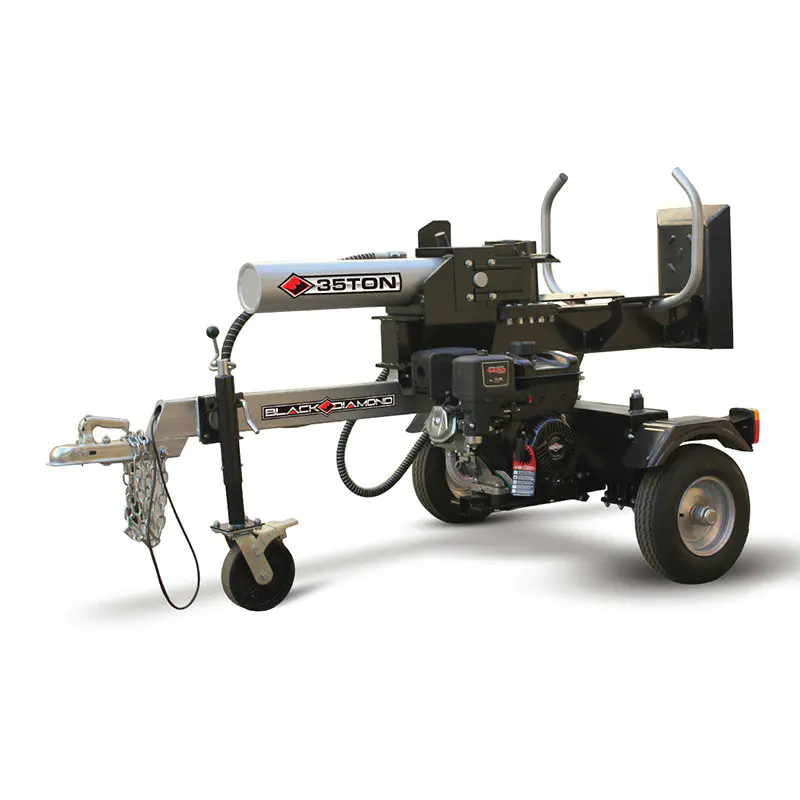 Black Diamond 35-Ton Half-Beam Gasoline SplitterThis half-beam gasoline splitter offers horizontal and vertical operation, making it a practical choice for dealers moving logs in remote areas with efficient splitting.View Product →
For homeowners and gardens
Electric and battery models are easier to store and maintain. If your firewood is mostly oak, maple, and the occasional sweet gum, a high-torque battery unit can do the job. A 25-ton battery-powered log splitter handles typical garden-sized rounds without the noise of a gasoline engine.
 25-Ton Battery-Powered Log Splitter for Home UseA quiet, maintenance-free battery splitter with a 60-volt brushless motor, ideal for processing typical garden-sized rounds of oak or maple at home.View Product →
Before you choose, think about the wood species you actually process. Use the guide for matching a log splitter to firewood volume and type to refine your decision, and compare the full log splitter range for electric, gasoline, and PTO options.
Safety and Maintenance Tips
Splitting the hardest wood puts extra stress on the operator and the machine. Work within the capacity of the splitter and keep the unit balanced on stable ground.
Check the wedge
A dull wedge increases resistance and makes hard species even harder. Inspect the cutting edge before work, and replace or sharpen it when it shows chips.
Manage hydraulic fluid and seals
Hard wood creates side loads that work the seals and hydraulic lines. Keep the fluid clean and at the recommended level, especially before the splitting season begins.
Protect yourself
Wear steel-toe boots, gloves with a good grip, and safety glasses. Large rounds can wobble under pressure, so use a stable splitting table to keep the log secure.
Frequently Asked Questions
Q: What is the hardest wood to split?
Elm is the most common answer among firewood professionals, followed by sweet gum and ironwood. Their twisting fibers and high density make every stroke inconsistent.
Q: How many tons do I need to split elm?
Start at 25 tons for seasoned elm. If you process elm every day, a 35-ton or 37-ton model is a more practical investment.
Q: Can I split the hardest wood with an electric log splitter?
A 22-ton electric model can handle sweet gum and some smaller elm logs. For larger diameters or ironwood, a gasoline or battery unit with more reserve force is safer.
Q: Is it better to split wood when it is fresh or when it is dry?
Fresh wood is usually easier to split. Dry elm and dry sweet gum become harder because the fibers lose moisture and create more friction between the cells.
PREV:No previous article
NEXT:Electric Wood Chipper Shredder Guide: How to Choose the Right Model for Your Yard
NEXT:Electric Wood Chipper Shredder Guide: How to Choose the Right Model for Your Yard
Interested in cooperation or have questions?
Related products
-
-
DESCRIPTION Model no.: LSE 14Max. splitting force: 14TonMax. log lengt...
See Details -
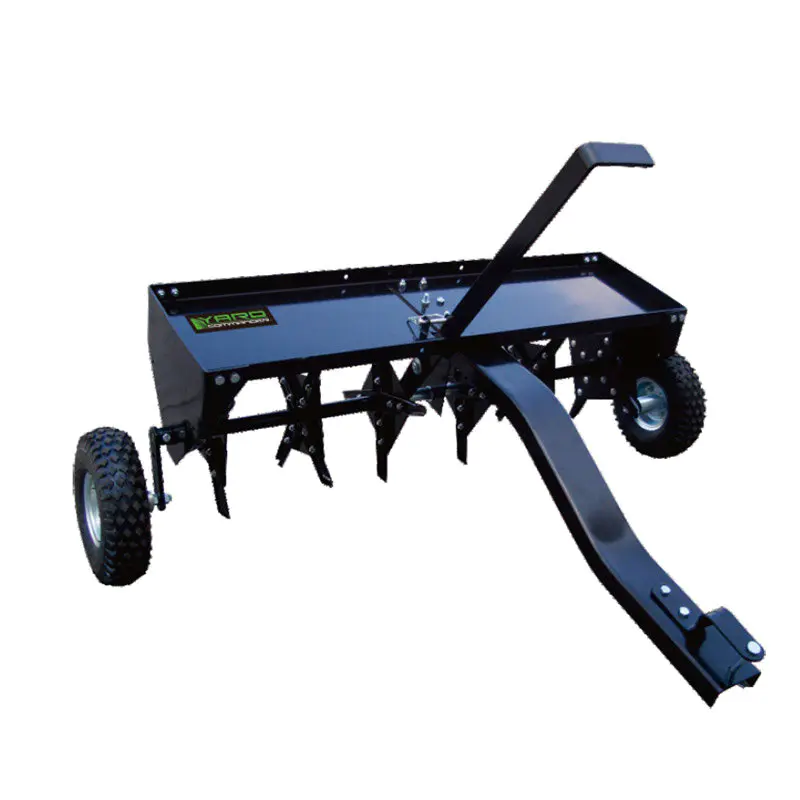
◆MODEL NO.: SP31106 ◆24 REPLACEABLE CORING POINTS ◆SINGLE-HAND LIFT LE...
See Details -
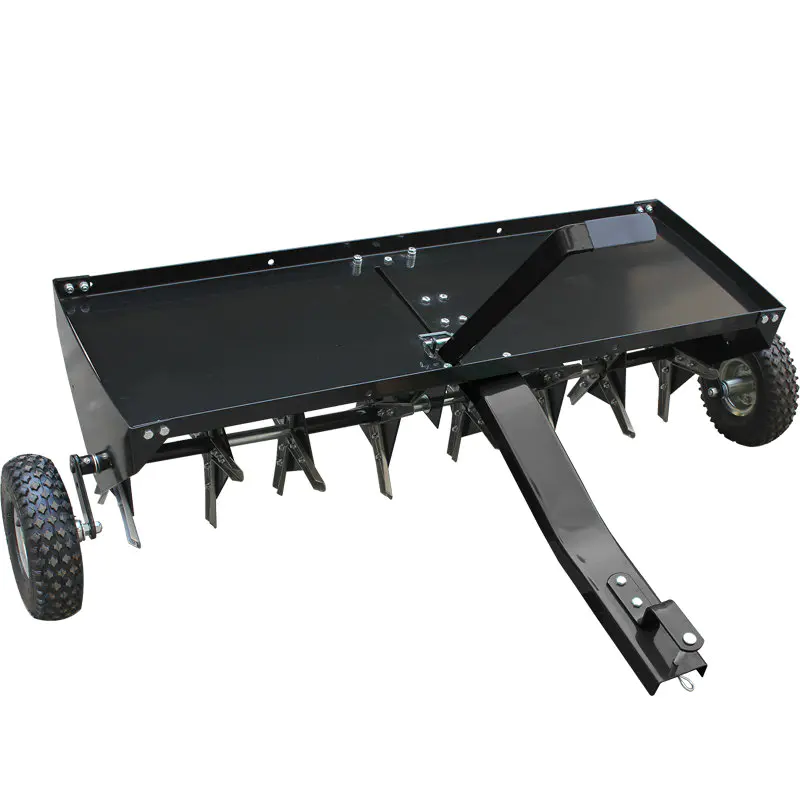
◆MODEL NO.: SP31102 ◆32 REPLACEABLE CORING POINTS ◆SINGLE-HAND LIFT LE...
See Details -
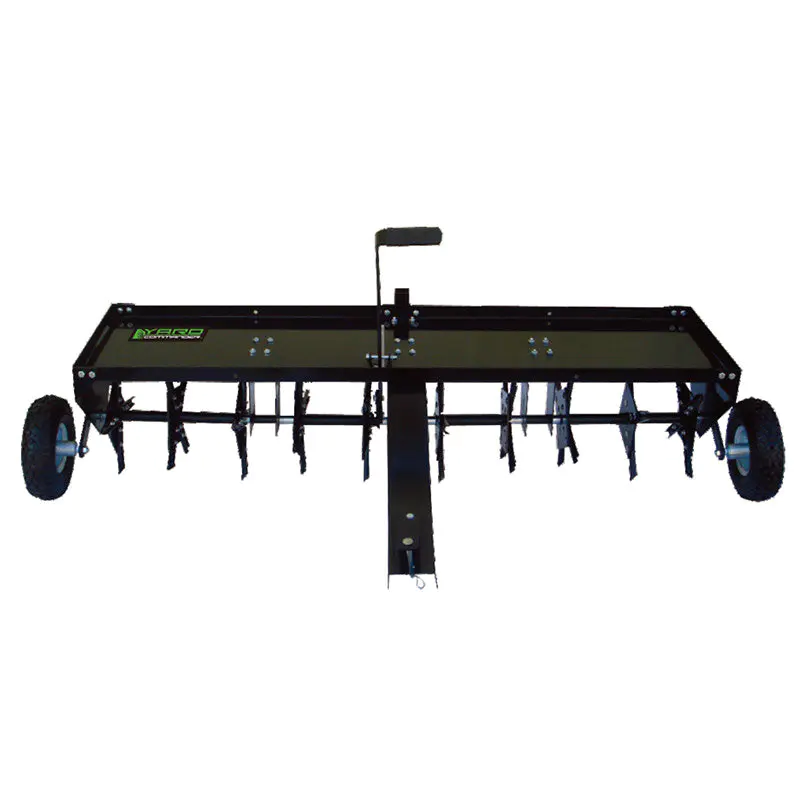
◆MODEL NO.: SP31202 ◆40 REPLACEABLE CORING POINTS ◆SINGLE-HAND LIFT LE...
See Details -
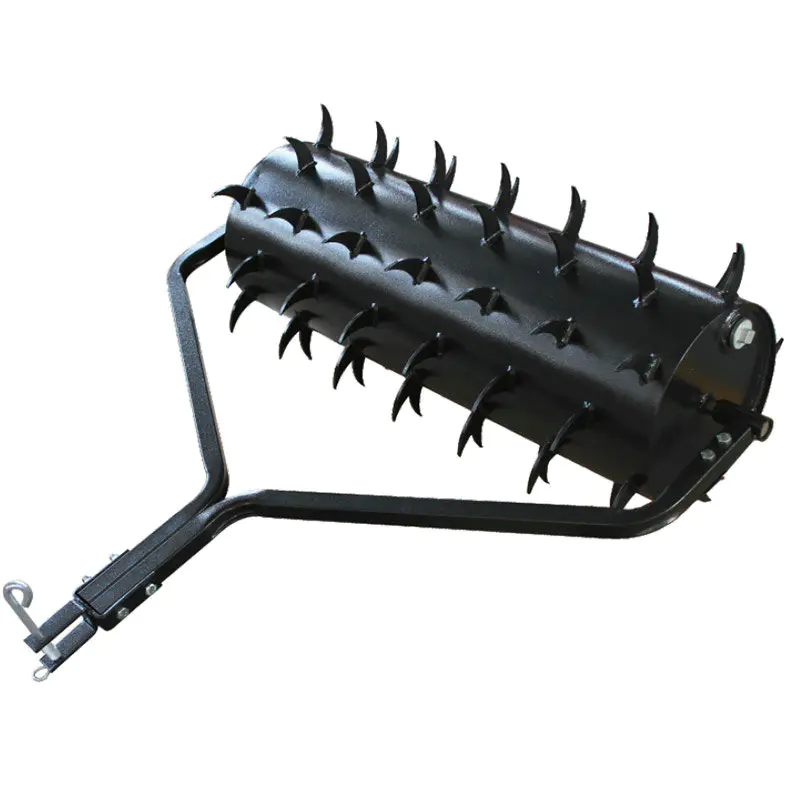
DESCRIPTION ♦Helps nutrients get into the soil and down to the ...
See Details
