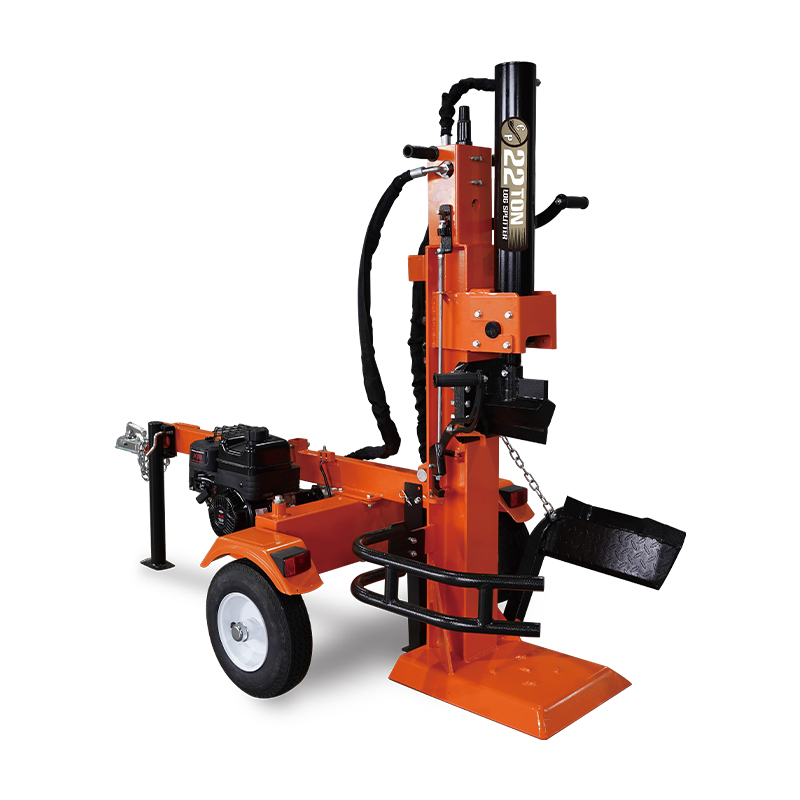
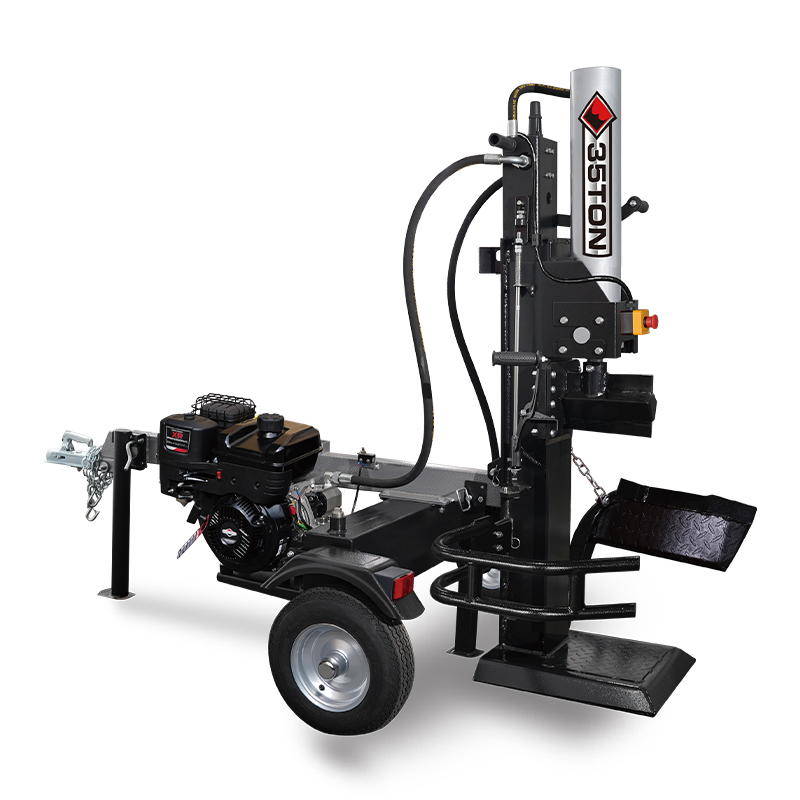
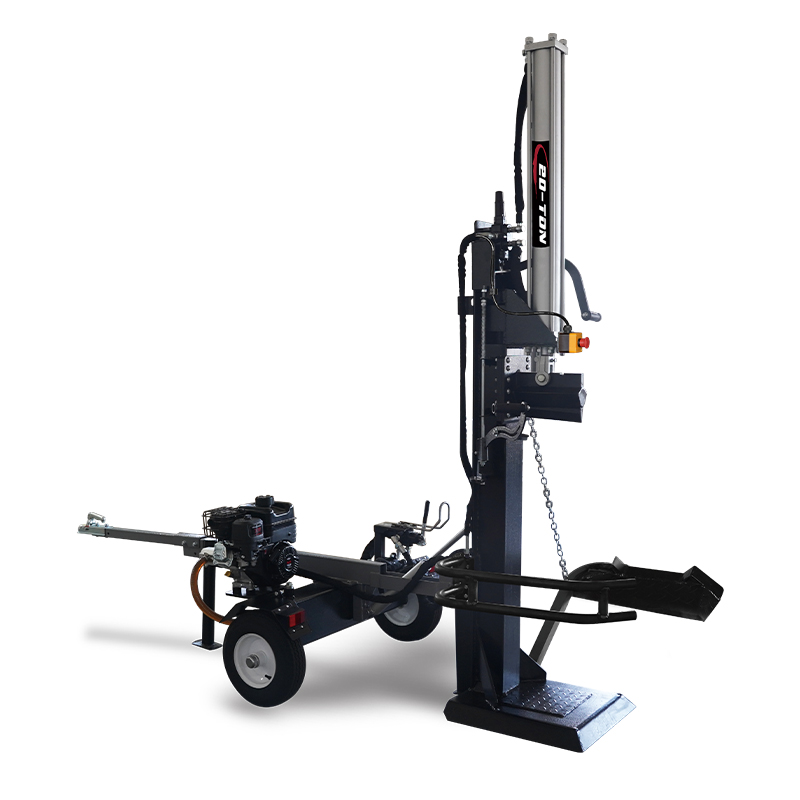
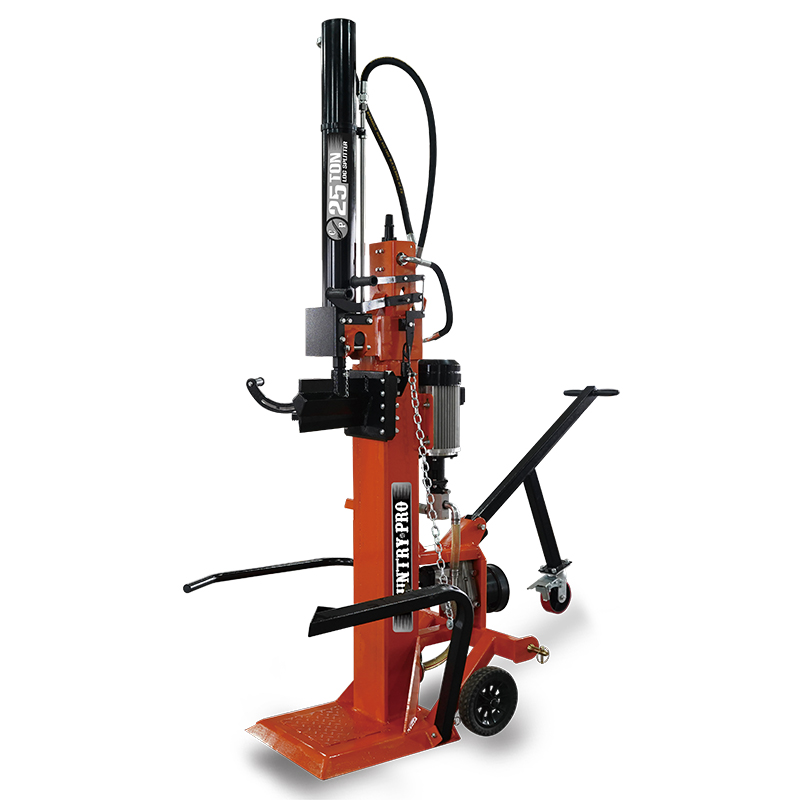
How do you choose the right log splitter for your needs?
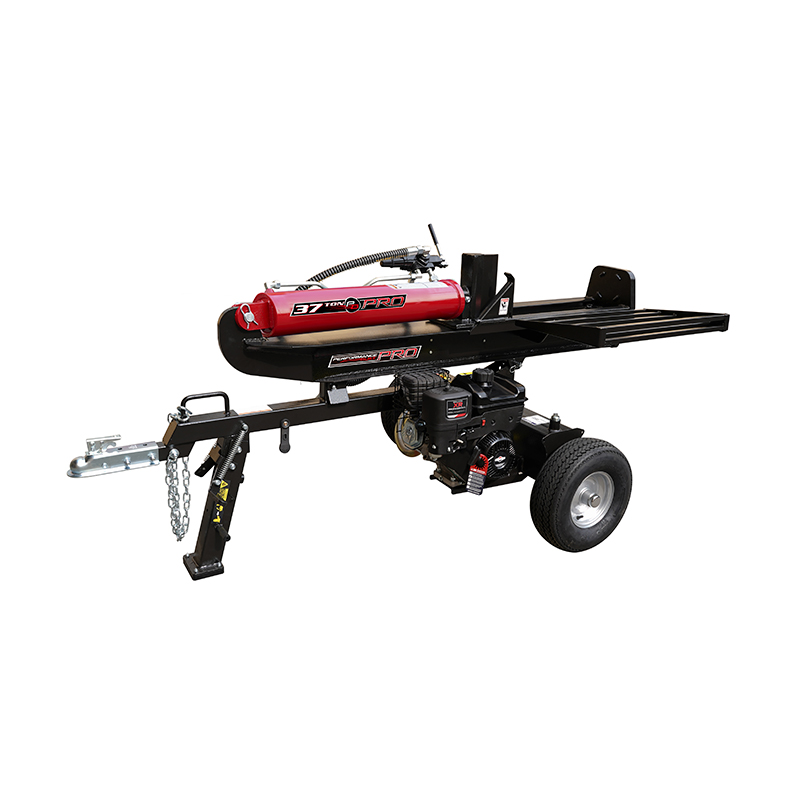
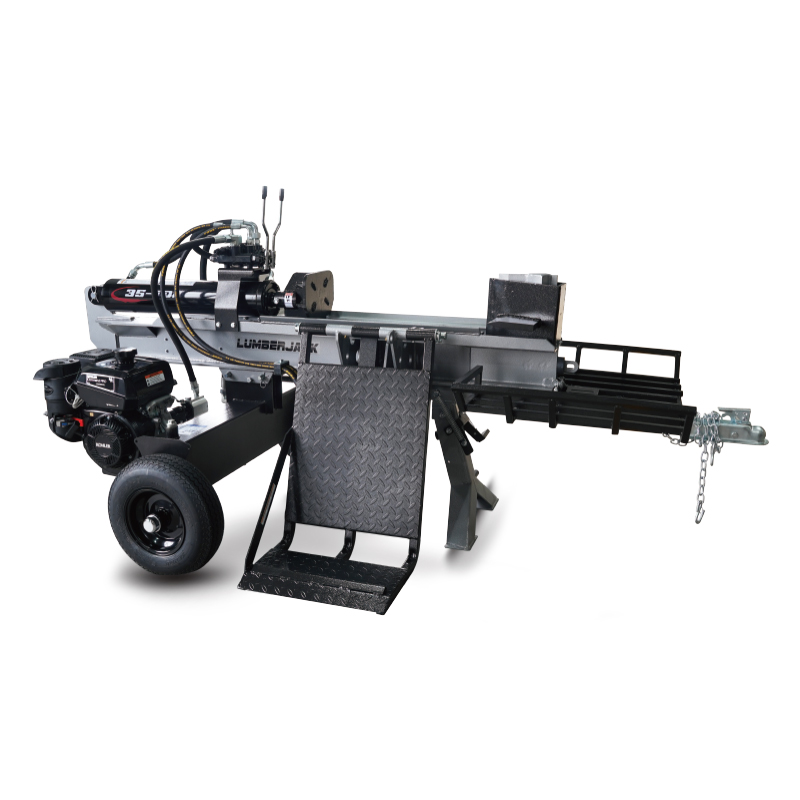
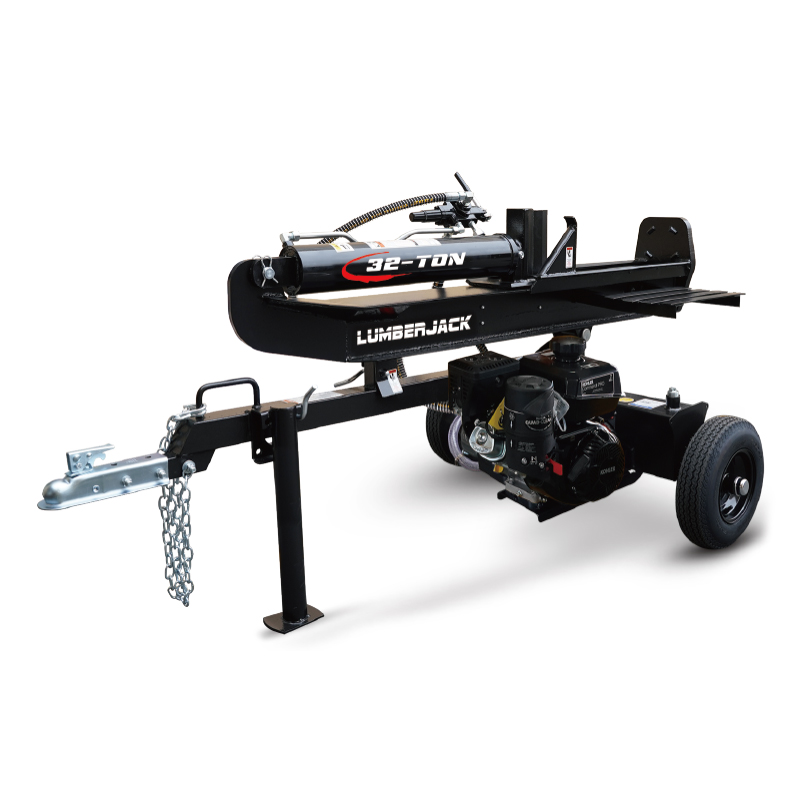
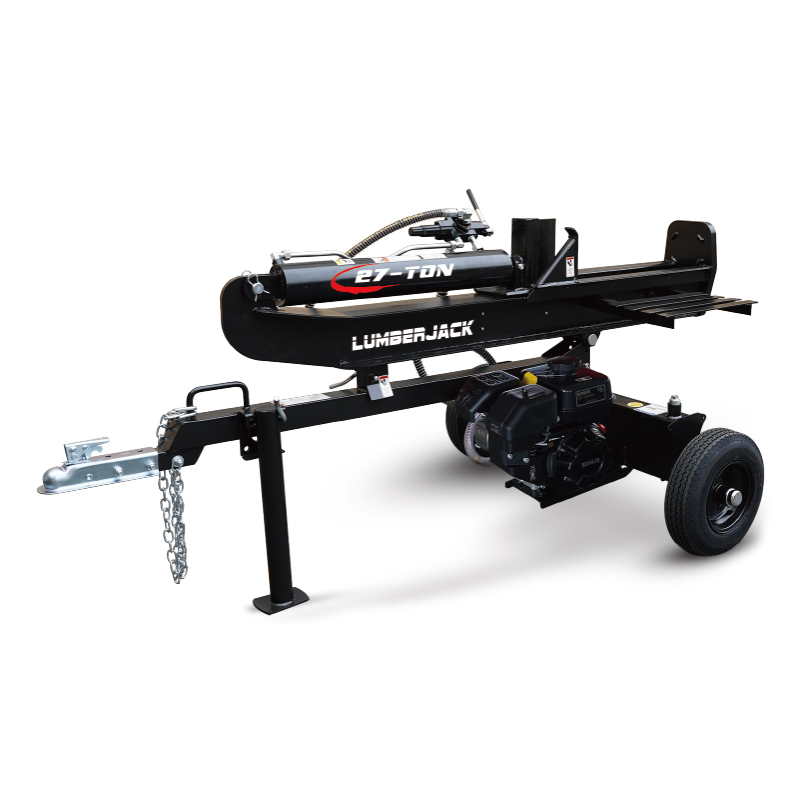
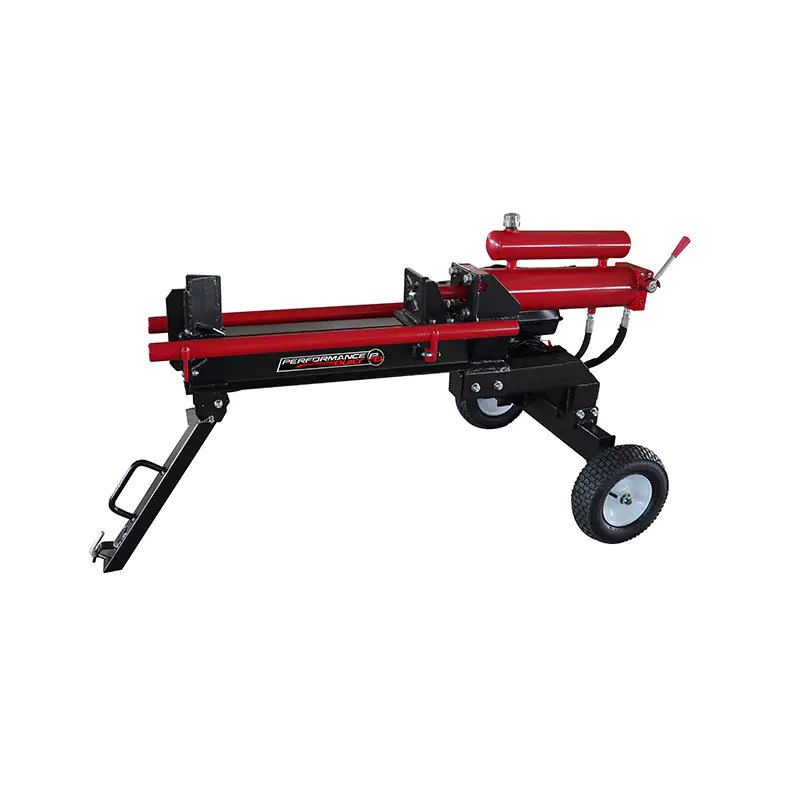
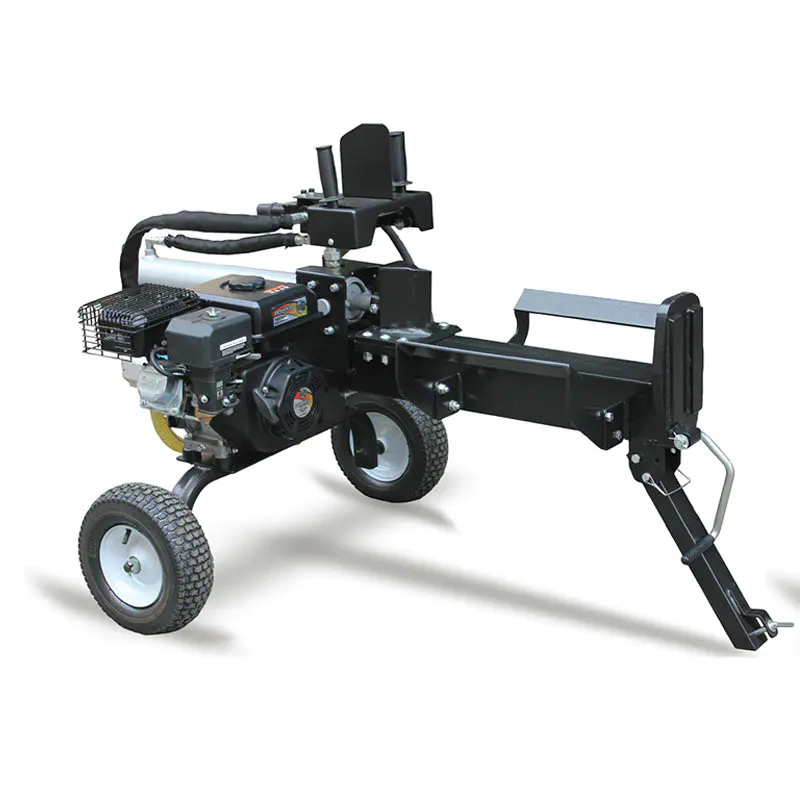
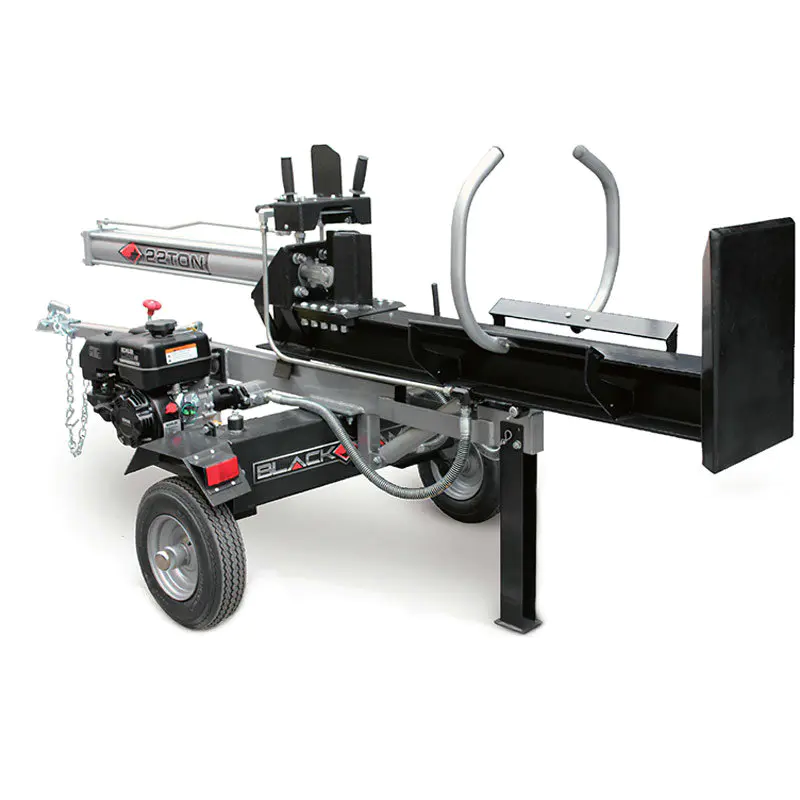
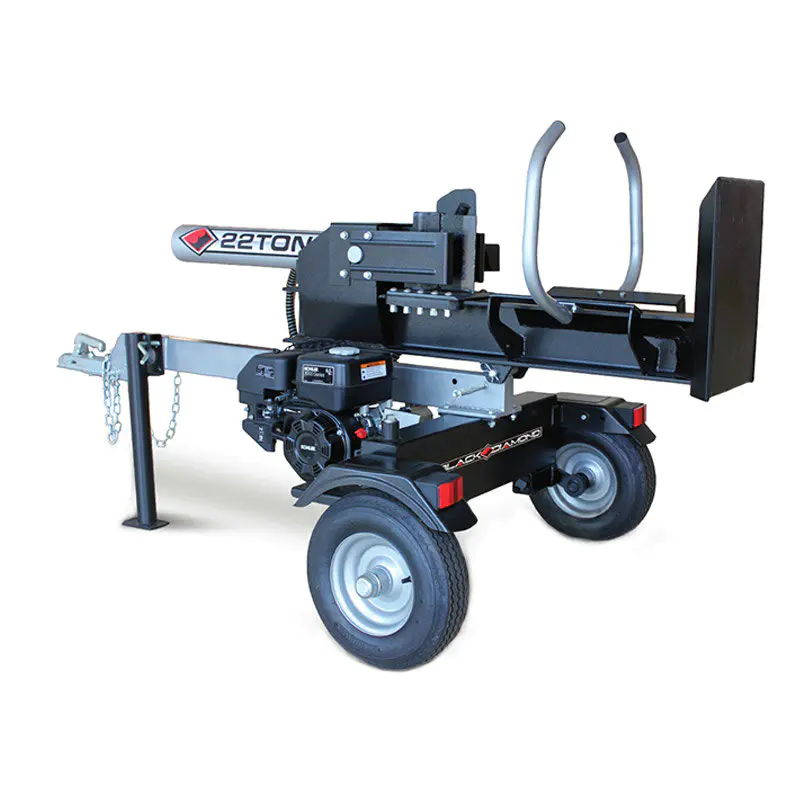
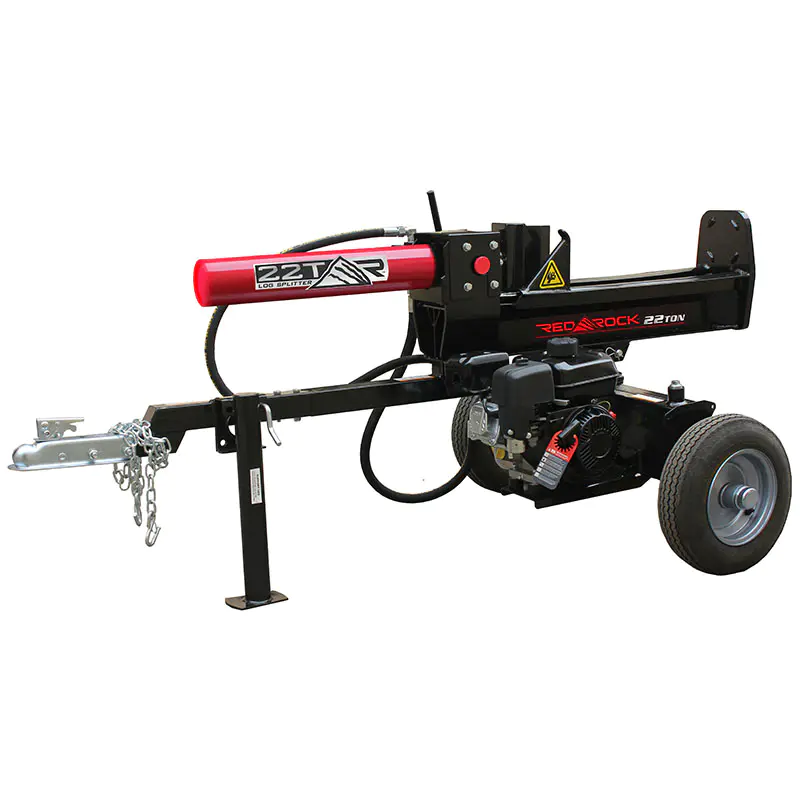
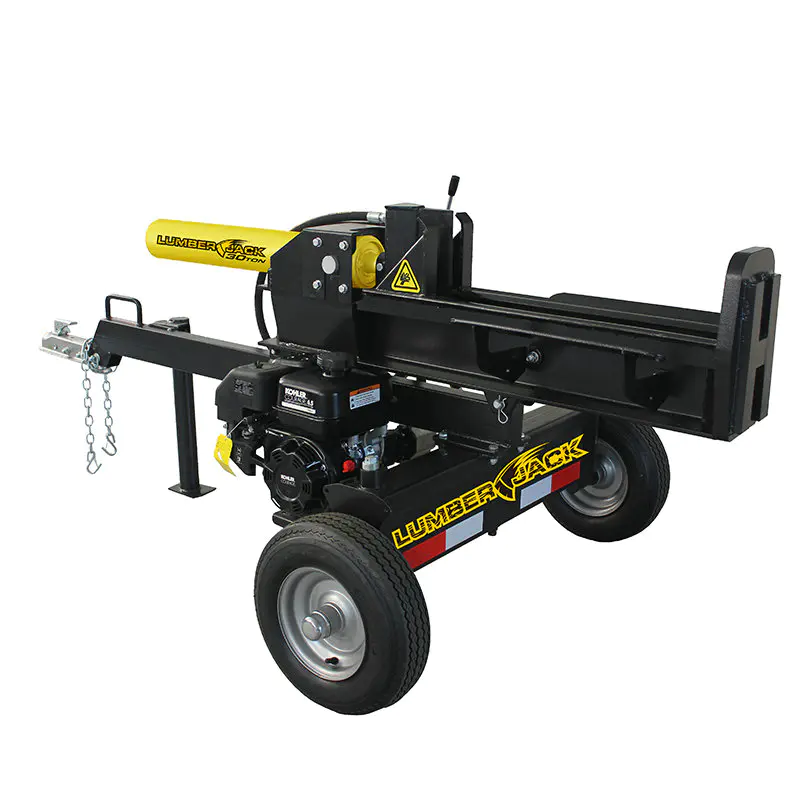
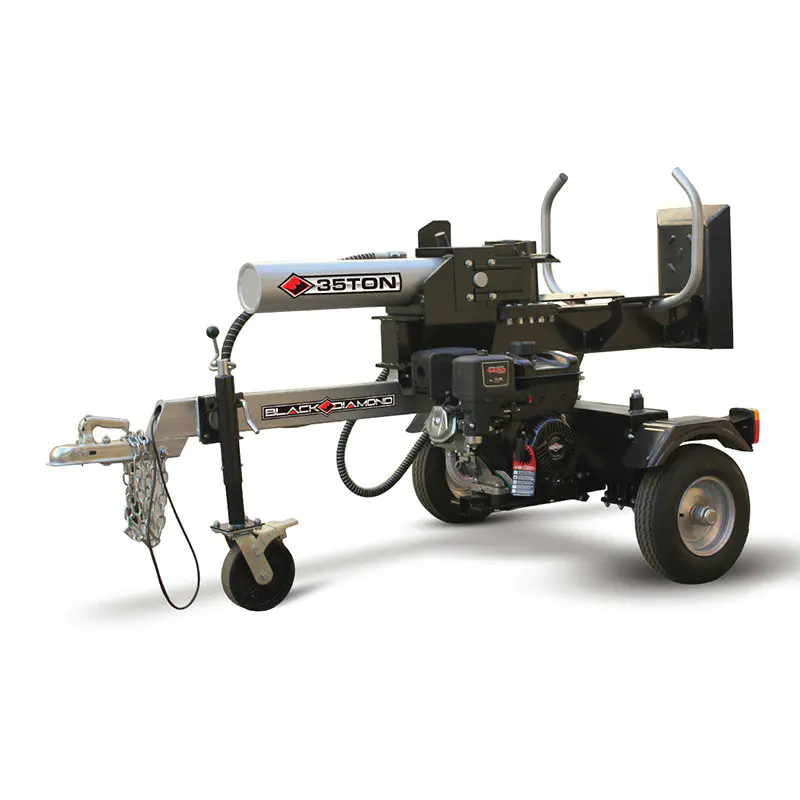
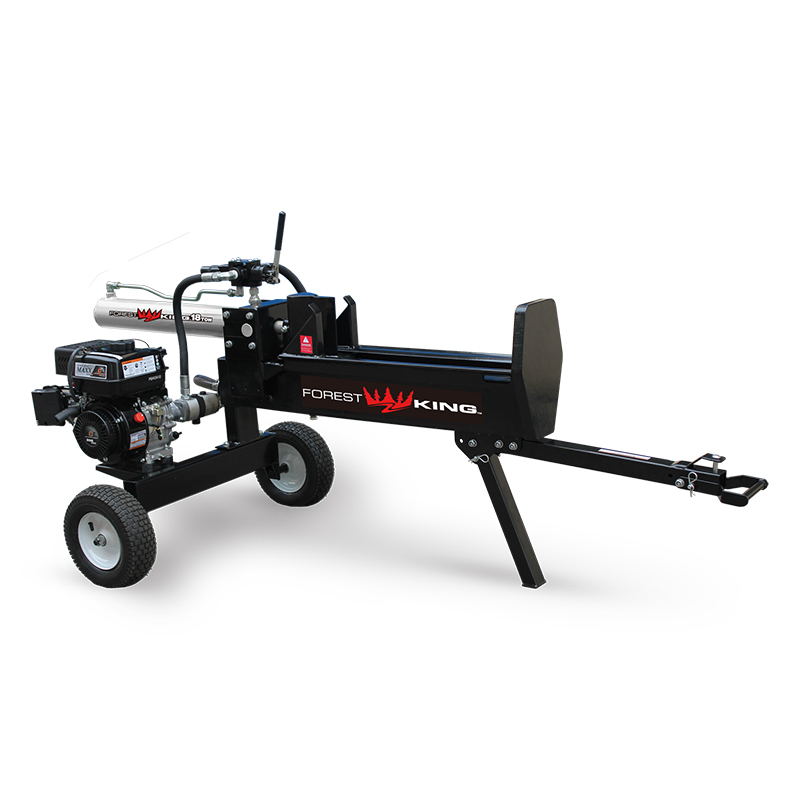
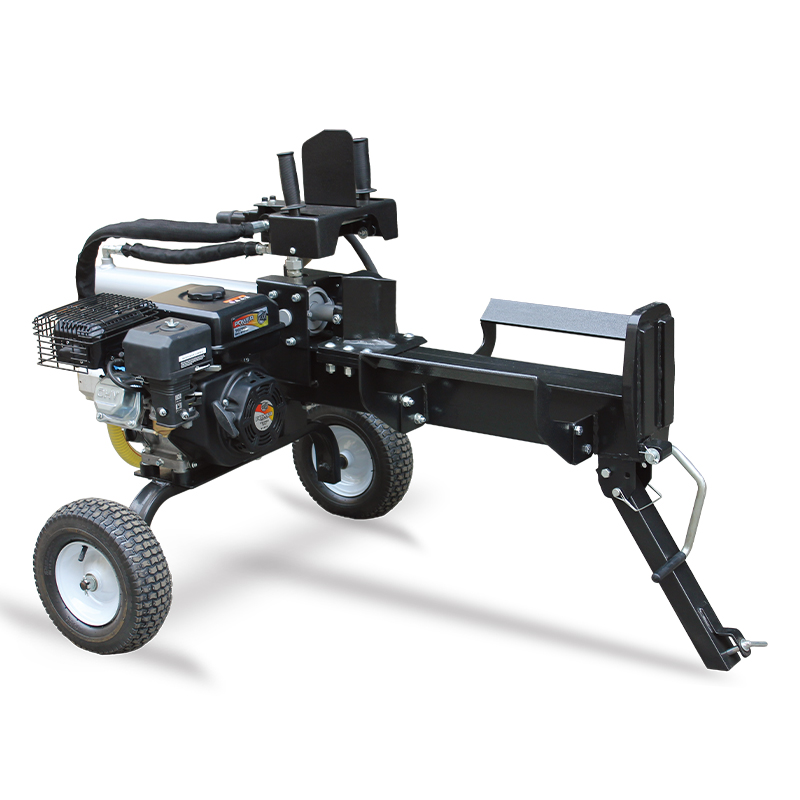
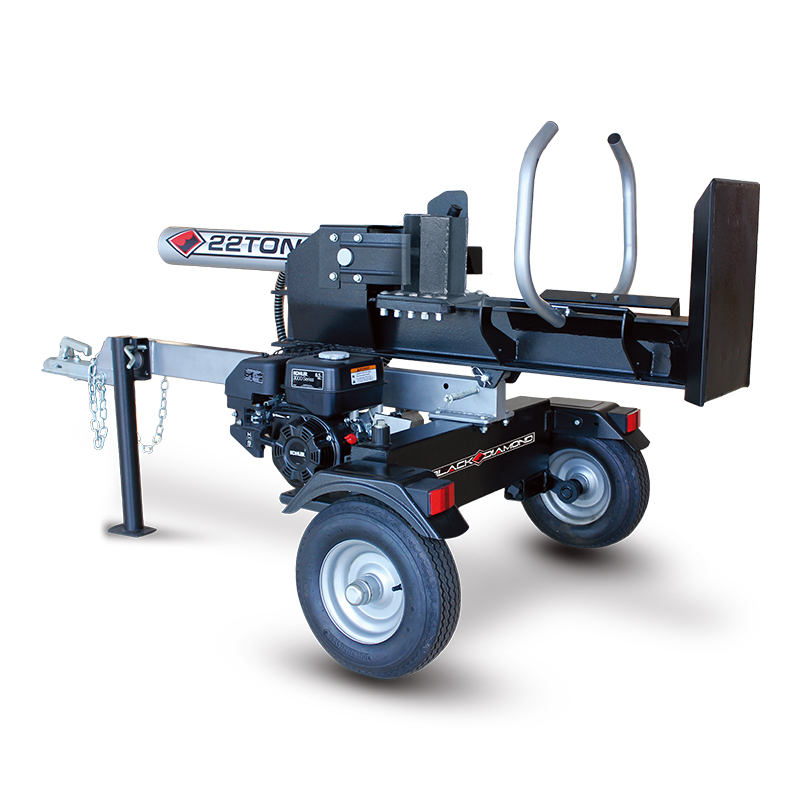
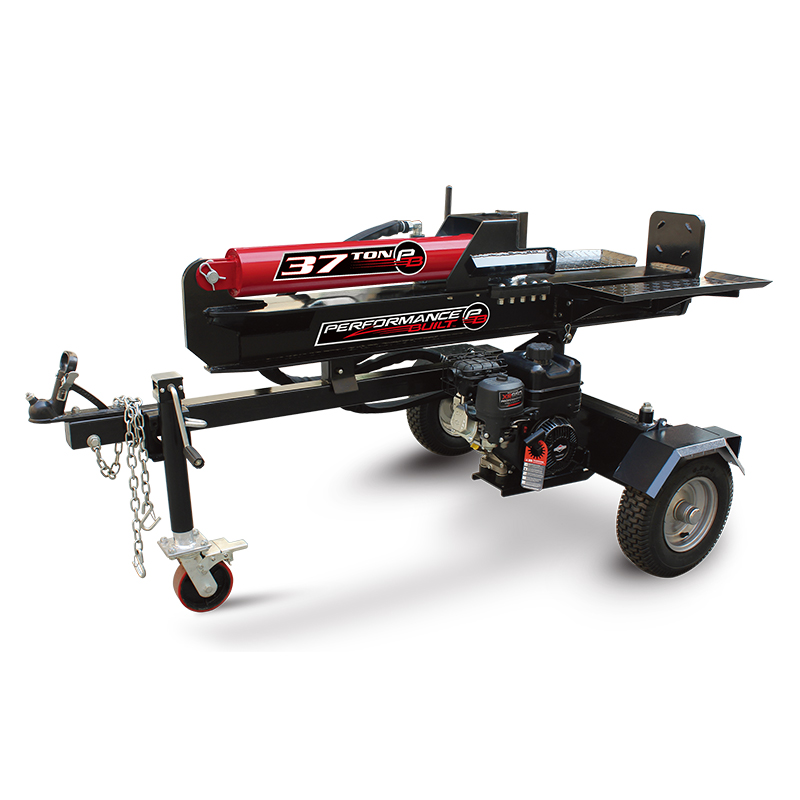
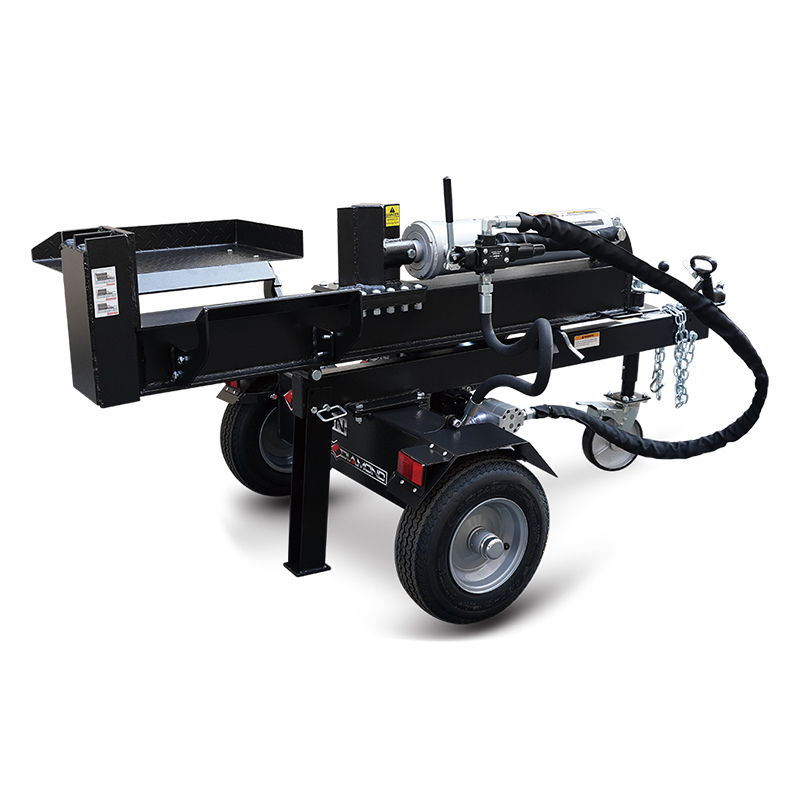
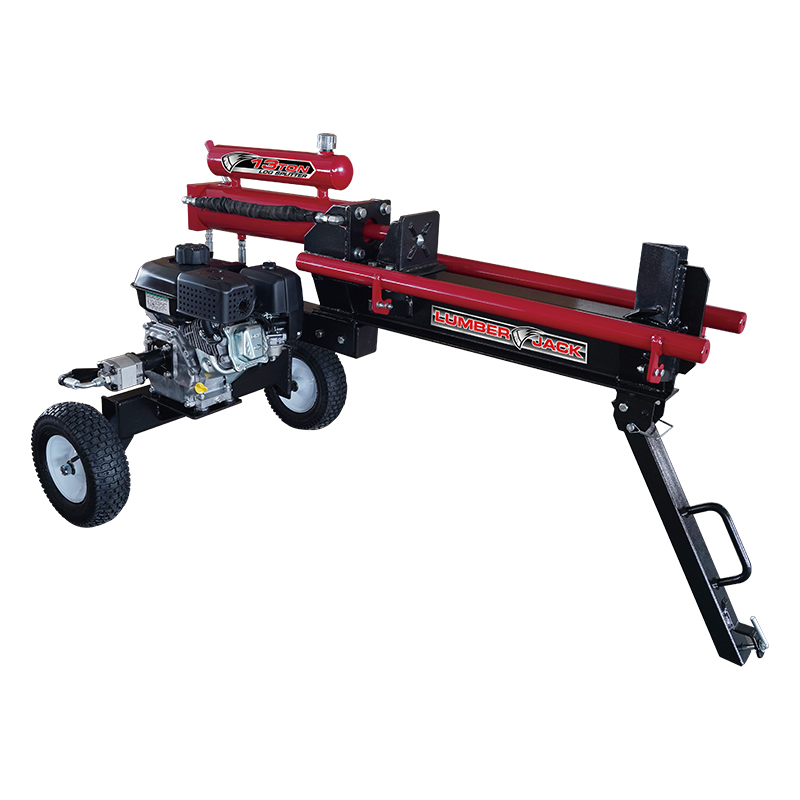
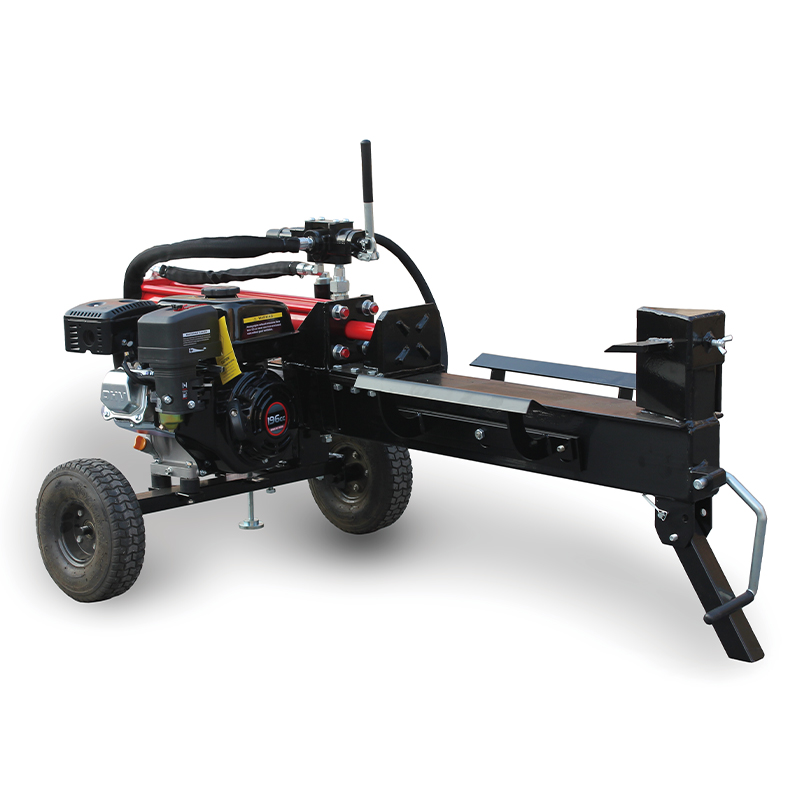
When it comes to selecting the right log splitter for your needs, understanding the various types of log splitters, their performance features, and the specific tasks they are suited for is essential. Among the most popular choices are the petrol log splitter, gasoline log splitter, rapid splitter, and performance built log splitter. Each of these models is designed to meet different user requirements, from casual homeowners to commercial operators.
Understanding the Different Types of Log Splitters
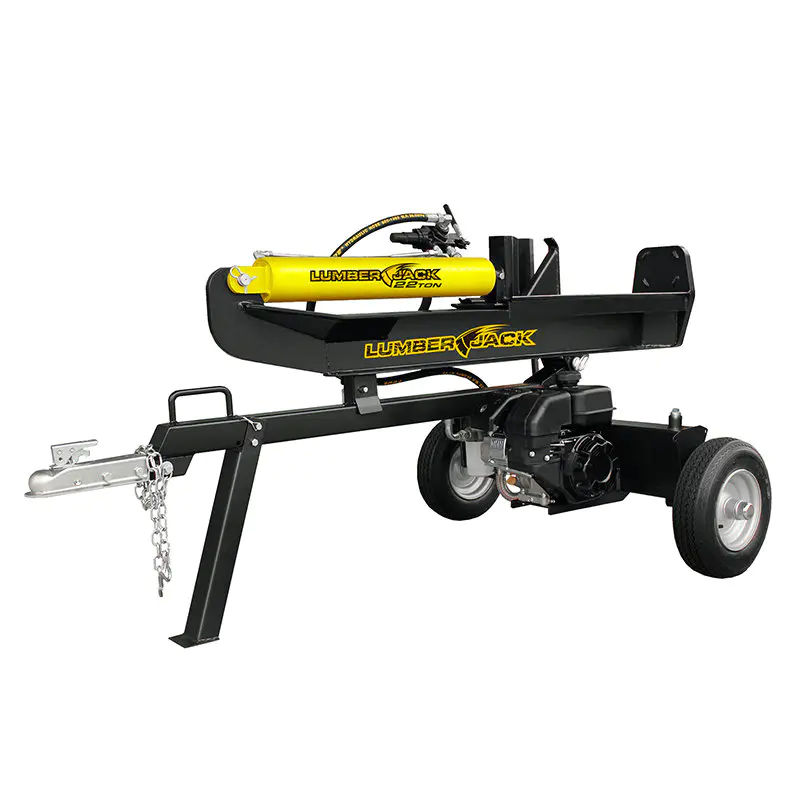
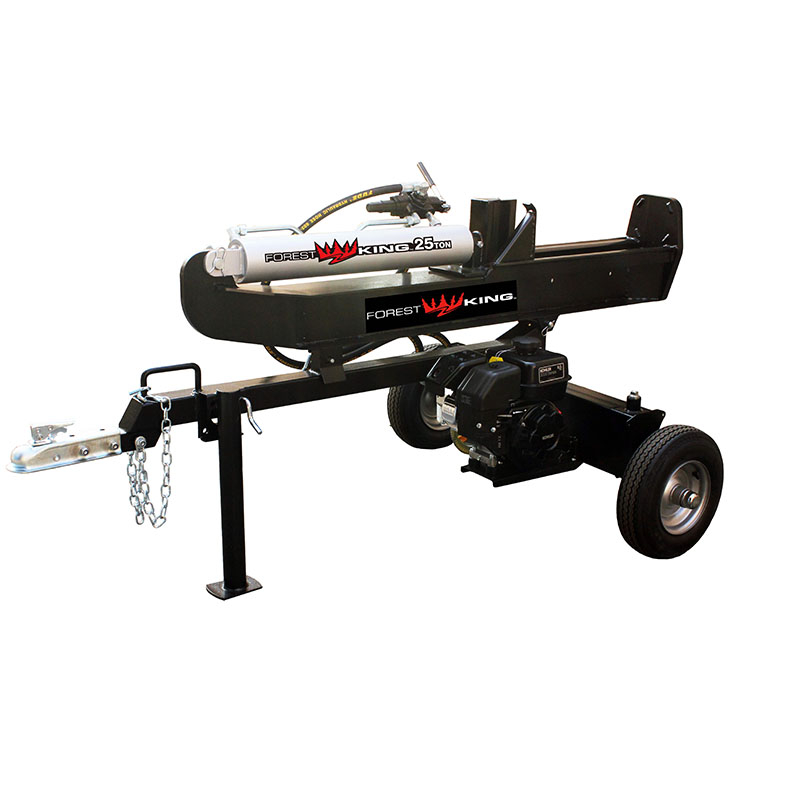
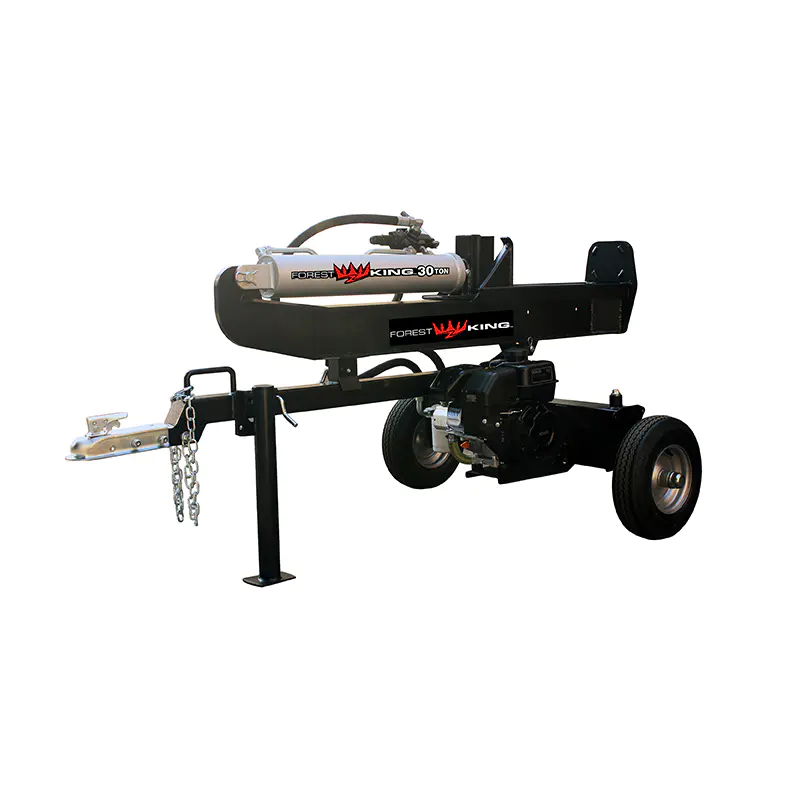
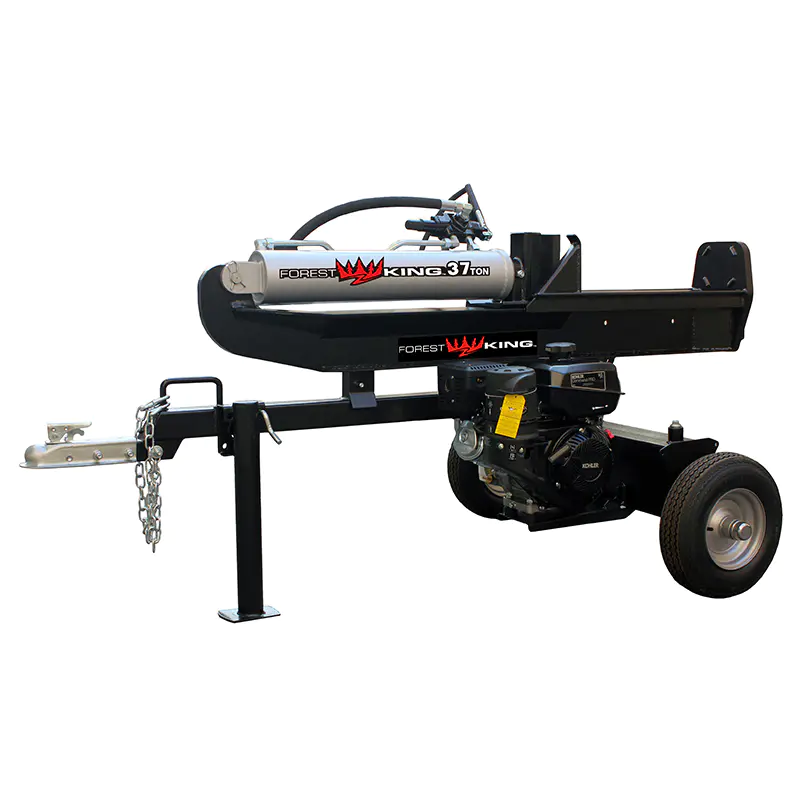
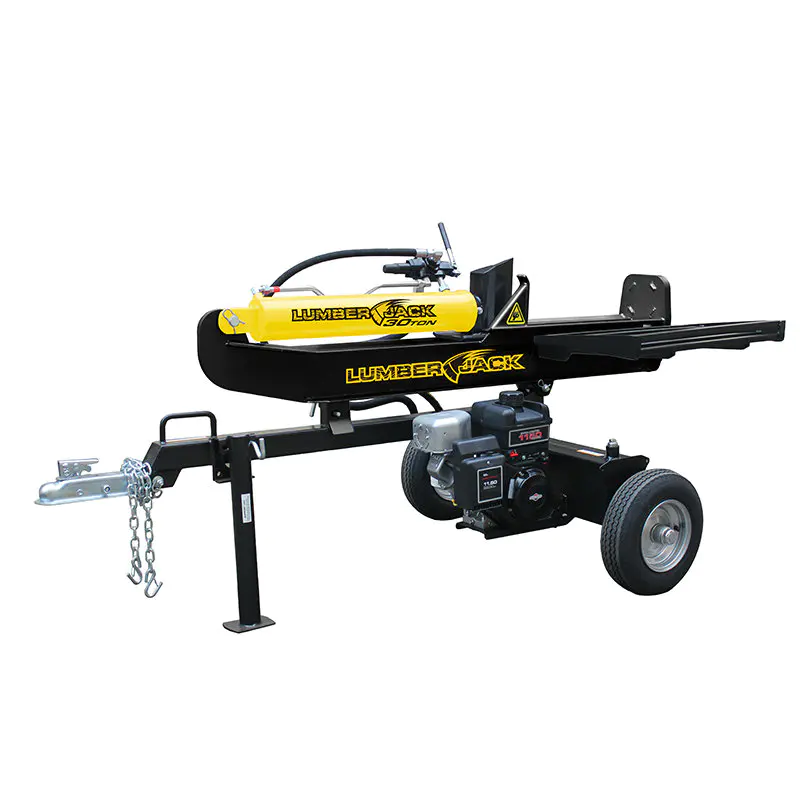
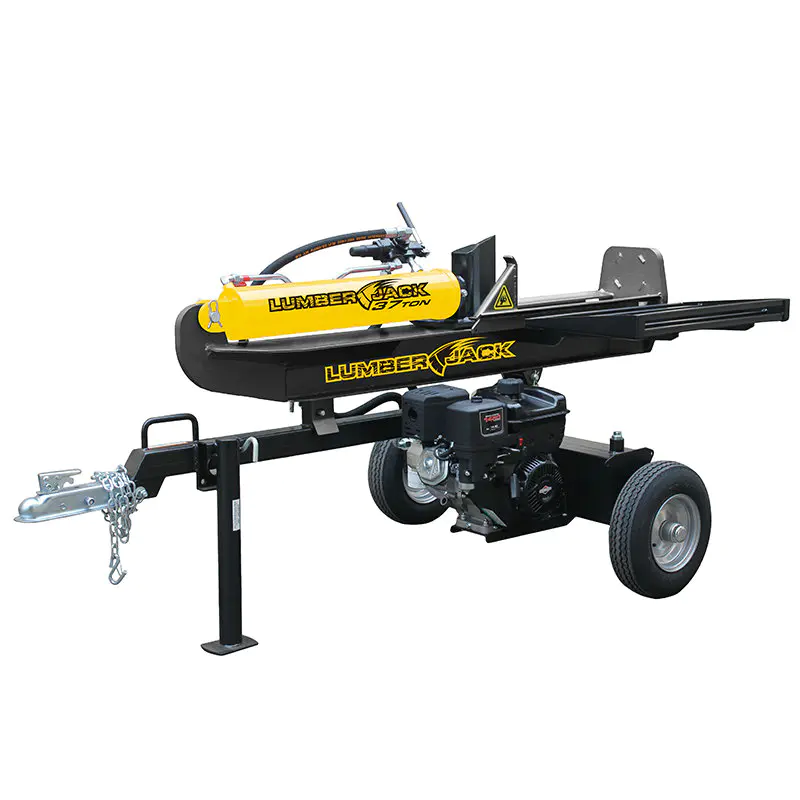
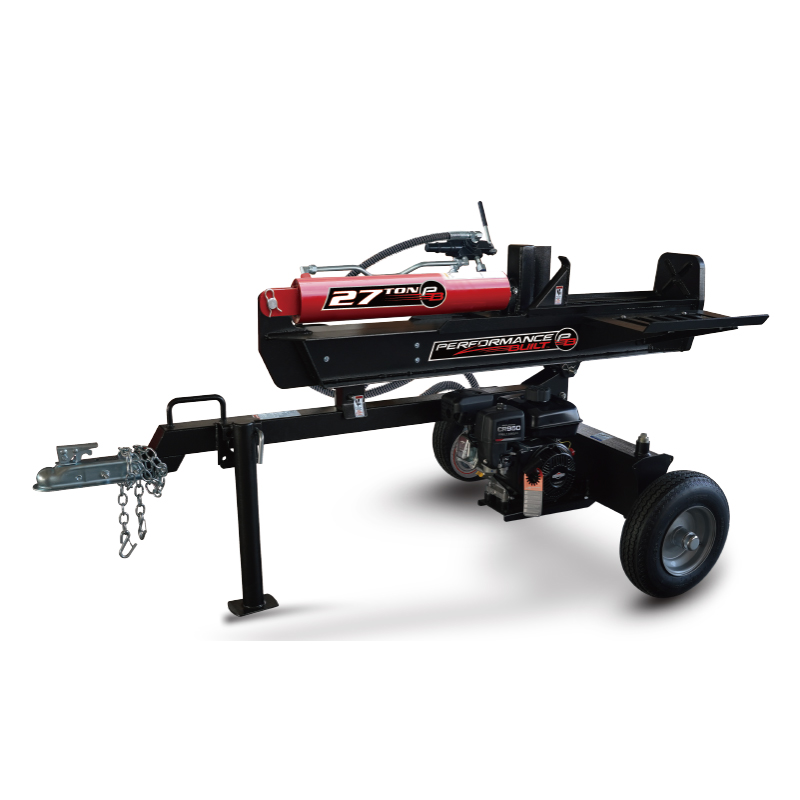
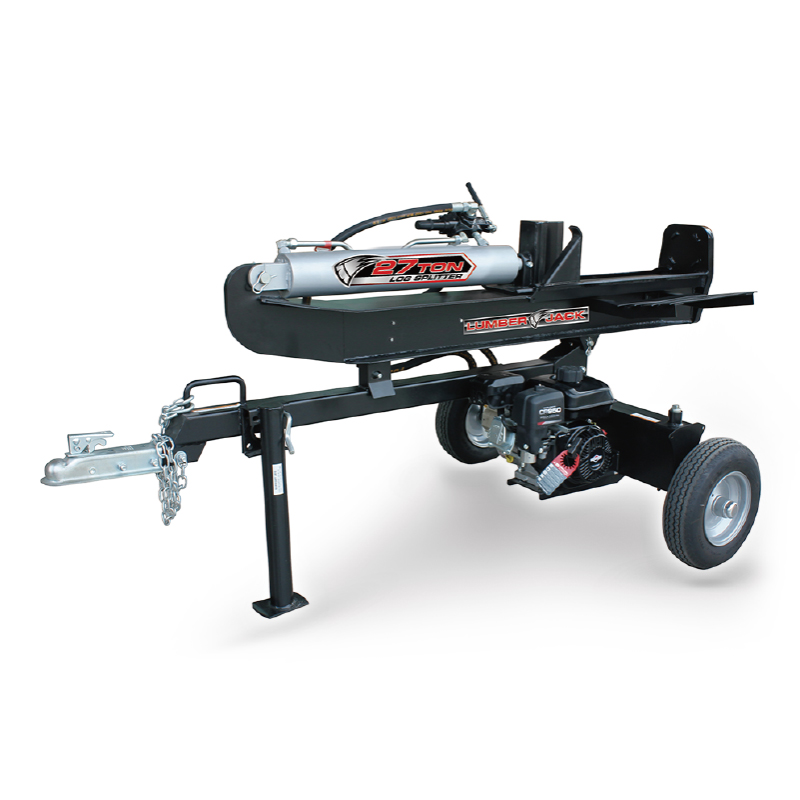
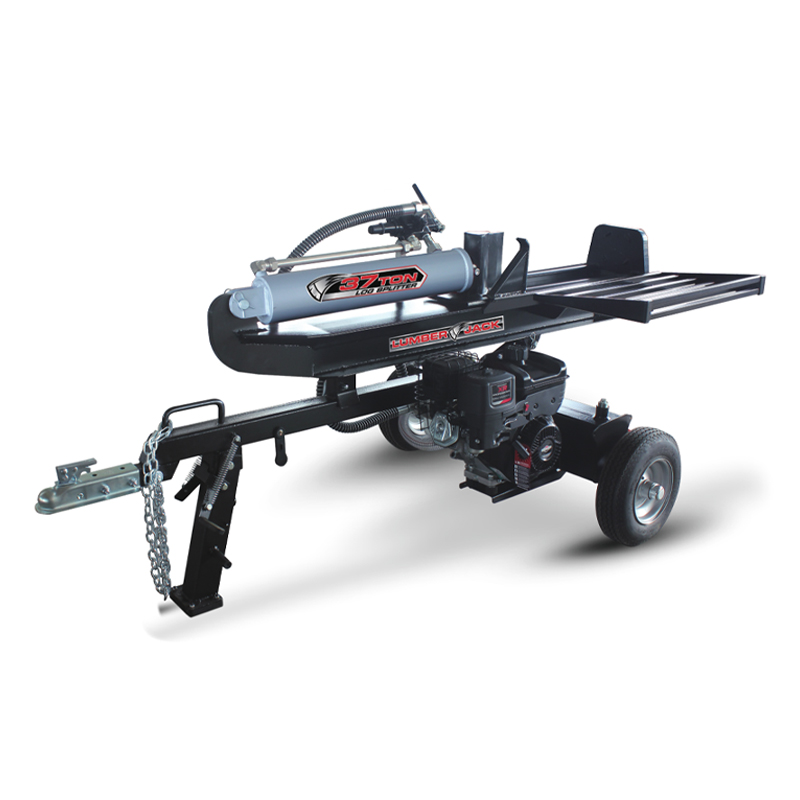
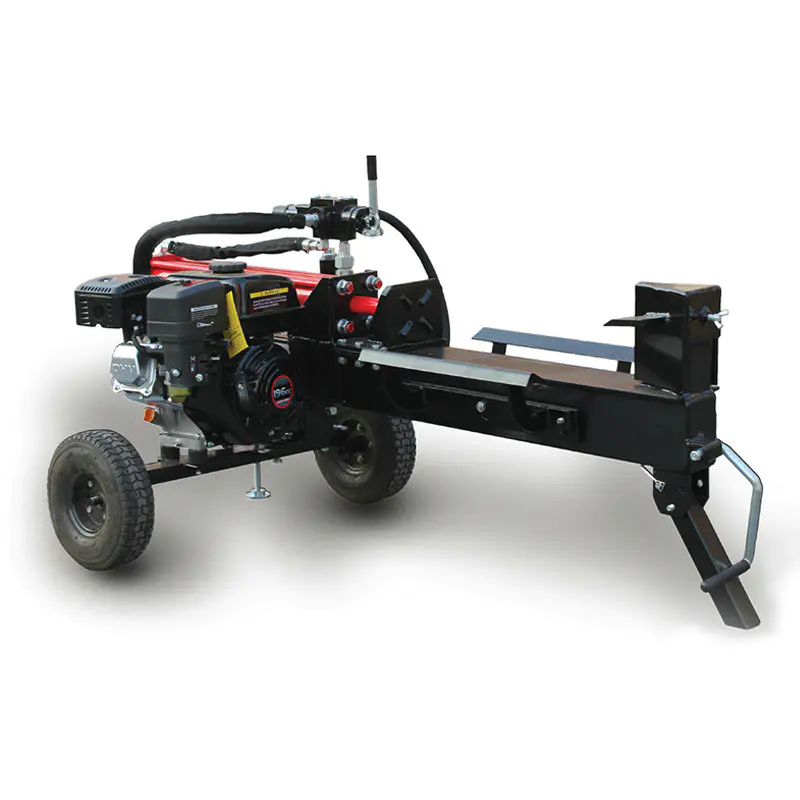
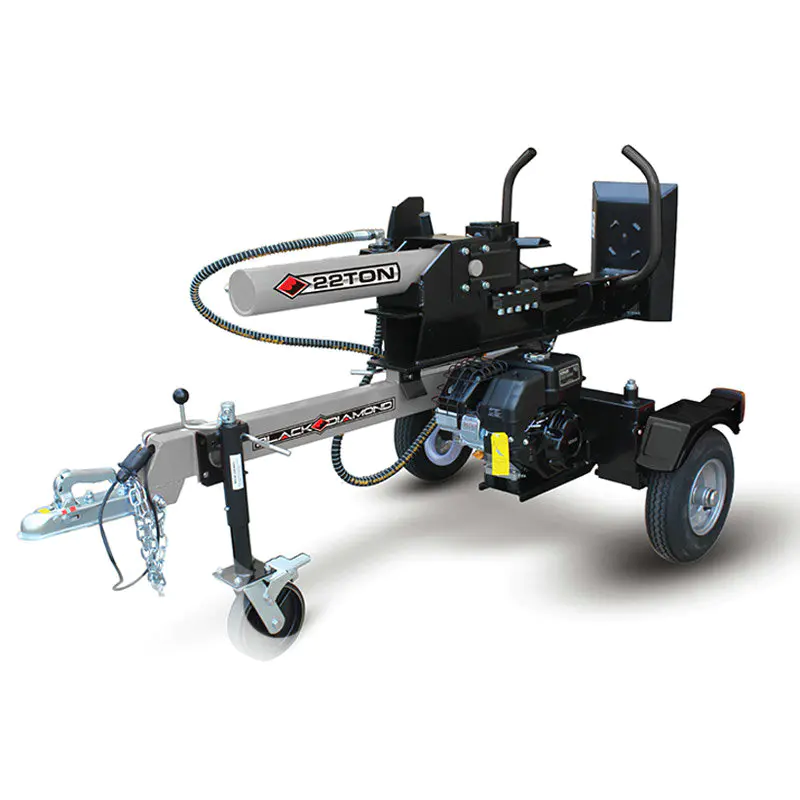
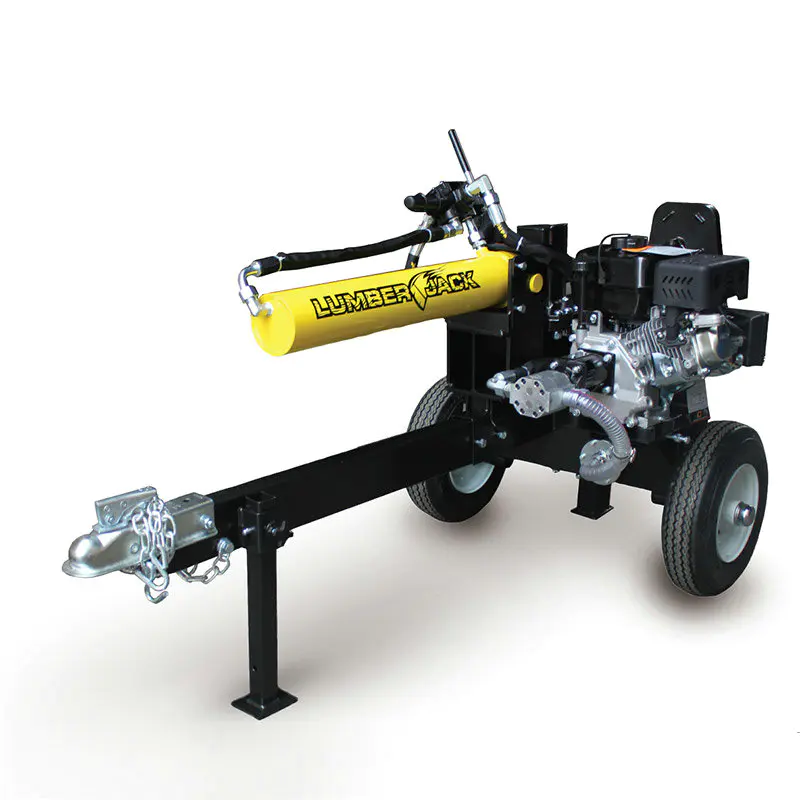
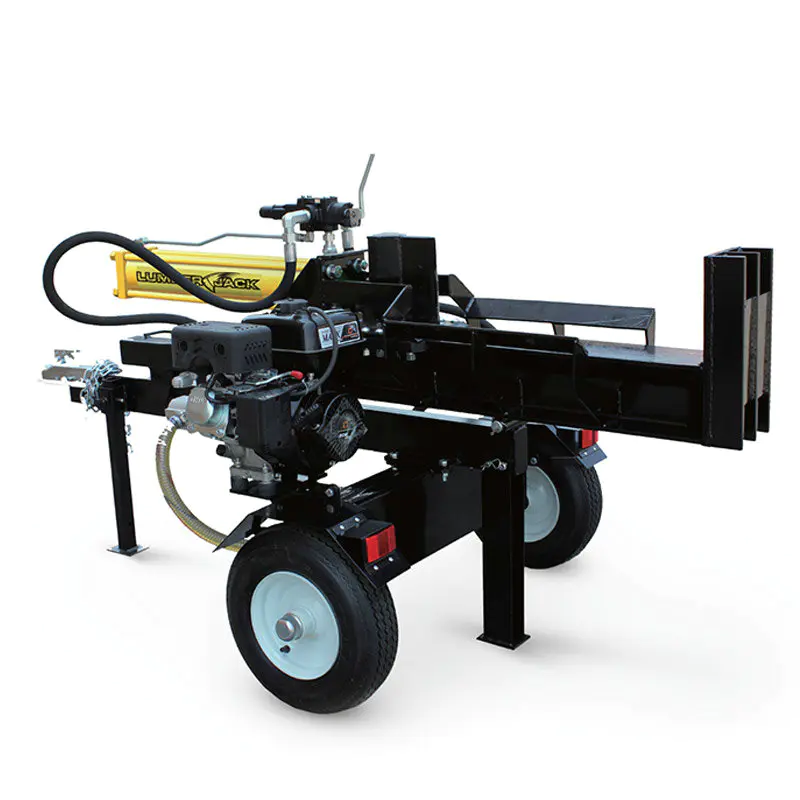
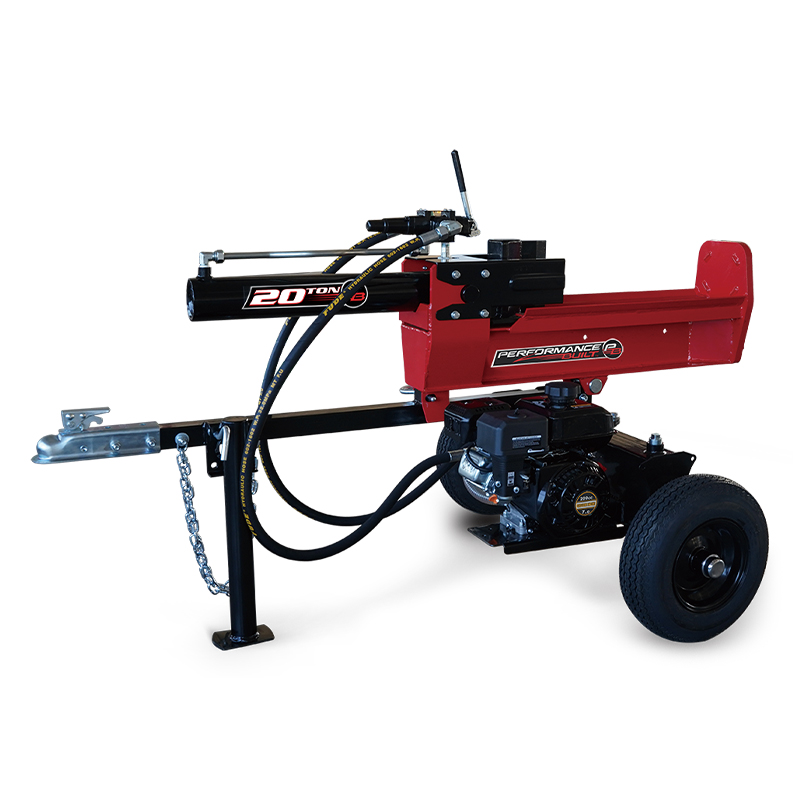
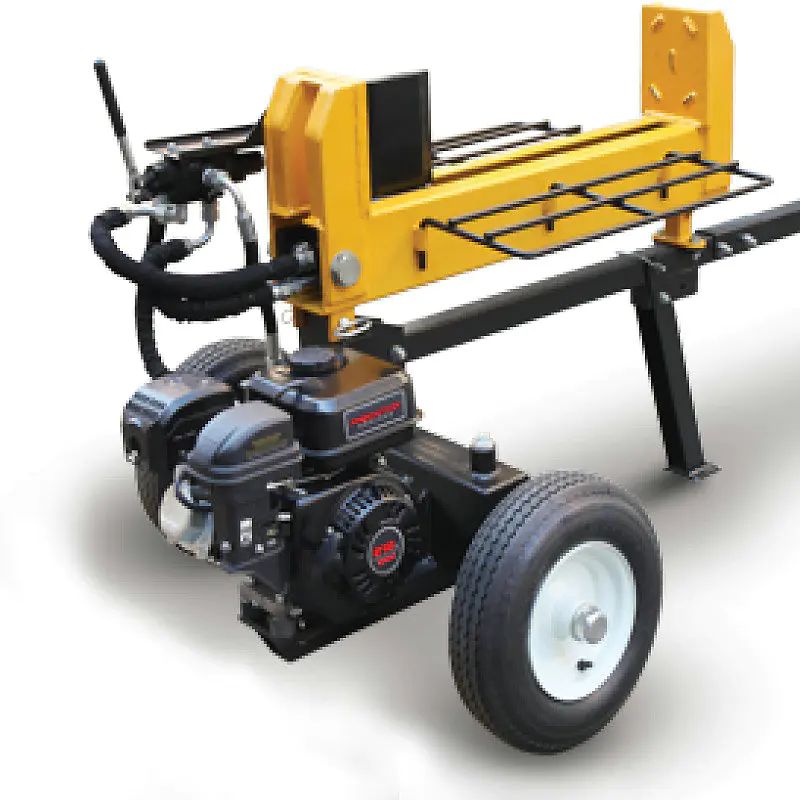
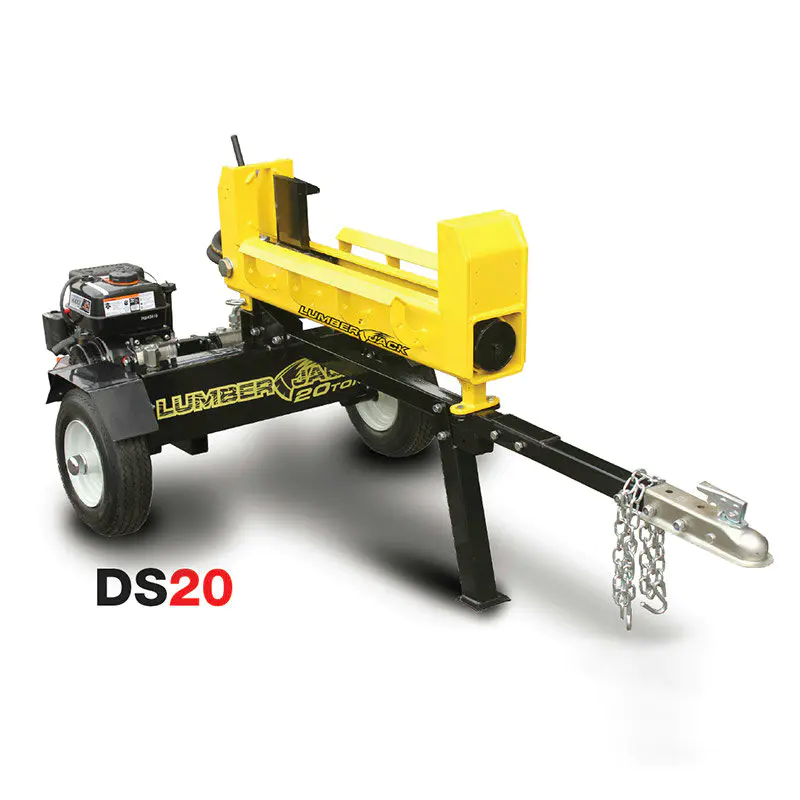
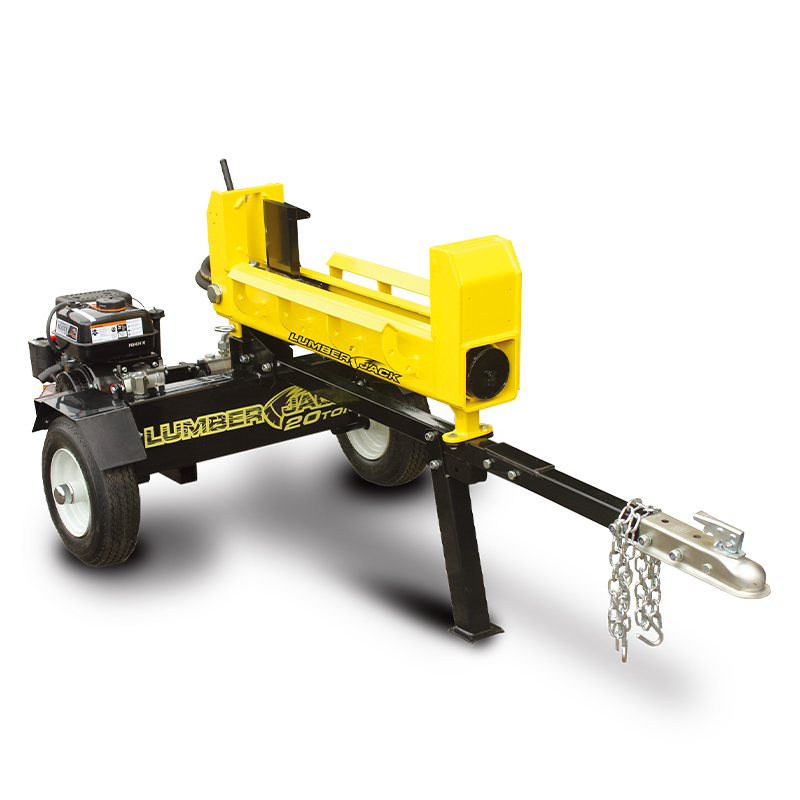
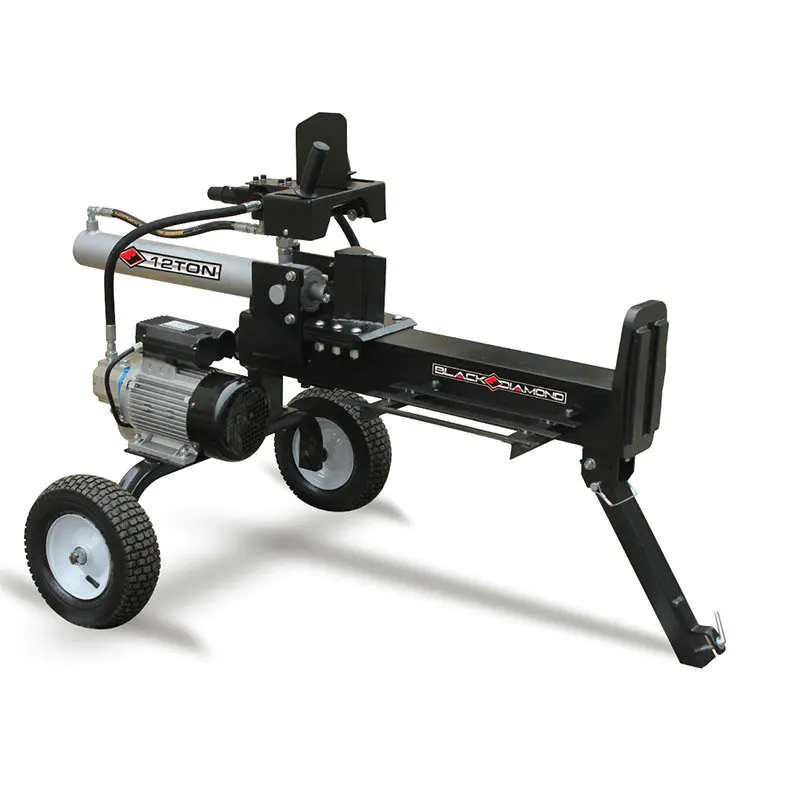
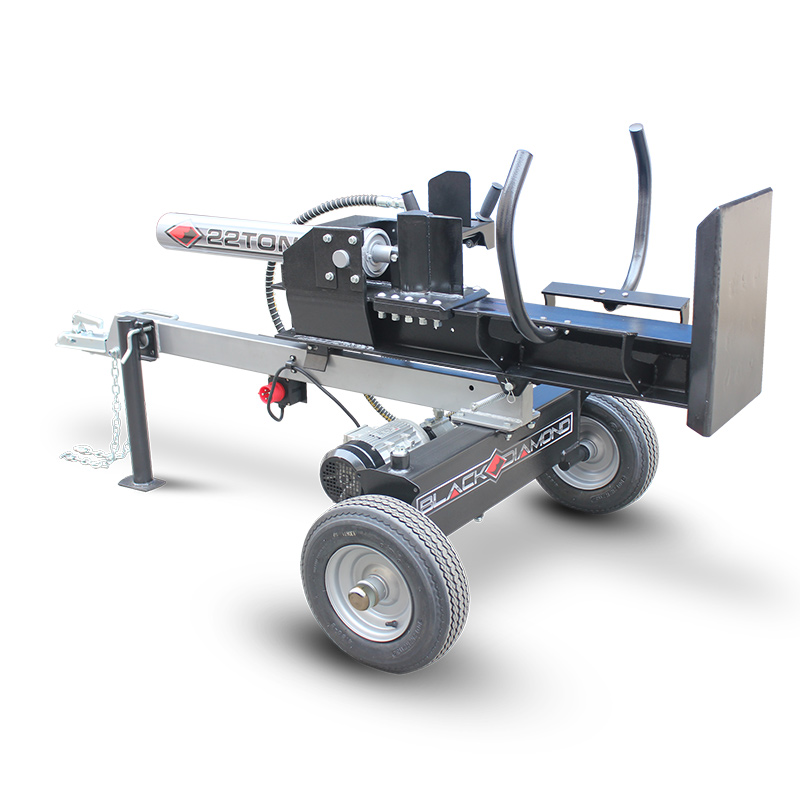
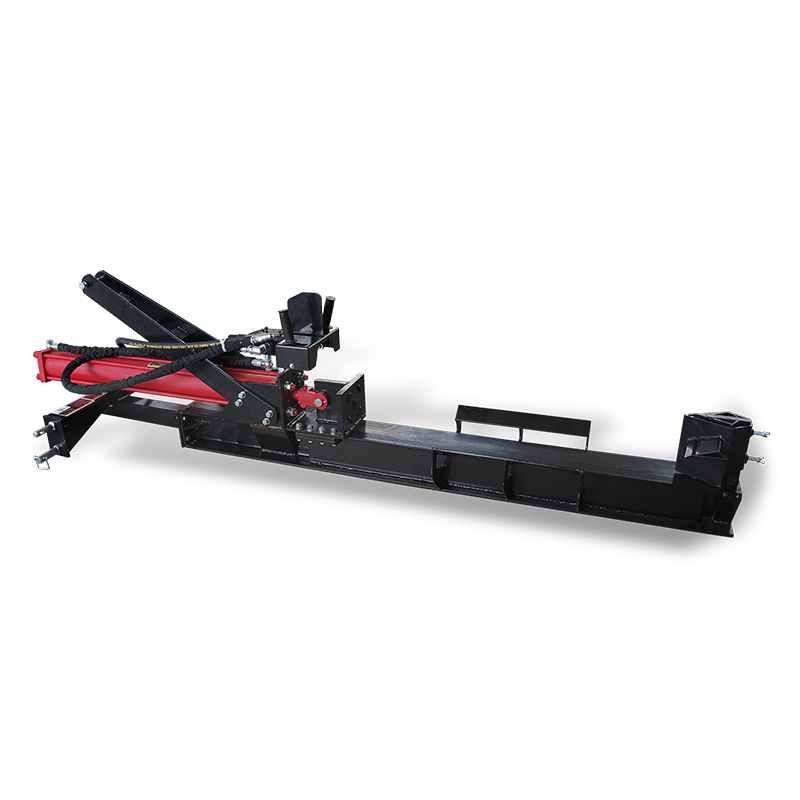
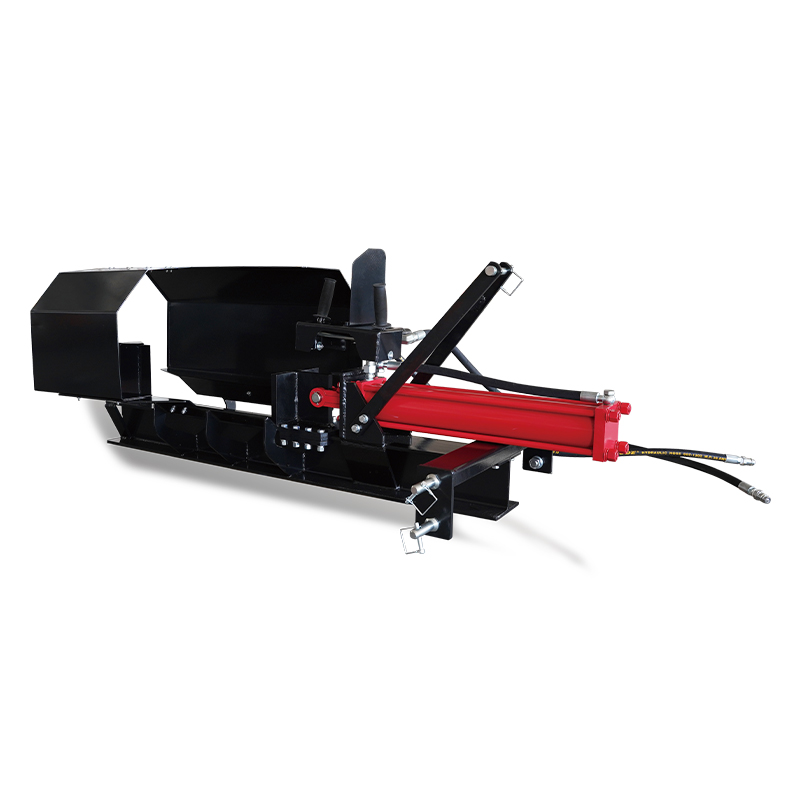
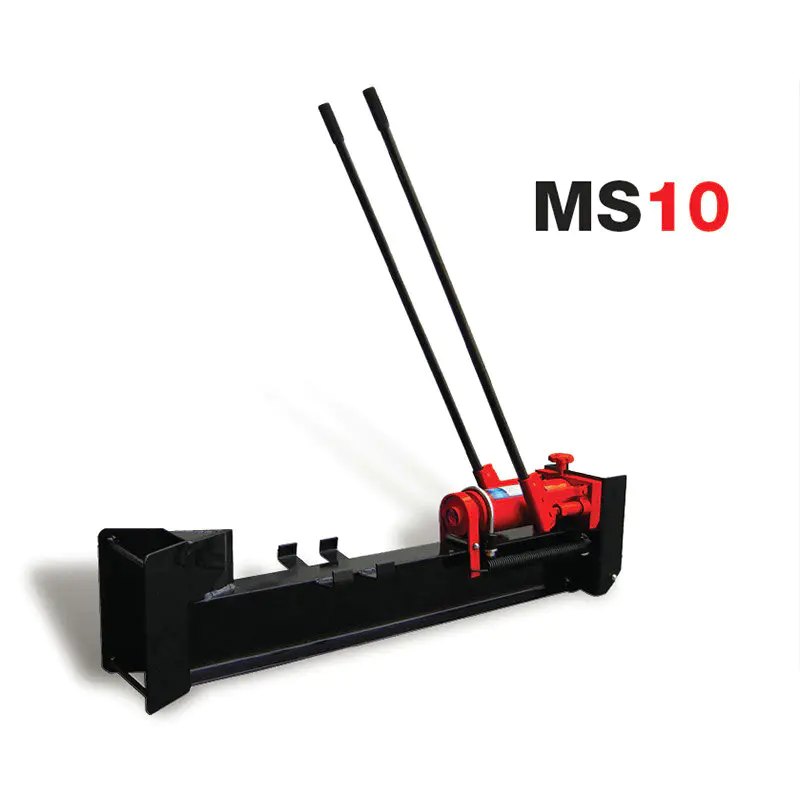
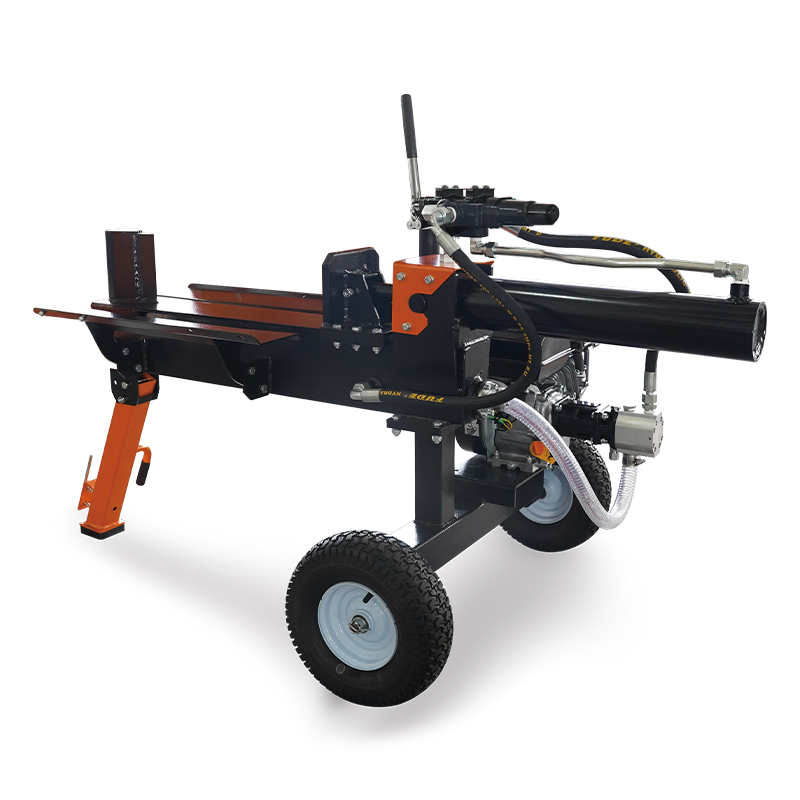
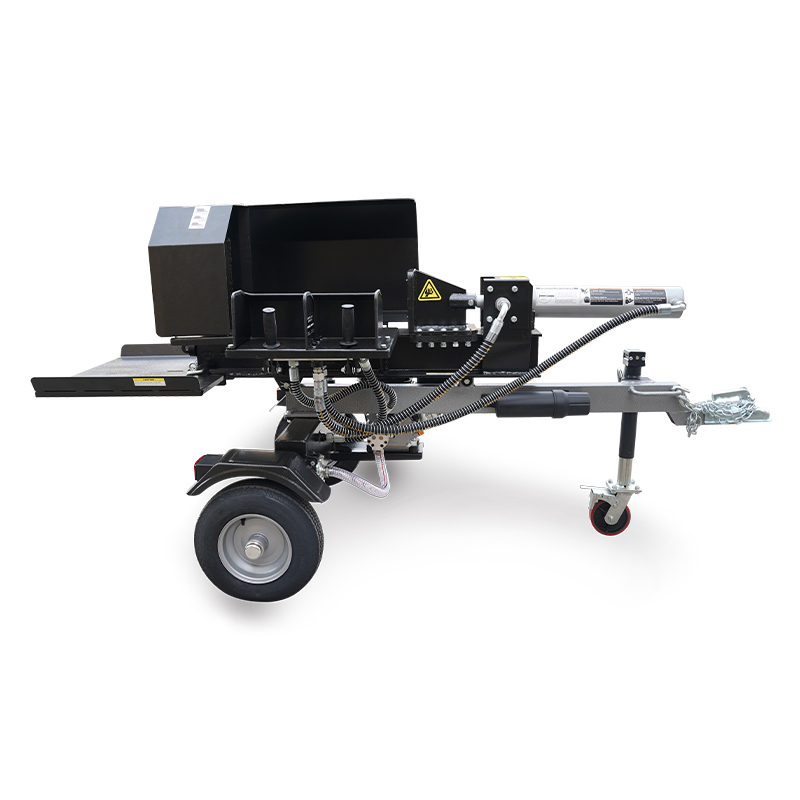
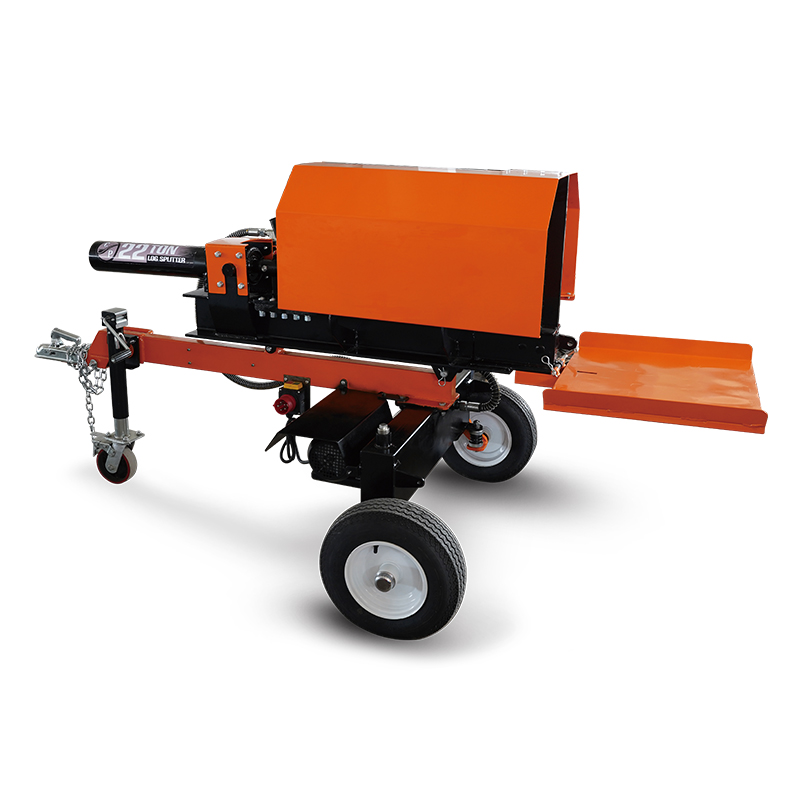
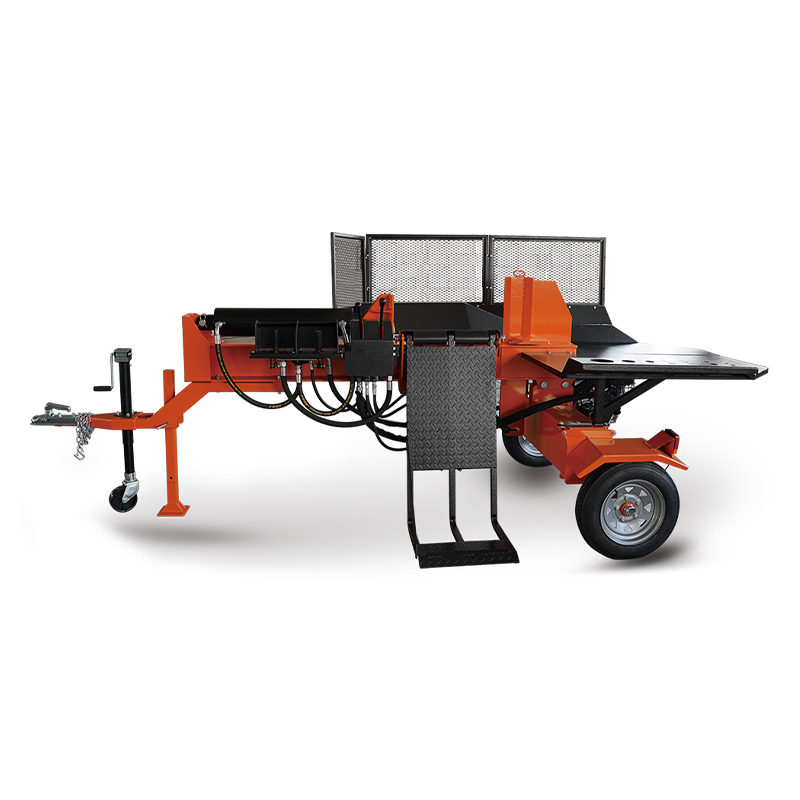
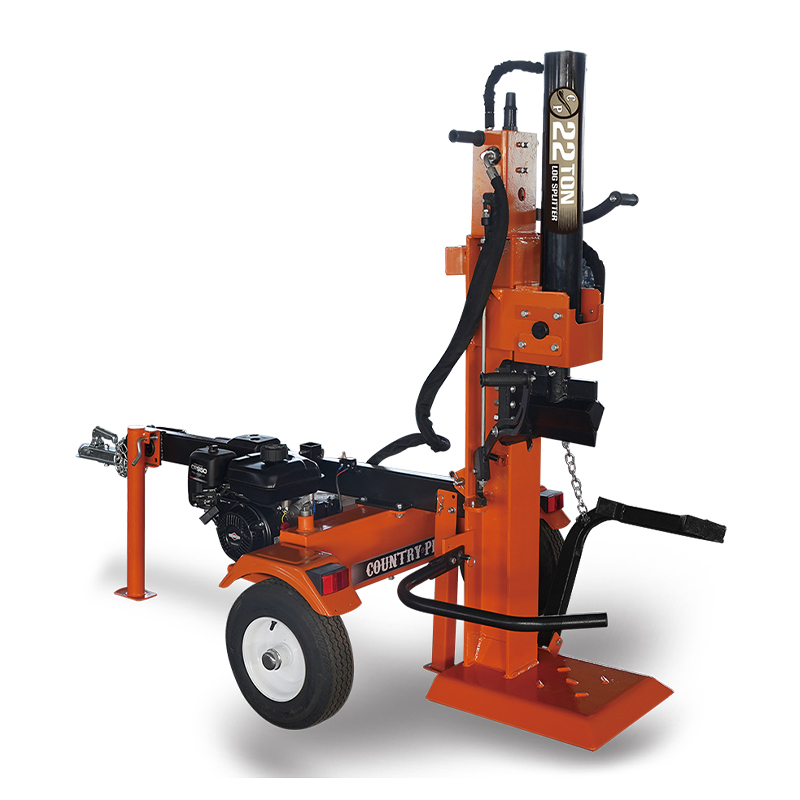
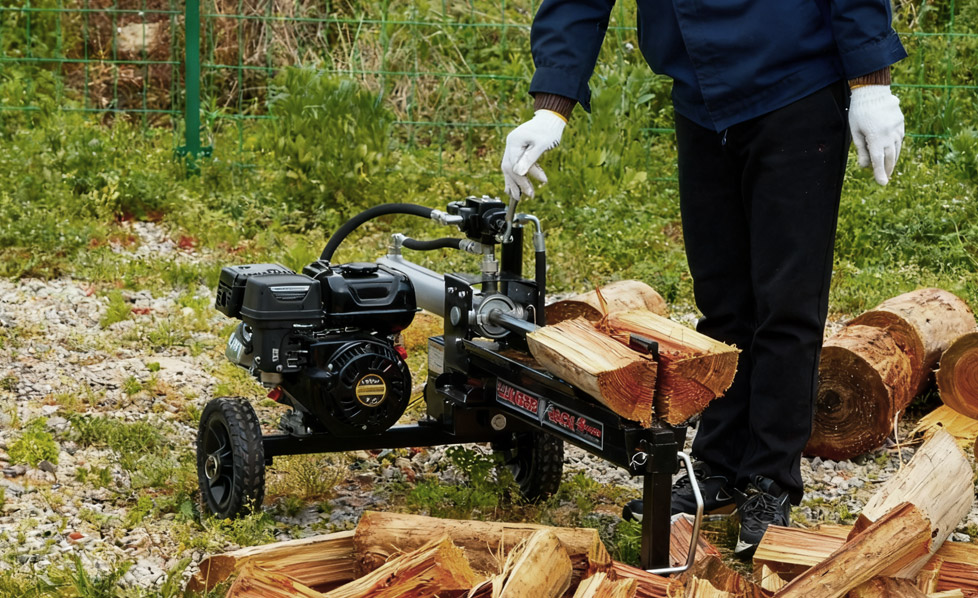
The first step in choosing the right log splitter is to understand the different types available. A petrol log splitter is powered by a gasoline engine, making it ideal for larger, more demanding jobs. Gasoline log splitters generally offer greater power and efficiency compared to electric models, which makes them suitable for commercial use or for splitting larger logs on remote sites without access to electricity. A rapid splitter is designed for quick, efficient splitting. These models are known for their speed and ease of use, often incorporating advanced hydraulic systems that allow for faster splitting times. If you're working in environments that require frequent and quick log splitting, a performance built log splitter will meet your needs. These models are designed with high efficiency in mind, providing not only speed but also durability and strength.
Factors to Consider When Choosing a Log Splitter
There are several key factors to keep in mind when selecting a log splitter. Here’s a breakdown of the most important considerations:
- Power Source: The power source is one of the first factors to consider. Petrol log splitters are excellent for heavy-duty tasks as they provide greater force compared to electric models. They are ideal for professional or frequent use. On the other hand, if you need a machine for occasional tasks, an electric model might suffice.
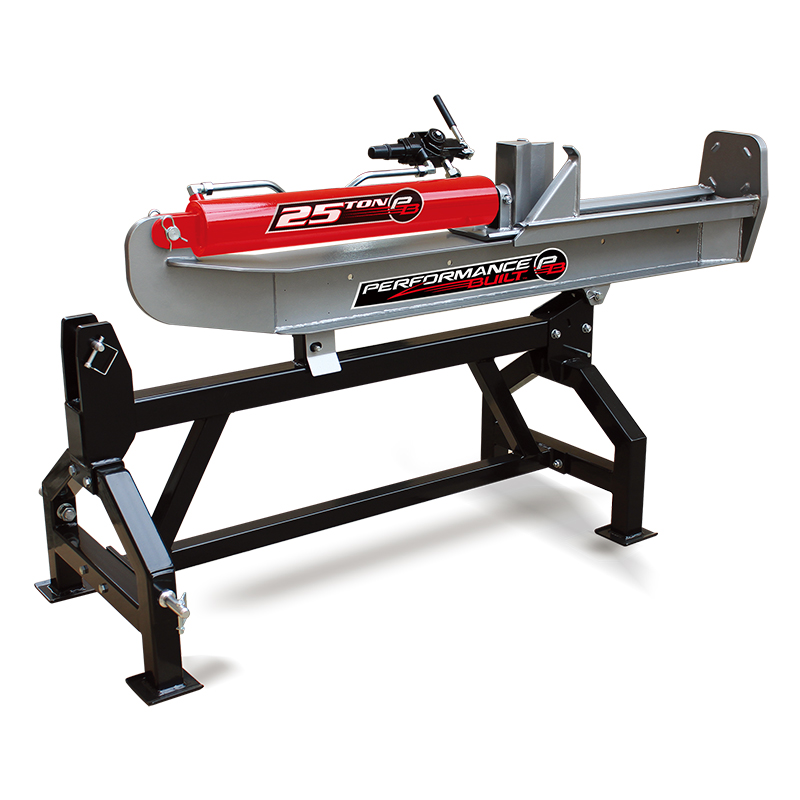
- Splitting Force: The amount of force a log splitter can generate determines the size of logs it can split. For tougher logs, you will need a more powerful unit. Performance built log splitters often have higher force ratings and are built to handle large, difficult logs.
- Cycle Time: The cycle time refers to how long it takes for the splitter to complete one splitting cycle. A rapid splitter generally has a shorter cycle time, which makes it a great choice if speed is a priority.
- Log Capacity: You should also consider the size of the logs you intend to split. Some models, especially the gasoline log splitter varieties, are designed to handle larger logs. Ensure the splitter you choose can handle the diameter of logs you plan to split regularly.
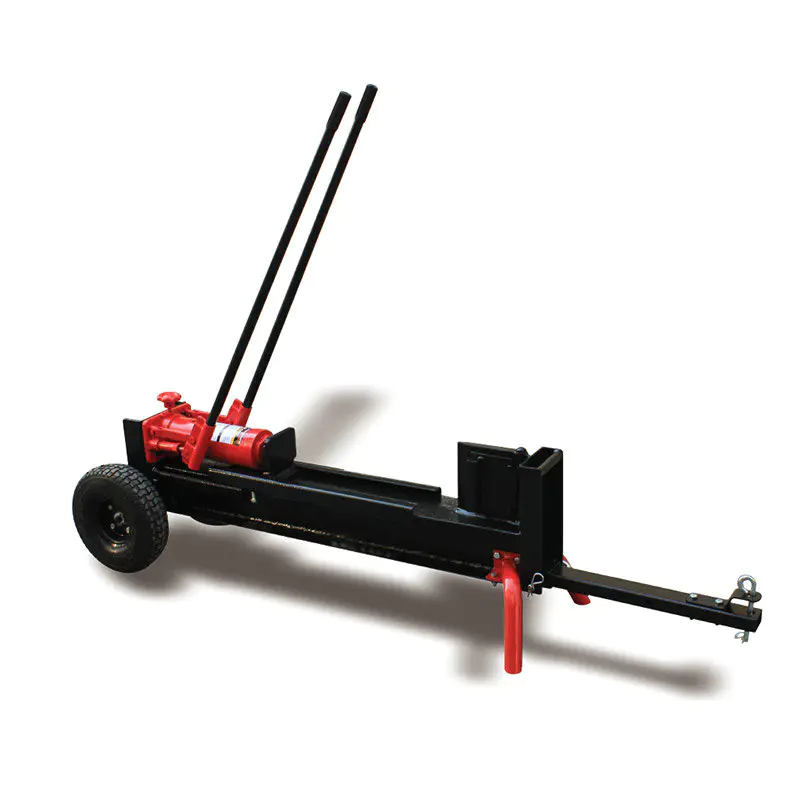
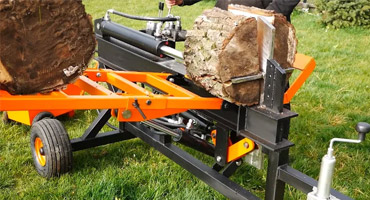
- Mobility: If you need to move your splitter around, check if it’s equipped with wheels for easy transport. Many petrol log splitters and rapid splitters are designed with mobility in mind, making them easy to maneuver in different work environments.
Benefits of Petrol and Gasoline Log Splitters
Both petrol log splitters and gasoline log splitters have distinct advantages. Here’s why you should consider them for your log splitting needs:
- Portability: Since they are powered by gasoline, they can be used in areas without access to electrical outlets. This makes them highly versatile and useful in remote locations or large properties where power might be limited.
- High Power: Gasoline log splitters are known for their powerful engines, which can easily handle even the toughest logs. The added force makes them suitable for both residential and commercial use.
- Efficiency: Petrol-powered models offer quicker and more efficient splitting. Performance built log splitters typically feature advanced hydraulic systems, which increase speed and reduce the physical effort needed from the user.
Choosing Between Vertical and Horizontal Splitters
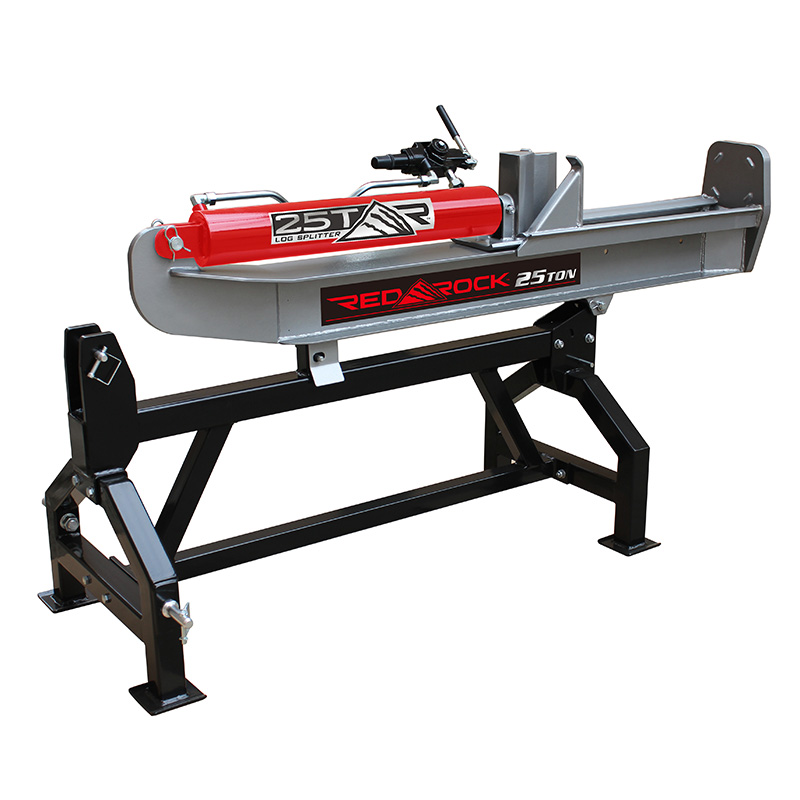
There are two main configurations for log splitters: vertical and horizontal. Each configuration offers distinct advantages depending on the user's needs.
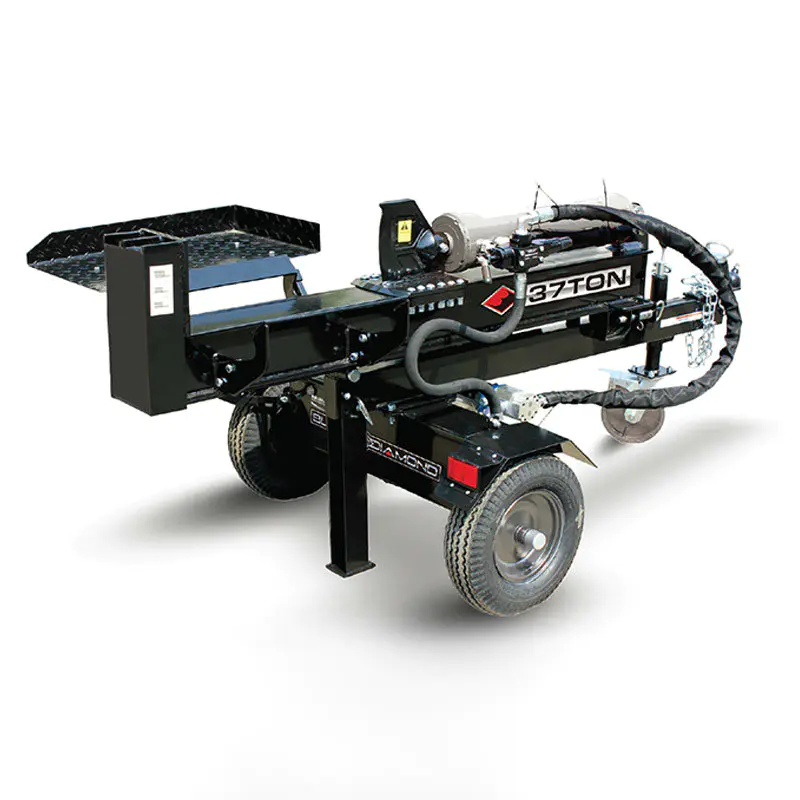
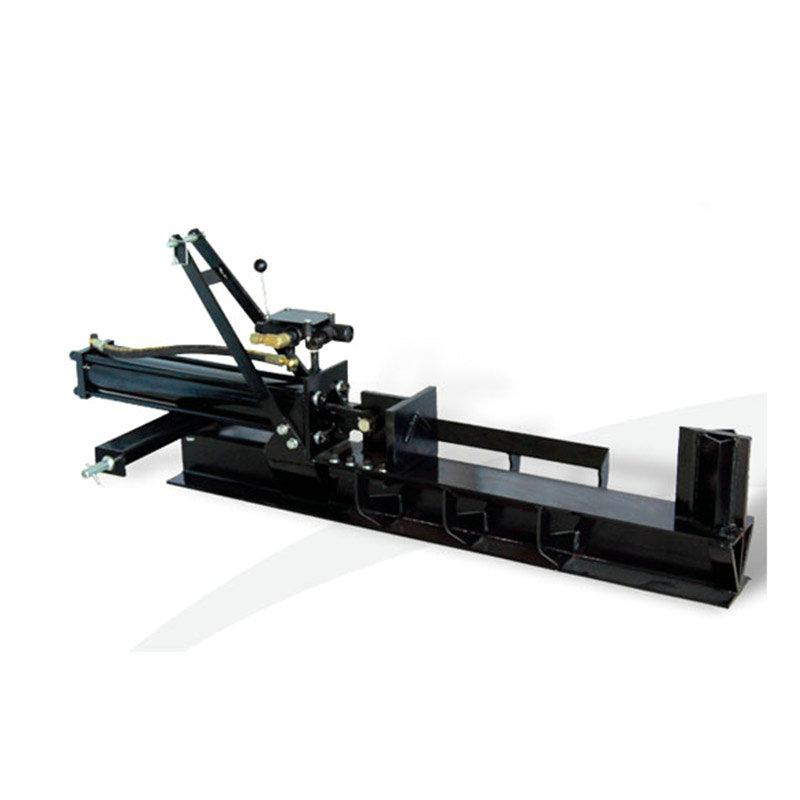
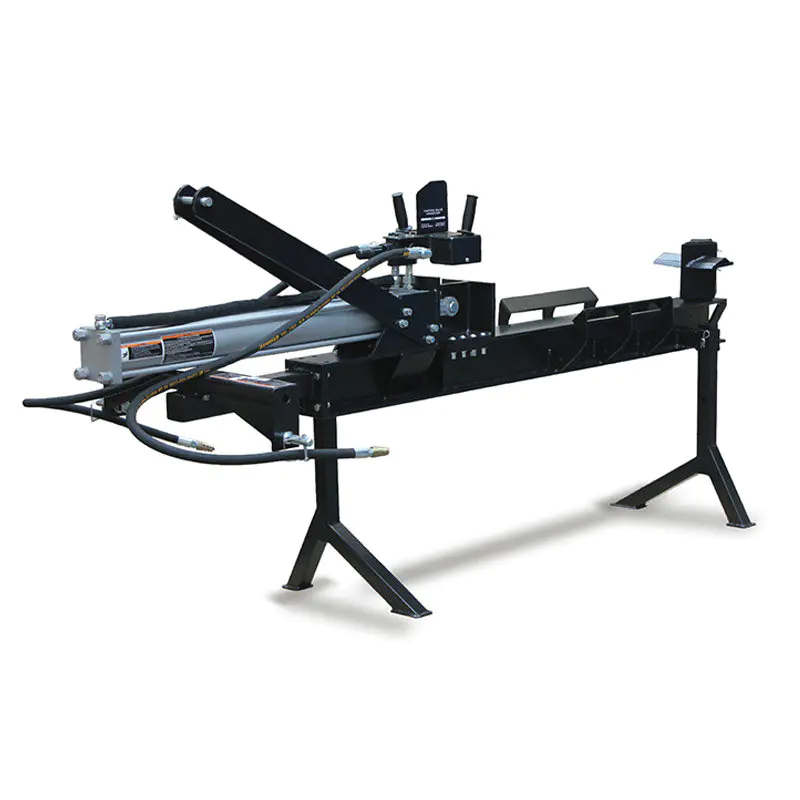
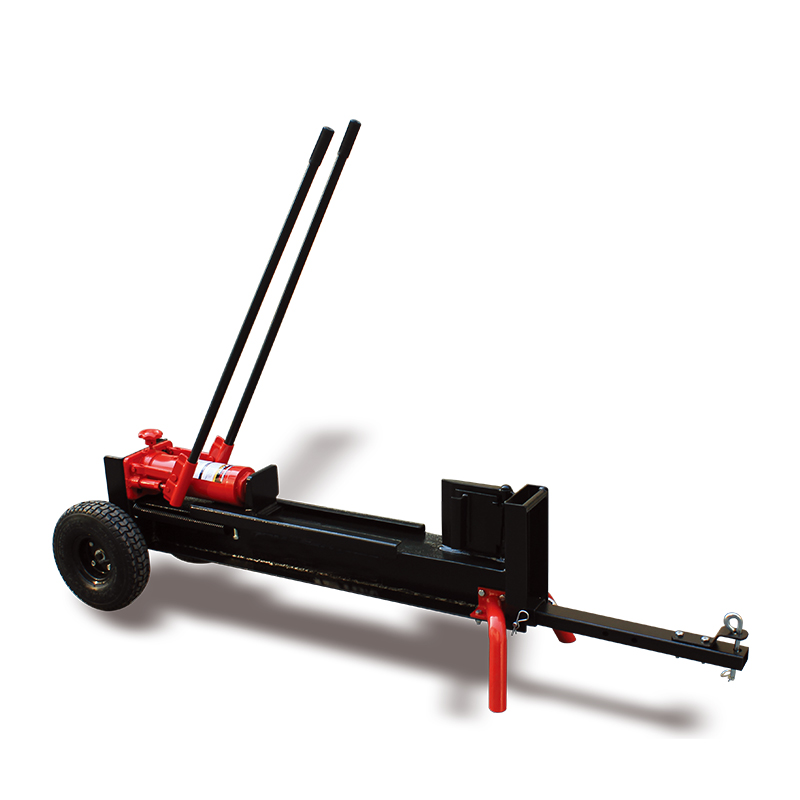
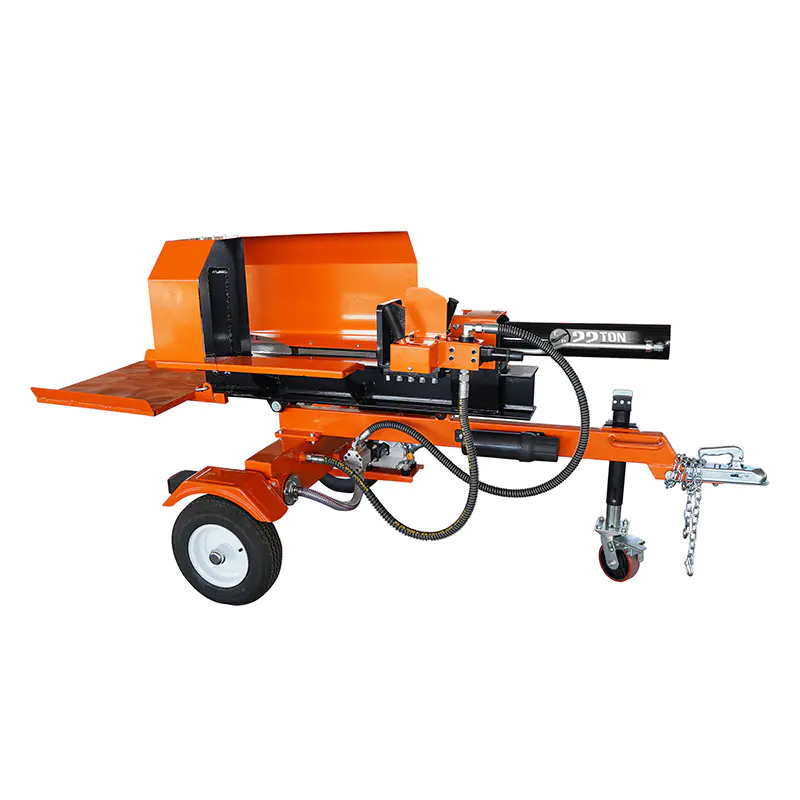
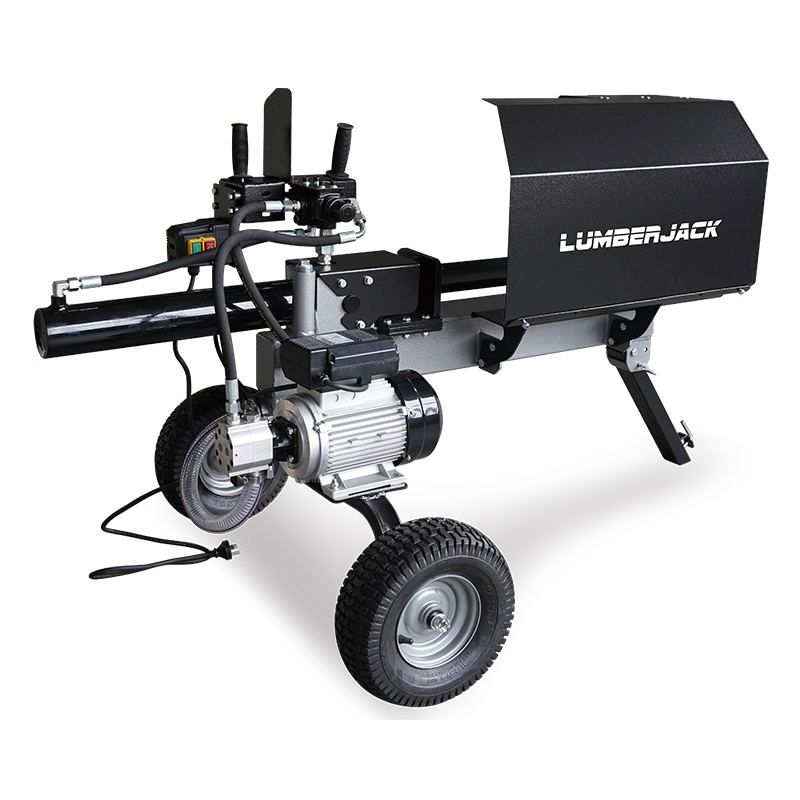
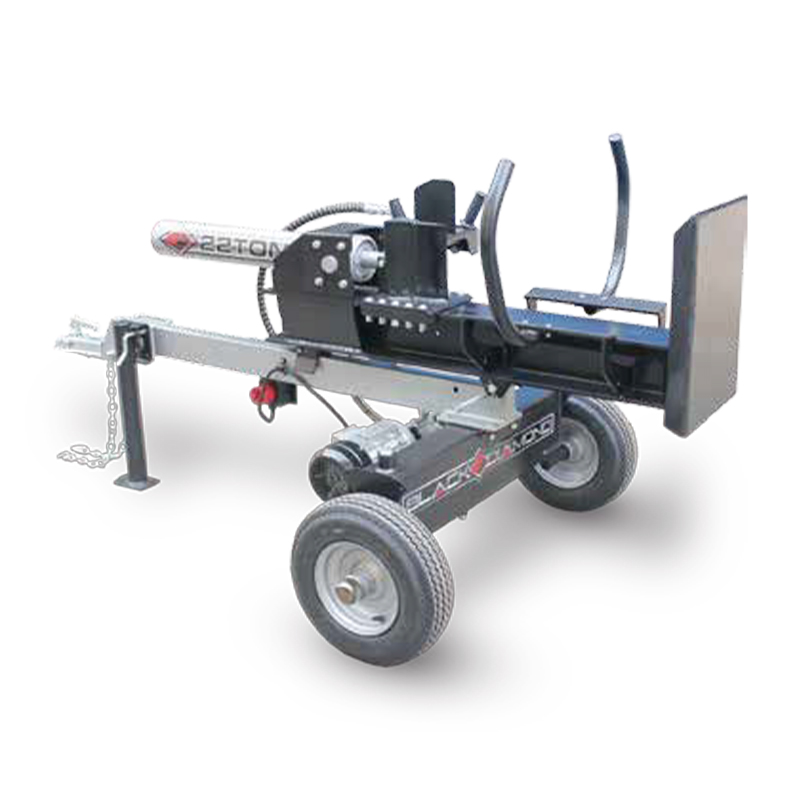
- Horizontal Splitters: These models are perfect for splitting smaller to medium-sized logs. They are easy to operate and are generally less expensive. Rapid splitters often fall into this category, as they are designed for quick, high-efficiency tasks.
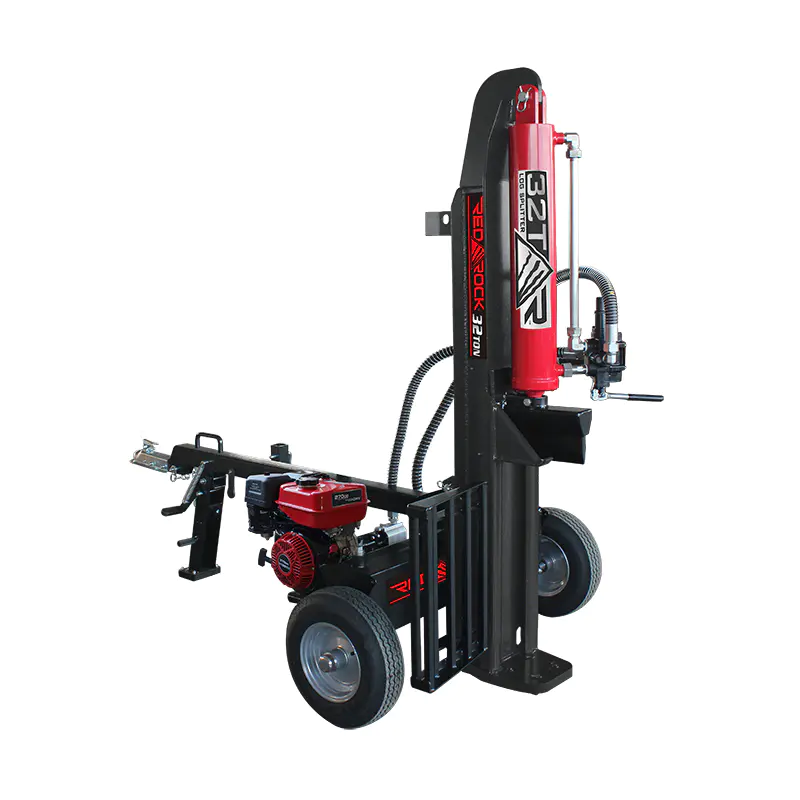
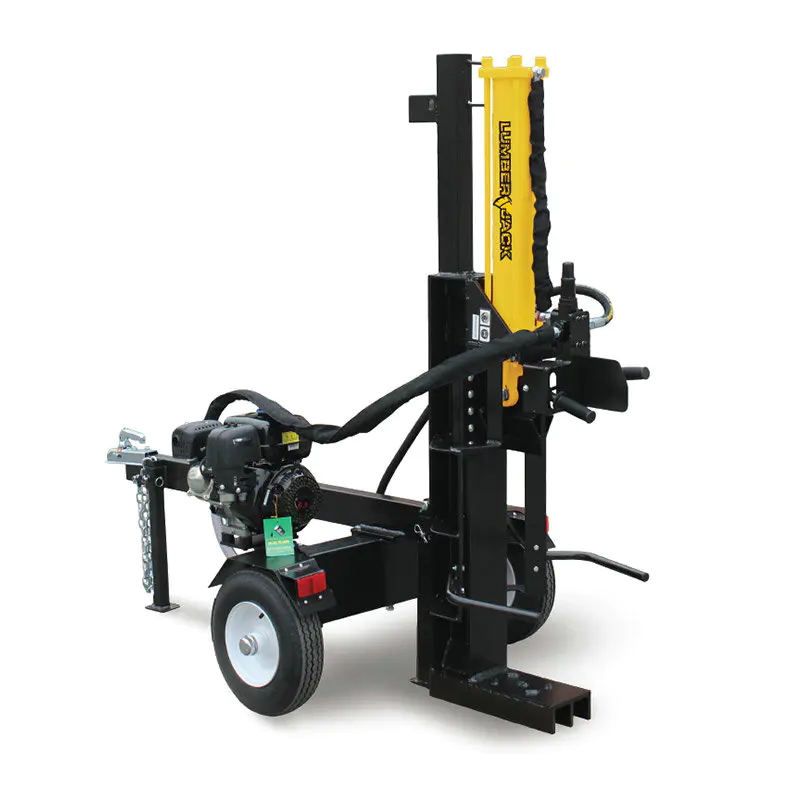
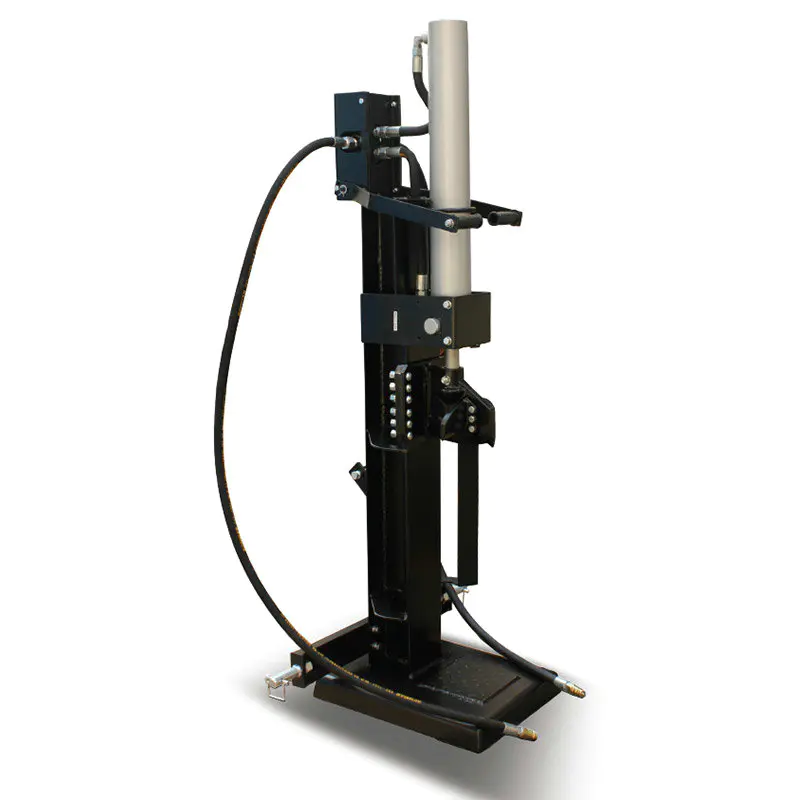
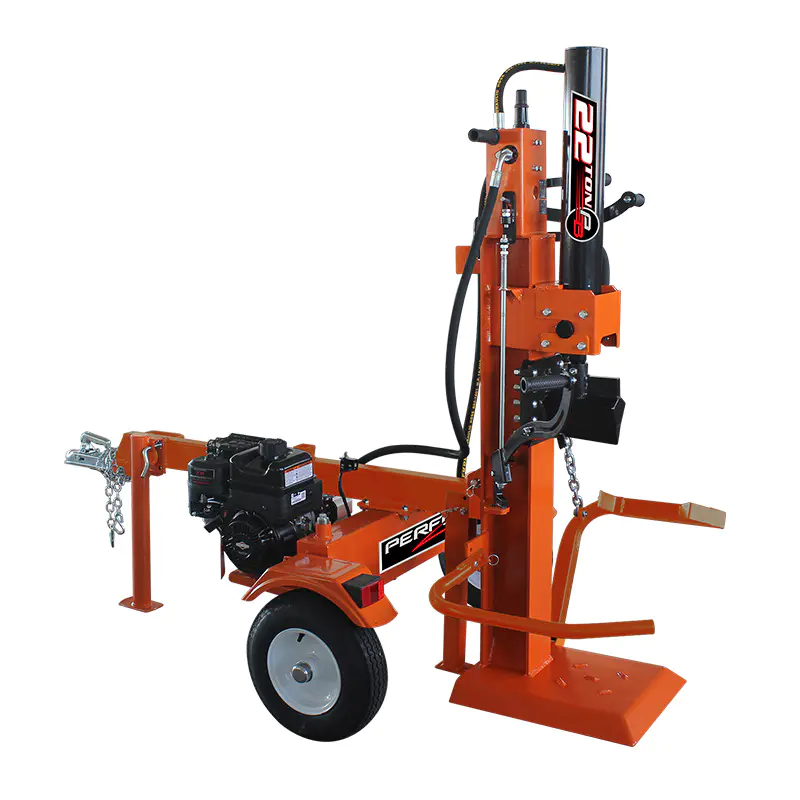
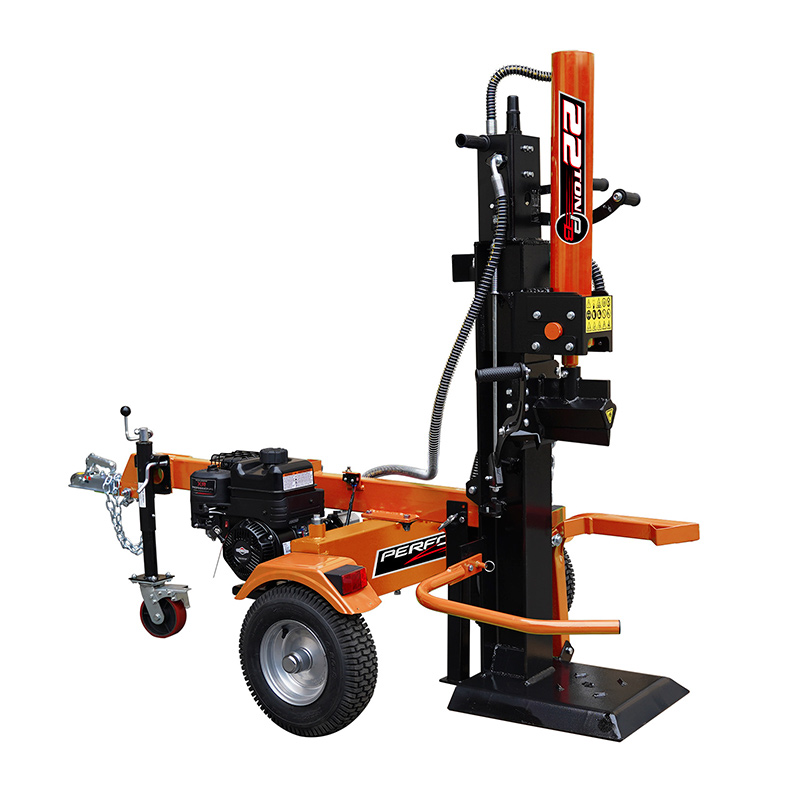
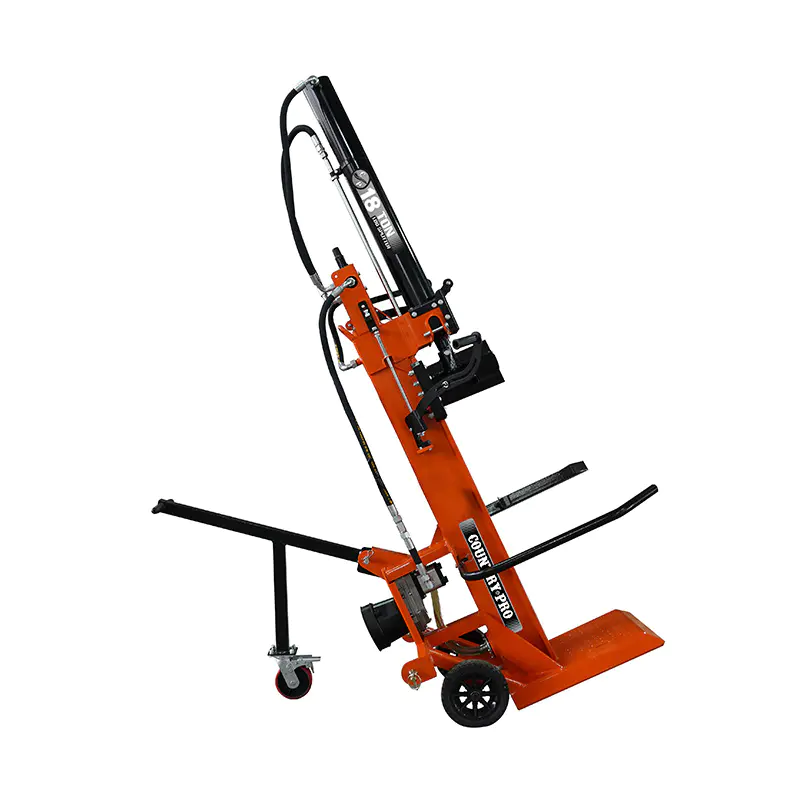
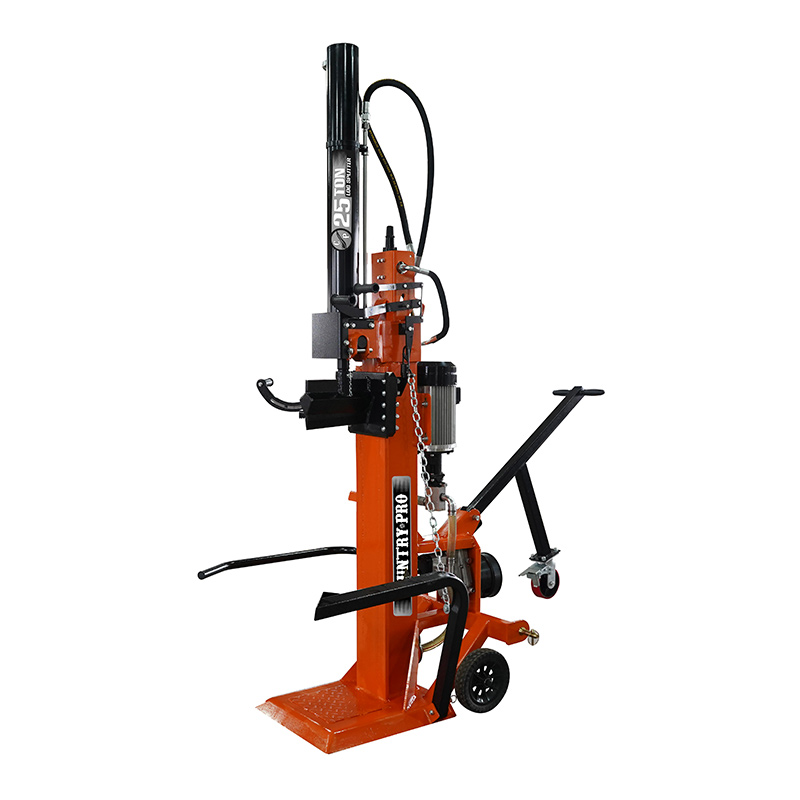
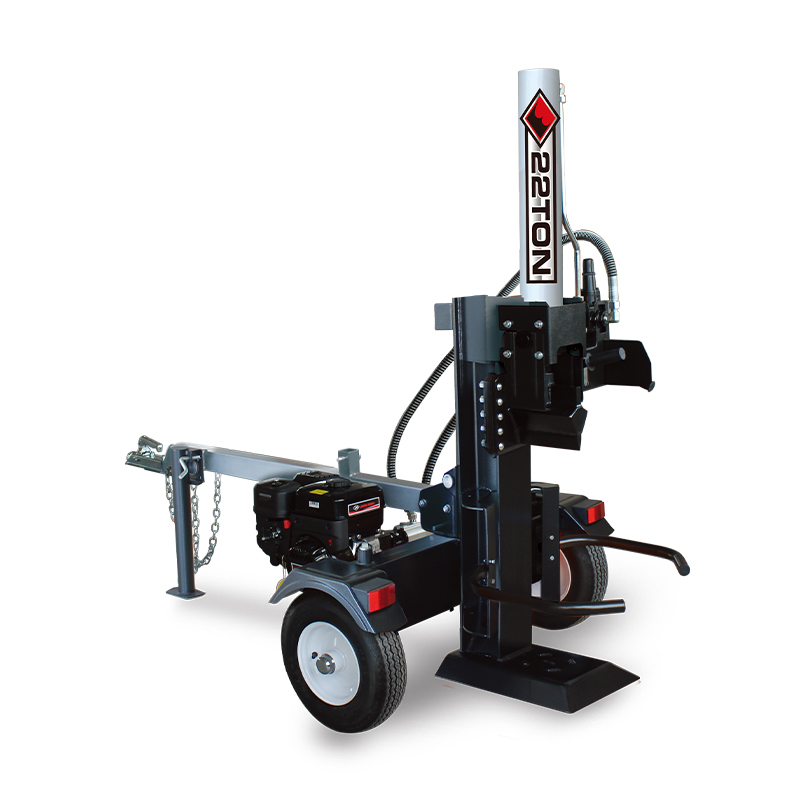
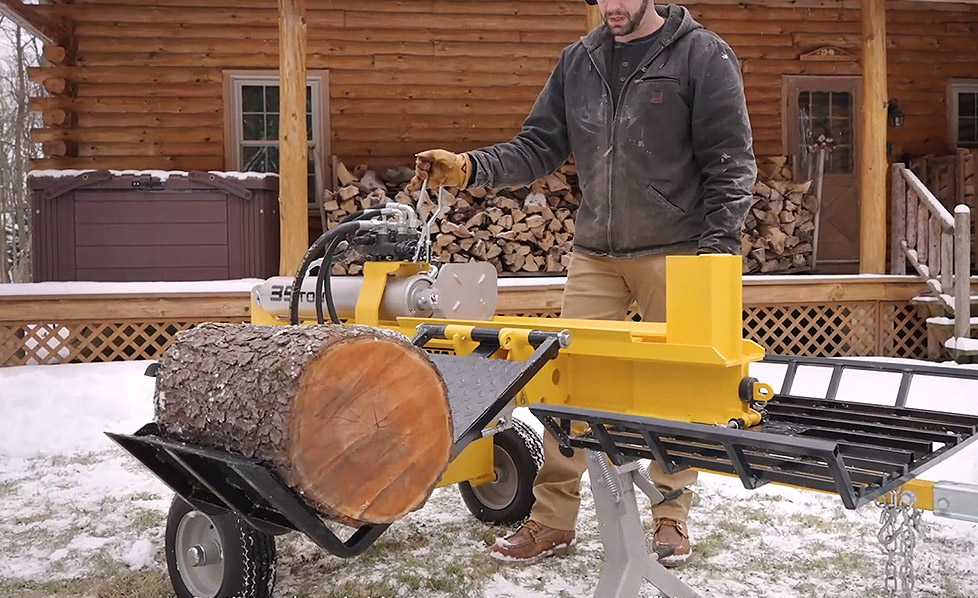
- Vertical Splitters: If you need to split larger logs, a petrol log splitter in the vertical configuration might be the best choice. These models can handle logs up to 36 inches in diameter, offering a greater level of power and convenience when handling oversized logs.
Jiashan Superpower Tools: A Trusted Supplier
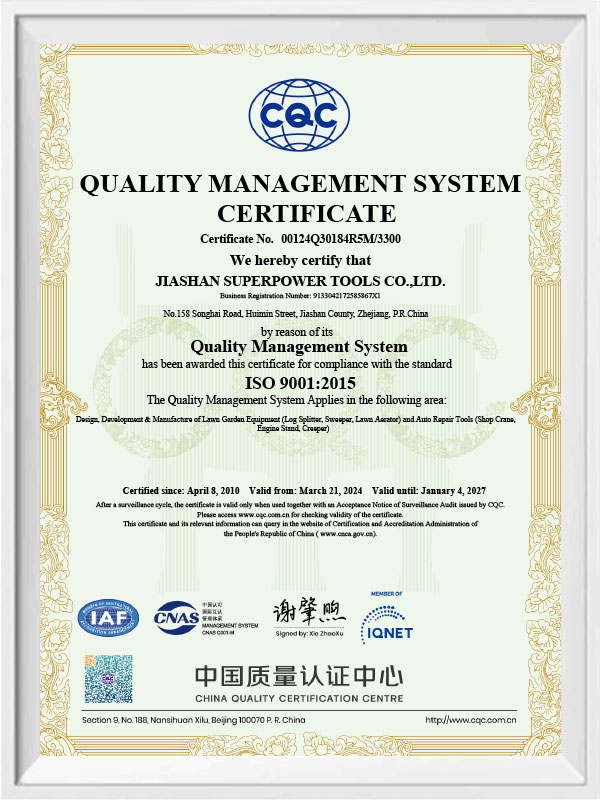
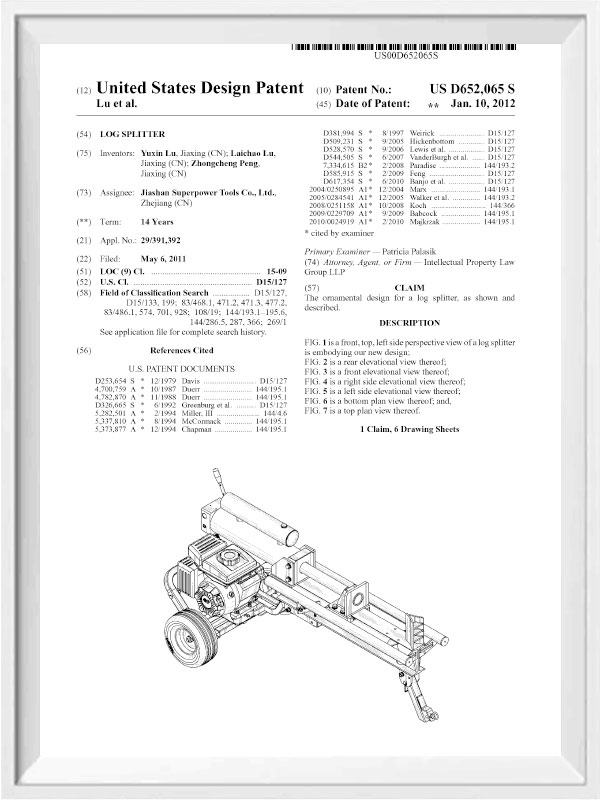
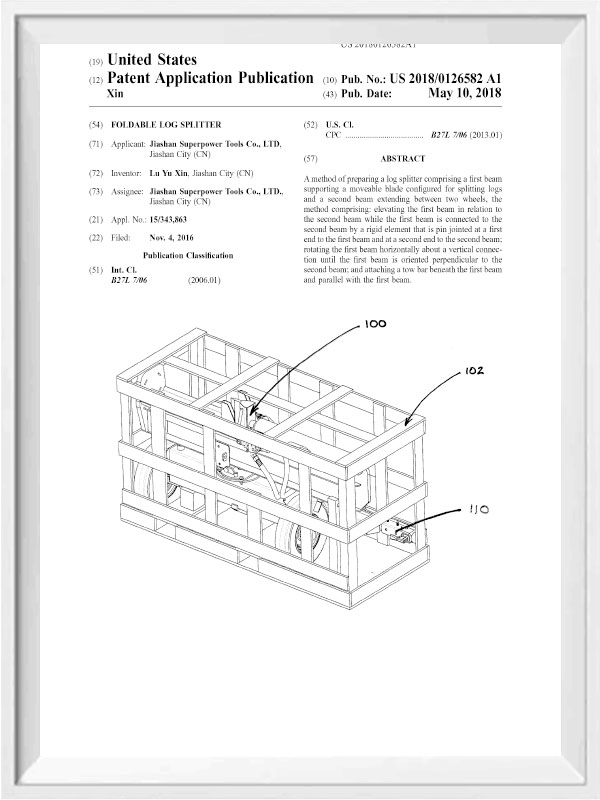
When choosing a log splitter, it’s important to select a manufacturer with a reputation for high-quality products. Jiashan Superpower Tools Co., Ltd. has been a leader in the field for over two decades, specializing in the production of petrol log splitters, gasoline log splitters, rapid splitters, and performance built log splitters. Jiashan Superpower Tools is committed to providing innovative solutions for outdoor equipment, including a wide range of lawn and garden products. Their petrol log splitters are known for their robust construction and long-lasting durability, built using advanced engineering techniques and solid steel components. The company’s commitment to quality ensures that every product meets the highest standards, providing reliable performance for customers worldwide.
Key Features to Look for in a Log Splitter
When choosing a log splitter, certain features can make a big difference in performance, durability, and ease of use. Below are the key features to look for:
- Hydraulic System: A strong hydraulic system is essential for delivering the splitting force. Performance built log splitters often come equipped with high-efficiency hydraulic systems, allowing you to split logs faster with less effort.
- Safety Features: Ensure that the splitter has safety features like a two-handed operation to prevent injuries. The control system should be easy to use while ensuring that the operator remains safe throughout the process.
- Engine Power: Depending on your needs, choose a model with an engine powerful enough to handle the volume and size of logs you intend to split. The gasoline log splitter is often the best option for users with high demands.
- Ease of Maintenance: Look for models that are easy to maintain and service. Petrol log splitters typically require regular maintenance, so selecting a model that makes these tasks easier will save you time in the long run.
Maintenance Tips for Petrol and Gasoline Log Splitters
Proper maintenance is essential to extend the life of your log splitter and ensure its efficiency. Here are some basic maintenance tips for petrol log splitters and gasoline log splitters:
- Check Oil Levels: Regularly check the oil levels and replace the oil when necessary to keep the engine running smoothly.
- Inspect Hydraulic Fluid: Ensure that the hydraulic fluid is at the proper level and that it is free from contaminants.
- Clean the Air Filter: A clogged air filter can reduce engine efficiency. Clean the air filter regularly to ensure smooth operation.
- Sharpen the Blades: Over time, the splitting blades can become dull. Regularly sharpen them to ensure efficient splitting performance.
FAQs
- What is the best type of log splitter for heavy-duty tasks? For heavy-duty tasks, a petrol log splitter or gasoline log splitter would be the best choice due to their powerful engines and ability to handle large logs.
- How do I maintain my log splitter? Regular maintenance includes checking oil levels, inspecting hydraulic fluid, cleaning the air filter, and sharpening the blades.
- Can I use a log splitter for both residential and commercial purposes? Yes, both performance built log splitters and rapid splitters can be used for residential and commercial purposes depending on the model and the volume of logs you need to split.
- What is the advantage of a vertical log splitter? A vertical log splitter is best for splitting larger logs, providing more power and versatility in handling oversized wood.
- How do I choose the right size of log splitter? Consider the diameter and type of logs you will be splitting. For larger logs, a gasoline log splitter or petrol log splitter with higher splitting force is ideal.

 LANGUAGE
 English
 Deutsch
 Español
 Français
 русский











 New Item
 Log Splitter
 Spreader
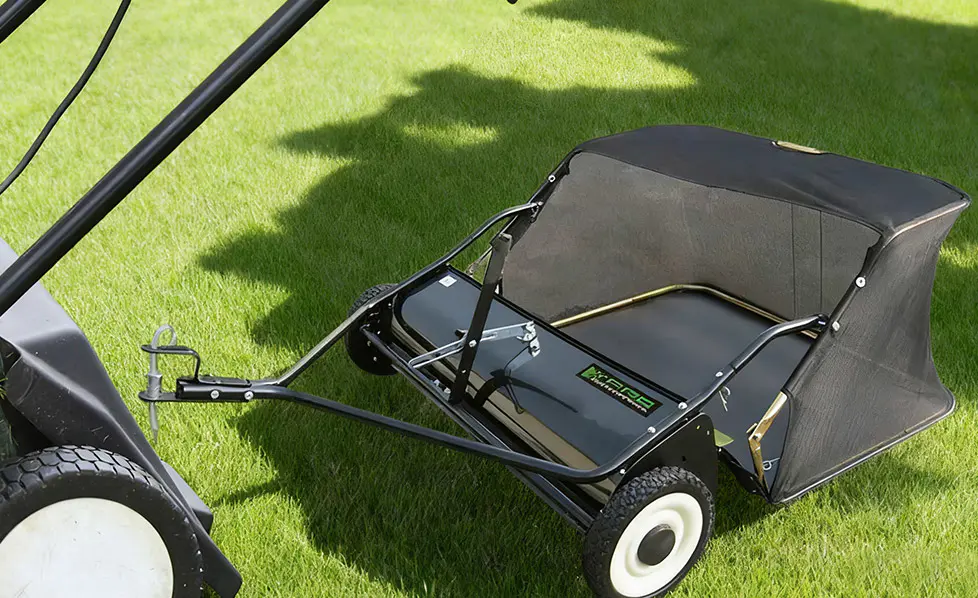
 Lawn Sweeper
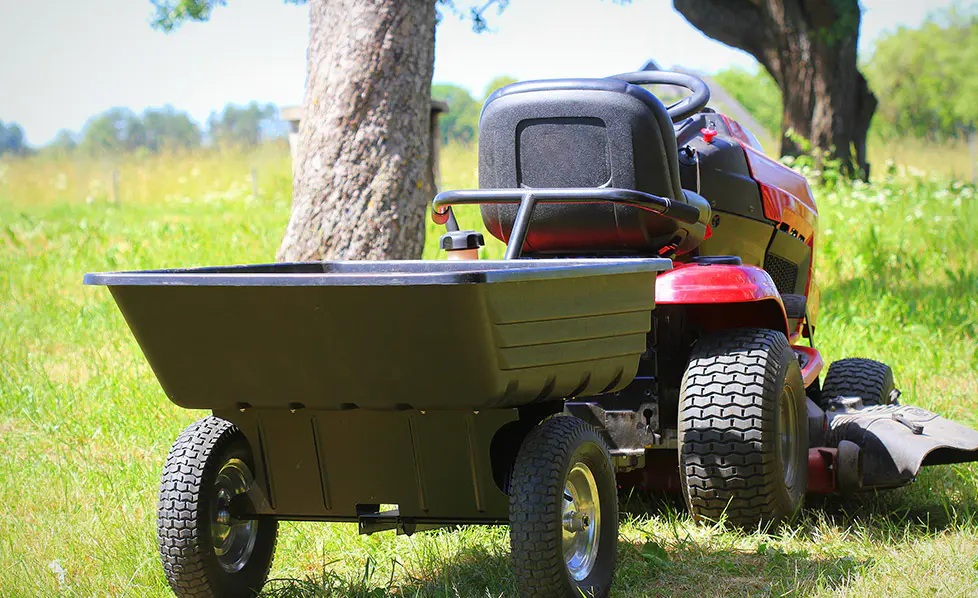
 Dump Cart
 Lawn Groomer
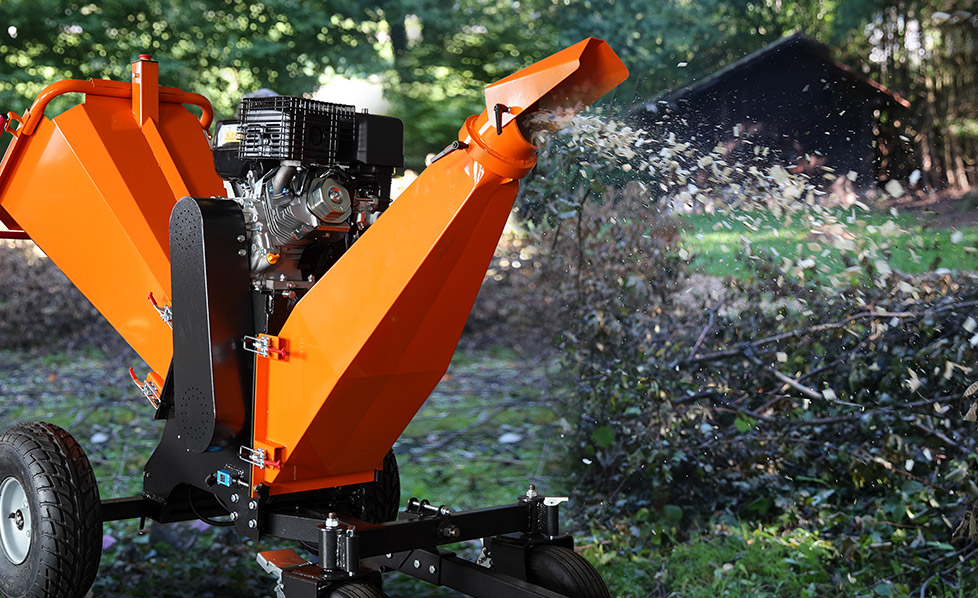
 Chipper Shredder
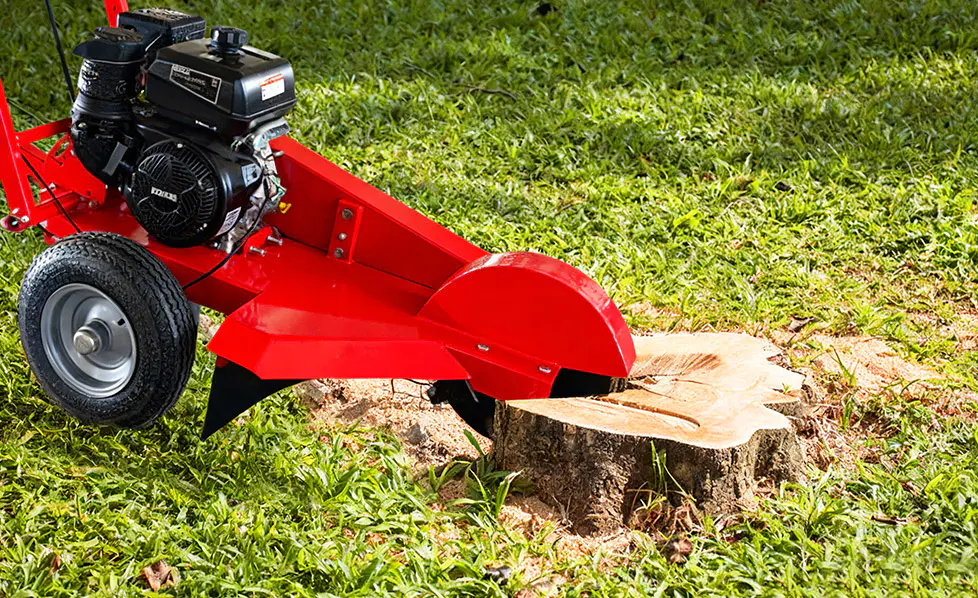
 Stump Grinder
 Outdoor Power Equipment